The Ultimate Guide to Seam Metal Roof Systems
2026-06-12 17:24:40
A new method of covering workplaces and businesses is with seam metal roof systems. To keep out the weather as well as possible, they use metal pieces that overlap and are joined at high points. These systems are different from traditional open fastener roofs because they hide the connection points under the panel surface with clips or flanges that are built in. The main problem of old metal roofs that lets water in is fixed. B2B buyers have many choices, such as standing seam configurations, snap-lock profiles, and mechanically seamed options, so they can find something that fits their price, structural needs, and temperature needs. The design with the secret fasteners stops problems with heat expansion and keeps the system waterproof for many years. Because of this, these systems are the best choice for building companies, roofers, and homeowners who want long-lasting, reliable performance.

Understanding Seam Metal Roof Systems
Defining Core System Components
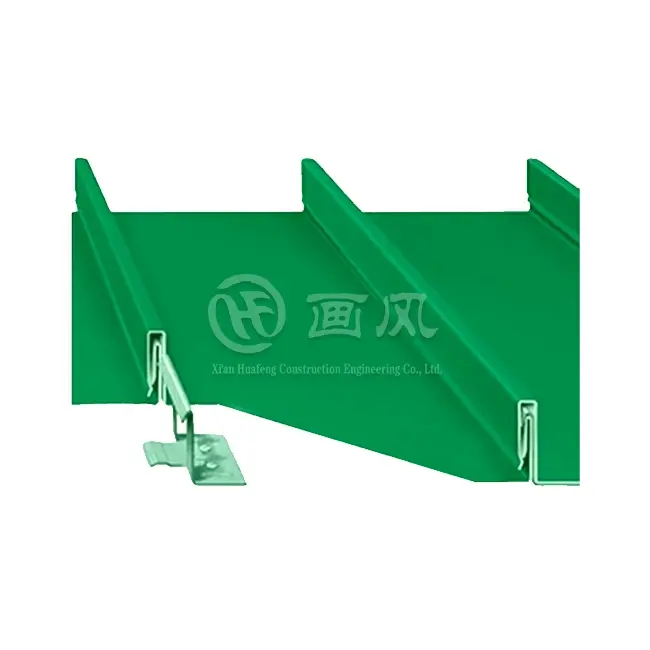
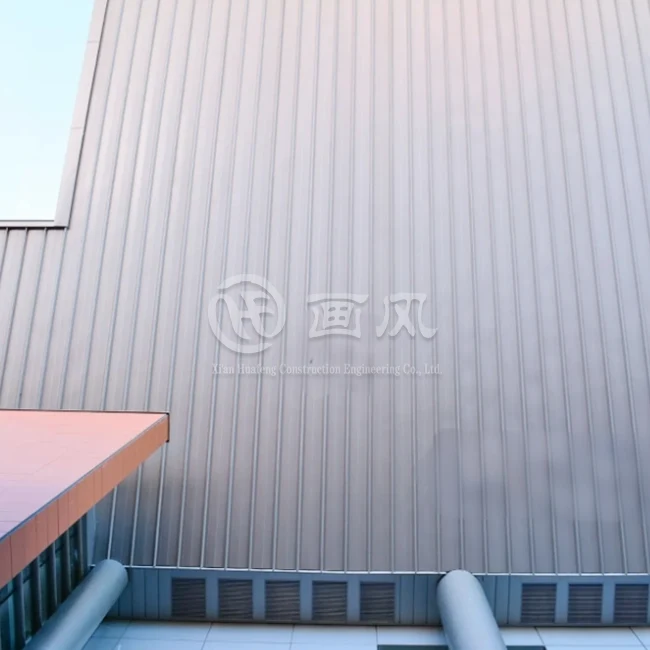
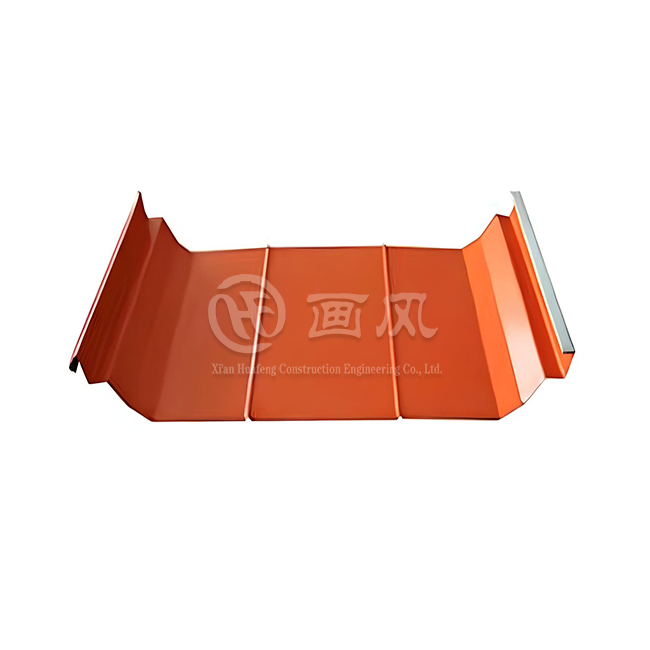
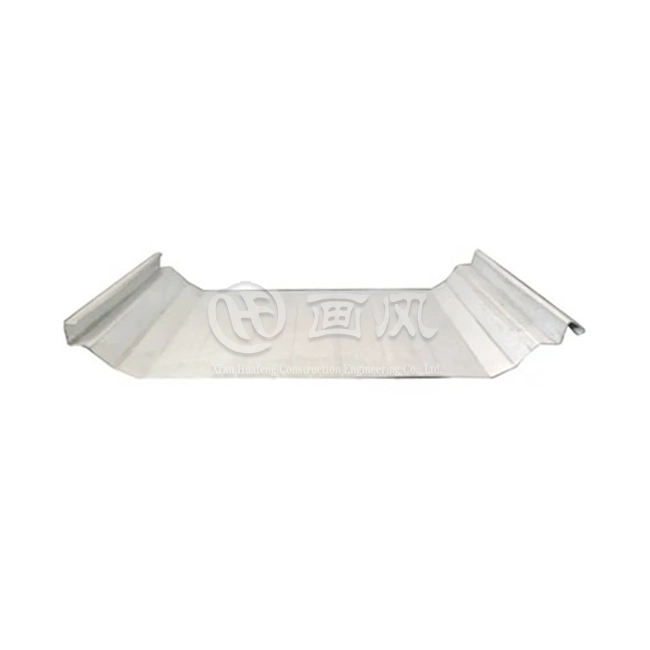
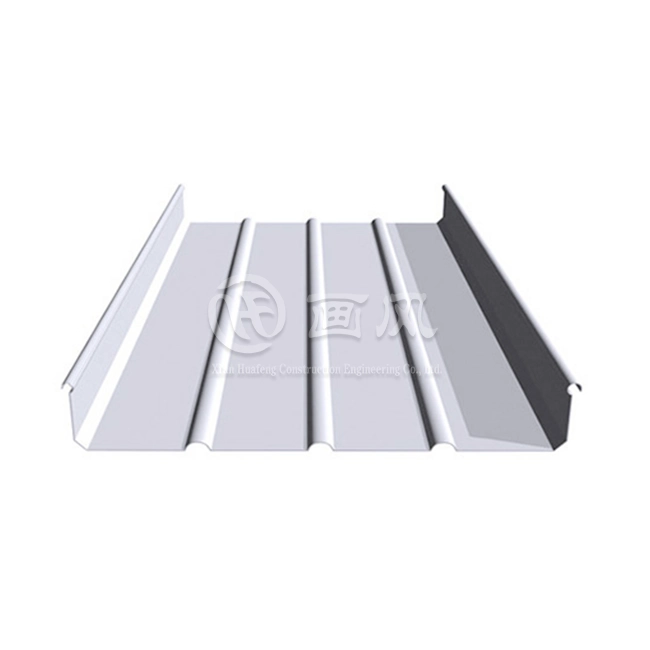
The pieces that make up standing seam metal roofing go from the ridge to the eaves and are straight up and down. Most of the time, the seams are raised 65 mm and fit together tightly. There are several layers that are connected to make up the structure of the system. The roof panels are made of aluminum-magnesium-manganese alloys (AA3003, AA3004) and are between 0.9 mm and 1.2 mm thick. There are also waterproof breathable membranes made from high-density polyethylene non-woven fabric that keep water out while letting vapor escape; rock wool layers for thermal and acoustic insulation; polyester or spunbond polyethylene films for vapor barriers; and perforated galvanized corrugated steel plates for the structure. Because it's made of multiple layers, it will last, work well in hot or cold weather, and keep condensation from forming, all of which are important for business uses.
Material Specifications and Performance Standards
Metal roofing panels use different types of foundations depending on the weather and the needs of the job. It is very hard for galvalume coats (aluminum-zinc metal, AZ50 or AZ55 types) to rust because they can stick to themselves where they are cut. Aluminum frames work better than steel ones near the ocean, where salt spray makes steel rust faster. Putting things on the surface changes how long they last and how good they look. PE (polyester) coatings offer basic protection that works well in warm weather, and HDP (high-durability polyester) coatings make the fade resistance even better. Polyvinylidene fluoride (PVDF) coats containing 70% fluororesin work very well at a thickness of 25–30µm. They promise not to chalk or fade for 30–40 years and keep their color even when exposed to strong UV light.
Panel Configuration Options
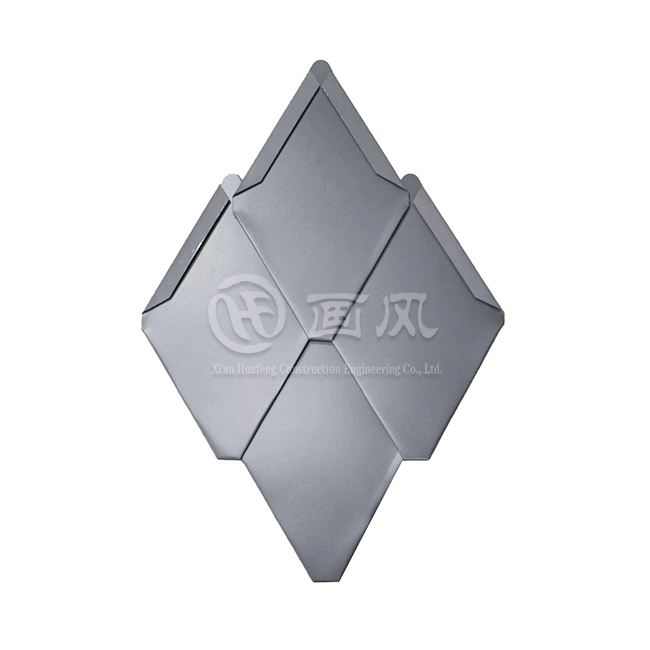
The different panel sizes let builders meet the wants of many different building styles. For flat roofs, straight plates work. For curved building plans, positive arc and negative arc forms can be used. Fan-shaped plates are good for covering up changes that aren't simple, and fan-curved plates let you cover surfaces in three dimensions without losing their moisture. Each panel of seam metal roof systems can cover an area of 300 to 600 mm, and the length can be changed up to 13 meters. This gets rid of the need for crosswise holes, which can let water damage happen. With measuring tools on-site, you can change production settings right away based on what's happening at the site. This cuts down on waste and makes sure that the parts fit properly when they are installed.
Benefits and Performance of Seam Metal Roof Systems
Durability and Weather Resistance
When checked to see how long they last, these roofing systems often last longer than standard ones. They can last between 40 and 70 years if they are put in the right place. When the temperature changes, the "fastener backing out" effect stops the secret fasteners from doing their job. This is the main reason screw-down metal roofs fail. Mechanical seaming creates double-locked seams that are 180 degrees apart and can withstand water pressure. This means they can be used in places with low slopes, up to 1/4:12 pitch, where water loss is slower. The aluminum-magnesium-manganese metal base doesn't rust, even if the coatings on top get broken while being shipped or put in place. Also, even after decades of being in rain, snow, and big changes in temperature, it still holds together.
Energy Efficiency and Sustainability
Industrial buildings need a lot less energy to cool down because metal tops reflect heat back into the air. Solar energy is pushed away from building surfaces by coverings that are light or have special properties. This brings down the temperature inside and cuts down on HVAC loads by 10 to 25 percent during the hotter summer months. This result helps the building get LEED points for Sustainable Sites and Energy & Atmosphere. Investors who want to be known for green buildings will be interested in the building. Materials for metal roofs can be recovered, which is in line with the circular economy. When aluminum and steel surfaces hit the end of their useful life, they keep their full material value. In fact, more than 25% of the reclaimed content is often used to make new panels. People are getting more and more safe building materials, and these environmental guidelines meet that need.
Maintenance Requirements and Lifecycle Costs
As part of the regular maintenance that is done every six months, the seams are checked for damage, the sealant at the holes is checked for quality, and trash is taken out of the drainage paths. During the warranty time, the PVDF finish means that you don't have to paint or wash it often. Compared to painted steel or tile roofing that needs to be cleaned and refinished often, this lowers the total cost of maintenance over the roof's lifetime. Metal roofs cost more up front, but they are worth it in the long run because they last longer, need less maintenance, and save money on energy costs. This means that the money is back in the bank in 15 to 20 years for most business uses.
Comparing Seam Metal Roof Systems: Which Is Best for Your Project?
Standing Seam versus Corrugated Profiles
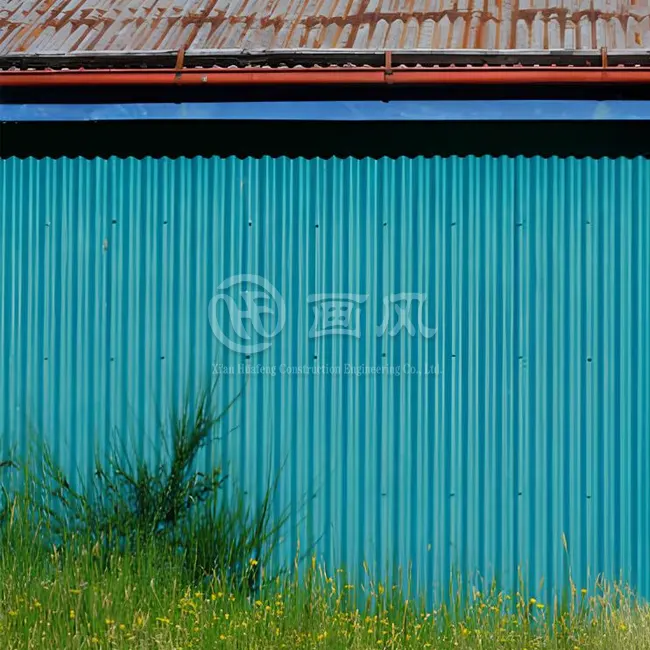
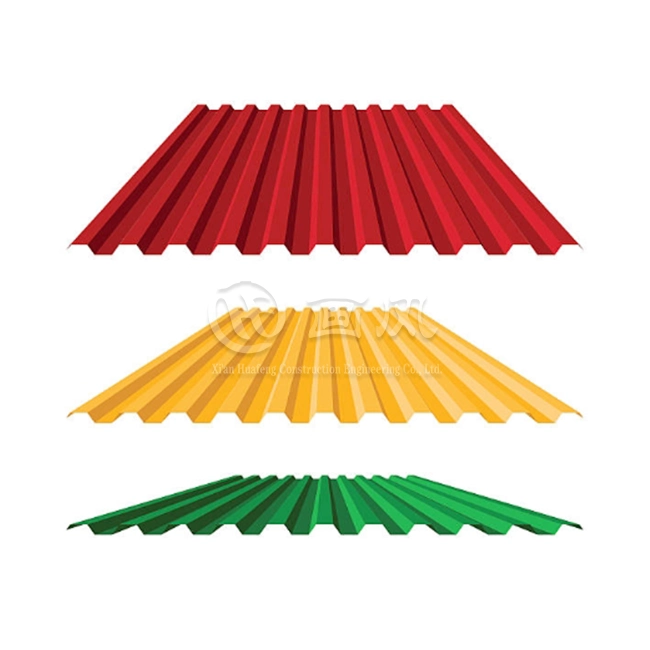
Seam metal roof systems with stand-seam patterns are best for places that need to keep the weather out fully and keep the building clean. This is especially true for places like schools, stores, and business buildings. Water can drain better because the seams are set up vertically, and the secret clip system lets heat move without putting too much stress on one spot. For projects that need to stay within their budget and don't care much about how the building looks, corrugated metal roofing is a better choice. It's easier to install and costs less because the bolts are visible, but it needs regular maintenance like tightening the screws and changing the seals because the heat wears these parts down over time.
Climate-Specific Material Selection
In places that get a lot of snow and are very cold, aluminum-magnesium-manganese alloys are useful because they stay flexible at very low temperatures and have smooth surfaces that make it easy for snow to slide off the panels. Surfaces that reflect a lot of sunlight keep hot, dry places from getting too hot. Solar Reflectance Index (SRI) numbers above 78 can be reached with light colors and certain dyes. In salty air, standard galvanized materials rust more quickly, so sites near the coast need metal bases or strongly galvanized steel with strong PVDF topcoats. In hurricane-prone areas, you need panels that are automatically seamed and have more space between the clips. They have to meet UL 580 standards for wind lifting, and they usually get Class 90 scores for being very resistant to wind.
Lifecycle Cost Analysis
Materials for standing seam systems with PVDF finishes cost between $8 and $14 per square foot when they are first put together. On the other hand, tiles cost $7 to $12 per square foot and asphalt roofs cost $3 to $6 per square foot. On the other hand, metal roofs last fifty years or more, while asphalt shingles only fifteen to twenty-five years. This makes it very hard to figure out how much it will cost to fix more than one roof. Savings on energy costs, repairs, and replacement costs add up over time to cover the higher cost of the machine itself. When buyers in business properties look at 30-year holding periods, metal roofs always have a lower total cost of ownership and work better.
Procurement Guide: Buying Seam Metal Roof Systems for B2B Clients
Supplier Qualification and Certification
Manufacturers who want to keep their good name keep their ISO9001 and ISO14001 environmental management systems up to date. This shows that they are dedicated to consistent standards of work and ways that are good for the earth. Some goods have been cleared by UL for their ability to resist fire, FM for their ability to withstand wind uplift, and ASTM for meeting the requirements of testing methods (E1592 for structural performance, E1680 for air leaks, and E1646 for water entry resistance). Make sure that the seller gives you full test results for the material, mill certifications for the base, and guarantee paperwork for the coating that is backed by the paint maker. Well-known companies offer 30-year warranties that cover both the quality of the panels and how well the finish works. This is a key way for big business projects to lower their risk.
Custom Order Capabilities and Lead Times
Large-scale projects can be supported by high-volume suppliers who keep up enough production capacity; monthly supply capacities of 1,000 tons make it possible for big business installations to be finished on time. Usually, the smallest order size is 500 square meters. This is the best size for both production efficiency and project-scale freedom. You can customize the design by picking a color from a large RAL and private range, adding striations to avoid an oil-can look, and making sure the sizes fit the needs of the building. Most projects can be finished in 15 to 20 days, but lead times may be longer during busy building seasons or for orders that are very complicated. As early as possible in the planning stage, get sources involved to keep the project on track and make sure there are enough supplies.
Pricing Structure and Budget Planning
How much a material costs relies on the base that is chosen, how it is to be finished, and how many orders are made. These panels are 20–40% more expensive than steel panels because the raw materials are more expensive. But they don't rust as easily, so the money spent on them is worth it in marine or industrial settings. PVDF coats cost an extra $0.50 to $1.00 per square foot more than PE finishes, but they last longer and need less maintenance, so they are a good choice for high-quality jobs. You can get a deal if you buy more than 5,000 square meters. You can get price cuts of 8 to 15% for large projects or groups of buildings. Don't forget to fund extra parts in your spending plan. The price of a panel can go up by 15 to 20% if you add clips, screws, trim pieces, and seals.
Installation Process and Best Practices
Site Preparation and Substrate Requirements
The first step in a good fit is to carefully study and prepare the substrate. The insulation layers and seam metal roof systems will put a dead load on the roof elements that are already there. There is no set amount for this dead load; it can be anywhere from 2 to 4 pounds per square foot. A wooden or metal deck must be used to cover the roof deck so that the pieces stay in place and noise levels are kept low. Cover the whole roof with synthetic matting or high-density polyethylene waterproof coverings before putting up the panels. Make sure the gaps are at least 6 inches apart, and then use the right kind of tape to seal them. Check to see if the roof slope fits the standards set by the manufacturer. For standing seam systems, this is generally 1:12, but if necessary, 1/4:12 can be used for systems that are sewn by hand.
Panel Installation and Seam Formation
From the eave to the top, panels are put on. Engineers planned for floating clips to be spread out so that each panel stays in place. At the center and ends of the panel, these clips are placed closer together to meet wind-lifting standards. Along the length of the panel, they are usually placed every 5 feet. The clip method lets panels stretch and shrink as the temperature changes without putting stress on the connections. It's easy to make mechanical links with snap-lock seams. All you have to do is press down on them or lightly tap them together. In automatically seamed systems, electric seaming tools are used to bend the male and female panel legs together at 90 or 180 degrees. This makes waterproof links that can handle hydraulic pressure. You can protect the paint finish and make sure the seams are fully engaged along the whole length of the panel by being careful with how you use the seam.
Quality Assurance and Common Pitfalls
How well the repair was done has a direct effect on how well it works in the long run and how long the warranty lasts. Make sure the clips are connected to the structure as well as the cover. The screws will be able to go through and stay in place. It's important to make sure that the lines are straight, especially where panels meet and end. Water can get in if these seams aren't finished. If you pick the right clips, you can stop heat growth. Moving clips should be used at the ends to let the panels move without the seams coming apart or breaking. Fixed clips should be used in the middle of the panels. Hire trained installers who know how to set up certain types of panel systems. Manufacturer training programs make sure that installation instructions are followed. This keeps guarantees valid and makes the system work better.
Conclusion
Seam metal roof systems are an excellent choice for commercial and industrial buildings because they offer long service life, minimal maintenance requirements, and reliable protection against harsh weather conditions. The concealed-fastener design eliminates many common failure points found in traditional roofing systems while still allowing for the thermal movement that often damages conventional roofs. Materials such as aluminum-magnesium-manganese alloys and PVDF-coated steel can be used to create solutions suited to different climates and project requirements. A lifecycle cost analysis shows that these systems consistently outperform traditional roofing materials despite their higher initial investment, delivering long-term savings through greater durability and reduced maintenance needs. Careful supplier selection, adherence to installation best practices, and early project planning help ensure smooth implementation, material availability, and compliance with project specifications.
FAQ
1. Just what is the difference between standing seam metal roofing and exposed fastener metal roofing?
Clip clamps are used in standing seam systems to hide the screws that are under the panel surface. This keeps the weather surface from getting holes in it, which could cause leaks. Exposed fastener roofs drive screws through panels and into structural sections. This makes thousands of penetration spots where gaskets can break, and fasteners can back out due to temperature cycling. The secret way lasts longer and keeps out the weather better.
2. Can solar panels be put on metal roofs without breaking the warranty?
These days, solar panels are held up by standing seam systems that use clamps that don't go through the material and connect straight to raised seams. These one-of-a-kind ways to fix things, like the S-5! —spread the weight of the solar array so that the roof membrane doesn't get punctured. This keeps the roof dry, protects the manufacturer's warranty, and lets green energy be made.
3. How does oil canning affect structural performance?
People use the word "oil canning" to describe the waves that show up in flat panel areas. These waves are caused by stress being spread out during production, transport, or installation. This part of the building's look doesn't change how stable it is or how well it keeps out the weather. When looks are important, panels with striations, ribs, or larger sizes (22-gauge instead of 24-gauge) make the waviness look less noticeable.
Partner with HF for Premium Standing Seam Metal Roof Systems
All over North America, Xi'an Huafeng Construction Engineering Co., Ltd. does work on business roofs. They have done a lot of work before and only use quality methods that have been approved by the government. Our standing seam metal roof systems for sale are made from AA3003 and AA3004 panels made of aluminum, magnesium, and manganese. The panels have PVDF treatments and are backed by 30-year warranties. They will last a long time and do a good job on your projects. We can help roofing contractors and building companies with hard business projects because we can supply 1,000 tons per month, deliver in 15 to 20 days, and let you fully adjust color, pattern, and design. You can be sure that the quality will always meet the top standards in the business because we have ISO9001, ISO14001, and SGS compliance proof. Email our team at huafeng@hfmetalroof.com to talk about your project and find out why top builders choose HF for their seam metal roof systems.
References
1. Metal Construction Association. (2021). Technical Bulletin: Standing Seam Roof Systems Performance Standards. Cleveland: Metal Construction Association.
2. American Society for Testing and Materials. (2020). ASTM E1592-20: Standard Test Method for Structural Performance of Sheet Metal Roof and Siding Systems. West Conshohocken: ASTM International.
3. Green Building Council. (2022). LEED v4.1 Building Design and Construction Guide: Cool Roof Credits. Washington DC: U.S. Green Building Council.
4. National Roofing Contractors Association. (2019). The NRCA Metal Panel and SPF Roof Systems Manual. Rosemont: NRCA Publications.
5. Building Enclosure Council. (2021). Metal Roofing Lifecycle Cost Analysis for Commercial Applications. Journal of Building Enclosure Design, Volume 18, Issue 3.
6. Aluminum Association. (2020). Aluminum-Magnesium-Manganese Alloys in Architectural Applications: Performance Characteristics and Specifications. Arlington: The Aluminum Association Technical Standards.





YOU MAY LIKE