Standing Seam Metal Roofs: A Solution for Homes in the Gulf States and Beyond
2026-06-12 17:24:39
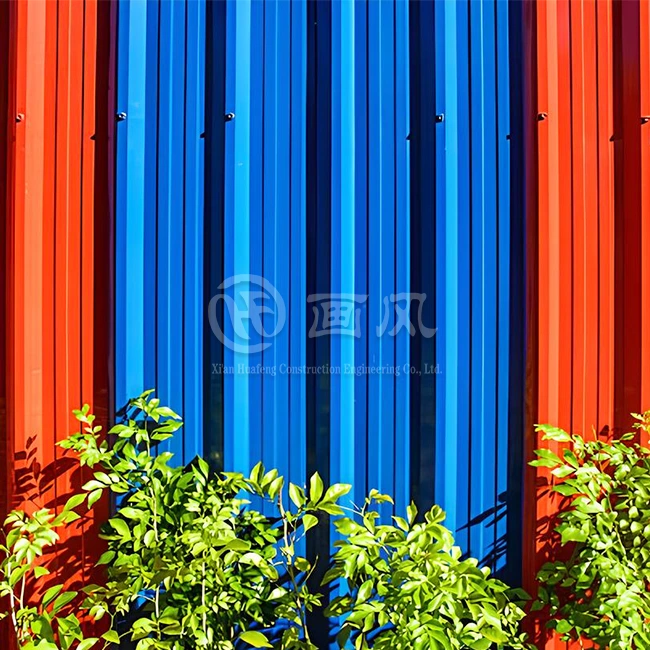
When builders and workers in the Gulf States have to deal with hurricane-force winds, rust from salt air, and harsh UV light, the roofing material they choose is very important. Black standing seam metal roofing panels are a tried-and-true way to deal with these problems in the area while also looking good and saving money in the long run. The vertical seams on these concealed-fastener systems fit together to make a barrier that keeps water out. The black PVDF finish makes the systems look good and makes them more resistant to weather for home and business projects in both coastal and inland areas.

Understanding Black Standing Seam Metal Roofing Panels
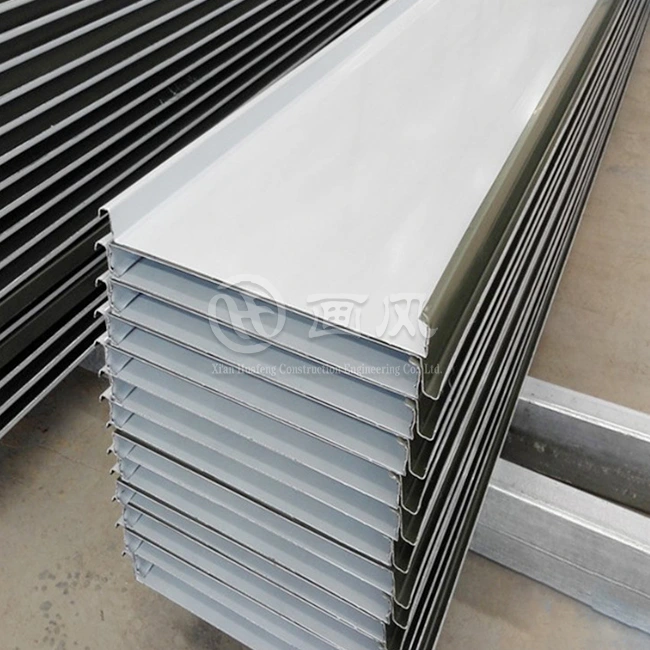
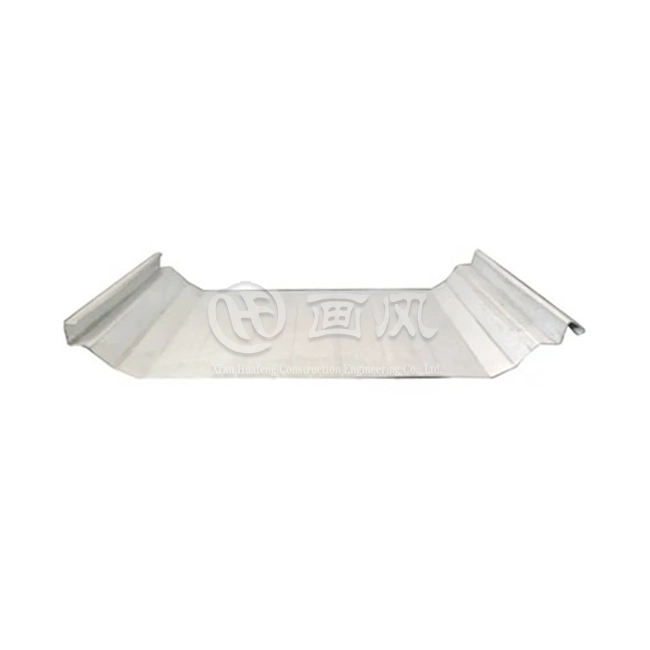
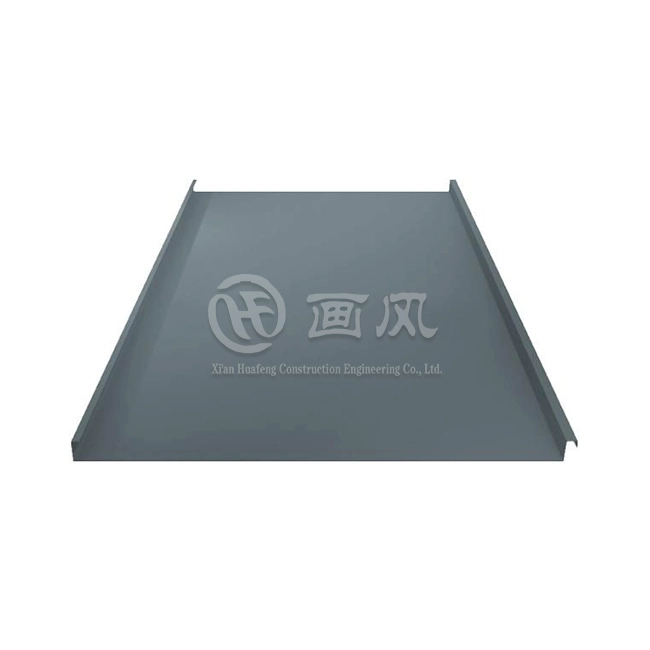
Standing seam systems are different from other types of roofs because of how they are built. These panels have raised vertical legs that either interlock automatically or snap together. This gets rid of the need for visible fasteners that often break when temperatures change and water gets in. The profile has secret clip sections that allow thermal expansion. This lets the metal move around without affecting the strength of the roof.
Technical Composition and Material Options
HF's black standing seam metal roofing panels are made from a variety of substrates to handle a range of weather conditions. For use in freshwater areas, galvalume steel coated with AZ50 or AZ55 is very resistant to corrosion. On the other hand, aluminum substrates (3003, 3004, or 3105 alloys) work better in salt-air settings. Between 0.4 mm and 1.2 mm thick (24-gauge to 18-gauge), bigger gauges are better for areas with a lot of wind and wider panels.
PVDF resin technology is used for the black finish. Specifically, Kynar 500 formulas with 70% PVDF content are used. This covering method is much better than regular polyester paints at keeping paint from chalking, fading, and breaking down chemically. After 20 years of weathering, Delta E color change values stayed below 5 units in the lab, keeping the deep black look that building standards call for.
Profile Variations and Performance Characteristics
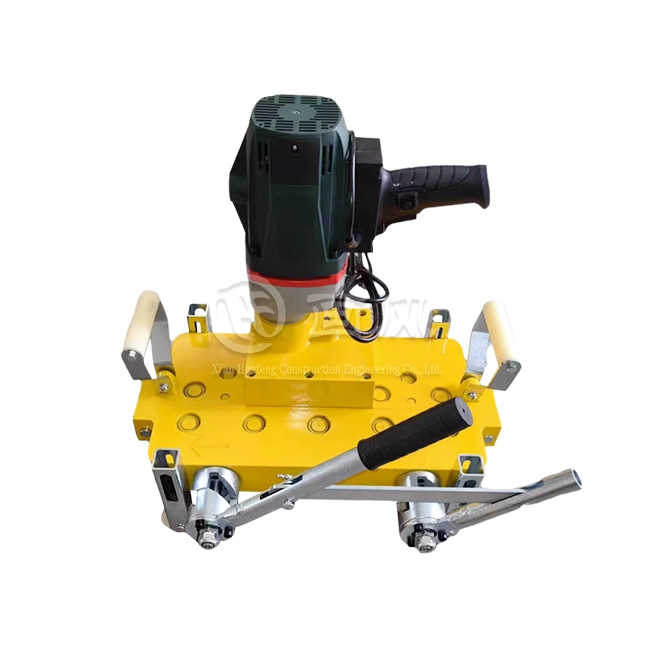
The seam height on different panel shapes ranges from 25 mm to 65 mm, which is 1 inch to 2.55 inches. In low-slope situations, seams that are higher can shed water better. Snap-lock profiles work with roof pitches above 3:12 and make installation faster. On the other hand, mechanically seamed systems use robotic seaming tools to make double-locked 180-degree turns that keep water out on slopes as low as 0.25:12.
When installed correctly, wind uplift resistance hits Class 90 ratings, which means it can survive winds of up to 180 mph. This is an important requirement for projects in the Gulf Coast that are likely to be affected by tropical storms. The interlocking seam design spreads wind loads across the whole roof plane instead of putting stress on specific connection spots.
Installation and Maintenance Best Practices for Black Standing Seam Metal Roofs
The right way to put something together has a direct effect on how well it works and how long the guarantee lasts. The first step is to prepare the base. This includes making sure the roof deck passes deflection limits (usually L/240 for metal roofing) and making sure there is enough airflow to avoid condensation problems.
Installation Protocols and Mounting Systems
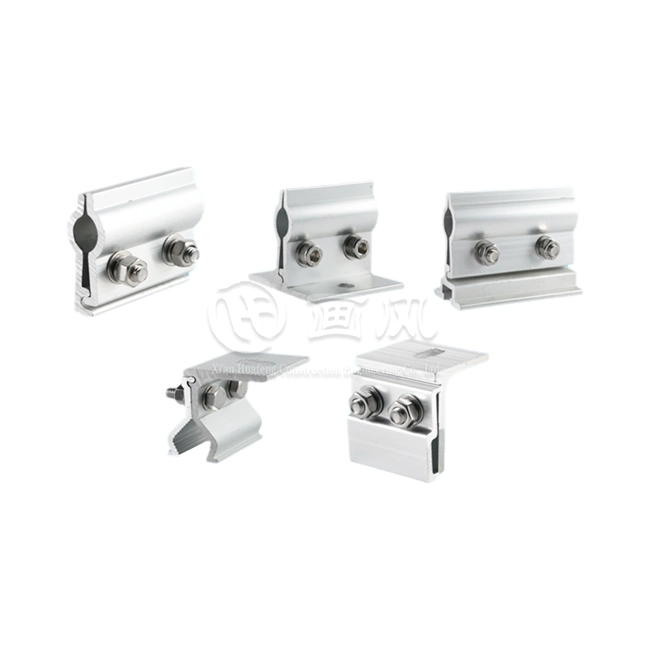
When installing clips, contractors must use the manufacturer-recommended spacing, which is usually 12 to 18 inches on center. In areas with a lot of wind, the spacing must be closer. The clips connect to structural parts instead of just the sheathing, which creates the load line needed for uplift resistance. Installing panels is done from one rake edge across the roof to the next, with each panel touching the gap of the one before it before attaching with clips.
Temperature affects when to put something. To avoid heat stress during fixing, panels should be put up when the temperature outside is between 40°F and 90°F. In the hot Gulf States, installing panels in the morning keeps them from expanding too much, which can cause them to buckle or oil-canning (visible waves in flat pan areas).
Maintenance Strategies for Coastal Environments
Regular roof inspections extend their lifespan. Every three months, loose clips, damaged seams, and rubbish accumulation in valleys and drains are visually checked. Gulf States residents must pay additional attention to fastener quality since salt air accelerates corrosion on cut edges and unprotected steel parts.
Cleaning prevents PVDF finish wear. Using pH-neutral cleaners and low pressure (below 1500 psi) to remove salt layers, organic growth, and air contaminants doesn't damage the coating. Avoid harsh cleaning agents and practices that destroy the protective gloss.
Fix panel movement caused by temperature variations or poor clip fitment immediately. Wind makes improperly fastened panels generate noise and allow water in through the seams. Professional roofers may use moveable seaming equipment to waterproof damaged areas without replacing all the panels.
Comparing Black Standing Seam Metal Roofing Panels to Other Roofing Materials
When choosing a roof for a job in the Gulf States, the people making the decision have to look at a lot of different performance factors and lifetime costs. The comparison goes beyond the initial cost of the materials and includes things like how hard they are to install, how often they need to be maintained, and how long they are supposed to last.
Durability and Lifespan Analysis
In Gulf conditions, asphalt shingles usually last 15 to 20 years before they need to be replaced. Damage from hurricanes and UV light speeds up the aging process. Concrete and clay tiles can last 30 to 40 years, but they need to be reinforced because they are heavy (900 to 1200 pounds per square compared to 50 to 150 pounds for metal). They also suffer from salt efflorescence.
HF's black standing seam metal roofing panels come with 30-year promises and can last more than 50 years if they are properly kept. During this time, the PVDF coating keeps its color and protects against rust, so there is no fade or chalking like there is with other coating systems after ten years.
Energy Efficiency and Thermal Performance
Concerns about black roofs taking too much heat need to be explained. Modern PVDF coats have "cool roof" pigments that reflect infrared wavelengths that can't be seen while keeping the black look. Compared to regular black paint, this technology lowers surface temperatures by 20 to 30°F. This lowers cooling loads and makes people more comfortable.
The thermal emittance of metal roofs lets heat escape quickly after dark, unlike thermal mass materials like concrete and clay, which keep building heat inside for hours. With the right amount of attic ventilation and bright insulation barriers, metal roofs can help you get LEED points and energy rebates.
Installation Efficiency and Project Timelines
Installing black standing seam metal roofing panels is faster than installing tile or slate roofs. Skilled crews can finish 30 to 40 squares of panels every day, while only 10 to 15 squares of tiles need to be installed each day. The light material doesn't need any structural changes during renovations, so there aren't any extra costs or delays for engineering that come with heavy roofing systems.
With custom panel lengths of up to 13 meters (42 feet), most homes and light businesses don't need end-laps. This means there are fewer places where water could leak and less work needs to be done during installation. This feature comes in handy for big warehouse and distribution center projects where continuous screens help keep out the weather and make the building look more similar.
Procurement Guide: Sourcing Black Standing Seam Metal Roofing Panels for B2B Clients
When you use strategic buying, you have to look at providers on more than just price per unit. The buying process has an effect on how long a project takes, how consistent the quality is, and how happy the client is in the long run.
Supplier Evaluation Criteria
A supplier's manufacturing capacity shows how well they can keep to project deadlines. HF has three plants with more than 40 machines and seven production lines. This gives them the capacity to handle both big projects and urgent orders. This infrastructure supports the 15–20-day delivery time for custom orders, which is very important when weather delays or problems with contractor communication affect project plans.
Quality certificates show that the product meets foreign standards. Check for licenses from the German Institute for Standardization (DIN), the American Society for Testing and Materials (ASTM), the Japanese Industrial Standards (JIS), and the Chinese National Standards (GB/T). These standards make sure that the properties of the material, the thickness of the coating, and its function meet technical requirements and building code standards.
Order Specifications and Customization Options
Minimum order amounts affect the viability of a project and the planning of supplies. HF's 500 square meter (about 5,380 square feet) or 1-ton MOQ can handle medium-sized business projects and is still easy for contractors to use for multiple smaller jobs. This adaptability stops the extra costs of materials that happen with high-MOQ sources or the high prices that specialty makers charge for low volumes.
Customizing black standing seam metal roofing panels is more than just cutting them to the right length. Architects can choose systems that meet both performance and aesthetic needs by choosing the profile, seam height, panel width (300–600 mm normal), and base (aluminum alloy, steel, stainless steel, copper, or titanium zinc). PVDF finishes come in matte black, gloss black, and textured styles that go with different building design themes.
Logistics and Delivery Coordination
Transportation problems for Gulf States projects are common during storm season and when ports are busy. Reliable sellers keep extra stock on hand and use different shipping routes so they can keep their delivery dates. Container consolidation lowers the cost of shipping smaller orders, and specialized truckload packages make sure that large amounts of panels arrive without damage.
Correct documentation avoids delays at customs and mistakes during installation. Make sure that each shipment comes with material certifications, test results, and installation directions. When technical help is available during installation, questions in the field are quickly answered, which avoids mistakes that cost a lot of money and delays in the project.
Why Black Standing Seam Metal Roofing Panels Are the Optimal Choice for New Builds and Renovations in the Gulf States and Beyond
The combination of natural variables in Gulf Coast areas makes them a test bed for how well roofs work. Extreme UV radiation breaks down biological materials, salt spray speeds up corrosion, and going from 100°F days to 70°F nights in temperature puts stress on connections and bolts.
Regional Performance Advantages
Aluminum frames with PVDF coats are very resistant to corrosion at the coast. When exposed to salt air, coated steel corrodes at the edges of cuts. Aluminum, on the other hand, forms an oxide layer that stops the metal from breaking down over time. This quality is very important for seaside homes and island projects where replacing things can be expensive and take a long time.
Impact resistance is part of hurricane resistance, which goes beyond wind lifting scores. Class 4 hail rates (per UL 2218) protect against projectile damage during storms, stopping roof penetrations that cause major water damage inside. The metal is non-flammable (Class A fire grade), which adds to its safety in areas near the Gulf States that are prone to wildfires.
Sustainability and Environmental Compliance
The fact that metal roofs can be recycled fits in with green building efforts and LEED certification needs. The material is 25–95% recycled (depending on the foundation) and is 100% reusable when it's time to throw it away, keeping trash out of landfills. This closed-loop lifecycle is appealing to producers with ESG (Environmental, Social, and Governance) goals and big clients who are required to be environmentally friendly.
Using less energy helps lower your carbon footprint and saves money on running costs. Studies show that buildings with metal roofs use 10–25% less cooling energy than buildings with asphalt shingles. These savings add up over many years of use. These performance traits help buildings get green building certifications and raise property prices by lowering energy costs.
Case Study Applications
Coastal vacation areas in Florida and Alabama have black standing seam metal roofing panels that have been used for more than 40 years with little upkeep other than cleaning every so often. PVDF coats keep the look of a building consistent, which protects its value and the company's reputation. This is because rival materials lose their good looks over time, which makes people decide to replace their roofs too soon.
Industrial warehouse projects in Texas and Louisiana use standing seam panels' long-span capabilities and quick installation times to cut down on construction times and weather exposure during building closeup. When solar mounting systems are added, they generate green energy, which brings in extra money without having to make holes in the roof, which would void guarantees.
Conclusion
Black standing seam metal roofing panels have real benefits for building projects in the Gulf States and other places. The mix of proven storm strength, security against coastal corrosion, and long-term aesthetic stability meets the region's tough environmental conditions while offering lower lifetime costs compared to other materials. Because HF can make things, has quality certifications, and lets customers make changes, the company is a trusted source for builders and contractors who need stable material quality and quick delivery times. Investing in PVDF-coated standing seam systems pays off over time because they last longer, need less upkeep, and use less energy, which is good for building owners for decades.
FAQ
1. Will black metal roofing make cooling costs unmanageable in hot climates?
Modern PVDF black standing seam metal roofing panels use cool roof technology to reflect infrared rays while keeping the coating's look. Compared to regular black paint, this lowers surface temperatures by a large amount. In energy efficiency tests, black standing seam roofs do about as well as lighter-colored ones when they have the right amount of ventilation and insulation. In most cases, the recorded cooling load rises are less than 8%.
2. How do you prevent oil-canning on large black panel installations?
Several technical methods are used to reduce oil-canning, which is noticeable waviness. Panels that are made of 22-gauge metal instead of 24-gauge metal are stiffer, and panels that are 12 to 16 inches wide are less likely to warp due to heat. Striations, or stiffening ribs, that are rolled into the shape of the panel absorb heat movement without making surface waves that can be seen. Correct clip spacing and temperature control during fitting can also stop waviness caused by stress.
3. What maintenance intervals do coastal installations require?
Visual checks every three months find possible problems before they get worse, paying special attention to the integrity of fasteners and the buildup of debris. Once a year, low-pressure cleaning gets rid of salt buildup and organic growth that can make coatings less effective. After a storm, Gulf States homes should be inspected to find any damage from the impact or panels that were knocked loose that need to be fixed.
Partner with HF for Your Next Metal Roofing Project
HF streamlines your purchasing process by combining high-quality production with quick customer service. With three production sites and seven specialized lines, we can keep the standard high for orders as small as 500 square meters and as big as commercial projects. We keep a large inventory of black standing seam metal roofing panels in a variety of surfaces and profiles. This lets us keep your projects on track with our 15-20 day shipping time frame. We are a reputable company with certificates from ASTM, DIN, JIS, BS, and GB/T. We can meet the needs of engineering standards for technical paperwork and material traceability. You can email our team at huafeng@hfmetalroof.com to talk about your project needs, get samples of materials, or get full quotes for your future builds.
References
1. National Roofing Contractors Association. Metal Roofing Systems Design Manual for Coastal Applications. NRCA Technical Services Department, 2022.
2. American Architectural Manufacturers Association. AAMA 2605: Voluntary Specification, Performance Requirements and Test Procedures for Superior Performing Organic Coatings on Aluminum Extrusions and Panels. AAMA Standards, 2021.
3. Metal Construction Association. Technical Bulletin on Standing Seam Roof System Performance in High Wind Environments. MCA Engineering Committee, 2023.
4. Oak Ridge National Laboratory. Cool Metal Roofing: Energy Performance and Thermal Regulation in Hot-Humid Climates. U.S. Department of Energy Building Technologies Office, 2021.
5. International Code Council. ICC Evaluation Service Report on Metal Roof Panel Systems: Wind Uplift and Impact Resistance. ICC-ES Legacy Reports Division, 2022.
6. Green Building Initiative. Life Cycle Assessment of Metal Roofing Materials: Environmental Impact and Recyclability Analysis. GBI Research Foundation, 2023.





YOU MAY LIKE