Educating Homeowners on the Benefits of Standing Seam Metal Roofs
2026-06-11 11:00:00
When people look into roofing options, they often find themselves in a sea of options, all of which promise to last and look good. Metal standing seam roofing panels have become the best option. They are easy to spot because they have a vertical shape with high seams that lock together to make a shield against the weather. Traditional roofing has fixings that are visible, but these panels use hidden clips, which greatly reduce the chance of leaks and make the roof last longer. Clean lines and strong construction make the system a popular choice for both home and business projects, especially when long-lasting and low-maintenance are important.

Understanding Standing Seam Metal Roofing Panels
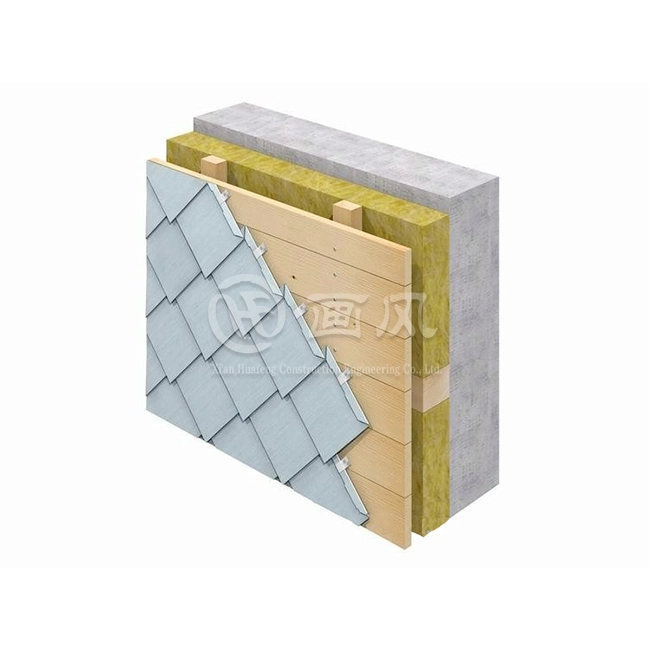
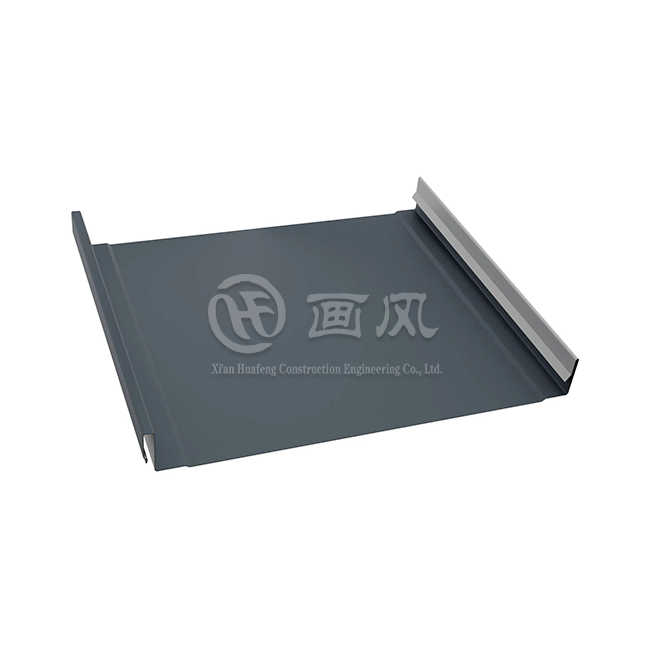
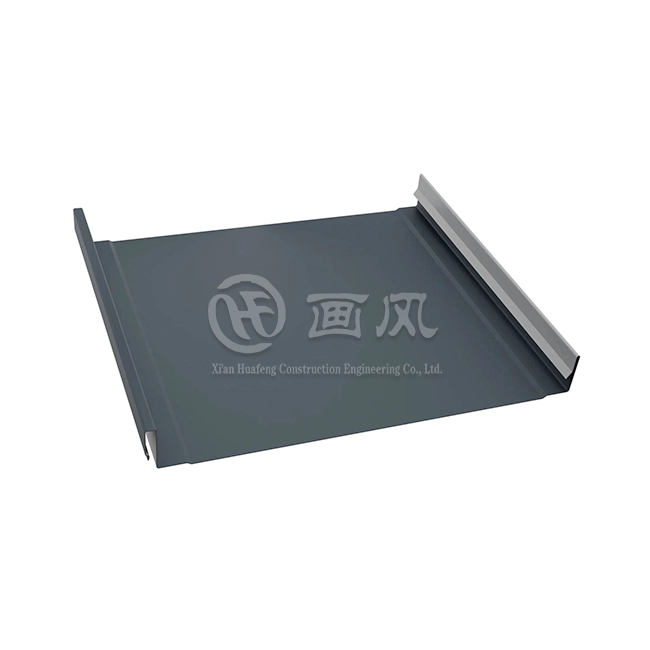
Metal standing seam roofing panels are a step forward in roofing technology that go beyond what regular materials can do. These panels have raised seams that fit together and run vertically along the roof slope. These seams are usually 25 mm high. The hidden fastening system is what makes them unique: clips connected to the roof deck keep the panels in place while letting them naturally expand and contract with the temperature. This keeps the panels from bowing or warping when the temperature changes.
Snap-Lock vs. Mechanical Lock Systems
The market is mostly split between two main application ways. Snap-lock panels have a built-in clip system that lets neighboring panels snap together. This makes installation faster and better for homes with higher roof pitches. To crimp the seams on mechanical lock systems—either in a single-lock or double-lock configuration—special seaming tools are needed. This makes a watertight seal that can withstand low-slope uses down to 1/4:12 pitch. The mechanical lock is better at protecting against wind lifting and hydrostatic pressure in business buildings and areas that get a lot of bad weather.
Material Options and Coating Technologies
HF metal standing seam roofing panels come with a variety of base options to meet the needs of any job. Due to its natural resistance to corrosion, aluminum alloy works well in coastal areas. For large-span buildings, steel frames coated with Galvalume offer great strength-to-weight ratios. Copper and stainless steel are the most durable metals, often lasting over 70 years. Titanium zinc, on the other hand, forms a protected patina that fixes small scratches on its own.
Finishes on the surface are very important for efficiency. HF uses PVDF coats (minimum 25μm thickness) that don't chalk or fade for decades and keep their color even when exposed to strong UV light. For projects that don't need to last very long, PE coats are a cost-effective option. Panels come in thicknesses ranging from 0.5 mm to 1.2 mm, with thicker sizes being better for places with a lot of foot traffic or hail. All of HF's goods meet the standards set by ASTM, DIN, JIS, BS, and GB/T. This means they are all compatible with foreign building codes.
Key Benefits of Standing Seam Metal Roofing for Homeowners
When homeowners buy metal standing seam roofing panels, they get benefits that last long after the system is installed. These roofs usually last three to five times longer than asphalt shingles, and HF backs their goods with a 30-year guarantee. The hidden fastener design gets rid of the most common place where exposed-screw metal roofs fail: weathering and temperature cycling can loosen rivets, making holes for water to get in.
Unmatched Durability and Weather Resistance
Standing seam panels work great in harsh weather. The vertical direction helps the snow melt quickly, which lowers the load on structures in mountainous areas. In places that are prone to hurricanes, mechanically seamed panels meet strict coastal building standards with Class 90 wind uplift rates. The smooth metal surface is better at protecting itself from hail and falling objects than tile or asphalt. Class A fire resistance is the best possible grade, and it's very important for towns that are at risk of wildfires.
The HF standing seam range protects against rust by choosing the right base and using the right coating chemistry. In factory settings with airborne pollution, painted steel would break down, but stainless steel surfaces stay strong. Installations near the coast are helped by metal alloys that naturally resist salt spray, so they don't need to be re-coated as often.
Energy Efficiency and Sustainability
Because metal standing seam roofing panels are shiny, it directly leads to lower cooling costs. Light-colored panels with PVDF coats can block up to 70% of the sun's heat, which lowers the temperature in the attic by 20 to 30 degrees compared to dark asphalt shingles. This thermal performance makes many HF items eligible for ENERGY STAR® approval and helps green building projects earn LEED points.
Saving energy is only one part of the environmental picture. Depending on the foundation, 25–95% of metal standing seam roofing panels is made from recovered materials. It is also 100% recyclable when it's time to get rid of it, unlike asphalt roofs that end up in landfills. The longer service life lowers the environmental effect of having to replace the roof more often, which lowers the building's embodied carbon over its entire life.
HF can make 10,000 tons of goods every month, spread out over three plants with seven production lines. Automated processes that reduce material waste help to ensure uniform quality. The company's ISO14000:14001 approval shows that it cares about managing the environment during production.
Low Maintenance Requirements
When it comes to maintenance, standing seam roofs don't need much. During yearly checks, debris is cleared from valleys and the stability of the sealant around penetrations is checked. With hidden fasteners, you don't have to re-torque visible screws every three to five years, which is something that needs to be done for screw-down metal roofing. Moss and algae can't grow on the smooth panel surface because it naturally sheds leaves and other organic matter.
People like how metal roofs keep their homes' looks consistent. Within ten years, asphalt roofs will have blotchy looks because they fade widely. HF's PVDF coatings keep the same color throughout the protection time, which protects the value of your home and its curb appeal. The system's ability to accept non-penetrating devices for solar panels and satellite equipment makes it even more useful in the long run without affecting its waterproofing.
Installation and Maintenance Guide for Standing Seam Metal Roofing Panels
Specialized tools and skills are needed to place metal standing seam roofing panels correctly. Panels are delivered to job sites in custom lengths ranging from 1 to 13 meters. This keeps horizontal lines to a minimum, which could weaken the panels' weather protection. Making sure the structure is strong enough for metal's lighter weight, putting down the right flooring for extra water protection, and making sure there is enough airflow to keep condensation from forming are all parts of properly preparing a roof deck.
Professional Installation Process
The first steps in the installation process are the eave trim and starter strips, which set up a level reference line that is important for aligning the panels. Panels are attached using moving clips that are spaced according to the manufacturer's instructions, which is usually 12 inches on center. This lets the panels move longitudinally for heating reasons but not laterally. When you sew a snap-lock panel, you just press it together. But when you sew a mechanical panel, you need movable seamers to crimp the interlocking seam folds to a 180-degree closing.
Managing thermal expansion is very important, especially for long roof lines. HF suggests using expansion joints for panel runs longer than 30 meters to stop oil-canning, which is a noticeable wave effect caused by heat stress. To keep the look of hidden fasteners while making sure they are waterproof, ridge caps, hip transitions, and valley flashings need to be carefully detailed. Specialized boots and counterflashings that fit with the standing seam shape are used for vents, chimneys, and window penetrations.
Maintenance Best Practices
Keeping the warranty valid depends on keeping records of upkeep. HF suggests that panels should be inspected every six months to check for damage and to see how well sealants are working. To clean, low-pressure water rinsing gets rid of surface dirt; using strong chemicals or rough tools will cancel any finish guarantees. In places with deep snow packs, snow-holding systems may need to be looked at so that quick releases don't put people and property below at risk.
Professional roofers use thermal imaging to find secret sources of water damage before they become obvious. Fixing small problems right away, like blocking off single holes or replacing broken panels, stops bigger problems from spreading and compromising the whole roof. Standing seam systems are easy to fix because each panel can be taken off and put back on without affecting the parts next to it.
Comparing Standing Seam Metal Roofs With Other Roofing Options
To understand relative value, you need to look at lifetime costs instead of startup costs. Metal standing seam roofing panels are more expensive—usually two to four times what asphalt shingles cost—but they last three to five times longer and require much less upkeep. The total cost of ownership estimate suggests that metal roofing is a better choice for people who want to live in their home for a long time.
Standing Seam vs. Asphalt Shingles
Asphalt shingles are the most popular choice for homes because they are cheap and easy for contractors to work with. But because they only last 15 to 25 years, metal roofs need to be replaced more than once during their useful life. Shingles break down over time due to UV light, temperature changes, and biological growth, so they need to be maintained and eventually thrown away in a dump. More claims for wind and hail damage happen with shingles, which could make insurance rates go up.
Because metal is shiny, it lowers cooling costs by 10–25% compared to dark shingles. This saves enough energy to cover the extra cost of installation. People used to think that metal roofs looked mechanical or businesslike, but standing seam systems have changed over the years to look better. For example, HF now offers RAL and custom colors in matte, satin, and high-gloss finishes.
Standing Seam vs. Corrugated Metal
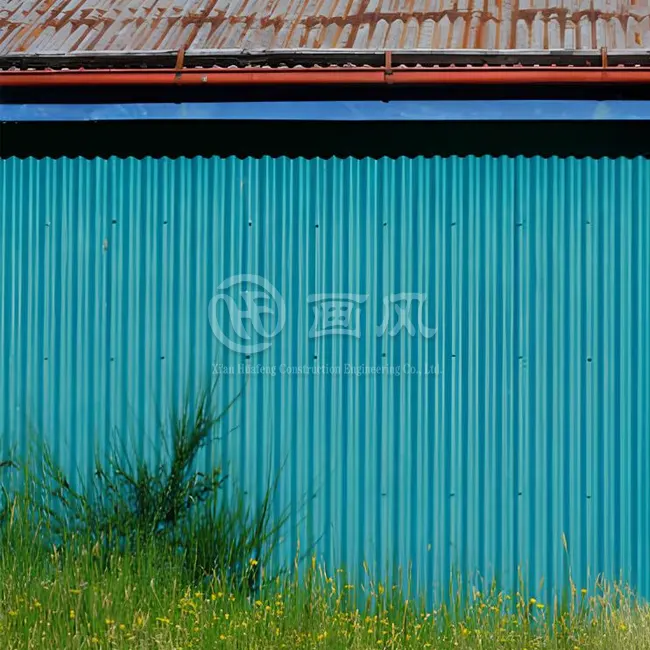
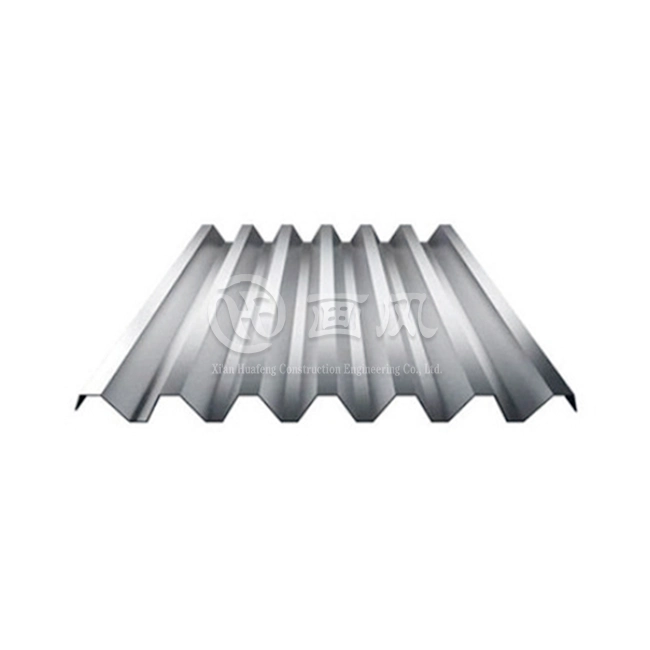
Corrugated and exposed-fastener metal standing seam roofing panels are less expensive than standing seam, but it doesn't last as long or work as well. As seals wear out and screws come loose, exposed bolts create thermal bridges and penetration points where leaks can happen. The wavy shape traps dirt and water, which speeds up rusting in the valleys and gaps. Exposed-fastener systems work well for farming and utility buildings, but they don't have the architectural detail that homes want.
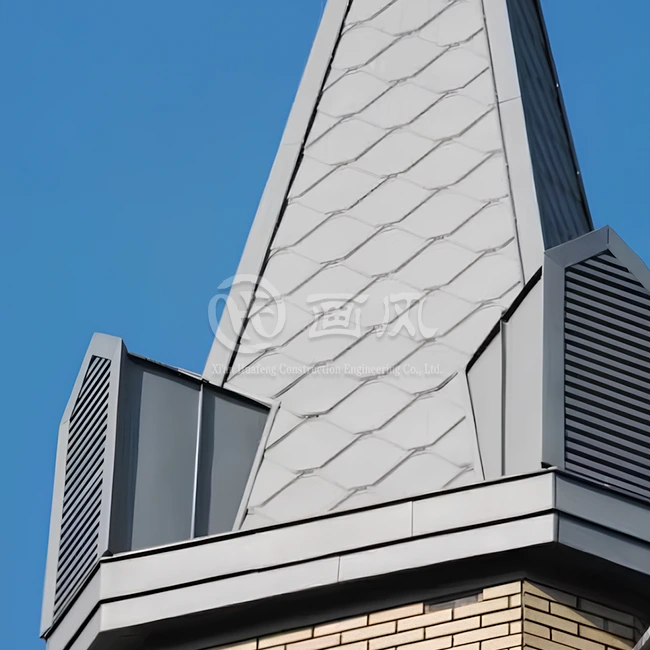
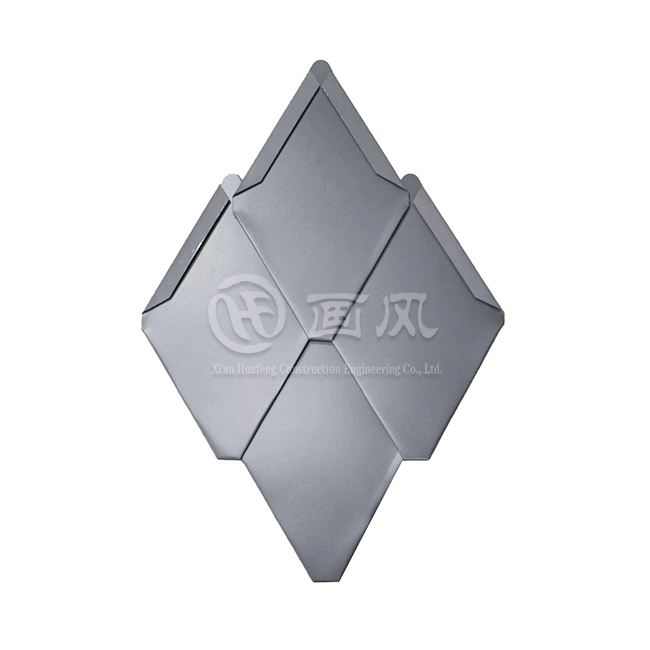
The clean lines and hidden fasteners of standing seam work well with modern, classic, and transitional building styles. The system can be used for curved and radius applications—HF makes straight plates, straight-arc plates, circular-arc plates, and fan-shaped configurations—which lets you be creative with your design in ways that you couldn't with hard shingles or corrugated panels.
Procurement Considerations and Choosing the Right Supplier
When choosing a metal standing seam roofing panel supplier, you need to look at their manufacturing skills, product certifications, and service infrastructure. When you work directly with makers like HF, you avoid the markups that distributors add on and can get engineering help throughout the planning and completion of your project. Companies that have more than one production facility show that they are committed to capacity and flexibility, which is important for meeting tight building schedules.
Evaluation Criteria for Supplier Selection
Certification of a product proves that it meets performance standards. Buyers should check the ASTM E1592 tests for structural integrity, the ASTM E1680 ratings for air infiltration, and the ASTM E1646 ratings for water penetration resistance. HF follows foreign standards like ASTM, DIN, JIS, BS, and GB/T to make sure it works with a wide range of regulatory settings. The company's high-tech business title and building curtain wall qualifications show that it has technical know-how that goes beyond making standard panels.
Warranty terms show how confident the company is in the product's durability. HF's 30-year guarantee covers both the performance of the finish and the stability of the structure. The warranty is backed by the fact that the company has been around since 2018 and has a track record in the residential, business, and industrial sectors. Buyers should find out if the insurance can be transferred when the property is sold again and if there are any exclusions for things like poor fitting or bad weather.
Budgeting and Total Cost Analysis
For big projects or buildings that are done in stages, supply chain stability is very important. HF can produce 10,000 tons per month, and the delivery time is 15 to 20 days. This means that it can meet both urgent needs and bulk procurement plans. The 500㎡/3-ton minimum order number works for both residential and business projects, as it offers volume discounts for larger orders. With factories in Anhui, Hangzhou, and Xi'an, the company is close to manufacturing, which means it can provide quick expert help and lower freight costs across China's main construction markets.
The regularity of upkeep, energy efficiency, insurance premiums, and ultimate replacement are all part of lifecycle cost modeling. Metal roofing doesn't need to be maintained every 10 to 15 years as shingles do. This includes treating algae, fixing granule loss, and fixing storm damage. Energy models show that the cost of cooling goes down every year, which increases the return on investment. Insurance companies often lower rates for metal roofs that are Class A fire-rated and impact-resistant because they know that claims will be less likely to happen.
Conclusion
Metal standing seam roofing panels are a great deal because it lasts longer, need less upkeep, and are better at protecting against the weather. The form of the hidden fastener gets rid of common ways that things go wrong while also giving architects more options for different types of buildings. HF's wide range of products, including aluminum alloy, steel, stainless steel, copper, titanium zinc, and copper surfaces with PVDF and PE finishes, means that there are perfect options for any temperature or style need. Because of how much the company makes, its technical certifications, and warranty support, it is a trusted partner for both residential and business roofing projects that need long-lasting performance.
FAQ
1. What is the expected lifespan of standing seam metal roofs?
Metal standing seam roofing panels last between 50 and 70 years, but this depends on the type of base used and the weather. With good finishes, steel panels last 40 to 50 years, while aluminum and stainless steel panels usually last longer than 60 years. HF's 30-year guarantee is based on conservative estimates, since installations that are well taken care of often last longer than the warranty time.
2. Can standing seam roofs accommodate solar panel installations?
In a big way, this is an advantage of the system. Solar mounting rails are attached directly to the raised seams without cutting with non-penetrating seam clamps. This keeps the roof dry and protects warranties. The metal substrate is perfect for supporting the structure of solar panels and acting as an electrical ground.
3. How do I select a reliable metal roofing supplier?
Give more weight to producers who have official certifications (ISO9001, ISO14000), the ability to produce in more than one location, and full guarantees. Ask for detailed data sheets that prove ASTM compliance and finishing requirements. Check the project references and see how quickly the company is during the question-and-answer period to get an idea of the quality of their post-sale help.
Partner With HF for Premium Standing Seam Metal Roofing Solutions
Xi'an Huafeng Construction Engineering Co., Ltd. is ready to help you with your roofing job from planning to installation. We make metal standing seam roofing panels for sale and have three factories with more than 40 specialized machines. Our standard is the same for home, business, and industrial uses. To make sure the best performance, our engineering team gives expert advice on choosing the right materials, matching colors exactly to RAL standards, and adding project-specific details. You can email us at huafeng@hfmetalroof.com to talk about buying in bulk, get detailed specs, or set up a meeting.
References
1. Smith, J.R., "Comparative Life Cycle Analysis of Residential Roofing Systems," Journal of Sustainable Building Technology, Vol. 34, No. 2, 2022, pp. 145-167.
2. National Roofing Contractors Association, "Metal Roofing Installation Standards and Best Practices," NRCA Technical Manual, 7th Edition, 2021.
3. Chen, L. and Wang, M., "Thermal Performance of Reflective Metal Roofing in Hot Climates," Energy and Buildings Research Quarterly, Vol. 28, No. 4, 2023, pp. 89-103.
4. American Society for Testing and Materials, "Standard Specification for Steel Sheet, Aluminum-Coated (Type 1) and Zinc-Aluminum-Coated (Type 2) by the Hot-Dip Process," ASTM A792/A792M-22, 2022.
5. Green Building Council, "LEED v4.1 Credits Associated with Metal Roofing Systems," U.S. Green Building Council Technical Advisory, 2023.
6. Martinez, D., "Economic Analysis of Commercial Roofing Alternatives: A 50-Year Cost Model," Construction Economics Review, Vol. 41, No. 1, 2023, pp. 78-94.





YOU MAY LIKE