Where to buy snap-on metal roof panels in bulk
2026-06-11 11:00:00
If you need Snap-on metal roof panels for a big project, you can't just find any provider. You need to find makers and wholesalers that can provide quality, flexibility, and dependability on a large scale. The smartest buyers go to direct makers like HF, roofing-specific sellers with a track record of success, and B2B platforms that have been checked out and offer clear pricing and fast turnaround. Because the fasteners and seams on Snap-on metal roof systems are hidden, they require less time to install and are less likely to leak in bad weather. This makes them a popular choice among building companies that must meet strict schedules and quality standards. This guide shows you how to choose a seller, how to buy things, and how to make the most of your money.

Understanding Snap-On Metal Roof Panels: Key Features and Benefits
What Are Snap-On Metal Roof Panels?
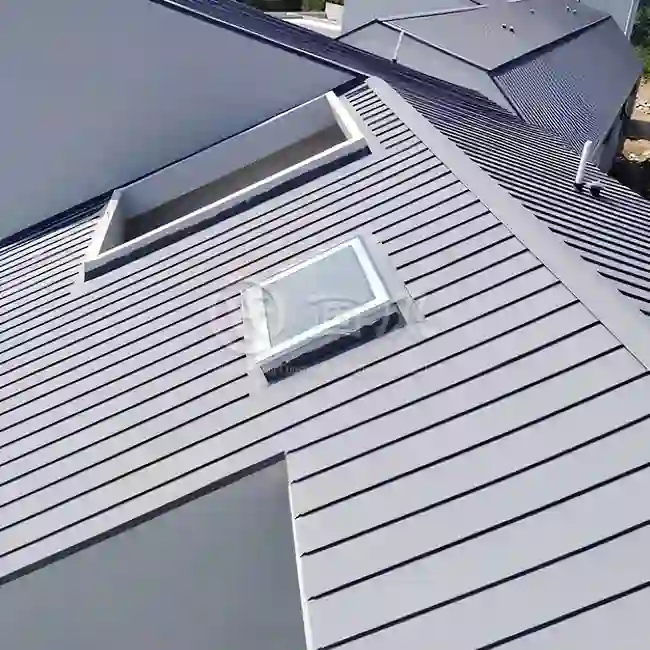
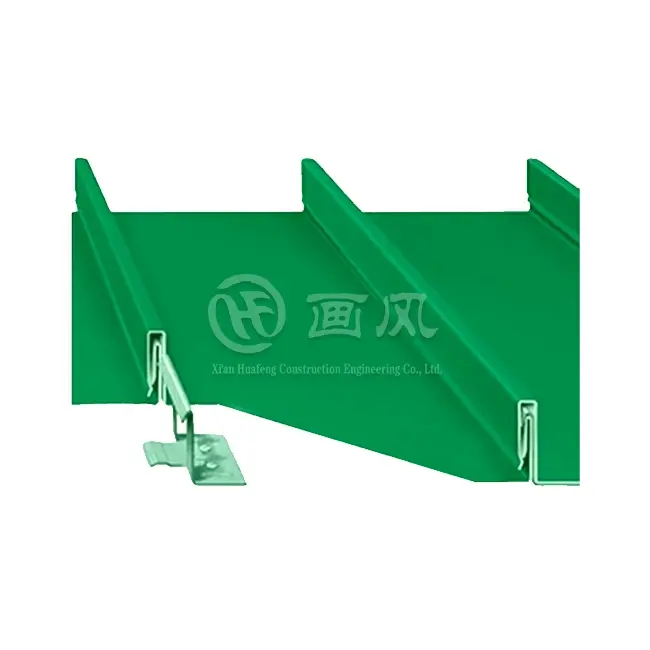
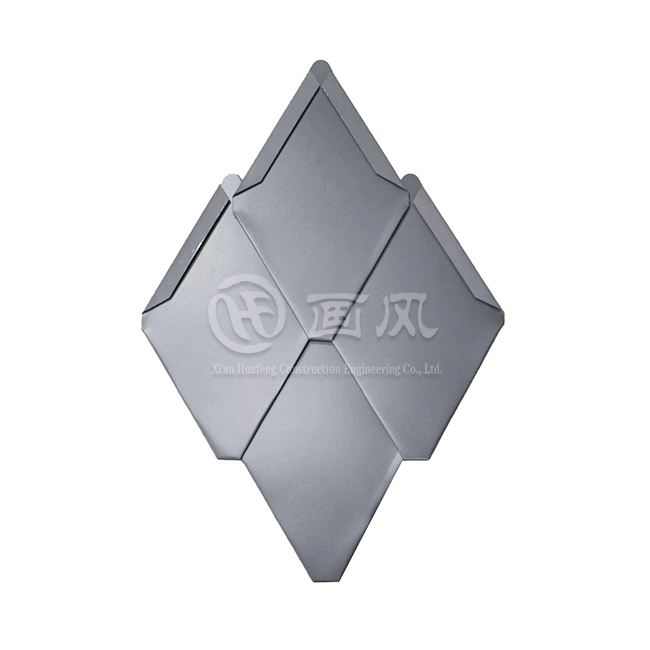
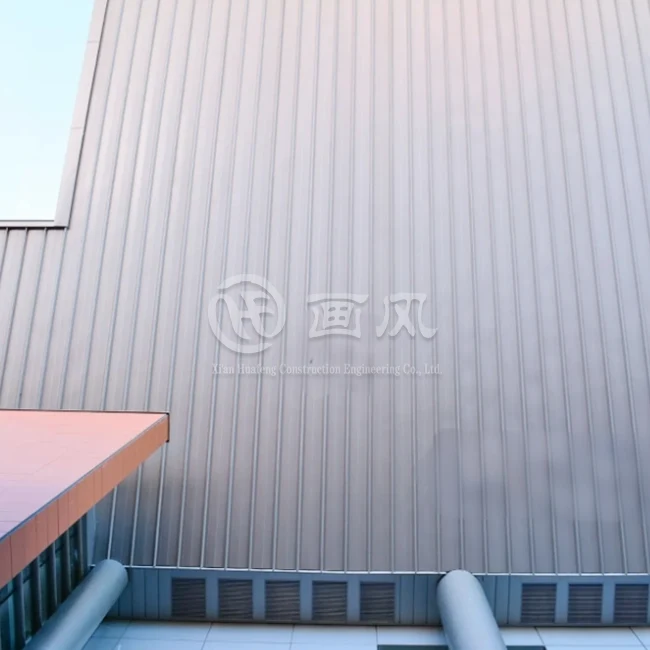
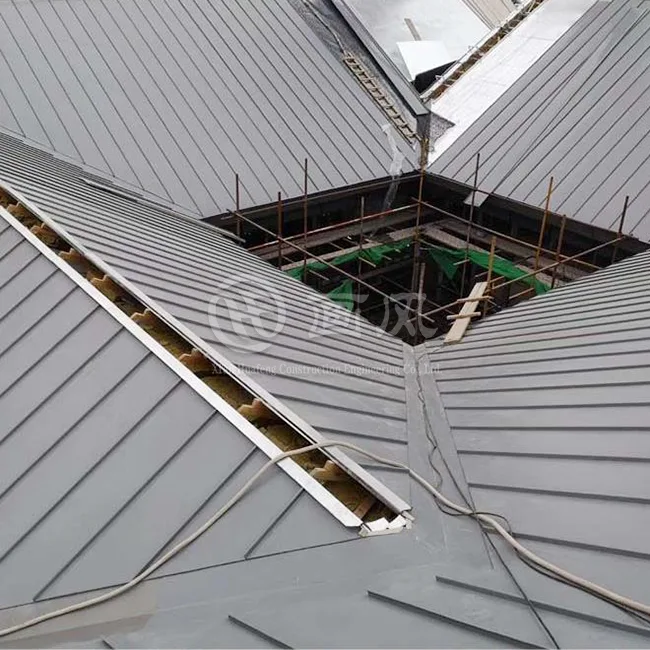
With male-female edge interlocks that join without mechanical seamers or visible screws, Snap-on metal roof panels have a standing seam appearance. Compared to traditional screw-down or mechanically seamed systems, this hidden fastener design cuts down on leak paths and speeds up installation. HF's snap lock metal roofing is made from a variety of materials, such as aluminum alloy, galvanized steel, stainless steel, copper, and titanium zinc. The widths of these materials range from 0.4 mm to 1.2 mm, and they can all be finished with PVDF or polyester that is resistant to UV damage and rust.
Core Advantages for B2B Buyers
The engineering behind snap-lock systems solves some of the most important problems that contractors and developers face when working on large-scale household, business, and industrial projects. The fact that HF panels are guaranteed to last for 30 years and can withstand anything from hurricane-force winds to heavy snow loads makes them stand out right away. The pieces are very light—about a tenth as heavy as regular tile—which lowers the load on the structure and makes it easier to fix up older buildings.
Energy efficiency also affects what people buy. High-reflectivity coats on these screens keep buildings from absorbing heat, which lowers cooling costs by a lot in places where the sun shines a lot. The system doesn't need much upkeep because it doesn't grow mold or rust and only needs rainwater to clean. This means that it will cost less over its lifetime and be easier to handle. Environmental qualities are also important. Materials that can be recycled indefinitely are in line with LEED certification goals and appeal to eco-friendly developers looking for green building benefits.
Comparing Snap-On Systems to Alternatives
Standing seam and snap-on profiles look similar, but snap-on panels don't need any special tools for seaming, which cuts down on work costs by 20 to 30 percent. Screw-down panels may look like a good way to save money at first, but they need to be maintained often because the screws are visible, which can cause leaks. Snap-on systems are affordable, easy to install, and work well for a long time. This is a great mix for procurement workers who have to watch their budgets without sacrificing quality.
Criteria for Choosing the Right Snap-On Metal Roof Panels Supplier
Assessing Volume Requirements and Customization
Bulk buyers have to make sure that the skills of the supplier fit the needs of the project. HF's minimum order size is 500 square meters, which is equal to one ton. This means that it can be used for small to medium-sized business projects and can be expanded to fit larger projects. Customization options are very important—projects often need specific panel lengths (HF can handle up to 12 meters), exact RAL color matching, and material choices that work with ocean salt exposure (stainless steel or aluminum) or industrial rust zones for Snap-on metal roof panels.
Evaluating Quality Certifications and Warranties
Reliability of a product depends on norms that can be checked. Look for providers that have ISO9001 and ISO14001 certifications. These show that they take care of quality and the environment. Along with SGS compliance and more than 20 filed patents for new roofing system ideas, HF has these qualifications. Warranty terms show that you trust the product to last a long time. For example, HF's 30-year service life promise protects your investment and reassures clients who are looking at lifetime costs. Support after the sale, such as expert advice and help with installation, is what sets good sellers apart from great partners.
Transparent Pricing and Bulk Discounts
Unit prices, number limits for discounts, and delivery fees should all be made clear in pricing models. Reliable providers give detailed quotes that take into account the type of material, the difficulty of the finish, and the size of the order. It's also important to find sources close by. For example, HF's plants in Hangzhou and Xi'an cut down on shipping times and costs and make it easier to make quick changes to projects.
Verifying Supplier Credibility
Supplier due diligence is based on things like the image of the brand, customer reviews, and sample evaluations. Ask for examples of the materials to check the finish, the stiffness of the panels, and the accuracy of the colors. Look at case studies or project files that show how bulk supplies have been successful for projects of the same size. Established sellers often have dealer networks that offer technical help in your area and faster shipping. This makes your buying strategy more operationally resilient.
Where to Buy Snap-On Metal Roof Panels in Bulk: Supplier Types and Channels
Snap-on metal roof panels can be purchased in large quantities from a variety of different types of suppliers.
Direct Manufacturers vs. Wholesale Distributors
When you buy directly from makers like HF, you can make changes, see prices, and know when your orders will arrive. Manufacturing control makes sure that the quality is always the same and lets you make custom requests, like changing the width of the panels or adding stamped textures or special finishes. HF has a 200,000-square-meter raw material warehouse with seven color coating lines and automatic punching systems. This lets them handle large orders without slowing down shipping times, which are usually between 15 and 20 days.
On the other hand, wholesale wholesalers collect goods from many makers, which makes it easier to find different kinds of materials for complicated projects. But they might add code levels and make it harder to customize. The choice between these routes is based on what's most important for your project: saving money or being able to change specifications as needed.
Online B2B Marketplaces
Digital buying tools have made it easier for people all over the world to find metal roofing wholesalers. These platforms make it easier to compare vendors, let users leave reviews, and make sure that deals are safe. However, buying things online needs to be carefully checked out. Before placing big orders, make sure the seller is certified, ask for third-party inspection reports, and understand the return policy. Verified makers on platforms lower the risk of transactions, and trade assurance programs often protect payment and delivery terms.
Specialized Metal Roofing Suppliers
Niche providers that only sell standing seam and snap-lock systems have a lot of technical know-how and are experts in their products. As an example, HF is in this group because it offers complete roofing solutions with accessories, fastening systems, and other goods that go with them, such as color metal coils and Snap-on metal roof panels. Specialized providers usually keep large technical libraries, installation guides, and engineering support—useful tools when dealing with complicated building codes or unique design needs.
Bulk Purchase Process: From Inquiry to Delivery
Initial Volume Estimation and Inquiry
Cost overruns and material shortages can be avoided by accurately estimating the amount needed. Figure out the overall area of the roof, take into account waste (usually 5–10%), and add in any trim or extras. Send thorough questions, such as the schedule for the job, your preferred materials, finish requirements, and the location where the goods will be delivered. Suppliers like HF reply with quotes that are specifically made for your job.
Specification Finalization and Contract Negotiation
Check the detailed datasheets to make sure you know the panel's size, grade of material, type of covering, and fire rating. Talk about fastening methods, thermal expansion limits, and whether the new roof will work with the old one. The terms of the contract should include delivery dates, payment goals, guarantee coverage, and ways to settle disagreements. At this stage, clear communication keeps confusion to a minimum and sets expectations for who is responsible for what.
Logistics Coordination and Delivery
For large packages, you need to plan ahead. Plan when deliveries will happen and when installations will happen to avoid problems with storage on-site. Integrated transportation networks from suppliers make sure that panels are handled correctly; they need to be kept safe from scratches, dents, and the elements. HF is close to major logistics hubs in Hangzhou and Xi'an, which makes national distribution in the US market easy. This is made possible by experienced freight partners who know how to handle building materials.
Managing Common Procurement Challenges
Measurement mistakes, changes to specifications, and delays caused by bad weather can test even the most experienced buying teams. Keep lines of contact open with your provider and set rules for how to handle problems quickly. Suppliers who offer installation partnerships or contractor recommendations can speed up the project and make it easier for the sourcing and building teams to work together.
Maximizing ROI with Snap-On Metal Roof Panels: Maintenance & Lifespan Insights
Maintenance Protocols for Longevity
Although Snap-On metal roof panels require little maintenance, planned care can increase the life of the panels and keep them looking good. Fastener strength, seam line, and coating state should all be checked once a year. Get rid of the trash that's piled up in slopes and ditches to keep water from pooling. PVDF-coated walls keep their color and don't chalk for decades, and all they need is to be rinsed off every so often during regular building care.
Understanding Warranty Terms
Under normal weather conditions, HF's 30-year guarantee covers material wear and tear, coating failure, and structural stability. Knowing the limitations, like damage from bad installation, extreme chemical exposure, or illegal changes, can keep you from having to pay extra money than you planned. Every large order should come with warranty paperwork that spells out how to file a claim and what the maker is responsible for.
Energy Performance and Green Building Certifications
Snap-on panels with reflective finishes lower the need for cooling, which can help you get LEED energy credits. When compared to dark standard roofing, light reflective roofing cools the roof surface by 30 to 50 degrees Fahrenheit in hot areas. These temperature benefits lower the cost of running the HVAC system and make people more comfortable. Keep track of changes in energy efficiency made during testing to help your green certification applications and get tax breaks or returns for using environmentally friendly building methods.
Conclusion
To get Snap-on metal roof panels in large quantities, you need a plan that strikes a balance between quality, cost, and source dependability. Direct producers like HF have a lot of great benefits, such as the ability to fully customize products, clear pricing, ISO-certified production standards, and quick delivery times. Procurement professionals get roofing solutions that meet strict performance standards, shorten project timelines, and lower lifecycle costs by giving preference to providers with track records that have been proven to be reliable and offering extensive warranties and technical support infrastructure. In today's competitive building market, great bulk procurement partnerships are made up of advanced material engineering, environmentally friendly manufacturing, and quick responses to customer needs.
FAQ
1. What bulk pricing structures should I expect?
With volume-based pricing, you can get savings that start at a minimum order size of about 500 square meters. For orders bigger than a few thousand square meters, you can talk about a unique price that takes into account the cost of materials, the efficiency of production, and the cost of shipping. To correctly compare providers, you should ask for thorough quotes that list the costs of the panels, the finish premiums, the delivery fees, and the payment terms.
2. Can snap-on panels be customized for unique project requirements?
Of course. HF lets you make a lot of changes, like choosing panel lengths up to 12 meters, matching colors to RAL standards, choosing materials like aluminum alloy, steel, stainless steel, copper, and titanium zinc, and choosing between PVDF and polyester coats for the finish. During the inquiry process, talk about building requirements, environmental conditions, and personal taste in terms of style to make sure that panel options perfectly meet the needs of the project.
3. What are typical lead times from order to delivery?
After the contract is signed, HF provides large orders within 15 to 20 days, taking into account scheduling for production, quality checks, and shipping operations. Customizations that are very complicated or very large numbers may slightly stretch timelines. Make sure you are clear about project deadlines during negotiations so that the supplier's production ability matches your building plan.
Partner with HF: Your Trusted Snap-On Metal Roof Supplier for Bulk Projects
Xi'an Huafeng Construction Engineering Co., Ltd. is ready to help you with your next large roofing order by providing you with the best Snap-on metal roof panels options, which are designed to last, work well, and look great. Because our factories are ISO-certified, we offer a wide range of materials and we promise fast delivery times; we are the provider of choice for contractors, developers, and purchasing managers in the business, industrial, and household sectors. With a 30-year guarantee, full technical support, and low bulk prices, HF provides value that lasts long after the original purchase. Email our team at huafeng@hfmetalroof.com to talk about the details of your project, ask for samples of the materials, or get a full price that is based on the amount you need. Find out why top building companies choose HF as their Snap-on metal roof maker for projects that need the highest quality and most reliable performance.
References
1. American Architectural Manufacturers Association. Metal Roofing Systems: Design Standards and Best Practices for Commercial Applications. 2021.
2. National Roofing Contractors Association. The NRCA Roofing Manual: Metal Panel and SPF Roof Systems. 2022 Edition.
3. Metal Construction Association. Technical Bulletin on Standing Seam and Snap-Lock Metal Roof Performance in High-Wind Zones. 2020.
4. Construction Specifier Magazine. Bulk Procurement Strategies for Metal Roofing in Large-Scale Commercial Projects. Vol. 74, No. 6, 2023.
5. U.S. Green Building Council. LEED v4.1 Guidelines: Metal Roofing Contributions to Energy Efficiency and Material Sustainability Credits. 2019.
6. Journal of Building Engineering. Lifecycle Cost Analysis of Concealed Fastener Metal Roofing Systems in Industrial Environments. Volume 45, March 2022.





YOU MAY LIKE