Understanding the Different Types of Metal Roofing Panels
2026-06-12 17:24:42
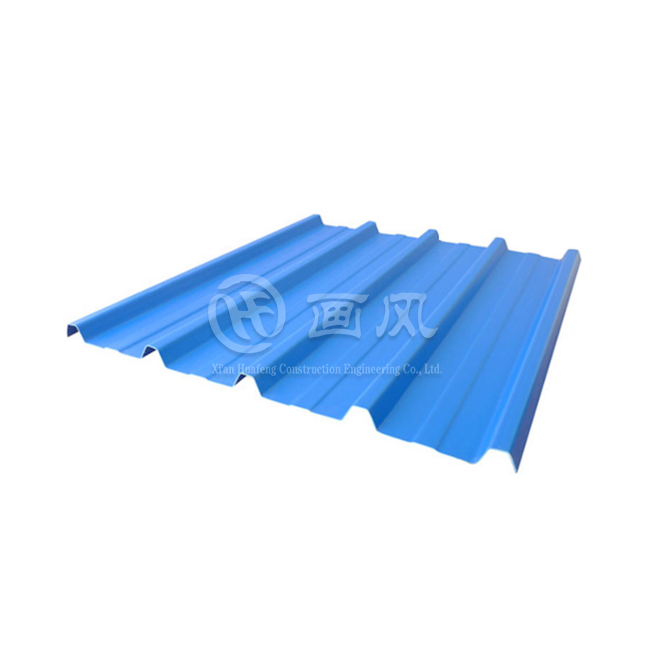
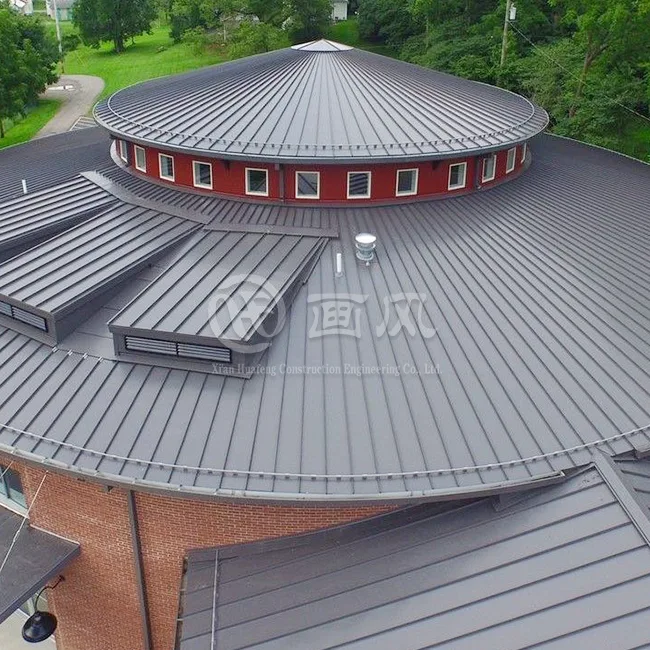
When building projects need roofs, picking the right shape of metal panel can make a big difference in how well the building works and how much it's worth in the long run. Metal roofing panels come in many shapes and sizes, so each one can be used in a way that fits the building's style, budget, and environmental concerns. Most people choose standing seam systems with hidden fasteners, corrugated panels with obvious fasteners, metal shingles that look like regular shingles, and R-panel or PBR panel shapes, which are good for industry and farming. Over the past few years, black standing seam metal roofing panels have become very popular, especially in high-end homes and businesses. This is because they last a long time, look sleek and modern, and keep out the weather better than other roof materials.

Overview of Metal Roofing Panel Types
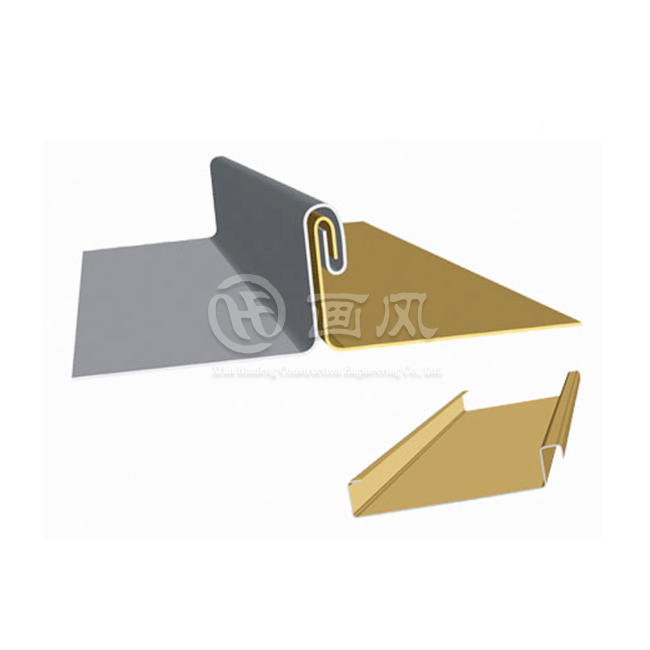
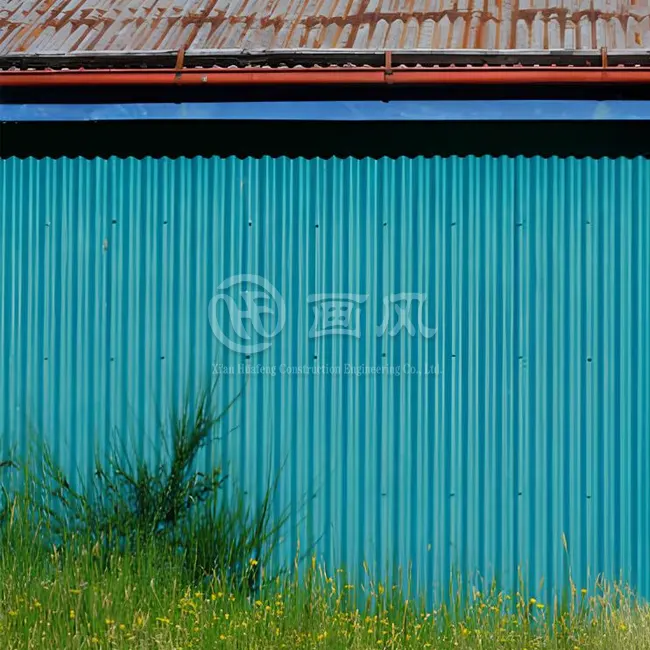
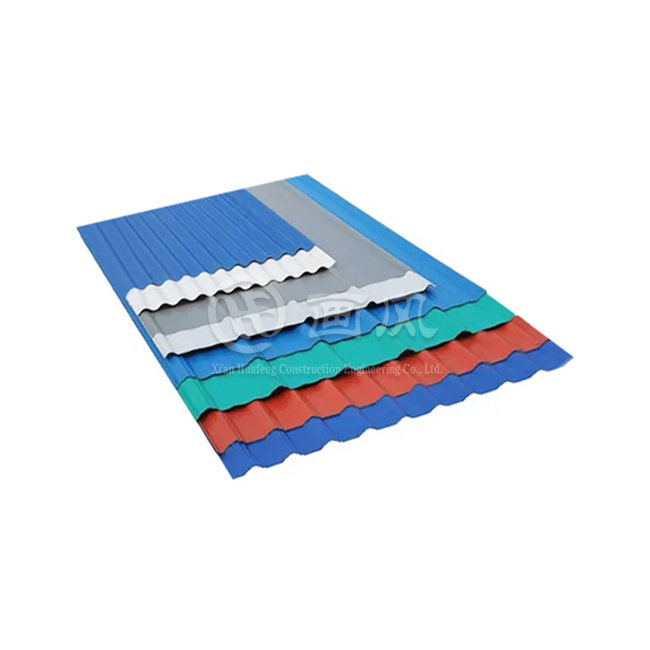
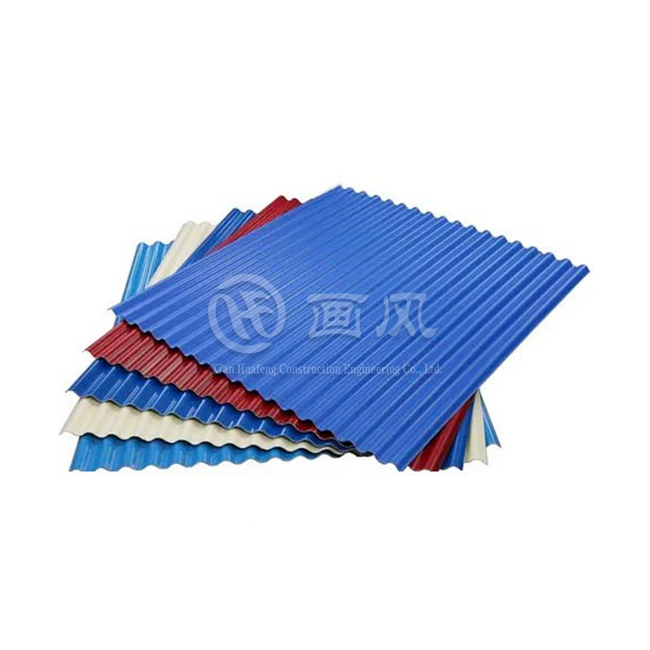
Metal roofing is roughly categorised by form and connection. Each group benefits depending on project size and weather exposure. Standing seam panels offer straight legs and flawless seams. They are water-resistant and temperature-elastic. Visible fasteners hold corrugated metal panels together when waves recur. They are economical for constructing farms and offices. There are asphalt, slate, and tile-looking metal roof components. Metal makes them last longer and fireproof. R-panel and PBR visible fastener panels are inexpensive and popular in utility buildings.
The appropriate elements are also important for a good roof. A combination of aluminium and zinc called Galvalume makes steel panels robust and rust-resistant. They may be utilised in many contexts. Aluminium walls operate well near water since salt spray doesn't corrode them. Although more expensive, zinc and copper walls survive over 100 years and look nicer. Stainless steel is most robust in tough industrial settings.
New coverings improve appearance and durability. PVDF paints like Kynar 500 don't fade or chalk. Dark colours like matte black or coal black last decades. These jackets meet rigorous AAMA 2605 criteria. This protects colours from UV damage and enhances their appearance. Due to its excellent profile engineering and finishing technologies, black standing seam metal roofing panels are perfect for applications that need both style and durability.
Deep Dive into Black Standing Seam Metal Roofing
Concealed Fastener Design and Structural Integrity
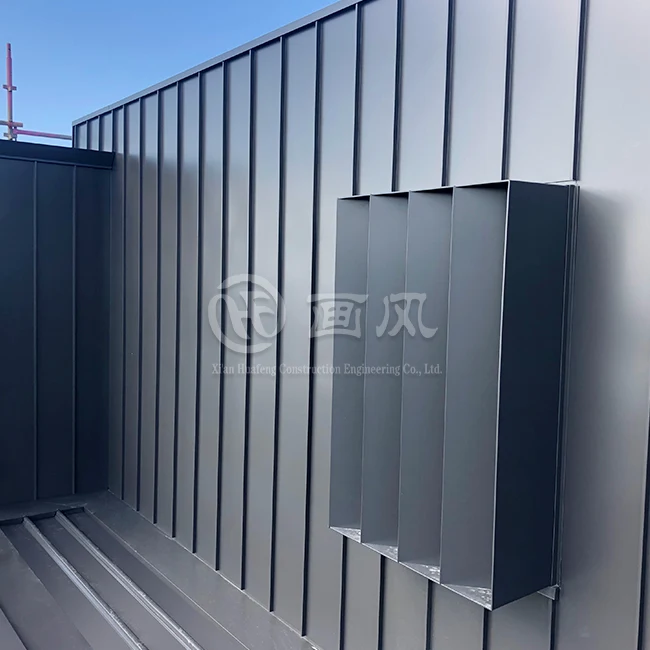
A secret system of fasteners holds the black standing seam metal roofing panels together and keeps water from getting through the panels. Hidden clips hold the panels to the roof deck. These clips allow the panels to move side to side as the metal expands and contracts with temperature changes. This design keeps gaskets from wearing out and bolts from backing out, which can happen in systems with obvious fasteners. Special seamers are used to crimp the vertical seams together by hand. This makes snap-lock or double-lock links that go along the whole panel and keep water out. The raised edges keep water away from weak connections, which makes this design great for low-slope areas where water could pool.
Material Specifications and Performance Characteristics
Good materials like aluminum alloy, steel, stainless steel, copper, and titanium zinc are used by HF to make black standing seam metal roofing panels. The panels can be made with different widths (0.4 mm to 1.2 mm) to meet the needs of different spans and loads. You can choose how the structure looks and how well it works by setting the seam height between 25 mm and 65 mm (1" to 2.55"). All of the panels have PVDF finishes that meet or go beyond ASTM, DIN, JIS, BS, and GB/T standards. This makes sure that building companies from other countries follow the rules everywhere. Delta E values stay below 5 for long periods of time, which means that the covering method is better at resisting fade. Modern buildings like the look of deep black, and this keeps it.
It's important to get insurance and meet building rules, so panels get Class A fire ratings and Class 4 impact protection (UL 2218). Wind uplift rates can go above UL 580 Class 90 if they are set properly. This means that these systems work well in hurricane-prone areas and places with a lot of wind along the coast. There is a 30-year guarantee from HF that these features will work well. This shows that they are sure the material and finish will last. HF can handle large orders because it has three dedicated plants, seven production lines, and more than 40 specialized tools. This lets them keep quality high and speed up the process by 15 to 20 days.
Comparative Analysis: Black Standing Seam vs Other Roofing Types
Performance Against Corrugated Metal Panels
Because they are cheap, perforated metal plates are often used to cover the roofs of agricultural buildings and utility structures. For these methods to work, screws that can be seen go through the panel edges. This makes places where water leaks that need to be checked often and seals changed. Black standing seam metal roofing panels don't have this problem because their fixings are concealed. In other words, they need a lot less maintenance over time, even though they cost more at first. The structure is more stable in high winds because the pulling forces are spread out across the whole clip system instead of being focused at the connection points. This is because the joints are automatically seamed. At first, cardboard panels may be cheaper, but standing seam systems are better for business and educational projects that care about how long their assets last. This is because they last longer, keep out the weather better, and need less care.
Advantages Over Asphalt Shingle Systems
People usually roof their homes with asphalt shingles because they are cheap and easy for professionals to work with. However, most of the time they only last 15 to 20 years. On the other hand, black standing seam metal roofing panels last 50 years or more. Metal systems are becoming more popular because they are better for the earth because they are made from recycled materials and can be sent back in full when they are no longer needed. On the other hand, every year millions of tons of asphalt roofs are thrown away. Another important thing that makes them different is how well they handle heat. Asphalt shingles that are dark soak up a lot of heat from the sun. This makes it more difficult to cool and costs more to do so. This technology uses shiny pigments to bounce infrared wavelengths off the surface of black standing seam metal roofing panels with PVDF coats. This keeps the surface cooler and lowers the need for HVAC. Because they can control heat, metal roofs are a better choice for eco-friendly builders and property owners. This helps companies reach their sustainability goals and get LEED recognition.
Coating Longevity Compared to Standard Painted Metal
A metal roof cover doesn't always work the same way. While standard polyester or silicone-modified polyester (SMP) coats may work well on lighter colors, they aren't strong enough to protect black standing seam metal roofing panels from UV light as it ages them. 70% of PVDF layers are resin, which keeps them safe from damage at the molecular level caused by sunlight, acid rain, and pollution from factories. The color and shine of HF's PVDF-finished panels last a lot longer than SMP-coated ones. They won't need to be changed as often, and the building will look good for as long as the promise lasts. When buying officers look at total costs, they should carefully think about this coating technology benefit. Even though PVDF finishes are more expensive at first, they always pay for themselves in the long run because they look good for longer.
Procurement Insights for Black Standing Seam Metal Roofing Panels
Cost Structure and Bulk Purchasing Advantages
When you buy black standing seam metal roofing panels, you can get a better deal if you know what goes into their prices. The costs of making the panels depend on how complicated they are, what finishes are needed, and how much customization is needed. The costs of the raw materials change with the prices of popular metals. The work itself costs a lot, and how much it costs relies on how hard the roof is to reach and how much people are paid in the area. Economies of scale mean that when people make a lot of something, they can make better production runs and charge less per unit. Small to big business projects are no problem for HF. They only need 500 square meters or 1 ton of material to start working on them, but they can still adapt to specific needs.
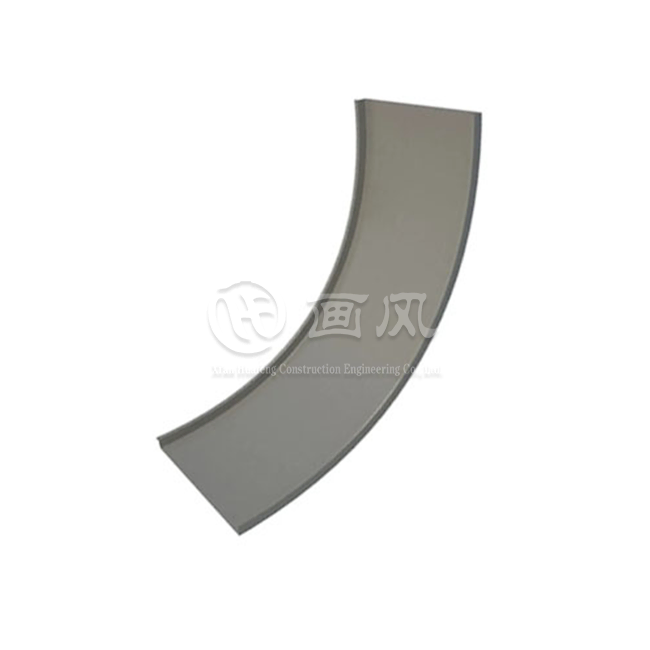
Procurement managers should work with providers to get the best panel sizes and cut down on waste while planning. Long roof runs don't need end-laps because the panels can be made to any length up to 13 meters. This cuts down on fitting time and the chance of leaks. Architects, structural engineers, and metal roofers all work together to make sure that the panel shapes, gauges, and ways of connecting them meet both the needs of safety and good looks. The skilled staff at HF can help you choose the best choices for a wide range of projects, from industrial sites that need heavier-gauge steel panels to coastal places that need aluminum substrates.
Supplier Selection and Quality Assurance
To find a reliable source for black standing seam metal roofing panels, you should check out how well they make things, how they keep an eye on quality, and how well they can move things. To make sure that all of their production runs have the same size and finish, HF places its three plants very carefully and uses high-tech color coating lines, laminating tools, and horizontal cutting systems. The company is highly skilled in more than just making roofs, as shown by the fact that they have high-tech business recognition and building curtain wall standards. Some foreign standards that projects need to meet are ASTM, DIN, JIS, BS, and GB/T. Meeting these standards makes it easier for projects to get accepted in different legal areas. For big building companies, this makes it easy to buy things.
Quality assurance is more than just making sure things are made. It also means making sure orders happen on time and helping customers after the sale. Project plans can be met by HF's delivery time of 15 to 20 days, and the company's transportation network lets it ship to markets in North America, Europe, and Asia-Pacific. The people whose job it is to buy things should make sure that sellers have enough regular profiles in stock and also leave room for unique orders. HF has filed for more than 20 patents, which shows that they are always thinking of new ways to make roofs. In order to build long-term ties with clients, this shows that they are dedicated to always getting better.
Environmental and Energy Efficiency Benefits of Black Standing Seam Metal Roofing
Thermal Performance and Energy Cost Reduction
Dark black standing seam metal roofing panels of today use improved reflective pigment technology to block the sun's heat much better than dark black roofs of the past. These "cool black" paints lower the temperature of the roof's surface by 20 to 30°F compared to regular black paint. They do this by reflecting infrared bands that can't be seen. Because of this temperature control, air conditioning is used less in the summer, which is great for businesses that need to cool down a lot. Because the metal base doesn't hold much heat, the roofs cool down quickly at night, and the inside of the house doesn't get too hot at night. When you add reflective layers on top of good airflow and insulation, you get a roof that doesn't just stop energy from getting in or out of a building.
Metal roofing is naturally good for the environment, which helps building owners who want to get LEED or other green building certifications. Based on the base type, metal plates are made of 25 to 95% recycled materials. Also, when they're done being helpful, they can be recycled in their entirety without losing any of their quality. These materials are reused over and over, while roofing materials made from fuel are thrown away after only one use. Environmental, Social, and Governance (ESG) success measures are becoming more important to businesses, and HF is committed to green, sustainable progress. Because of this, their roofing systems are useful for businesses that want to meet goals for Scope 3 pollution and the circular economy.
Maintenance Requirements and Lifecycle Extension
If you take good care of your black standing seam metal roofing panels, it will last longer and continue to save you money on your energy bills. It should be checked once a year to make sure that the seams are still joined properly, that the bolts are still tight, and that there is no extra material in the dips or around the holes. Cleaning gets rid of pollution and organic growth in the air that can damage coats, especially in places that are wet or have a lot of dust in the air. The PVDF finish on HF doesn't chalk or fade, and all you have to do to keep it durable is clean it every so often. If you put panel systems on the right slopes, they clean themselves through rain. This saves you time and effort on upkeep compared to low-slope membrane systems that need to be actively drained.
Lifecycle cost analysis shows over and over that metal roofs are cheaper than other choices. These roofs have a better net present value because they last longer (50+ years), need less maintenance, and save money on energy costs, even if they cost more to install at first. Instead of just looking at first-cost estimates, procurement officers should use lifetime costing methods when they look over bids for roofs. This shows how much better methods, like black standing seam metal roofing panels, really save you money.
Conclusion
You should carefully think about shape types, material bases, finishing methods, and the supplier's skills in order to pick the right metal roofing system. Black standing seam metal roofing panels are a high-end choice that can handle the strict needs of modern business and school buildings. The secret fastener design gets rid of common ways that things break while still letting heat flow. PVDF finishes don't fade as easily as other finishes, so buildings will look good for decades. To procurement officers who want stable, high-performance roofing choices, HF is a great company. It has a full manufacturing infrastructure, technical know-how, and a commitment to international quality standards. Building owners who care about ESG and term performance will find these systems more useful because they last a long time, use little energy, and are good for the environment.
FAQ
1. How long do black standing seam metal roofing typically last?
Black standing seam metal roofing panels can last between 40 and 60 years if it is built and maintained properly. Many projects last longer than this. How long something lasts depends on what kind of material was used, how well it was coated, how it is exposed to the world, and how well it is taken care of. Galvalume steel substrates work well in the middle of the country, while aluminum substrates work well near the coast. The colors on PVDF coats last a lot longer than on regular paints. HF guarantees both the quality of the material and the performance of the finish for 30 years.
2. Does black metal roofing increase cooling costs substantially?
It is possible to see infrared bands that are reflected by modern black standing seam metal roofing panels with cool roof pigment technology. Because of this, they keep heat out much better than regular black coats. This black paint keeps the surface 20 to 30°F cooler than standard black paint. This keeps heat from coming into the house. Since these systems are better at keeping heat in and air moving, they can actually lower cooling costs compared to asphalt shingles, which are lighter and don't reflect light well.
3. Can these panels be customized for large commercial projects?
Black standing seam metal roofing panels can be up to 13 meters long, have seams that are 25 to 65 mm high, and be 0.4 to 1.2 mm thick, so they can be used for a lot of different structural and aesthetic needs. There are many metals to choose from, such as steel, copper, titanium, zinc, and more. The company can handle big orders and keep shipping times to 15 to 20 days thanks to its three plants and seven production lines. For medium to big business projects, it's easy to handle orders of at least 500 square meters or 1 ton.
Partner with HF for Your Next Roofing Project
If buying managers need a dependable company that creates black standing seam metal roofing panels, HF is a great choice. Their production facilities and technical know-how make them perfect for harsh industrial uses. Our PVDF-finished panels won't fade at all and are backed by a full 30-year warranty. Also, we have three well-placed companies that make sure there is always tight quality control and supplies happen on time, every 15 to 20 days. We offer surfaces like aluminum alloy, steel, stainless steel, copper, and titanium zinc, as well as widths from 0.4 mm to 1.2 mm and seam heights from 25 mm to 65 mm, so we can make our solutions fit the needs of your specific project. You can get approvals in more countries if you follow the rules set by ASTM, DIN, JIS, BS, and GB/T. Get in touch with our knowledgeable staff at huafeng@hfmetalroof.com to talk about your roofing needs and learn how HF's high-quality work can improve your next building project.
References
1. Metal Construction Association, "Design Guide for Standing Seam Metal Roof Systems," Technical Bulletin Series, 2021.
2. American Society for Testing and Materials, "ASTM E1592: Standard Test Method for Structural Performance of Sheet Metal Roof and Siding Systems," ASTM International Standards, 2020.
3. Cool Roof Rating Council, "Rated Product Directory: Metal Roofing Products," Performance Verification Database, 2022.
4. National Roofing Contractors Association, "The NRCA Metal Panel and SPF Roof Systems Manual," Commercial Roofing Guidelines, 2021.
5. Building Owners and Managers Association International, "Comparative Life Cycle Assessment of Commercial Roofing Systems," Sustainability Research Report, 2020.
6. U.S. Green Building Council, "LEED Reference Guide for Building Design and Construction: Material and Resource Credits," LEED v4.1 Edition, 2021.





YOU MAY LIKE