Why Vertical Metal Siding Sheets Work Well in Mountain Areas
2026-06-15 16:18:30
Mountain construction projects demand materials that can withstand nature's harshest tests. Vertical Metal Siding sheets excel in these challenging environments due to their engineered vertical orientation, which naturally channels water and snow away from building exteriors while resisting the powerful wind gusts common at higher elevations. Unlike horizontal alternatives that trap moisture and debris, vertical panels provide superior drainage and structural integrity, making them the preferred choice for construction companies and developers working in mountainous terrain. The combination of durable substrate materials like Galvalume and aluminium with advanced coating systems ensures these panels maintain both performance and appearance throughout decades of exposure to extreme temperature swings and UV radiation.

Understanding Vertical Metal Siding Sheets in Mountain Areas
There are special problems that need special building solutions in mountain areas. Because of these needs, Vertical Metal Siding sheets are a new type of outdoor covering that was created to meet them.
What Makes Vertical Metal Siding Different
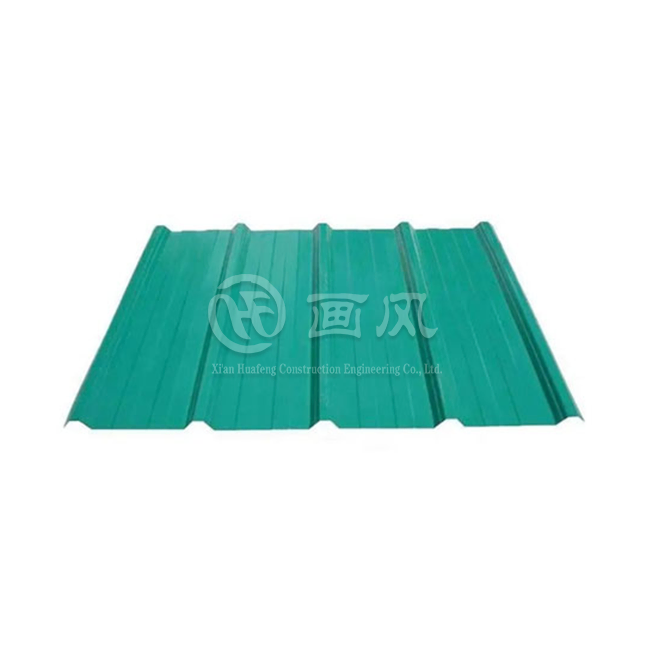
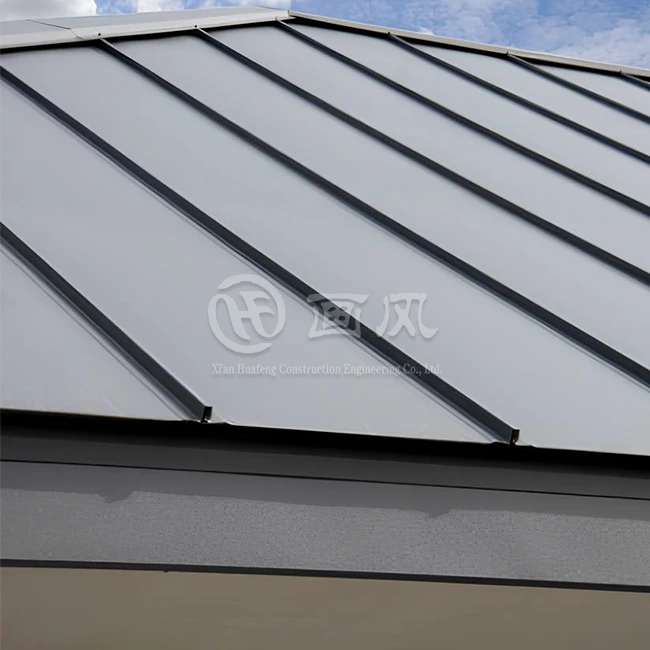
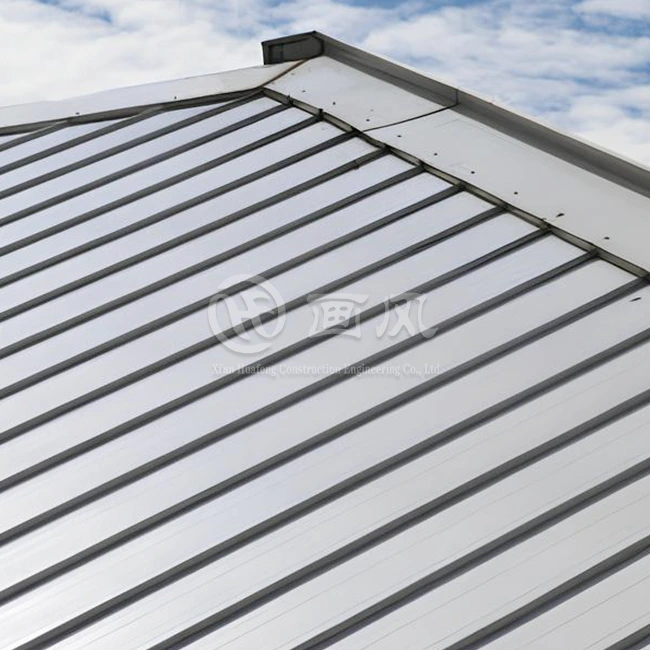
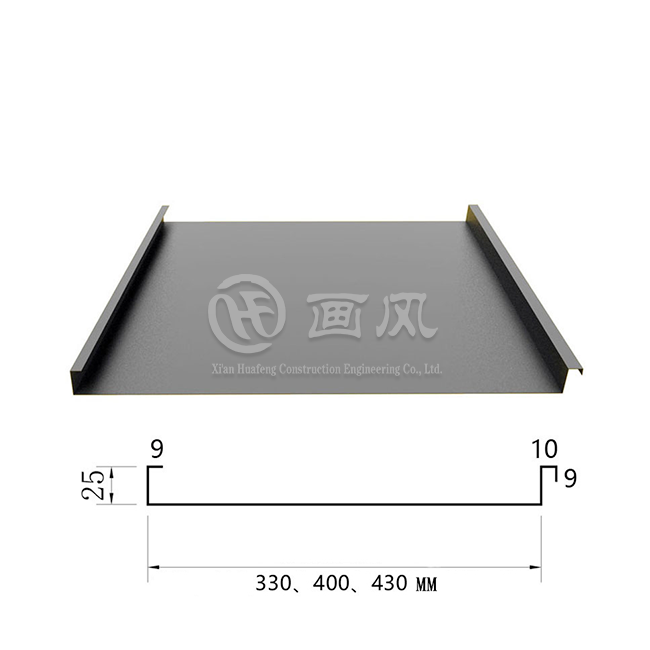
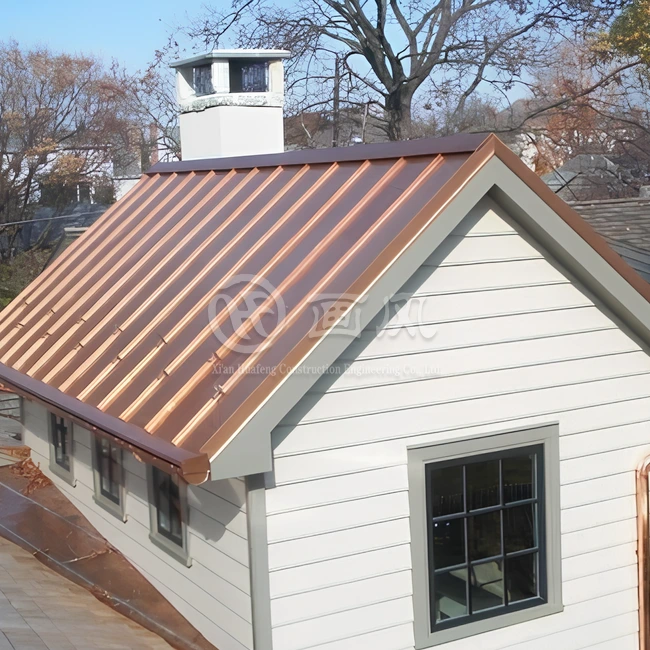
The vertical placement changes how water interacts with the outside of buildings in a big way. Water from rain and melting snow doesn't pool behind the horizontal joints; instead, it flows down along the seams of the panels. This drainage system works with gravity to lower the chance of water getting in and damaging insulation and building parts. There are different panel profiles, such as corrugated designs for extra strength, ribbed patterns that add visual detail while keeping the panels rigid, and standing seam systems with raised seams that make links that are weathertight and lock together.
Material Composition for Extreme Conditions
We make these panels from foundation materials that were chosen based on how well they work. Galvanised steel is very strong and doesn't cost much. Galvalume coating, which is made of an aluminium-zinc combination, makes it more resistant to rust, which is important in mountainous areas with lots of wetness. Because they are lightweight and naturally resistant to rusting, aluminium panels are good for places that get a lot of snow and need to worry about structural loads. Protective coats are put on each material. These include polyester (PE) for everyday use, high-durability polyester (HDP) for better chalk protection, and PVDF finishes that keep their colour for at least 30 years.
Vertical Versus Horizontal Installation
The choice of direction has a big effect on how well the building works in the long run. When you have horizontal flooring, you get gaps where snow can build up, and ice dams can form, which lets water in during freeze-thaw cycles. These horizontal surfaces are taken away by vertical panels, which lets rain fall right away. Vertical placement also makes wind resistance better because the panels have a smooth shape when facing dominant gusts instead of catching wind under their overlapping horizontal sides. This construction factor is very important when buildings have to deal with steady winds of more than 90 mph, which often happens in mountain areas that are open to the elements.
Performance & Durability: How Vertical Metal Siding Addresses Mountain Area Challenges
The weather in the mountains puts building materials to the test in ways that they are never tested in the lowlands. Vertical Metal Siding sheet systems that are designed to work in these situations give you real performance benefits.
Snow Load Management
A lot of snow on the ground puts a lot of pressure on the sides of buildings. Our 24-gauge and 22-gauge Vertical Metal Siding sheets give your structure the strength it needs to handle these loads without bowing. The vertical ribs on the panels act as strengthening channels that spread the wall assembly's weight evenly. When it melts in the spring, the smooth metal surface lets snow sheets slide off easily instead of letting hardened ice stick and damage things.
Temperature Fluctuation Resistance
Temperatures often change by 40 to 50°F between day and night in mountain areas. These changes in temperature cause materials to expand and shrink, which can put stress on less durable materials. Engineered fastening systems with hidden clips that allow thermal drift while keeping weathertight seals allow Vertical Metal Siding sheets to adapt to this movement. When we apply PVDF coating systems, they stay flexible from -40°F to 180°F. This keeps them from cracking and peeling like hard paint systems do.
Wind Resistance Engineering
Mountain sites that are exposed to the elements are hit by strong winds that come and go. These winds put pressure on the outside of buildings in both positive and negative ways. When placed correctly over a ventilated rainscreen system, Vertical Metal Siding sheets can withstand winds of more than 200 psf. The overlapping seam design keeps the panels from coming apart, even if materials next to them fail. According to ASTM E1592 testing, these panels stay strong in situations that would damage vinyl or fibre cement options.
Energy Efficiency Integration
In cold mountain regions, thermal efficiency needs to be carefully thought out. Continuous insulation methods work well with Vertical Metal Siding sheets, so wall units can have R-values higher than R-25. The vented space behind the panels makes a path for air to flow that gets rid of moisture vapour and provides an extra thermal break. When compared to direct-applied wall systems, this assembly greatly lowers heating costs, resulting in operational savings that cover initial material costs within 5 to 7 years.
Comparing Vertical Metal Siding with Alternative Materials in Mountain Applications
The choice of materials affects both the short-term costs of the job and the long-term costs of ownership. Procurement workers can make better choices when they understand these trade-offs by comparing Vertical Metal Siding sheets to other materials that can be used in mountain settings.
Lifespan and Maintenance Requirements
Vinyl flooring usually needs to be replaced every 15 to 20 years in mountain areas because UV light breaks it down and hail and wind-blown debris can damage it. Wood siding needs to be painted every three to five years and maintained regularly to keep it from rotting and getting bugs. Fibre cement lasts longer, but it can still crack when it freezes and thaws in places that are open to water. With the right coats, Vertical Metal Siding sheets can last between 40 and 70 years with little upkeep. An annual freshwater rinse to get rid of dirt and salt layers protects the finish and keeps it from chalking too soon.
Material-Specific Advantages
Steel panels are very good at resisting impacts; they get Class 4 hail grades according to UL 2218 testing guidelines. With a tensile yield strength of 50–80 ksi, these panels can handle being hit by tools, trees falling, and maintenance workers accidentally touching them. Like steel panels, aluminium panels are about 40% lighter than similar steel panels. This makes it easier to place them in rural areas where cranes are hard to get to. The natural resistance to rust of the material makes it perfect for homes in microclimates with a lot of wetness, like those near mountain streams or places that get a lot of fog.
Gauge Selection Impact
The thickness of a panel has a direct effect on both cost and function. Standard 26-gauge material works well for household uses that are covered and don't get too much wind. 24-gauge standards are better for commercial mountain projects because they make the steel stiffer and lessen the oil canning that can be seen. Industrial buildings and farm buildings that are completely open to the elements should use 22-gauge walls for the best structural performance. Each step up in gauge adds about 15% to the cost of the materials, but it makes the service life much longer in harsh circumstances.
Procurement Guide: Buying Vertical Metal Siding Sheets for Mountain Projects
There's more to sourcing choices than just comparing prices. For mountain projects to go well, the providers need to know how to meet the specific needs of these areas when purchasing Vertical Metal Siding sheets for mountain projects.
Supplier Evaluation Criteria
Look beyond written specifications to examine how well something functions in practice. Mountain construction suppliers know how vital bespoke panel lengths are to minimise gaps and leaks. Factory precision roll-forming equipment produces panels with identical rib heights and edge forms that fit together across long runs. Quality control includes measuring covering thickness using magnetic induction gauges, cross-hatch adhesion with ASTM D3359, and salt spray resistance with ASTM B117. This keeps edge creep corrosion minimal after 1,000 hours.
Customisation and Specifications
Steep gables, shed roofs, and multi-story faces are common in mountain architecture. We cut panels to your specifications in 25-330, 25-400, 25-430, 25-500, 65-400, 65-430, and 65-500 forms. Making panel lengths to your specifications reduces field cutting and installation time. Our minimum order size of 500 square meters is appropriate for medium-sized corporate projects and allows bulk purchases to save money. Our PE, HDP, and PVDF coatings allow you to alter colours to match their surroundings or suit architectural objectives. Customising patterns with wood grain textures and stone finishes provides you with many aesthetic alternatives without impacting performance.
Logistics and Delivery Considerations
Remote alpine project locations need careful transportation planning. Our 1,000-ton monthly manufacturing capability allows us to satisfy large-scale projects with 15–20-day shipment. Protecting panels during transportation prevents paint damage, which would degrade performance. Proper packaging with edge protection and moisture barriers maintains factory quality throughout delivery. Plan arrival schedules with installation personnel to avoid storing products on-site or exposing them to the weather before installation.
Total Cost Analysis
Material costs are merely part of the project's economics. Installing longer custom-cut panels requires fewer fasteners and field measurements, lowering labour expenses. Include guarantee value. Our 30-year coating failure coverage provides financial certainty that lesser choices can't match. Consider that Vertical Metal Siding sheets don't need to be painted, caulked or replaced, so calculate how much you'll save on building maintenance over time. Thermal performance reduces energy and operating costs annually, supporting high-quality materials.
Installation & Design Ideas Customised for Mountain Areas
When quality materials are installed correctly, they work better than those materials alone. Mountain projects need extra care that isn't always needed in lower projects when using Vertical Metal Siding sheets.
Best Practices for Mountain Installation
Set up the substrate and mounting area level and stable. A weather-resistant barrier (WRB) on top of the wall adds water protection. To create an airy area behind panels, use vertical furring strips 16–24 inches apart. This airspace allows moisture vapour to escape but blocks heat. Use panel-rated fasteners to prevent galvanic corrosion. Zinc and stainless fasteners work well with steel and aluminium panels, respectively. Install starter trim at the wall base with weep holes to drain water and keep pests out. Take care to engage each panel's overlapping seam before closing it and maintain reveal spacing as you progress up.
Weatherproofing Critical Areas
Mountain weather exploits system weaknesses. Corner, window, and door trim should be sealed using butyl tape. Cover these gaps with rust-resistant metal like the siding. Snow accumulation may keep moisture exposed for a long period at the roof-wall junction, so be careful. Kick-out flashing keeps water off siding seams. Place head trim with continuous vents at the top of the wall to allow airflow yet keep embers out of fire-prone regions.
Design Integration with Natural Environments
Colour choice affects mountain landscape composition. Earth tones like browns, greens, and greys prevent solar heat gain and thermal stress, making structures blend in. Matte surfaces reduce glare that might irritate neighbours or pets. Vertical lines make structures seem higher and look nice against mountainous backdrops. Mixing panel sizes creates shadow patterns that offer architectural interest without much detail. Our bespoke colour matching makes synthetic materials seem like weathered stone and wood. This offers current performance and classic style.
Conclusion
In conclusion, when building in the mountains, you need materials that are made to last decades of harsh weather while still looking good and keeping their structural integrity. Vertical Metal Siding sheets do this because they are smartly made so they work with gravity instead of against it. They shed water and snow well and can stand up to wind forces that would damage other materials. When you combine lasting substrates, modern coating systems, and good fitting methods, you get building exteriors that need little upkeep and have energy-saving benefits. These methods will work at their best if you know what the materials are supposed to do, choose skilled suppliers with experience working on mountain projects, and follow best practices for installation. The money spent on good Vertical Metal Siding sheets is returned through longer service life, lower upkeep costs, and better building performance, which protects the financial interests of both building owners and residents.
FAQ
1. How do vertical metal siding sheets perform in areas with heavy snowfall?
In places where snow is common, the Vertical Metal Siding sheets' position is very helpful. The smooth metal surface lets snow slide off instead of building up, which lowers the load on the structure. Because there are no straight slopes, ice dams that let water in can't form. Panels made of 24-gauge or 22-gauge steel don't bend when heavy snow presses against walls, so the weathertight seal stays in place.
2. What maintenance does metal siding require in mountain environments?
Minimal upkeep is still done once a year. Clean the panels by running them under clean water to get rid of any dirt, pollen, or salt buildup from road treatment chemicals. Check to see if the thermal cycle has caused any loosening of the bolts and trim pieces. PVDF-coated panels don't need to be repainted because the protected finish lasts for decades. However, regular cleaning keeps them looking good and extends the guarantee.
3. Can these panels integrate with insulation systems for energy efficiency?
Continuous insulation systems work really well with Vertical Metal Siding sheets. High-performance wall systems are made by installing hard foam insulation over a ventilated space. During the summer, the metal surface blocks out solar heat, and in the winter, the insulation layer keeps heat from escaping. This mix is much more energy efficient than standard siding materials. In mountain climates where weather changes can make building performance difficult, this can save a lot on heating and cooling costs.
Partner with HF for Superior Vertical Metal Siding Solutions
In mountain building projects, picking the right Vertical Metal Siding sheets provider can mean the difference between good results and great ones. Xi'an Huafeng Construction Engineering Co., Ltd. is a great company that knows a lot about building in harsh environments and how to make great products. Our 200,000-square-meter factory in Anhui has seven colour coating lines and ten horizontal shearing systems that make sure the standard of our panels is always high. We also have processing plants in Hangzhou and Xi'an. With shapes ranging from 25-330 to 65-500 mm and finishes in PE, HDP, and PVDF, you can make your mountain projects exactly how you want them. Our ISO9001 and ISO14000:14001 certifications, along with our SGS compliance, show that we are committed to manufacturing standards that make sure the quality of our products. With the ability to produce 1,000 tons per month, shipping times of 15 to 20 days, and full 30-year guarantees, we offer both high-quality materials and reliable supply chains. You can email our team at huafeng@hfmetalroof.com to talk about your project needs and get detailed specs from a reliable maker of Vertical Metal Siding sheets that works with business developers and building companies all over North America.
References
1. American Society of Civil Engineers. (2022). "Minimum Design Loads and Associated Criteria for Buildings and Other Structures." ASCE 7-22 Standard, Chapter 30: Wind Load Provisions for Building Components.
2. Metal Construction Association. (2021). "Vertical Metal Panel Systems: Technical Guide for Design and Installation." MCA Publication 102-21, Section 4: Performance in Extreme Climates.
3. National Roofing Contractors Association. (2023). "Metal Wall Panel Systems Manual." NRCA Guidelines, Chapter 7: Cold Climate Installation Practices.
4. Cool Metal Roofing Coalition. (2020). "Energy Performance of Metal Building Envelopes in Mountain Regions." Research Report CMRC-2020-14, pp. 45-67.
5. Forest Products Laboratory. (2019). "Comparative Durability of Exterior Cladding Materials in High-Altitude Environments." U.S. Department of Agriculture Technical Report FPL-GTR-282.
6. Building Enclosure Council. (2023). "Water Management Strategies for Vertical Cladding Systems." BEC Technical Bulletin 2023-08, Focus on Gravity-Driven Drainage Design.





YOU MAY LIKE
_1783936484206.webp "Inside locking metal aluminum cladding panel")