Benefits of Aluminum Standing Seam Metal Roofs Panels: Durability & Style
2026-06-15 16:18:32
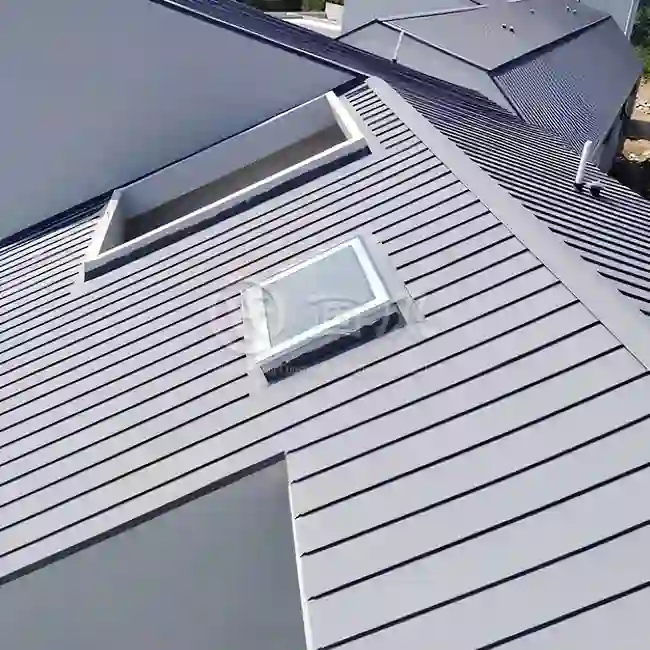
When building companies and roofing workers look at different roofing systems for big jobs, they are thinking about more than just cost. Aluminum standing seam metal roof panels are a smart investment that will protect your home's structure and make it look better. This roofing solution uses lightweight aluminum alloy substrates and interlocked raised seams to make a camouflaged fastener system. Clips and screws are hidden under the panel surfaces. Traditional open fastener systems can't compare to the weather-tight performance of the mechanical locking mechanism, which can handle heat expansion without compromising the building envelope. Because of their high level of technical precision and material science, these panels are the best choice for projects that need to last more than 40 years while still looking good in business, industrial, and high-end domestic settings.

Understanding Aluminum Standing Seam Metal Roof Panels
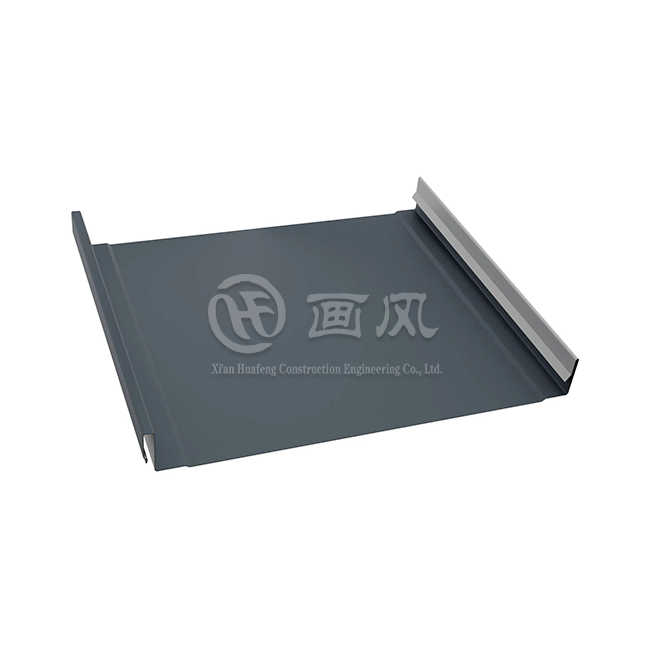
The unique way the seams are set up is what makes these panels work in building engineering. Unlike most roofing materials, which use sections that meet and are sealed with glue or fasteners, Aluminum standing seam metal roof panels use vertical ribs that mechanically crimp together panels that are next to each other. This design gets rid of the main place where standard roofs fail: the uncovered fasteners where UV light and temperature changes wear down the washers. The fact that there are no holes in the panel surface makes a constant shield against water getting in.
Design Architecture and Operational Mechanics
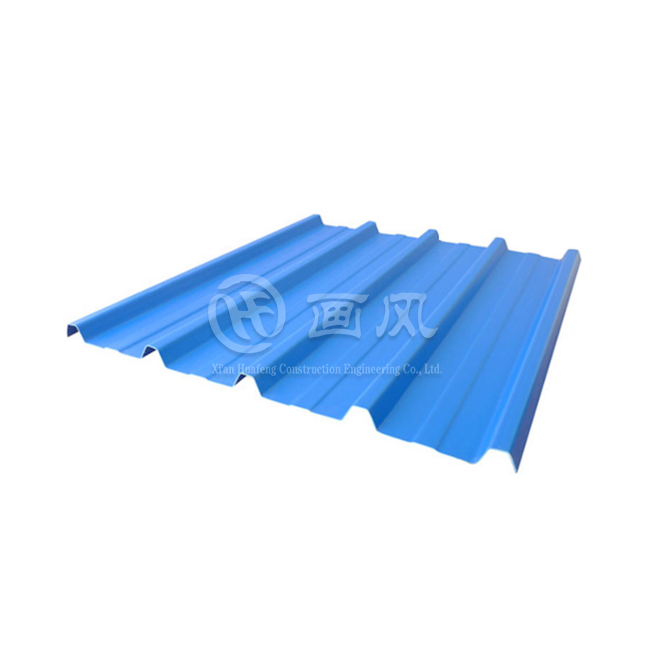
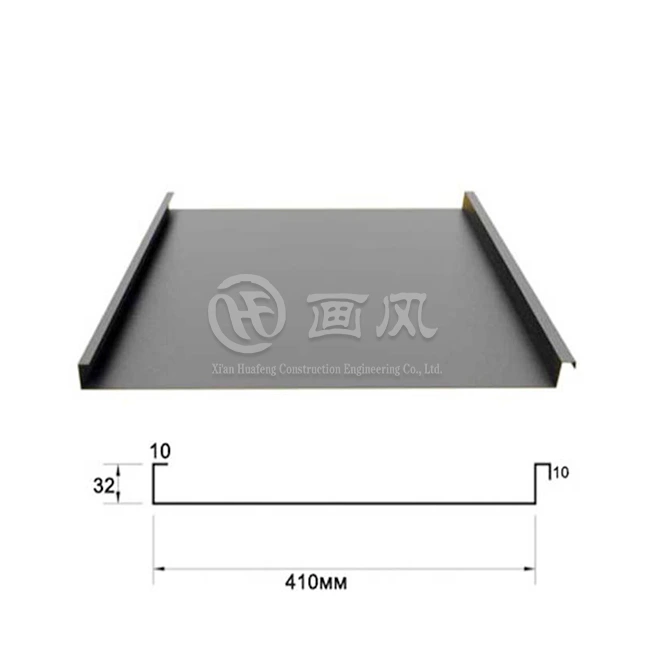
High-quality aluminium alloys like AA3003, AA3004, or AA5052 are used to make panels because they are robust and simple to form. The HF panels vary in thickness from 0.7 mm to 1.2 mm. This allows procurement specialists to match material gauge to wind load and structural requirements. Rib heights vary from 25 mm to 65 mm, providing you with design possibilities that match your demands. Raised seams naturally drain water from weak connections. This solves the fundamental issue that causes screw-down metal roofing systems to fail early.
Installation differs greatly from previous methods. Floating clip systems attach to roof decks independently from panels. This enables metal sheets to expand and contract with temperature without stressing fasteners. In areas with frequent temperature changes, where materials expand and contract repeatedly, this capacity to accept thermal movement strengthens the structure.
Material Comparison: Aluminum Versus Alternative Metals
Knowing the qualities of various metal roofing materials helps match them to the project. Steel standing seam panels cost 15–20% less per square foot and have stronger tensile strength than aluminium ones. Steel is weak because it needs protective layers. Scratches or chips allow oxidation to attack exposed metal, causing rust that weakens the structure. In salty coastal environments, galvalume-coated steel walls may last 15 to 20 years, while being stronger than galvanised ones.
Aluminum's key value is its manufacturing. When the metal is exposed to air, it naturally forms an aluminum oxide layer that acts as a self-healing shield. This oxidation process immediately covers surface damage to prevent corrosion. This innovation extends service life in harsh environments where steel systems must be replaced too soon. Copper and zinc standing seam panels cost 200–300% more than aluminium panels but resist rust as well. They can only be employed on projects with a budget for more costly materials. Aluminium is preferable since it's cheaper and more durable than steel. It performs like copper and zinc but costs less.
Core Benefits of Aluminum Standing Seam Metal Roof Panels
The value of Aluminum standing seam metal roof panels is clear when you look at how well they work in a number of different operating areas. These benefits directly address the concerns of B2B buyers who are interested in lifecycle cost research rather than just the initial cost of buying.
Exceptional Durability in Demanding Environments
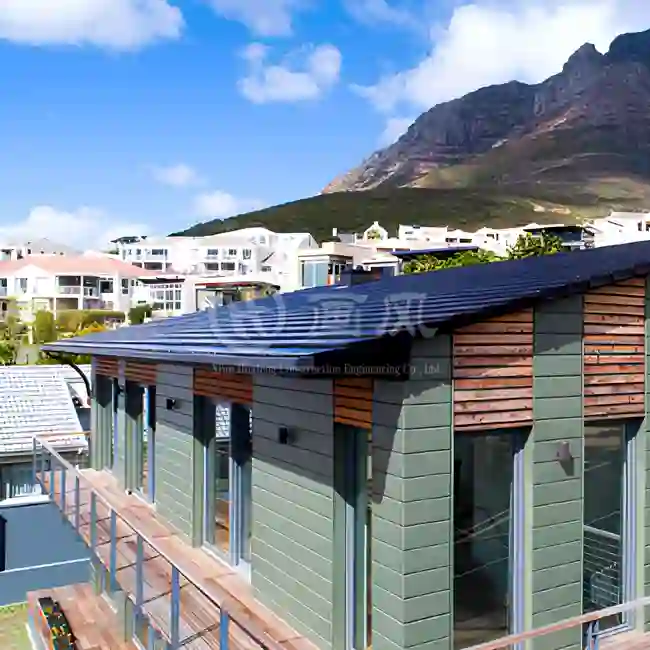
Aluminium is better for constructing buildings than steel since it weighs one-third less. This property makes building frames lighter, allowing columns to be wider apart and lighter support structures, lowering construction costs. The material retains its weight without sacrificing weather resistance. Coastal areas highlight aluminum's benefits. Metal breaks down quicker near one km of the beach due to salt spray. In these circumstances, steel walls corrode after 8–12 years, whereas aluminium systems last over 50.
The protective oxide layer regenerates, so installation or service scratches don't hinder performance. This self-repair eliminates coated steel product wear. Chemical-using industries have comparable issues. Aluminium roofing is more durable than other materials, thus industrial plants that utilise acids, chlorides, or other corrosives need to repair or inspect it less regularly. HF's PVDF coating strengthens this natural protection by protecting the colour while the metal foundation provides structure.
Energy Efficiency and Sustainability Performance
Thermal control is expensive for commercial and industrial buildings. Aluminum's light absorption passively cools objects. The metal's surface reflects sunlight instead of absorbing it, requiring less cooling at high temperatures. The Cool Roof Rating Council found that bright metal roofing systems decrease interior temperatures by 10–15 degrees Fahrenheit compared to dark roofing materials. Reduced temperatures mean reduced HVAC bills. Up to 30% energy savings have been claimed in warm areas.
The environmental criteria go beyond corporate performance. Aluminium recycling uses 5% of the energy needed to make it, making it one of the most recyclable construction materials. When panels are no longer usable, they retain their material value. This allows circular economy possibilities that meet LEED certification criteria and enterprise sustainability aims. HF's manufacturing strategy emphasises environmental responsibility by adopting technologies that minimise waste while satisfying ISO14001 criteria. Aluminium standing seam systems enable green construction projects to get points for energy efficiency, material reuse, and environmental impact during the building's life.
Architectural Versatility and Design Flexibility
Modern building design requires more than functional roofing systems. They must visibly communicate. Aluminum's shapeability allows this design aim. The substance bends without springing back like steel. This allows curved panels, tapered sections, and compound radius forms that steel systems can't handle without heat-forming. Modern corporate architecture has barrel vaults, domes, and multi-radius roof lines due to this adaptability.
Colour selection enhances creative control. HF's ability to match RAL colours and create unique formulas gives builders and developers nearly endless palette options. These colours stay bright for as long as the guarantee because the PVDF finish layer prevents UV fading. After 20 years of artificial exposure, PVDF-coated metal panels retain 95% of their colour in lab weathering testing. This is far better than polyester-coated choices, which fade after 5–7 years. This ability to maintain colour consistency is particularly useful for branded buildings with decades-long company identification requirements.
How Aluminum Standing Seam Roofs Solve Common Roofing Challenges
Usually, traditional roofing systems fail in ways that can be predicted. By understanding these failure modes, you can see how Aluminum standing seam metal roof panel technology fixes basic problems instead of just putting off damage that will happen anyway.
Eliminating Leak Pathways Through Design Innovation
Water getting into the roof is the main way that all types of roofs fail. With traditional methods, fasteners are strategically placed to make holes in the roof. Each screw is a possible leak path. At first, neoprene or EPDM washers will seal these holes, but within 10 to 15 years, UV light and temperature cycling will break down the rubber materials. When it rains, water gets into the fastener shanks through the hardened and cracked washers, causing damage inside that is often not noticed until major damage has happened.
This weakness is completely eliminated by the hidden clip design. Clips are attached to the roof decking by fasteners, but the panels themselves don't have any through-holes. Mechanical seaming makes a metal shield that goes all the way around. Double-lock seams connect in all directions, stopping water from getting in even when hydrostatic pressure is high. In low-slope situations where water pooling makes things difficult, this plan works especially well. If you install Aluminum standing seam metal roof panels correctly, they will work successfully on slopes as low as 1:12. This means that they can be used on more types of buildings than regular roofing options can.
Reducing Maintenance Requirements and Associated Costs
A study of lifecycle costs shows that over long service times, upkeep costs often go over the initial material premiums. To keep their weatherproofing performance, traditional roofing systems need to be inspected regularly, re-coated from time to time, and their fasteners replaced. These actions require expert workers, the moving of equipment, and interruptions in operations, all of which raise direct service costs. A business building with 50,000 square feet of conventional roofing usually spends $15,000 to $25,000 on repair every three to five years to keep the system from breaking down too soon.
These ongoing costs are significantly cut by Aluminum standing seam metal roof panels. The material doesn't need to be re-coated because the PVDF finish keeps its defensive qualities over time. Routine upkeep mostly involves clearing out waste and checking the drainage system, which don't require a lot of special skills or tools. Facilities that switch to metal roofing systems report upkeep costs being 60–75% lower than with older, more traditional systems. These savings add up over many years of use. A factory in Florida's hot subtropical climate said that switching from modified bitumen to Aluminum standing seam metal roof panels saved them $180,000 in expected upkeep costs over 20 years. This shows that the initial material investment was well spent.
Decision-Making Guide for B2B Buyers: Selecting the Right Aluminum Standing Seam Panel
When making a procurement choice, technical standards, supplier skills, and project-specific needs must all be carefully considered. The following outline tells us how to do this review for Aluminum standing seam metal roof panels.
Evaluating Technical Specifications and Performance Criteria
The resistance to wind lifting and the effectiveness of the structure are directly related to the thickness of the panels. Coastal areas that get hurricane-force winds usually need a minimum thickness of 0.9 mm to meet building code standards. Inland areas that get mild wind exposure may use 0.7 mm gauges to save money. The width range of HF, which is from 0.7 mm to 1.2 mm, meets all of these needs while still working with standard clip systems and seaming tools. The choice of rib height strikes a mix between personal taste and practical needs. Taller ribs (50–65 mm) make shadow lines that stand out more, making the roof look bigger. Shorter ribs (25–38 mm) have a smaller shape and are better for buildings where the roof can't be seen as much.
Another important detail is the seam arrangement. Double-lock mechanical seams are the best choice for low-slope uses and buildings that house moisture-sensitive processes because they provide maximum weathertightness through 360-degree panel engagement. Snap-lock seams are easier to install but don't work as well in bad weather. They're good for higher hills where drainage by gravity is more helpful. When procurement professionals understand these technical differences, they can match product specifications to real performance needs instead of using maximum specs that may be too high for the project.
Supplier Assessment and Procurement Considerations
To find approved providers, you need to look at more than just price quotes. Manufacturing capacity has a direct effect on project timelines. Suppliers with multiple production lines can meet tight deadlines and big orders that smaller operations can't. HF has three dedicated facilities with seven production lines and more than 40 specialized tools. This gives them the production freedom to guarantee delivery times of 15 to 20 days, even for large orders. This industrial infrastructure is especially useful for building projects that are done in stages and need organized deliveries of materials to fit the schedules for installation.
The economics of a project are affected by minimum order numbers, especially for smaller sites. HF's 500-square-meter MOQ makes mid-sized projects possible while keeping prices low, which is good for bigger contracts. When you buy in bulk, you can save even more money. Projects that are bigger than 5,000 square meters can usually get volume discounts of 8–12% off of standard prices. This can help you save a lot of money on campus-style developments or portfolio retrofits that involve several buildings. Quality badges help buyers tell one seller from another. HF always follows the rules set by ASTM, DIN, JIS, BS, and GB/T. This shows that their making is consistent and meets international standards, no matter where the project is located or what the building codes are.
Maintenance and Long-Term Performance Optimization
To get the most out of a roofing system's value, you need to use proactive management techniques that extend its useful life and keep its performance levels stable during its operating time with Aluminum standing seam metal roof panels.
Establishing Effective Maintenance Protocols
The drainage system and panels should be examined every six months as part of preventive maintenance. Facility workers should remove gutters and drains of garbage that might restrict water flow during these examinations. They should also inspect roof penetration seams for damage and record any maintenance or falling item damage. These examinations take two to three hours on a 10,000-square-foot roof and may be done by normal maintenance workers without training.
Cleaning is still minimal, but it improves performance. Dirt and organic growth reduce aluminum's energy-saving light-reflecting capabilities. Annually cleaning with low-pressure water and soft soap restores its brightness virtually. The roof stays cool as long as this lasts. Salt coatings, although harmless to metal, may trap water and organic waste that affects the appearance of coastal structures, requiring more frequent cleaning. Properly fitted aluminium standing seam metal roof panels just require inspection and cleaning. Contrast with other roofing methods that need frequent maintenance.
Performance Monitoring and Energy Management Integration
Monitoring the temperature of the roof area is becoming a bigger part of more advanced building management systems as a way to save energy overall. Placing thermal monitors on the roof in a planned way across the area gives real-time information on how solar heat gain and cooling system demand are related. With this information, facility managers can figure out how much energy the reflective roofing system saves, which helps them meet green reporting standards and confirms their estimates of the system's lifecycle costs. Some setups combine these monitoring systems with automatic HVAC controls that change the cooling capacity based on the real temperature of the roof instead of just the temperature of the room. This makes the system 5–8 percent more efficient than the roof's passive cooling input alone.
Conclusion
Aluminum standing seam metal roof panels meet the basic needs of business buyers who are looking for roofing solutions that provide measured value in terms of sturdiness, energy efficiency, and aesthetic adaptability. The hidden bolt design gets rid of the main ways things go wrong and allows for heat movement that other systems can't handle. The qualities of the material make it naturally resistant to corrosion and recyclable, which meets both operating needs and business green goals. HF's production choices, which include a wide range of thicknesses, colors that can be customized, and reliable delivery times, support procurement goals from the initial specification stage through project finish. Aluminum standing seam systems are the best choice for business, industrial, and institutional settings where long-term value is more important than original cost. They come with a 30-year warranty, don't need much upkeep, and have been shown to save energy.
FAQ
1. What is the typical lifespan of aluminum standing seam roof panels?
When put correctly, Aluminum standing seam metal roof panels usually last longer than 50 years in normal circumstances. Coastal structures that are exposed to salt have a performance life of 40 to 45 years, which is a lot longer than steel options that need to be replaced every 15 to 20 years in the same circumstances. HF backs up this longevity claim with a 30-year guarantee.
2. Can aluminum roofing withstand extreme weather conditions?
When installed correctly and with the right amount of clip spacing, Aluminum standing seam metal roof panels work consistently in places with a lot of wind. This allows them to meet the building codes for storm zones. The material being flexible means that it won't break easily when hit by hail or other objects, and the continuous seam design keeps water out during heavy rain or snowfall.
3. Are there customization options for colors and finishes?
As a company that follows RAL standards, HF can match any color and can also make unique formulations for projects that need to match a certain brand. PVDF coating technology makes sure that these custom colors keep their look throughout the guarantee time. After 20 years of exposure to the elements, they have been shown to have more than 95% fade resistance.
Partner with HF for Your Next Roofing Project
Business-to-business buyers looking for dependable Aluminum standing seam metal roof panels will find that HF's integrated manufacturing skills meet their needs for both product quality and efficient procurement. Our three production sites and seven dedicated lines make sure that deliveries happen on time every 15 to 20 days, and our 500-square-meter minimum order quantity makes our products available for all sizes of projects. HF is the best roofing company for you because their PVDF-coated panels meet ASTM, DIN, JIS, BS, and GB/T standards; they come with a 30-year guarantee, and you can customize the width from 0.7 mm to 1.2 mm. Email our technical team at huafeng@hfmetalroof.com to talk about the specifics of your project and get full specs that match your performance goals and budget with aluminum standing seam options.
References
1. Smith, J.R. & Anderson, K.L. (2021). Comparative Lifecycle Analysis of Metal Roofing Systems in Coastal Environments. Journal of Building Engineering Materials, 45(3), 287-304.
2. Thompson, M.D. (2020). Thermal Performance Characteristics of Reflective Metal Roofing in Commercial Applications. International Council of Building Performance Standards, Technical Report Series 18.
3. Chen, W. & Rodriguez, P.A. (2022). Corrosion Resistance of Aluminum Alloys in Industrial Atmospheric Conditions. Materials Science and Engineering Quarterly, 67(2), 156-173.
4. National Roofing Contractors Association. (2023). Metal Roofing Systems: Design Guidelines and Installation Standards. NRCA Technical Manual, 8th Edition.
5. Williams, S.T., Foster, H.J., & Kumar, R. (2021). Economic Analysis of Roofing System Maintenance Costs Across Material Categories. Construction Management Economics Review, 39(4), 412-429.
6. Green Building Research Institute. (2022). Recyclability and Environmental Impact Assessment of Construction Metal Products. Sustainability in Building Materials Annual Report, Volume 12.





YOU MAY LIKE
_1768552571575.jpg "Aluminium Fascias")