Seam Metal Roof Systems for Industrial Buildings: Complete Guide
2026-06-15 16:18:33
When managers of industrial buildings look at roofing options, they need ones that can stand up to years of weather stress and still keep the building running smoothly. Seam metal roof systems meet this need by providing protection that is built to work with warehouses, factories, and delivery centers. These roofing options use metal plates that fit together and are joined together by raised lines to make a continuous shield that is resistant to the weather. Because the fasteners are hidden, there are no holes or other places where water can get in. This makes them perfect for industrial buildings that need solid, long-term security. Procurement workers can make choices that meet both short-term project needs and long-term asset management goals when they know how these systems work, what materials they are made of, and how they perform better.

Understanding Seam Metal Roof Systems
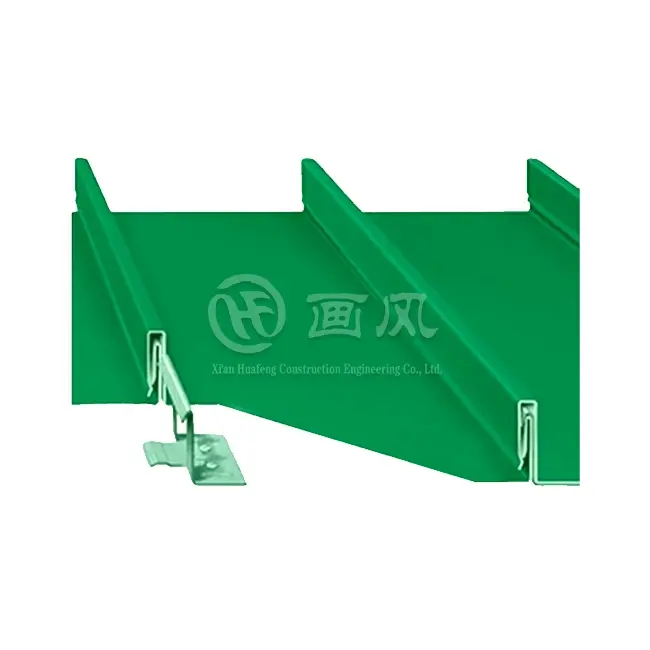
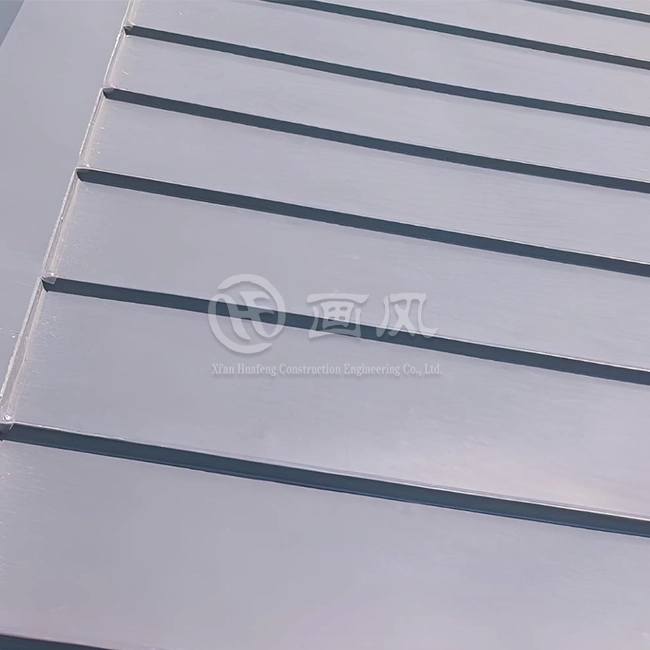
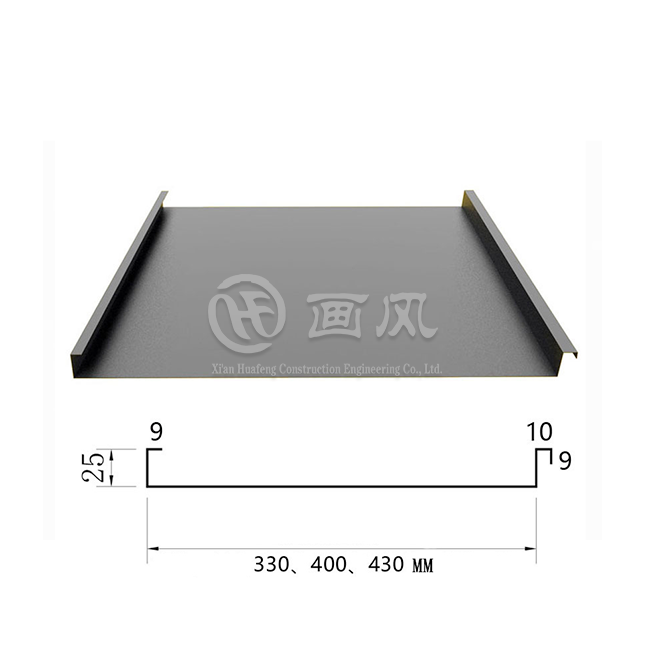
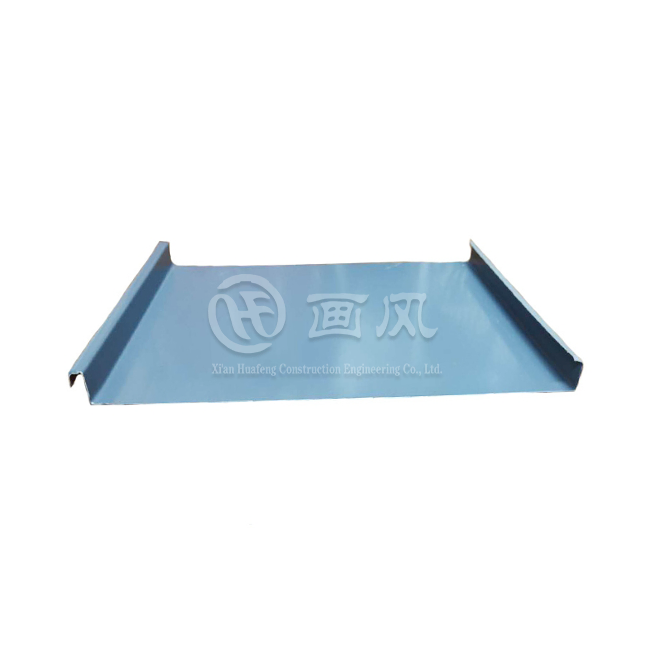
The most common type of metal roofing used in industry settings is standing seam roofing. Vertical metal pieces that go from the top to the eave and are joined by seams that are 1 to 3 inches high are used in this design. The pieces fit together with mechanical seams or snap-lock links, making a seal that keeps water out and with no visible fixings. This technical method fixes the main problem with traditional roofing: fasteners that break down because of changes in temperature and weather.
Core Components and Materials
The system design is made up of several layers that are all connected and work together to protect the whole building. The roof panel is usually made of high-tensile steel with a Galvalume covering or an aluminum-magnesium-manganese metal (AA3003 or AA3004). HF has standing seam panels with seam heights starting at 65 mm and sizes of 300, 400, 430, and 500 mm to meet a wide range of structural needs. Panels are between 0.9 mm and 1.2 mm thick, which gives them the strength they need for industrial loads while still being easy to work with during installation.
Under the panels that can be seen is a waterproof, flexible membrane made of high-density polyethylene non-woven cloth. This membrane stops rain that comes from the wind while still letting moisture vapor escape from inside the building. This air management stops mist from building up, which would otherwise damage the insulation and cause the structure to rust. Insulation made of rock wool controls both sound and temperature by soaking up noise from things like snow or heavy rain. A vapor barrier keeps wetness inside the building from getting into the roof assembly, and perforated steel base plates hold up the insulation layers and make it easier to connect them to the structural purlins.
Surface Finishes and Protective Coatings
Coating systems that can stand up to chemicals, UV damage, and high temperatures are needed in industrial settings. HF has three finish choices that are approved by ISO9001 and ISO14000:14001 standards. Polyester (PE) coats are a cheap way to protect things that need to be kept in a certain temperature range. High-durability polyester (HDP) is better at resisting chalking and fading in mild exposure situations. PVDF (polyvinylidene fluoride) coats with 70% fluororesin work better than others. They are 25–30µm thick and keep their color and protection from corrosion for 30 years or more. This high-end finish is worth the extra cost in seaside or industrial areas where air pollution speeds up the breakdown of seam metal roof systems.
The aluminum-magnesium-manganese alloy base is naturally resistant to corrosion, and this resistance stays strong even if the surface coatings get slightly damaged during shipping or installation. Metal roofing is different from organic materials that break down quickly once their covering layers fail because it can protect itself. Certification from the British National Standards Bureau shows that the service life is more than 40 years in normal settings. This lowers the cost of replacements and downtime.
Comparing Seam Metal Roof Systems with Alternative Roofing Solutions
When industrial buyers are looking at roofing choices, they need to compare the original cost to the total cost of ownership. Traditional built-up roofing (BUR) systems with asphalt and felt layers usually cost less at first, but they need to be replaced every 15 to 20 years. Single-ply membranes, such as TPO or EPDM, don't last very long but can still get holes and seams that come apart, especially in places with a lot of foot traffic where repair workers need to get to rooftop equipment.
Performance in Industrial Environments
Metal covering is clearly better for buildings that are exposed to changing temperatures, chemicals, or mechanical impact. The form of the structure works well with snow loads; metal plates shed snow more easily than membrane systems, which lowers the stress on the structure. Wind uplift protection meets strict standards, and manually seamed systems get UL 580 Class 90 ratings, which make them good for places that are prone to hurricanes. The hidden clip connection method lets the roof expand and contract with the weather without putting stress on the fasteners. This gets rid of the problem of "fastener backing out" that happens with screw-down metal roofs.
When retrofitting or making something with limited structural ability, weight is a very important factor. Metal roofing usually weighs between 1 and 3 pounds per square foot, while tile or concrete roofing can weigh anywhere from 5 to 12 pounds per square foot. Because of this weight benefit, structural reinforcement may not be needed, which lowers the overall cost of the job. The panels are cut to lengths up to 13 meters when they get to the job site, so there aren't many horizontal seams that could let water in.
Maintenance and Lifecycle Economics
If you put metal roofing correctly, it doesn't cost much to maintain each year. Usually, all you have to do is check it every so often and clean out the gaps and gutters. Membrane covering needs to be checked for holes, seam separation, and UV damage on a frequent basis, and the costs of repairs add up over time. If procurement workers want to figure out the return on investment, they should take into account things like lower upkeep costs, longer service life, and fewer business interruptions due to emergency repairs. The 30-year guarantee from HF protects investors' money and builds trust in the investment.
Seam Metal Roof System Installation Process for Industrial Buildings
A full site survey and structural verification are the first steps to a successful execution of seam metal roof systems. Engineers check the state of the current roof deck, the structure's ability to handle extra dead loads, and the level of drainage. The base must be a stable, level surface. Metal decks, oriented strand board, or plywood are common choices. Uneven surfaces need to be leveled so that panels don't warp and look like they're oil canning or the seams aren't holding together properly.
Panel Attachment and Seaming Techniques
Installers put sliding clips along structure purlins at intervals that are determined based on how much wind the panels will be exposed to and their sizes. These clips are attached to the deck with bolts that are rated for the expected lifting forces. The panel ribs can move laterally as temperatures change and cause them to expand. Because the clips are hidden, no screws go through the rusting surface, so water can't get in. As the panels are put on the roof, they are connected to the ones that came before them by the seam shape.
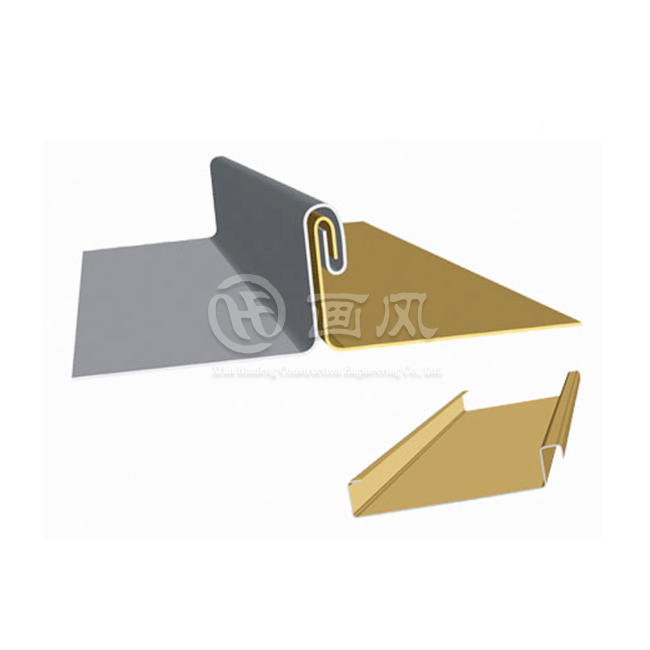
To use mechanically seamed systems, you need special tools that can fold the ends of two panels together 180 degrees. This makes a weathertight link that can handle the hydrostatic pressure of standing water, which is important for low-slope uses that are common in industrial buildings. Snap-lock systems are easier to install because the seams are held together by hydrokinetics, but they work best on steep pitches where water can drain quickly. Which of these methods to use relies on the roof's slope, how exposed the building is, and the terms of the warranty.
Customization and Complex Geometry
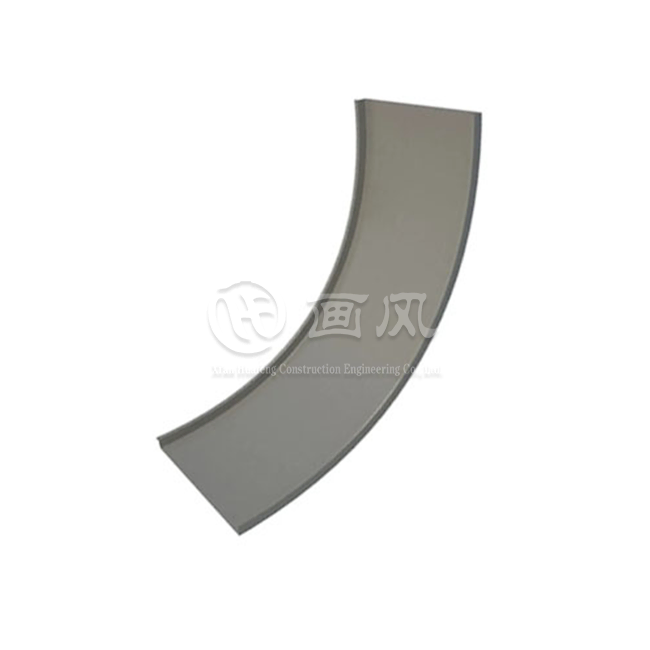
Most industrial roofs don't have simple rectangular shapes. To keep water out, penetrations for HVAC equipment, windows, and exhaust systems need to be carefully flashed. HF's aluminum alloy panels can fit a wide range of forms thanks to their different profile choices. These include flat plates, positive and negative arc configurations, and fan-shaped panels that can cover curved surfaces while still being waterproof. On-site roll forming equipment lets panel shapes be changed in real time to fit the conditions on the job site. This cuts down on waste and speeds up the finishing of the project. Welding metal flashing to roof panels makes it possible to seal around penetrations in a way that can't be done with other types of roofing.
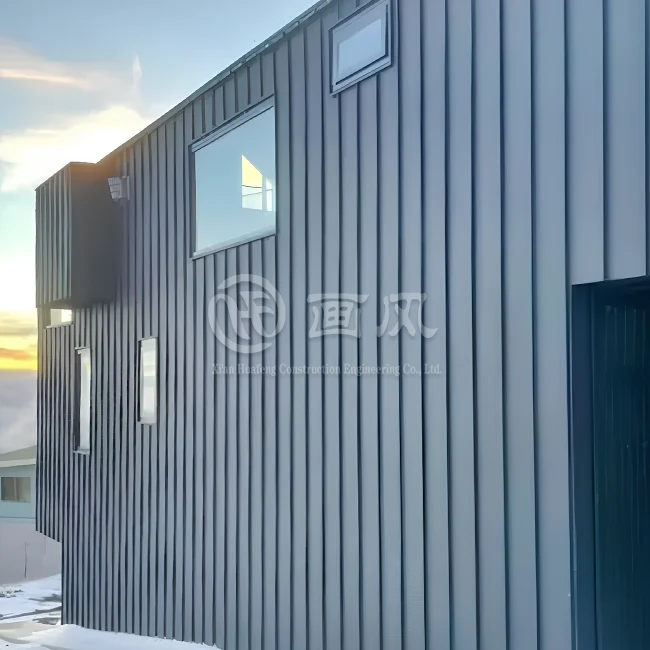
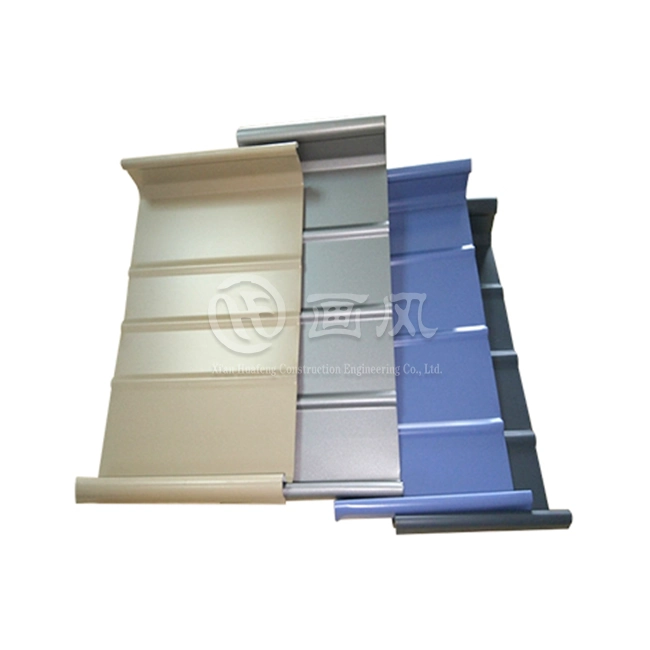
Changing the color and pattern of the roof lets builders match the look of the roof to the rest of the building. Custom finishes can match a company's logo or blend in with the buildings around it. HF can handle these design choices while still keeping structural performance. Delivery is usually complete 15 to 20 days after the order is confirmed. The 500-square-meter minimum order number is a good fit for industrial projects, and the 1,000-ton monthly supply capacity makes sure that materials are available for multiple projects at the same time.
Maintenance, Durability, and Performance Optimization
Metal roofing has a reputation for being low upkeep because it doesn't break down easily in usual ways. Metal plates, on the other hand, don't allow living things to grow on them, soak up water, or break down from UV light if they are properly covered. As part of routine upkeep, the structure is checked every six months to see if the fasteners are tight, the sealant is still good at penetrations, and there isn't too much waste in the valleys. For a 50,000-square-foot building, these checks usually take two to four hours. This is much shorter than the long list of upkeep steps needed for membrane systems.
Corrosion Resistance and Certification Standards
The aluminum, magnesium, and manganese combination protects against galvanic corrosion in places where cuts or scratches reveal bare metal. Corrosion can't spread past small areas of harm because the metal can fix itself. Following ASTM standards, PVDF coatings show chalk protection (less than 5 delta E color change) and gloss retention (more than 50% of initial gloss) after 30 years of testing in Florida. During the warranty period, these performance measures mean that the look will stay the same and the weather safety will not be compromised.
These protected features are very helpful for industrial sites that are in corrosive environments, like chemical processing plants, seaside areas, or farms. Chemicals in the air, salt spray, and organic acids quickly break down most roofing materials, but they don't have much of an effect on metal systems that are installed correctly. Buildings that want to get LEED approval can use the recyclable, solar-reflective, and thermal-emitting qualities of metal roofing to earn points in the areas for Materials and Resources and Energy and Atmosphere.
Energy Performance and Thermal Management
Metal roofs with reflective coats need less cooling because they don't let as much sun heat in. Finishes with a "cool roof" rating reflect 60–70% of the sun's heat, keeping the surface 50–60°F cooler than dark materials. This drop in temperature makes it harder for heat to move inside buildings, which means less need for air cooling and lower energy costs. When properly insulated with rock wool that has an R-value matched to the climate zone standards, metal roofing systems meet or beat the energy code minimums for thermal performance.
Adding green energy systems to an existing system adds to its value. Solar photovoltaic arrays can be attached directly to standing seam ribs with non-penetrating clamp systems that won't void the roof guarantee. This way of installing keeps the waterproofing in place while handling heavy sun loads. Industrial buildings can use unusable roof space to offset the electricity they use, which improves environmental measures and lowers running costs. Financial decision-makers like the return on investment estimates that come from generating energy, lowering cooling loads, and extending the service life.
Procurement and Supplier Guidance for Seam Metal Roof Systems
To choose approved providers, you need to look at more than just unit prices. Third-party certifications show that a reliable maker consistently produces high-quality goods. They also keep enough stock on hand to meet project deadlines and offer expert help during the specification and installation stages. The ISO9001 quality management and ISO14000:14001 environmental standards show that HF has a method for controlling their processes so that the seam metal roof systems they make are always the same.
Cost Structure and Budget Planning
Depending on the panel size, coating type, and order number, the cost of materials for standing seam metal roofing can be anywhere from $4.50 to $8.50 per square foot. Depending on how complicated the roof is, how easy it is to get to, and the cost of work in your area, installation labor adds $3.00 to $6.00 per square foot. Buyers should include extra costs in their budgets for flashing, ridge vents, and snow retention systems that are specific to the building. Even though these numbers are higher than the original costs of a basic membrane roof, the longer service life and lower upkeep costs make the lifecycle economics beneficial.
People who buy in bulk and negotiate projects that involve more than one building can often get better prices and more flexible schedules for production. HF's 500-square-meter minimum order size is about the same as the area of a normal industrial building and is still reasonable for medium-sized businesses. With a monthly capacity of 1,000 tons, the company can handle large project pipelines, which lowers the risk of lead time issues that cause building plans to slip. Usually, payment terms are set by the industry: a deposit is required when the order is confirmed, and the rest is due upon delivery or per progress billing for projects that are done in stages.
Warranty Terms and Supplier Support
Buyers are protected by comprehensive warranties against material flaws and early performance decline. HF's 30-year guarantee covers both the structure of the panels and the performance of the coating. It also includes limits on how much color fade and chalk buildup will happen. The warranty terms should make it clear what the coverage covers, how to file a claim, and any upkeep requirements that affect the warranty's validity. Suppliers who give detailed literature, installation training, and helpful customer service add value that goes beyond the product itself.
When purchasing professionals look at possible suppliers, they should ask for project references from similar industry uses, go over quality control processes, and make sure that production capacity meets project timelines. Site trips to factories give you information about how they make things and how they handle quality control. Suppliers who invest in new tools, training for their workers, and improving their processes all the time usually get better results than businesses that use old methods or seasonal workers.
Conclusion
Through better materials, designed systems, and tried-and-true installation methods, metal roofing technology has grown to meet the needs of industries that are becoming more strict. When you combine longer service life, low maintenance needs, and better energy performance, you get a strong value offer for building managers and financial decision-makers. These benefits are provided by HF's standing seam systems, which are made of an aluminum-magnesium-manganese alloy and come with quality PVDF coatings and full guarantee coverage. Customizing the sizes, colors, and shapes makes sure that they work with a wide range of building needs while still keeping structural performance. If an industrial buyer is looking for a roofing option that balances initial cost with long-term value, they should look at metal systems based on their operating needs, temperature conditions, and goals for sustainability.
FAQ
1. What typical lifespan can industrial facilities expect from standing seam metal roofs?
If PVDF coatings are used on properly built systems, they can last for 50 years or more in normal industry settings. The aluminum alloy base doesn't corrode even if the surface coatings get slightly damaged, and the hidden fastener design gets rid of the main way that exposed-fastener systems fail. Basic upkeep and regular checks extend the life of the service and keep the warranty valid.
2. What variables most significantly affect installation costs for these systems?
Labor costs are more affected by things like roof slope, building height, entry issues, and the complexity of the geometry. Installation costs are higher for buildings that need a lot of ladders, crane access, or work that needs to be scheduled around other activities. Customizing panels with curvy surfaces or special colors costs a little more in materials, but it gives architects more options than standard products.
3. How do metal roof systems enhance energy efficiency in large industrial facilities?
When compared to dark membrane roofs, reflective coatings cut solar heat gain by 60–70%. This lowers the need for cooling and lowers energy costs. When metal roof systems are properly insulated and have vapor barriers installed, they meet the thermal performance standards for LEED certification. Facilities can use green energy while keeping their waterproofing by installing solar photovoltaic systems without having to drill holes in the roof.
Connect with HF: Your Trusted Seam Metal Roof Systems Supplier
Get in touch with HF, the company you can trust for seam metal roof systems. Contact Xi'an Huafeng Construction Engineering Co., Ltd. if you are an industrial building worker looking for reliable, high-performance roofing solutions backed by full support. Our engineering team designs systems that are specifically made for your facility's structural needs, exposure to weather, and working limitations. We support project plans from specification to installation with manufacturing methods that are ISO9001-certified, the ability to produce 1,000 tons per month, and delivery times of 15 to 20 days. Our standing seam metal roof systems come with 30-year warranties, PVDF finishing choices, and the ability to change the color, pattern, and size of the roof to fit your needs. Email our technical experts at huafeng@hfmetalroof.com to talk about your future projects and get full specifications that meet your buying needs. We work with business developers, roofing builders, and construction companies all over the United States that value quality assurance, quick service, and building long-term relationships.
References
1. American Society for Testing and Materials. "Standard Test Method for Structural Performance of Exterior Dimension Stone Cladding Systems by Uniform Static Air Pressure Difference." ASTM E1592-17.
2. Metal Construction Association. "Technical Bulletin: Standing Seam Roof Systems Design and Installation Guidelines for Commercial and Industrial Applications." 2021 Edition.
3. National Roofing Contractors Association. "The NRCA Roofing Manual: Metal Panel and SPF Roof Systems." Fifth Edition, 2019.
4. Cool Roof Rating Council. "CRRC Product Rating Program Manual." Version 3.1, 2022.
5. U.S. Green Building Council. "LEED v4.1 Building Design and Construction Guide: Sustainable Sites and Energy Performance Credits." 2020.
6. British Standards Institution. "BS EN 1999-1-4:2007 Eurocode 9: Design of Aluminium Structures - Cold-Formed Structural Sheeting." Updated 2021.





YOU MAY LIKE