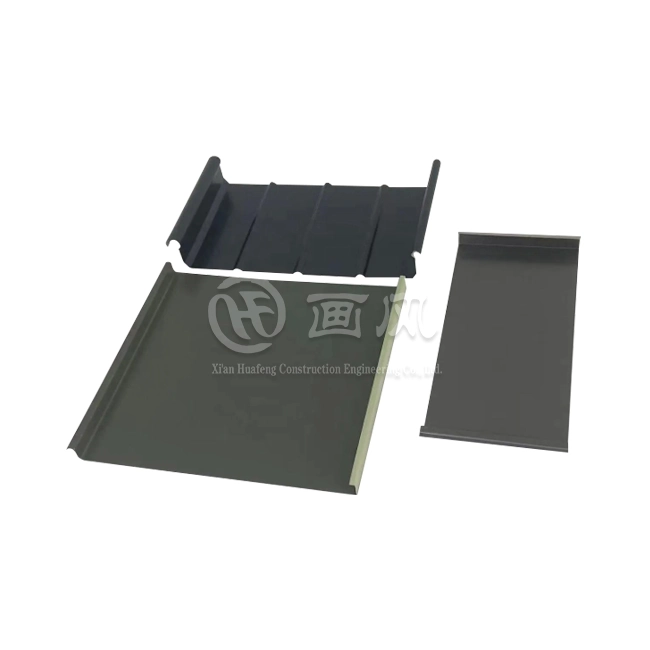
Flat Lock Panels Sustainability and Green Building Use
2026-09-17 11:00:01
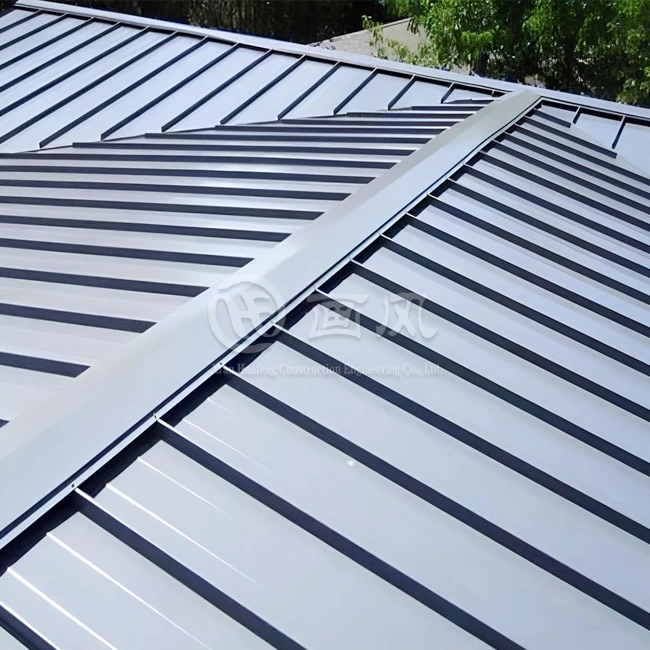
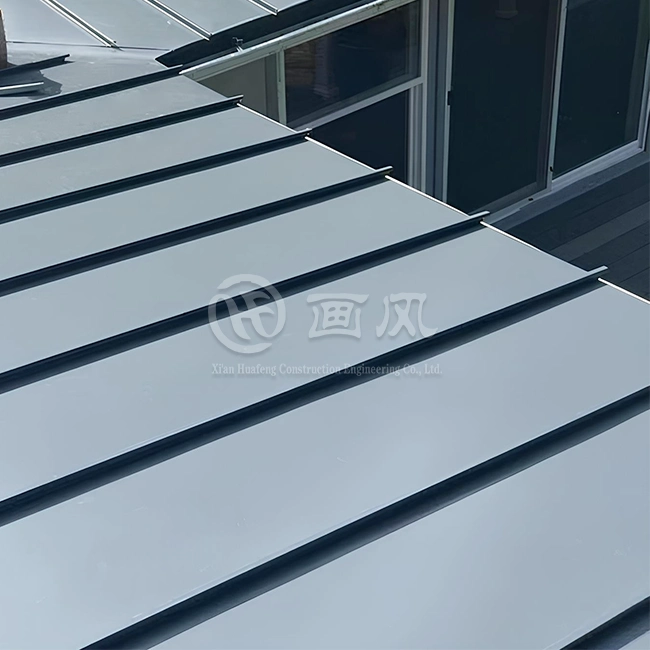
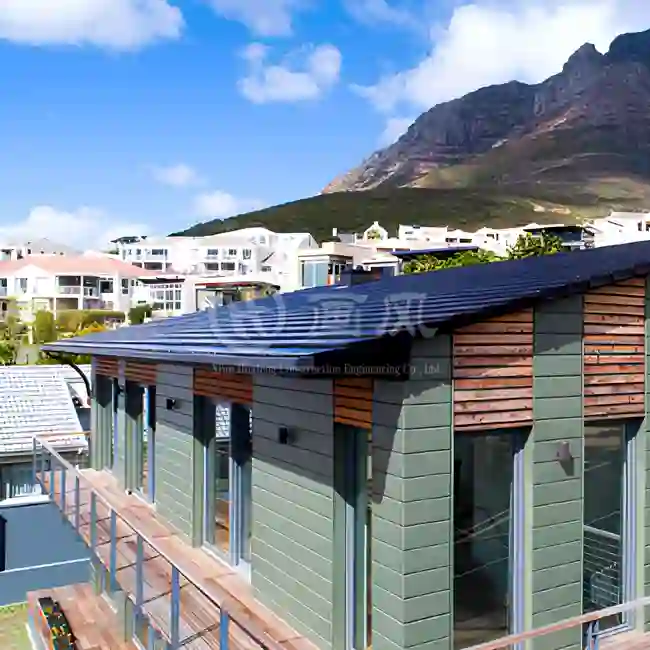
Flat lock panels have emerged as one of the most compelling metal cladding solutions for architects and facade contractors who prioritize both aesthetic precision and environmental responsibility. Fabricated from materials such as titanium zinc, tecu copper, aluminum magnesium manganese alloy, and stainless steel, these interlocking metal tiles deliver a flush, low-profile exterior skin that meets the rigorous demands of high-end commercial and institutional facades. Their recyclability, longevity, and thermal performance make flat lock panels a credible, specification-ready choice for green building projects pursuing LEED and similar sustainability certifications.

Understanding Flat Lock Panels and Their Sustainability Benefits
Over the past 20 years, metal cladding systems have changed a lot. Now, the environmental qualities of building metals are really taken into account when buying them. The type of materials used in a building's facade has a direct effect on its carbon footprint over its entire life. This is where flat lock panels differ from other options.
Recyclable Metal Composition and Embodied Carbon
Titanium zinc, copper, and an aluminum magnesium manganese alloy can all be recycled very easily when their useful lives are over. The International Aluminum Institute says that when aluminum is recycled, it keeps about 95% of the energy it had when it was first made. Zinc cladding works the same way; European manufacturers say that recycled material in normal building zinc sheets is over 30%. Over the course of 50 years, metal wall systems have a much smaller total carbon footprint than asphalt shingles or fiber cement panels. This is especially true when you consider that the materials' durability means they don't need to be replaced as often.
Thermal Performance and Energy Efficiency
A properly placed metal tile face has a back-ventilated rainscreen cavity that acts as a temperature buffer between the outside skin and the structure wall. In business buildings, this ventilation layer lowers the need for HVAC systems by cutting down on sun heat gain in the summer and thermal bridging in the winter. According to studies quoted by the Metal Construction Association, reflective metal cladding on the outside of a building can cut the amount of energy used for cooling by up to 25% in hot areas. PVDF coatings, which Huafeng uses as a normal coating choice, keep their high solar reflection for decades without losing it. This means that they meet the criteria for ENERGY STAR roof products when they apply.
Flat Lock Panels in Green Building Applications
Sustainability certification groups like USGBC (LEED), BREEAM, and DGNB check facade materials for recycled content, low-emitting materials, regional sourcing, and how well they handle construction waste. Flat lock panels take care of a lot of these issues at once.
LEED Contribution and Low-VOC Coatings
The PVDF and PE coatings that are put on architectural metal cladding are made to meet the low-VOC levels needed for LEED v4 Indoor Environmental Quality credits. The base metals of the screens are recyclable, which fits into the Materials and Resources area. Titanium zinc facades installed across Northern Europe show that a service life of 70 years or more greatly lowers the replacement burden that lifecycle assessment (LCA) tools look at.
Waste Minimization During Installation
Flat lock panels are made to exact project sizes—Huafeng makes panels with widths from 100mm to 400mm and custom length choices—so there is less waste on-site when cutting them than when other options are used. With concealed clip fixing systems, you don't need glues or seals, which can release VOCs and make it harder to take things apart for recycling in the future. These installation features are in line with plans to prevent pollution in green building construction activities.
When you combine long-lasting metals that can be recycled with low-emission coatings and precise manufacturing measurements, flat lock panels become a mature and verifiable contributor to sustainability certification goals. This is not just a marketing claim, but a material trait that has been proven.
Comparing Flat Lock Panels with Alternative Roofing and Cladding Solutions
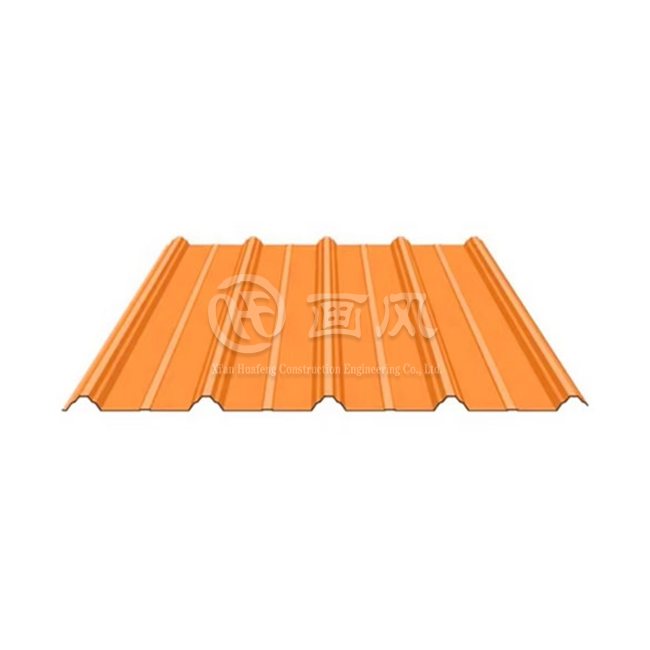
When looking at exterior systems for environmentally friendly projects, purchasing managers often compare flat lock panels to standing seam metal roofs, regular shingles, and corrugated metal panels. The differences are important.
Standing seam systems are very good at withstanding the weather, but they stick out vertically from the base, which means they can't be used on complexly bent or triangular shapes. Flat lock panels, on the other hand, can handle domes, convex and concave curves, and hyperboloid surfaces, which is a huge benefit for building projects that need to meet strict requirements. From a lifecycle cost point of view, the higher level of accuracy in tile systems' fabrication means that they don't need as much field adjustment work or long-term maintenance.
The difference in how easily they can be recycled is huge compared to asphalt roofs and aluminum panels. The Construction Materials Recycling Association says that asphalt shingles send about 11 million tons of trash to U.S. dumps every year. When a metal covering system is no longer needed, it almost never ends up in a dump. Architectural metal costs more up front, but lifecycle cost modeling regularly shows net savings over 30–50 year ownership spans, especially when replacement cycles and maintenance work are taken into account.
Procurement Best Practices for Sustainable Metal Facade Cladding
There's more to choosing a supplier for a facade project with strict specifications than just comparing prices. Procurement managers and project architects need quality systems that are written down, compliance certifications, and the ability to produce things in a way that fits project schedules and volume needs.
Here are the main buying rules that make up responsible sourcing for metal coating on buildings:
- Certification documentation: Suppliers should have ISO 9001 certification for quality management, ISO 14001 certification for environmental management, and CE marks for projects in Europe. Huafeng has ISO, CE, and SGS certifications, which means that project submissions can include auditable proof of compliance.
- Custom fabrication capability: Standard panel sections don't always work with high-end wall jobs. Huafeng makes flat lock panels in rectangle, rhombus, trapezoid, and hexagon shapes. The panels' thicknesses range from 0.4mm to 0.8mm, and their widths can be changed up to 400mm. This lets architects accurately line up the panels with their plans without having to make a lot of changes on-site.
- Lead time for samples and prototypes: A normal delivery window of 15–20 days and a free sample program let buying teams check and approve materials before committing to large orders. This is especially important for projects where builders need to approve a real mock-up before installing the facade.
- Warranty coverage: A 30-year guarantee from the maker gives you contractual peace of mind that helps you plan for long-term building asset management.
These criteria lower the risk of the procurement process and make sure that the facade system meets its promises for both looks and environmental performance. For facade buying to be done in a responsible way, providers need to show that they are environmentally friendly as well as being technically skilled.
Future Trends and Innovations in Metal Tile Facades for Green Building
Material science and building technology are coming together to make ornamental metal coating even more environmentally friendly. Specification standards are changing because of a number of new factors.
Smart Coatings and Photocatalytic Surfaces
Photocatalytic titanium dioxide coatings are now being used on wall systems in Europe and Japan. They allow the surface to clean itself, which cuts down on the need for upkeep chemicals and improves the air quality around the building. These coats can be used on titanium, zinc, and aluminum surfaces, and they'll probably be required by most building codes within ten years.
Circular Economy Manufacturing
Changes to the European Union's Construction Products Regulation and the U.S.'s planned Buy Clean framework are making more people want Environmental Product Declarations (EPDs) and material passports. Manufacturers who invest in well-engineered flat lock panels that already have proven recycled material, closed-loop scrap recovery, and disassembly-friendly clip fastening systems will have a huge edge in public procurement and sustainability-certified projects.
It is clear that the way facades are bought for green buildings is moving toward full material openness. Architectural metal covering systems that already work with circular material flows are in a great position to meet this standard.
Conclusion
Flat lock panels are a great example of how to be environmentally responsible and produce beautiful buildings at the same time. Their base metals that can be recycled, low-emission coatings, heat performance, and long service life meet all the requirements for green building approval. Precision construction and hidden connections make it possible to place on complicated shapes that other systems can't handle. As rules for buying things get stricter about lifecycle carbon, material transparency, and following the circular economy, choosing architectural metal cladding is no longer just a design choice; it's also a promise to be environmentally friendly.
FAQ
1. Are flat lock panels eligible for LEED credits?
Yes. Many LEED v4 credit categories can be met by flat lock panels, such as Materials and Resources (recycled content, building product transparency) and Indoor Environmental Quality (low-emitting materials). This is because the metal itself can be recycled and the PVDF coatings are low in volatile organic compounds. To back up credit paperwork, project teams should ask suppliers for Environmental Product Declarations and material safety data sheets.
2. What is the minimum slope requirement for metal tile cladding?
For water-shedding metal tile installs, the minimum angle set by the industry is 3:12, which is about 14 degrees. For slopes below this level, you need a waterproofing underlayment that is fully adhered to the metal skin to keep water out.
3. How does thermal expansion affect interlocking metal panels?
The hidden clip fastening system lets each panel move separately from the tiles next to it and the base. This means that the panels can move with the expanding and contracting of metals like zinc and aluminum without buckles or worn-out fasteners.
4. Can individual panels be replaced without dismantling the full facade?
Installers who have been trained can replace single panels by using a false-lock method that works like hem engagement but doesn't require tearing down the whole field. This ability to be fixed is a big benefit over joined or solid cladding systems over the course of their life.
Partner with HF — Your Trusted Flat Lock Panels Manufacturer
Every project that Xi'an Huafeng Construction Engineering Co., Ltd. works on is backed by their more than five years of experience in architectural metal wall systems. As a certified flat lock panels maker, HF offers titanium zinc, tecu copper, aluminum magnesium manganese alloy, and stainless steel choices in shapes, colors, and sizes that can be fully customized. These panels come with a 30-year guarantee and free samples can be requested. You can talk to our technical team about your project by emailing huafeng@hfmetalroof.com or going to hfmetalroof.com.
References
1. International Aluminium Institute. Aluminum Recycling and Environmental Footprint. 2022.
2. Metal Construction Association. Energy Performance of Metal Wall and Roof Systems. 2021.
3. Construction Materials Recycling Association. Asphalt Shingle Recycling Report. 2023.
4. U.S. Green Building Council. LEED v4 Reference Guide for Building Design and Construction. 2020.
5. European Committee for Standardization. EN 988: Zinc and Zinc Alloys — Specifications for Rolled Flat Products for Building. 2021.
6. Building Research Establishment. BREEAM Technical Standards: Materials Category Assessment Criteria. 2023.





YOU MAY LIKE
_1783936484206.webp "Inside locking metal aluminum cladding panel")
_1768552571575.jpg "Aluminium Fascias")