Benefits of Flat Lock Panels
2026-09-17 11:00:01
Flat lock panels deliver a distinctive combination of architectural precision and long-term performance that few other metal cladding systems can match. These interlocking metal tiles — available in titanium zinc, tecu copper, aluminum magnesium manganese alloy, and stainless steel — create a flush, low-profile facade surface that architects consistently specify for high-end commercial and institutional projects. With concealed fasteners, four-sided hem engagement, and compatibility with complex geometries, flat lock panels address the core demands of facade subcontractors: visual consistency, weather integrity, and installation efficiency across diverse project scales.

What Are Flat Lock Panels and How Do They Work?
Few other metal cladding systems can match the unique mix of design accuracy and long-term performance provided by flat lock panels. These metal tiles fit together easily and come in titanium zinc, tecu copper, aluminum magnesium manganese alloy, and stainless steel. They make a flat, low-profile wall surface that builders always ask for in high-end business and public buildings. flat lock panels meet the main needs of facade workers for stability in appearance, weather resistance, and quick installation on a wide range of project sizes. They do this by having hidden fasteners, four-sided hem engagement, and the ability to work with complex geometries.
The Interlocking Seam Mechanism
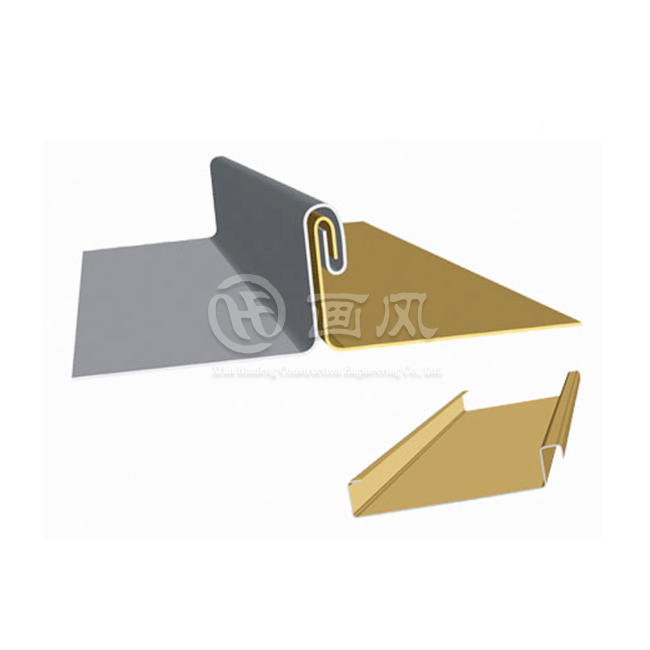
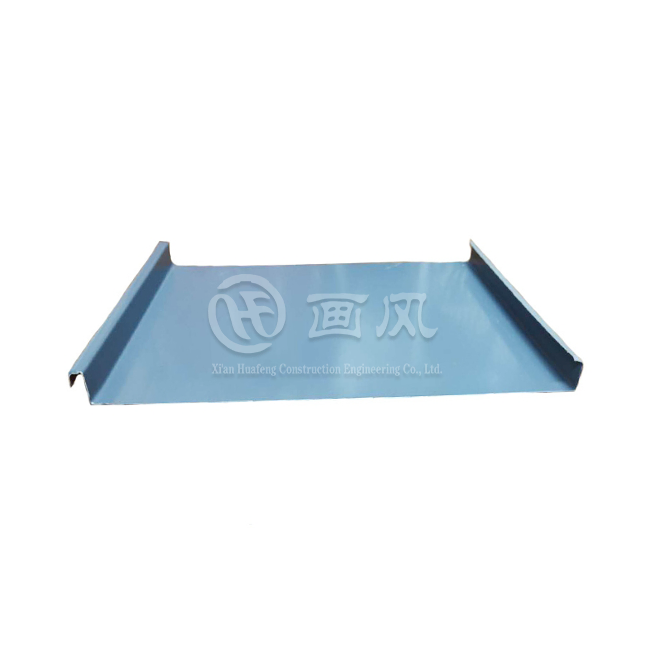
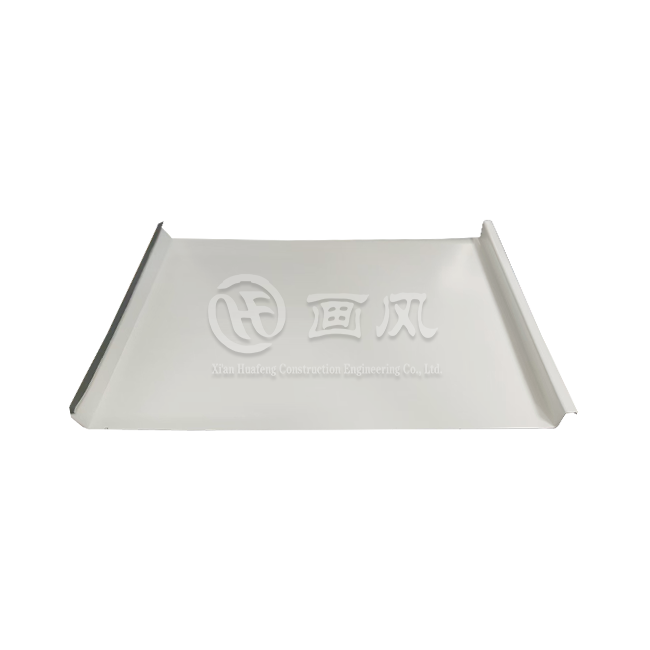
Each panel has four hemmed edges, two folded forward and two folded backward. These edges join neighboring tiles in a grid that stays in place. Panels are attached to the base without cutting through the face surface using hidden stainless steel clips or built-in nailing flanges. The metal can expand and contract on its own during thermal cycling because of this "floating skin" design. This is especially helpful for zinc and copper materials, which move around more during thermal cycling than standard steel. The end result is a physically sound unit that doesn't buckle even after decades of use.
Materials That Define Performance
Titanium zinc, tecu copper, aluminum magnesium manganese alloy, and stainless steel are the four main materials that Huafeng uses to make these panels. Each material has its own patina behavior, corrosion protection number, and expected lifecycle. Titanium zinc that meets EN 988 standards forms a natural protective layer that makes it last longer than 70 years in normal European temperatures. The aluminum magnesium manganese metal is very strong for its weight, which makes it perfect for large-format wall projects where structural dead load is a design limitation. Over time, tecu copper develops a living patina that gets deeper. This is a quality that builders look for when material realism is important to the design story.
Core Benefits of Flat Lock Panels for Roofing and Exterior Walls
Performance data is more important than marketing language when facade project teams are looking at cladding options for tough exterior uses. There are a few main benefits that metal tile covering systems always show in B2B project files regarding flat lock panels:
- Weather resistance engineered for extreme conditions: The four-way interlocking hem makes a hydrostatic barrier that effectively sheds water on slopes higher than 3:12 (about 14 degrees). Through a thick fastening design, wind uplift resistance is achieved, which is an important compliance factor for projects in hurricane-prone or high-exposure coastal zones. The ASTM E283 and ASTM E331 test standards for air infiltration and water penetration are met by Huafeng panels.
- Geometric adaptability for complex architecture: Individual tiles can handle compound-curved surfaces like convex domes, concave wave walls, conical shapes, and hyperboloid geometries, unlike rigid tray systems. Custom tapering during fabrication makes it possible for panels to fit over double-curved substrates without any noticeable faceting or awkward panel transitions. This is the main reason why architects choose this method for commercial landmarks, transportation hubs, and culture organizations.
- Low lifecycle cost through minimal maintenance: Zinc and copper surfaces fix themselves; scratches on the surface re-passivate on their own. PVDF-coated metal pieces only need to be rinsed every so often to keep their finish in good shape. When impact damage is limited to a few tiles, professional installers can use a false-lock method to make targeted fixes without taking apart neighboring field panels.
- Recyclability aligned with green building standards: All of the base metals used in this system—zinc, copper, aluminum, and stainless steel—have high amounts of recycled material and can be recycled in full when their useful life is over. This feature makes it easier to earn LEED, BREEAM, and DGNB credits, which wall suppliers need to show more and more for project certifications.
These performance characteristics lower the total cost of ownership over the course of a project, raise the score for project certification, and provide procurement managers with a strong specification justification when they present supplier offers to design teams.
Flat Lock Panels vs Other Panel Types: Making the Right Choice
Flat Lock Panels for Flexible Architectural Design
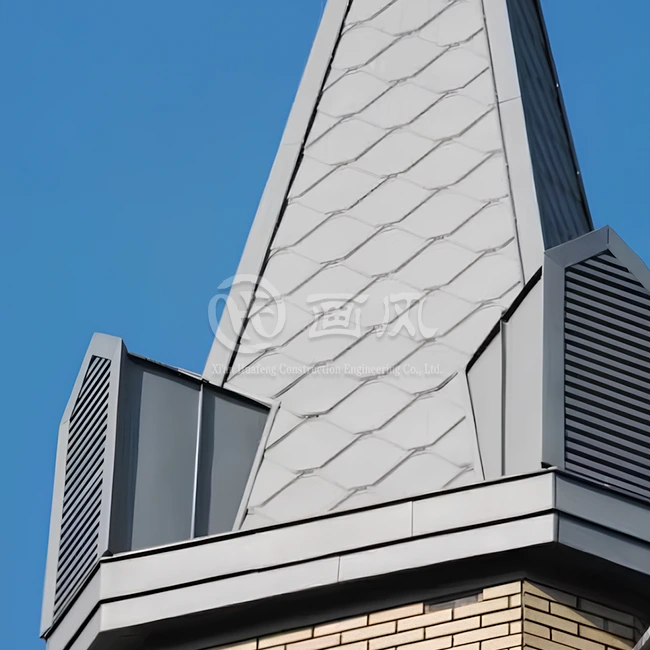
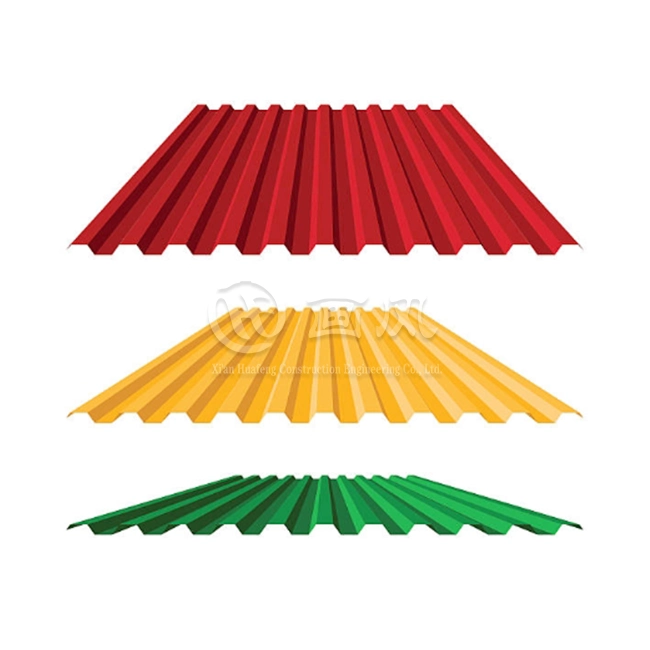
Flat lock panels provide a cleaner, more polished look than corrugated panels or traditional metal cladding. The interlocking construction provides a smooth surface with obvious panel lines, and the various forms – rectangles, rhombuses, trapezoids and hexagons – enable architects to build unique façade patterns. The panels may also be mounted horizontally, vertically or in a diamond shape, which makes them perfect for contemporary walls, pitched roofs, curved surfaces and other architectural shapes. For projects where cosmetic detail counts as much as practical performance, flat lock panels allow more flexibility without making the building exterior seem unduly intricate.
Material Options That Match Different Project Requirements
Another major distinction between flat lock panels and other panel systems is the material option. Huafeng flat lock panels are available in titanium zinc, tecu copper, aluminium magnesium manganese alloy and stainless steel, thicknesses from 0.4 mm to 0.8 mm. This series provides project teams with more options to optimise look, durability, weight and environmental conditions. The panels can also be finished with PVDF or PE coatings and special RAL colours to adapt them to the design needs of a project. The system may also be adapted to building projects that focus more emphasis on the long-term usage of materials and sustainable building, with recyclable metal alternatives available.
Choosing Flat Lock Panels for Long-Term Building Performance
The choice of suitable kind of panel relies on the building construction, its look, location and its estimated service life. Flat lock panels are an excellent choice for projects requiring architectural freedom together with consistent weather protection. Huafeng offers bespoke widths from 100 to 400 mm and custom lengths, so that builders and architects may adapt the system to various facade designs. The firm offers free samples, safe packing and the usual shipping period is 15-20 days. Huafeng has a raw material factory of 200,000 square metres, several processing plants and seven colour coating lines (and more than 40 processing equipment) that can help projects from material selection to manufacturing and delivery.
Practical Considerations: Installation, Maintenance, and Procurement Process
Substrate and Installation Requirements
Flat lock panels need a strong, continuous backbone, usually 18mm plywood covering or profiled metal decking, to protect them from impact and keep the clips in place. The substrate should not be open framing. To keep the risk of oil canning in light-gauge material to a minimum, the base must be checked to be flat within 6 mm over 3 meters before the panel assembly can begin.
Procurement Workflow with Huafeng
After an order is confirmed, Huafeng usually delivers within 15 to 20 working days. Panel widths can be changed from 100 mm to 400 mm, and material thicknesses can be chosen from 0.4 mm to 0.8 mm. The rectangle, rhombus, trapezoid, and hexagon are some of the shapes that can be used. You can get any color from RAL, and the surface can be coated with either PVDF or PE. Before placing an order, Huafeng offers free physical samples, works with non-disclosure agreements (NDAs) for project-specific tools, and provides full EN and ISO compliance paperwork for European buying requirements. The business is certified by ISO 9001, CE, and SGS.
Why Leading B2B Clients Prefer Flat Lock Panels: Brand and Supplier Insights
When working on projects that were defined by architects, facade subcontractors and procurement managers need more from their panel provider for flat lock panels than just competitive unit price. They need to know for sure when the goods will be delivered, that the color and texture will be the same from batch to batch, and that the seller can make large amounts (sometimes as little as 200 square meters) without having to use big industrial MOQ structures.
Huafeng was founded in 2018 and will be recognized as a high-tech company in Shaanxi Province in 2020. It has production sites in three places in China: a 200,000-square-meter plant for raw materials in Anhui and processing plants in Hangzhou and Xi'an. Seven color coating lines and fully automatic punching and folding tools make sure that the product is always the same, no matter what the customer wants. The company has a first-level qualification in curtain wall construction, which gives it more technical skills to help with complex facade projects, from supplying materials to coordinating installation drawings.
For facade teams working on architect-specified projects in European and North American markets, this mix of adaptable production scale, the ability to use multiple materials, and certified compliance documentation directly addresses the procurement bottlenecks that cut into project margins.
Conclusion
Metal tile cladding systems are the best choice for demanding architectural facades because flat lock panels can handle thermal movement, work with curved surfaces, have concealed fastenings, and keep the material's appearance over time. Other panel geometries can't do these things. Huafeng's flat lock panels build on these system strengths by having strict quality control, the ability to make things out of more than one material, and buying support systems that are designed to be flexible at the project level. For facade subcontractors and procurement managers working on architect-specified projects, the best way to protect project timelines and facade quality outcomes is to work with responsive suppliers and use performance standards that have been checked.
FAQ
1. Can flat lock panels be installed on low-slope roofs?
The system is hydrostatic, which means that it doesn't use watertight sealing but instead relies on gravity to drain water. The best practice in the industry calls for a slope of at least 3:12, which is about 14 degrees. Below this level, there must be a bonded detail or a waterproofing material that sticks to itself under the panel layer.
2. How does the system handle thermal expansion?
Each panel can move separately from the base because of the sliding stainless steel clips and the natural play in hemmed locks. This keeps the fasteners from wearing out and the surface from buckling through all of the thermal cycles, which is a must for zinc and copper materials.
3. What is oil canning, and can it be prevented?
Oil canning is a small wave that can be seen in light-gauge metal in some lighting situations. It's a property of the material itself, not a flaw in the structure. It is much less visible when smaller panel modules, thicker gage material, matte surface finishes, and a perfectly flat base are used.
4. What certifications does Huafeng provide for European projects?
Documentation for ISO 9001, CE, and SGS certifications is available from Huafeng. On request, EN 988 compliance for titanium zinc material is given, and NDA agreements cover tools and drawing kits that are specific to a project.
Request a Free Sample from HF — Your Trusted Flat Lock Panels Manufacturer
HF (Xi'an Huafeng Construction Engineering Co., Ltd.) makes flat lock panels with very high standards and offers 15–20 day lead times, full RAL color creation, and EN/ISO compliance paperwork. Our team is here to help you with your project from the time you approve a sample until the final delivery, whether you need a small batch of architect-specified facades or a large commercial curtain wall program. To get your free sample and project advice, email us at huafeng@hfmetalroof.com or go to hfmetalroof.com right now.
References
1. Metal Construction Association. Metal Roofing Systems Design Manual. 2019.
2. American Institute of Architects. Architectural Graphic Standards, 12th Edition. Wiley, 2016.
3. European Committee for Standardization. EN 988: Zinc and Zinc Alloys — Specification for Rolled Flat Products for Building. 2014.
4. ASTM International. ASTM E331: Standard Test Method for Water Penetration of Exterior Windows, Skylights, Doors, and Curtain Walls. 2021.
5. U.S. Green Building Council. LEED v4 Reference Guide for Building Design and Construction. 2019.
6. Metal Architecture Magazine. Annual Metal Cladding Systems Performance Review. 2023.





YOU MAY LIKE