Why Choose Zinc Flat Lock Panels for Coastal Buildings?
2026-09-17 11:00:01
Coastal buildings face some of the harshest conditions in construction — relentless salt spray, high humidity, strong winds, and constant thermal cycling. Zinc flat lock panels have earned a respected reputation among architects and facade subcontractors precisely because they address every one of these stressors. Manufactured from titanium-zinc alloy containing 99.995% high-purity zinc, these interlocking metal cladding tiles form a self-sealing, flush envelope that resists marine corrosion, manages thermal movement, and delivers a refined architectural aesthetic that weathers beautifully over decades.

Understanding Zinc Flat Lock Panels and Their Coastal Advantages
What Makes Titanium-Zinc Alloy Uniquely Suited to Marine Environments
The main material is a titanium-zinc alloy combination that has small amounts of titanium and copper added to it to make it stronger and less likely to creep resistance. Its tensile strength is also higher than 150 N/mm². Zinc reacts differently than steel or aluminum when it comes into contact with salt ions, which are very rough on metal surfaces. It doesn't break down; instead, natural wet-dry processes help it form a zinc hydroxy-carbonate patina layer. This patina works as a passive shield to stop further corrosion and gives the metal a useful life of 80–100 years in sea settings that are not aggressive.
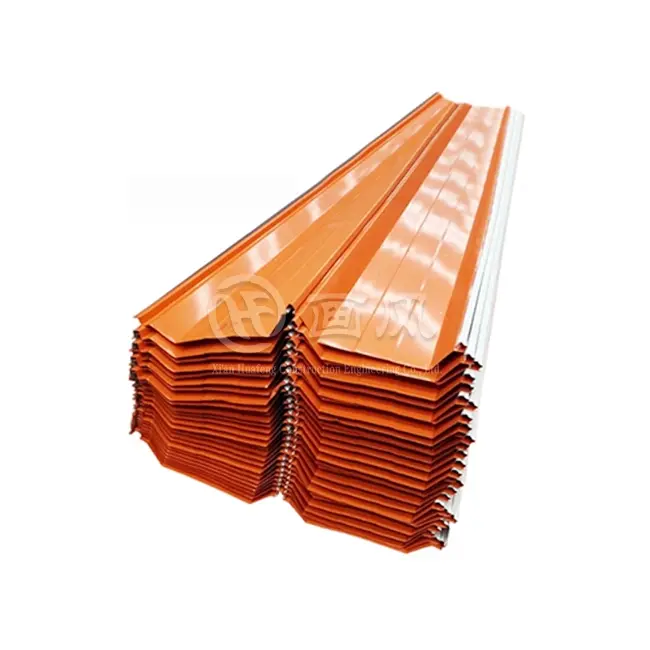
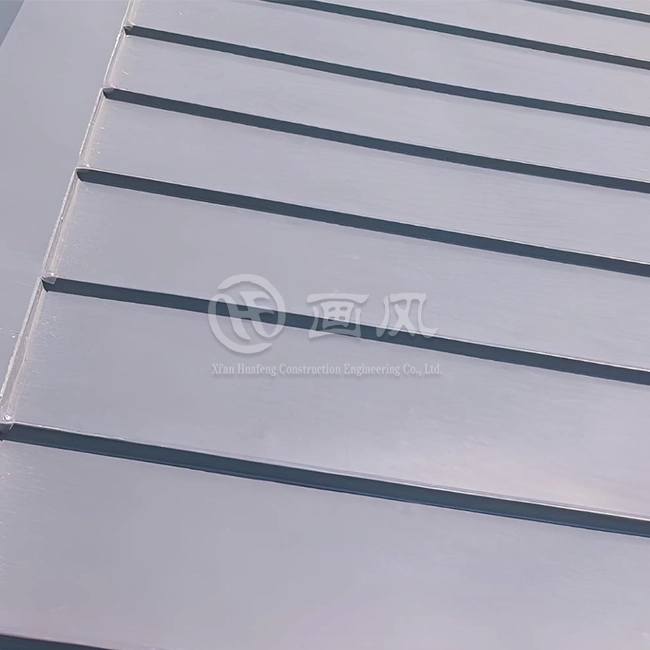
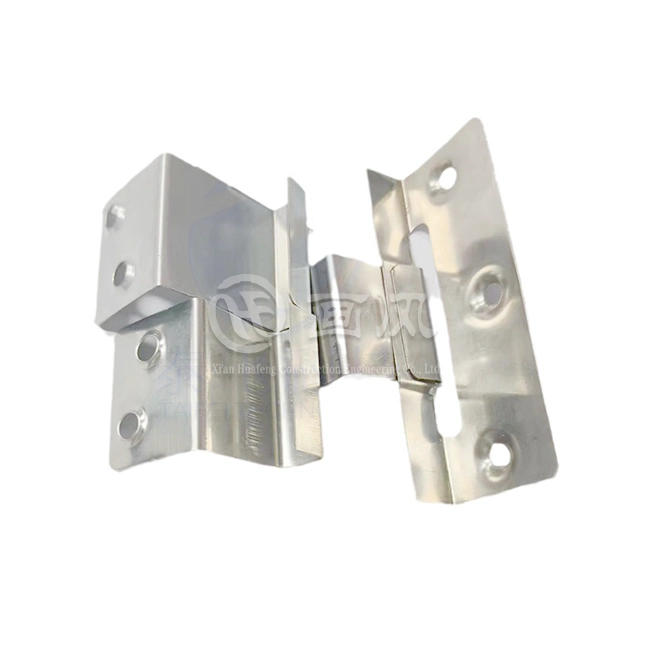
The flat lock fastening method is just as important. There are four hemmed edges on each panel: two folded forward and two folded backward. These edges join without any visible fixings. Each tile is held down to the substrate by stainless steel clips that are hidden. This eliminates the risk of galvanic contact and stops wind uplift at the joint. This design meets the ASTM E330 wind uplift resistance standards, which is a very important requirement for coastal walls that are loaded with storm force winds.
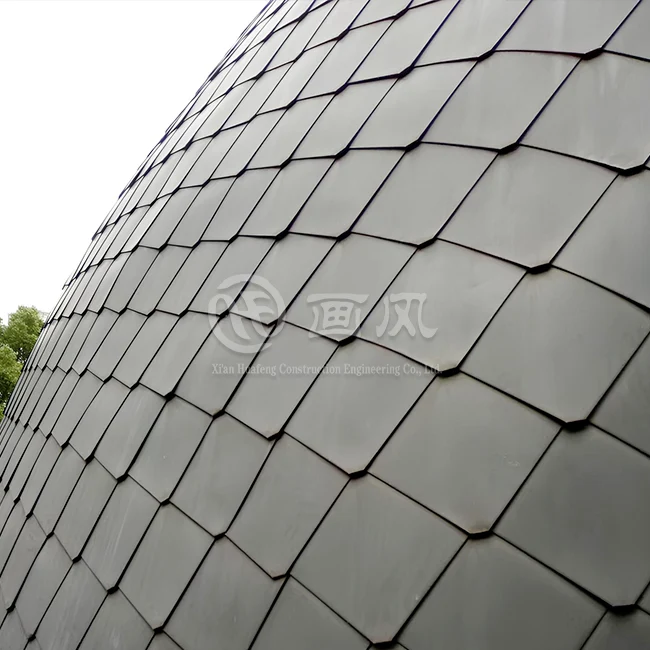
Sizes of panels range from 0.7 mm to 1.0 mm, with 0.8 mm being the most common gage for coastal cladding. Panel lengths can be changed from 200 mm to 600 mm, and they come in shapes like rectangles, rhombuses, trapezoids, and hexagons. This gives design teams the geometric language they need to cover curved and complex surfaces that standing seam profiles can't do cleanly.
Comparing Zinc Flat Lock Panels with Alternative Facade Cladding Materials
When choosing covering for coastal buildings, procurement managers often compare titanium-zinc to aluminum composite panels, copper, painted steel, and standing seam zinc. Each option comes with important trade-offs that you should think about in depth.
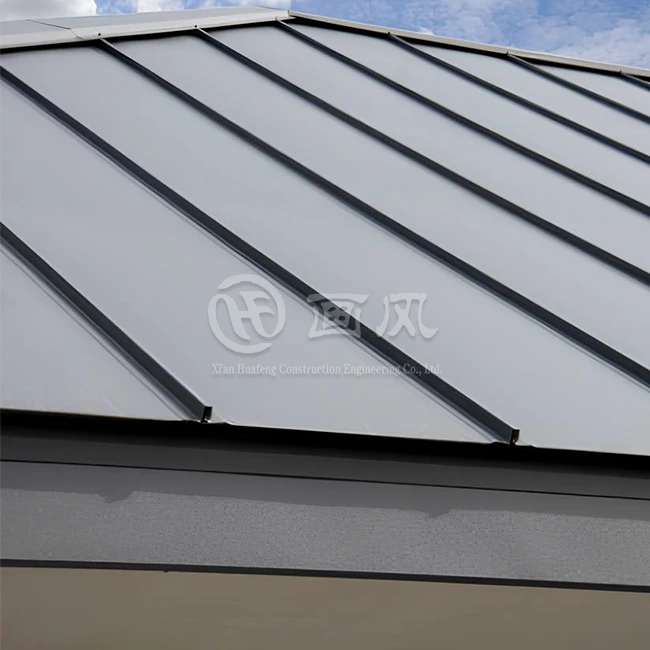
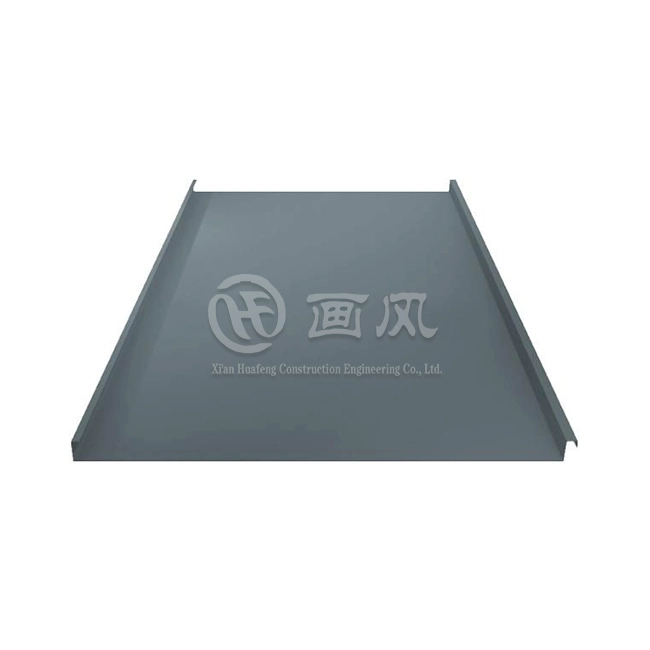
Aluminum is lighter, but it needs a covering at the mill to protect it from chloride corrosion. Once that coating wears off, corrosion speeds up. Copper is about as long-lasting as zinc, but it costs a lot more and leaks copper ions that damage zinc or concrete surfaces nearby. Even though painted steel is cheap at first, it usually needs to be repainted every 15 to 20 years in marine areas, which is a lot of work that lowers its value over time. Standing seam zinc works well on pitched roofs but not so well on curved surfaces. It also causes more heat stress in the tray because the panel face area is bigger.
These problems can be solved in a logical way by zinc flat lock panels that fit together. The small module size (less than 600 mm × 600 mm) naturally stops oil-canning by lowering the surface area that can be deformed by heat. The recoating cycle is completely stopped by the self-healing patina finish. And being able to be recycled completely at the end of its useful life is in line with green building certification standards like LEED and BREEAM, which are being required more and more in commercial projects in North America and Europe.
From a business-to-business (ROI) point of view, the starting cost of titanium-zinc cladding is balanced out by the fact that it requires very little upkeep and has been shown to last longer than most building loan rounds.
Installation and Maintenance: Ensuring Optimal Performance
Critical Installation Details That Prevent Long-Term Failure
Below 7°C (45°F), zinc becomes brittle, so the area where the panels are made and folded must be kept at a controlled temperature. Before putting down tiles on seaside sites, workers should make sure that the structure base is level and plumb. Any deviation increases the risk of oil-canning and weakens the watertight seam engagement.
In sea areas, you must have a ventilated air gap or an organized underlayment that can drain behind the panels. If wetness gets trapped on the back of the panel, it can cause corrosion that the obvious patina can't fix. Fasteners and clips made of stainless steel must be used; they must not come into direct contact with copper or mild steel to avoid galvanic corrosion.
Routine Maintenance That Extends Service Life
Compared to painted metal systems, zinc flat lock panels really don't need as much maintenance. Standard care includes checking the seams for damage and making sure the clips are properly engaged once a year and gently cleaning to get rid of chloride salt buildup in protected areas. Small scratches on the surface don't need to be fixed; the natural patina takes care of them on its own. Damaged tiles can be changed one at a time without affecting the covering field around them. This makes repairs much cheaper over the building's lifetime.
Procurement Considerations for Zinc Flat Lock Panels
Matching Specifications, MOQ, and Lead Times to Project Reality
For procurement managers and facade subcontractors, buying choices are based on more than just how well the materials work. Flexibility at the project level, such as small-batch custom runs, sample testing, and NDA-protected drawing development, is what sets capable suppliers apart from stock vendors.
HF (Xi'an Huafeng Construction Engineering Co., Ltd.) runs three plants, seven production lines, and more than 40 processing tools that can make 1,000 tons of goods every month. The 500 m²/3T minimum order quantity allows for large-scale purchases for projects without forcing subcontractors to order too much. Delivery takes 15–20 days after the order is confirmed, which helps keep building schedules sensible. The surface colors that can be used include all of RAL's colors, as well as natural zinc gray, blue-gray, patina, and custom options that have already been weathered. This means that color briefs set by architects can be met exactly.
In controlled markets in Europe and North America, compliance paperwork is very important. The zinc flat lock panels made by HF are made and tested to meet ASTM, DIN, JIS, BS, and GB/T standards. These standards cover the main rules for facade cladding in the US, Germany, France, the UK, and other places. The quality control system is based on ISO 9001 and ISO 14001 standards.
Why Zinc Flat Lock Panels Are the Preferred Choice for Coastal Buildings
Building projects along the coast take a long time to finish. A material chosen for a wall today must still look good and hold up in 2075. Titanium-zinc zinc flat lock panels give you that confidence through a mix of material science and mechanical design that not many other options can match at the same cost over the life of the building.
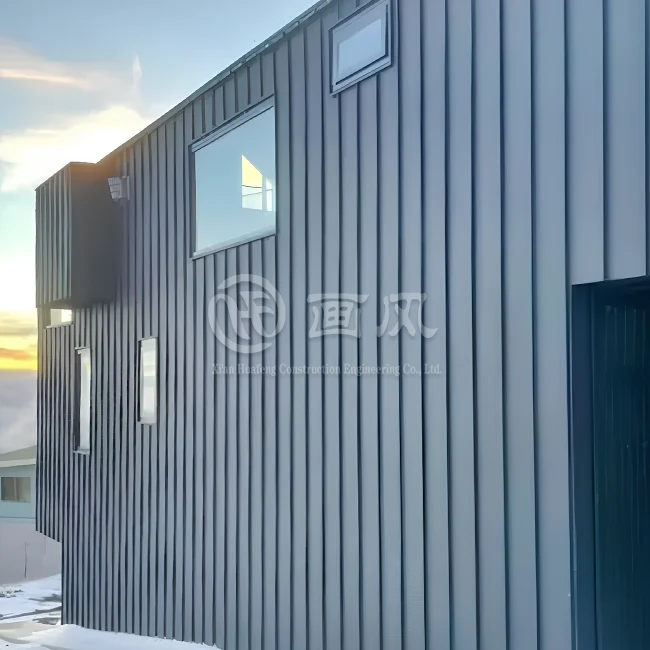
When it comes to wind uplift resistance, the interlocking hem system is better than face-fastened panel systems. This is a real structural benefit on coastal levels. Over time, the maintenance processes that make painted steel and coated metal more expensive than they really are are taken care of by the self-healing patina system. Because small-module tiles can be shaped in many different ways, builders can use them to make complexly bent walls, dormers, and arched surfaces that don't let water in. Because of these factors, zinc interlocking tile facades can be found on cultural institutions, high-end home developments, and business buildings all along the coasts of North America and Europe.
HF's 30-year warranty on zinc flat lock panels shows that they have a lot of faith in both the material and the skill with which each tile was made. This warranty, along with proof of meeting standards and a well-established production infrastructure, turns a specification decision into a measurable risk reduction for everyone involved in the project.
Conclusion
Zinc flat lock panels are a good choice for coastal building covers because they are reliable technically, look good in a variety of ways, and are affordable. Their titanium-zinc alloy build, self-healing patina, hidden fastening system, and ability to change shape all work together to solve the problems that marine temperatures bring to surfaces. They are a mature and reliable cladding option because they can be made well, meet multiple standards, and allow for flexible buying at the project level. The performance case is clear, and the supply chain is easy to get to for procurement managers and facade suppliers working on architect-specified projects in tough coastal conditions.
FAQ
1. What slope or orientation is recommended for zinc interlocking tiles on coastal facades?
Walls that are covered vertically and have steep pitches above 45° are highly suggested. This speeds up the flow of water and stops capillary water from getting into the flat locks, which is a big problem in coastal areas where it rains all the time.
2. How does the patina formation differ in saltwater-proximate environments?
Because of more frequent changes in moisture, the coating forms faster in coastal areas. The zinc hydroxy-carbonate layer that forms is chemically stable and continues to protect the substrate well, though the initial change in color may happen faster than in inland applications.
3. Can panels be specified in non-standard shapes for complex facade geometries?
Yes, HF makes panels with lengths that can be changed from 200 mm to 600 mm and shapes like rectangles, rhombuses, trapezoids, and hexagons. This range works with non-orthogonal design shapes and surfaces that are compoundly bent.
4. What certifications should procurement managers request from a supplier?
Ask for proof that the product meets ASTM, DIN, or EN 988 standards, as well as ISO 9001 quality management approval and confirmation that the product is fire-classified (Class A non-combustible per DIN 4102).
Partner With HF for Zinc Flat Lock Panel Supply
HF sells zinc flat lock panels that are made to order by architects. These panels can be fully customized with profiles, colors, and paperwork that shows they meet multiple standards. HF can help you with your coastal facade projects from the planning stages to delivery. They have a 1,000-ton monthly capacity, a 15–20 day wait time, and a 30-year product guarantee. You can email our expert team at huafeng@hfmetalroof.com or go to hfmetalroof.com to get samples or talk about the needs of your project.
References
1. Construction and Building Materials — Elsevier, 2021
2. Journal of Facade Design and Engineering — TU Delft / IOS Press, 2020
3. Architectural Record: Metal Cladding in Coastal Climates — BNP Media, 2022
4. ASTM International: Standard Test Method for Structural Performance of Exterior Windows, Doors, Skylights and Curtain Walls (ASTM E330) — ASTM International, 2022
5. EN 988: Zinc and Zinc Alloys — Specification for Rolled Flat Products for Building — European Committee for Standardization (CEN), 2017
6. The Zinc Book: A Guide for Architects Using Zinc in Construction — International Zinc Association, 2019





YOU MAY LIKE