Complete Guide to Seam Metal Commercial Roof Systems
2026-07-23 11:00:54
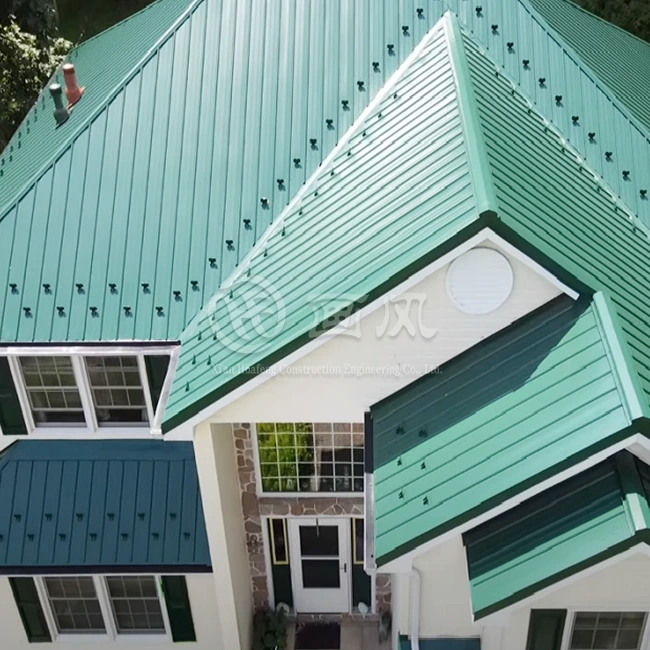
When commercial contractors and property developers evaluate roofing solutions, seam metal roof systems consistently emerge as the superior choice for projects demanding long-term performance and structural reliability. These engineered roofing assemblies feature interlocking metal panels with concealed fasteners that eliminate the vulnerabilities associated with traditional exposed-screw installations. The defining characteristic lies in the raised vertical seam—typically ranging from 1 to 3 inches in height—that mechanically locks adjacent panels together, creating a continuous weather barrier capable of withstanding extreme precipitation, high winds, and thermal cycling. This guide walks through everything procurement professionals need to know about selecting, sourcing, and installing commercial metal roofing systems that deliver measurable return on investment.

Understanding Seam Metal Roof Systems
What Makes These Systems Different
Seam metal roof systems distinguish themselves through a concealed clip attachment method that addresses the primary failure point in conventional roofing: fastener penetration. Rather than drilling screws through the exposed metal surface, this system uses clips secured to the structural deck that lock into the panel seams. The design allows metal sheets to expand and contract with temperature fluctuations without stressing fastener holes, which commonly elongate and leak in screw-down applications.
Core System Components
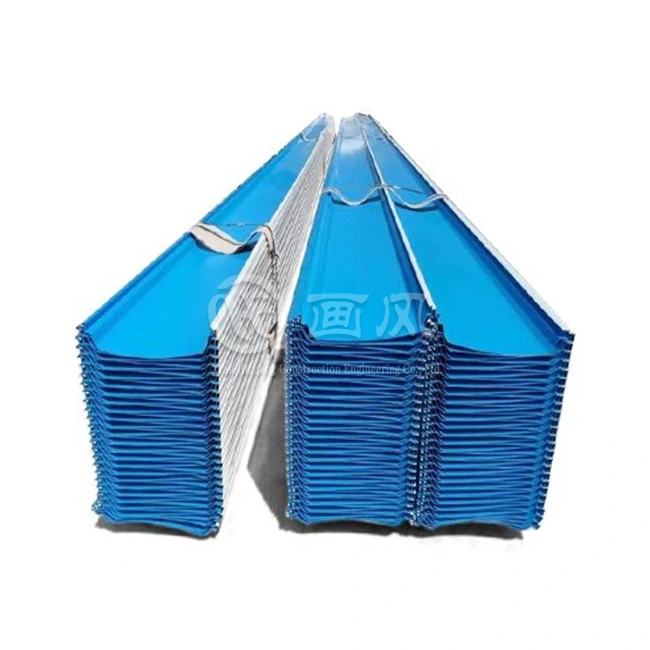
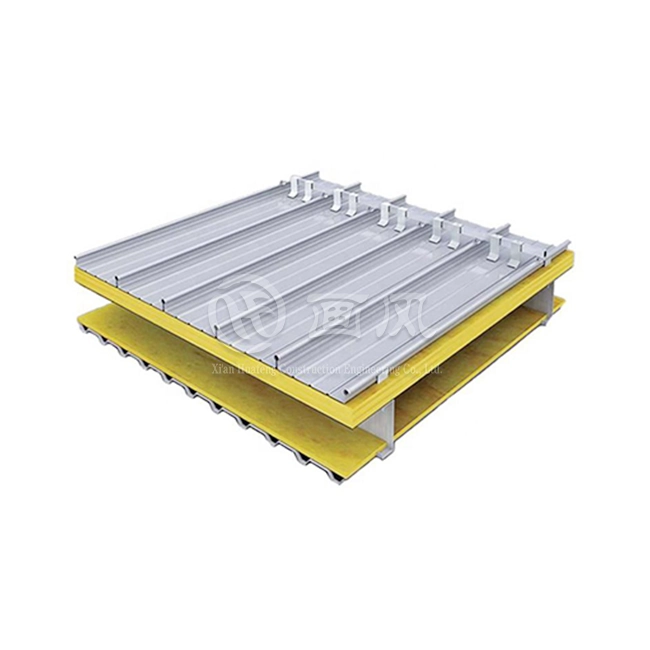
A complete assembly integrates multiple functional layers working in concert. The standing seam panels themselves—available in specifications ranging from 65mm to 500mm effective coverage width—form the waterproof exterior. Our aluminum-magnesium-manganese alloy panels (AA3003, 3004 grades) deliver exceptional corrosion resistance, particularly valuable in coastal or industrial environments. Beneath the visible surface, a waterproof breathable membrane prevents wind-driven moisture infiltration while allowing interior vapor to escape, effectively preventing condensation and mold formation.
The insulation layer typically employs rock wool, calculated according to regional climate requirements and building energy codes. This component serves dual purposes: thermal performance that reduces heating and cooling costs, and acoustic dampening that mitigates noise from rain or hail impact. A vapor barrier beneath the insulation restricts interior moisture migration into the assembly, while sound-absorbing glass wool and a dustproof nonwoven layer complete the system above the structural base plate. Perforated galvanized steel deck panels provide the substrate, supported by steel purlins that enable proper slope adjustment for drainage.
Available System Variations
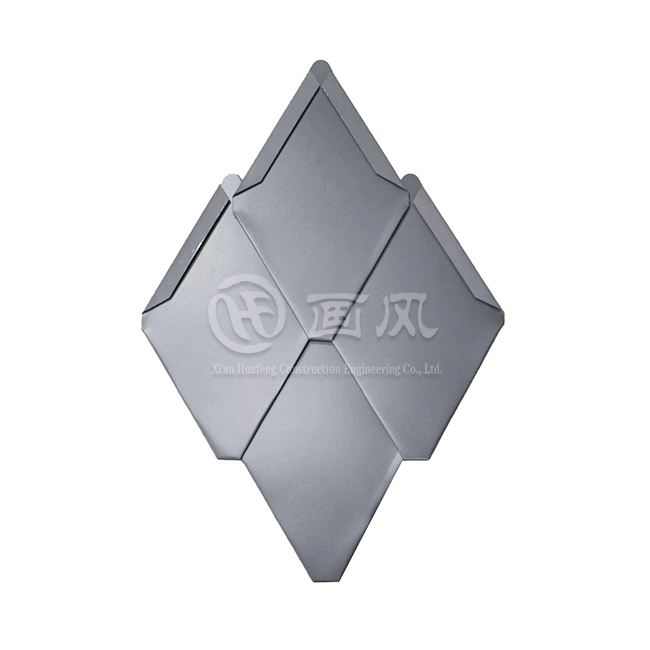
Standing seam configurations represent the most common commercial application, featuring vertical leg seams joined by either snap-lock or mechanical seaming methods. Snap-lock systems allow hydrokinetic drainage suitable for moderate slope applications, while mechanically seamed versions—where electric seamers fold the joint 180 degrees—provide hydrostatic performance for low-slope or nearly flat installations. Flat seam systems, though less common, offer traditional aesthetics for specialized architectural requirements. Panel profiles can accommodate straight plates, curved configurations (both positive and inverted arc), and fan-shaped options that enable complex three-dimensional roof geometries without sacrificing weatherproofing integrity.
Key Benefits and Performance Features
Commercial property owners choosing seam metal roof systems gain tangible advantages that translate directly to operational efficiency and reduced lifecycle costs. The inherent material properties combined with advanced coating technologies create a roofing solution that outperforms alternatives across multiple performance metrics.
Exceptional Durability and Longevity
Our standing seam panels, backed by a 30-year warranty, reflect the proven longevity of properly installed systems. The aluminum-magnesium-manganese substrate resists corrosion even when surface damage occurs during installation—the base material itself provides protection rather than relying solely on coating integrity. British National Standards Bureau certification confirms service life exceeding 40 years in typical environments, significantly surpassing the 15-20 year expectancy of conventional built-up roofing or modified bitumen systems.
The concealed fastener design fundamentally eliminates leak pathways that plague screw-down roofs. Without exposed penetrations, there are no fastener holes to elongate from thermal movement or degrade from UV exposure. The mechanical seam creates a continuous interlock along panel edges, while the raised profile height maximizes drainage efficiency by utilizing the full panel cross-sectional area. Horizontal overlaps receive specialized hinged seaming that provides effective sealing against capillary action, and sliding clip assemblies accommodate thermal expansion without inducing panel stress or fastener failure.
Energy Efficiency and Sustainability
Modern finish technologies dramatically enhance thermal performance beyond bare metal capabilities. PE, HDP, and PVDF coating options—with PVDF formulations containing 70% fluororesin at 25-30μm thickness—incorporate infrared-reflective pigments that reduce solar heat absorption. This "cool roof" technology lowers surface temperatures by 30-50°F compared to traditional dark coatings, directly reducing air conditioning loads and peak demand charges.
The environmental profile appeals to projects pursuing LEED certification or corporate sustainability objectives. Metal roofing contains 25-95% recycled content depending on alloy selection, and panels remain 100% recyclable at the end of service life without quality degradation. The extended lifespan means fewer replacement cycles, reducing embodied energy and landfill contributions over a building's operational period. When combined with properly specified insulation layers—calculated for your climate zone—the complete assembly can achieve R-values exceeding R-30, meeting or surpassing energy code requirements while qualifying for utility rebate programs in many jurisdictions.
Minimal Maintenance Requirements
Unlike membrane roofing systems requiring regular inspections, resealing, and patching, metal panels demand little intervention during their service life. The natural metallic luster of unpainted aluminum maintains its appearance, while factory-applied PVDF finishes resist chalking and fading with minimal degradation over decades. Routine maintenance consists primarily of removing organic debris—leaves, pine needles, and branches—that can trap moisture and create biological growth. An annual freshwater wash typically suffices to maintain coating performance and visual appeal.
Seam Metal Roof Systems vs. Other Roofing Options
Performance Comparison with Common Alternatives
Procurement teams evaluating roofing investments benefit from understanding how seam metal roof systems stack up against competing technologies. Traditional asphalt shingles, while lower in initial cost, typically require replacement every 12-15 years and offer limited wind resistance—often failing at 60-90 mph wind speeds. Single-ply membrane roofing (TPO, EPDM, PVC) provides adequate waterproofing for flat applications but remains vulnerable to puncture damage, UV degradation, and seam failure, requiring ongoing maintenance contracts.
Standing seam assemblies tested to UL 580 standards regularly achieve Class 90 wind uplift ratings, indicating resistance to sustained winds exceeding 100 mph. ASTM E1592 structural performance testing validates load-bearing capacity under snow and equipment loads, while ASTM E1680 and E1646 testing confirm air infiltration and water penetration resistance that exceeds building envelope requirements. This testing rigor provides the documentation needed for insurance underwriting and warranty compliance.
Lifecycle Cost Analysis
The higher upfront investment in metal roofing—typically ranging from $7-12 per square foot installed, depending on complexity and finish selection—requires viewing costs through a lifecycle lens. When factoring in the 40+ year service life, minimal maintenance requirements, energy savings from reflective coatings, and avoided replacement costs, the annualized expense often proves lower than cheaper alternatives requiring multiple replacements. Projects with 20+ year hold periods particularly benefit from this cost structure, as do owner-occupied facilities focused on total cost of ownership rather than initial capital outlay.
Procurement and Installation Process
Sourcing Considerations for Commercial Projects
Successful procurement begins with identifying manufacturers holding relevant quality certifications and production capacity matching project timelines. Our ISO9001 and ISO14000:14001 certifications, along with SGS compliance, demonstrate adherence to international quality and environmental management standards. Production capacity of 1,000 tons monthly ensures material availability even for large-scale developments, while our 15-20 day delivery timeframe supports aggressive construction schedules.
Minimum order quantities of 500 square meters align with commercial project scales while remaining accessible for mid-sized renovations. The ability to customize color, pattern, and design specifications allows architectural alignment without forcing design compromises. When evaluating suppliers, verify their technical support capabilities—including engineering assistance for complex geometries and on-site profiling equipment that produces panels up to 13 meters in length. This eliminates horizontal seams across roof expanses, reducing potential leak points and improving aesthetics.
Installation Best Practices
Professional installation expertise proves critical to achieving the designed performance. The effectiveness of seam metal roof systems depends entirely on proper clip spacing, seam integrity, and flashing details that only experienced crews deliver consistently. Clip placement must follow engineering specifications—typically every 5 feet on field areas with tighter spacing at perimeters, corners, and high-stress zones calculated to resist wind uplift forces. The mechanical seaming operation requires calibrated electric seamers that complete the 180-degree fold without damaging the finish coating or distorting panel profiles.
Substrate preparation significantly impacts final outcomes. Installing over existing shingles remains feasible as a retrofit application, but requires slip sheet placement to prevent abrasion while verifying structural capacity for the additional dead load. New construction ideally incorporates a solid substrate—either plywood sheathing or metal deck—that provides acoustic dampening and a stable attachment surface. Proper underlayment selection and installation create the secondary water barrier that backs up the primary metal surface.
Selecting the Right Seam Metal Roof System for Your Business
Decision Criteria for Commercial Applications
Matching system specifications to project requirements involves evaluating several interconnected factors. Building location and climate conditions dictate material selection—coastal environments benefit from aluminum alloys that resist salt air corrosion, while inland locations may opt for Galvalume steel, offering cost advantages. Slope considerations determine whether snap-lock or mechanical seam profiles suit the application; slopes below 3:12 typically require mechanical seaming for hydrostatic performance.
Aesthetic requirements influence panel width, seam height, and finish selection. Wider panels with taller seams create bold linear patterns suiting modern architectural styles, while narrower profiles offer traditional proportions. Our PVDF coating options deliver superior color retention—warranted against fading (Delta E not exceeding 5 units) and chalking (rating not exceeding 8) for 30-40 years—making them the preferred specification for visible roofs where appearance matters throughout the building's life.
Evaluating Manufacturer Capabilities
Beyond product specifications, assess the manufacturer's technical depth and service infrastructure. Companies offering on-site press production demonstrate flexibility to adjust parameters for field conditions, accommodating dimensional variations and site-specific requirements that factory-only operations cannot address. This capability shortens production cycles and enhances quality control by eliminating transportation damage risks inherent in pre-formed long panels.
Technical documentation availability—including CAD details, installation manuals, and engineering calculations—supports smooth coordination with design teams and building officials. Manufacturers providing engineering support can model custom conditions, specify appropriate clip schedules for project-specific wind loads, and troubleshoot complex flashing details at penetrations or roof transitions.
Conclusion
Seam metal roof systems represent the convergence of engineering sophistication and practical performance for commercial construction projects. The concealed fastener design fundamentally solves the weatherproofing challenges that limit alternative roofing technologies, while advanced alloys and coatings deliver durability measured in decades rather than years. For procurement professionals balancing initial investment against lifecycle value, these systems offer compelling economics through extended service life, minimal maintenance, and energy efficiency that reduces operational costs. The key lies in partnering with manufacturers demonstrating both product quality and technical capability to support successful project execution.
FAQ
1. How do metal roof systems handle thermal expansion without causing leaks?
The floating clip system solves thermal movement challenges elegantly. Clips attach firmly to the structural deck, but the panel seams that engage these clips can slide longitudinally as metal expands and contracts with temperature changes. This movement occurs without stressing any penetrations because no fasteners pierce the roof surface. Properly designed clip spacing and panel end details accommodate expansion rates specific to the metal alloy and expected temperature ranges.
2. What is oil canning, and does it affect performance?
Oil canning describes visible waviness in flat panel areas caused by stress distribution during forming, handling, or temperature changes. This aesthetic characteristic does not compromise structural integrity or weatherproofing capability. Specifying heavier gauges, adding striations or ribs to panel profiles, and selecting matte finishes all minimize visual prominence. The phenomenon occurs across all metal roofing manufacturers and represents normal material behavior rather than a defect.
3. Can these systems be installed over existing roofing?
Retrofit installations over existing shingles or low-slope membranes are common practice when structural capacity permits the additional load. A synthetic slip sheet must separate the new metal from the old roofing to prevent abrasion damage to panel undersides. This approach eliminates tear-off costs and waste disposal while allowing occupied buildings to remain operational during reroofing projects.
Partner with HF for Your Commercial Roofing Needs
Xi'an Huafeng Construction Engineering Co., Ltd. brings technical expertise and manufacturing scale to your commercial roofing projects as a specialized seam metal roof systems supplier. Our standing seam products, manufactured to ISO9001 and ISO14000:14001 standards, deliver the reliability your projects demand, backed by 30-year warranties and production capacity reaching 1,000 tons monthly. With customization capabilities spanning color, pattern, and design specifications, we adapt our systems to your precise architectural requirements while maintaining 15-20 day delivery schedules that keep construction timelines on track.
Our engineering team provides technical support throughout the procurement process, from initial specification development through installation guidance. Contact our specialists at huafeng@hfmetalroof.com to discuss your project requirements and receive detailed quotations tailored to your scope.
References
1. Smith, J. & Anderson, K. (2021). Metal Roofing Systems: Design and Performance Standards for Commercial Applications. Construction Engineering Press.
2. National Roofing Contractors Association (2022). The NRCA Roofing Manual: Metal Panel and SPF Roof Systems. NRCA Publications.
3. Patterson, M. (2020). Lifecycle Cost Analysis of Commercial Roofing Systems: A Comparative Study. Journal of Building Economics, 45(3), 178-203.
4. American Society for Testing and Materials (2023). ASTM Standards for Metal Roof System Performance Testing. ASTM International.
5. Green Building Council (2022). Metal Roofing Contributions to LEED Certification: Material Selection and Energy Performance. USGBC Technical Bulletin.
6. Thompson, R. & Chen, L. (2023). Advanced Coating Technologies for Architectural Metal Surfaces: Durability and Environmental Performance. Materials Science Quarterly, 38(2), 112-134.





YOU MAY LIKE
_1781690542318.jpg "Self-adhesive waterproof membrane")
_1783936484206.webp "Inside locking metal aluminum cladding panel")
(1)_1763110678300.webp "standing seam metal roof panels")