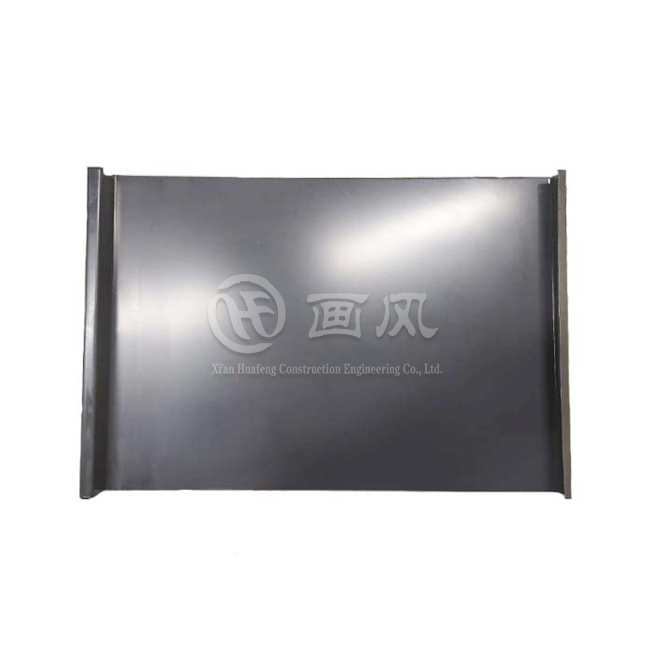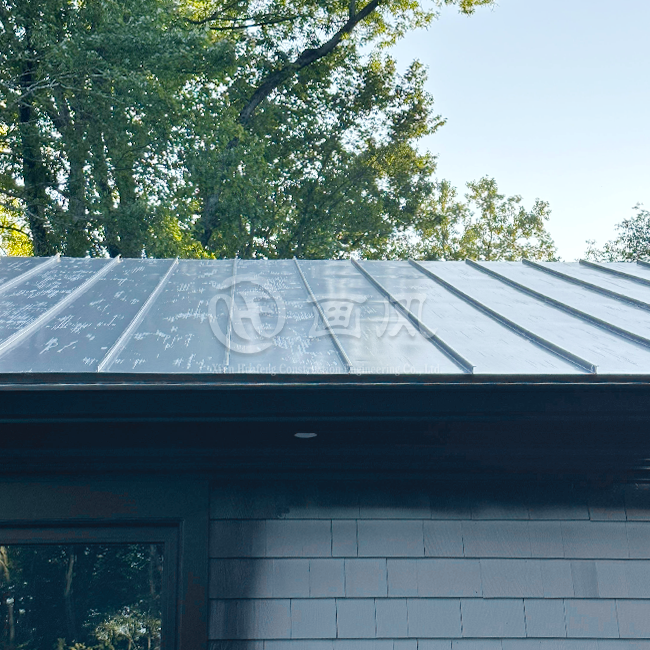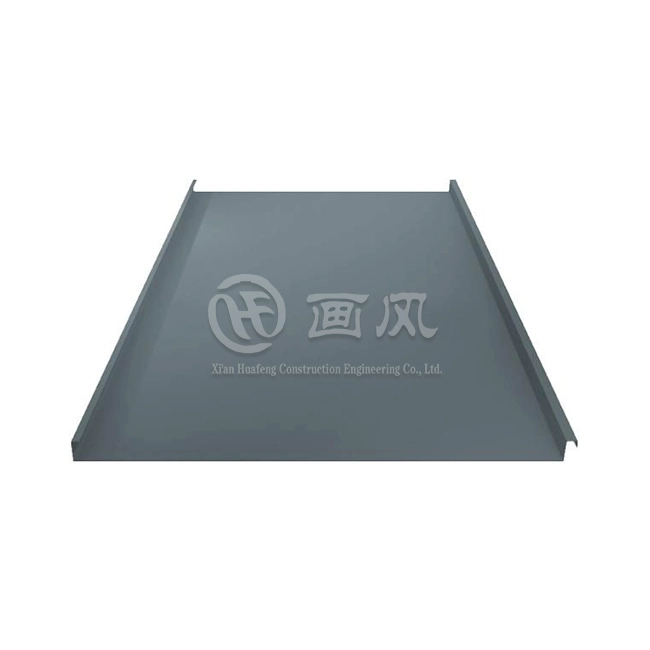
Explaining Aluminum Standing Seam Metal Roofs Panels for Residential Use
2026-07-22 11:00:49
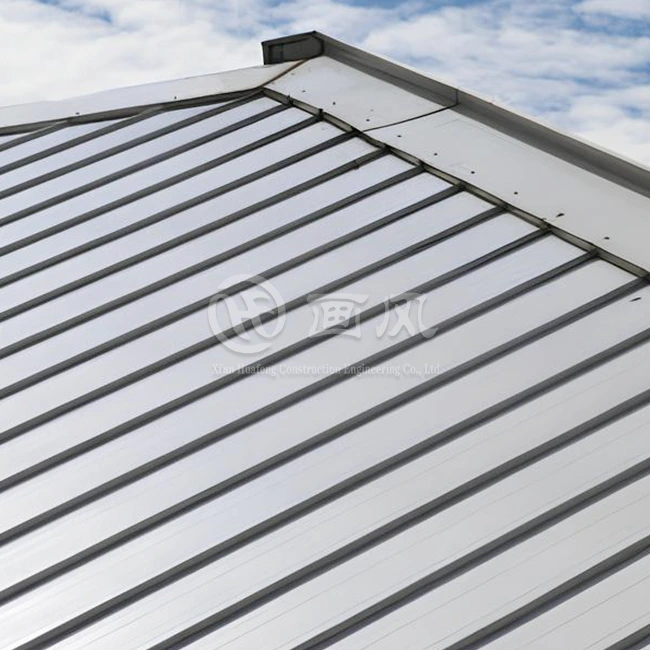
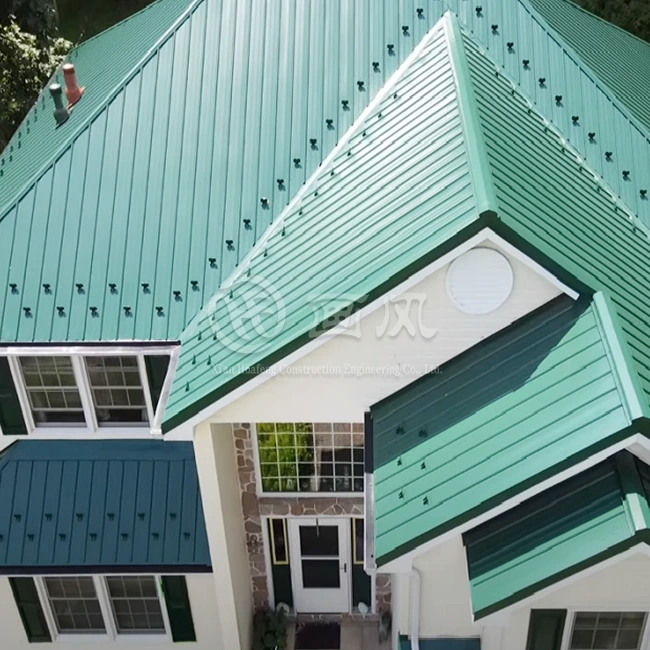
In private settings that need both good looks and long-lasting durability, Aluminum standing seam metal roof panels are a high-tech way to cover your home. These systems feature vertically stacked panels that are joined together by raised overlapping seams and mechanically attached without exposed screws, creating a protective barrier against water intrusion. The aluminum base naturally forms a protective oxide layer that provides excellent resistance to acid rain, coastal salt spray, and industrial pollution. Unlike traditional asphalt shingles or metal roofing with exposed fasteners, this concealed-fastener design allows the building envelope to expand and contract with temperature changes without compromising performance. This makes them ideal for projects where procurement teams prioritize long-term value over initial costs.

Understanding Aluminium Standing Seam Metal Roof Panels
Core Design Principles and Construction
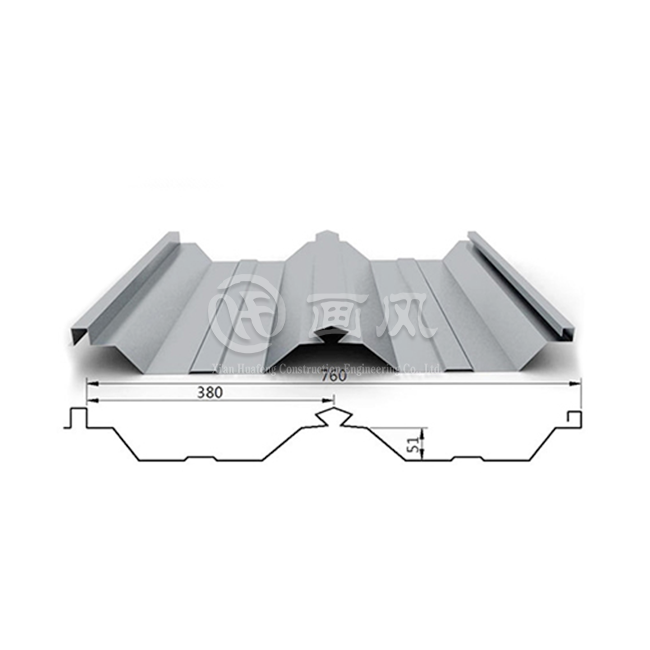
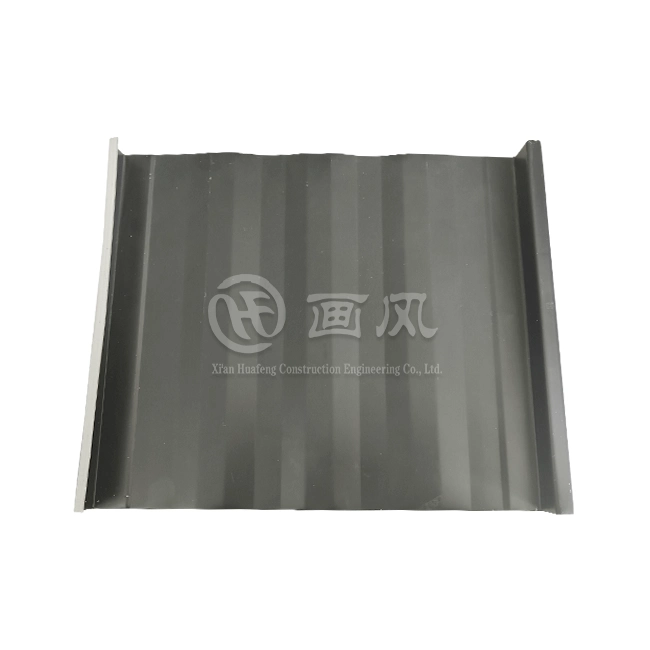
The vertical rib design with seam heights ranging from 25 mm to 65 mm is what makes these roofing systems unique. They create clear shadow lines that improve the look of buildings. These panels are made by HF using AA3003, AA3004, and AA5052 aluminium alloys in thicknesses ranging from 0.7mm to 1.2mm. The widths are chosen based on the wind load needs and the ability to span. The hidden clip system stops holes from going through the panel surface. This fixes the main problem with screw-down roofing, which is that washer wear leads to leaky spots.
Material Advantages in Residential Applications
Aluminium has a density about one-third that of steel, which makes it much easier for home frame systems to handle structural loads. This weight advantage is especially helpful when replacing the roof on an older home whose beams aren't strong enough to hold heavy materials. The natural oxidation process makes a safe barrier that fixes itself. This barrier stays in place even if the PVDF finish gets small scratches during installation or upkeep.
Manufacturing Standards and Quality Assurance
The companies that make things for HF follow ASTM, DIN, JIS, BS, and GB/T norms. There are three factories with seven separate production lines. The PVDF fluorocarbon covering method is very good at blocking UV rays and keeping colours true, so it will look good for more than twenty years in tough environments. This covering technology passes the ASTM D4145 T-Bend Test without cracking during field making, which ensures that final systems meet building codes.
Comparing Aluminium Standing Seam Roof Panels with Other Roofing Materials
Aluminum Versus Galvanized Steel Systems
When it comes to protecting against rust, Aluminum standing seam metal roof panels offer advantages over galvanised steel roofing, which depends mainly on its zinc coating for corrosion resistance. Aluminium surfaces, on the other hand, provide protection throughout the thickness of the material. When steel's protective coating is damaged, rust can begin to spread immediately, while aluminium forms a stable oxide layer that prevents further deterioration. Because of this fundamental difference, aluminium roofing systems installed in coastal environments can achieve a service life that is 15–20 years longer than steel alternatives. Due to aluminium's higher thermal expansion rate, selecting the right clips and positioning them correctly is essential to accommodate panel movement. However, modern clip designs with built-in relief mechanisms effectively address this challenge and ensure reliable performance.
Cost Analysis Against Premium Metal Options
Copper and zinc roofing systems are very expensive because the materials are hard to find, and they need to be installed in a certain way. Aluminium standing seam systems last as long as copper systems but cost 40–60% less to install, so they can be used in mid-range home projects. Because the material is easy to shape, it can be used in complex building shapes without work-hardening problems that come with copper. This saves money on labour costs for projects with bent eaves, dormers, or steep roof sections.
Performance Comparison with Traditional Shingles
Asphalt shingle systems usually need to be replaced every 15 to 25 years, which creates a lot of waste in landfills and costs a lot of money over time. With a service life of 50 years or more and a 30-year guarantee from HF, metal standing seam roofing gets rid of these lifetime costs. The hidden fastener design stops the heat cycle damage that makes visible fastener systems loosen over time. This way, the weathertightness stays intact during the guarantee period.
Installation and Maintenance of Aluminium Standing Seam Roofs
Critical Installation Considerations
Preparing the foundation is the first step in a proper installation. Make sure the roof deck stays flat within 3 mm over 3 meters so that the finished panels don't show any waves. Because aluminium moves when it heats up and cools down, the clip connection space and type must be able to handle this. Usually, moving clips are needed on panel lengths longer than 6 meters. When designed correctly and put in place by licensed professionals, double-lock seaming makes a mechanical link that works in all directions and can handle wind lifting forces of more than 150 psf.
Preventing Galvanic Corrosion
When aluminium comes into contact with different metals, it acts like an anode. This is why 300-series stainless steel clips, screws, and trim parts are used. When you touch copper flashing, lead counterflashing, or carbon steel bolts directly, galvanic rusting starts right away and weakens the structure within 5 to 10 years. To protect the investment, the procurement requirements should require separation walls and materials that work well together throughout the roofing assembly.
Maintenance Protocols for Long-Term Performance
Unlike organic roofing materials that need to be treated regularly, aluminium systems don't need much care other than regular waste removal and drainage checks. Every year, reviews should be done to make sure that seams are still intact, that fasteners on trim parts don't back out, and that thermal expansion clips stay in place. Coastal sites should be washed every two years to get rid of salt buildup, but the corrosion-resistant base can handle maintenance plans that aren't regular without losing performance.
Procurement Guide: How to Source Aluminum Standing Seam Metal Roof Panels
Evaluating Manufacturing Capabilities
Manufacturing capability has a direct effect on project timelines and accuracy when choosing an Aluminum standing seam metal roof panels source. Over 40 specialized machines are operated by HF across three production sites. This allows standard orders with minimum quantities of 500 square meters or one metric tonne to be delivered within 15 to 20 days. This production capacity ensures consistent finishing quality and panel dimensions across large-scale projects that require multiple supplies.
Certification and Compliance Documentation
Business-to-business buyers should ask for Mill Test Reports that confirm the makeup, yield strength, and layer thickness specs of the aluminium alloy. HF has ISO9001 and ISO14001 standards, which show that they are committed to quality control and environmental responsibility throughout all of their production processes. The company has a first-level qualification in making curtain walls and a third-level qualification in steel structures. This gives clients even more confidence in their technical abilities for more complicated home projects.
Customization and Color Selection
Standard RAL colour offers give you a lot of choices, while custom colour matching meets the needs of high-end home projects' architects. Design teams can choose panel heights between 25 mm and 65 mm, which lets them match budget needs with aesthetic tastes. Taller profiles cost more, but they provide better shadow definition. The effective coverage width, ranging from 300mm to 600mm, influences labour productivity and waste factors that impact total installed costs.
Pricing Structures and Volume Considerations
Getting reasonable prices is easier for buying teams when they know how the costs of material, finishing, manufacturing, and shipping are split up. Tiered pricing is often unlocked by making a volume promise, but the costs of keeping supplies must be weighed against lower unit prices on projects that take longer to build. The 500-square-meter minimum order number set by HF is the right size for most domestic projects, and the company's low production runs keep unit costs low.
Energy Efficiency and Environmental Impact of Aluminum Standing Seam Roofs
Thermal Performance and Reflectivity
Aluminum standing seam metal roof panels have a high solar reflectivity, which means they send back out the heat they absorb before it moves through the roof system. PVDF-coated aluminum panels usually have reflection values higher than 0.65, allowing them to achieve cool roof ratings that help earn LEED points and comply with energy codes. This thermal performance can lead to lower electricity costs in climates that require extensive cooling. The payback period depends on local energy rates and the building's insulation level.
Lifecycle Environmental Advantages
Making aluminium takes a lot of energy at the start, but because it can be recycled over and over again, this energy is recovered over and over again. Post-consumer aluminium roofing keeps 95% of its material value through recycling. This is very different from asphalt roofs, which add over 11 million tonnes to U.S. dumps every year. These sustainable qualities can help procurement teams in competitive housing markets stand out to clients who care about the environment.
Contribution to Green Building Standards
Aluminium standing seam systems meet many LEED certification requirements because they last a long time, can be recycled, and keep heat in or out. They also help earn Materials and Resources credits for recovered material and Energy and Atmosphere points for reducing heat islands. The service life of 50 years or more means that there is no need to replace it, which would create construction trash and cause problems with the building's operations. This is in line with sustainable design principles that stress saving resources throughout the lifecycle of a building.
Conclusion
Aluminum standing seam metal roof panels deliver unmatched performance for residential applications where corrosion resistance, structural longevity, and aesthetic versatility drive material selection decisions. The concealed fastener design eliminates leak points associated with exposed screw systems, while aluminium's natural oxidation provides substrate protection that outlasts coated steel alternatives by decades. Procurement professionals gain a competitive advantage through partnerships with certified manufacturers offering comprehensive technical support, consistent product quality, and delivery reliability for projects spanning single custom homes to large-scale residential developments.
FAQ
1. What is the expected lifespan of aluminium standing seam roofing in coastal environments?
Properly installed aluminium systems routinely exceed 50 years in marine environments where salt spray rapidly corrodes steel substrates. HF provides a 30-year warranty, though the substrate itself resists perforation for substantially longer periods when maintained according to manufacturer guidelines.
2. Can these panels be installed over existing roof structures?
Metal standing seam systems can be installed over existing roofing in many applications, provided the substrate remains structurally sound and local building codes permit overlay installations. This approach reduces disposal costs and project timelines compared to complete tear-off replacements.
3. How does panel thickness affect wind resistance?
Thicker gauges between 0.9mm and 1.2mm provide enhanced rigidity and reduced oil canning visibility, particularly important on large uninterrupted roof planes. Wind uplift resistance depends primarily on clip spacing and seam engagement rather than panel thickness alone, requiring engineered specifications for high-wind coastal zones.
Partner with HF for Your Aluminium Standing Seam Metal Roof Panel Requirements
HF combines three decades of metal roofing expertise with advanced manufacturing infrastructure to serve roofing contractors, construction companies, and property developers throughout North America. Our Aluminum standing seam metal roof panels manufacturer capabilities include custom panel profiling, expedited production schedules, and comprehensive technical support from project specification through installation completion. Contact our procurement specialists at huafeng@hfmetalroof.com to discuss your residential roofing requirements, request detailed product specifications, or schedule factory tours demonstrating our quality control processes. We deliver reliable solutions backed by industry-leading warranties and responsive customer service that simplifies complex procurement decisions.
References
1. Metal Construction Association, "Guide Specification for Aluminium Standing Seam Roof Systems," Technical Bulletin Series, 2022.
2. American Architectural Manufacturers Association, "Aluminum Alloy Selection and Surface Treatment Standards for Building Components," AAMA Publication 2023.
3. National Roofing Contractors Association, "Metal Panel Roofing Systems Design Manual," Professional Roofing Series, 2021.
4. Cool Roof Rating Council, "Thermal Performance Characteristics of Metal Roofing Products," Annual Product Directory, 2023.
5. Green Building Council, "Sustainable Material Selection Criteria for LEED v4.1 Building Design," Certification Guidelines, 2022.
6. Aluminum Association, "Aluminum in Residential and Commercial Roofing Applications: Lifecycle Assessment and Performance Data," Industry White Paper, 2023.





YOU MAY LIKE
_1783936484206.webp "Inside locking metal aluminum cladding panel")