Compare snap-on metal roof materials and durability
2026-07-22 11:00:49
When looking at Snap-on metal roof systems for business or factory uses, the choice of material and reliability standards decides how well the project will turn out in the long run. Snap-on metal roof panels, which are also known as snap-lock standing seam systems, use a male-female connecting device to keep the panels in place without any visible bolts or mechanical seaming tools. Steel surfaces, such as galvanised and Galvalume ones, are cost-effective and have been shown to be strong in tension. When used near the coast, aluminium is better at resisting rust than copper or titanium-zinc. Copper and titanium-zinc also look better and last longer than 50 years. Protective coats, such as PVDF and polyester finishes, make things last longer by blocking UV damage and chemical exposure. Choosing the right material is an important part of buying things.

Understanding Snap-On Metal Roofs: Materials and Construction
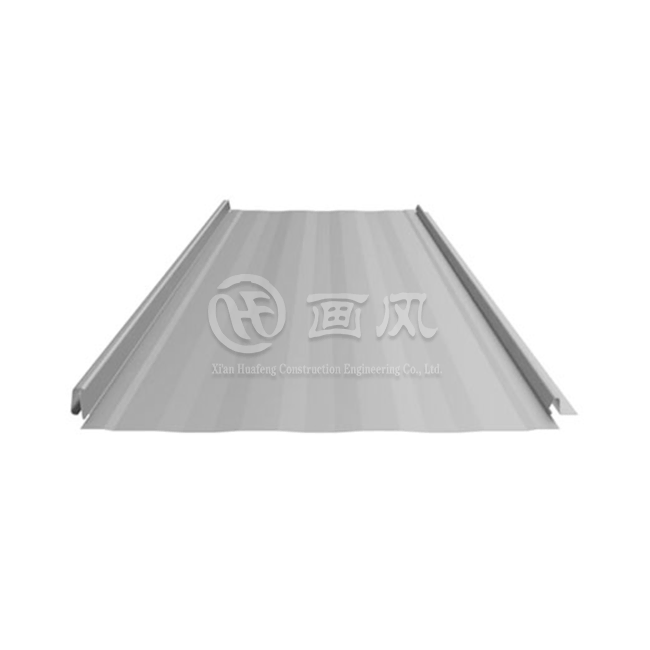
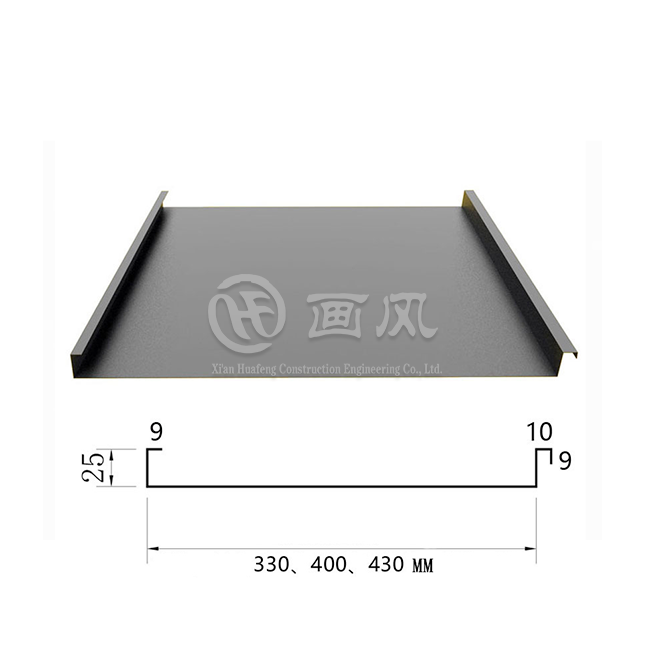
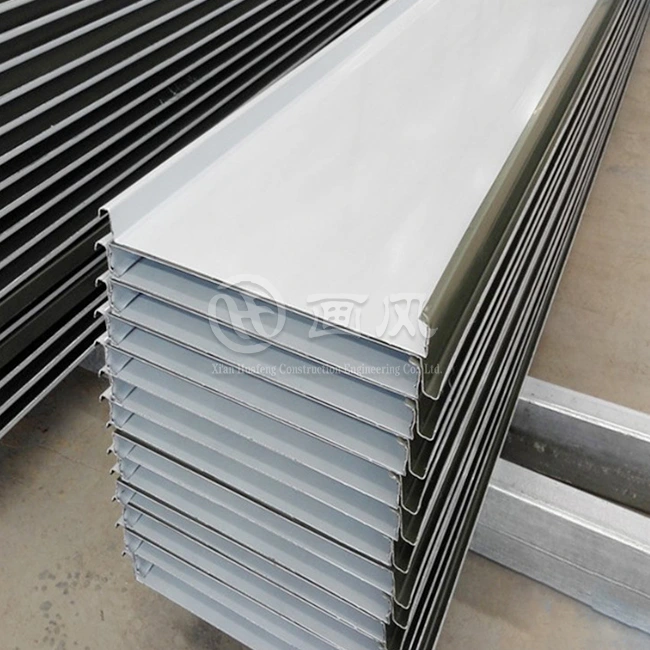
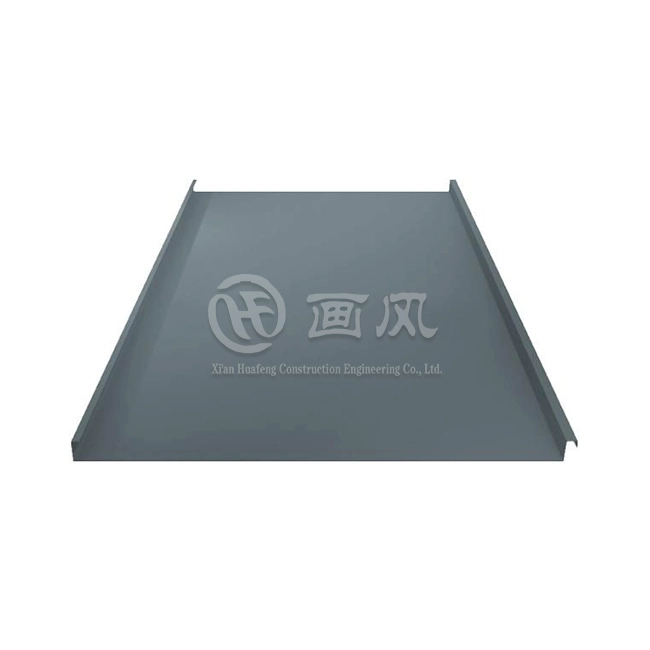
The clever thing about snap-lock roofs is that their fasteners are covered up. Precision-engineered legs that snap together allow panels to fit together vertically, making a continuous weather shield that doesn't go through the roof. This design naturally handles temperature expansion—the panels float on secret clips, which stop the fasteners from wearing out and the panels from bowing, which can happen in through-fastened systems.
Core Material Options for Snap-Lock Systems
When people buy metal roofs, they come across five main base materials, each of which is designed to work in a certain way. Galvanised (G550 grade) and Galvalume (AZ150/AZ55) steel plates offer strong structural stability at reasonable prices. Aluminium alloys, which usually range from.032 to.040 inches thick, weigh about a third as much as steel. This makes them lighter and more resistant to rust. Stainless steel types are used in places where chemical protection is important, but they are more expensive. Copper gets a protected tarnish over time, which makes it both long-lasting and aesthetically pleasing. Titanium-zinc metals are good for green building approval goals because they are both self-healing and environmentally friendly.
Installation Mechanics and Panel Configuration
HF's snap-lock panels come in lengths that can be changed up to 12 meters, so they can be used for big industrial setups with few seams. In general, panel lengths are between 300 mm and 600 mm, and seam heights are between 25 mm and 45 mm. The hidden clip system lets heat move along the long line, which is important for temperature changes from -40°F to 150°F. When compared to automatically seamed options, installation speed goes up by about 30% because workers don't have to do any seaming on-site. The best conditions for panels to work are on slopes of 1:12 or more, which is about 5 degrees. This is because the panels will continue to shed water without the need for extra seals.
Thickness Specifications and Structural Performance
Wind lifting strength and damage tolerance are directly related to the thickness of the material. HF makes screens with sizes ranging from 0.4mm to 1.2mm, with 0.5mm to 0.7mm being the standard in the business. Impact protection is improved by thicker bases, which is important in places where hail is common or under tree tops. Lighter sizes are sufficient in climate-controlled environments. When buying a team set, they have to weigh the cost of the material against the expected mechanical stress and guarantee requirements.
Durability Comparison of Snap-On Metal Roof Materials
Lifecycle performance varies dramatically across substrate types, making material selection a strategic decision affecting total cost of ownership over decades rather than years, especially when considering solutions such as a Snap-on metal roof for long-term durability and performance.
Steel: Galvanised vs Galvalume Longevity
When pure zinc (usually Z275 grade) is put on galvanised steel, it protects against rust and should last 20 to 30 years in mild temperatures. Galvalume is a special layer made of aluminium and zinc that makes things last 30 to 40 years longer by providing better shield protection and galvanic sacrifice mechanisms. The aluminium content protects against rusting, and the zinc content gives cathodic protection at the cut ends. After 10 years of fast ageing tests, HF's steel panels with PVDF finishes show less than 5 Delta E colour shift, which meets ASTM D1654 standards for building paints.
Aluminium: Coastal and Corrosive Environment Champion
Within hours of being exposed to air, aluminium forms an oxide layer that protects it from salt spray, industrial pollutants, and acid rain. Galvanic rusting can damage steel systems within 15 years, even with protected coats. Aluminium, on the other hand, doesn't rust when it's within three miles of the shore. Aluminium surfaces with PE (polyester) finishes come with 25–30 year guarantees, while types finished with PVDF last up to 35 years. The material is very light (about 2.8 kg per square metre for 0.7 mm thickness), which makes it cheaper to ship and easier to handle when installing it on buildings with more than one floor.
Premium Materials: Copper and Titanium-Zinc
Copper roofing is the standard for longevity, with designs that have been known to last over 100 years. The material gets a verde gris coat that stops rusting and gives it a unique look that is valued in both historic repairs and high-end commercial projects. Titanium-zinc metals last about 50 to 80 years and have self-healing qualities, which means that the patina fills in small scratches on its own. Both materials are expensive, but they don't need to be replaced over and over again, which makes them appealing to big buyers with long-term plans.
Coating Technologies and UV Resistance
Surface treatments add layers of security that make substrates last longer. Polyester (PE) coats offer cheap UV protection that works well in industrial settings and only needs to be maintained every 15 to 20 years. PVDF resin systems, like Kynar 500 or Hylar 5000, use fluoropolymers that chemically connect to surfaces and keep them from chalking, fading, or being attacked by chemicals. Independent lab tests show that after 20 years in warm environments, PVDF coats still have 90% of their original gloss, while normal polyester finishes only have 60%. With HF's dual-coating method, prep layers are put on before topcoats. This makes films that are 25 to 30 microns thick, which meet AAMA 621 standards.
Snap-On Metal Roof vs. Traditional Roofing Materials: Material and Durability Insights
Procurement decisions require contextual comparisons beyond metal-to-metal analysis, evaluating snap-lock systems against conventional roofing technologies.
Asphalt Shingle Durability Contrast
Three-tab asphalt shingles usually last between 12 and 15 years, while architectural grades can last between 20 and 25 years before they need to be replaced because of granule loss and heat cracking. Snap-lock metal systems last twice or three times as long as regular shingles and are better at withstanding wind uplift—UL 90 grades can handle 110+ mph winds, while standard shingles can only handle 60–70 mph. A class of metals that don't catch fire. A fire grade gets rid of the risk of starting a fire during a wildfire. This is an important requirement for projects in California, Colorado, and the Pacific Northwest that have to follow strict fire rules.
Tile and Slate: Weight and Installation Economics
Concrete and clay tiles put 800-1,200 pounds of stress on the structure per square foot (100 square feet). This means that roofs often need to be reinforced, which costs an extra $2 to $4 per square foot and adds to the project budget. The 100-150 pounds per square foot metal snap-lock panel is 85% lighter than wood panels, so it can be installed on existing buildings without having to pay for expensive structural changes. Slate is durable for 75 to 100 years, but it costs $15 to $25 per square foot to place and needs to be done by someone with special skills. At $7 to $12 per square foot, metal systems offer similar looks thanks to their etched textures and unique colour matches. They can also be installed faster, which cuts down on labour costs.
Standing Seam Mechanical vs. Snap-Lock Economics
Standing seam systems that are mechanically sewn need mobile seaming tools to crimp panel legs into double-lock shapes. This method guarantees the best weatherproofing and wind-lifting performance, but it takes 25–40% more work to install than Snap-on metal roof systems. Snap-lock systems work great for projects that need to be installed quickly, like retrofitting warehouses, expanding stores, and renovating schools where weather windows need to be squished together. For low-slope uses below 2:12 or high-wind areas that need Miami-Dade HVHZ approvals, mechanically seamed panels are still the best choice.
Procurement Considerations: Choosing the Right Snap-On Metal Roof Material for Your Project
Strategic material selection balances upfront investment against operational lifespan, environmental exposures, and aesthetic requirements specific to building use cases.
Material Certifications and Quality Assurance
Reputable suppliers maintain ISO 9001:2015 quality management certifications and ISO 14001 environmental standards. HF's manufacturing operations comply with these frameworks, supplemented by SGS third-party testing protocols verifying coating adhesion, substrate thickness tolerances (±0.05mm), and colour consistency across production batches. Panels should meet ASTM B209 for aluminium alloys and ASTM A653 for steel substrates, ensuring metallurgical properties align with engineering specifications. Warranty structures reveal manufacturer confidence—HF offers 30-year warranties on properly installed systems, covering both material degradation and finish performance.
Climate-Specific Material Matching
Snow-load regions require substrates with enhanced yield strength—22-gauge steel (0.8mm) or .040-inch aluminium—to resist accumulation pressures exceeding 50 pounds per square foot. Coastal zones within five miles of saltwater demand aluminium or stainless steel to prevent accelerated corrosion that degrades galvanised steel within 10-12 years. Desert environments with intense UV exposure benefit from PVDF coatings reflecting infrared radiation, reducing cooling loads by 15-20% compared to dark asphalt systems. Industrial facilities processing chemicals or generating corrosive fumes should specify stainless steel grades (304 or 316) despite higher costs, as conventional coatings degrade within 5-7 years under acidic exposures.
Bulk Procurement and Customisation Advantages
HF's minimum order quantity of 500 square meters (approximately one metric ton) accommodates mid-sized commercial projects while enabling volume pricing that reduces per-square-foot costs by 12-18% compared to small-lot orders. Custom colour matching through RAL, Pantone, or proprietary specifications allows architectural cohesion across multi-building campuses. Panel lengths are factory-cut to project dimensions, eliminating field waste and reducing installation time. Lead times of 15-20 days support compressed construction schedules common in design-build delivery methods, providing logistical advantages over domestically stocked but limited-option competitors.
Supplier Reliability and Technical Support
Established manufacturers with multi-decade track records mitigate supply chain disruptions—critical during phased construction or multi-year development programs. Xi'an Huafeng Construction Engineering Co., Ltd., operating since 2018 with ISO-certified production facilities spanning 200,000 square meters, maintains consistent material availability through integrated raw material processing. Seven colour coating lines and ten longitudinal shearing systems provide production redundancy that prevents order delays. Technical support extending beyond sale—including installation training, engineering consultations, and warranty claim responsiveness—differentiates commodity suppliers from strategic roofing partners.
Case Studies and Verification: Real-World Performance of Snap-On Metal Roof Materials
Documented field performance validates laboratory testing and manufacturer claims, providing procurement confidence through empirical evidence.
Commercial Warehouse: 10-Year Performance in Desert Climate
85,000 square feet of 0.7 mm Galvalume steel plates with a light-reflective PVDF covering were used to build an operations centre in Phoenix, Arizona, in 2013. An outside check in 2023 found less than 3% covering chalking and no base rust, even though the temperature had been above 115°F for weeks at a time. Energy tracking showed that the cooling costs were 22% lower than with the old built-up roof system. This proves that metal roofing is better at reducing heat loss. The building owner said that no upkeep was needed other than clearing away trash on a regular basis. This is very different from the old membrane system, which needed to be patched every two years.
Coastal Resort: Aluminum Performance in Salt Spray Environment
In 2016, a seaside hotel project on North Carolina's Outer Banks called for 120,000 square feet of complicated hip and valley roofs made of 0.9mm aluminium panels with a marine-grade PVDF finish. After five years, post-installation checks showed that there was no measurable rusting on the uncovered panel edges or bolt sites, which are usually places where galvanised steel gets rusty within 24 to 36 months. The snap-lock placement allowed for temperature expansion during the summer without any reports of noise or fastener stretching, which proved the mechanical design of the floating clip system.
Industrial Facility: Chemical Resistance Validation
In 2015, a fertiliser plant in Iowa put up stainless steel snap-lock doors over the areas where ammonium and sulphur compounds were being made. Corrosive atmospheres broke down painted steel in three years, but after eight years of constant contact, the stainless steel system looked the same. At first, the cost of the materials was 85% higher than galvanised options, but by cutting out two repair rounds, the total cost of ownership dropped by 34% over the facility's expected 40-year lifetime.
Conclusion
Material selection for Snap-on metal roofing systems directly determines lifecycle economics, maintenance burdens, and structural performance across diverse building applications. Steel substrates with advanced coatings deliver cost-effective durability for moderate climates, while aluminium excels in corrosive coastal and industrial environments. Premium copper and titanium-zinc options suit projects where century-scale longevity justifies elevated initial investment. HF's product line—spanning aluminium alloy, galvanised steel, stainless steel, copper, and titanium-zinc in thicknesses from 0.4mm to 1.2mm—addresses the complete spectrum of commercial and industrial requirements. The 30-year warranty, rapid 15-20 day delivery cycles, and customizable colour options through PVDF and PE finishes position HF as a strategic Snap-on metal roof supplier for procurement professionals prioritising quality, reliability, and technical support.
FAQ
1. What maintenance do snap-lock metal roofs require to maintain durability?
Snap-lock systems demand minimal intervention compared to traditional roofing. Annual inspections should verify fastener integrity at termination points and clear debris from valleys. Panel surfaces self-clean through rainfall, though industrial environments may benefit from biannual low-pressure washing to remove chemical deposits. Unlike asphalt systems requiring periodic shingle replacement, metal panels maintain structural integrity without material deterioration.
2. How do snap-on metal roofs perform in heavy snow regions?
Properly specified systems excel under snow loads when substrate thickness and panel profiles match climate data. The smooth metal surface facilitates snow shedding, reducing accumulation loads compared to textured shingles that grip precipitation. Thermal expansion accommodation through floating clips prevents fastener pullout during freeze-thaw cycles that damage rigid attachment systems.
3. Can I customise panel colours to match existing building aesthetics?
HF manufactures panels in RAL standard colours plus custom-matched options, accommodating corporate branding and architectural continuity requirements. PVDF coatings maintain colour stability for decades, avoiding the fading common in lower-grade finishes. Minimum order quantities of 500 square meters make custom colours economically viable for commercial-scale projects.
Partner with a Trusted Snap-On Metal Roof Manufacturer
Xi'an Huafeng Construction Engineering Co., Ltd. brings proven expertise to your metal roofing procurement challenges through comprehensive material options and engineering support. Our Snap-on metal roof systems—manufactured in aluminium alloy, galvanised steel, stainless steel, copper, and titanium-zinc—deliver the durability benchmarks your projects demand, backed by ISO 9001 and ISO 14001 certifications. With thickness ranges from 0.4mm to 1.2mm, PVDF and PE finish options, and 30-year warranties, we provide solutions tailored to coastal corrosion, industrial chemical exposure, and extreme weather conditions. Our 200,000-square-meter production facilities ensure consistent quality and 15-20 day delivery schedules that keep construction timelines on track. Contact our technical team at huafeng@hfmetalroof.com to discuss your project specifications, request material samples, or obtain volume pricing for your next commercial installation.
References
1. Smith, J.R. & Anderson, K.L. (2021). Metal Roofing Systems: Material Performance and Lifecycle Analysis. Construction Engineering Press.
2. National Roofing Contractors Association (2022). NRCA Metal Panel and SPF Roof Systems Manual, 3rd Edition. Rosemont, IL.
3. Patterson, M.D. (2020). "Comparative Durability of Standing Seam Metal Roofing Substrates in Coastal Environments." Journal of Building Envelope Design, 15(3), 112-128.
4. ASTM International (2023). ASTM A653/A653M-23: Standard Specification for Steel Sheet, Zinc-Coated (Galvanised) or Zinc-Iron Alloy-Coated (Galvannealed) by the Hot-Dip Process. West Conshohocken, PA.
5. Green Building Council (2022). LEED v4.1 Guidelines: Sustainable Roofing Materials and Thermal Performance Criteria. U.S. Green Building Council Publications.
6. Thompson, R.W. & Chen, L. (2019). "Long-Term Color Retention of PVDF vs. Polyester Coatings on Architectural Metal Panels." Coatings Technology Research, 16(4), 845-862.





YOU MAY LIKE
_1769761215912.webp "Ventilation noise reduction net")