How to Choose a Seam Metal Roof System for Your Commercial Facility
2026-07-22 11:00:28
Choosing the right roofing solution for your commercial facility means balancing durability, cost-efficiency, and long-term performance. Seam metal roof systems have emerged as the preferred choice for construction companies, roofing contractors, and property developers across the United States who demand reliability and sustainability. These engineered roofing solutions feature interlocking panels with raised vertical seams that eliminate exposed fasteners, delivering superior waterproofing and weather resistance. Unlike traditional roofing options, standing seam designs accommodate thermal expansion naturally, preventing fastener fatigue and leaks common in screw-down installations. With options ranging from aluminum-magnesium-manganese alloys to steel with advanced coatings, selecting the optimal system requires understanding your facility's specific demands, climate challenges, and operational goals.

Understanding Seam Metal Roof Systems and Their Benefits
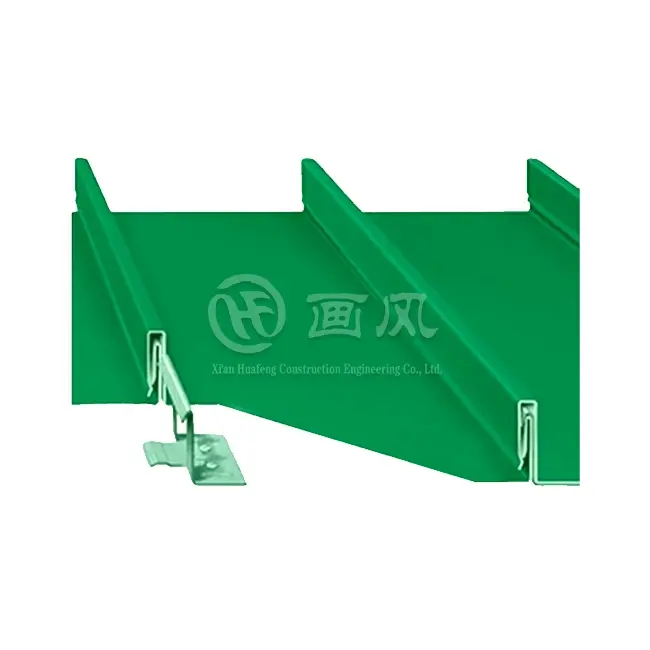
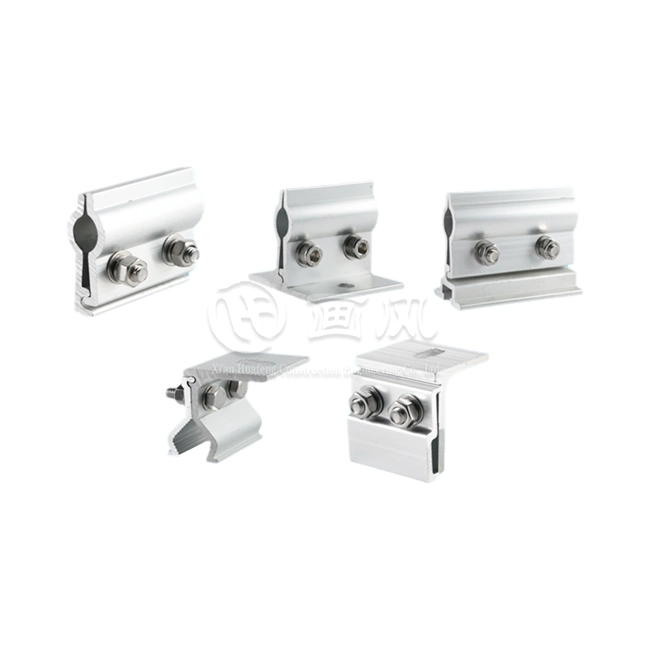
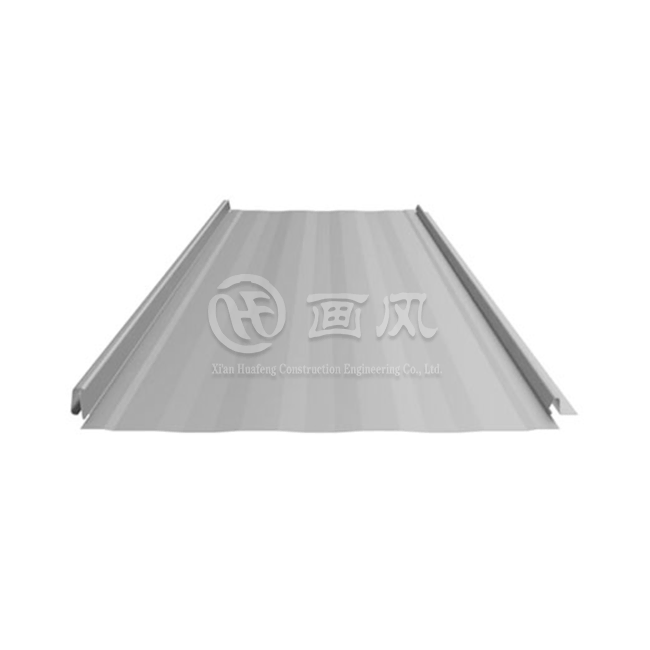
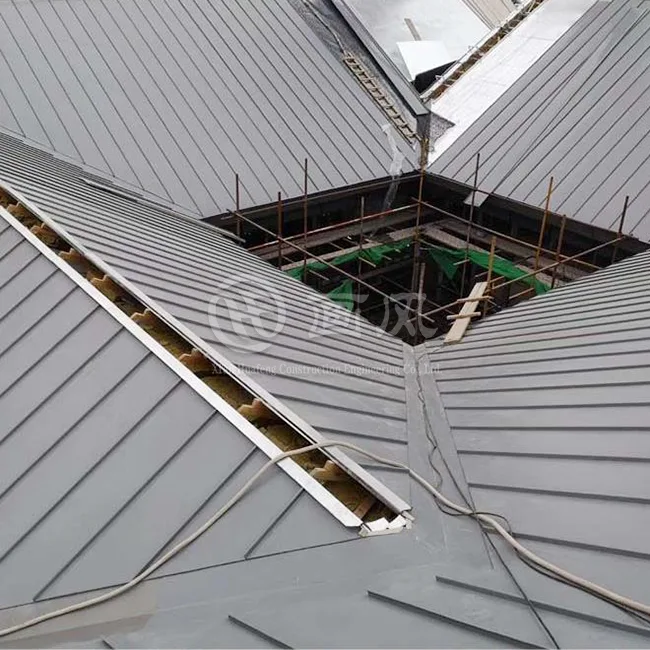
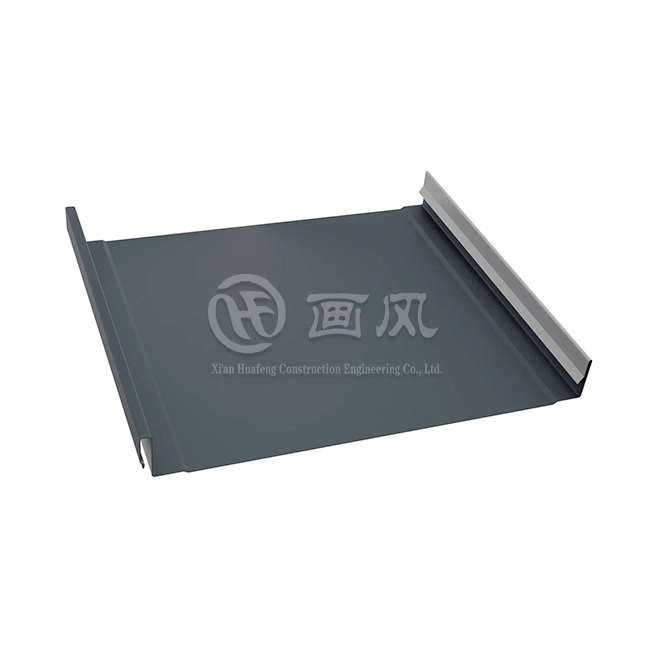
Seamless metal roof systems are a big step forward in the technology used for industrial roofing. Wide metal panels connected by vertical lines that stand above the roof surface give these systems a unique architectural appearance while providing excellent performance. With the camouflaged fastener design, clips are attached to the building foundation and then hidden by the panel gaps. This keeps any holes from going through the roof fully.
What Makes Standing Seam Different
Exposed-fastener methods are very different from standing seam metal roofs. The higher seam height, which is usually between 1 and 3 inches, makes the structure stronger and helps water drain better. This design fixes a major flaw in standard roofing: bolt holes that get longer due to temperature changes, letting water in over time. The moving clip system lets metal panels expand and contract easily as the temperature changes. This is especially useful in places where the seasons change very quickly.
Core Performance Advantages
Metal roofing systems are useful for more than just keeping water out. One of the best things about PVDF-coated panels is that they save energy. In business settings, they can cut cooling costs by up to 25% by reflecting large amounts of sunlight. The aluminum-magnesium-manganese alloys are very resistant to rust, and the structure stays strong even if the surface gets scratched during installation or upkeep. These systems also help with LEED approval because they are made of reusable materials, last a long time, and use little energy. This is in line with companies' sustainability goals, which are becoming more and more important in purchasing decisions.
Comparing Metal Systems to Traditional Roofing
Metal roofing systems have a better overall term value than built-up roofs, modified bitumen, or single-ply coverings. Installation costs are about 15–30% higher than with a regular flat roof, but the roof will last 40–50 years, compared to 15–25 years for membrane systems. Maintenance needs drop by a huge amount—no more regular covering, fewer emergency fixes, and almost no damage from UV light. Even though it costs more up front, metal roofing is always better for buildings that will be occupied for a long time because it has a lower total cost of ownership.
Criteria to Consider When Selecting a Seam Metal Roof System
Selecting the appropriate metal roofing solution requires a systematic evaluation framework that addresses both immediate project constraints and long-term facility requirements. Procurement managers should begin by documenting facility-specific parameters before engaging suppliers.
Facility Type and Climate Exposure
Basic design rules for seam metal roof systems are based on what your building is used for and where it is located. Lighter-colored surfaces that reflect a significant amount of heat away from buildings exposed to strong sunlight are suitable for heavy industrial facilities that experience high temperatures. For coastal locations, the surfaces must be made of aluminum or highly galvanized steel to prevent corrosion caused by salt air. In areas with heavy snowfall, warehouses and distribution centers need to ensure they have the proper seam height and panel gauge to support their estimated snow loads. Understanding these external factors makes it easier to select the right material and design style.
Budget Analysis Beyond Initial Cost
A complete budget plan includes more than just the service bill. A lifecycle cost study should include estimates of how much energy will be saved, how much it will cost to maintain the building over 30 to 40 years, and how long the owner plans to keep it. A system with a PVDF finish and thicker gauge material might cost 20% more at first, but it will last decades longer and not need to be painted. Premium systems usually give better return on investment (ROI) to facilities that plan to own them for more than 25 years, while shorter-term holdings might choose lower starting costs.
Material Quality and Supplier Credibility
Material specs have a direct effect on how well they work and how long they last. The thickness of a panel is usually between 0.9mm and 1.2mm, with larger sizes being more resistant to damage and oil canning. Coating methods are very different. Polyester finishes provide basic protection that works well in warm conditions, while PVDF coats with 70% fluororesin content provide better fade and chalk resistance that is needed to keep the look for decades. When evaluating a supplier, you should make sure they have the necessary ISO9001 and ISO14001 certifications, read through their guarantee terms carefully, and make sure they can meet project deadlines. Companies that let you change the colour, pattern, and design of their products are more useful for buildings that need to meet certain branding or architectural standards.
Comparison of Seam Metal Roof System Types and Materials
Depending on the details of your project, different seam designs and material choices will give you different benefits. By knowing about these differences, you can make smart choices that meet both performance needs and price limits.
Standing Seam System Variations
Snap-lock standing seam systems have panels that physically fit together without the need for special seaming tools. This cuts down on the time and money needed for installation. These systems work well in mild temperatures and situations that don't need a lot of wind lifting. Mechanically seamed systems, on the other hand, use electric seamers to turn the panel seams 180 degrees, making a waterproof seal that can be used in low-slope areas and places with a lot of wind. The best performance grade is given to the double-lock design, which passes both the UL 580 Class 90 wind lifting tests and the ASTM E1646 water entry standards under continuous pressure.
Material Substrate Options
Aluminum-magnesium-manganese alloys (AA3003 and AA3004) work really well in harsh conditions and are easy to shape into complicated roof shapes. The self-healing oxide layer of the material keeps its rust resistance even if it gets scratched while it's being installed. Steel frames with an aluminum-zinc alloy covering called Galvalume are very strong for a low price and work well in places that aren't near the coast. Steel usually comes in 50 ksi or 80 ksi yield strength grades. The stronger grade lets you have longer spans between purlins that aren't supported. Copper and zinc are the best materials for projects that want to look great and last a long time, but their high cost means they are usually only used in high-visibility areas.
Surface Finish Technologies
The choice of coating has a big effect on both the appearance and energy performance of seam metal roof systems. Polyester (PE) coatings are a cost-effective way to protect commercial buildings where appearance is not the main concern. HDP (high-performance polyester) is a moderately priced option that provides better resistance to chalking and fading. PVDF coatings, which are made up of 70% Kynar 500 or Hylar 5000 fluoropolymer resin, offer excellent weather resistance and usually come with a 30- to 40-year warranty against severe fading and chalking. For the best energy efficiency, choose cool-roof PVDF formulas with infrared-reflective pigments that reduce surface temperatures by 20 to 30°F compared to standard colors, even with darker shades that maintain an attractive appearance.
Seam Metal Roof System Installation and Maintenance Considerations
Even the highest-quality materials deliver suboptimal performance when improperly installed. Successful projects require qualified contractors, appropriate site preparation, and realistic maintenance planning.
Professional Installation Requirements
Installation quality directly determines system performance and warranty validity. Contractors should demonstrate specific experience with the selected panel profile and seaming method, as techniques vary significantly between manufacturers. Certification programs offered by metal roofing associations provide verification of technical competency. The installation process begins with substrate preparation—ensuring proper slope (minimum 1:12 for most standing seam systems), adequate structural support rated for expected loads, and installation of appropriate underlayment. Clip placement follows engineered specifications, with closer spacing required at perimeters and corners to resist wind uplift. Panel installation proceeds from one edge across the roof, with careful attention to thermal expansion allowances and proper seaming technique.
Maintenance Best Practices
Metal roofing requires minimal maintenance compared to other commercial systems, but proactive care extends service life and preserves appearance. Annual inspections should examine seam integrity, check for debris accumulation in valleys or gutters, and verify that all penetrations and flashing remain sealed. Removing organic debris prevents moisture retention that can foster biological growth. Most systems require only periodic washing with fresh water to remove accumulated pollutants—avoiding abrasive cleaners or high-pressure washing that might damage coatings. Addressing minor issues promptly prevents escalation; a single lifted panel edge caught early requires minimal repair, while water infiltration from delayed attention can damage insulation and structural components.
Warranty Coverage and Support
Comprehensive warranty packages for seam metal roof systems provide essential risk mitigation. Material warranties typically cover substrate perforation (often 30-40 years) and paint performance against excessive fading and chalking. Installation warranties from contractors address workmanship defects, usually spanning 2-10 years depending on project complexity. Understanding exclusions is equally important—many warranties exclude damage caused by standing water, severe hail, or improper maintenance. Suppliers offering robust after-sales support, including accessible technical assistance and prompt issue resolution, demonstrate commitment beyond the initial transaction. This ongoing partnership becomes valuable when addressing field conditions or coordinating future expansions.
Making Your Final Decision: Matching Solutions to Your Needs
The optimal roofing system aligns with your specific facility requirements, operational priorities, and long-term business objectives. A structured decision framework ensures you weigh factors appropriately for your unique situation.
Segmenting by Facility Application
Durability and thermal performance are usually more important than looks in manufacturing and industrial buildings. This is why heavier-gauge steel with reflective coatings is perfect for keeping the inside of buildings cool and lowering HVAC loads. Cost-effective systems that reliably protect against the weather over big roof areas are useful for warehouses and distribution centers. Snap-lock panels may be able to do the job well enough at a lower fixed cost. In retail and business buildings, physical appearance is often just as important as performance. This is why high-end finishes and maybe even aluminium frames are used because they look better over time. Knowing these application-specific goals will help you narrow down your search for systems that are best for your building.
Balancing Customization and Standardization
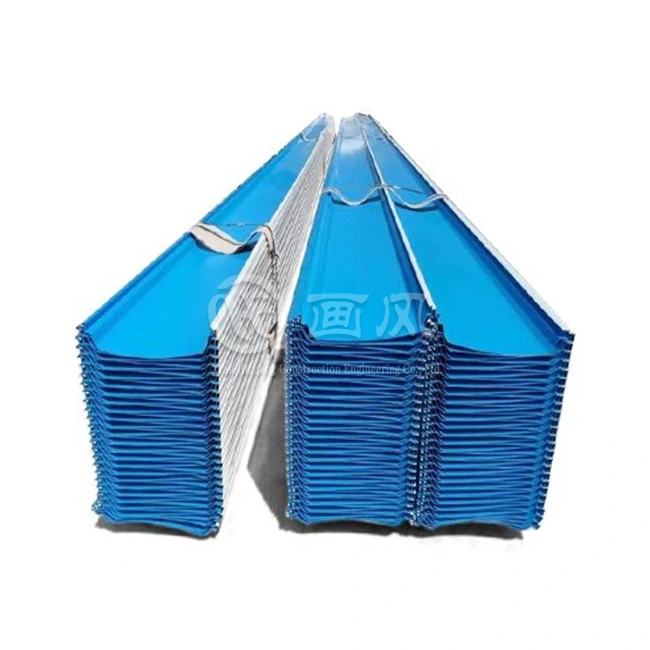
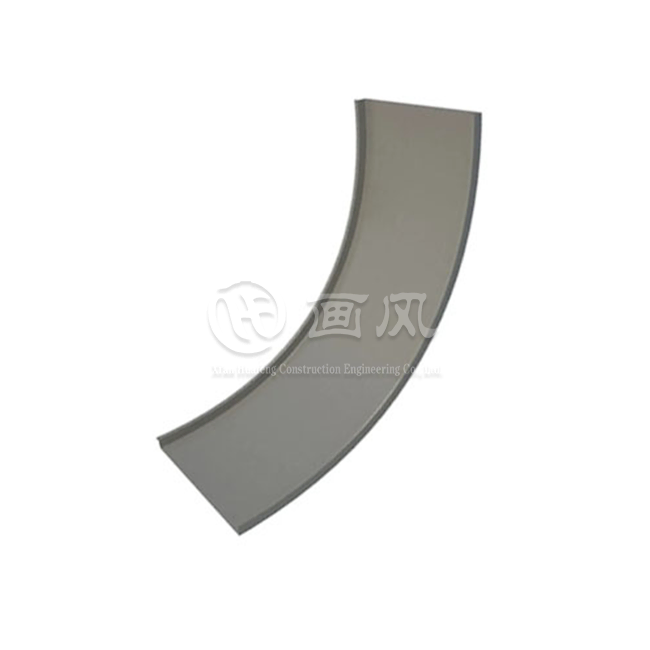
Customisation options are very useful for places that have special needs. Whether a project succeeds or fails depends a lot on things like matching colours to company branding, working with odd roof shapes, and combining new and old building elements. Systems with panel lengths of up to 13 meters get rid of the need for horizontal gaps along long roof runs. This makes the roof waterproof and smoother to look at. Customising patterns and finishes lets places get unique looks while still meeting performance standards. The available specs, such as seam heights of 65 mm, panel widths of 300–500 mm, and different finish choices, make it possible to adapt to a wide range of project needs without losing tried-and-true engineering.
Evaluating Total Ownership Value
Return on investment is more than just getting quotes for installations. Each year, mirrored surfaces lower energy costs even more, and in high-cooling-load buildings, the higher costs of the materials might be recovered within 7 to 12 years. Over decades, maintenance savings add up—not having to replace the roof every 15 to 20 years and lowering the number of emergency repairs means a lot more budget stability. Environmental concerns are becoming more important in purchasing decisions. The durability and ease of recycling of metal roofs make it a good choice for companies that want to be more environmentally friendly and may even qualify for green building rewards. A system with a 30-year promise from a provider that can handle 1,000 tonnes of cargo per month and shipping times of 15 to 20 days shows that the company is confident in the product and can meet your project's needs now and in the future.
Conclusion
Selecting seam metal roof systems for your commercial facility represents a strategic investment in long-term building performance. The decision framework outlined here—evaluating system types, material substrates, coating technologies, and supplier capabilities—enables procurement professionals to specify solutions that balance immediate budget constraints with lifecycle value. Standing seam designs with concealed fasteners eliminate the primary failure modes of traditional roofing while accommodating thermal movement that preserves system integrity through decades of service. Whether prioritizing energy efficiency for operational cost reduction, durability for minimal maintenance, or sustainability for corporate environmental commitments, metal roofing systems deliver measurable advantages across commercial applications.
FAQ
1. How long do seam metal roof systems typically last in commercial applications?
Standing seam metal roofing systems with quality substrates and PVDF coatings routinely achieve 40-50 year service lives in commercial environments. Aluminum-magnesium-manganese alloy systems can exceed 60 years in non-industrial atmospheres. The actual lifespan depends on material selection, coating quality, installation workmanship, and maintenance practices. Systems using Galvalume steel with premium coatings typically carry 30-40 year paint warranties and substrate perforation warranties extending even longer, providing documented performance expectations.
2. Can metal roofing systems withstand extreme weather conditions like hurricanes and heavy snow?
Properly engineered and installed seam metal roof systems excel in extreme weather. Mechanically seamed standing seam roofs routinely pass UL 580 Class 90 wind uplift testing, qualifying them for hurricane-prone coastal regions. The continuous panel design without exposed fasteners eliminates wind-driven rain infiltration points. Snow-shedding characteristics reduce accumulation loads, though structural design must account for expected snow loads in northern climates. The key lies in specifying appropriate panel gauge, seam height, and clip spacing based on site-specific wind and snow load calculations performed by qualified engineers.
3. What are typical lead times and cost ranges for commercial metal roof installation?
Material lead times vary by project scope and customization requirements, with standard specifications typically available within 15-20 days and custom orders requiring 4-6 weeks. Installation duration depends on facility size, roof complexity, and weather conditions—expect 3-6 weeks for average commercial facilities. Cost ranges from $8-15 per square foot installed for standard systems, with premium materials, complex geometries, or specialized finishes increasing costs toward $18-25 per square foot. Comprehensive project quotations should include all components: panels, clips, underlayment, flashing, and installation labor.
Partner with HF for Your Standing Seam Metal Roofing Needs
Xi'an Huafeng Construction Engineering Co., Ltd. brings specialized expertise as a leading seam metal roof systems manufacturer serving commercial facilities throughout the United States. Our standing seam metal roof panels feature 65mm seam height with specifications ranging from 300-500mm widths, available in PE, HDP, and PVDF coating options that deliver a guaranteed 30-year service life. With a 1000-ton monthly supply capacity, ISO9001 and ISO14001 certification, and rapid 15-20 day delivery, we support projects of any scale with just 500㎡ minimum order quantity. Our comprehensive customization services—spanning color, pattern, and design—ensure your roofing system meets exact specifications while our engineering team provides technical support from specification through installation. Contact our team at huafeng@hfmetalroof.com to discuss your commercial roofing project and receive a detailed proposal tailored to your facility requirements.
References
1. Metal Construction Association. (2022). "Technical Guidelines for Metal Roof System Selection in Commercial Applications." Metal Construction Association Technical Bulletin Series.
2. National Roofing Contractors Association. (2023). "The NRCA Roofing Manual: Metal Panel and SPF Roof Systems—2023 Edition." NRCA Publications Department.
3. American Society for Testing and Materials. (2021). "ASTM E1592: Standard Test Method for Structural Performance of Sheet Metal Roof and Siding Systems by Uniform Static Air Pressure Difference." ASTM International Standards.
4. Cool Roof Rating Council. (2023). "Product Rating Program: Rated Metal Roofing Products Database." Cool Roof Rating Council Annual Directory.
5. U.S. Green Building Council. (2022). "LEED v4.1 Building Design and Construction: Metal Roofing Credits and Contributions to Sustainable Building Certification." USGBC Reference Guide.
6. Building Enclosure Council. (2023). "Best Practices Guide for Metal Roofing System Design, Installation, and Maintenance in Commercial Construction." Building Enclosure Technology and Environment Council Publication.





YOU MAY LIKE