Affordable DIY Standing Seam Roof Panels for Small Buildings
2026-10-13 11:00:01
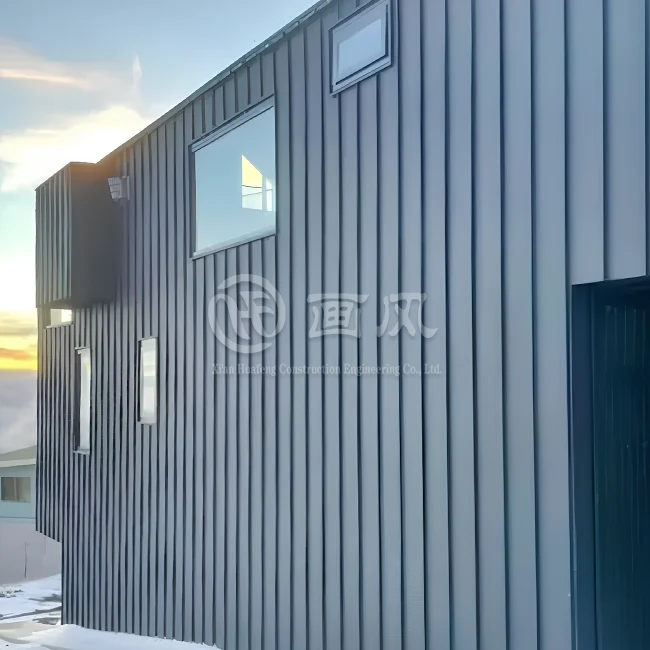
DIY standing seam roof panels are worth a serious consideration if you're looking for a roofing option that strikes a mix between cost, durability, and simplicity of installation. Fasteners are fully concealed from weather exposure thanks to these panels' vertical raised seams that interlock at the panel edges. They provide a tidy, polished look for small buildings like sheds, garages, workshops, and ancillary structures without the need for a complete contractor team. Procurement purchasers may find retail-ready panels that sell quickly on shelves and cause few consumer complaints provided they have the correct supplier and product criteria.

Understanding DIY Standing Seam Roof Panels: Definitions, Benefits, and Materials
What Makes These Panels Different?
Standing seam panels conceal all the connection points behind the seam profile, in contrast to corrugated sheets with visible fasteners. This design eliminates worn-out fastening washers, which are the most frequent source of roof leaks. Additionally, it prevents the metal from breaking through the mounting point as it naturally expands and contracts with the seasons.
Common Materials and Their Trade-offs
The majority of the market is composed of three kinds of substrates. Because it is the most cost-effective corrosion-resistant material, galvalume (AZ50/AZ55 Zn-Al metal) is the most preferred option for residential and light commercial applications. Aluminum functions better in areas where salt spray is often used and is about 40% lighter than steel. Although it is initially less expensive, galvanized steel (G90) is less durable in moist environments. Due to its high cost, copper is seldom chosen by those looking to save costs on do-it-yourself projects.
Thickness and Coating Considerations
The guarantee terms and rigidity are directly related to the width of the panel. The standard range in the industry is between 0.5 mm and 1.2 mm, which is about 16 gage to 26 gage. Thinner 26-gauge panels are cheaper and lighter, but they are more likely to oil canning, which is a wavy look that customers often don't like. If you choose PVDF (Kynar 500®-class) coats over regular polyester ones, the color will last much longer and it won't chalk, which is very important for store return rates.
Step-by-Step DIY Installation Guide: Tools, Techniques, and Common Pitfalls
Essential Tools for the Job
You will need a tape measure, a chalk line, tin snips, a rubber mallet, a screw gun with torque control, and good underlayment to install diy standing seam roof panels correctly. For snap-lock profiles, you don't need an electric seaming robot, which is the main reason this method is good for people who want to do it themselves. If you're starting from scratch, set aside about $150 to $250 for tools.
The Installation Process
First, make sure the roof deck is clean and flat. You can use plywood or OSB for this. Before putting down the first panel, cover the whole surface with a high-temperature synthetic underlayment. Set the nail strip or clip in place and line up the square of the starter panel with the eave. Then, snap the female leg of the next panel over the male leg until you hear a firm click. Always work across the hill and check the line every three to four panels.
Pitfalls to Avoid
The misalignment at the eave worsens across the roof as you advance the panels closer to the ridge. You should always draw a line with chalk before placing the first panel. Driving too many fasteners through the nail strip is another frequent error. This makes it more difficult for the panel to adjust to temperature variations, which causes buckling during the summer. By following the installation instructions included with each panel package, the majority of these issues may be prevented.
Comparing Roofing Options: DIY Standing Seam Panels vs Alternatives
Standing Seam vs Exposed-Fastener Metal Roofing
When you buy exposed-fastener panels, they cost 15–25% less per square foot, but their neoprene washers break down after 10–15 years, leaving leaky spots that lead to warranty claims and store returns. This doesn't happen at all with standing seam panels. For store buyers who are trying to keep return rates low, the slightly higher cost of concealed-fastener panels pays for itself in fewer complaints.
Standing Seam vs Asphalt Shingles
Asphalt shingles are still the most common type of residential roofing in the US, but they only last 20 to 25 years on average, which is much less than metal roofing. According to studies from the Oak Ridge National Laboratory on cool metal roofs, metal also reflects solar energy, which lowers the amount of heat that gets into the attic and lowers cooling costs by about 10 to 25 percent. Retailers who want to sell metal panels as an upgrade can use this energy-saving point in their product listings to their advantage.
Gauge and Warranty Impact
From reliable sources, a 24-gauge diy standing seam roof panels usually comes with a paint warranty that lasts 30 years and a substrate guarantee that lasts 40 years. When you drop to 26-gauge, the paint warranty generally drops to 25 years and there is a higher chance of obvious oil canning, which leads to bad reviews online. Setting 24-gauge as the normal SKU saves ratings for Amazon and private-label dealers.
Procurement Insights: Where to Buy and How to Optimize Costs?
Matching Panel Specs to Small Building Applications
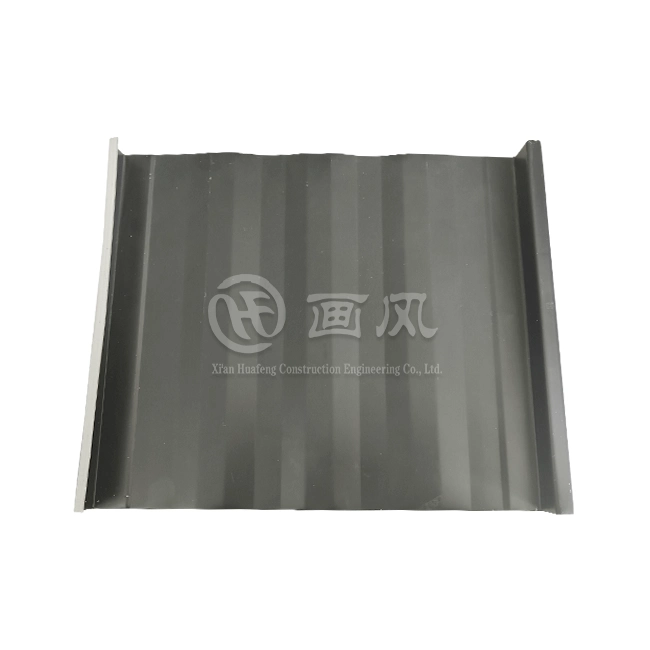
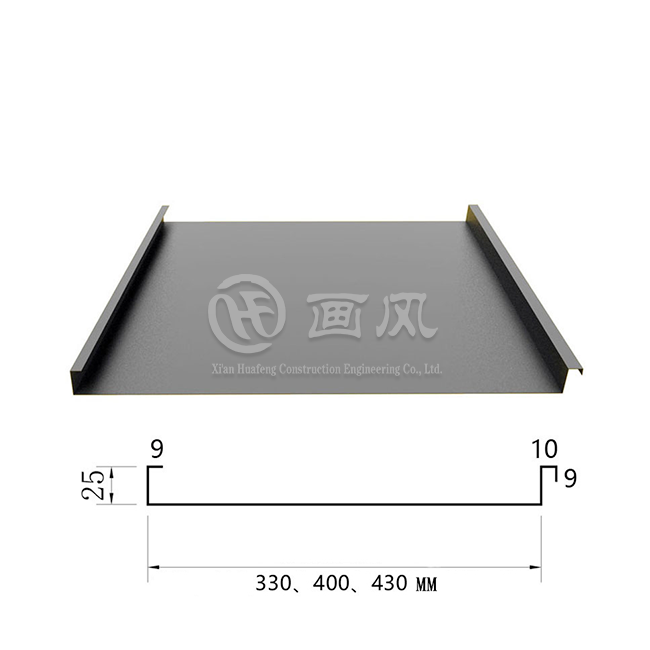
HF's snap-lock standing seam panels come in shapes such as 25-330/400/430, 32-410, 45-400, and 65-400/430, and their width ranges from 0.5 mm to 1.2 mm. Panel sizes range from 300 to 500 mm, and special lengths of up to 12 meters cut down on waste from cutting on-site. There are PVDF and PE finishes for coatings, as well as a full range of RAL and Pantone colors. This is a useful feature for private-label buyers who need color palettes that match their brand.
MOQ, Lead Times, and Supply Capacity
The smallest amount you can order is 500 square meters, which is about 1 metric ton. This is a good amount for small retail orders. A supply capacity of 1,000 tons per month is supported by three factories with seven color-coating lines and more than 40 processing machines. This is enough to meet the needs of replenishment orders for medium to large retail accounts without any lead-time risk. Delivery usually takes 15–20 days after the order is confirmed.
Quality Certifications That Reduce Buyer Risk
The panels made by HF meet standards set by ASTM, DIN, JIS, BS, and GB/T. The test results from SGS confirm that the coating meets the requirements for AAMA 2605-22 performance (all 13 line items passed), AS/NZS 1530.3 flame retardancy (no ignition in any of the six samples tested), and EU RoHS compliance for hazardous substances. These certificates handle common worries that people in the US, Australia, and the UK have about the safety of products and following the rules when they buy them in stores or online.
Maintenance Tips and Long-Term Performance Optimization
Routine Cleaning Schedule
Two times a year, rinse the diy standing seam roof panels with low-pressure water to get rid of dirt, pollen, and other organic matter. Do not use rough brushes on PVDF coatings because they can scratch them. Most surface stains can be cleaned up with a light soap solution. At the same time, clean the drains so that water doesn't pool up against the edge of the eave panel.
Seasonal Inspection Points
Every spring and fall, check the sealant at pipe boots, windows, and ridge caps that go through the roof. Over time, galvanic corrosion can happen where two different metals touch. Every year, check the trim flashings for white oxidation or rust staining. Finding small gaps in the sealant early on keeps water out, which stops deck rot and lowers the cost of repairs.
Long-Term Coating Care
PVDF coats don't just stick to metal surfaces; they also chemically bond with them to keep their color and shine. After 15–20 years, a light coat of a metal roof coating allowed by the maker can make it last even longer. HF's panels come with a 30-year guarantee, so keep track of any repair work you do in case you need to use it to back up a warranty claim.
Conclusion
When the right product and supplier are chosen, snap-lock diy standing seam roof panels are very helpful for small building projects. The hidden fastener design lowers the chance of leaks, the PVDF finish makes the color last longer, and the long-term performance claims are backed by a 30-year guarantee that can be checked. Product success on the shelf and in online reviews depends on how well the specs match the end-user's use, such as a shed, garage, extra home, or light commercial. Before ordering more, buyers can check the quality and packaging by placing a trial order of 500 m².
FAQ
1. What minimum roof slope works with snap-lock panels?
The industry-standard minimum slope for snap-lock or nail-strip standing seam systems without additional sealant is 3:12. Below this pitch, water runoff slows enough to allow capillary action to draw moisture beneath the seam.
2. Can panels be installed over existing shingles?
Yes, provided local building codes permit two roofing layers and the structure can carry the added weight. A high-temperature synthetic underlayment or furring strips should separate the metal from the abrasive shingle granules beneath.
3. How does the panel manage thermal expansion?
Snap-lock panels use slotted nail strips or floating clips that allow the metal sheet to shift longitudinally as temperatures change. This prevents the buckling and fastener-point tearing that occur in rigidly fixed systems.
4. What gauge should retail buyers specify?
24-gauge (approximately 0.6 mm steel) is the retail sweet spot. It resists oil canning better than 26-gauge, supports stronger warranty terms, and receives fewer negative reviews related to visual panel waviness.
5. How are warranty claims handled?
Buyers should document panel lot numbers, installation photos, and maintenance records. HF provides a 30-year service life warranty; claims are processed by submitting photographic evidence and purchase documentation directly to the supplier.
Request a Sample or Bulk Quote from HF — Your Trusted DIY Standing Seam Roof Panels Supplier
HF (Xi'an Huafeng Construction Engineering Co., Ltd.) ships Diy standing seam roof panels that are ready to sell. The panels come in private-label packing and are fully certified by SGS. They also come with a 30-year guarantee. With lead times of 15 to 20 days, supply can hit 1,000 tons per month. To get samples, prices, and custom color choices, email our sourcing team at huafeng@hfmetalroof.com right now.
References
1. Metal Construction Association. Metal Roofing: Technical Design Manual. 2021.
2. Oak Ridge National Laboratory. Thermal Performance of Reflective Metal Roofing. 2019.
3. American Architectural Manufacturers Association. AAMA 2605-22: Voluntary Specification for High Performance Organic Coatings on Aluminum Extrusions and Panels. 2022.
4. ASTM International. ASTM A792: Standard Specification for Steel Sheet, 55% Aluminum-Zinc Alloy-Coated by the Hot-Dip Process. 2020.
5. National Roofing Contractors Association. The NRCA Roofing Manual: Metal Panel and SPF Roof Systems. 2022.
6. RS Means / Gordian. Building Construction Cost Data: Roofing Systems Unit Price Guide. 2023.





YOU MAY LIKE
_1783936484206.webp "Inside locking metal aluminum cladding panel")