Standing Seam Pitched Metal Roof: What Makes It Different?
2026-10-12 18:52:06
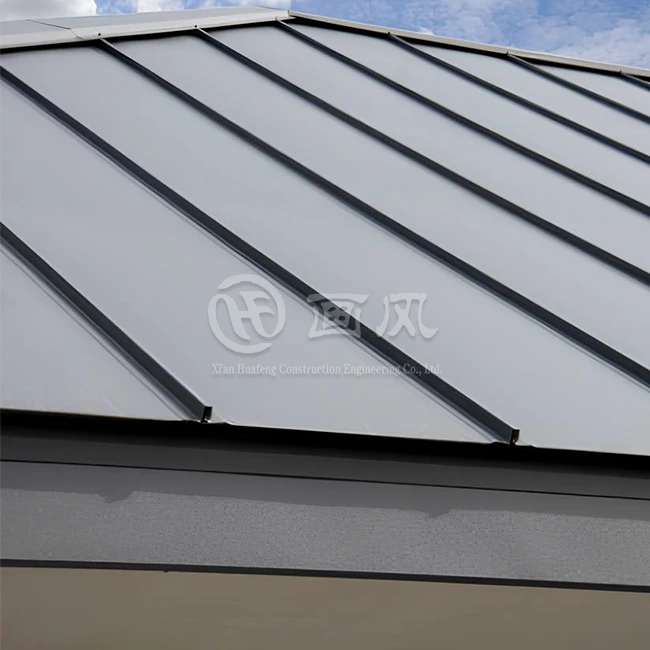
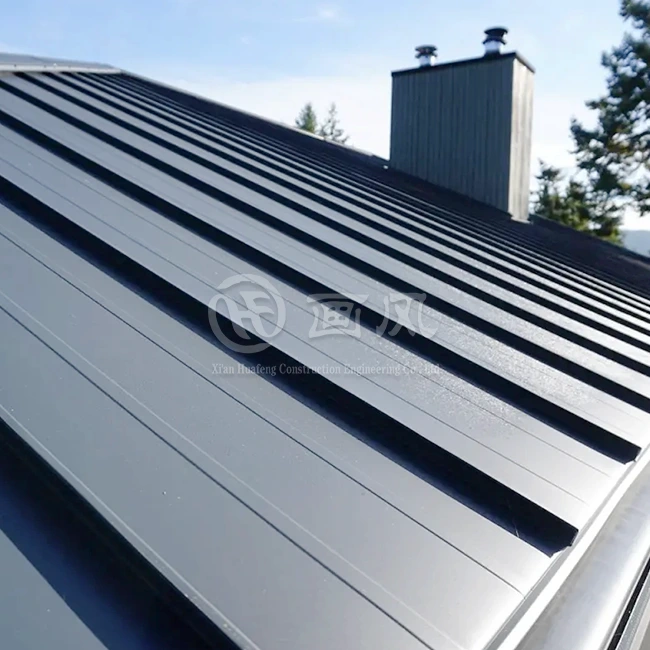
What separates a standing seam pitched metal roof from every other option on the market? The answer comes down to one design decision: concealed fasteners locked by mechanical seaming. Unlike exposed-fastener profiles, every panel in this system is secured through raised interlocking ribs, eliminating screw penetrations entirely. That single difference drives superior waterproofing, longer service life, and a cleaner roofline — which is why roofing contractors and distributors across the U.S. and Canada keep coming back to it for residential and commercial pitched-roof projects.

What Is a Standing Seam Pitched Metal Roof?
The Core Mechanical Principle
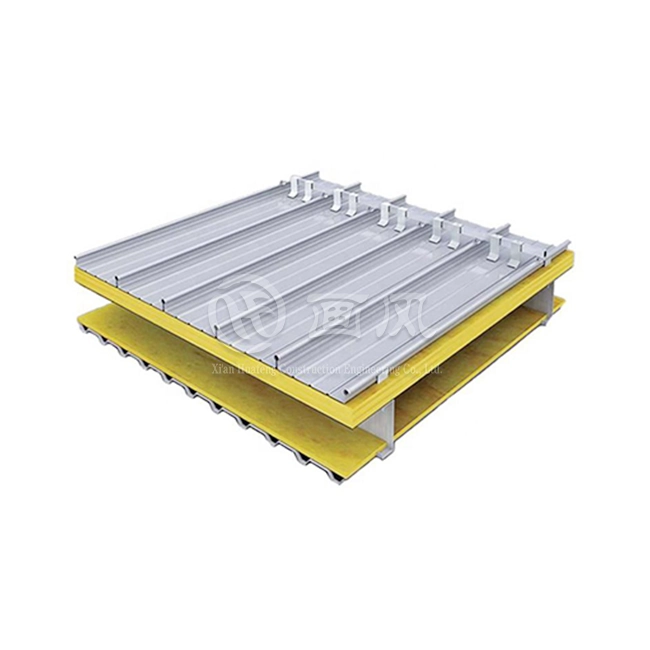
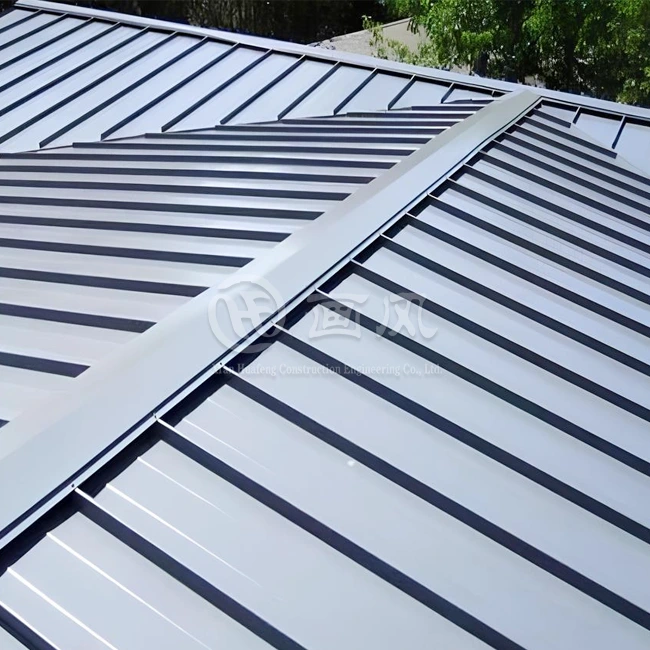
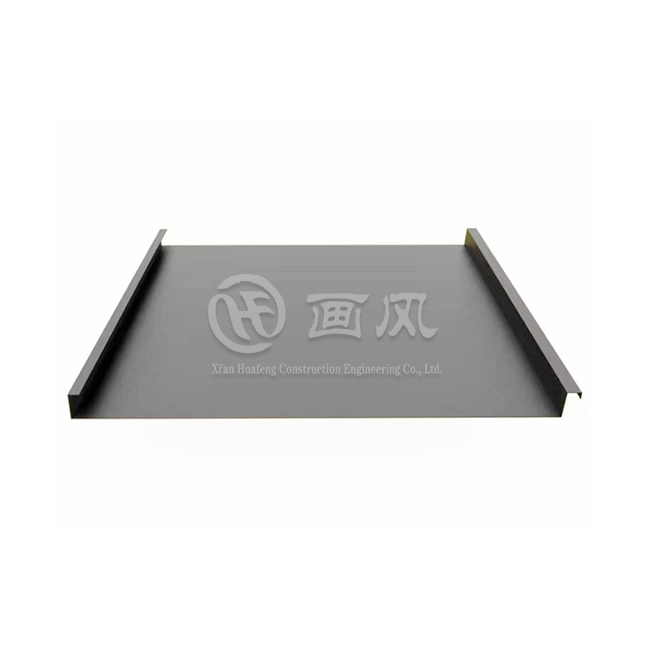
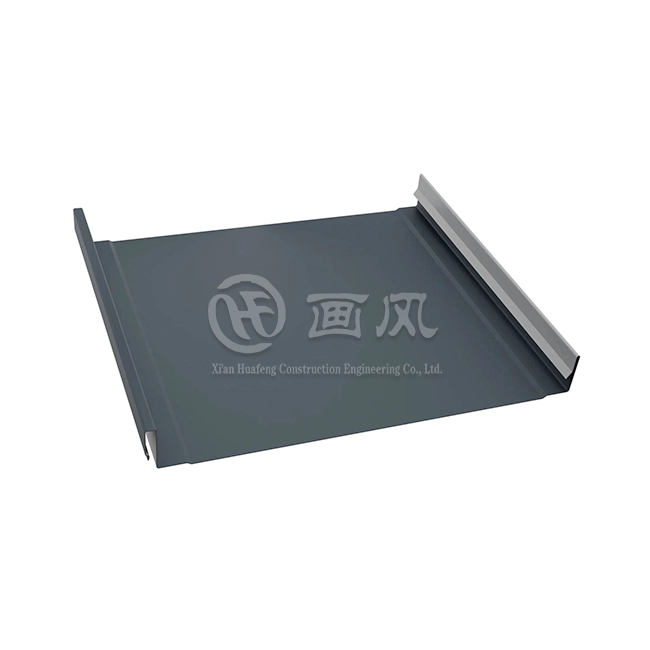
A standing seam system attaches two panels next to each other by folding their vertical edges together on top of a hidden clip. This can be done by snap-locking or mechanically crimping. As long as the clip is attached to the purlin below, the fastener will never touch the panel face. This makes a surface that is waterproof and doesn't have any screw holes, which are what cause most metal roof leaks on other systems.
Panel Geometry and Rib Height
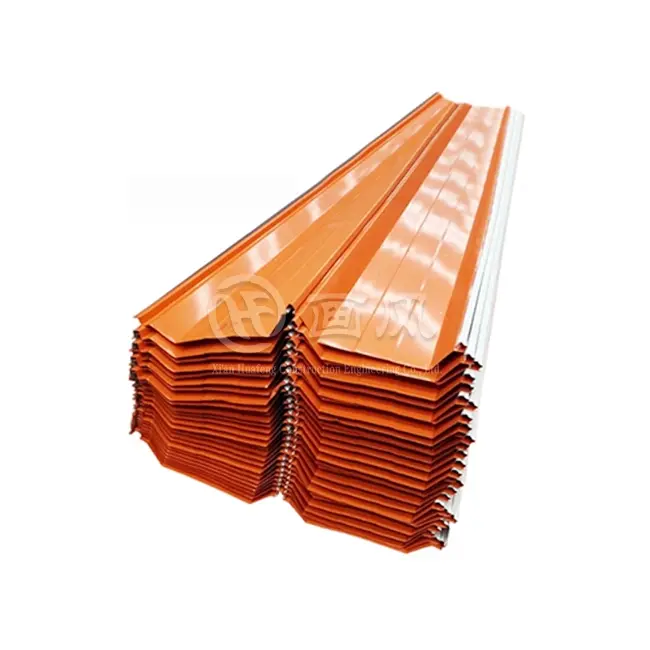
Rib height directly affects how well a structure works. The panel is more stiff, drains water better, and resists wind lifting better when the ribs are higher. HF's standing seam pitched roof panels come in a range of shapes, including 25-330/400/430, 32-410, 45-400, and 65-400/430. The rib heights range from 25 mm to 65 mm, so they can be used on projects with different loads and slopes, from steep home gables to church roofs with a 3:12 pitch.
Material and Coating Options
The thickness of the standing seam pitched metal roof panels ranges from 0.4 mm to 1.2 mm, and they can have a PVDF fluorocarbon coating or a polyester (PE) coating on the outside. Independent SGS tests showed that PVDF systems passed all 13 coating performance items under AAMA 2605-22. These included 5B dry adhesion, zero cracking at 0T flexibility, and a color uniformity delta of ΔEH = 0.3. Standard color-matching needs for any job can be met by a full RAL/Pantone color library.
Key Benefits and Performance Characteristics
No Penetrations, No Leak Paths
Because the fixing clip can move easily under the seam, the panel surface doesn't get broken from the ridge to the fan. The bolts are not stressed when the metal expands and contracts due to temperature changes. This keeps the pull-through and seal failure that happen on screw-down metal roofs over time from happening. That is important for a contractor whose warranty is at risk with every fastener that is left out.
Wind Uplift and Weather Resistance
Mechanical seaming makes a joint that goes all the way along the length of the panel. The wind lifting performance of this design has been tested to meet ASTM E1592 standards. Most U.S. commercial building codes and NRCA guidelines say that panels must be able to move longitudinally while still being resistant to pulling out from uplift forces. Floating clips make this possible.
Long Service Life With Low Maintenance
Most metal roofing systems in North America have PVDF finishes and Galvalume or aluminum bases that last 40 years or more. It comes with a 30-year guarantee from HF for its standing seam pitched roof design. Because the surface doesn't hold debris in place and doesn't have any exposed fasteners that need to be tightened, maintenance visits are limited to clearing the gutters and inspecting the flashing every so often. This is helpful for building owners who are comparing the lifecycle cost to asphalt shingles, which usually need to be replaced every 20 years.
Comparing Standing Seam Pitched Metal Roofs With Other Roofing Options
Standing Seam vs. Exposed-Fastener Metal Panels
Exposed-fastener curved or R-panel shapes are cheaper up front, but they need new gaskets because the screws come loose when the temperature changes. Standing seam pitched metal roof panels have a higher material cost—typically 20–40% more per square foot installed—but because they don't have any holes or penetrations, they last much longer between maintenance visits.
Standing Seam vs. Asphalt Shingles
Although they must be changed every 15 to 25 years, asphalt shingles are still the most popular form of residential roofing material in the United States. This implies that a homeowner will need to replace an asphalt shingle roof twice or three times before it has to be mended on a metal standing seam system. In warm climates, metal roofs may save cooling expenses by 10–25%, according to the Metal Construction Association (MCA). This is because solar heat gain is prevented by reflecting coatings on metal roofs.
Standing Seam vs. Tile or Slate
Both natural slate and clay tile are long-lasting, but they increase the roof's weight and often need additional supports. Compared to tile, which weighs 6–10 lb/sq ft, a 24-gauge Galvalume standing seam panel weighs around 1.3–1.5 lb/sq ft. This reduces the cost of erecting new structures cheaper and makes it simpler to re-roof existing buildings.
Procurement and Installation Insights for B2B Buyers
Compliance Documentation Buyers Require
For contractors in the US and Canada, the most important papers are an ASTM E1592 wind-uplift test report, a current PVDF or PE coating spec sheet with color chip data, and mill certificates that match the coil that was shipped. HF panels are made to meet the standards of ASTM, DIN, JIS, BS, and GB/T. This means that procurement managers can get paperwork that meets both domestic building codes and international project needs. If those papers are matched to the order before it is made, there won't be any batch color disagreements after delivery.
Supply Capacity and Lead Times
HF can offer 1,000 tons of goods every month thanks to its three factories, seven production lines, and more than 40 processing tools. Delivery usually takes 15–20 days after the order is confirmed. The smallest amount that can be ordered is 500 square meters, which is equal to one ton. This is so that only a single project's worth of materials don't have to be kept on hand.
Tool Compatibility and On-Site Efficiency
Snap-lock standing seam pitched metal roof profiles can be used without a seaming machine, which makes them useful for steep-pitch home projects where a mechanical seamer would not work as well. For structural mechanically seamed profiles, you need an electric seaming tool that works with them. Before placing an order, contractors should check with their supplier to make sure the tool works with their order, since seam geometry changes from profile to profile. HF has a range of profiles with both snap-lock and mechanical seam options for the different rib heights.
Design Applications and Adaptability
Residential and Church Rooftops
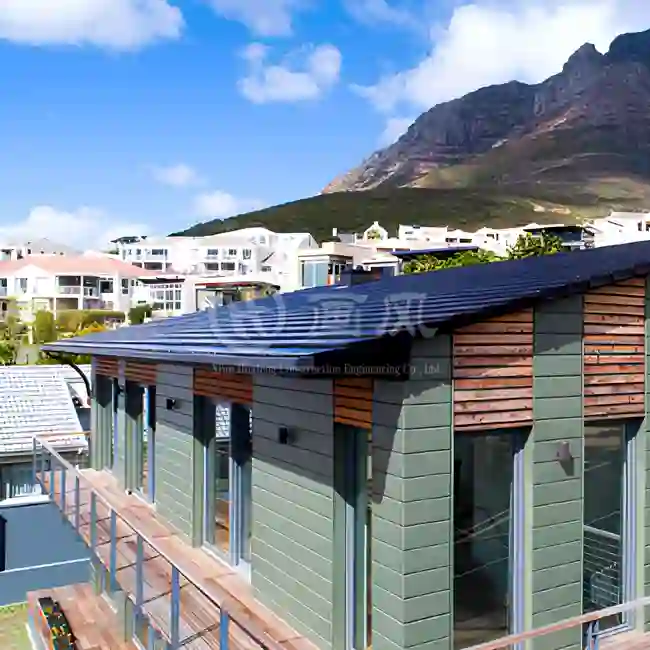
The clean vertical-rib shape looks like it belongs on residential and church buildings with steep slopes, where curb appeal is just as important to owners as performance data. For these kinds of projects, color consistency across long runs of panels is important. PVDF coatings keep colors true for decades, making it less noticeable when they change color between installation stages.
Commercial and Industrial Buildings
Long continuous panels that are made to project length to get rid of horizontal laps work well for business roofs with a lot of space, like those on warehouses, transportation centers, and factories. Fewer laps mean that there are fewer places where water could get into thousands of square feet of roof space.
Solar-Ready Integration
Standing seam ribs can hold photovoltaic modules with S-5! style clamps that don't require drilling into the panel, which keeps the roof waterproof. This makes the system a good choice for BIPV projects where the owners want to add solar panels without voiding the warranty on the roof.
Conclusion
Because they have no visible fasteners, standing seam pitched metal roofs are always at the top of the list of requirements, which affects the roof's overall performance. This design decision immediately results in improved wind resistance, a longer service life, cheaper maintenance costs, and a more esthetically pleasing structure. Because they have verified compliance documentation, constant coating quality, and dependable supply schedules, one vendor receives repeat business from builders and dealers that need panels for residential, commercial, or church projects. That connection is supported by the configuration of HF's documented test credentials and production capacity.
FAQ
1. How long does a standing seam metal roof last?
Most standing seam systems using PVDF-coated Galvalume or aluminum substrates carry manufacturer warranties of 30-40 years, with actual service life often exceeding 50 years in typical North American conditions. HF offers a 30-year warranty on its standing seam pitched roof system.
2. What is the minimum slope for this roof type?
In typical installations, standing seam systems are intended for slopes of at least 3:12. Certain profiles with factory-applied seam sealant may function at lower slopes, however this should be verified using test results unique to the product and local building code specifications.
3. Does snap-lock or mechanical seam perform better?
Snap-lock profiles install more quickly and function well for typical residential pitches over 3:12 with typical wind loads. For low slopes or strong wind areas where ASTM E1592 test results are required, mechanical seam profiles are the best option since they provide greater uplift resistance.
4. What causes oil canning, and can it be prevented?
Internal tension in light-gauge metal causes oil canning, which is a visible waviness in the flat panel region. It is not a flaw in the structure. Its visibility is greatly decreased by choosing panels with stiffer striations and thicker gages (e.g., 0.7 mm or higher).
5. What is the MOQ for a project order?
HF's minimum order quantity is 500 square meters or 1 ton, which aligns with single-project volumes for most residential and small commercial jobs.
Get a Quote From HF — Your Standing Seam Pitched Metal Roof Supplier
HF (Xi'an Huafeng Construction Engineering Co., Ltd.) stands behind its standing seam pitched metal roof panels with test reports that are in line with ASTM standards, PVDF coatings that are approved by AAMA 2605-22 standards, and a 30-year promise. The company can produce 1,000 tons of panels per month and send them in 15 to 20 days. Send your project details, panel profile, and color needs to huafeng@hfmetalroof.com to get an example and a full price.
References
1. Metal Construction Association (MCA). Metal Roofing: Energy Efficiency and Long-Term Performance. 2022.
2. National Roofing Contractors Association (NRCA). The NRCA Roofing Manual: Metal Panel and SPF Roof Systems. 2023.
3. American Society for Testing and Materials (ASTM). ASTM E1592: Standard Test Method for Structural Performance of Sheet Metal Roof and Siding Systems. 2022.
4. American Architectural Manufacturers Association (AAMA). AAMA 2605-22: Voluntary Specification, Performance Requirements and Test Procedures for Superior Performing Organic Coatings on Aluminum Extrusions and Panels. 2022.
5. Oak Ridge National Laboratory. Thermal Performance of Metal Roofing Systems. U.S. Department of Energy, 2020.
6. RS Means / Gordian. Building Construction Cost Data: Roofing Systems Unit Price Reference. 2023.





YOU MAY LIKE