How to Choose a Black Metal Standing Seam Roof
2026-10-12 18:52:00
Choosing a black metal standing seam roof for a high-end residential or commercial project is more than a visual decision. It requires careful evaluation of coating technology, panel geometry, gauge selection, warranty depth, and supplier reliability. The right system will deliver a clean matte or gloss black finish that holds color for decades while performing under wind, rain, and thermal stress. This guide walks custom home builders and design-build firms through every factor that matters before placing an order.

Understanding Black Metal Standing Seam Roofs
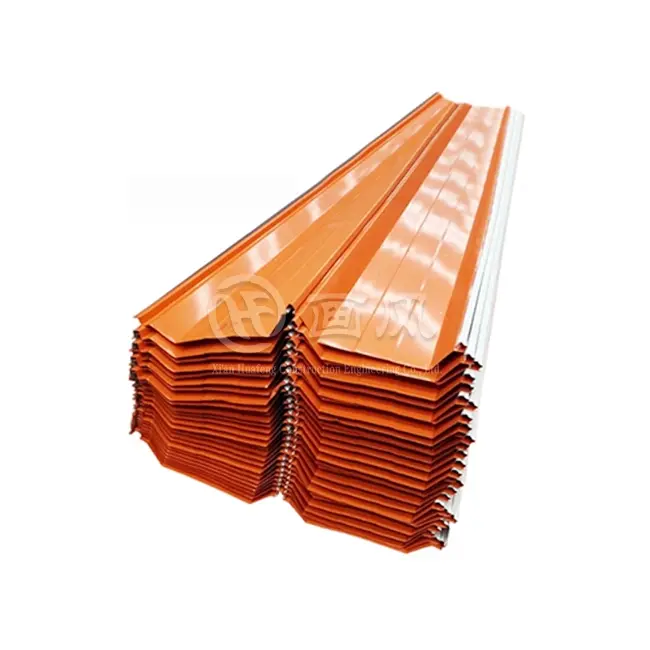
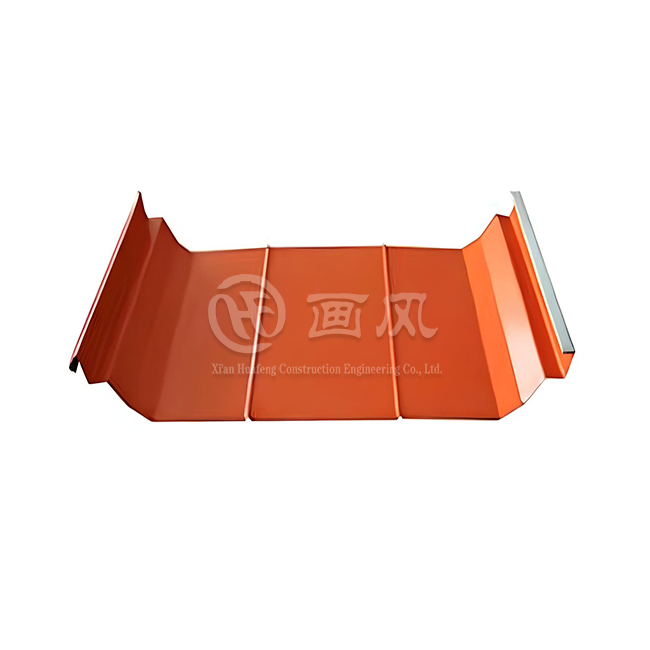
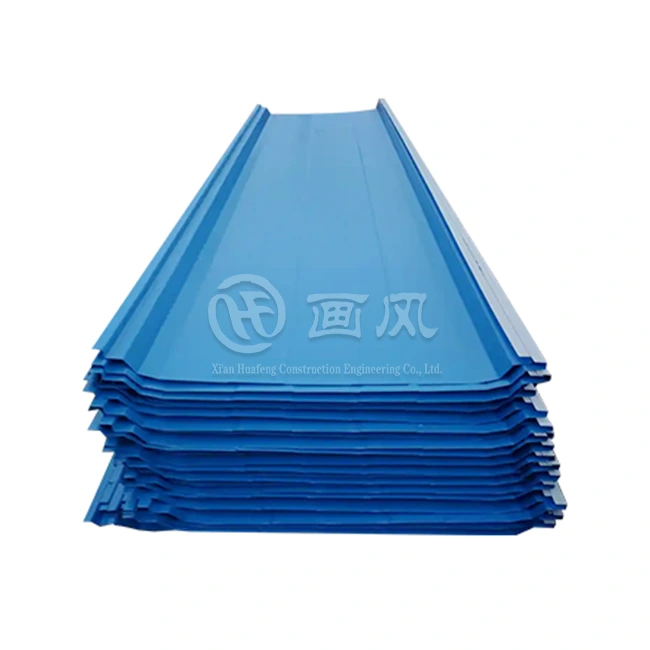
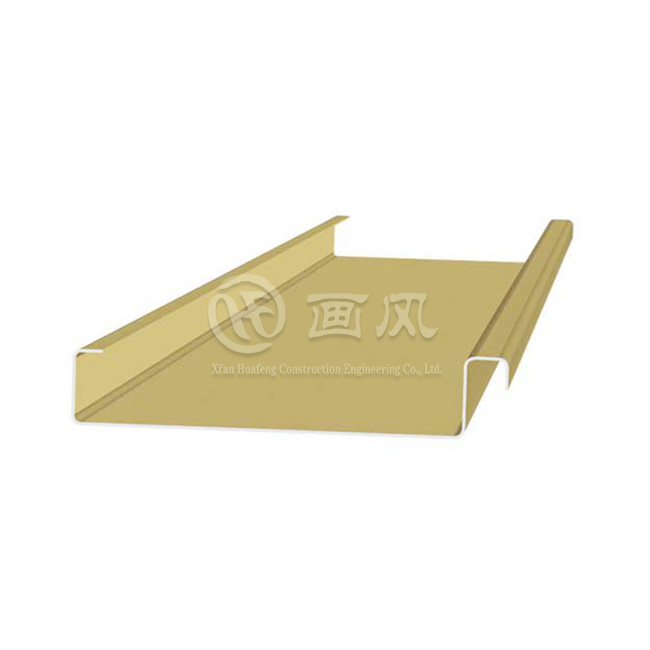
Instead of pins that are visible, a standing seam metal roof has vertical legs that fit together and lock together. This design gets rid of common places where water can get in and lets the panels move around while they expand.
What Makes the System Work?
Each panel is attached to the base with a hidden clip. The watertight seal stays in place across the whole roof because no bolt goes through the panel face. Mechanical seaming connects panels next to each other, making a continuous weather barrier that works on slopes as low as 2:12.
Why Black Finishes Demand Extra Attention?
Infrared energy is absorbed more by dark surfaces than by light ones. This problem is fixed by high-quality makers using IR-reflective pigments mixed in with 70% PVDF (Kynar 500) coatings. These coatings raise the Solar Reflectance Index to about 25–30, even on black screens. Without this technology, surface temperatures rise a lot, which speeds up the breakdown of coatings.
Lifespan and Maintenance Reality
A steel or metal standing seam panel that has been properly treated should last between 30 and 50 years. It's easy to maintain once a year: just rinse it with clean water and remove any organic matter like pine needles and leaves that stick to the dark finish and trap water. Because the building doesn't need much upkeep, its ownership costs are lower over its lifetime.
Critical Factors to Consider When Choosing a Black Metal Standing Seam Roof
Choice of panel involves balancing how it looks, how well it holds up, and how much it will cost in the long run. It costs a lot to fix this balance after installation if it is wrong when the specifications are being made.
Gauge, Profile, and Oil Canning
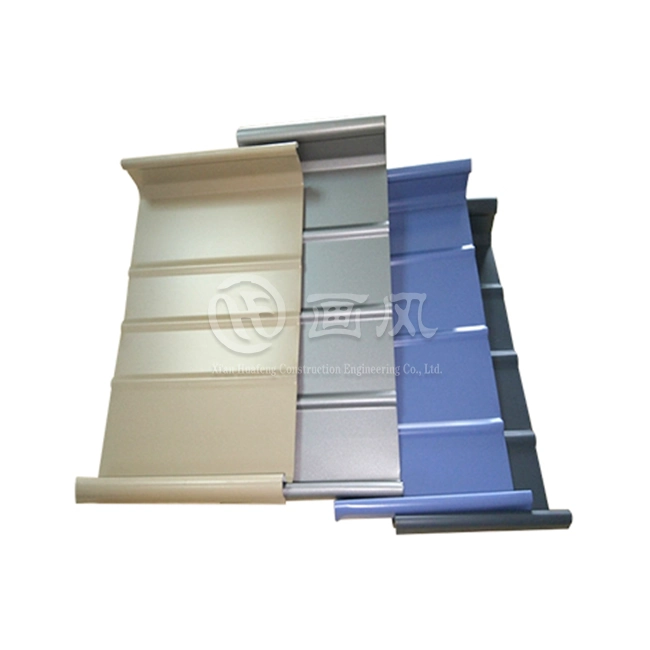
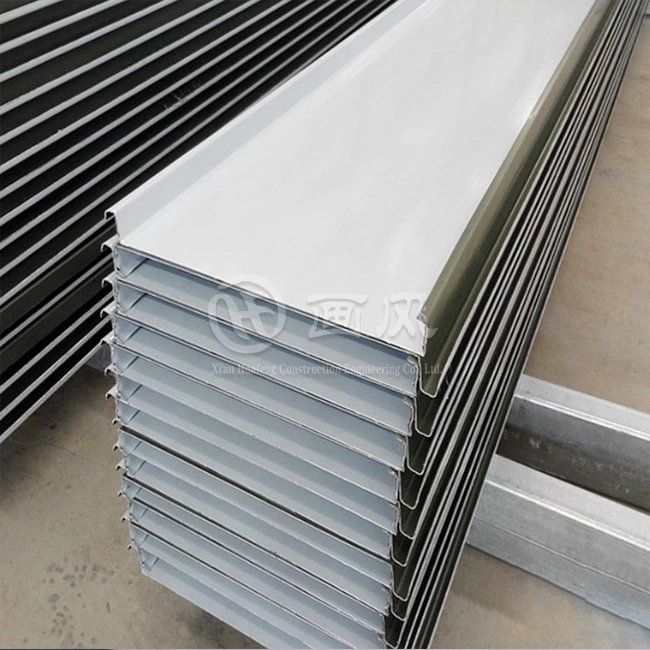
Oil canning, which is visible wavering on the flat pan, is much easier to see on black metal standing seam roof panels than on lighter ones. This is because dark surfaces reflect light in a way that makes flaws on the flat surface stand out. The most direct way to reduce the risk is to specify 24-gauge (0.60 mm) or thicker steel. The risk is even lower when tension-leveled coil and strengthening ribs are added to the panel design. The profiles in HF's product line go from 25-330 to 65-400/430, and the thicknesses range from 0.4 mm to 1.2 mm. This gives design teams enough options to meet the needs of the structure without sacrificing appearance.
Coating Grade and Color Stability
The type of protection tells you how long the black finish will stay that way. A 70% PVDF system built to meet AAMA 2605 standards keeps color shift (Delta E) to less than 5 units over 20 years and keeps chalk rate decline to the same amount of time. Polyester coatings are cheaper up front, but they fade much more quickly on black areas that are in full sunlight. PVDF is the only sensible choice for high-end domestic projects where the roof is the main visual statement.
Certification and Standards Compliance
Teams in charge of buying things should make sure that panels have test reports that meet internationally accepted standards. Astm, DIN, JIS, BS, and GB/T all say that HF goods are safe. Independent SGS testing proves that the AAMA 2605-22 coating works well on all 13 test items, including color accuracy, adhesion, impact resistance, chemical resistance, and flexibility. It also shows that the coating meets EU RoHS safety standards for the environment. These certificates from a third party lower the risk of projects that need to meet the standards of a local building code or a green building program.
Black Metal Standing Seam Roof vs. Other Roofing Materials: A B2B Comparison
People who build custom homes are often asked if the extra cost of a dark metal roof over asphalt shingles or concrete tile is worth it. The truth is that it depends on the performance window you choose.
Strength, Weight, and Corrosion Resistance
At thicknesses of 0.5 mm to 0.7 mm, steel panels weigh a lot less per square meter than concrete tiles, which means that less support load is needed. Galvalume base (AZ50/AZ55) protects against corrosion better than asphalt roofs. Aluminum panels are even more resistant to rust in coastal areas where salt air breaks down less durable materials faster.
Lifecycle Cost vs. Upfront Price
Asphalt shingles are supposed to last 20–30 years, but in tough conditions, they usually need to be replaced or fixed in major ways every 15–20 years. A standing seam metal system with a 30-year warranty from the manufacturer and a service life of 40–50 years changes the total cost calculation in a big way. When builders give clients prices for projects based on how much they will cost each year, the premium metal choice usually comes out on top.
Energy and Operational Advantages
The space between a black metal standing seam roof panel and the roof deck, called an air gap, works as a passive thermal break when the system has enough air flow. This, along with IR-reflective black pigment technology, lowers the cooling load compared to regular black roofs. For projects that want to get LEED certification or follow state energy codes, documented SRI values from manufacturer test reports help the application.
How to Source and Procure Black Metal Standing Seam Roofs Efficiently?
Making mistakes with sourcing at this point costs time and money. Color differences between runs and long lead times for samples are the two most common problems that cause projects to be late.
Here are the main buying checkpoints that will keep project deadlines and quality in check:
- Batch color consistency: Request spectrophotometer readings from multiple production runs before committing to a large order. A matte black profile from one coil run must match the next within the Delta E tolerance documented in your supply agreement.
- Sample lead time: Confirm the manufacturer's standard sampling process. HF supports custom sample orders with a minimum quantity of 500 square meters or 1 ton and a standard production and delivery window of 15–20 days.
- Warranty documentation: Secure a written 30-year warranty that specifies fading, chalking, adhesion, and structural performance limits. Verbal assurances are not sufficient for high-value projects.
- Supply capacity: Verify that the manufacturer can meet peak demand without quality compromise. HF operates three factories with seven production lines and more than 40 machines, supporting a monthly output of 1,000 tons.
Before a purchase order is sent out, these checkpoints give procurement managers a clear picture of the quality and risk. By confirming them early, you can avoid plan delays caused by resampling or switching suppliers in the middle of a project.
Making the Final Decision: Matching Solutions to Your Project Needs
The final choice of specifications should be based on the size and type of the project, not just how nice it looks.
Small Custom Residential Projects
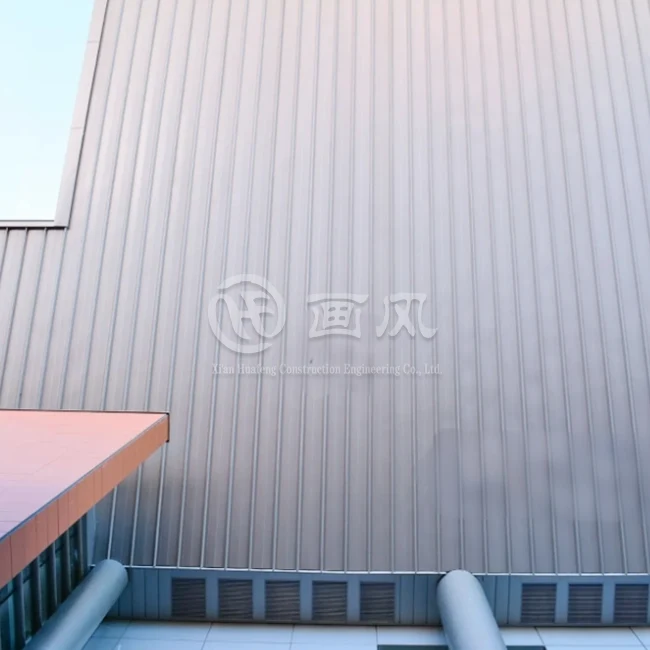
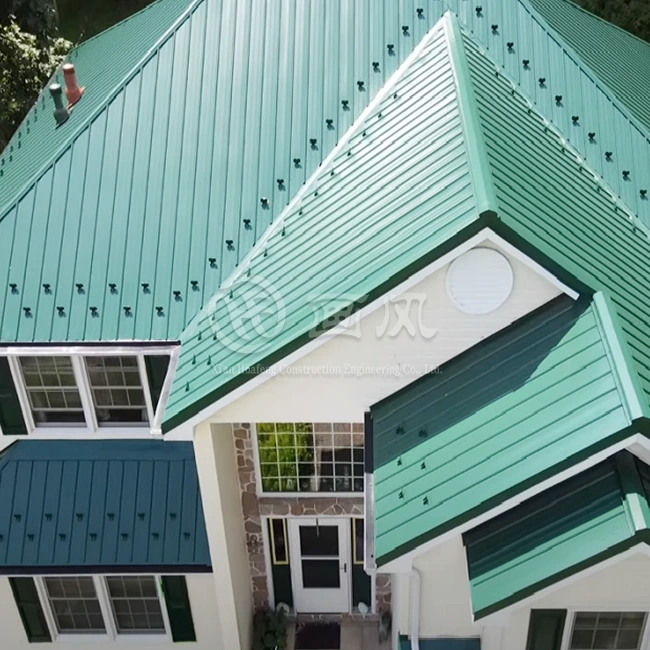
For single-family luxury homes, the most important things are how they look and how long the coating lasts. The clean, shadow-free look that architectural photographers and real estate listings want can be achieved with a black metal standing seam roof in a 25-330 or 45-400 profile. The concealed fastener system keeps the lines tight and gets rid of the rust streaks that appear on profiles with exposed fasteners over time.
Large Commercial or Mixed-Use Projects
For shopping malls, small hotels, and apartment complexes with multiple units, buying in bulk makes it okay to negotiate directly with the factory about price and wait time. With a monthly supply capacity of 1,000 tons, HF can handle big orders without lowering the standard of each batch. Large roof planes need wind uplift resistance that often goes above and beyond UL 90 performance standards. Panel profiles like 65-400/430 with higher seam height provide this.
Renovation and Replacement Work
When a design architect asks for changes late in the process, renovation workers have to deal with an extra problem: they have to fit a current profile or color. If you work with a manufacturer that keeps a variety of panel profiles in stock and can resample quickly, you can avoid losing money if you need to change the specifications at the last minute.
Conclusion
Three things determine which black metal standing seam roof system is best: the finish grade, the panel shape, and the supplier's responsibility. PVDF over a good substrate in the right gage meets the needs for both looks and durability. The right shape takes care of both structural and heating needs. The risk is taken on by a supplier with proof of certifications, uniform batch quality, and a written 30-year guarantee. Getting all three right sets up a high-end residential or business job to last for a long time with little upkeep.
FAQ
1. Does a black metal roof make a building significantly hotter?
IR-reflective pigments are used in modern PVDF coatings to raise the Solar Reflectance Index to 25–30, even on black panels. With a gap of air that lets air flow between the panel and the deck, the surface temperature rises much less than with regular carbon black surfaces.
2. Will oil canning be visible on dark metal panels?
Yes, dark surfaces make it stand out more. Heavy-gauge steel (24 gage or thicker), tension-leveled coil, a matte or textured finish that spreads out light that bounces off of it, and stiffening ribs pressed into the panel profile are all practical solutions.
3. How long does black color hold before fading?
Based on AAMA 2605, a 70% PVDF method keeps color shift to less than 5 units and chalk rating decline for 20 years or more. Polyester coatings of lower quality fade more quickly, and black areas that are in full sunlight should not have them.
4. Can snow guards be installed without voiding the warranty?
Yes, as long as you ask for clamp-on style guards that don't go through the inner leg. Any guard design that needs to be drilled through the panel face will likely create leaky spots and void the warranty on weathertightness.
Get a Sample Quote from HF — Trusted Black Metal Standing Seam Roof Manufacturer
HF (Xi'an Huafeng Construction Engineering Co., Ltd.) has three factories with seven production lines that make black metal standing seam roof panels. Each factory can make 1,000 tons of panels every month. Our panels come with a 30-year guarantee, are made to meet ASTM, DIN, JIS, BS, and GB/T standards, and are shipped 15–20 days after an order is approved. All of your needs are met by our team, whether you need a small sample run or a full project number. You can email us at huafeng@hfmetalroof.com to get pricing and specifications.
References
1. Metal Construction Association. Metal Roofing Systems Design Manual. 2020.
2. American Architectural Manufacturers Association. AAMA 2605-22: Voluntary Specification, Performance Requirements and Test Procedures for Superior Performing Organic Coatings on Aluminum Extrusions and Panels. 2022.
3. Oak Ridge National Laboratory. Thermal Performance of Building Envelope Details for Mid- and High-Rise Buildings. U.S. Department of Energy, 2019.
4. ASTM International. ASTM E1592: Standard Test Method for Structural Performance of Sheet Metal Roof and Siding Systems. 2022.
5. Cool Roof Rating Council. CRRC Rated Products Directory: Solar Reflectance and Thermal Emittance Data. 2023.
6. National Roofing Contractors Association. The NRCA Roofing Manual: Metal Panel and SPF Roof Systems. 2021.





YOU MAY LIKE