Why Choose a Black Metal Standing Seam Roof for Modern Homes?
2026-10-12 18:51:50
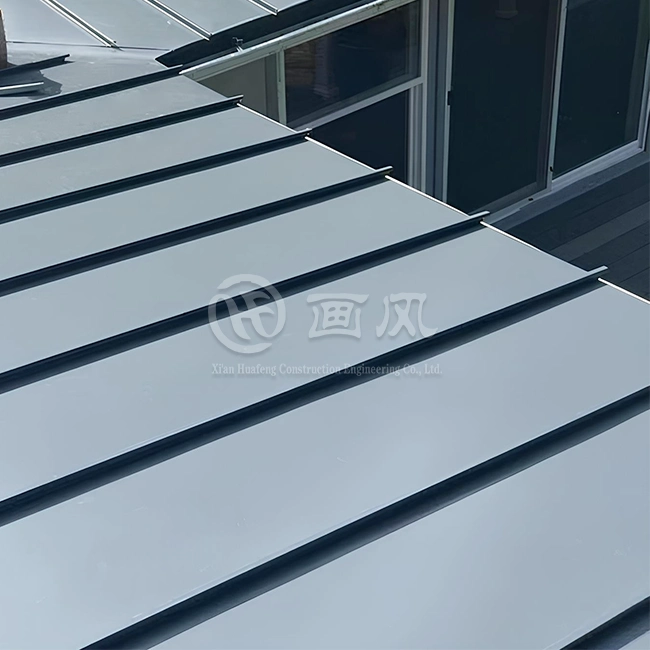
A black metal standing seam roof is one of the strongest visual and structural decisions you can make for a modern home. With concealed fasteners, interlocking raised seams, and a deep matte or gloss black finish, this roofing system delivers both weather protection and architectural sharpness that asphalt shingles simply cannot match. For custom home builders and design-build firms targeting the premium residential market, it adds measurable property value, supports clean facade lines, and holds its appearance for decades — making it a sound long-term investment.

Understanding Black Metal Standing Seam Roofs: Features and Benefits
What makes a roofing system work well over time is something that you should know before you decide on a material. There are important differences between how a standing seam metal roof works and other types of roofs.
What Makes the System Work?
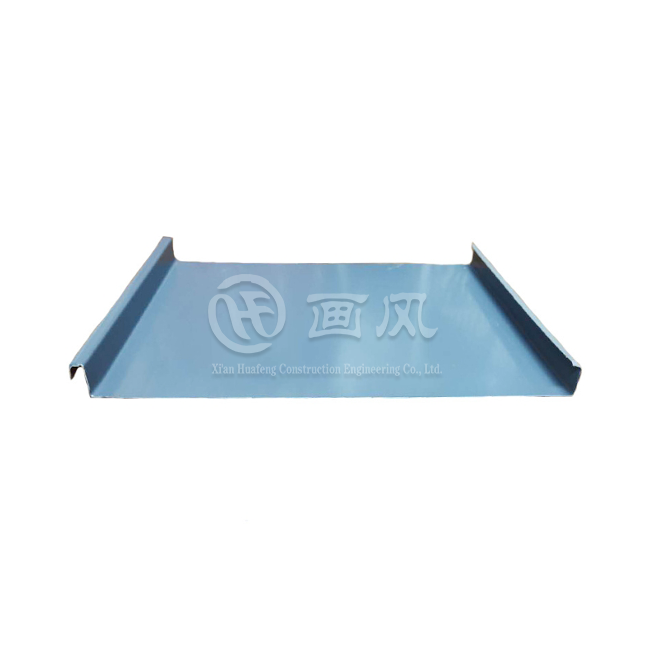
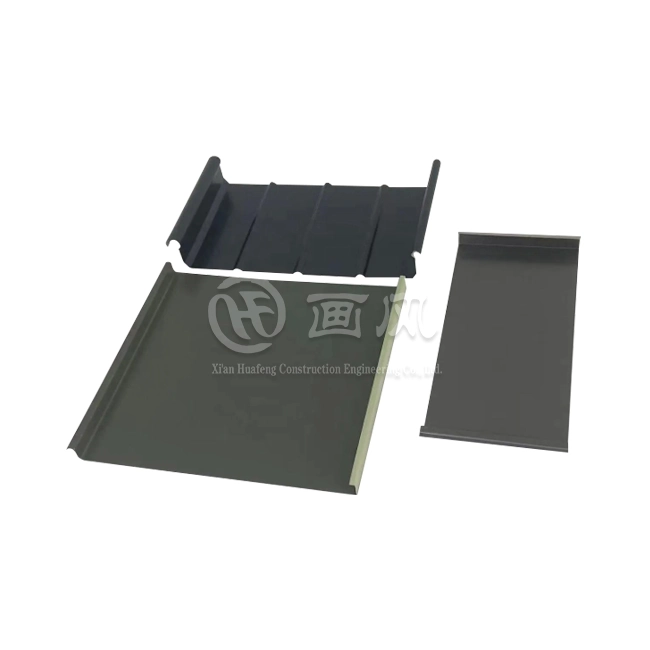
The panel is made up of vertical legs that fit together and stick out above the flat pan surface. The panels are attached to the deck with hidden clips that let the temperature change without putting stress on the finish or base. This gets rid of the places where leaks can happen when fasteners are left out in through-fastened systems. This is especially important for dark roofs because black metal surfaces absorb more solar heat and expand and contract more than lighter ones.
PVDF Coating and Color Stability
The coating is what makes the color last for a long time. Over 20 years, a 70% PVDF (Kynar 500) finish keeps fading to a Delta E of less than 5. This is a real standard, not just a marketing claim. You can get PVDF or PE coatings on HF's black panels, and AAMA 2605-22 test results show that they have 5B adhesion ratings, don't crack in T-bend flexibility tests, and are fully chemical resistant. For matte black in particular, gloss levels below 10 GU stop light from scattering, which would make surface imperfections stand out more.
Energy Efficiency Through Smart Engineering
A lot of builders think that black roofs always make cooling costs go up. That has changed with new IR-reflective color technology. Chemically changed black pigments reflect some infrared light, which raises the Solar Reflectance Index to 25 to 30 (which is a lot higher than regular carbon black). With the air gap under the black metal standing seam roof panel and good attic ventilation, the thermal load on the building envelope stays manageable even in warmer places.
Black Metal Standing Seam Roof vs Traditional Roofing Materials: A Comparative Analysis
When picking a roofing system, you should think about how well it will work in the long run, not just how much it costs at first. This is how dark-finish standing seam metal stacks up against the most popular options.
Against Asphalt Shingles
Asphalt shingles usually have a 20–30 year manufacturer's warranty in perfect conditions. However, they don't last as long in places where it freezes and thaws a lot or where they are exposed to a lot of UV light. A standing seam metal roof on a modern home that was installed correctly usually lasts longer than 50 years. Shingles also need new granules and are more likely to be lifted by the wind at slower speeds. Metal panels made to meet UL 90 wind uplift standards stay in place in windy situations that would normally tear off regular shingles.
Against Corrugated and Tile Roofing
Fasteners on corrugated shapes are left open, which is where water can get in first after UV damage. Tile is strong, but it's heavy, which limits the types of structures that can be built and raises the cost of framing. The clean horizontal lines that describe modern and current farmhouse building can't be found in either of these materials. Dark metal panels with even seam spacing make a grid design that looks good in pictures and adds weight to a surface without being too much.
Debunking the Oil Canning Concern
On dark, high-gloss surfaces, oil canning, which is the visible wave in the flat pan of a metal panel, is a real concern. The fix is easy: choose steel that is at least 24 gage, choose a matte or rough finish that spreads out light that is reflected, and make sure that the coil was tension-leveled before it was rolled. HF's production quality control routine includes checking all black panel runs visually to make sure they meet tension leveling standards. This takes care of the problem right away, before the panels leave the plant.
Cost and Procurement Guide for Black Metal Standing Seam Roofs
When buying teams know the full picture of costs, they can make choices with confidence and avoid surprises during the project's completion.
Material and Order Structure
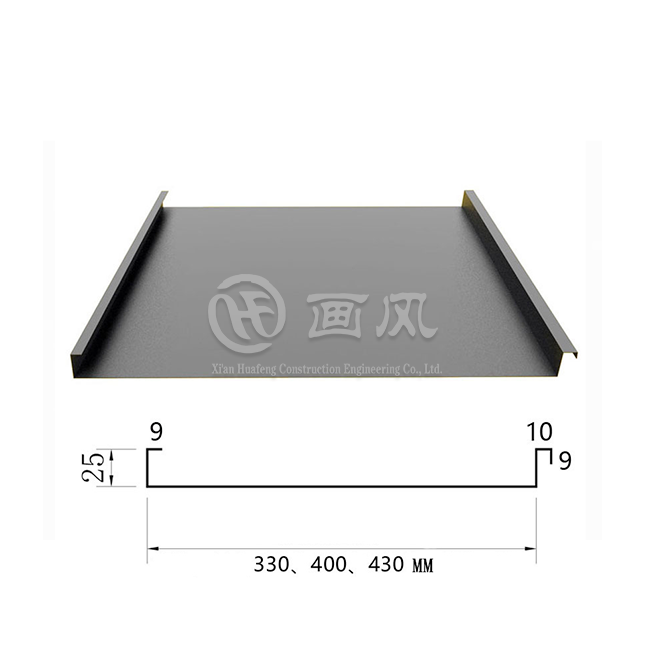
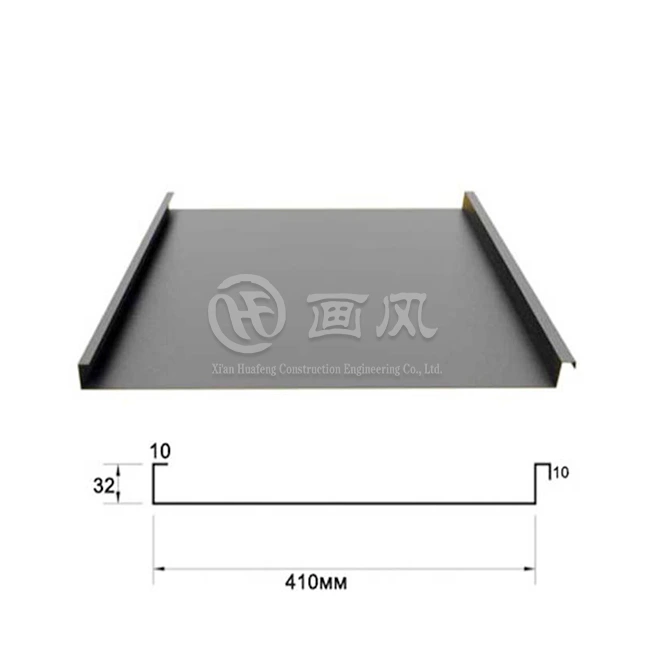
HF's black metal standing seam roof panels come in profiles such as 25-330/400/430, 32-410, 45-400, and 65-400/430, and they can be as thin as 0.4mm or as thick as 1.2mm. The smallest amount that can be ordered is 500 square meters, which is equal to 1 metric ton. Usually, delivery takes 15 to 20 days after the order is confirmed. With three factories and seven production lines that can handle 1,000 tons of material every month, HF can help with projects of all sizes, from single-family homes to apartment complexes with multiple units.
Evaluating Total Cost of Ownership
Standing seam metal costs more per square foot at first than asphalt. In thirty years, though, the math changes. Metal roofs don't need to have their granules replaced, are resistant to pests, and don't soak up water. HF's panels come with a 30-year warranty, which lowers the company's financial risk over the lifecycle of the asset. When you add in fewer upkeep calls and lower insurance rates in windy areas, the total cost of ownership is often less than the cost of replacing asphalt over and over again.
Supplier Selection Criteria
When buying black panels, there is a real risk that the colors won't be the same from batch to batch. This is especially true for phased projects where materials come in different packages. HF manages this with seven separate production lines for color coatings and tight gloss unit tolerances. Products meet ASTM, DIN, JIS, BS, and GB/T standards. They also have SGS certifications for flame retardancy (AS/NZS 1530.3:1999) and EU RoHS compliance, which procurement teams can check on their own.
Maintenance and Longevity: Ensuring Your Black Metal Standing Seam Roof Performs
Even if the roof is well-made, it still needs basic upkeep to last as long as it's supposed to. That being said, standing seam metal is one of the easiest roofing materials to keep up.
Routine Cleaning Protocol
Organic matter like fir needles, leaves, and pollen sticks to the panel surface and keeps water there. It is easier to see organic growth and pollen buildup on black roofs than on lighter finishes. An annual rinse in fresh water gets rid of most of the surface dirt without damaging the coating. Do not use rough tools or acidic cleaners on the PVDF layer because they could damage it.
Inspection Points That Matter
Checking the sealant at penetrations, the connection of clips at panel ends, and any mechanical damage from debris impact should be the main focus of yearly checks. When you install standing seam panels instead of exposed-fastener systems, you don't have to re-torque the fasteners. This saves a lot of time and money on labor over the life of the roof.
Snow Retention Without Warranty Risk
It is normal for snow guards to be put on black metal standing seam roof in northern regions. The right way to do it is to use clamp-on guards that don't go through the panel but do grab the standing seam. Anchors that go through the wall create leak points and void warranties of weathertightness. This is a feature that should be thought about when the specs are being made, not when the job is done.
Making the Right Choice: Why Black Metal Standing Seam Roofs Are Ideal Solutions
For builders and design companies that want to work with high-end homeowners, the choice comes down to three things: how it looks, how well it's built, and how reliable the supplier is.
When choosing between a good black standing seam system and a cheap one, these are the main things you should look for:
Specifications for the coating: PVDF over polyester for black uses. Over 20 years, the difference in color stability between the two is big.
- Coating specification: PVDF over polyester for black applications. The color stability gap between the two is significant over a 20-year horizon.
- Gauge selection: 24-gauge or heavier steel minimizes oil canning on dark surfaces and improves dent resistance.
- Profile compatibility: Panel profiles should match the roof pitch and drainage design. HF offers seam heights from 25mm to 65mm to cover low-slope and steep-slope applications.
- Certification documentation: AAMA 2605-22, ASTM wind uplift, and EU RoHS compliance reports should be available before purchase, not after.
These factors help procurement teams judge any maker in a reliable way. The risk of procurement goes down a lot when suppliers can show proof of independent tests and consistent batch colors. HF's production infrastructure—3 factories, more than 40 machines, and a 1,000-ton-per-month capacity—allows for steady production on a large scale.
Conclusion
If you choose and get it from the right place, a black metal standing seam roof will last for a long time. If you choose the right coating, gage, and shape, your roof will be a design detail that lasts for 30 years or more. It is one of the best ways for custom home builders in the high-end market to tell the difference between a house on the market and one that is actually on the street. HF's production standards, certification paperwork, and 30-year guarantee make it possible to buy with confidence and complete projects on time.
FAQ
1. Will a black metal roof make my home significantly hotter?
Modern PVDF coatings use IR-reflective pigments that raise the Solar Reflectance Index to between 25 and 30, reducing surface temperature compared to standard black pigment. With proper attic ventilation, the thermal impact on interior spaces is manageable in most climates.
2. How long will the black color last?
A 70% PVDF finish is engineered to hold color with a Delta E of less than 5 over 20 years. HF's panels carry AAMA 2605-22 coating certification, with independent SGS test results confirming color uniformity and adhesion performance.
3. What is the minimum order quantity?
HF's minimum order is 500 square meters or 1 metric ton, with a standard lead time of 15 to 20 days.
4. How do I prevent oil canning on a dark panel?
Specify 24-gauge or heavier steel, select a matte finish, and confirm that the supplier performs tension leveling during coil processing. HF's QC protocol includes oil canning inspection on all black panel production runs.
5. Can I add snow guards without voiding the warranty?
Yes. Use non-penetrating, clamp-on snow guards that grip the standing seam. Avoid any anchor that pierces the panel surface, as this voids the weathertightness warranty.
Get Your Black Metal Standing Seam Roof Quote from HF Today
HF, or Xi'an Huafeng Construction Engineering Co., Ltd., has three factories that make black metal standing seam roof panels. Each factory can make 1,000 tons of panels per month, and the finishes are SGS-certified. In one business day, our team will get back to you whether you are looking for a black metal standing seam roof supplier partner or making a straight order for a unique home project. You can email us at huafeng@hfmetalroof.com to get samples and a quote that is tailored to your project.
References
1. Metal Construction Association. Metal Roofing: Technical Guide for Architects and Builders. 2021.
2. American Architectural Manufacturers Association. AAMA 2605-22: Voluntary Specification, Performance Requirements and Test Procedures for Superior Performing Organic Coatings on Aluminum Extrusions and Panels. 2022.
3. Oak Ridge National Laboratory. Thermal Performance of Metal Roofing Systems. Building Envelope Research Program, 2019.
4. McGraw-Hill Construction. Metal Roofing: A Guide for Contractors and Specifiers. 2020.
5. Sherwin-Williams. Kynar 500 PVDF Coatings: Performance Data and Field Results for Architectural Applications. 2022.
6. National Roofing Contractors Association. The NRCA Roofing Manual: Metal Panel and SPF Roof Systems. 2023.





YOU MAY LIKE
(1)_1763110678300.webp "standing seam metal roof panels")