Aluminum Standing Seam Roofing Panels: Maintenance Tips
2026-10-10 18:24:19
Aluminum standing seam roofing panels are one of the most low-maintenance metal roofing options available — but "low maintenance" does not mean "no maintenance." For coastal contractors, resort developers, and procurement managers working in high-salt environments like Florida, California, or the Caribbean, a structured upkeep routine directly protects your investment. This guide breaks down practical maintenance priorities, common failure points, and how selecting the right panels from the start — such as HF's PVDF-coated aluminum systems — reduces your long-term service burden significantly.

Understanding Aluminum Standing Seam Roofing Panels and Their Maintenance Needs
What Makes These Panels Different?
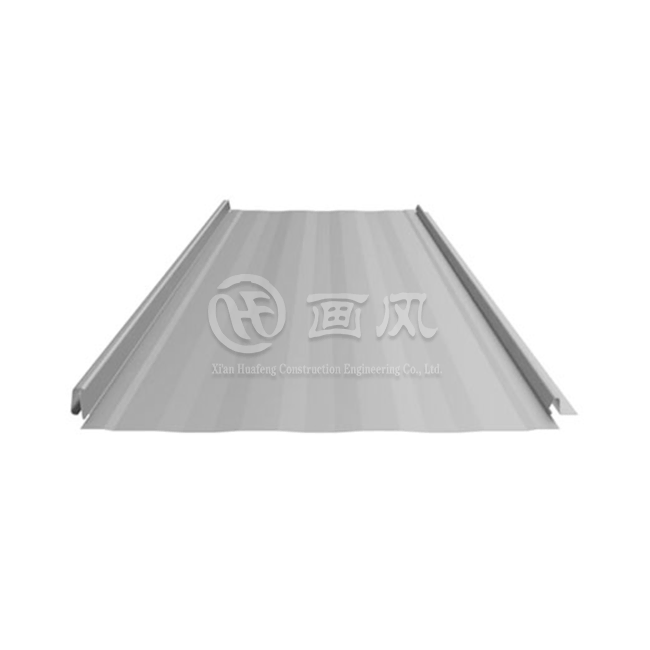
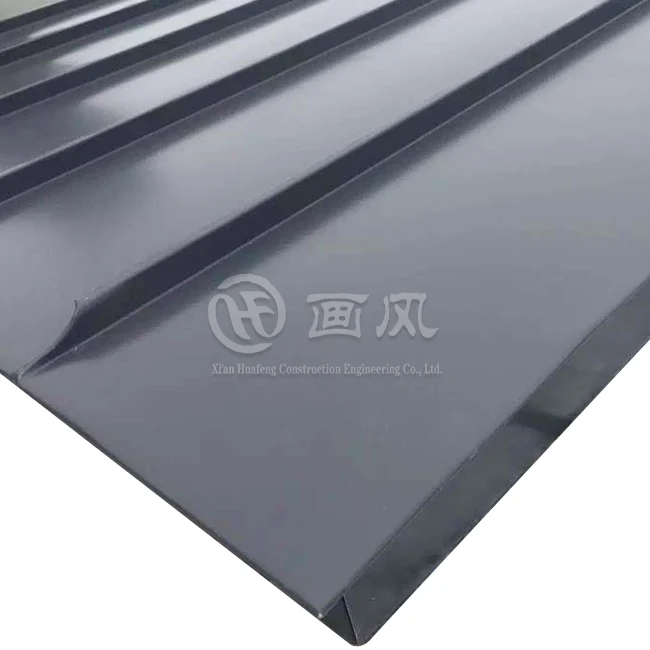
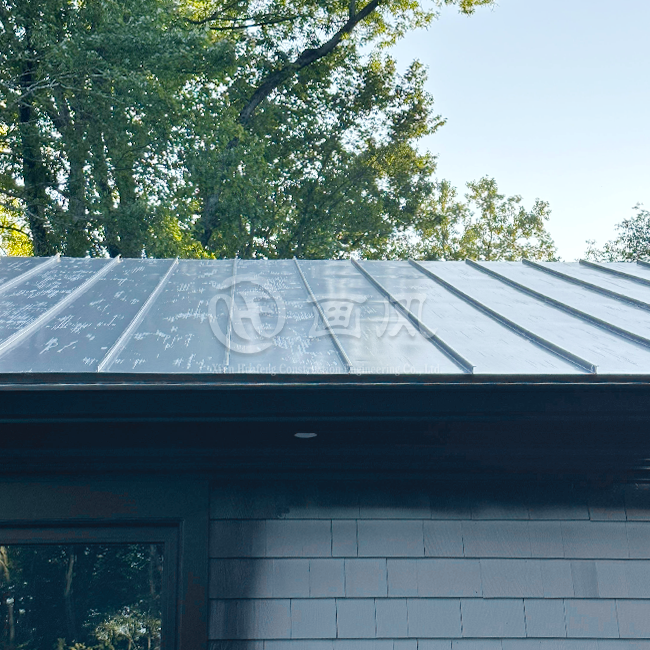
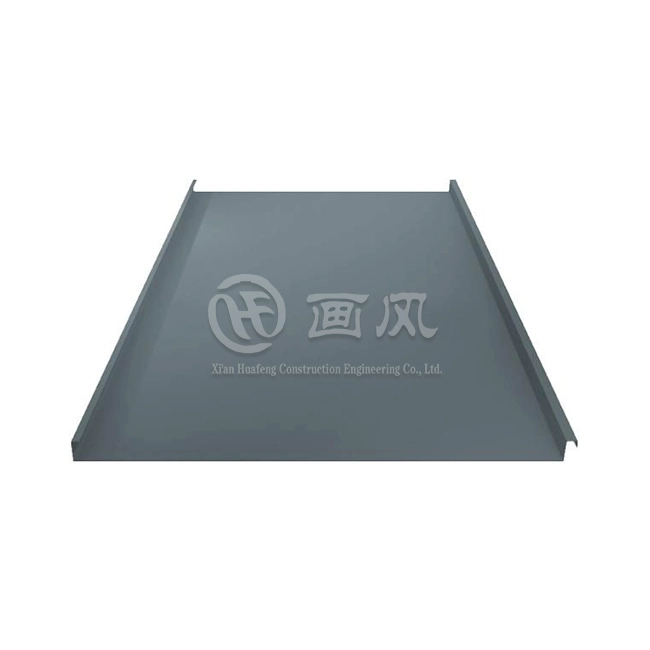
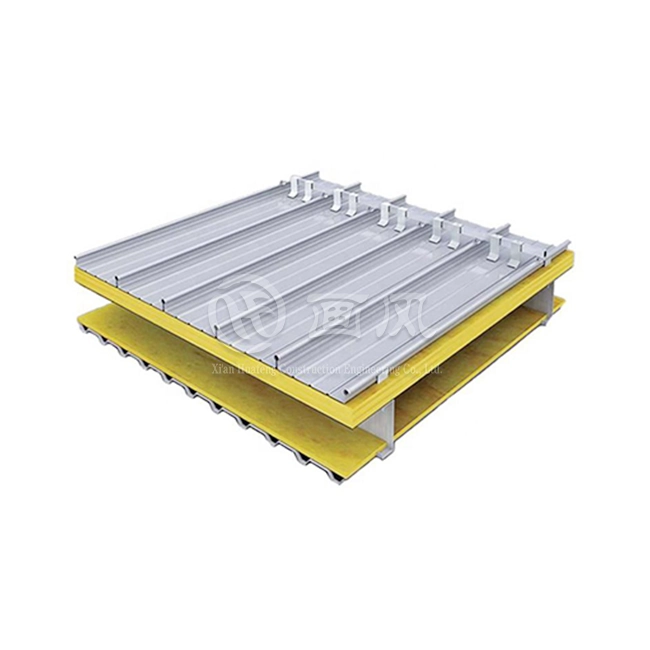
In contrast to systems with exposed fasteners, aluminum standing seam roofing panels make a weathertight roof surface with hidden clips and seams that lock together. This means that there are no screw holes that are open to the saltwater air, which is where most leaks happen in coastal steel roofs. The body of the panel creates its own protective layer of aluminum oxide, which actively fights off water, acid rain, and salt spray without the need for a cover.
Why Regular Upkeep Still Matters?
Aluminum doesn't naturally rust, but if you don't clean out the seam channels, debris can build up and trap water and organic acids. Over time, airborne pollution can stick to PVDF coats, making the surface finish dull and UV reflectivity lower. If dirt builds up under sliding clips that allow for thermal expansion, they may wear down from friction. This is a small problem that gets expensive if it isn't fixed.
Maintenance Priorities by Environment
Installations of aluminum standing seam roofing panels near the coast and storm zones are under different kinds of stress. If you don't treat cut edges, salt deposits speed up the wear and tear on the oxide layer. Strong yearly winds bend panels over and over, which can put stress on clip connections after 10 to 15 years of not being checked. For Florida and the Caribbean, it is normal to schedule checks every six months, in the spring before storm season and late fall after it ends.
Common Maintenance Challenges and How to Address Them
Seam and Fastener Failures
I see a lot of upkeep problems on business roofs, but the most common one is sealant wear at panel terminations and flashing joints. This is not corrosion. It is useful to use butyl tape and urethane sealants for 10 to 15 years. When these fail in coastal areas with a lot of humidity, water gets into the substrate before anyone notices. These problems are caught early by looking at the ridge caps, eave edges, and entry points once a year.
Surface Contamination and Coating Wear
It's true that PVDF coats last a long time, but they can still be damaged by things like industrial fallout, salt film, and organic growth. If you don't clean the roof, mold and algae will grow on the panel surfaces in tropical areas in two to three years. When using soft-bristle tools and a mild detergent (pH 5–9), never use abrasive pads or pressure washers set above 1,500 PSI, as these can microscratch the coating and speed up the formation of chalk.
Galvanic Corrosion at Contact Points
This is a problem I've seen a lot on repair projects: aluminum standing seam roofing panels put on top of or next to copper flashing, copper gutters, or ACQ-treated wood. Galvanic rusting starts within months when metal touches copper while water is present. Always put down a high-temperature underlayment or a barrier that doesn't pass electricity between the metal panels and any copper or treated wood parts.
Step-by-Step Maintenance Guide for Metal Standing Seam Roofs
A simple maintenance plan is all you need for reliable results. The goal is to find small problems before they get worse and affect the structure. Here are the main maintenance tasks, arranged by how often they need to be done:
- Biannual inspection (spring + fall): Walk around the outside of the roof and look at the seams, clips, flashing, and any buildup of garbage in the slopes or gutters. Write down what you found and include photos for warranty purposes.
- Annual cleaning: First use a low-pressure clean, then a pH-neutral soap wash. In coastal areas, this gets rid of the salt film that would otherwise speed up the wear and tear on cut edges and bored entry points.
- Every 10–12 years: Check all the sealer joints at the entry, eave, and ridge flashings. Any that are breaking, shrinking, or failing to stick should be replaced. Put butyl tape back on the clip areas if you can see movement wear.
For most business and hotel installations, these three levels of maintenance cover the whole performance lifecycle. When comparing material options, procurement managers should include these steps in models of lifecycle costs.
When making a budget for vendor support, look for suppliers whose coatings have passed the ASTM B117 salt spray test. HF's PVDF-coated panels are approved under AAMA 2605-22, which means that the coating passed all 13 performance tests, such as 5B dry adhesion, 0T flexibility (no splitting), and no coating loss when exposed to hydrochloric acid.
Comparing Aluminum Roofing Maintenance with Other Metal Roofing Options
Aluminum vs. Galvanized Steel
A zinc layer is put on top of steel to make galvanized steel. Salt air can get into bare steel through cut edges and screw holes. This can cause "edge creep" rust to spread under the zinc layer. In coastal areas of Florida, zinc roofs usually need a new covering or panels every 15 to 20 years. On the other hand, aluminum standing seam roofing panels create an oxide layer that heals itself, so there is no need for a zinc shield. Over 30 years, this cuts down on lifetime upkeep costs by about 30–40%.
Aluminum vs. Galvalume
Galvalume works better than regular galvanized steel, but it still has a steel core with a zinc-aluminum coating. If you get your Galvalume product within 300 meters of the ocean, the marine warranty usually doesn't cover it. For aluminum, there are no such limits because the base material itself prevents rusting.
Total Cost of Ownership
There is a higher cost per square foot for aluminum panels up front. But aluminum's lower upkeep needs, lack of cleaning cycles, and expected service life of 30 to 50 years make the total cost of ownership much more favorable in places where corrosion is common. There is a 30-year warranty on HF's panels, and they meet ASTM, DIN, JIS, BS, and GB/T standards. This gives procurement teams a clear, documented basis for modeling lifecycle costs.
Professional Installation and Warranty Support
Why Installation Quality Determines Maintenance Load
Maintenance issues show up after 2 to 5 years if the panels were not fitted properly, with clips that are not lined up, seams that are not tightened enough, or the wrong flooring. If you double-fold the panel leg on a seaming machine the right way, there is no space for water to get in. When a snap-lock system is put in place on a slope lower than 3:12, water pools at the seams. It is required to match the panel profile to the slope specification.
What to Expect from Supplier Warranty Support
The aluminum standing seam roofing panels from HF come with a 30-year service guarantee that is backed by test results that have been confirmed by SGS. Before an order is placed, buying teams can see the AAMA 2605-22 covering test report, the AS/NZS 1530.3 fire performance report, and the EU RoHS compliance report. These papers help with applications for building permits, insurance claims, and records of storm zone compliance.
Planning for Hurricane Season Lead Times
Purchasing managers in Florida and the Caribbean know that supply lines get very tight before the season starts in March and May. HF usually delivers within 15 to 20 days of receiving an order, and their minimum order quantity is 500 m², which is equal to 1 ton. When you plan orders in the first quarter, you can escape the organizational stress that pushes project deadlines past hurricane season.
Conclusion
Aluminum standing seam roofing panels are strong and last a long time. It is good for seaside, hurricane-prone, and high-humidity areas. If you check on these systems every six months, clean them properly, and pay attention to the joints where the sealant is applied, they should work well for 30 to 50 years. The important thing is to match a properly chosen aluminum panel (with the right alloy grade, PVDF finish, and seam height) with an upkeep plan that works for the installation site. When builders and building owners make decisions about purchases, they always do better when they think about lifetime cost instead of just upfront price.
FAQ
1. How often should I inspect my metal standing seam roof?
The general advice is to do it twice a year, once before hurricane season and once after. In coastal areas that get a lot of salt air, cleaning the PVDF again in the middle of the year helps get rid of the salt film that forms on the surfaces between rainstorms.
2. What cleaning agents are safe for PVDF-coated panels?
Clean with warm water, a soft-bristle brush, and a soap that doesn't change the pH level (pH 5–9). Stay away from bleach, cleaners with ammonia, and rough pads. These things can damage the PVDF coating and make the warranty invalid.
3. How do I know when sealant joints need replacement?
Check the ridge caps, flashing joints, and penetration points for cracks, shrinkage gaps, or changes in color that you can see. If the sealant pulls away from the substrate at any point of contact, it needs to be put on again right away. Usually, this means every 10 to 12 years.
4. Can I install aluminum panels over an existing galvanized steel roof?
With the right isolation, yes. To stop galvanic interaction, you need to put a layer between the two metals that is not conductive. Aluminum standing seam roofing panels flooring also makes the insulation better and reduces noise.
5. What alloy grade should I specify for a coastal project?
For marine environments, standing seam panels must be made of AA3003 or AA3004 alloys. AA3004 has a slightly higher yield strength (22–28 ksi), which is important for wind uplift requirements in storm zones.
Get Aluminum Standing Seam Roofing Panels from HF — Built for Coastal Performance
Builders and workers in Florida, the Caribbean, and Southeast Asia all use HF's aluminum standing seam roofing panels. HF is a direct producer of aluminum standing seam roofing panels. They have 3 factories, 7 production lines, and more than 40 machines. They ship orders in 15–20 days and offer a 30-year guarantee and full SGS verification. You can choose from thicknesses between 0.7mm and 1.2mm, RAL custom colors, and AAMA 2605-22 approved PVDF finishes. For a project quote, email us at huafeng@hfmetalroof.com.
References
1. Metal Construction Association. Aluminum Roofing Product Guide. 2021.
2. ASTM International. ASTM B117: Standard Practice for Operating Salt Spray (Fog) Apparatus. 2019.
3. American Architectural Manufacturers Association. AAMA 2605: Voluntary Specification, Performance Requirements and Test Procedures for Superior Performing Organic Coatings on Aluminum Extrusions and Panels. 2022.
4. National Roofing Contractors Association. The NRCA Roofing Manual: Metal Panel and SPF Roof Systems. 2020.
5. Florida Building Commission. Florida Building Code — Building, 8th Edition: Chapter 15 Roof Assemblies and Rooftop Structures. 2023.
6. Sherwin-Williams Coil Coatings. PVDF Fluoropolymer Coating Performance in Coastal Environments. 2020.





YOU MAY LIKE
_1781690542318.jpg "Self-adhesive waterproof membrane")