Aluminum Standing Seam Roofing Panels for Commercial Buildings
2026-10-10 18:24:16
When a coastal hotel roof starts showing rust stains after two hurricane seasons, the real cost isn't the repair bill—it's the client relationship. Aluminum standing seam roofing panels have become the go-to solution for commercial contractors who need a system that holds up in salt air, high winds, and tropical heat without generating callbacks. This guide walks through everything a procurement manager or project lead needs to know before placing an order.

Understanding Aluminum Standing Seam Roofing Panels
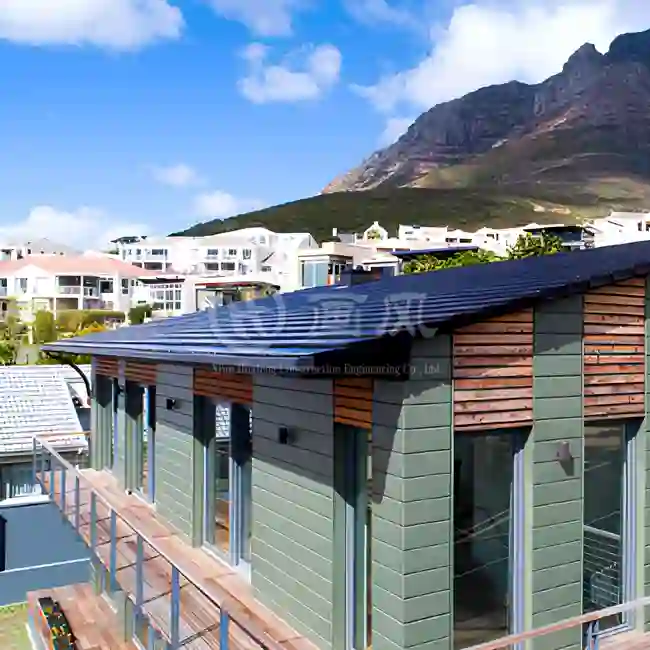
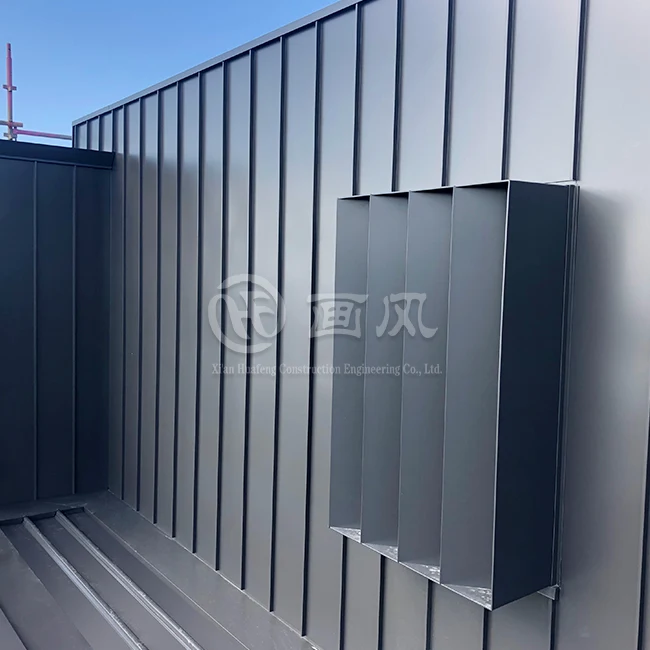
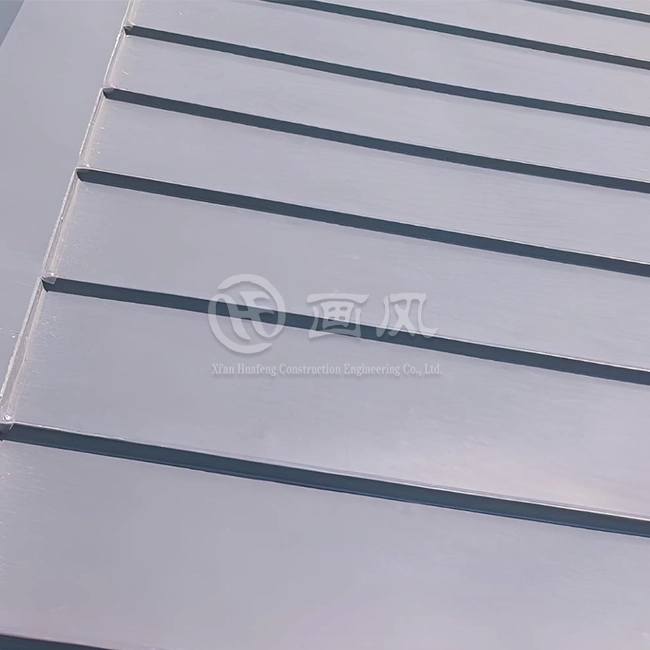
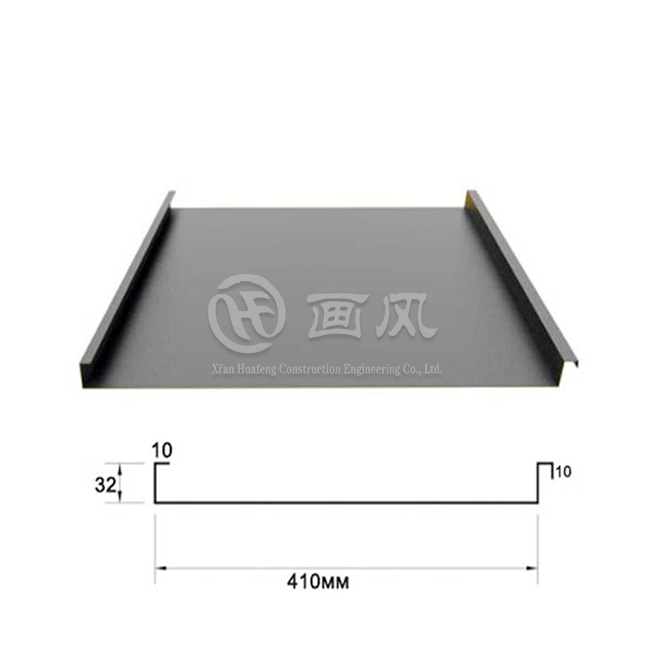
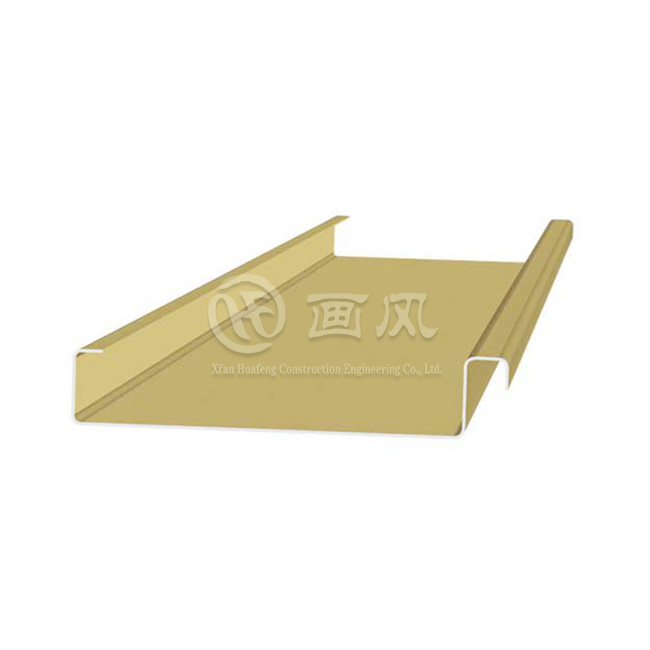
Aluminum standing seam roofing panels are made of metal and have vertical seams that stick out above the flat panel surface and connect to each other mechanically or with a snap-lock. Since the fastener clips are covered under the seam, neither the rain nor the salt air can reach the screw holes.
What Makes Them Different from Other Metal Roofs?
Corrosion protection for steel roofs comes from a zinc or zinc-aluminum layer. If you scratch that covering on a cut edge or screw hole, the base steel shows through and rust starts to form. Aluminum standing seam roofing panels are different because they have a self-healing oxide layer that covers their whole surface, even the ends that have been cut. This means that red rust can't happen physically.
Alloy Selection Matters More Than People Realize
The metals AA3003 and AA3004 are used in HF aluminum standing seam roofing panels. Because AA3004 has more manganese and magnesium, it has a yield strength of about 22–28 ksi (150–195 MPa), which is strong enough for high wind-pressure zones without adding too much weight. AA5052 is also available for uses that need the highest level of protection to salt spray.
How the Concealed Fastener System Works
Each panel can expand and contract with changes in temperature without breaking or making noise thanks to sliding clips. This "floating" action is very important for big commercial roofs in Florida or the Caribbean, where temperatures can change by more than 40°F every day. Having no exposed fasteners also means a cleaner roofline and no gaps that form from the weather over time.
Comparing Aluminum Standing Seam Panels with Other Roofing Solutions
When choosing a roof material for a business job, it's important to look at more than just the price. This is how aluminum standing seam roofing panels compare to the most popular choices.
Weight and Structural Load
Aluminum standing seam roofing panels are about one-third as dense as steel. On a 50,000-square-foot resort roof, that difference in weight can cut down on the number of tons of steel trusses that are needed, which lowers the cost of the structure as a whole. Galvanized steel and Galvalume are heavier, and they still need to be checked more often in marine settings.
Corrosion Performance Over Time
Galvalume works well inland, but most manufacturers' warranties don't cover it in marine areas, so it's not covered there. Copper and zinc don't rust very easily, but they cost a lot more per square foot. Composite panels aren't as resistant as aluminum standing seam roofing panels, which have been used for over 50 years in coastal climates, according to the Metal Construction Association.
Lifecycle Cost and Maintenance Profile
Aluminum standing seam roofing panels cost more up front than galvanized steel panels, but the math changes when you add up the cost of painting, fixing rust, and re-coating. A properly placed aluminum standing seam roofing panels system with PVDF coating can keep its color for 20 years or more. This claim is backed up by AAMA 2605-22 test data, which shows that HF panels passed all 13 coating performance items, including a 0T bend test with no cracking or peeling.
Installation and Maintenance of Aluminum Standing Seam Roofing Panels
The best way to get the most out of a product standard is to put it correctly. If you do things the right way from the start, you can avoid issues like oil canning, leaks, and temperature noise that make contractors complain the most.
Site Preparation and Deck Requirements
Before installing the panels, the base must be level and dry. Galvanic corrosion happens whenever aluminum standing seam roofing panels and copper-based treated lumber come into contact with each other. No matter what kind of deck material you use, HF suggests using a high-temperature underlayment as a barrier between the deck and the panels.
Managing Thermal Expansion During Installation
Panels should be put up using the floating clip method; they should never be fixed at both ends. For roofs longer than 30 meters, an engineer should choose the clip spacing and seam height (HF has choices from 25 mm to 65 mm) that are best for the project's temperature zone and the amount of thermal movement that will happen.
Routine Maintenance to Protect PVDF Coating
Cleaning the surface with water and gentle soap once or twice a year is all it takes to keep it in good shape. After any big weather event, check the seams to make sure they are still strong. The PVDF fluorocarbon coating on HF panels passed all resistance tests as required by AAMA 2605-22. These tests included detergent resistance, window cleaner resistance, and mortar resistance. This means that cleaning will not damage the finish.
Procurement Strategies for Commercial Aluminum Standing Seam Roofing
It's not enough to just buy the right panels. Before the hurricane season starts, procurement managers in storm zones need to think about wait times, certifications, and warranty terms.
Evaluating Suppliers by Certification, Not Just Price
Any supplier you should think about should be able to show you independent test results for coating adhesion (ASTM D3359), salt spray resistance (ASTM B117 at 1,000 hours or more), and wind uplift performance (ASTM E1592 or UL 580). HF has certificates from SGS that cover full AAMA 2605-22 coating performance, EU RoHS compliance, and burning performance (AS/NZS 1530.3). Procurement teams can see these papers before an order is confirmed.
HF Product Specifications at a Glance
These details are directly useful: a 15–20 day lead time means that contractors in Florida and the Gulf Coast can plan supplies before storm season without having to keep extra stock.
- Material: aluminum alloy AA3003, AA3004, and AA5052
- Thickness: Choice between 0.7 and 1.2 mm based on wind-pressure zone
- Seam height: 25–65 mm (1"–2.55")
- Finish: PVDF fluorocarbon coating, approved by AAMA 2605-22
- Colors: Full RAL range of colors, plus Pantone matching on request
- Standards met: ASTM, DIN, JIS, BS, and GB/T
- MOQ: 500 m² or 1 metric ton
- Delivery: 15–20 days after the order is confirmed
- Warranty: 30-year guaranty of service life
Warranty Terms and What to Verify
The terms of a 30-year warranty are what make it strong. Before signing a purchase order, make sure that the warranty clearly covers marine environments, includes clauses on coating adhesion and color retention, and makes it clear who is responsible for the costs of inspection. All of these terms are in HF's warranty paperwork.
Future Trends and Sustainability in Aluminum Standing Seam Roofing
The industrial roofing market is moving toward materials that help buildings get green grades. Aluminum standing seam roofing panels naturally go in this way.
Aluminum's Role in LEED and Green Building Programs
Aluminum standing seam roofing panels can be recycled over and over again without losing any of its quality. In LEED's Materials and Resources area, buildings that choose aluminum standing seam roofing panels systems can get points. According to the Metal Construction Association, aluminum standing seam roofing panels products usually have between 85 and 95% recycled content. This makes them one of the most environmentally friendly building materials you can find.
Advances in Coating Technology
Newer PVDF formulations are making color retention guarantees longer and better sun reflectance, which helps business buildings use less energy to cool. Cool-roof coats on aluminum standing seam roofing panels can block 70% or more of the sun's rays, which lowers the need for air conditioning. This is useful for hotel projects in Southeast Asia and the Caribbean.
Supply Chain Transparency and Traceability
More and more, procurement teams want mill certificates, alloy traceability, and environmental product declarations. HF has three plants with more than 40 machines and seven production lines. They also make their own raw material coils, which gives buyers a shorter, more reliable supply chain than when they buy from multiple wholesalers.
Conclusion
Aluminum standing seam roofing panels are a practical option that has been tried and tested for commercial buildings that are in areas with a lot of corrosion or wind. With marine-grade metals, hidden fastener systems, and approved PVDF coatings, you can fix the problems that galvanized steel can't fix in coastal environments that cause roofs to fail. When purchasing teams are looking at different materials before a project deadline, HF's performance data, approval trail, and lead-time stability make it easy to choose the right ones.
FAQ
1. How long do aluminum standing seam panels actually last in salt-air environments?
In coastal areas that are between 1 and 5 km from the water, aluminum standing seam roofing panels with a PVDF coating that are properly installed always last 40 to 50 years or more. The warranty on HF panels lasts for 30 years, and they passed the 1,000+ hour ASTM B117 salt spray test with no blistering or coating creep.
2. What is the minimum order quantity for HF panels?
The minimum order quantity is 500 m², which is similar to 1 metric ton. This amount is good for both small and big commercial projects.
3. Can these panels meet Florida Building Code wind uplift requirements?
Yes, mechanical lock designs that have been tested to ASTM E1592 or UL 580 meet the wind uplift standards for storm zones. The choice of seam height (up to 65 mm) and clip density are based on estimates of the local wind pressure.
4. Is aluminum roofing compatible with rooftop solar installations?
Yes. Aluminum standing seam roofing panels are one of the best roof systems for solar panels. Clamp-on mounting methods connect to the seam without going through the panel, which keeps the waterproofing in place.
5. What alloy should I specify for a beachfront resort project?
For marine settings, it is usually best to use AA3004 or AA5052 with a PVDF coating. The two alloys are both very resistant to salt spray, but AA5052 is better at resisting corrosion.
Get a Direct Quote from HF — Your Trusted Aluminum Standing Seam Roofing Panels Supplier
Every order from HF comes from three factories, seven production lines, and the production of aluminum coils in-house. This gives business contractors and project managers real control over wait times and the ability to track down materials. HF is a reliable company that makes aluminum standing seam roofing panels for jobs near the coast and in storm zones. Their coatings are AAMA 2605-22 certified, and they send the panels in 15–20 days. You can email the team at huafeng@hfmetalroof.com to get details and a price for the job.
References
1. Metal Construction Association. Metal Roofing Systems Design Manual. 2019.
2. American Architectural Manufacturers Association. AAMA 2605-22: Voluntary Specification, Performance Requirements and Test Procedures for Superior Performing Organic Coatings on Aluminum Extrusions and Panels. 2022.
3. ASTM International. ASTM B117: Standard Practice for Operating Salt Spray (Fog) Apparatus. 2019.
4. U.S. Green Building Council. LEED v4.1 Reference Guide for Building Design and Construction. 2021.
5. Florida Building Commission. Florida Building Code — Building, 8th Edition. 2023.
6. Aluminum Association. Aluminum: The Element of Sustainability — A Report on the Industry's Environmental Progress. 2020.





YOU MAY LIKE