Aluminum Standing Seam Roofing Panels vs Steel: Key Differences
2026-10-10 18:24:11
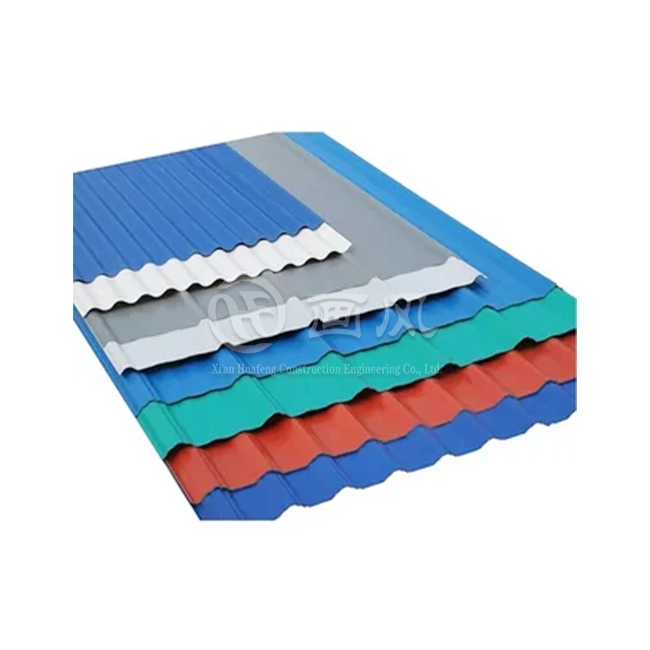
When contractors along the Florida Gulf Coast or the Caribbean islands ask me which roof system holds up against salt air and hurricane-force winds, my answer is almost always the same: aluminum standing seam roofing panels outperform galvanized or Galvalume steel in coastal environments by a wide margin. Both systems use the same concealed-fastener, vertically raised seam geometry, but the base metal changes everything — from corrosion behavior to long-term warranty validity. This article breaks down the real differences so procurement managers and project leads can make a confident material decision before the next hurricane season arrives.

Understanding Aluminum and Steel Standing Seam Roofing Panels
What Makes Each Material Distinct?
When you cut aluminum metals, especially AA3003, AA3004, and AA5052, they make an oxide layer on the surface that heals itself right away. After being made, this silent film doesn't need to be edge-coated. Steel, on the other hand, depends on its zinc-aluminum layer to protect it. If you scratch the coating on a screw hole or cut edge, the base steel will rust within months in a damp, chloride-filled environment.
How the Standing Seam Geometry Works
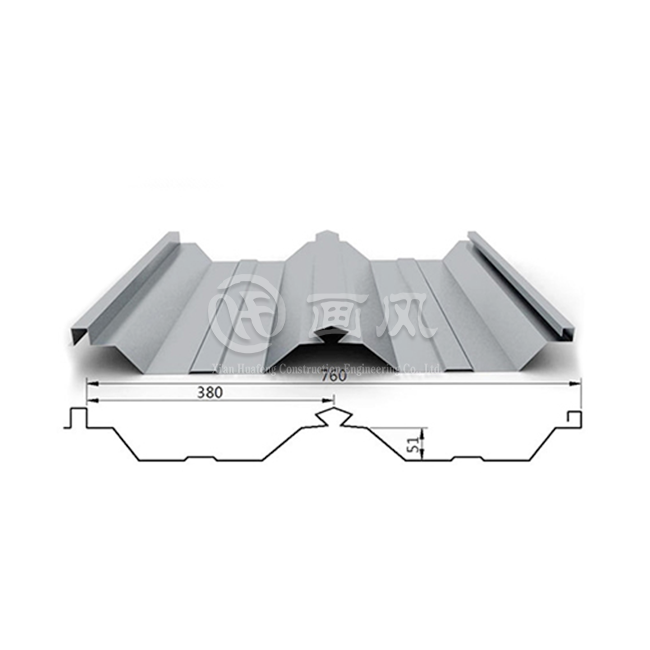
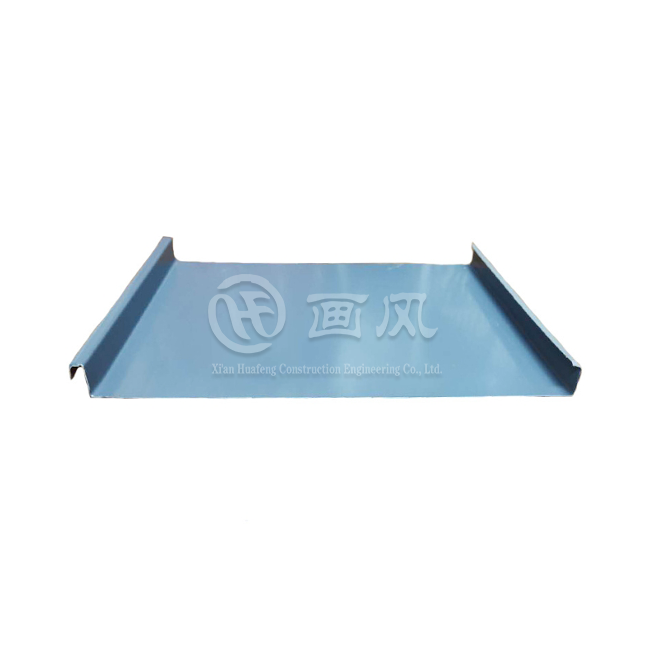
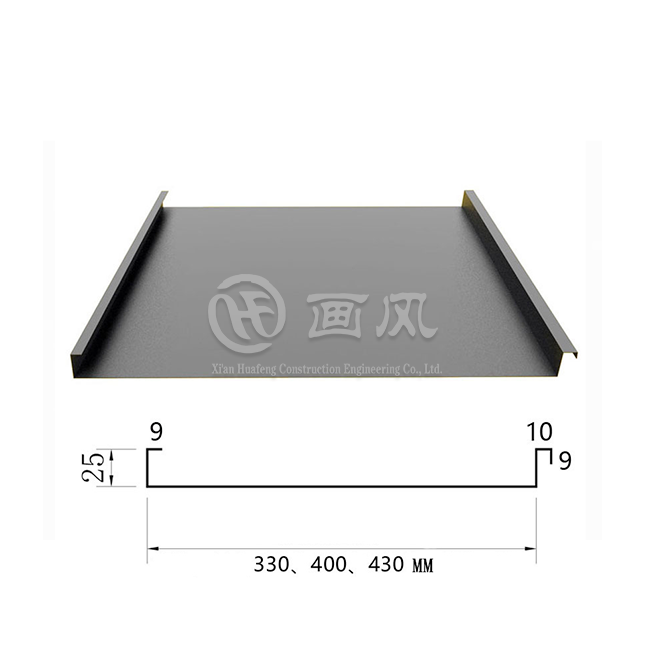
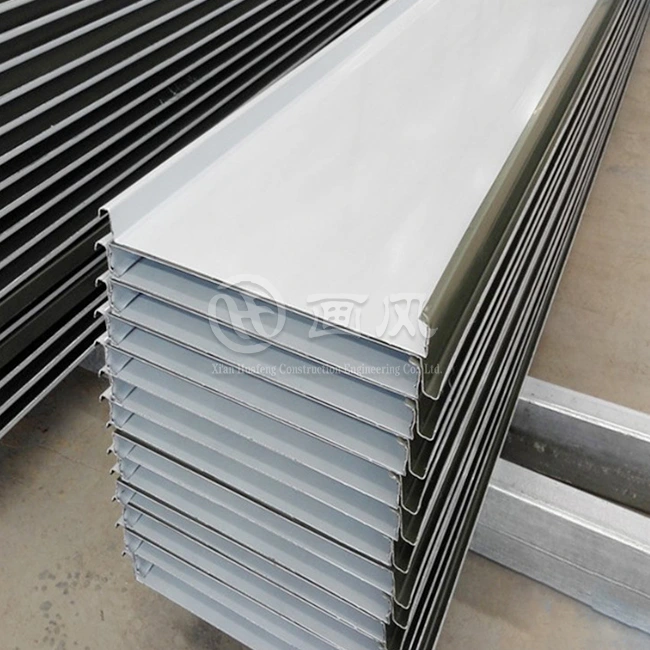
The legs of both materials are raised and connect to each other using either a snap-lock click or a mechanical double-fold seam. With the hidden clip, there are no more visible fasteners, which is where most leaks happen in regular through-fastened profiles. Mechanically seamed panels, whether made of steel or aluminum, should be used for low slopes down to 1:12.
Why Alloy Grade Matters for Procurement?
The yield strength of AA3004 aluminum standing seam roofing panels is about 22–28 ksi (150–195 MPa), which is strong enough for most household and small industrial wind-uplift needs. AA5052 is stronger and can be used in wider industrial uses. Making sure that the supplier's technical sheet says "alloy" and not just "aluminum" when you look at it defends your specification and your guarantee.
Comparative Performance: Durability, Maintenance, and Energy Efficiency
Corrosion Resistance in Salt-Spray Conditions
In ASTM B117 salt-spray tests, steel roofing products start to show red rust at cut edges and screw holes after 500 to 1,000 hours. The PVDF coating on HF's aluminum panels passed strict SGS tests under AAMA 2605-22, showing no blistering or loss of adhesion in any of the 13 coating performance items. For homes that are between 1 and 5 km from the coast, metal is simply the better long-term choice.
Maintenance Load and Lifecycle Costs
Aluminum doesn't rust, and a PVDF fluorocarbon finish that is put on correctly will keep its color for more than 20 years without needing to be painted again. In coastal places, steel systems usually need to be inspected every three to five years, and weak spots need to be re-coated every so often. Over the course of 30 years, that difference in maintenance costs adds up to a big difference in the total cost of ownership (TCO), which procurement managers should take into account.
Thermal Reflectivity and Energy Performance
Aluminum naturally reflects heat back into space, which makes it better than bare or dark-coated steel at keeping heat in. In hot places like South Florida, the Caribbean, and Southeast Asia, aluminum standing seam roofs help keep buildings cooler by a certain amount when they are finished in light RAL colors with a PVDF topcoat. This result helps LEED credit categories that have to do with reducing heat islands and making the best use of energy.
Cost Considerations and Procurement Factors
Upfront Material Cost vs. Total Cost of Ownership
The price of aluminum standing seam roofing panels per square meter is higher than the price of steel. But because it is about one-third as dense as steel and therefore lighter, it lowers the structural load requirements. This can lower the cost of supporting framing on large-span or retrofit projects. Aluminum's TCO usually comes out ahead when you consider that it doesn't rust, needs less maintenance, and has a longer service life of more than 50 years for the substrate.
Supply Chain and Lead Time Management
Lead time predictability is a real operating risk for coastal contractors who are in charge of rebuilding plans during storm season. HF has three plants and seven color-coating production lines with more than forty machines each. This means that they can meet big orders (15–20 days) with a MOQ of 500 m², which is equal to 1 metric ton. When projects are turned around that quickly, project managers have time to prepare before holiday targets.
Certifications and Warranty Terms
Before committing to a supplier, procurement teams should carefully read the warranty language and certification documents. The aluminum panels made by HF are guarantyd to last for 30 years and meet ASTM, DIN, JIS, BS, and GB/T standards. Supporting SGS test reports cover AAMA 2605-22 coating performance, EU RoHS hazardous substance compliance, and combustion performance (AS/NZS 1530.3:1999). This paperwork meets the needs of both U.S. building codes and international projects.
Installation Process and Practical Implications
Weight Advantages on the Jobsite
Aluminum panels that are 0.7 to 1.2 mm thick are a lot lighter than steel panels of the same gage. Longer runs of panels can be done by hand by roofing crews, which cuts down on crane time on residential or mid-rise business jobs. This difference in weight is also important for older buildings where adding a new roof layer without strengthening the frame is not possible.
Thermal Expansion Management
When temperatures change, aluminum standing seam roofing panels expand and contract more than steel. For proper fitting, you need sliding clips instead of set clips so that the panel plane can move around. If this detail is followed, oil canning and fastening stress can be avoided. It is possible for both snap-lock and automatically seamed profiles to move in the way that is needed with HF panels that have seam heights of 25–65 mm (1"–2.55").
Common Installation Challenges
Galvanic separation is a problem that is often forgotten. Copper-based preservatives for treated wood should not come into direct touch with aluminum; a high-temperature underlayment shield is needed. Also, making sure the seams are lined up correctly is important. The fact that the HF PVDF coating passed the AAMA 2605-22 test with a 0T bend and no cracking or peeling shows that the material can handle the mechanical seaming process without the coating failing.
Environmental Impact and Sustainability Factors
Recyclability and Green Building Credits
Aluminum can be recycled over and over again without losing any of its quality, and the energy needed to recycle it is only about 5% of the energy needed to make new aluminum. Steel can also be recycled, but the coatings on it can make it harder to work with. For projects that want to get LEED certification, using aluminum roofing panels with low-VOC PVDF coatings and recycled content can help with the materials and indoor environment credit categories.
Coating Chemistry and Environmental Compliance
HF's SGS-verified EU RoHS test report on AA5052H26 confirmed that all 10 restricted hazardous substances, such as lead, mercury, cadmium, and hexavalent chromium, were either not found or well below the regulatory limits. This is important for projects in the EU, California, and other places that have strict rules about environmental product declarations.
Aesthetic Longevity as a Sustainability Factor
The amount of covering chemicals used over the building's lifetime is cut down when the roof stays the same color and surface for 20 years or more without needing to be painted again. HF has all of the RAL colors as well as custom Pantone-matched choices, so planners who are planning high-end beach resorts or homes on the water can choose colors that look good and work well without sacrificing either.
Conclusion
The concealed-fastener geometry of aluminum standing seam roofing panels and steel standing seam panels is the same, but they are used in different places and have different lifetime standards. If you live in an interior area with low corrosion, steel is a good value. If you need something that won't rust or peel, you should use aluminum. Specifically, AA3003/3004 metals with a PVDF coating are the best choice for seaside, hurricane-prone, and high-humidity areas. When I look at how much corrosion resistance, structural weight savings, PVDF color retention, and long-term warranty coverage all add up, aluminum always comes out cheaper over the course of a 30-year building life.
FAQ
1. Why does aluminum outperform Galvalume steel near the ocean?
Galvalume steel depends on its zinc-aluminum coating for protection. Salt air attacks cut edges and fastener holes where base steel is exposed, causing progressive rust. Aluminum's oxide layer is self-generated and self-repairing, meaning it protects the entire panel surface — including cut edges — without a secondary coating.
2. What alloy grades should I specify for a coastal project?
AA3003 and AA3004 are the standard choices for standing seam roofing in salt-spray environments. AA3004 provides slightly higher yield strength (22–28 ksi), making it preferable for wider panel spans or higher wind-uplift requirements in hurricane zones.
3. What is the minimum order quantity, and how fast is delivery?
HF's MOQ is 500 m² or 1 metric ton. Standard delivery runs 15–20 days from order confirmation, which is compatible with pre-hurricane-season project timelines.
4. Does aluminum roofing require special framing?
Not typically, but aluminum's lower weight often means existing framing is more than adequate — an advantage on retrofit projects. Sliding thermal clips are required instead of fixed clips to manage the material's higher thermal expansion rate correctly.
5. Can aluminum panels be ordered in custom colors?
Yes. HF produces panels in the full RAL color range and accepts custom Pantone-matched colors with PVDF fluorocarbon finish applied across 3 factories and 7 production lines.
Get a Quote from HF — Trusted Aluminum Standing Seam Roofing Panels Manufacturer
For years, HF has sold aluminum standing seam roofing panels to coastal contractors and resort developers in tough markets. These panels come with SGS-certified PVDF coatings, a 30-year warranty, and delivery in 15–20 days. Our team will quickly put together a full quote for you, whether you need normal profiles or colors that are made just for your project. You can email us at huafeng@hfmetalroof.com to get prices, samples, or detailed data sheets.
References
1. Metal Construction Association. Aluminum Roofing: Material Properties and Coastal Performance Guidelines. 2021.
2. ASTM International. ASTM B117: Standard Practice for Operating Salt Spray (Fog) Apparatus. 2019.
3. American Architectural Manufacturers Association. AAMA 2605-22: Voluntary Specification, Performance Requirements and Test Procedures for Superior Performing Organic Coatings on Aluminum Extrusions and Panels. 2022.
4. National Roofing Contractors Association. The NRCA Roofing Manual: Metal Panel and SPF Roof Systems. 2020.
5. Metal Building Manufacturers Association. Low-Slope Roof Systems Manual. 2019.
6. Florida Building Code Commission. Florida Building Code: Building, 8th Edition — Wind Resistance and Roofing Requirements. 2023.





YOU MAY LIKE
(1)_1763110678300.webp "standing seam metal roof panels")