Standing Seam Pitched Metal Roof for Modern Commercial Buildings
2026-10-13 11:00:01
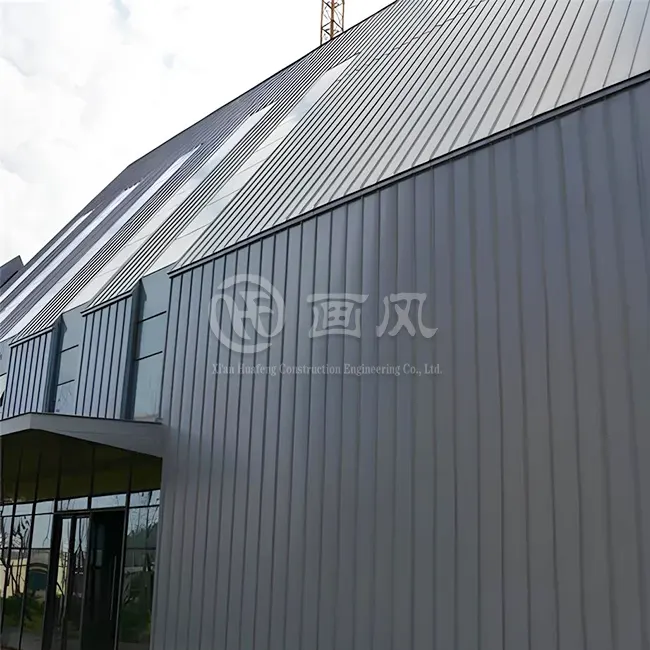
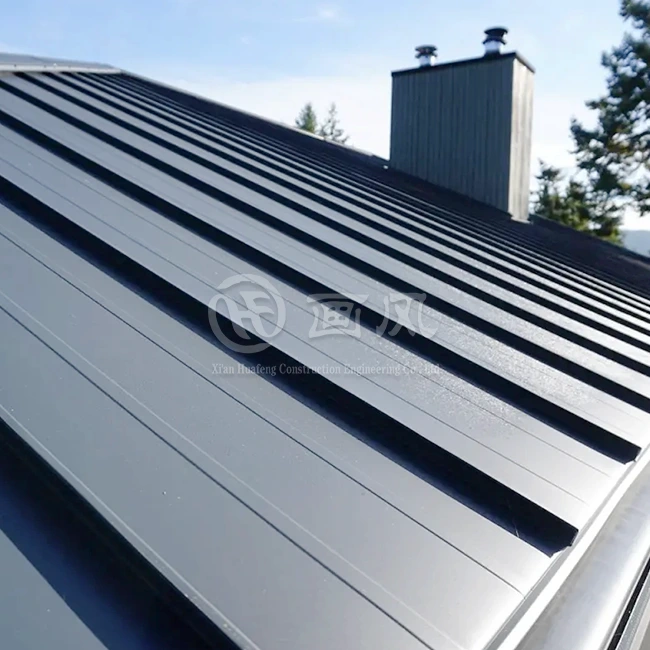
A standing seam pitched metal roof is one of the most dependable choices for modern commercial construction. It uses raised, interlocking seams that run vertically along each panel, creating a continuous waterproof surface without exposed fasteners. Because clips sit hidden beneath the seams, there are no screw holes to fail over time. Designed for slopes of 3:12 or greater, this system handles wind uplift, heavy rain, and thermal movement far better than traditional roofing. For contractors and distributors sourcing panels at scale, it delivers performance backed by ASTM-compliant testing and a service life that justifies the investment.

What Is a Standing Seam Pitched Metal Roof and How Does It Work?
The Core Structural Design
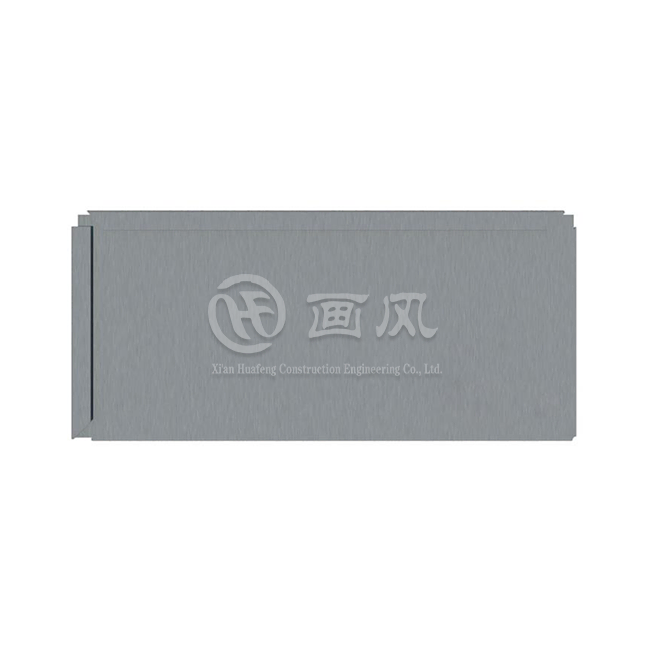
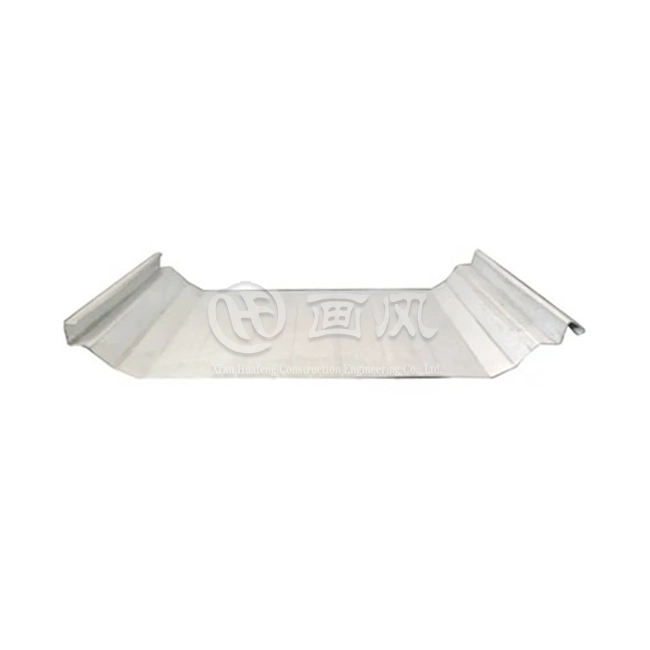
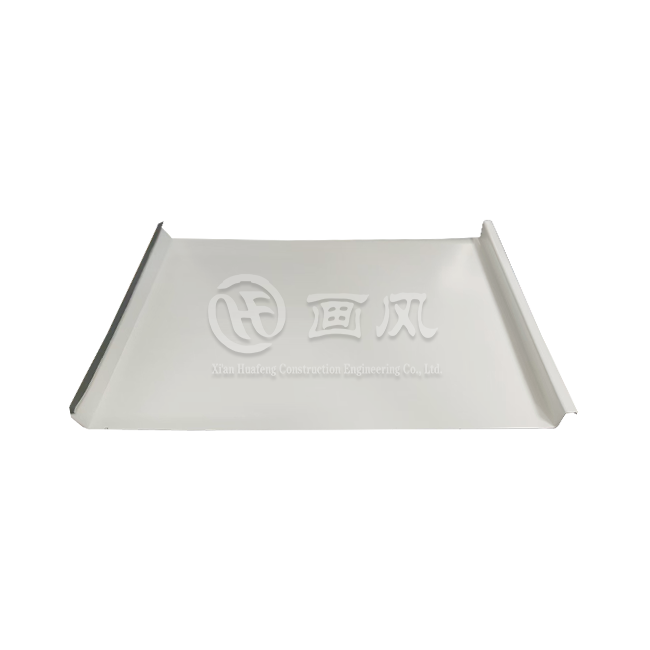
There are tall straight bars on both sides of each panel. A mechanical seaming machine joins panels next to each other on-site, making a tight joint that goes from the ridge to the eave. The hidden clip system connects to the purlin below and lets each panel float freely along its length. This lets the panels expand and contract with the temperature without stress fractures or fastener fatigue.
Materials Used in the System
Aluminum-magnesium-manganese alloy (AA3003/3004), Galvalume steel (AZ150/AZ185), zinc-titanium, copper, and stainless steel are all common substrates. HF's panels come in a range of thicknesses from 0.4 mm to 1.2 mm and are compliant with ASTM, DIN, JIS, BS, and GB/T standards. This means that procurement teams can easily meet the needs of builders in both the US and Canada.
Panel Profiles and Finish Options
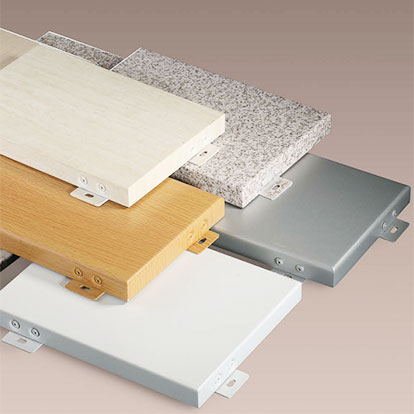
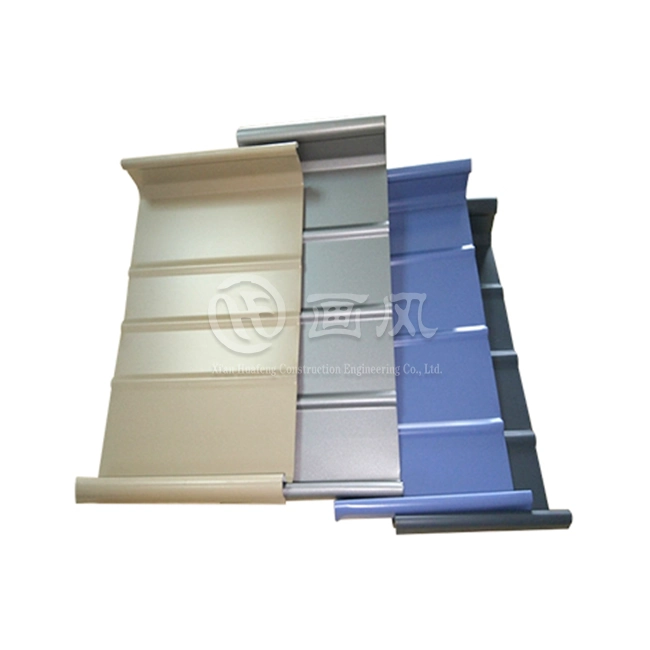
HF has a range of profile widths for standing seam pitched metal roof panels, including 25-330/400/430, 32-410, 45-400, and 65-400/430. This means that builders can choose the rib height and coverage width that works best for their purlin plan and design load. PVDF fluorocarbon and PE coats are two surface treatments that can be used. Both come in a full range of RAL and Pantone colors. PVDF coatings, which have been tested and approved by AAMA 2605-22 with a perfect 5B adhesion score, don't fade or change color when exposed to UV light for decades.
Key Benefits and Performance of Standing Seam Pitched Metal Roofs
These days, business buildings need roofs that last a long time. That's exactly what an automatically seamed metal roof system does, and the numbers back up the claim.
The most important success benefits on the job spot are listed below:
- Wind uplift resistance: The continuous mechanical lock passes ASTM E1592 testing, which measures the structural capacity of metal roof panel systems under simulated wind loads. This matters most in high-wind corridors across the Gulf Coast, Florida, and the Great Plains.
- Zero-penetration waterproofing: Because no fastener ever pierces the panel face, the only water paths are at laps and flashings — both fully controlled with factory-applied hot-melt sealant meeting ASTM E1646.
- Thermal movement accommodation: Floating clips allow panels up to tens of meters long to slide freely, preventing the panel distortion or pop-up failures that plague screw-down systems.
- 30-year warranty with PVDF coating: HF's SGS-certified PVDF coating passed all 13 AAMA 2605-22 tests, including nitric acid resistance, boiling water adhesion, and coating flexibility at 0T bend — confirming long-term color and film integrity.
- Resistance to wind uplift: The continuous mechanical lock passes the ASTM E1592 test, which checks how strong metal roof panel systems are when wind loads are simulated. This is most important along the Gulf Coast, in Florida, and in the Great Plains, where there are a lot of windy areas.
"Zero-penetration waterproofing" means that no bolt ever goes through the panel face. This means that the only places water can get through are at the laps and flashings, which are completely sealed with hot-melt sealer that meets ASTM E1646 standards.Thermal movement: Floating clips let panels up to tens of meters long slide easily, which stops panel distortion or pop-up fails that happen with screw-down systems.
These benefits directly lower the risk of callbacks for installation crews and give procurement managers a strong lifecycle cost argument they can use when they present proposals to building owners.
Standing Seam Pitched Metal Roof vs Other Commercial Roofing Solutions
When picking the right product for a business project, you have to think about how well it works with the project's budget, schedule, and local installation standards. The main trade-offs are shown in the table below:
Asphalt shingles are the least expensive at first, but they only last 20 to 25 years and need to be maintained more often. Tile roofs last about as long as metal roofs, but they add a lot of dead weight and can't be used on low-pitch roofs. Corrugated metal and snap-lock profiles are easy to install, but they have visible bolts that can leak as the seals wear down. Flat-seam systems work best in places with very little slope, but they need to be installed more carefully.
For business and institutional jobs that need to last, stand up to wind, and look good, a mechanically seamed pitched system is the best choice. For instance, the 65 mm rib height option makes the structure more rigid, which lets the purlin spacing be wider. This directly saves time and materials in large-bay industrial buildings. PV clamps connect straight to the raised seam without going through the metal, so the roof warranty stays in place.
The only practical thing to think about is how well you can install it. To do mechanical seaming, you need a trained crew and the right locking machine. Before ordering HF panels, contractors should make sure that their tools will work with them. HF's technical team can help with this.
Procurement Guide: Costs, Suppliers, and Installation Services
Key Cost Drivers
Type of material and thickness have the most direct effect on base price. Aluminum alloy is more expensive than Galvalume steel, but it lasts longer in seaside or chemically harsh settings. The complexity of the panel shape, the size of the order, and the distance of the freight all affect the final landing cost. The smallest amount that HF will take as an order is 500 square meters, which is equal to 1 metric ton. This is the right amount for a single project, not for speculating in the warehouse.
Selecting a Qualified Supplier
When looking for a standing seam pitched metal roof provider, give more weight to those that can provide third-party test results for ASTM E1592 wind uplift, AAMA 2605-22 coating performance, and RoHS environmental compliance. All three are held by HF through separate SGS laboratories. HF produces 1,000 metric tons of goods every month, thanks to its 3 factories, 7 production lines, and more than 40 processing machines. This is enough to keep multi-project contractors from running out of supplies.
Logistics and Lead Times
HF's standard delivery window is 15–20 days from order confirmation. Panels are shipped in protective packaging that is designed to keep the edges from warping during ocean freight. This saves money because seam legs that are bent on arrival don't need to be fixed. If a contractor is working on more than one project at the same time, confirming a rolling blanket order against a master color approval lowers the risk of color differences between batches.
Future Trends and Innovations in Standing Seam Pitched Metal Roofing
Advanced Coating Chemistry
Newer types of standing seam pitched metal roof PVDF now have ceramic pigments added that raise the sun reflection index (SRI) scores above 80. This helps meet LEED and ENERGY STAR compliance goals. The Lawrence Berkeley National Laboratory says that cool-roof treatments put on standing seam panels can cut the temperature of the roof's surface by 50–60°F compared to dark asphalt.
Solar and Sensor Integration
The raised seam is the best substrate for building-integrated photovoltaics (BIPV) because it doesn't let light through. Clamps in the style of S-5! hold the seam in place without voiding the roof guarantee. IoT moisture sensors built into panel clips now let facility managers find water getting in at flashings before it damages the structure.
Market Growth Signals
The Metal Construction Association thinks that the market share of metal roofing will continue to grow until 2030. This is because of the need for industrial re-roofing and energy code standards. When contractors keep compliant panel profiles in stock, they get ahead of the demand curve.
Conclusion
Commercial contractors can use a mechanically seamed standing seam pitched metal roof system to make a product that works in all kinds of weather, meets ASTM standards, and comes with a 30-year warranty. HF's panel line includes profiles with rib heights from 25 mm to 65 mm, thicknesses from 0.4 mm to 1.2 mm, and surface finishes of PVDF or PE. This range meets the needs of most North American projects. With the ability to handle 1,000 metric tons per month and a lead time of 15–20 days, the sourcing relationship is stable from the start.
FAQ
1. How long does a standing seam metal roof last on a commercial building?
In commercial settings, a mechanically seamed metal roof system usually lasts between 40 and 50 years with proper installation and a coat of PVDF. HF's panels come with a 30-year warranty, which is what most commercial building owners and lease agreements require.
2. What maintenance does this roof type require?
Not much maintenance is needed. Valleys, gutters, and pipe boot flashings only need to be checked once or twice a year in most areas. Re-torquing is not necessary because there are no visible screws. This will save a lot of work over the life of the building.
3. How does the cost compare to asphalt or tile roofing?
It costs more to install up front than asphalt shingles, about 2 to 3¢ per square foot.
4. Is the MOQ manageable for a single project?
HF's minimum order size is 500 square meters, which is equal to 1 metric ton. This size is good for most mid-sized business roofing or building projects, so workers don't have to buy too much.
Get a Quote from HF — Trusted Standing Seam Pitched Metal Roof Manufacturer
HF sells ASTM-compliant standing seam pitched metal roof panels to contractors and distributors all over North America. These panels come with SGS-certified coating reports and a 30-year warranty. HF is designed for companies who need to be sure of their supply chain. It can handle 1,000 metric tons of cargo per month, has profiles in every major North American standard, and can deliver in 15 to 20 days.
You can reach the HF team at huafeng@hfmetalroof.com to get pricing and technical information for your next project.
References
1. Metal Construction Association. Metal Roofing Market Report. 2023.
2. ASTM International. ASTM E1592: Standard Test Method for Structural Performance of Sheet Metal Roof and Siding Systems by Uniform Static Air Pressure Difference. 2022.
3. American Architectural Manufacturers Association. AAMA 2605-22: Voluntary Specification, Performance Requirements and Test Procedures for Superior Performing Organic Coatings on Aluminum Extrusions and Panels. 2022.
4. Lawrence Berkeley National Laboratory. Cool Roofing Materials Database and Energy Savings Analysis. 2021.
5. National Roofing Contractors Association. The NRCA Roofing Manual: Metal Panel and SPF Roof Systems. 2022.
6. Sherwin-Williams. PVDF Coatings for Architectural Metal: Performance and Specification Guide. 2023.





YOU MAY LIKE
_1781690542318.jpg "Self-adhesive waterproof membrane")