Standing seam metal roofing has revolutionised US commercial building, especially for high-performance design and durability projects. Angle lock standing seam roof panels eliminate through-fastener weaknesses with a mechanically interlocking profile. This approach reduces water damage and costly maintenance from typical systems. Thus, angle lock standing seam roof panels are preferred for demanding commercial applications. Engineering teams responsible for quality control and vendor approval can learn from this study's technical advantages, procurement tactics, and benefits.

Why Angle Lock Standing Seam Roof Panels Are Ideal for Commercial Buildings
2026-06-03 11:00:02
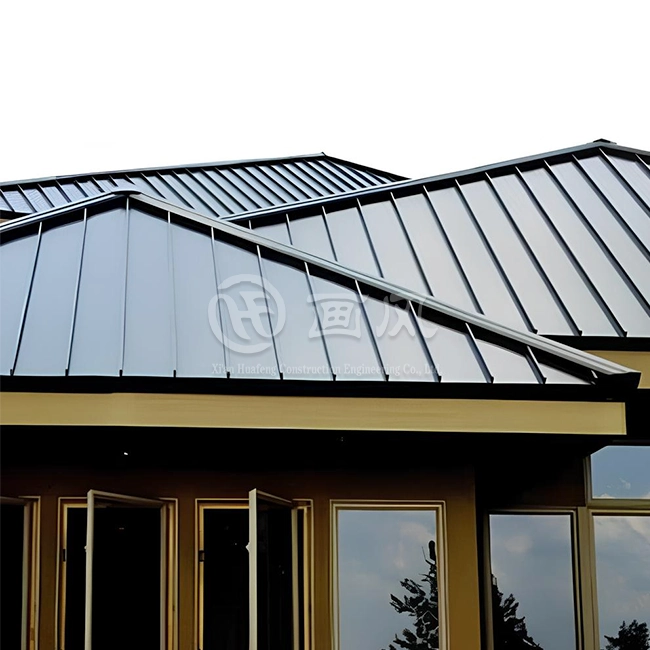
Angle lock standing seam roof panels are mechanically precise and durable, making them a cutting-edge commercial roofing option. Their 90-degree interlocking method hides wasted screws and improves waterproofing and structural stability. Contractors who manage large transit hubs, gathering centers and business complexes need strict quality standards, speedier installation schedules and decades of maintenance-free service. Since it lasts in many climates, this roofing system is perfect for buying teams who value long-term value above initial expenditure.
Introduction
Understanding Angle Lock Standing Seam Roof Panels
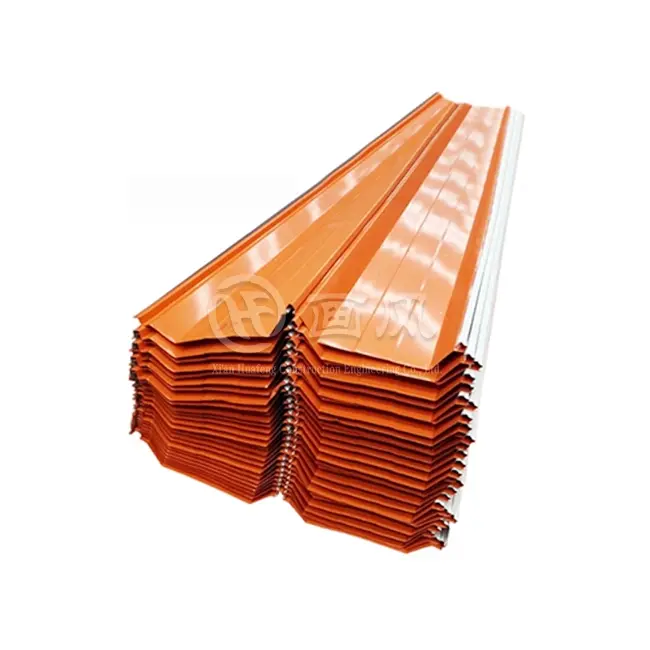
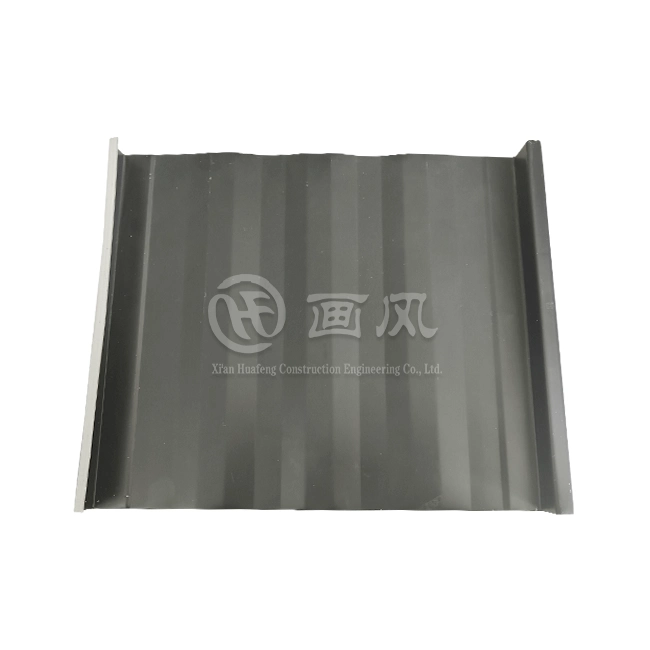
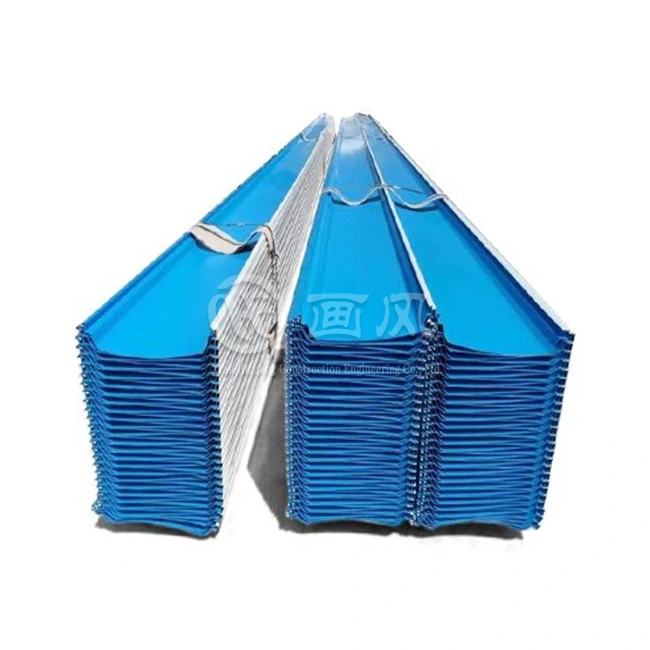
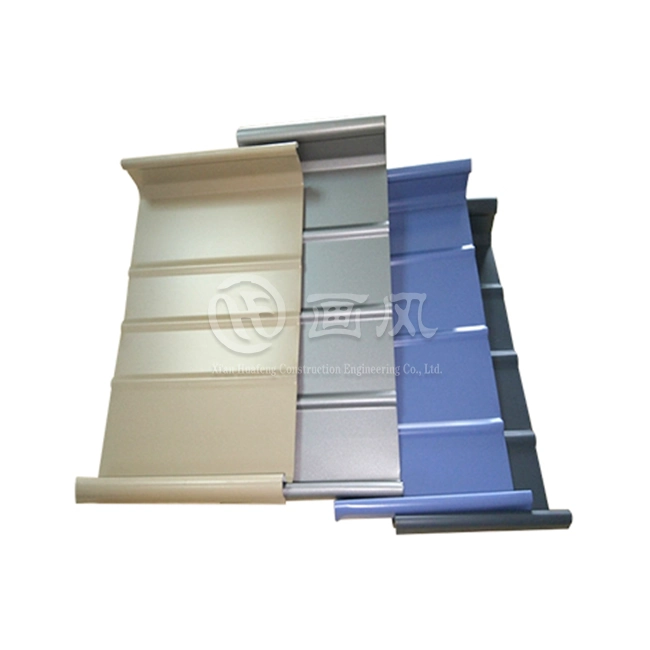
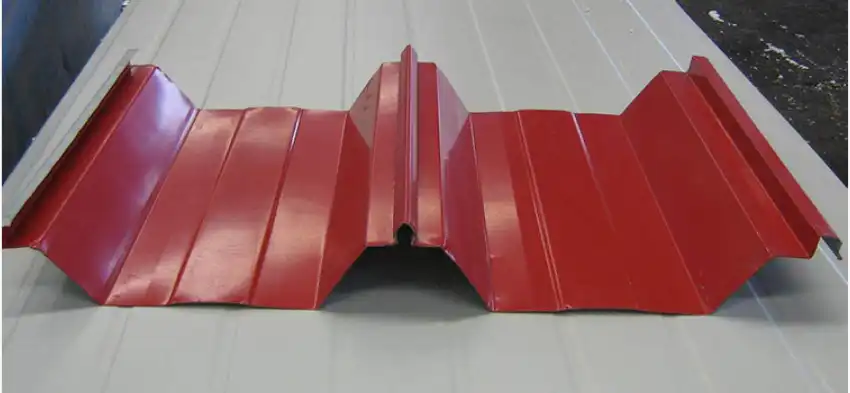
The complicated Angle lock standing seam roof panel system improves metal panel joining. It makes a 90-degree interlock between adjacent panels using a vertical leg structure. This technology uses specific seaming tools to gently crimp the male and female legs together forming a waterproof union, unlike snap-lock systems, which use pressure. Seams often rise 50mm to 115mm above the roof deck. This provides ample room and prevents capillary water from migrating, even when it rains.
Material Composition and Protective Coatings
Commercial-grade panels from certified vendors use structural high-tensile materials. For coastal areas, 3004 and 5052 aluminium alloys resist rust. AZ150 alu-zinc steel plates are affordable and durable for inland use. Transportation hub designs that span hundreds of square feet must consider load-bearing capability and thermal expansion rates, which are affected by substrate choice. Long-term environmental performance and appearance depend on surface protection measures. High-performance PVDF coatings with 70% polyvinylidene fluoride resin don't fade in the sun or industrial contaminants. HDP (High Durability Polyester) finishes provide average protection in regulated environments, while PE (Polyester) coatings are suitable for budget-conscious projects in mild conditions. ISO 12944 requires coatings for facilities shipped to more than 100 countries to match local atmospheric corrosivity values.
Methods of Installation and Structural Integration
Hidden clip attachment is a highlight of angle lock installation. Floating clips on structural purlins allow heat to pass without stressing panels. This prevents fastener holes from extending on open roofs. This engineering method considers that metal surfaces expand 0.14 inches every 10°F temperature change. It eliminates oil-canning faults that make items look uneven. With panel lengths up to 13 meters, horizontal laps—most roofing systems' weakest part—are eliminated. One-piece weather shields with continuous pan design from the eave to the ridge are ideal for businesses with low slopes where water drains off slowly. Automatic seaming moves 15–20 linear feet per minute. Installation is rapid and easy, which is vital for real estate developers that manage several development phases.
Benefits of Angle Lock Standing Seam Roof Panels for Commercial Buildings
Managers of meeting centers, high-speed rail stations, and shopping malls need roofing systems that work smoothly and save energy. Angle lock standing seam roof panels provide measured performance improvements that lower total costs of ownership across 30-year service lifecycles.
Superior Thermal Performance and Energy Efficiency
Airflow channels created by the elevated seam design assist heat escape in summer, reducing cooling needs by up to 15% compared to non-reflective roofing materials. When used with high-emissivity coatings in lighter RAL colour standards, these systems reflect sunlight instead of letting warm air in. When looking at lifecycle expenses, procurement teams know that shorter HVAC runtime affects daily budgets. This is especially true for large structures with 100,000-square-foot roofs. Clip-based attachment lowers thermal bridging, which routes heat through structural parts. Each screw in through-fastened panels allows power to flow, but hidden clips keep insulation uniform across the roof assembly. This design feature is crucial in cold storage and climate-controlled industries, where even temperatures affect product quality and manufacturing speed.
Extended Durability and Minimal Maintenance Requirements
Hurricane-prone commercial projects need additional wind lifting protection than the construction code requires. Angle lock standing seam roof panels mechanically distribute wind loads across the panel width instead of relying on a few fasteners. These assemblies consistently receive Class 90 uplift scores from ASTM E1592, meeting coastal construction zone insurance underwriting norms. In addition to substrate makeup, galvanic separation methods and fastener compatibility defend against corrosion. Putting aluminium pieces together with stainless steel clips inhibits electrochemical processes that tear down materials faster in moist locations. Established manufacturers provide 30-year warranties because they know the coating will cling, the base will persist, and the seam will stay intact under cyclic pressure. Public building building contractors appreciate transferable warranties because they retain value when control changes hands. These systems require less maintenance than asphaltic or single-ply membrane systems, which need regular recoating or patching. Metal naturally sheds dirt because it has no pores. This prevents biological growth that requires chemical treatments for organic roofing. Only annual seam checks and gutter clearing are done without specific instruments or membrane entrance concerns, speeding up inspections.
Acoustic Comfort in Urban Commercial Settings
Ambient noise from traffic, airport runways, and nearby factories can be a problem for business projects in cities. The weight and damping properties of metal walls, especially when put on top of protected layers, cut down on outside noise by 25 to 30 decibels. In mixed-use projects with apartments on upper floors above store concourses, this sound barrier makes tenants happier. The continuous pan design gets rid of the holes that are common in modular roofing systems. This stops sound from getting inside and making the room less quiet. Convention centers that host loud events have less sound leaking into nearby homes, and transportation hubs improve speech clarity, which is important for making statements to passengers and helping them find their way.
Angle Lock vs Other Standing Seam and Metal Roof Panel Options
When purchasing professionals compare different metal roofing technologies, they need to be able to compare their performance in several areas, such as how hard they are to install, how well they stand up to weather, and how reliable they are in the long term. The Angle lock standing seam roof panels profile strikes a good mix between the ease of use of snap-locks and the security of double-locks, making it ideal for business use.
Comparative Analysis with Mechanical Lock Systems
The best water resistance is found in double-lock mechanical seam panels, which have 180-degree seam folding that encloses sealant tapes that were applied by the factory. This setup works well for very low-slope situations below 1:12 pitch, where ASTM E2140 hydrostatic pressure testing is required by standard. The Angle lock standing seam roof panels 90-degree profile works just as well on slopes higher than 2:12, which is the most common pitch range for business building. It also makes seaming easier and cuts down on the time needed for installation. Different systems have very different needs for seaming tools. For double-lock installations, two-pass seaming tools are needed, which makes roof planning and training procedures more complicated. The single-pass seaming that is common in Angle lock standing seam roof panels systems speeds up the installation process, which is very helpful when weather windows make plans tight or phased occupancy dates are coming up. Contractors who coordinate the merging of curtain walls and roofing operations like how flexible the construction process is, which keeps critical path delays from happening.
Advantages Over Snap-Lock and Exposed Fastener Panels
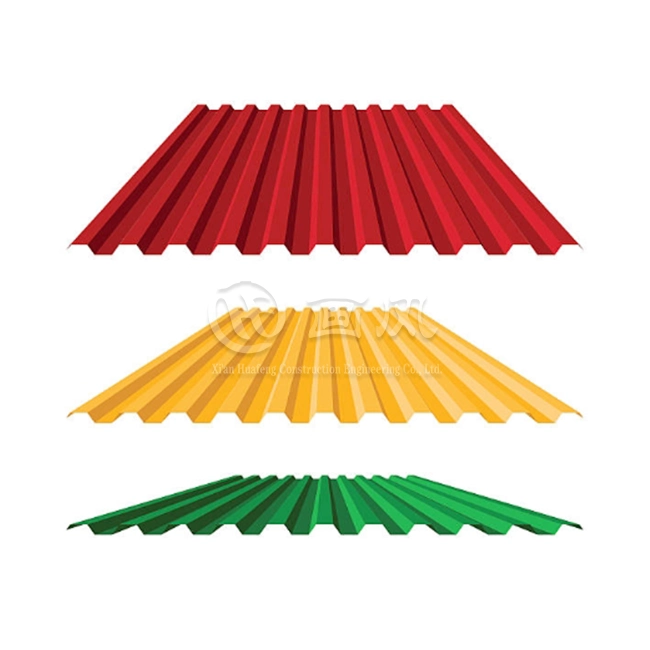
Snap-lock standing seam systems don't need seaming tools because pressure holds panels together. This reduces installation costs by 20%. This trade-off in easiness is poor structural performance, as the snap mechanism doesn't prevent seam unzipping under uplift loads. Snap-lock failures begin at 60–70% of what Angle lock standing seam roof panel systems withstand in a wind lab. So they're not good for high-wind exposure classes. The most affordable roofing option is exposed fastener metal panels, which cost 40–50% less than standing seam. Through-penetration connections provide thousands of leak points as fastener washers shrink and mounting holes lengthen with temperature. Facility managers who track maintenance expenses notice bolt replacement programs start within 10 to 15 years, cancelling out any initial cost savings through continuous servicing. Since Angle lock standing seam roof panels use hidden fasteners, this failure mode is eliminated. This implies the lock will work for decades without maintenance.
Procurement Considerations for B2B Clients
Real estate developers and curtain wall suppliers in charge of big business projects need clear ways to buy things that include ways to predict costs, make sure the supply chain works, and make sure quality standards are met. The way metal roofs are made is very different from how building materials are made in general, so suppliers need to be involved early on in the plan development stages.
Pricing Structures and Budget Optimization
The kind of substrate, coating needs, panel shape complexity, and number of orders determine metal roofing cost-per-square-foot. Installing commercial-grade Angle lock standing seam roof panels costs $8–14 per square foot. Quality finishing and speciality alloys cost more. Large orders above 50,000 square feet receive 8–12% discounts. Multi-building projects benefit financially from early quantity agreements. Due to batch roll-forming and coating economics, efficient producers establish a minimum order size of 500 square meters. For projects near or over this limit, special colour matching services are available to ensure the roof matches the architectural trademark. Procurement teams in charge of many project parts should combine orders to acquire better costs. To maintain colour, they should employ the same materials throughout construction.
Lead Times and Logistics Planning
Metal roofing system manufacture takes 15–20 days from order confirmation to shipment. This is due to coil coating curing time, roll-forming, and quality control. General contractors must consider these lead periods and domestic freight's 5–10 days, depending on how far the shipment must travel to the construction site, in their critical route plans. For international projects with overseas production, ocean freight and customs processing add 45 to 60 days to delivery. For large projects, supply capabilities matters when picking a seller. Manufacturing operations that produce 1,000 tonnes of commodities per month can supply a convention center or transit hub's roofing without disrupting schedules. During supplier qualification, procurement professionals should request building certificates and current project references with similar outputs to assess manufacturing capability.
Warranty Coverage and Risk Mitigation
Comprehensive guarantee schemes distinguish genuine manufacturers from sellers. Commercial metal roofing typically has a 30-year warranty on coating integrity, base perforation, and seam watertightness. Here are the three basic ways long-term performance can fail. Installation instructions and certified contractor requirements must be followed to maintain the guarantee. This means buying teams must check installer certificates during contractor pre-qualification. After installation, specialist assistance on roof equipment integration, thermal movement, and maintenance practices continues beyond warranty claims. Suppliers with engineering teams can help with design during value engineering by cutting costs without affecting performance standards and staying within budget. This collaboration is especially useful in design-build projects, when roofing providers analyse project feasibility and improve specifications.
Installation and Design Best Practices for Commercial Use
To build Angle lock standing seam roof panels successfully, the substrate must be prepared, the panels aligned up, and quality verified constantly. Engineering teams that make specifications and manage construction should provide installation standards that address heat circulation, weather protection, and functioning with other buildings' systems.
Substrate Preparation and Structural Considerations
Flatness of the roof deck affects panel appearance and seam quality. Industry standards limit base adjustments to 1/4 inch throughout the panel run direction over 10 feet. Structural steel purlins 5 feet apart support standard panel profiles. Structural calculations can indicate tighter spacing in snowy or wide-span situations. The flooring system, mainly high-temperature plastic membranes, must be smooth and wrinkle-free to prevent telegraphing through metal panels. Thermal expansion joints are essential for roofs over 200 linear feet. Due to its unusual design, the panels can move without stressing the building's foundation or neighbouring roofs. Sliding clips in expansion joint assemblies allow lengthwise panel movement while compression seals and overlapping closure profiles maintain weather resistance.
Panel Installation Sequencing and Quality Checkpoints
To ensure panel overlap, installation begins at the roof's dominating wind edge and progresses to the other side. Each panel receives an intermediate clip at the maker's specified intervals, usually 18 to 24 inches on center, before mechanical seaming. Laser alignment tools check panel straightness every 50 feet. This prevents angle mistakes from causing ugly seam undulations on large roofs. Go/no-go tools should be used for quality control to assess seam height and seam formation depth. Uncrimped seams won't keep water out, and overcrimped seams can harm the finish and cause tension. Third-party checks verify warranty activation and owner approval at 25%, 50%, and 100% final stages. These proving processes are useful for public projects with bonds and longer responsibility periods.
Vendor Selection Criteria and Supplier Qualification
When evaluating metal roofing suppliers, purchasing teams should prioritize companies with relevant certifications and accreditations. Grade 1 curtain wall qualifications and high-tech business titles demonstrate expertise and innovation. A large manufacturing site with multiple production lines ensures consistent output and a robust supply chain. Experience with international projects also matters, as it showcases a supplier's ability to navigate diverse regulatory environments and logistics. By considering these factors, developers can mitigate project risk and ensure successful collaborations with reliable suppliers who can meet their needs across global portfolios.
Conclusion
Commercial roofing decisions have decades-long implications. Throughout the building's history, energy costs, upkeep budgets, and asset values change. Angle lock standing seam roof panels give general contractors, real estate developers and building managers confidence in their big project methods. The mechanical interlock design eliminates visible fastener weak areas and improves weather protection, thermal efficiency, and wind uplift in a variety of climates. Procurement pros benefit from simple pricing, consistent production wait times, and full warranty support that eliminates long-term financial risk. As commercial construction standards emphasise sustainability and long-term value, decades-long metal roofing solutions preserve building inhabitants and owner wealth.
FAQ
1. What distinguishes angle lock panels from double-lock standing seam systems?
Angle lock standing seam roof panels keep water out on slopes over 2:12 pitch with a 90-degree seam fold. Double-lock systems, with 180-degree crimping, are suitable for low-slope circumstances. Angle lock profiles can be installed faster than double-lock profiles because they use single-pass seaming equipment. Both techniques hide screws and enable heat movement, although ASTM E2140 testing suggest double-lock units have slightly better hydrostatic pressure resistance.
2. How do angle lock panels help meet the standards for LEED certification?
Metal roofing systems contribute to LEED credit categories like Energy & Atmosphere (because they reflect sunlight and reduce cooling loads), Materials & Resources (because they are recycled and can be reused), and Innovation. Commercial panels normally have a 30-year warranty, proving they fulfil LEED performance standards. Factory-applied roof coatings eliminate volatile organic compound fumes.
3. What upkeep steps can make an angle lock panel last longer?
Seams, gutters, and entry flashings should be checked annually for damage, debris, and sealant wear. Low-pressure water cleaning every two years removes air contaminants that degrade surfaces, especially in industrial settings. Snow retention devices must regularly check fastener strength to distribute load uniformly. Unlike membrane roofing systems, which need constant patching and re-coating, these systems require little maintenance.
Partner with HF for Your Next Commercial Roofing Project
Xi'an Huafeng Construction Engineering Co., Ltd. makes business-sized angle lock standing seam roof panels. Our 200,000-square-meter raw material facility and strategically placed processing factories in Hangzhou and Xi'an can handle 1,000 tonnes of cargo each month, adequate for transit hubs, conference centers and multi-phase real estate projects. We have over 20 recognised patents, Grade 1 curtain wall qualifications, ISO9001 and ISO14000:14001 certifications, and the technical know-how and quality assurance methods general builders and procurement professionals want. PVDF, HDP, and PE coatings in RAL and custom colours are available for standing seam metal roofing systems. These are fully guaranteed for 30 years. As a trusted Angle lock standing seam roof panels manufacturer for over 100 countries, we can organise logistics and provide technical support to ensure project success. Talk to us at huafeng@hfmetalroof.com or visit us to discuss your project's scheduling and performance needs, acquire technical datasheets, and get cheap quotations.
References
1. Smith, J.R. & Thompson, M.K. (2021). Metal Roofing Systems for Commercial Construction: Design and Performance Standards. American Institute of Steel Construction, Chicago, IL.
2. National Roofing Contractors Association. (2022). NRCA Roofing Manual: Metal Panel and SPF Roof Systems – 2022 Edition. NRCA Publications, Rosemont, IL.
3. Patterson, L.E. (2020). "Thermal Performance Comparison of Standing Seam Metal Roof Assemblies." Journal of Building Physics, 44(3), pp. 287-309.
4. Metal Construction Association. (2023). Technical Bulletin: Wind Uplift Resistance of Mechanically Seamed Metal Roof Systems. MCA Technical Services, Glenview, IL.
5. Wagner, D.H. & Chen, Y. (2019). "Life Cycle Cost Analysis of Commercial Roofing Systems: A 50-Year Perspective." Construction Economics and Building, 19(2), pp. 112-134.
6. International Code Council. (2021). International Building Code 2021: Chapter 15 – Roof Assemblies and Rooftop Structures. ICC Publications, Washington, DC.





YOU MAY LIKE