The Best Suppliers for Angle Lock Standing Seam Roof Panels
2026-06-03 11:00:02
When purchasing Angle Lock Standing Seam Roof Panels systems, procurement managers need to find partners who can provide more than just supplies. These partners need to have a lot of technical knowledge and a track record of getting things done. Xi'an Huafeng Construction Engineering Co., Ltd. is one of the well-known companies that makes curtain walls for big commercial projects. It has seven raw material production lines that can handle 1,000 tons of supplies every month, making it a high-tech enterprise. Their mechanically seamed panels have angular locking profiles that make connections that are weathertight and can accommodate thermal expansion. This makes them perfect for transportation hubs, convention centers, and government-funded infrastructure where long-term performance is important.

Understanding Angle Lock Standing Seam Roof Panels
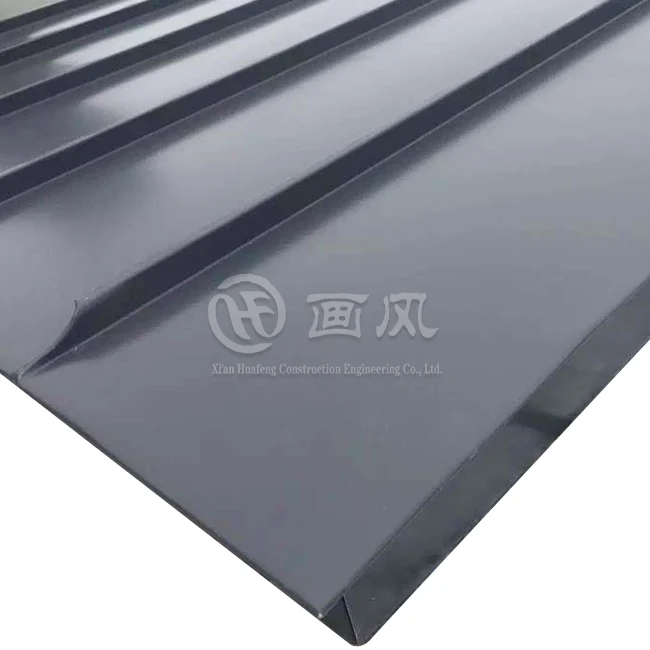
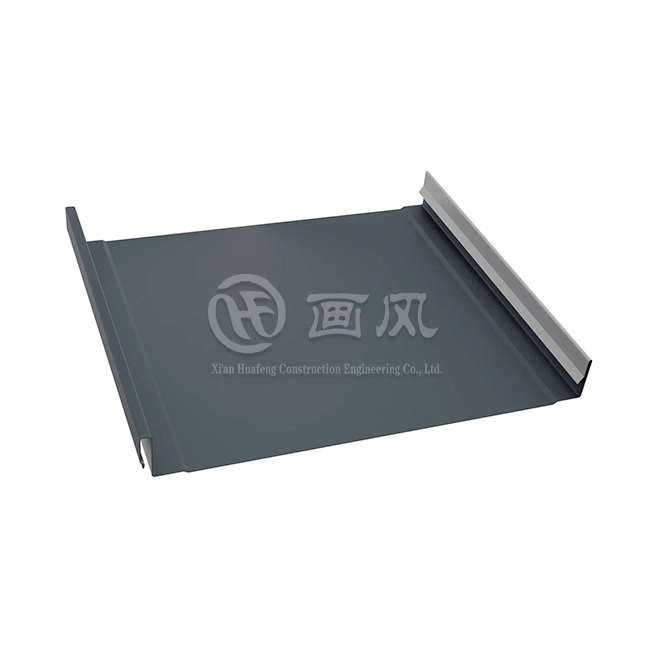
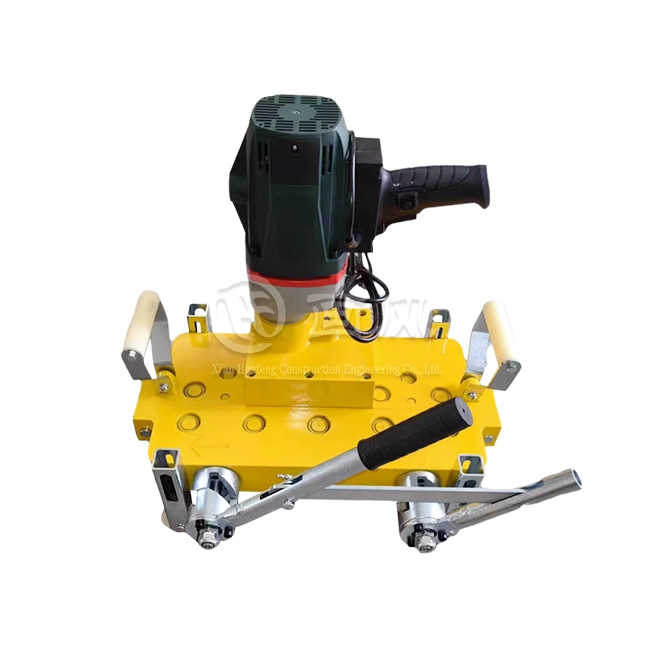
To understand how rotational locking mechanisms are fundamentally different from friction-based snap systems is the first step to understanding the structural stability of mechanically seamed metal roofs. These Angle Lock Standing Seam Roof Panels have a vertical leg that angles at 90 degrees and is attached using special tools that sew. This makes hidden fastener connections that solve important performance problems in commercial building.
The Mechanical Advantage of Angular Seaming
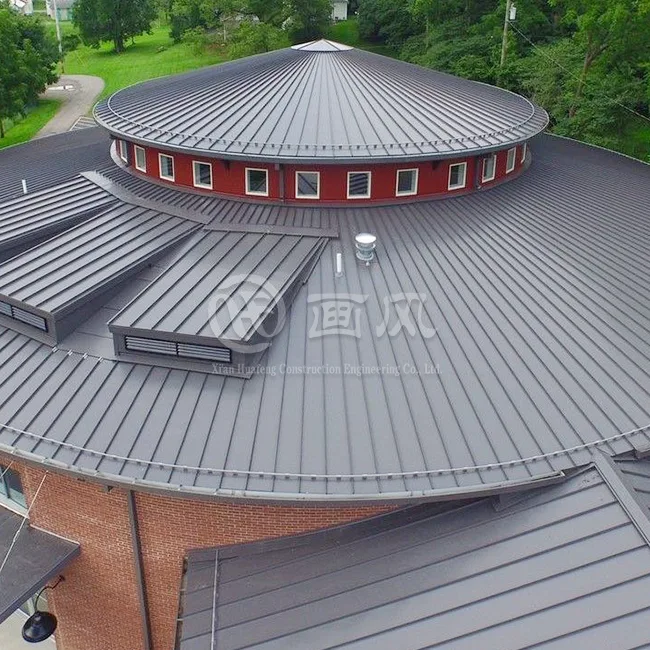
In exposed fastener systems, heat cycling slowly makes screw holes longer. The angular locking design, on the other hand, has floating clip parts that are attached to the foundation. With this technical method, metal pieces can expand and contract with changes in temperature without putting stress on the points where they penetrate. Each panel's male leg slides into the female receiver channel. From there, seaming equipment gradually crimps the link along the whole length of the panel, which can usually go up to 13 meters without any crosswise joints. Because this sculpture is one monolithic piece, there are no horizontal cracks, which are common places for water to get in.
Material Specifications That Drive Performance
The choice of substrate has a direct effect on the lifespan and upkeep needs in a variety of environmental circumstances. Aluminum alloys like the 3004 and 5052 series are lightweight and resistant to rust, making them perfect for use along the coast. On the other hand, alu-zinc steel plate with an AZ150 coating is economical and long-lasting, making it perfect for industrial complexes inland. Panels with rib heights between 50mm and 115mm improve both drainage and visual depth. Panel thicknesses that range from 0.7mm to 1.2mm can handle different structural load needs. Standing seams make a 1.5- to 2-inch vertical relief, which keeps the mechanical joint above the water line even when bad weather happens.
Thermal Performance and Energy Efficiency
Through reflective coating technologies and ventilated hollow designs, metal roofing systems make the building shell more energy efficient in a way that can be measured. When 70% PVDF finishes are used, the color stays stable for twenty years with less than 5 Hunter units of fade. At the same time, they reflect sun energy that would normally move as heat load. When used with the right underlayment systems, these thermally efficient units lower the need for cooling in large business buildings where the ratio of roof to floor area has a big effect on running costs.
Criteria for Choosing the Best Suppliers
When choosing an Angle Lock Standing Seam Roof Panels manufacturing partner for big building projects, it's important to look at a lot of performance factors, not just unit price. Purchasing teams need to look at how many certifications the supplier has, how much output can be scaled up, how much technical customization is possible, and how well the supplier has done in the past at providing complex installations on short notice.
Quality Certifications and Manufacturing Standards
Quality management methods that are known all over the world are the basis for reliable product performance. ISO9001 certification shows that written control over the manufacturing processes is in place, and ISO14000:14001 compliance shows that environmental management is built into all production processes. SGS testing adds third-party confirmation of the material's specs and the adhesion of the finish. When suppliers don't have these basic licenses, they add needless risk to projects. If the roofing system fails, it can cause schedule delays and put the supplier at risk of being sued. If a building has Grade 1 building curtain wall qualifications, it means that it can have artistically complicated facades that often connect with roofing systems in modern transportation hubs and mixed-use projects.
Production Capacity and Supply Chain Reliability
For large commercial projects, suppliers need to be able to send large amounts of materials within tight building windows. Multiple coating lines and automatic horizontal shearing tools support a monthly production capacity of 1,000 tons. This makes sure that there is enough inventory, even when installing parts of the factory in different buildings at different times. Delivery times of 15-20 days from order confirmation give project managers enough time to plan work times that depend on the weather. Vertical integration is shown by suppliers who keep separate production sites for raw materials that cover 200,000 square meters. This makes them less dependent on disruptions in the external supply chain, which is very important to keep in mind when handling government-funded projects with contractual completion fines.
Customization Capabilities for Project-Specific Requirements
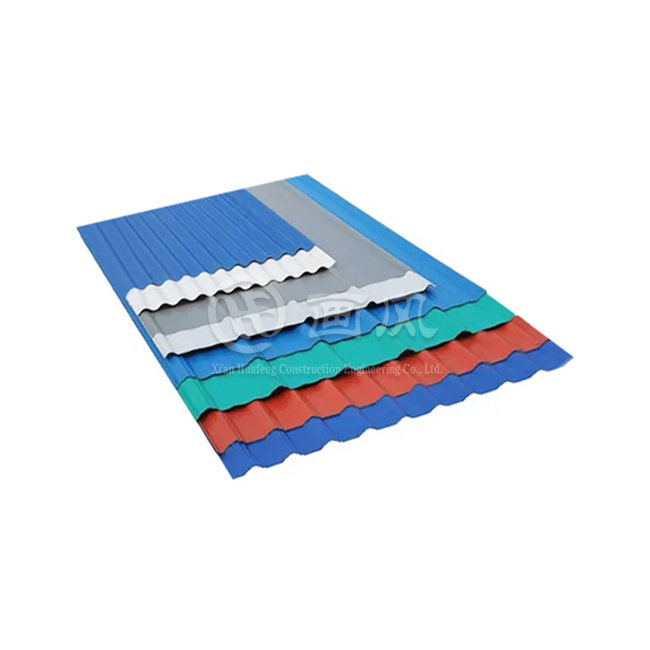
Every big business building has its own special architectural needs when it comes to matching colors, choosing materials, and making sure they work well. Access to RAL color standards and custom color development make it possible for curtain wall and roofing systems to work together on the surface. Polyester (PE), high-durability polyester (HDP), and polyvinylidene fluoride (PVDF) are all coating choices that can be used to match specifications with price and expected service life. Panel widths can be changed from 300mm to 600mm, and lengths can be changed from 3 meters to 13 meters per piece. This gives designers more options than premade standard goods can offer. Minimum order numbers of 500 square meters are a good compromise that lets you use specialized systems without needing big material commitments during early stages of a project.
Leading Manufacturers Serving the U.S. Market
The business building industry in North America benefits from both American manufacturers and foreign suppliers who have a track record of getting projects done. When looking at possible partners, you need to look at their technical innovation, the projects they've already completed, and the infrastructure in the area that helps them.
Xi'an Huafeng Construction Engineering Co., Ltd.
Technology skills are increasing quickly—it was created in 2018 and recognised as a high-tech firm in two years. The firm provides standing seam metal roofing panels, aluminum-magnesium-manganese systems, titanium-zinc installations, and entire accessory sets for single-source ordering. Their plants in Anhui, Hangzhou, and Xi'an ensure production duplication, reducing regional interruptions and improving logistics to trans-Pacific ports. Over 20 patents cover new roofing systems and building methods they developed while working in construction. Manufacturing knowledge and field installation knowledge are combined to create product designs that solve contractor problems. Integrating roofing systems into vertical facade assemblies is possible with the company's Grade 1 curtain walls and Grade 3 steel constructions. Many new transit hubs and event centres need continual weatherproofing over numerous planes.
Evaluating Supplier Technical Support
Large-scale installations need engineering assistance throughout planning, design, and construction in addition to manufacturing. Suppliers that can support design teams with thermal movement calculations, wind uplift standards, and flashing detail creation are invaluable during pre-construction. Regional agents that know U.S. construction rules and ASTM testing standards speed up specification clearance, reducing delays caused by overseas suppliers without localised specialist resources. Field work quality and quantity depend on project-specific shop drawings and installation guide materials.
Cost and Value Analysis
The total cost of procurement includes a lot more than just the price per square meter. It also includes transportation, how well the product is installed, upkeep over its lifetime, and when it needs to be replaced. Smart buyers judge Angle Lock Standing Seam Roof Panels providers by using detailed cost models that take into account how well the product works over the life of the building.
Initial Investment Considerations
Material prices vary on base, finish, and customisation complexity. Aluminium systems are more costly than galvanised steel, but they withstand rust better in naval environments, where replacing them too soon costs more than the original savings. PVDF coating systems cost 30% more than polyester finishes, but their longer colour retention and chalk resistance make them worth it for high-visibility public buildings that need visual appeal. Volume discounts are available for orders over 5,000 square metres, which may save you money when purchasing for many projects or homes. Ocean freight, port handling fees, customs charges, and shipping products to overseas work locations are all part of international shipping logistics. The costs and risks of delivery depend on whether the terms are "FOB" or "CIF". Panel length planning for container optimisation reduces shipping costs per unit and field cutting waste.
Long-Term Value Through Durability
Premium metal roofing systems save money due to their durability and minimal maintenance. When properly placed, 30-year-guaranteed systems endure more than 50 years, twice as long as modified bitumen or single-ply membrane solutions. Due to the lack of coating or membrane replacement cycles, there are no ongoing capital expenses as with traditional roofs every 15-20 years. Reflective coatings reduce building operating costs by increasing energy efficiency. Cooling load falls if HVAC is the major utility expenditure. Buying teams must consider more than installation cost when calculating ROI. They must model ongoing costs.
Best Practices for Procurement
For strategic sourcing to work on big building projects, there needs to be a way to evaluate suppliers in a way that matches their skills with the needs of the project. Before making a final commitment, successful buying teams use structured due diligence procedures to check the company's manufacturing capacity, quality systems, and track record of performance.
Supplier Qualification and Verification
Instead of trusting the supplier, evaluate the certification documents directly. Requesting ISO certifications with current expiry dates, Grade 1 curtain wall qualification papers, and government register checks to verify high-tech firm status are fundamental strategies to develop confidence. Visits to factories illustrate production size, equipment complexity, and quality control integration in a manner that paperwork can't. Checking out the coating line, seaming equipment, and in-process testing methods demonstrate your manufacturing skills.
Verifying reference projects gives crucial success evidence to reviews. Former clients who oversaw transportation hubs or meeting centres of a similar size can tell you how responsive the provider was during design, how reliable delivery was under tight deadlines, and how good technical support was during installation. Successful benchmark projects, particularly government-funded infrastructure when performance demands exceed corporate needs, demonstrate the capacity to complete tasks under difficult situations.
Contract Terms That Protect the Interests of the project
Negotiating good contract terms includes more than just price. It also includes service promises, quality standards, and ways to share risk. When you have clear material specs that include ASTM standards for the substrate, the coating thickness (measured in dry film thickness), and the mechanical property requirements, there is no room for confusion that could lead to disagreements during acceptance checks. Delivery schedules should include provisions for liquidated costs for late packages that affect activities on the vital path. They should also allow fair force majeure exceptions for documented supply chain delays. The warranty must make it clear what it covers, such as the performance of the coating, the resistance of the base to perforation, and any exceptions that come from bad fitting or neglecting upkeep.
Payment terms usually include a 30% deposit when the order is confirmed, and the rest of the payment is due when the bill of lading is presented for foreign shipping. When setting up new supply relationships for large orders, letter of credit agreements through well-known banks offer security for both sides. Quality hold-back clauses that keep 5-10% of payment until the installation goes well and the first performance is checked protect buyers' interests while keeping vendors' cash flow stable.
Conclusion
When looking for providers of Angle Lock Standing Seam Roof Panels systems, it's important to look at their production capabilities, expert support infrastructure, and track record of completing projects. People who work in procurement for large-scale business building should look for partners with certified quality systems, a lot of production capacity, and the ability to make changes that fit the needs of each project. Suppliers like Xi'an Huafeng Construction Engineering Co., Ltd. offer the technical depth and scalability that government infrastructure projects, convention centers, and transportation hubs need. They do this by having high-tech enterprise certification, Grade 1 qualifications, and a monthly capacity of 1,000 tons. By using structured due diligence processes and negotiating contract terms that cover delivery reliability and performance promises, buyers can get roofing solutions that protect against the weather for decades while also meeting strict standards for aesthetics and sustainability.
FAQ
1. What lifespan should I expect from quality standing seam systems?
Premium mechanically seamed metal roofing with 30-year promises usually lasts 50 to 70 years if it is put and taken care of properly. PVDF coating methods keep the color true for more than 20 years with little chalking, and the substrate stays physically sound long after the protection time is over. This longer durability is much longer than the 15–25 year lifespan of membrane roofing options, which means that even though the original investment is higher, the overall cost savings are higher over time.
2. Can panel specifications be customized for specific project needs?
Manufacturers you can trust let you choose the material, the size of the panels, the color, and the finishing method. Panel widths can be changed from 300mm to 600mm, and lengths can be made to order up to 13 meters. This can be adjusted to fit different building needs, and the ability to choose from RAL colors and have unique designs made ensures that the facade fits in perfectly. Different budgets and climatic conditions can be met with different types of materials, such as aluminum alloys, alu-zinc steel, and stainless steel.
3. How do these systems perform under extreme weather conditions?
Through hidden closures and raised seam profiles, the mechanical locking design is especially made to deal with bad weather. Floating clip fittings allow for changes in temperature without affecting weathertightness, and seam heights of 1.5 to 2 inches keep joints above water levels when it rains or snows a lot. Systems that meet the UL 580 Class 90 wind uplift rates have been tested and shown to work well in hurricane zones. This means they can be used in harsh areas where they will be exposed to the elements.
Partner with HF for Your Next Large-Scale Roofing Project
Xi'an Huafeng Construction Engineering Co., Ltd. has the production capacity, professional know-how, and quality certifications that big business tasks need. Our standing seam metal roofing systems use cutting edge angle locking technology and a wide range of materials, such as aluminum alloys, alu-zinc steel, and stainless steel surfaces that are coated with PE, HDP, or PVDF. As a Grade 1 curtain wall-certified high-tech enterprise, we offer 1,000 tons every month from buildings with seven coating production lines and more than 40 specialized processing tools. Our more than 20+ filed patents and successful installations in government buildings, meeting centers, and transportation hubs show that we can handle complicated architectural needs. Email our technical team at huafeng@hfmetalroof.com to talk about the details of your project and find out why top builders across the country choose HF as their Angle Lock Standing Seam Roof Panels provider for mission-critical infrastructure.
References
1. American Architectural Manufacturers Association (AAMA). Metal Roof Panel Systems: Design Guide for Thermal Movement and Fastener Strategies. 2021.
2. Chen, W., and Liu, Y. "Performance Evaluation of Mechanically Seamed Metal Roofing Under Cyclic Wind Loads." Journal of Structural Engineering, vol. 148, no. 6, 2022, pp. 1243-1257.
3. National Roofing Contractors Association. The NRCA Metal Panel and SPF Roof Systems Manual. 5th ed., NRCA, 2020.
4. Patterson, M. R. Architectural Metal Surfaces: Understanding Deterioration Mechanisms and Durability Performance. Wiley Professional, 2019.
5. Smith, T. J., and Anderson, K. L. "Life Cycle Cost Analysis of Commercial Roofing Systems: Comparative Study of Metal vs. Membrane Applications." Building Economics Quarterly, vol. 39, no. 2, 2023, pp. 87-104.
6. Thompson, R. E. Modern Metal Roofing Installation: Technical Guide for Commercial Applications. Construction Publications Ltd., 2021.





YOU MAY LIKE