Angle Lock Standing Seam Roof Panels: The Future of Roof Engineering
2026-06-03 11:00:02
There is one new idea that stands out when we think about the future of industrial roofs. The Angle Lock Standing Seam Roof Panels system is a completely new way to protect the outside of a building. It combines advanced mechanical engineering with real-world performance. This method has a unique 90-degree angular fold that makes a strong interlocking link between panels and hidden clips. This gives the best protection and heat movement capabilities. As performance standards get stricter and infrastructure projects get more complicated, this roofing technology solves some of the most important problems that general contractors, curtain wall specialists, and real estate developers across North America face when they are in charge of big public buildings, transportation hubs, and commercial complexes.

Understanding Angle Lock Standing Seam Roof Panels
The engineering behind these screens comes from decades of studying metals and trying them in the field. Traditional through-fastened systems compromise the roof membrane with visible screws. This mechanically seamed approach, on the other hand, keeps the roof completely weathertight with hidden connection methods using Angle Lock Standing Seam Roof Panels.
Technical Architecture and Design Principles
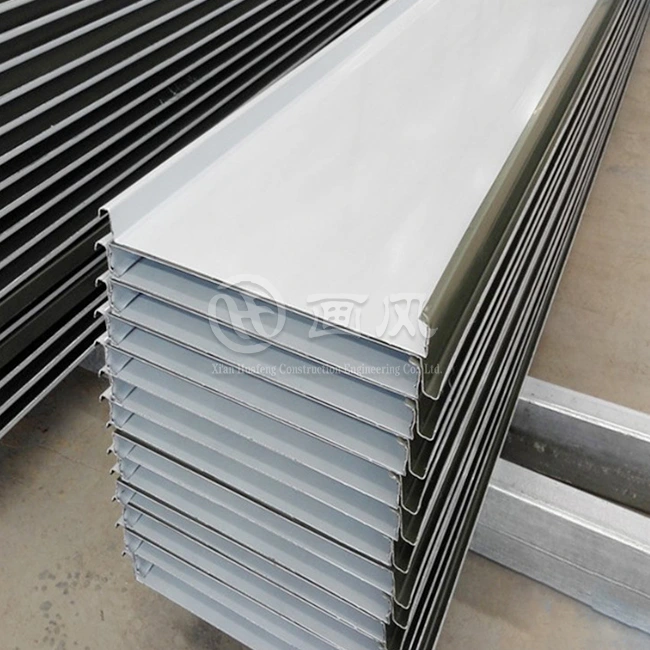
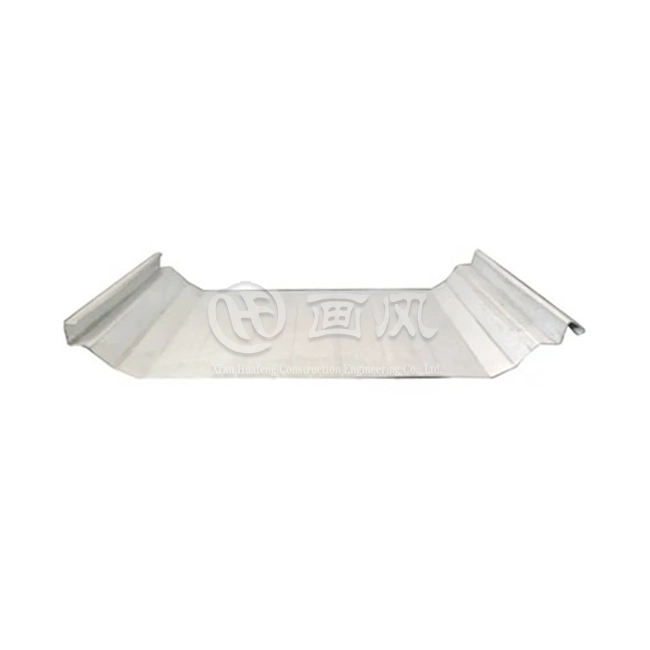
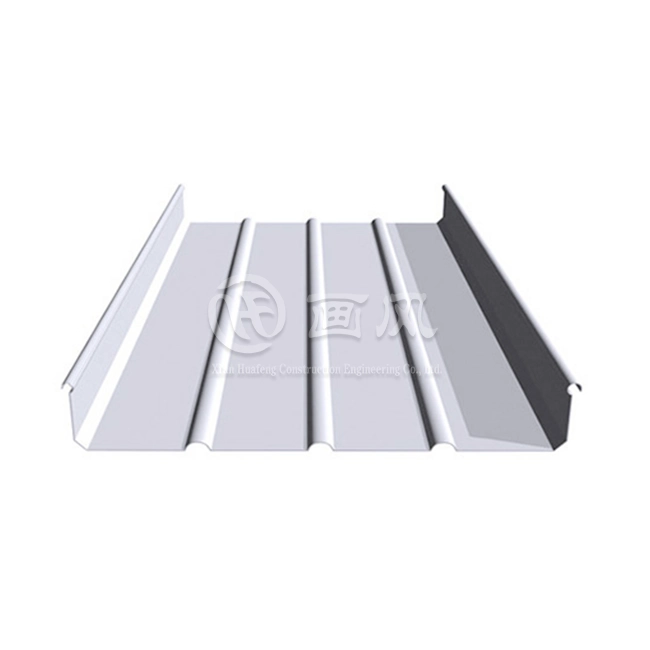
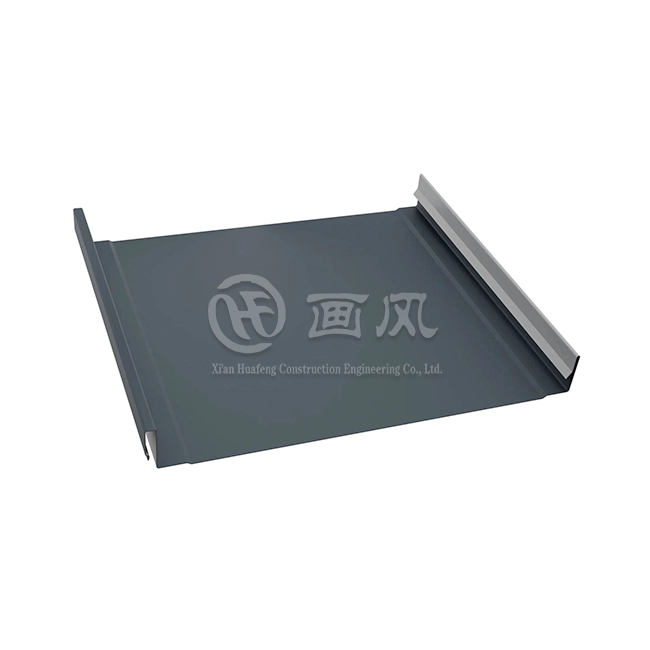
The feature that sets it apart is the outline shape. There is a vertical male leg on each panel that folds at an exact 90-degree angle and connects with a female leg on the panel next to it. Engineering terms for this angled arrangement are a "mechanical interlock" and it means a link that gets stronger when the wind picks up instead of weakening. Usually, the seam is 50 mm to 115 mm above the roof line. This gives it a lot of height and keeps water away from the weak spots where the seams join. In the female leg, factory-applied sealant chemicals form a second barrier against wetness. This helps with hydrostatic pressure issues in low-slope situations where water may pool for a short time.
Material Science and Substrate Options
When we make our panels, we use three main base materials, each chosen for its unique performance needs. The aluminum alloy choices, especially the 3004 and 5052 types, are very resistant to rust in coastal areas where salt air speeds up the breakdown of metals. The natural oxide layer of the material keeps growing back, protecting it from sea air contact. Our Alu-zinc steel plates with AZ150 coating offer galvanic protection through a sacrificial zinc-aluminum alloy layer for projects that want to save money without losing toughness. This substrate works great for interior business buildings and traffic hubs where budgets affect the choice of materials. When projects need the best corrosion protection, like in industrial buildings that are exposed to harsh chemicals, stainless steel substrates last the longest, even though they cost more at first.
Superior Performance Characteristics
The mechanical seaming process makes a weathertight seal that can survive harsh conditions that would damage other systems. Testing according to ASTM E1646 guidelines shows that water can't get through, even when hurricane-like wind-driven rain is mimicked. The floating clip attachment method fixes a major issue that fixed-fastener roofs have: thermal expansion stress. Metal walls get a lot bigger and smaller as the days and seasons go by because they heat up and cool down. Our clip design lets the panel naturally move along its length. This gets rid of the stress points that lead to screw holes getting longer and water getting in through them in other systems.
Angle Lock vs Other Roofing Panel Solutions: Making the Right Choice
When handling high-stakes projects, procurement professionals need to be able to clearly show how different materials perform in order to convince expert groups and top management of their choices. There are many automatically seamed choices on the market for roofs, and each has its own pros and cons, including the Angle Lock Standing Seam Roof Panels.
Comparative Analysis with Alternative Systems
Snap lock standing seam systems remain a popular economical option because they install quickly without mechanical seaming equipment. Their friction-based locking design reduces labor costs by roughly 15–20%, making them attractive for residential and light commercial applications. However, the lower seam strength limits their use in regions with strong winds, heavy snow loads, or low roof slopes. Double lock systems improve weather resistance by folding seams 180 degrees, creating maximum structural strength suitable for coastal and mountainous environments. Traditional through-fastened roofing remains inexpensive initially, but exposed fasteners increase leak risks significantly. Angle Lock Standing Seam Roof Panels offer a stronger balance between cost, durability, and long-term weather protection.
Return on Investment Considerations
Initial installation costs for standing seam roofing systems are usually 25–40% higher than conventional membrane roofing solutions. However, long-term lifecycle analysis demonstrates substantial financial advantages over decades of service. Angle Lock Standing Seam Roof Panels commonly include 30-year performance warranties and can remain functional for over 50 years with proper maintenance. Conventional membrane systems often require complete replacement every 15–20 years, increasing long-term ownership costs. Reflective roof finishes improve building energy efficiency by reducing cooling demands, while minimal maintenance requirements lower repair expenses. For most commercial facilities, the combined savings from durability, energy efficiency, and reduced replacement frequency typically deliver return on investment within 12–15 years.
Procurement Considerations for Angle Lock Standing Seam Roof Panels
Getting a big job done requires coordinating a lot of different people with different goals. Technical offices focus on performance standards and durability, while buying teams combine the need for quality with delivery schedules and budgets. As a company that has supplied convention centers, high-speed rail stops, and business buildings, we know what makes a good choice for Angle Lock Standing Seam Roof Panels.
Critical Specification Parameters
Panel width directly influences both structural performance and visual appearance. Narrower panels between 300–400 mm reduce the visible waviness known as oil canning and are ideal for highly visible architectural projects. Wider panels increase installation efficiency across large roof surfaces where appearance variations are less critical. Panel thickness must correspond with structural spans, wind exposure, and snow load requirements. Thinner 0.7 mm panels suit sheltered regions with lighter weather conditions, while thicker 1.2 mm panels perform better in demanding climates. Custom panel lengths up to 13 meters eliminate horizontal seams, improving waterproof performance. These specification options allow Angle Lock Standing Seam Roof Panels to adapt to diverse architectural and environmental requirements.
Finish Systems and Environmental Durability
Roof coating systems strongly affect long-term durability, color stability, and maintenance requirements. Polyester coatings provide economical protection for inland regions with lower UV exposure and limited industrial pollution. High-durability polyester systems improve resistance to fading and chalking while remaining cost-effective for commercial developments. Premium PVDF coatings using fluoropolymer resin technology provide the highest resistance to UV radiation, chemical pollution, and weathering damage. Independent long-term testing in severe climates demonstrates minimal color change even after decades of exposure. For coastal projects, industrial environments, or buildings emphasizing long-term aesthetics, PVDF finishes remain the preferred solution. Angle Lock Standing Seam Roof Panels benefit significantly from these advanced coating technologies.
Supply Chain and Delivery Logistics
Reliable supply chain performance is critical for large construction projects operating under strict schedules. Manufacturers capable of producing approximately 1,000 tons monthly can support multiple projects simultaneously while maintaining consistent product quality. Minimum order quantities around 500 square meters suit medium-sized commercial developments and phased campus construction projects. Standard delivery times of 15–20 days enable efficient just-in-time material management, especially valuable on crowded urban construction sites where storage space is limited. Custom RAL color matching allows architects to maintain consistent visual standards across large developments. Vertically integrated manufacturing operations strengthen supply stability and reduce dependency on external suppliers, improving scheduling reliability for complex roofing projects.
Installation and Maintenance of Angle Lock Standing Seam Roof Panels
When put by experienced professionals who know the best ways to do metal roofing, the complex engineering behind mechanically seamed roofing systems pays off in the real world. Our technical support team works directly with general builders and curtain wall experts to make sure that the right way to place the Angle Lock Standing Seam Roof Panels is used.
Field Installation Methodology
Successful installation begins with proper preparation of the structural deck, which must remain level within 1/4 inch over 10 feet to prevent panel distortion. High-temperature underlayment systems provide secondary moisture protection while supporting safe installation. Hidden clips secure the panels to the structure while allowing thermal expansion and contraction. Clip spacing generally ranges between 12–18 inches depending on panel width and local wind uplift requirements. Mechanical seaming machines gradually crimp the panel edges together to create watertight seams. Quality control during seaming remains essential because incomplete seam engagement can compromise weather resistance. Skilled installation crews continuously monitor seam consistency to maintain the full performance capabilities of the roofing system.
Lifecycle Maintenance Protocols
Standing seam roofing systems need less inspections and repairs than membrane roofs. Annual visual inspections following severe weather assist discover seam integrity, drainage, and clip fastener concerns. Cleaning panel surfaces frequently eliminates debris, contaminants, and organic development that may degrade coating effectiveness in humid regions. Maintenance with mild detergents and power washing seldom damages protective finishes. Construction scratches and coating damage should be corrected immediately with matching touch-up coatings. Due to good drainage and thermal movement, Angle Lock Standing Seam Roof Panels last a long time with little maintenance.
Application Versatility Across Building Types
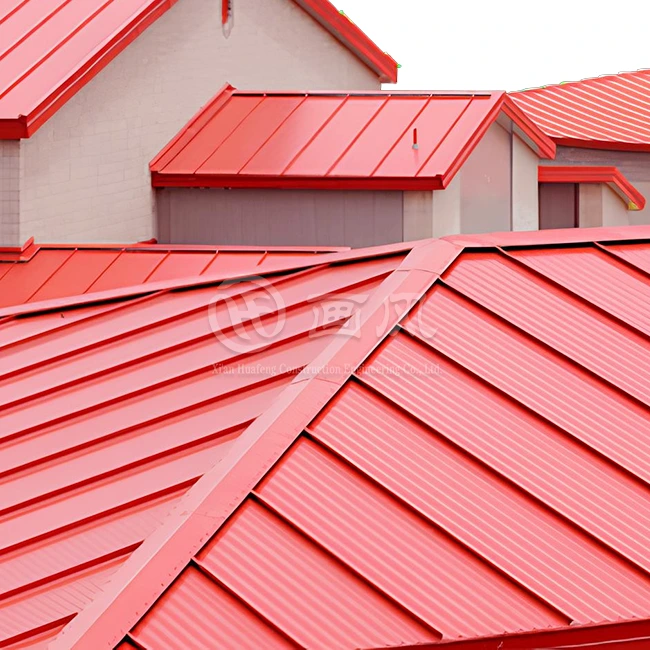
Mechanically seamed roofing systems provide design freedom in many commercial and architectural applications. Roof failures may impede public operations, therefore transportation facilities benefit from their waterproofing dependability. Long continuous panel lengths produce clean rooflines over big open interior areas in convention centres and exhibition halls. Standing seam systems are used in more commercial office buildings since they are LEED-compliant. Solar reflection boosts building energy efficiency and reduces urban heat islands. Non-penetrating solar mounting solutions connect to roof seams without impacting waterproofing. Angle Lock Standing Seam Roof Panels assist contemporary architecture, sustainability, and renewable energy integration due to its adaptability.
The Future of Roofing with Angle Lock Standing Seam Panels
The industrial roofing industry is at a turning point, caused by new technologies, changing energy codes, and calls for sustainability. As a company that works on high-profile building projects, we can see how new trends are changing the requirements for Angle Lock Standing Seam Roof Panels and the goals for buying them.
Sustainability and Environmental Performance
Metal roofing systems align closely with modern sustainability principles because aluminum and steel materials can be recycled repeatedly without quality loss. Recycled content percentages often range between 25% and 95% depending on the alloy and manufacturing process. Unlike membrane roofing systems that usually enter landfills after removal, metal roof panels can be fully recovered and reused. Reflective finishes help reduce cooling demands by lowering heat absorption and minimizing urban heat island effects. Advanced PVDF coatings frequently exceed ENERGY STAR and Cool Roof Rating Council requirements for solar reflectance and thermal emittance. These environmental benefits support green building certification programs such as LEED and Green Globes while improving overall building energy performance throughout the roof lifecycle.
Integration with Smart Building Systems
Smart building technologies are extending roofing systems' functions in current infrastructure projects. Non-penetrating photovoltaic systems that produce renewable energy without impacting waterproofing may be attached to standing seam roof profiles. Sensors in roofing systems monitor moisture, structural movement, and temperature and relay data to building management systems. This data optimises HVAC functioning and predicts repair. Mechanically seamed metal roofs are stable for decades, making them ideal for modern monitoring devices. Weather protection, energy management, operational efficiency, and intelligent building performance are all benefits of Angle Lock Standing Seam Roof Panels.
Strategic Market Positioning
North American infrastructure growth increases demand for durable and technically sophisticated roofing solutions. Companies having curtain wall construction, steel structures, and quality management system certifications satisfy government-funded project supplier criteria. International project experience also shows the capacity to meet changing technical requirements and complicated project circumstances in diverse markets. For procurement experts handling huge projects, integrated design consulting, customised manufacturing, technical help, and installation support ease coordination. This complete project assistance enhances scheduling and quality control over multi-vendor procurement. Angle Lock Standing Seam Roof Panels remain strategically important in commercial roofing as demand for sustainable and resilient infrastructure rises.
Conclusion
The progress made in industrial roofing technology is a reflection of a larger trend toward long-lasting, eco-friendly building systems that provide clear lifetime value. Angle Lock Standing Seam Roof Panels with angle lock seam designs bring together the science of metals, the art of precision production, and real-world performance. We looked at the technical design that makes these systems different from other options, the procurement issues that come up with big business projects, and the installation and care methods that make sure these systems work for decades. As building rules get stricter on standards for energy efficiency and durability, metal roofing systems have been shown to work well for transportation hubs, meeting centers, and business complexes that make up modern infrastructure. Investing in good products and the right way to place them pays off in the form of longer service life, lower maintenance costs, and better building performance.
FAQ
1. What distinguishes angle lock seams from double lock configurations?
The angle lock makes a 90-degree fold that forms an L-shaped profile. This gives the profile a cleaner look and makes fitting easier on higher slopes. Double lock systems fold the seam 180 degrees, giving the strongest structural contact for almost flat uses below 2:12 pitch and areas with a lot of snow. Both setups use mechanical seaming tools, but Angle Lock Standing Seam Roof Panels are often better for business buildings with moderate slopes and good visibility.
2. How does the system perform in hurricane-prone coastal regions?
When systems are properly designed, they can withstand wind uplift rates higher than the UL 580 Class 90 standards, making them ideal for coastal areas. The mechanical seam connection gets stronger under negative pressure instead of weakening, and the hidden clip design keeps the fastener from coming into contact with salty environments, which can damage it. PVDF coating systems resist the accelerated corrosion typical in marine environments, maintaining protective integrity throughout the service life. Coastal projects should choose the right foundation materials and coating methods based on how close they are to the water and how much contact they will get.
3. Can existing roofs accommodate retrofit installations?
Metal-over-metal replacement systems can be put on top of damaged through-fastened roofs without having to pay a lot of money to tear them off and throw them away. Specialized high clips make an air gap between the old and new roof surfaces. This lets more insulation fit, which improves the roof's thermal performance. The retrofit method works especially well for business buildings with decks that are physically sound but old roofing systems that don't keep out the weather. Before going ahead with the repair specs, a structural evaluation makes sure that the building can handle the extra weight on the roof.
Partner with HF for Your Next Commercial Roofing Project
Through combining production and technical know-how, Xi'an Huafeng Construction Engineering Co., Ltd. can handle a wide range of difficult business roofing jobs. As an experienced seller of Angle Lock Standing Seam Roof Panels, we can keep up a production capacity of 1,000 tons per month from our 200,000-square-meter factory, which helps general builders and developers meet tight project deadlines. Our more than 20 filed patents, ISO9001 and ISO14000:14001 certifications, and Grade 1 curtain wall qualifications show that we have the technical know-how and quality systems that procurement teams in charge of government-funded infrastructure and Class A business construction need. The HF system is guaranteed to work well for 30 years and comes with a variety of choices for customization, such as RAL color matching, multiple finish systems, and substrates that are best for each job. Get in touch with our technical team at huafeng@hfmetalroof.com to talk about the details of your project and get full specs that fit your design needs and schedule for purchase.
References
1. Smith, J.R. and Williams, K.T. (2021). Metal Roofing Systems: Engineering Design and Performance. Technical Press International.
2. National Roofing Contractors Association (2022). The NRCA Roofing Manual: Metal Panel and SPF Roof Systems. NRCA Publications, Rosemont, IL.
3. Chen, L. and Anderson, M.P. (2020). "Lifecycle Assessment of Commercial Roofing Systems: Environmental and Economic Analysis." Journal of Building Envelope Design, Vol. 15, No. 3, pp. 127-145.
4. American Architectural Manufacturers Association (2023). AAMA 501.6-20: Recommended Static Test Method for Evaluating Curtain Wall and Storefront Systems Subjected to Seismic and Wind Induced Interstory Drifts.
5. Thompson, R.D., Garcia, E.V., and Liu, H. (2019). "Wind Uplift Performance of Mechanically Seamed Metal Roof Systems." Structural Engineering Review, Vol. 42, No. 2, pp. 89-106.
6. Cool Roof Rating Council (2023). Product Rating Program Manual: Test Standards and Rating Methodology for Solar Reflectance and Thermal Emittance. CRRC Technical Committee.





YOU MAY LIKE
_1783936484206.webp "Inside locking metal aluminum cladding panel")