Choosing the Best Standing Seam Wall System
2026-06-05 18:07:36
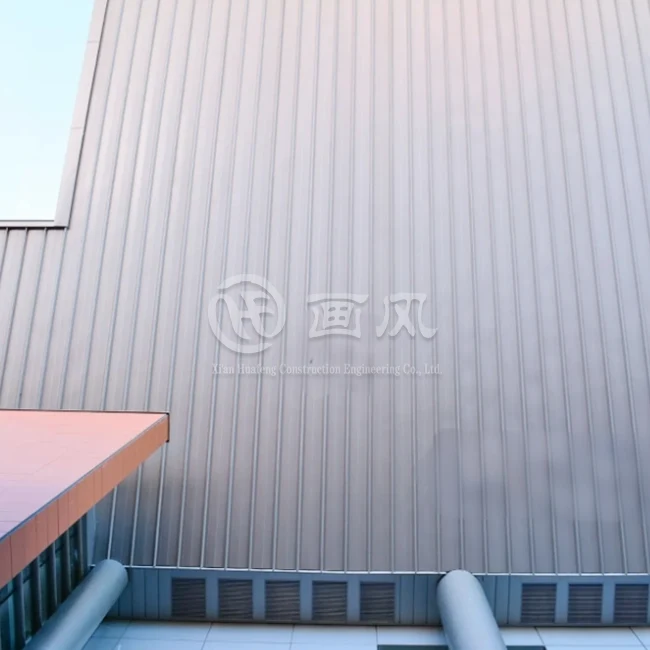
Picking the right outer covering can make or break a project to build a business. For building companies, roofing contractors, and business developers all over the United States, the standing seam wall system has become the best option due to its longevity, aesthetics, and performance. These high-performance metal cladding options have vertical pieces that fit together and are held in place by hidden screws. The standing seam wall system is very resistant to weather and has a sleek, modern look that makes any building look better.

Understanding Standing Seam Wall Systems
Metal wall paneling has changed a lot in the last twenty years, and standing seam designs are the latest and best example of this. Instead of using open fasteners, which let weather in through screw holes that can be seen, these panels use secret clips that let heat move while still keeping a watertight seal.
Core Components and Structural Design
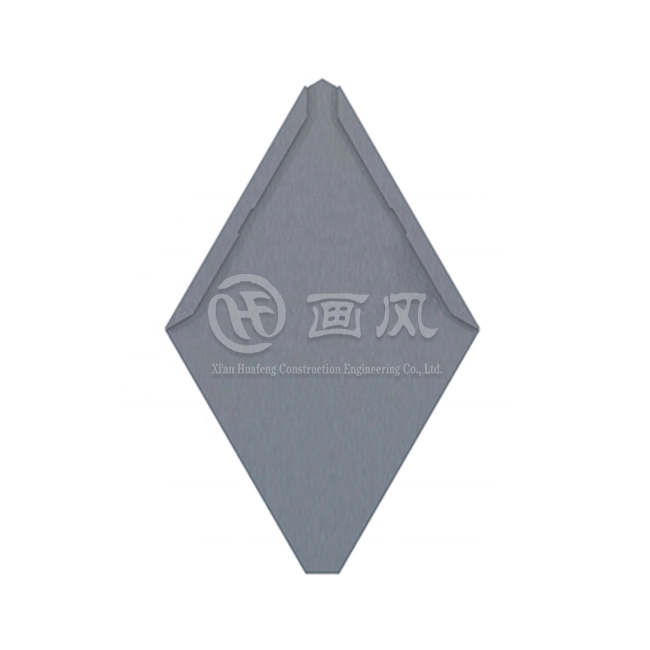
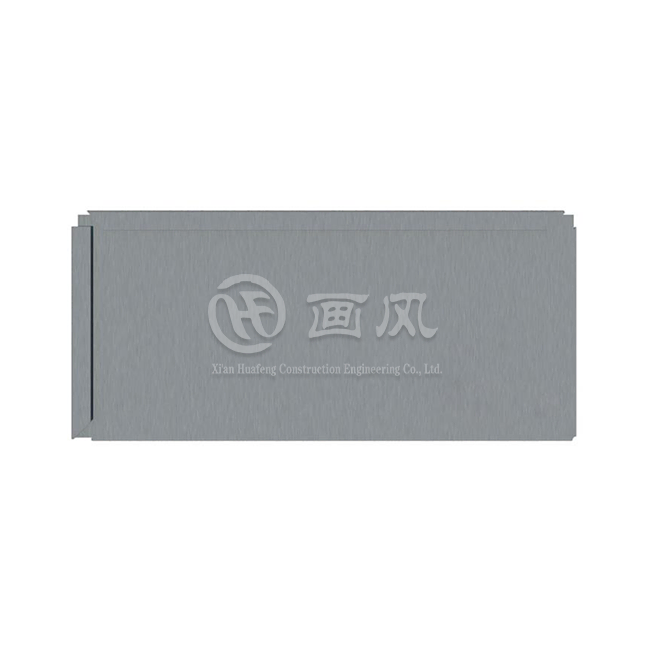
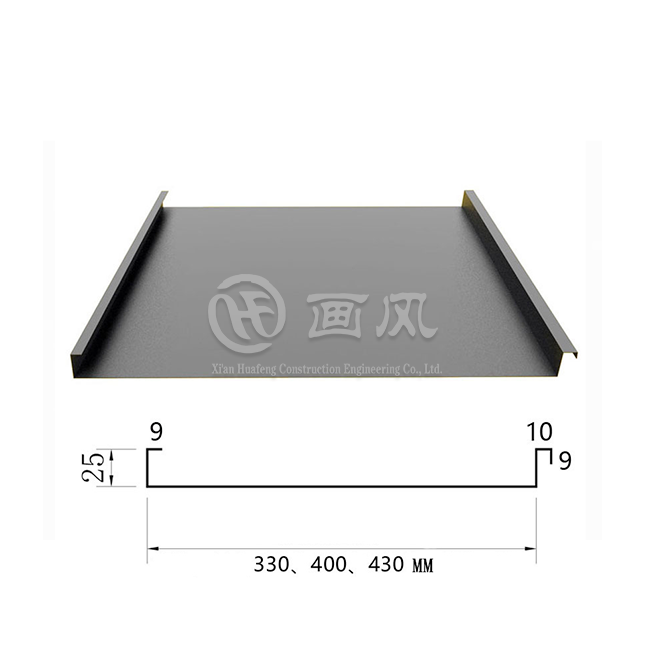
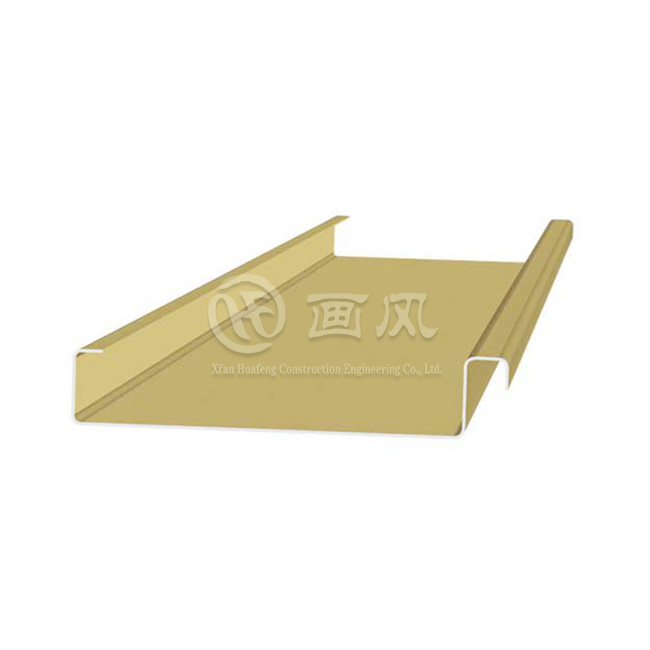
Vertical seam siding requires several crucial pieces. 300–600 mm broad panels may be up to 13 meters long. This reduces leaky horizontal joints. Raised seams, generally 25–65 mm high, provide a strong drainage line that carries water away from the structure.
Because they don't rust and are light, aluminium alloys like AA3003, AA3004, and AA5052 are utilised as base materials for high-rise buildings. However, aluminum-zinc steel plates (AZ150) stiffen buildings and are superior for wind-loaded constructions. Wind strength and local building codes determine the material thickness, which varies from 0.7 to 1.5 mm.
Performance Advantages for Commercial Applications
Hidden fasteners solve three significant issues with typical covering systems. The coating degrades early, and the base corrodes when water enters via screw holes. Panels buckle, and fasteners wear out when heat mobility is restricted. Screw heads and oil cans left outside and deteriorating lower property values.
Standing seam designs employ mechanical interlocking and sliding clip mechanisms, preventing these issues. The panels can expand and compress without stressing their attachments during temperature variations. They can endure ±6000Pa wind pressure, meeting ASTM E330 requirements for coastal and tall structures. Seam interlock and inner waterproof membranes totally repel heavy rain and snow.
Always observe fire safety guidelines in company buildings. The ASTM E84 test gives metal wall panels Class A fire ratings. It provides builders peace of mind for projects that must fulfil tight fire protection criteria. The material's fire resistance improves insurance prices and regulatory clearances.
Comparing Standing Seam Wall Systems to Other Cladding Options
There are a lot of different types of siding that procurement managers can choose from, and each one has its own cost and performance qualities. Strategic material choice is based on knowing how standing seam wall systems and vertical seam systems compare to rivals.
Rainscreen Systems Versus Interlocking Metal Panels
By making a ventilated space behind the cladding, rainscreen parts help water drain and air flow. Even though they are good at keeping wetness out, they usually need more complicated installation details and thicker wall assemblies, which take up valuable floor space in urban projects. When compared to multi-component rainscreen systems, standing seam installations take 15-20% less time to complete and offer similar moisture performance thanks to easier building processes and thinner wall sections.
Traditional Screw-Down Cladding Limitations
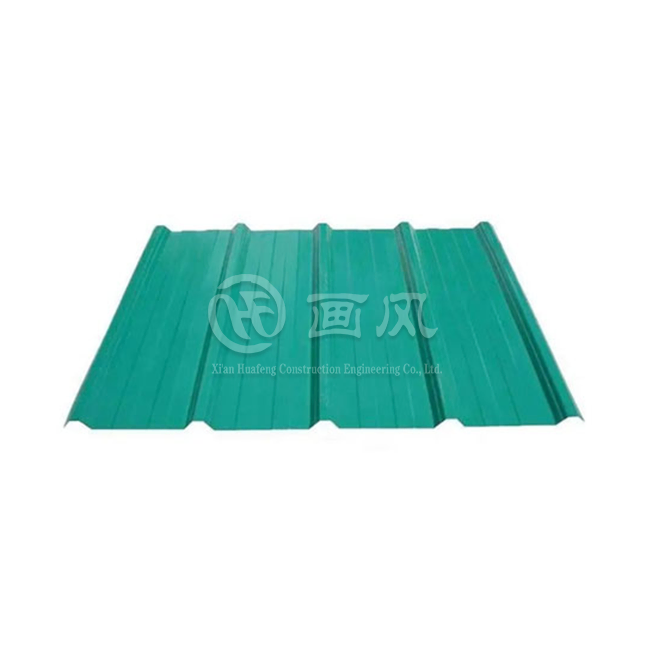
The original cost of materials for exposed fastener metal panels is about 30–40% less than those for concealed systems. However, this savings seems to disappear over the lifespan of the building. In tough conditions, fasteners start to break down after 5 to 7 years, so they need to be maintained regularly and eventually replaced. The cost of work for regularly tightening screws and replacing gaskets quickly goes over the extra money paid for high-quality standing seams. Total cost of ownership estimates always show that hidden methods are better for projects that will last 20 years or more.
Curtain Wall Comparisons
Engineered curtain wall systems have much higher prices—often three to five times the price per square foot of metal panel cladding—but they have better thermal performance thanks to insulating window units. Vertical seam siding is the best choice for industrial buildings, factories, and business buildings with a lot of large, opaque surfaces. The system can handle complicated shapes, like curved sides and slanted surfaces, so architects can express themselves without having to pay a lot for curtain walls.
Choosing the Right Standing Seam Wall System for Your Project
To specify something well, you need to make sure that the product's skills match the needs of the project and the organization's goals. Several important factors should be carefully looked at during the choosing process.
Material Selection and Coating Technologies
Salty ocean accelerates corrosion on aluminium surfaces. Projects less than five kilometres from the shore benefit from lower building loads and aluminium's corrosion resistance. Steel-based options are ideal for industrial usage that is prone to impact damage since they are stiffer and dent less readily.
The coating greatly affects its durability and appearance. Polyester (PE) coatings preserve softer items with limited UV exposure cheaply. Due to its chalking and fading resistance, HDP coatings are ideal for most industrial applications. Polyvinylidene fluoride (PVDF) coatings are great for high-visibility applications because they keep colours bright and dirt away. PVDF coatings don't change colour for almost 20 years, with Delta E values below 5.
Panel specs should include local stressors. Marine-grade starters and 1 mm bases are needed for coastal installations. In windy areas, an engineering study is essential to determine rib height and clip spacing. Snow weight may need panel forms to be reinforced or lengths shortened to prevent displacement.
Customization Capabilities and Lead Times
Making a project stand out typically requires customising its appearance. Leading manufacturers provide several colours that match corporate logos. Metallic, textured, and printed finishes are available. Custom colour matching takes two to three weeks longer, but it enables you to make building statements that standard goods can't.
Understanding minimum order quantities improves purchasing strategy. Many merchants want 500 square meters for special orders. However, popular colours ship in fewer quantities. Framework agreements should be created for staged construction projects to ensure consistent material costs and delivery.
Project timelines depend on production capacity. Suppliers that can generate 1,000 tonnes per month may manage huge projects without distribution delays. Standards allow 15–20 days for delivery, but unique demands may take longer. Purchasing teams with tight deadlines should select manufacturers with significant inventory buffers and available production slots.
Quality Certifications and Warranty Coverage
Getting ISO 9001 approval shows that you handle quality in a planned way throughout the whole manufacturing process. Getting ISO 14001 recognition shows that you care about the environment, which is becoming a more important factor for projects that want to get LEED approval. SGS verification is a third-party check of product performance claims and the accuracy of production.
Warranty terms show that the company that made the product is confident in its longevity. Leading providers in the industry back up their systems with 30-year guarantees that cover the purity of the coating, the perforation of the substrate, and the performance of the structure. Some makers won't cover problems if the work isn't done the way they say to or if sealants that aren't compatible with the coating come in contact with it.
Installation and Maintenance Guidelines
If metal siding lives up to its performance potential, it needs to be installed correctly during construction and maintained over time. Paying attention to the little things during these stages saves the project's investments and keeps it looking good.
Surface Preparation and Panel Attachment
How well the fitting goes depends on substrate conditions. Wall framework must be flat within 6 mm over 3 meters to prevent panel waves. Gypsum sheathing requires blocking or steel subframing to connect clip fasteners.
Engineers compute clip spacing based on panel length and wind exposure. Most configurations position space clips 450 to 600 mm apart, with fewer near building corners and where the roof meets the wall, where wind pressures are higher. Each clip permits thermal mobility, so panels may move freely while the weather seal remains in place when placed properly.
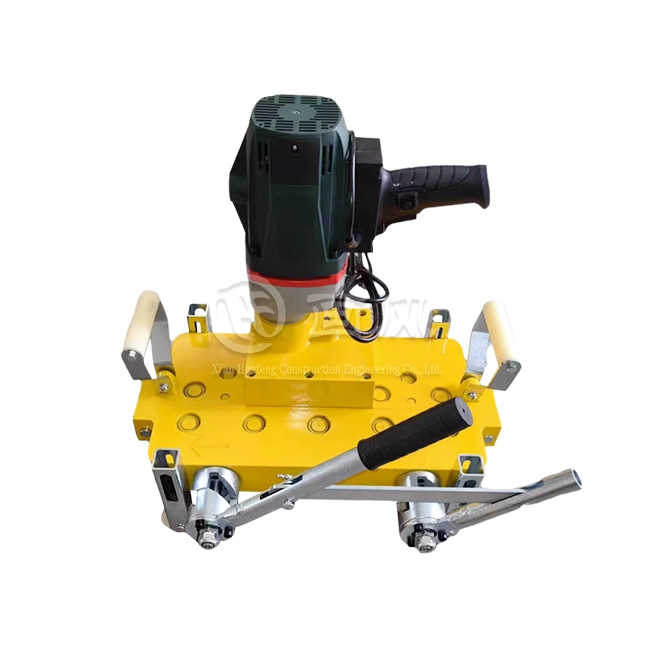
Seaming requires specialised equipment and skilled workers. Hand-seamers are good for small runs and details, whereas motorised seamers speed up huge wall expanses. A consistent seaming pressure throughout the panel ensures a uniform appearance and excellent weather performance. Under-crimped seams enable wind-driven moisture in, while over-crimped seams impede heat flow and dimple panel surfaces.
Routine Care and Performance Preservation
Metal wall panels need less maintenance than conventional covering systems, but they break down fast if neglected. Annual inspections uncover new issues before they become costly. Inspectors should verify seams, trim flashings, and panel sealant.
Coating type and environmental exposure determine cleaning processes for the standing seam wall system. Urban air pollution steadily erodes surfaces if nothing is done. Industrial sites may accumulate acidic waste and need more frequent cleaning. pH-neutral soaps and gentle brushes remove dirt and grime without damaging coatings. High-pressure washing might get underneath trim, so avoid it.
Coastal projects need attentive fastener corrosion and white rust monitoring. Checks every three months for the first two years create performance baselines and discover manufacturing defects within warranty periods. No galvanic corrosion occurs when aluminium panels meet stainless steel or aluminium bolts. This crucial element is frequently overlooked during value engineering.
Why Partner with Premium Standing Seam Wall System Providers
When choosing a supplier, it's not just about the product specs; you also need to think about service, expert help, and long-term dependability. When you work with well-known makers, you get benefits throughout the duration of a project and across multiple developments.
Technical Expertise and Engineering Support
Reliable providers have their own technical teams that can do calculations and drawings for fitting that are specific to each job. Calculations of wind load, temperature movement, and fastener spacing plans show that proper care was taken, which pleases building officials and lowers the risk of liability. Manufacturers that offer Building Information Modeling (BIM) files make it easier to coordinate designs and find conflicts before they are built.
Technical support proves invaluable when field conditions deviate from design assumptions. Experienced suppliers can quickly figure out problems with installations, suggest ways to fix them, and send field workers for more complicated jobs. This responsiveness keeps building plans on track and avoids costly delays.
Manufacturing Capabilities and Quality Assurance
Vertical integration distinguishes elite sellers from commodity merchants. Manufacturer coil painting controls provide colour matching throughout manufacturing runs, which is crucial for long-term projects. Colour finishing, laminating, and horizontal cutting facilities provide several services under one roof.
This integrated strategy is shown by Xi'an Huafeng Construction Engineering Co., Ltd.'s 200,000-square-meter Anhui complex for raw material production and processing facilities in Xi'an and Hangzhou. The firm operates seven colour finishing lines, one laminating line, and 10 lengthwise shearing lines with around 40 specialised production pieces of equipment. This infrastructure ensures quality control and flexible production schedules for essential projects.
Quality assurance goes beyond tools to include inspection guidelines. Verifying raw materials, monitoring manufacturing, and testing completed products prevent problems from reaching work sites. T-bend testing shows the material's flexibility during panel formation. Measure the dry film width to verify coating application. Panel measurement checks ensure seam geometry and coverage length consistency.
Sustainability Credentials and Green Building Contributions
Metal covering systems are recyclable and waste-efficient, making them green construction solutions. Scrap metal markets may help pay for panel demolition after its useful life. This ongoing flow of materials differs from disposable composite panels and faux siding.
Another sustainability factor is energy efficiency. Reflective surfaces reduce solar heat gain, reducing cooling energy. Using cool roof technology on walls instead of dark coatings may chill them by 20–30°F. Use recycled materials, shop local, and reduce heat islands to obtain LEED points.
Environmental Product Declarations (EPDs) measure embodied carbon and lifecycle consequences for data-driven sustainability. Forward-thinking developers and institutional owners desire clear, environmentally responsible third-party validated EPDs from manufacturers.
Conclusion
Vertical seam metal siding is a high-tech way to cover the outside of a building that balances performance, looks, and long-term value. A standing seam wall system with concealed fastener designs eliminates the weather-related issues associated with exposed-screw systems while still allowing the thermal movement needed for long-term durability. The ability to work with both aluminum and steel surfaces and the latest coating technologies, such as PE, HDP, and PVDF finishes, makes it possible to find the best specifications for a wide range of climates and project requirements. For successful execution, it is important to carefully evaluate the manufacturer's capabilities, select materials that suit the environment, and ensure proper installation. The additional investment in high-quality systems pays off over many years through reduced maintenance, longer service life, and increased property value, ultimately delivering a stronger return on investment.
FAQ
1. What is the typical lifespan of a standing seam wall system?
When properly designed and installed, these metal cladding systems usually last longer than 30 years. In fact, many installations last close to 50 years before they need to be replaced. The quality of the coating directly affects how long it lasts. For example, PVDF finishes clearly last longer than polyester ones in tough settings. The choice of substrate also affects how long something lasts. For example, aluminum panels prevent corrosion better than steel panels in seaside areas. Regular care, like cleaning and checking fasteners every so often, stretches the service life and keeps the look nice for decades of use.
2. How do these systems impact building energy efficiency?
Metal wall plates help with thermal efficiency in a number of ways. Reflective coats stop the sun's heat from getting through, which means less cooling is needed in the summer. The ventilated room behind panels stops heat from moving into occupied areas when they are put up over continuous insulation as part of a rainscreen system. The airtight seams of the system reduce the amount of air leakage that lowers the efficiency of the building shell. When high-performance insulation is combined with shiny metal cladding, projects achieve amazing thermal resistance values that help them reach their net-zero energy goals.
3. What are typical lead times for custom panel orders?
Standard color choices that meet stock requirements usually ship between 15 and 20 days after an order is placed. As makers make and test coating batches, production plans are pushed back by two to three weeks for custom color matching or specialty finishes. Orders for more than 500 square meters may need to be delivered in stages to fit in with building plans. Purchasing managers who are in charge of critical path timelines should work with suppliers during the planning phase to set realistic delivery standards for materials and find possible long-lead items that need to be ordered ahead of time.
Partner with HF for Your Standing Seam Wall System Requirements
Xi'an Huafeng Construction Engineering Co., Ltd. has been helping construction companies, roofing contractors, and business investors all over North America for more than six years. Our vertically integrated manufacturing platform makes standing seam wall system options that meet the strictest standards for both function and appearance. We keep up a production capacity of more than 1,000 tons per month, which means that even for big projects, your schedules will stay on track.
Our expert team helps with everything from the initial design to the final installation of the standing seam wall system. They do things like wind load calculations, thermal movement analyses, and make custom installation plans. We offer a wide range of customization options, including different colors, patterns, and designs that make your projects stand out. Our quality management systems produce consistent goods that come with 30-year warranties, which are the longest in the business. They are certified to meet ISO 9001, ISO 14001, and SGS standards. The standing seam wall system can be used for projects of almost any size because the minimum order size is only 500 square meters.
Find out how working with an experienced standing seam wall system maker can make the buying process easier and improve the results of your project. Email our team at huafeng@hfmetalroof.com to talk about your unique needs and get detailed technical specifications that are made just for your purpose. We're ready to help you succeed with quick service, low prices, and tried-and-true metal covering options.
References
1. American Architectural Manufacturers Association. "AAMA 2605: Voluntary Specification, Performance Requirements and Test Procedures for Superior Performing Organic Coatings on Aluminum Extrusions and Panels." 2017.
2. National Roofing Contractors Association. "The NRCA Metal Panel and SPF Roof Systems Manual." 2019 Edition.
3. ASTM International. "ASTM E1592: Standard Test Method for Structural Performance of Exterior Dimension Stone Cladding Systems by Uniform Static Air Pressure Difference." 2020.
4. Metal Construction Association. "Technical Bulletin: Concealed vs. Exposed Fastener Metal Roof and Wall Systems." 2018.
5. U.S. Green Building Council. "LEED v4.1 Building Design and Construction: Material and Resources Credits for Metal Building Envelopes." 2021.
6. Sheet Metal and Air Conditioning Contractors' National Association. "Architectural Sheet Metal Manual, 7th Edition: Standing Seam Wall Applications." 2019.





YOU MAY LIKE
(1)_1763110678300.webp "standing seam metal roof panels")