Vertical vs. Horizontal Metal Siding Sheet: Which Is Better?
2026-06-05 18:07:37
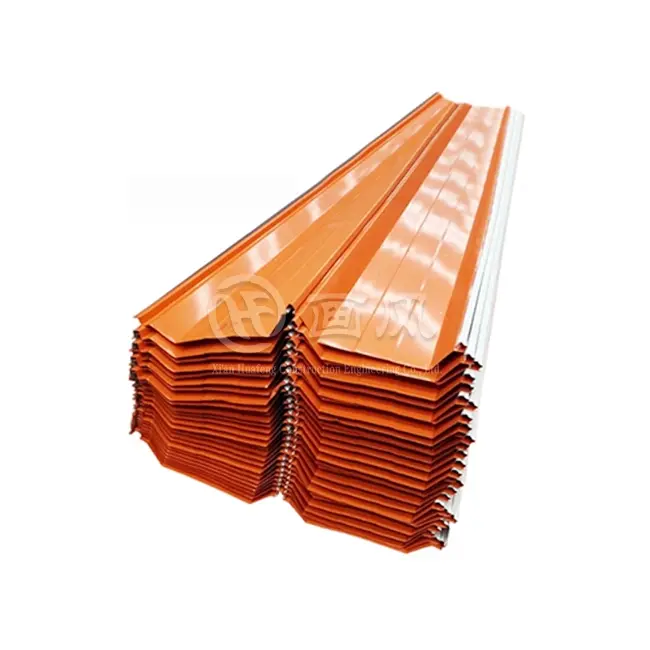
Which is better: vertical or horizontal metal siding? That depends on the needs of your project. Vertical Metal Siding sheets are great at letting water drain away, making them perfect for places where it rains or snows frequently. They naturally move water downhill, which lowers the risk of water getting in and lowers the amount of upkeep that needs to be done. Horizontal siding, on the other hand, has a classic look that works well in both homes and some businesses. However, the seams need to be sealed more tightly to keep them from rotting in bad weather. Vertical orientation is often the best option for construction companies and roofing workers who want long-lasting products that don't need much upkeep. This is especially true in industrial, farming, and business settings where building envelope integrity is very important.

Understanding Vertical and Horizontal Metal Siding Sheets
When it comes to how a building looks and works, the direction of its metal siding is one of the most important factors. Knowing these differences helps project engineers and procurement managers choose options that meet the needs of the structure and stay within the budget.
Design Characteristics and Common Applications
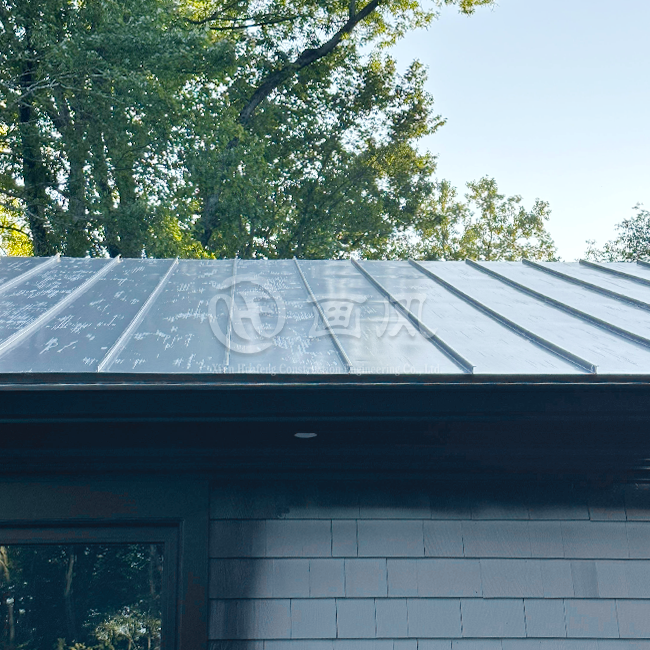
Vertical wall panels are straight, emphasising the building's height and contemporary style. This trend is growing in contemporary homes, businesses, farms, and retail. The vertical positioning naturally directs precipitation and melting snow downward along panel seams. Water cannot pool and soak in, weakening the structure over time. Horizontal siding parallel to the ground resembles house construction clapboard. This classic posture requires precise flashing and seam closure. Poor installation might allow water to enter panel gaps, which travel horizontally.
Material Specifications and Manufacturing Variations
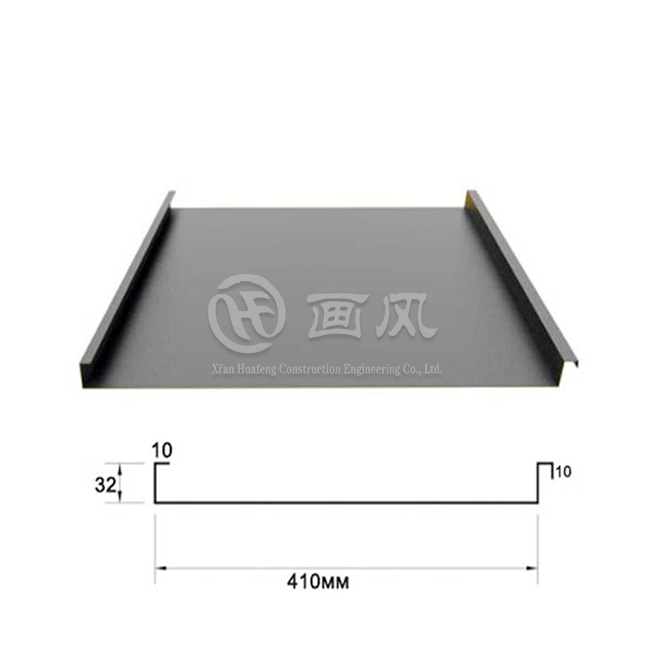
Both orientations employ comparable basic materials, but substrate and coating choices affect performance. Galvanised steel is a cheap rust-prevention option for most inland areas. Galvalume's aluminium-zinc alloy coating prevents corrosion and extends its lifespan in moderate temperatures. Aluminium is excellent for jobs within two miles of seawater since steel is prone to galvanic corrosion. Panel thickness ranges from 0.4 to 1.2 mm (26 to 18 gauge). Heavy gauges decrease oil canning, the waviness on flat metal surfaces. Panels are 12 to 24 inches wide, and unique lengths of up to 40 feet reduce seams on large surfaces. Durability and appearance depend on coating technique. PE coatings function well in moderate environments and are available in many cheap colours. HDP blocks UV radiation and stabilises colours better. Top-tier PVDF coatings resist fading and last 40–70 years with minimum care. These high-tech coatings reduce replacements and environmental harm, making them ideal for LEED and other green construction criteria.
Comparative Analysis: Vertical vs. Horizontal Metal Siding Sheets
When you look at specific functional factors that affect building life and running costs, you can see that different Vertical Metal Siding sheets orientations have different performance levels.
Water Management and Weatherproofing
Vertical panels inherently repel moisture. Gravity pulls water away from the building shell if the panels face down. Even when it rains heavily or in the wind, its natural drainage design prevents water from entering. Water has fewer horizontal pathways through and into wall assemblies when seams are vertical. Horizontal setups are tougher to waterproof. Water runs down the wall, hitting horizontal seams and panel overlaps. Surface tension may draw water behind siding if construction requirements aren't strict. Face this direction and watch the head and side flashes, particularly where windows and doors go through them. High-exposure sections need additional sealant at overlaps. Sealants wear out and need replacement, increasing job costs.
Structural Performance and Durability
Steel and metal substrates have Class A fire ratings, making them ideal for wildfire-prone areas. Metal siding melts and fuels fires, whereas vinyl and wood don't. The orientation is less important than material and coating quality in corrosion prevention. Vertical installation may function better near the seaside since water and salt buildups drain quicker. Vertical panel ribs and striations stiffen the structure to withstand wind loads and flex less between fastening locations. All metal construction materials expand when heated. Vertical panels accommodate this movement more easily since they grow largely along their length and the linkages between them and the trim surrounding them can tolerate size changes without distortion. Horizontal panels developing widthwise might bulge or buckle if fastening mechanisms are overly tight.
Maintenance Requirements and Energy Efficiency
Vertical flooring doesn't require frequent cleaning since dirt and organic matter run down when it rains. Horizontal surfaces acquire dust, pollen, and organic growth faster; thus, power washing them once a year prevents discolouration. This distinction is crucial for multi-story commercial buildings because repairs need costly elevators and coordinated labour. Energy efficiency depends on building installation, not only orientation. Insulated metal panels exist in many forms and sizes, and their foam cores may yield R-values of 10 to 25 per inch of thickness. Vertical insulated panels fit into wall assemblies better because their seams match frame designs. Because thermal bridges are reduced. Net-zero energy and passive dwelling designs benefit from these optimised thermal envelope characteristics. They reduce HVAC costs by limiting heat flow.
Aesthetic Considerations and Design Flexibility
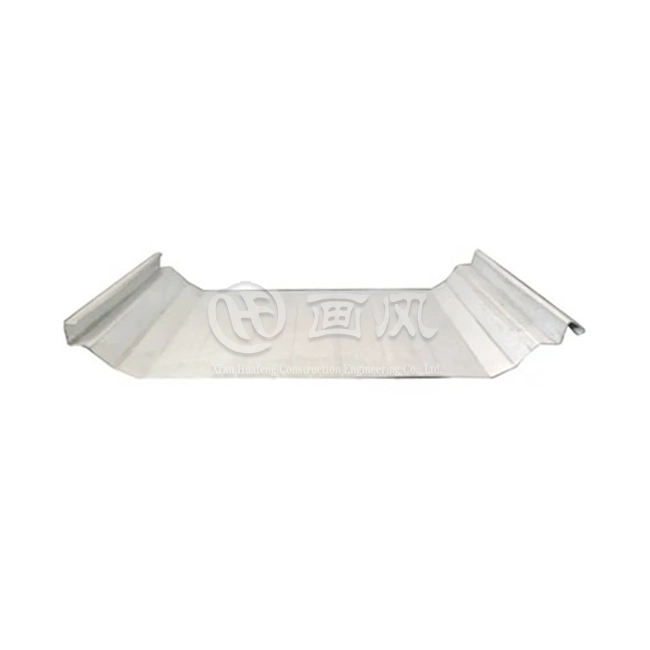
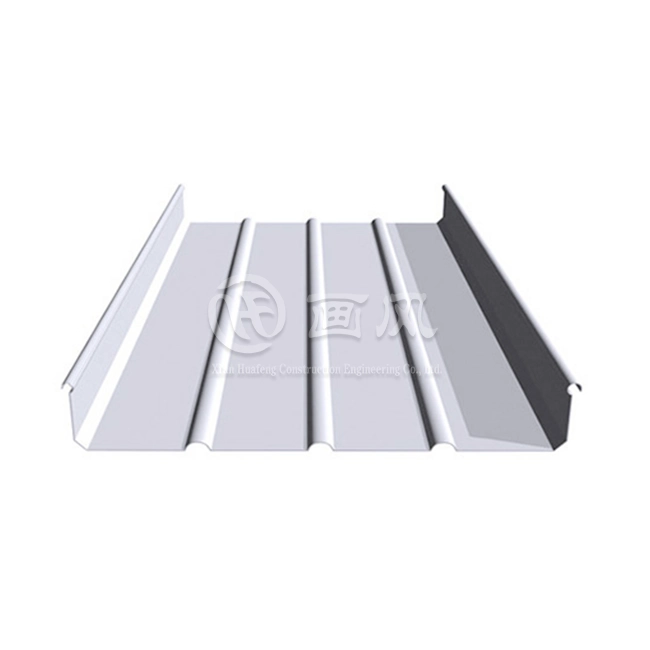
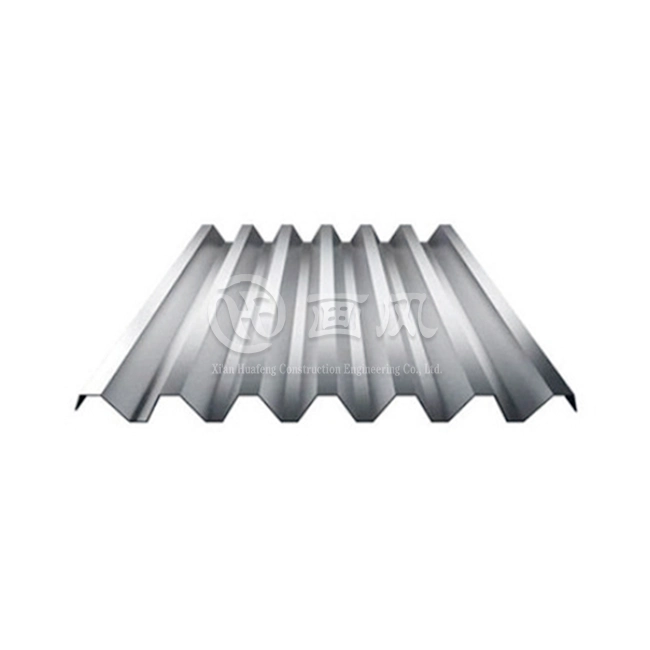
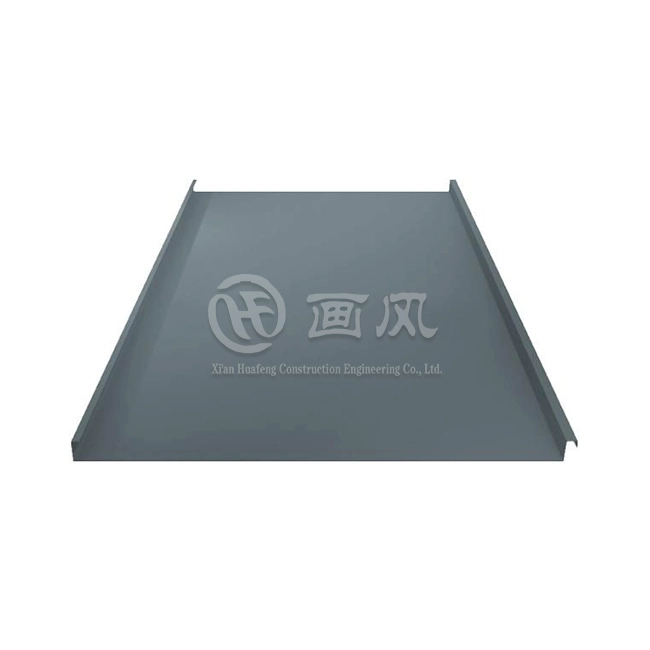
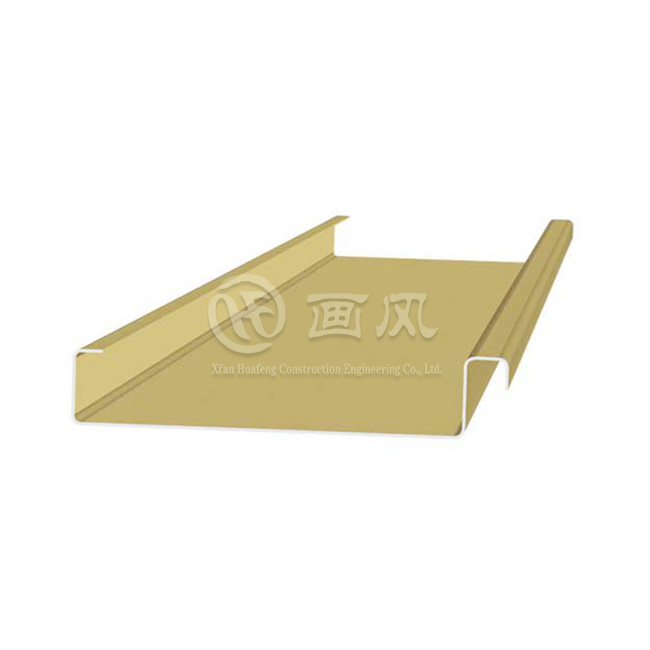
Market trends reveal that more enterprises and industries are employing vertical metal roofing, even if everyone has different tastes. Businesses that wish to portray current brand names prioritise innovation and speed, which the orientation conveys. Vertical lines make buildings seem higher and more spectacular, which is beneficial for retail, commercial, and educational settings. Horizontal roofing is popular in home markets that demand traditional, recognisable appearances. Using vertical and horizontal panels on a project may make it more visually appealing while maximising its advantages. Both locations have the same colour and finish options. Suppliers like HF offer several alternatives and can match colours, so projects may complement the building or brand. Vertical Metal Siding sheets profiles vary from 25–330 to 65–500, meeting a variety of aesthetic and performance objectives. PE, HDP, and PVDF coatings match many budgets.
Decision-Making Guide for Procurement Professionals
When choosing strategic materials, you have to weigh a lot of things, like the current prices, the long-term value, the supplier's skills, and the specifics of the project.
Cost Analysis and Supplier Evaluation
Material prices per square foot are equal for equivalent gauge and coating requirements. They usually fluctuate by less than 5%. Installation is usually the most expensive part. When installing vertical panels on large structures, longer continuous runs imply fewer horizontal lines to align and seal, saving time. Some vertical panel designs employ more costly materials, but this economy may compensate. For projects above 500 square metres, vendors like HF can provide inexpensive rates and prioritised manufacturing schedules, allowing bulk purchases. Big commercial projects may remain on time without waiting for materials with a 1,000-ton monthly supply capability. Delivery timeframes of 15–20 days aid project planning for design development orders. Warranty conditions affect continuing expenditures and risk sharing. High-quality items with 30-year warranties shift performance risk from building owners to manufacturers. This protects you financially if the coating fails, fades, or corrodes. Procurement managers should carefully review the guarantee conditions to see whether they cover repairs or component replacement. ISO9001, ISO14000:14001, and SGS certifications demonstrate the company's quality control and environmental management systems, which improve product performance.
Climate-Specific Recommendations
The direction should depend on local weather. Rainy-area structures benefit from vertical panel positioning. In the Pacific Northwest, Northeastern states, and Southeast coastlines, rainfall patterns make it vital to maintain building moisture to prolong life and comfort. Snowy areas favour vertical arrangement. Snow on flat surfaces remains wet longer during thaw cycles, increasing the danger of corrosion and ice jams. Vertical surfaces shed snow more quickly, reducing building stress and water damage. Architects may utilise horizontal siding in arid and dry settings since water concerns are less of a problem. With frequent care, wind-gathered dust is simple to clean up.
Application-Specific Considerations
Factory, warehouse, and agricultural buildings always benefit from Vertical Metal Siding sheets. Vertical structures regulate moisture, are simpler to maintain, and are quicker to construct. Design is secondary to function. Large, unbroken walls are prevalent in these structures. Continuous vertical runs reduce gaps and leaks.Commercial office buildings, retail malls, and mixed-use complexes commonly utilise vertical siding on their more prominent sides and horizontal parts on less apparent ones to provide interest. This blended technique boosts performance where it matters while reducing expenses elsewhere. Regional preferences and design goals drive residential constructions in both ways. Vertical metal roofing, which resembles board-and-batten but is more durable than wood, is being used in modern country forms. Aluminium vertical panels don't corrode from seawater and need little upkeep, making them ideal for seaside houses. This helps vacation houses and rental assets, since neglecting maintenance rapidly depreciates.
Customisation and Flexibility
Customisations that go beyond standard product offers are often needed for business projects to be successful. Matching colours to company logos, using patterns to add visual interest, and changing profiles to make shadow lines are all ways that architecture stands out. Suppliers who offer design customisation services make it easier to carry out projects by combining material sources so that one vendor doesn't have to coordinate with multiple others. The 500-square-meter minimum order size works well for business projects and is still manageable for smaller, more specialised uses. This limit lets custom colour production happen without the higher costs usually connected with special orders. This means that unique design options can be afforded for a wider range of projects.
Installation and Maintenance Best Practices
Correct installation methods extend the life of the product and make sure the guarantee is followed. Regular care keeps the product looking good and working well for as long as it's supposed to.
Vertical Panel Installation Guidelines
A great fitting starts with foundation preparation. The wall sheathing must be level within 1/8 inch over 10 feet to prevent Vertical Metal Siding sheets warping. Protect the base from dampness with a weather-resistant coating before mounting the panel. Furring strips or Z-girts provide airflow between the barrier and metal siding. So any tiny quantities of dampness that get through the holes may drain and evaporate instead of accumulating within the wall. Long-term fastener performance depends on how you pick and arrange them. Stainless steel or coated bolts prevent galvanic corrosion between the fastener and panel. A secure but not too tight fastener allows panels to stretch and expand with warmth without breaking. This procedure prevents oil canning, which causes metal to wave during installation or temperature cycles. Plumb the panels carefully from the building's sides. The first piece should cover the whole wall portion. Vertical tolerances grow up on large walls; thus, runs over 20 feet may require realignment. The manufacturer's directions must be followed while installing corner channels, J-channels, and drip edges for weather protection and visual consistency.
Ongoing Maintenance Strategies
Metal roofing requires less maintenance than other materials, but still needs some effort to look beautiful and endure longer. Every year, inspect for loose fasteners, sealant breakdown, and impact or wear damage to coatings. Fixing little issues quickly prevents them from worsening and costing more. Cleaning dirt, pollen, and other natural buildups with fresh water is simple. Coastal systems should be washed every three months to prevent salt buildup and corrosion over time. Avoid aggressive chemicals and cleaning procedures that might destroy protective layers. Use pressure below 1,500 PSI to remove difficult layers without harming the finish. With minimal effort, PVDF-coated panels appear the same. Many decades later, these high-end finishes still seem fresh because they don't chalk or fade. Lower-quality coatings may eventually lose sheen or alter colour, but they will operate effectively and break down slowly enough to seem professional for 30 years.
Supplier Support and Service Programs
Building ties with responsive providers is helpful throughout the lifecycle of a project. Getting technical advice during the planning process helps you choose the best materials and avoid making mistakes that cost a lot of money. Installation advice makes sure that field teams know the unique needs of each product, which are different from what they would normally do with metal siding. When working with well-known makers who keep thorough records and quickly handle claims, managing warranties is made easier. If problems happen, organised providers speed up the process of finding and fixing them, which keeps the project running as smoothly as possible. Continuous availability for future stages or expansion projects provides continuity that speeds up procurement and makes sure that building campaigns that run several years look the same.
Conclusion
Due to their better moisture management, reduced upkeep requirements, and ease of installation, Vertical Metal Siding sheets offer measurable benefits for the majority of business, industrial, and agricultural uses. The vertical direction easily fits with gravity-driven drainage, which makes weatherproofing easier and creates a modern look that is respected in modern buildings. Horizontal siding can still be used for projects that want to stick to traditional home style, as long as the right installation methods are used to protect against moisture problems. As much as direction affects performance, the choice of material (substrate type, covering quality, and gauge thickness) also has a big impact. To get the best results, procurement professionals match product specifications to climate conditions, building functions, and lifecycle cost goals. They also work with suppliers who offer flexible customisation, reliable delivery, and full warranty support that protects long-term investments.
FAQ
1. What factors should guide my choice between vertical and horizontal metal siding?
The weather factors are the most important thing to think about. Places that get a lot of rain or snow gain a lot from the natural drainage that comes with vertical orientation. Type of Building: Different types of buildings have different needs. For example, business and industrial buildings tend to put more emphasis on how well the panels work, while private projects may care more about how they look. The choice framework also includes limitations on budget, the ability to maintain, and the purpose of the building design.
2. How does metal siding compare to vinyl or wood alternatives?
Metal roofing is more durable, doesn't catch fire, and doesn't need as much upkeep as the other options. Metal doesn't melt or break down over time as vinyl does. When compared to wood, metal doesn't rot, get damaged by bugs, or need to be painted. Metal has lower lifecycle costs than plastic or wood, even though it costs more at first. This is because metal doesn't need to be replaced as often, and it doesn't cost much to maintain.
3. Does insulated vertical siding justify the additional cost?
Insulated walls save energy in a way that can be measured, and that saves even more energy over the life of the building. Most of the time, business energy modelling shows payback times of 5 to 10 years because of lower HVAC operating costs. Projects that want to get LEED approval or other green building standards get points for better heat performance. Extremes of temperature, either hot or cold, speed up payback by making the temperature difference where insulation is useful bigger.
Partner with HF for Superior Metal Siding Solutions
Picking the right metal siding supplier has a direct effect on the success of the job, the performance of the materials, and the customer's long-term happiness. As Xi'an Huafeng Construction Engineering Co., Ltd., HF offers specialised knowledge in Vertical Metal Siding sheets along with a wide range of production skills and quality qualifications. Our 200,000-square-meter production facilities, which have seven colour coating lines, make sure that our products are always available and that they can be delivered quickly (15 to 20 days), which is important for meeting tight building plans. We keep strict quality control throughout the whole production process because we are certified by ISO9001, ISO14000:14001, and SGS. Our 30-year guarantee shows that we believe our products will last, and our customisation services, which include colour matching, pattern design, and different profile options, let you make your own building solutions. Contact us at huafeng@hfmetalroof.com to talk about your project needs with experienced metal siding sheet suppliers who know how to get things done and will do a good job.
References
1. American Architectural Manufacturers Association. Metal Wall Panel Systems: Design Guide and Specifications. AAMA TIR-A9-14, 2018.
2. Metal Construction Association. Architectural Metal Wall Panel Installation Guide. MCA Technical Bulletin, 2020.
3. National Roofing Contractors Association. The NRCA Metal Panel and SPF Roof Systems Manual. NRCA, 2019.
4. Steel Recycling Institute. Sustainability of Steel in Construction: Life Cycle Assessment and Environmental Product Declarations. SRI Research Report, 2021.
5. International Code Council. International Building Code: Chapter 14 - Exterior Walls. ICC IBC-2021, 2021.
6. Whole Building Design Guide. Metal Building Systems: Design and Performance Criteria for Commercial and Industrial Applications. National Institute of Building Sciences, 2022.





YOU MAY LIKE