Is Aluminum Metal Siding Panel A Good Option?
2026-06-05 18:07:38
Aluminum metal siding panels are a great option for construction companies, roofing contractors, and business property developers who want to cover the outside of a building with something sturdy and affordable. These lightweight panels are very resistant to corrosion, keep you safe in case of fire, and can be used in a wide range of household, business, and industrial settings. Aluminum metal siding panels meet both performance requirements and environmental standards that are becoming more important to procurement professionals in charge of big building projects. They can be recycled over 90% of the time and come with warranties that last up to 30 years.

Understanding Aluminum Metal Siding Panels
Aluminum metal siding panels are engineered outdoor cladding systems that are meant to protect building surfaces and make them look better. These panels are made from aluminium alloys, usually AA3003, AA3004, or marine-grade AA5052. They are strong and only weigh a small amount, which makes them easier to handle and install.
Key Physical Properties
Because of how aluminium is naturally made, these panels are especially good for harsh building sites. Aluminum metal siding panels are about one-third the weight of similar steel goods, which means they require less structural support and cost less to ship. The natural oxide layer of the material protects against rust passively. Manufacturers improve this protection with improved coating systems such as polyester (PE), high-durability polyester (HDP), and polyvinylidene fluoride (PVDF). These finishes have different amounts of protection from UV light, chemical stability, and colour retention. In harsh regions, PVDF coatings work the best. Aluminium doesn't catch fire easily, which helps it get high fire safety ratings that are required by industrial building rules. Its thermal conductivity also helps make buildings more energy-efficient when used with the right insulation systems.
Common Panel Configurations
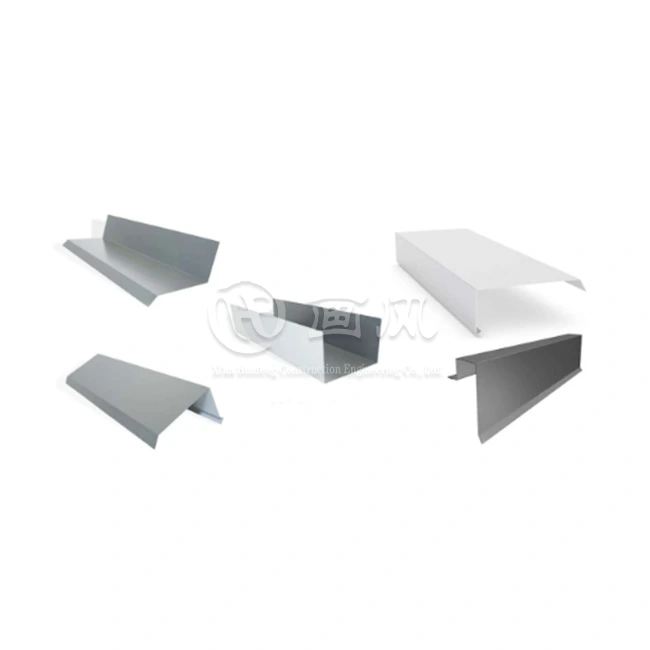
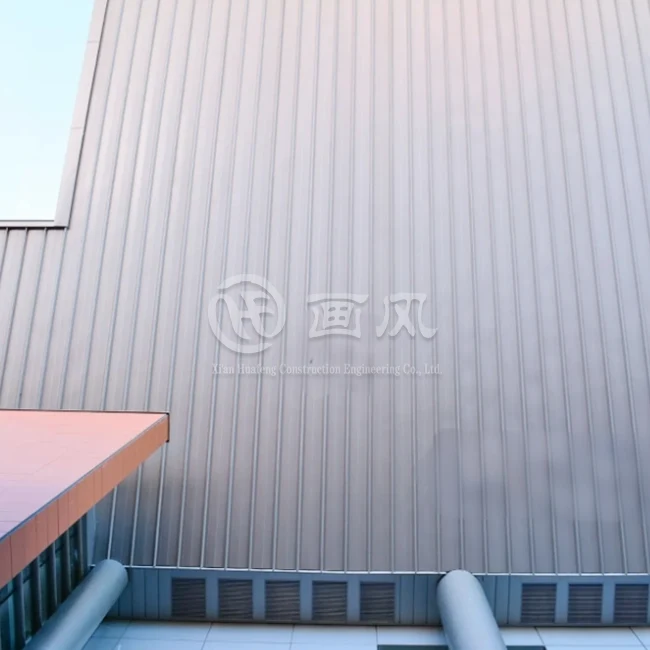
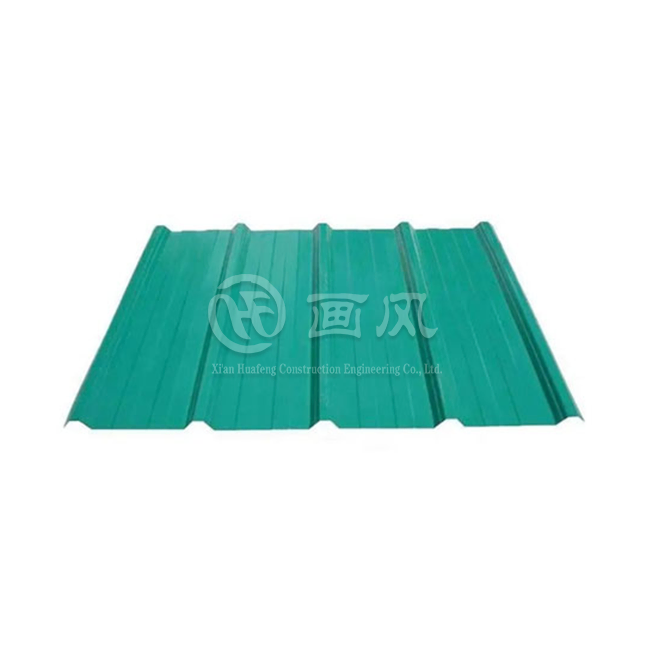
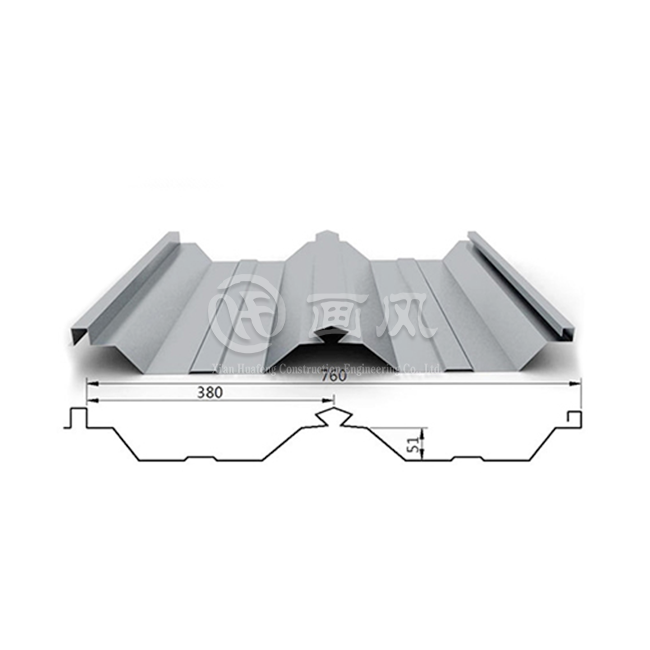
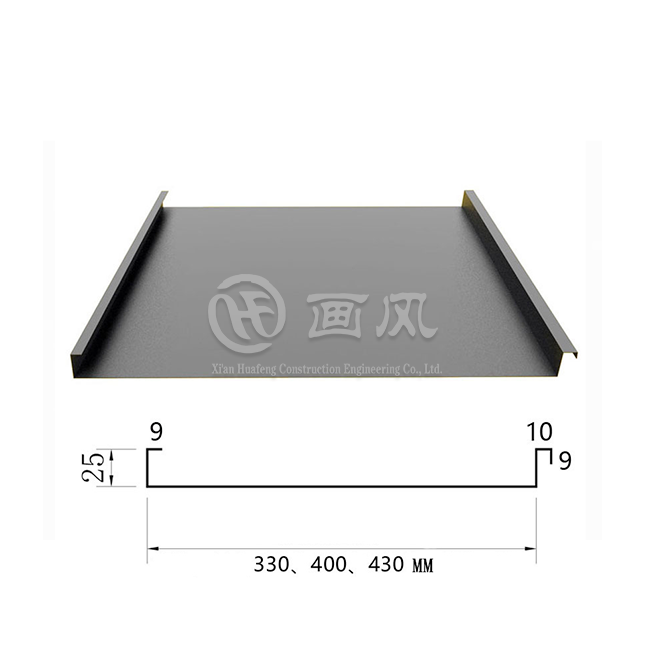
Aluminum metal siding panels come in a variety of shapes so that they can fit a wide range of artistic and functional needs. Flat panels have a clean, modern look that works well for modern business entrances. Corrugated shapes make buildings more rigid and better at managing water, which makes them perfect for industrial stores and farm buildings. Insulated composite panels have foam cores inside metal skins, which makes them better at keeping heat in for climate-controlled buildings. The width of a panel is usually between 400 mm and 600 mm, and its thickness is between 0.7 mm and 1.2 mm. However, these limits can be pushed further if needed. Rib heights are usually 65 mm and are designed to handle certain wind pressure loads. Panel lengths can go over 12 meters when processed in the factory, which cuts down on joints and possible leak points that need to be made on-site.
Suitability for Demanding Environments
Aluminum metal siding panels work great in tough situations where other materials break down too quickly. Coastal building projects benefit a lot from the resistance to salt spray corrosion of aluminum metal siding panels. This is especially important within 1 to 5 kilometres of the shore, where chloride attack weakens steel and speeds up wood rot. Chemical pollution, temperature changes, and mechanical stress are all things that industrial buildings' outside cladding has to deal with. With the right coating choice, aluminum metal siding panels can handle these situations well. The dimensional stability of aluminum metal siding panels makes them useful for installs at high elevations and in places where temperatures change a lot. The material can expand and contract without warping or breaking. Because aluminum metal siding panels are naturally recyclable and keep all of their properties through multiple cycles of use, these panels are good options for procurement professionals who need to balance short-term performance needs with long-term commitments to sustainability and the possibility of material recovery value.
Aluminum Metal Siding Panels Performance Compared to Alternatives
When choosing an exterior cladding choice, you need to look at how well it performs in a number of areas that have a direct effect on project costs, timelines, and lifetime costs. When compared to vinyl, steel, wood, fibre cement, and composite siding panels that are often used in business and industrial buildings, aluminum metal siding panels have clear pros and cons.
Durability and Maintenance Requirements
Metal siding panels made of aluminium endure longer than steel in acidic situations. In coastal and industrial locations with chemicals and water, it works better. Steel must be galvanised and re-coated often to prevent corrosion. However, aluminum metal siding panels naturally coat the foundation material with oxide. The structure will need less maintenance during its lifetime. Vinyl flooring is simple to maintain, but it may shatter in cold temperatures and severe knocks. However, aluminum metal siding panels dent but remain structurally strong. Wood flooring requires frequent painting, sealing, and insect control, which is time-consuming and expensive. Fibre cement is robust but heavy and often breaks; therefore, it must be coated and fitted carefully. Aluminum metal siding panels need just occasional cleaning and coating checks, reducing management expenses, which is particularly beneficial for large company portfolios with significant entry and disruption costs.
Installation Complexity and Labor Efficiency
Aluminum metal siding panels are light, which affects installation time and labour costs, which is vital for builders with tight deadlines. A typical aluminium siding panel weighs 40–60% less than steel or fibre cement. This reduces crane time, labour fatigue, and structural support. Installation crews work faster in multi-story commercial buildings where transferring supplies takes time. Vinyl siding is simple to install, but fire safety and cosmetic problems prevent its usage in many commercial projects. Cutting wood and fibre cement takes specific equipment and causes waste on the construction site, slowing installation. Steel siding requires robust attaching systems to support its weight and thermal development, increasing material and labour expenses. Aluminum metal siding panels may be cut, bent, and shaped on-site without special equipment. This allows you flexibility for field situations and particular elements that inevitably arise while constructing. Contractors say they install 15–25% faster than heavier coatings. This immediately boosts project cost-effectiveness and plan predictability.
Cost Efficiency Analysis
Though just one portion of total ownership expenses, material cost is still one of the most significant factors to consider when purchasing. Aluminum metal siding panels start between vinyl and composite panels in price. However, lifecycle cost research indicates aluminum metal siding panels' benefits. Over 20–30 years, a company building study shows that the material's long life and inexpensive maintenance expenses more than offset its higher initial prices. Steel siding may have comparable upfront prices, but rust prevention, coatings, and maybe replacements in tough locales cost more. Maintenance and work expenses for wood and fibre cement climb annually. Vinyl fades faster and has to be replaced more regularly. Full assessments include energy expenses. Aluminum metal siding panels’ insulation compatibility and reflective coatings save HVAC expenditures. Aluminum metal siding panels are increasingly chosen by procurement specialists who calculate total cost of ownership for projects that need stable maintenance funding and extended service intervals.
Installation, Maintenance, and Longevity of Aluminum Metal Siding Panels
When procurement managers and project engineers know what materials are needed, how to place them, how to maintain them, and how long aluminum metal siding panels are expected to last, they can make decisions that are in line with operational realities and budget limits.
Installation Process and Technical Considerations
Aluminum metal siding panels are professionally placed to withstand bad weather and look good. The base must be prepared, and the wall covering must support and prevent wetness. Level reference lines and furring strips or Z-channels let installers create drainage planes and work around construction defects. Panels connect differently by design. Hidden fasteners are appropriate for architectural applications requiring clean lines, whereas visible fasteners are suitable for quick, cheap manufacture. Treating carbon steel or stainless steel fasteners prevents galvanic corrosion. Regular thermal expansion connections allow aluminum metal siding panels to flex, eliminating oil caking and warping. Modelling and building curved surfaces, panel angles, and built-in trim requires precision. Manufacturers recommend approved installation for large commercial projects with performance warranties. Professionals can install aluminium siding. Installation is simpler than curtain wall but tougher than lap siding. Qualified firm contractors don't need special training to handle aluminium siding panels.
Maintenance Strategies for Extended Service Life
Staying secure and attractive with aluminum metal siding panels requires just smart upkeep. An annual inspection, especially after hard weather, may discover coating, fastener, and sealing concerns before they deteriorate. Low-pressure, gentle detergent cleaning is typical. It eliminates dirt, organic growth, and air pollutants that dull finishes. Wash coastal areas more often, especially horizontal surfaces where layers develop, to minimise salt accumulation. Touch-up paints that match the finish may fix unusual coating scratches and abrasions. It inhibits rusting. A panel damaged by impact, incorrect fitting, or a manufacturing defect may be replaced without affecting surrounding panels. Some monolithic cladding systems are tougher to maintain than aluminium siding. Sealant joints at panel changes and penetrations should be evaluated and changed every 10–15 years, depending on product and exposure. The upkeep is still far lower than for wood, steel, or stone. Aluminum metal siding panels' lifetime cost profile benefits building owners with large property portfolios.
Service Life and Warranty Considerations
Durability of aluminum metal siding panels relies on installation, coating, and weather. Well-designed mild-condition systems last 30–40 years. Marine-grade metals and improved PVDF coatings may extend aluminum metal siding panels' life in harsh coastal or industrial environments. Reputable manufacturers provide 30-year material and finish guarantees. This lowers procurement experts' risk. These guarantees commonly include chalk and fade limits (Delta E values below 5 units) to retain the agreed look during coverage. Remember that faulty installation, unexpected weather, or poor upkeep usually voids the guarantee. Coating systems often provide warranties. Though more expensive than PE or HDP, three-coat PVDF systems resist fading and chalking. ASTM B117 salt spray tests show 3000–4000 hours of performance without covering failure, supporting the manufacturer's claims that aluminum metal siding panels last. Procurement specifications often include standardised test results and warranty conditions to define performance goals and hold suppliers responsible for material behaviour.
Procurement Guide: Buying Aluminum Metal Siding Panels for B2B Clients
When you're looking for aluminum metal siding panels strategically, you need to look at more than just price per unit. You also need to look at things like quality consistency, customisation options, logistics dependability, and support after the sale. All of these things have a direct effect on the success of the project and your long-term satisfaction.
Evaluating Supplier Capabilities
Buyers should look for these features in dependable aluminium metal siding panel manufacturers. Large commercial projects with delivery dates need production capability. HF produces 1,000 tonnes per month to guarantee enough inventory for major orders without long lead times. ISO9001, ISO14001, and SGS certifications show that aluminum metal siding panels meet quality and manufacturing standards. Unlike building vision partners, commodity providers can't be modified in colour, pattern, or design. In addition to aluminum metal siding panels, technical support and wind load and heat demand projections are valuable. Where a company makes its products influences freight costs and reliability. Manufacturers with several processing plants may enhance logistics and regional backup. Quality control papers should be requested by procurement teams to guarantee project compliance with PVDF coating industry standards like AAMA 2605. Coating thickness, Delta E colour consistency, T-bend test performance, and salt spray reactivity are important.
Logistics, Minimums, and Lead Times
Knowing how to order from a supplier and their logistical experience may help you avoid project delays and budget overruns due to unexpected shipping costs or longer procurement procedures. Minimum order amounts vary by manufacturer and product. For medium-sized enterprise projects and lower manufacturing costs, HF sets the standard capacity at 500 square meters. Since it falls between spot purchases and industrial suppliers' enormous quantities, this MOQ enables for several project sizes. Shipping takes 15–20 days after purchase confirmation for average specifications. However, some coatings or tints may extend these times. International purchases complicate port selection, container optimisation, and customs. Experienced salesmen avoid expensive mistakes. Delivery stages that match construction sequence decrease storage and material handling issues. Intelligent suppliers differ from transactional vendors with this offering. Multiple project buying managers prefer suppliers with inventory plans or blanket purchase agreements that lock in price and enable aluminium metal siding panel pulls, improving cash flow and lowering carrying costs.
Cost Structure and Total Ownership Economics
Aluminium metal siding panel costs depend on metal type, coating method, panel shape, order quantity, and requirements. PVDF-finished marine-grade metals cost more than PE-coated ones but last longer and need less maintenance. Volume pricing applies to orders above a certain amount. Task size influences discount. Cost studies include labour rates, tools, and timetable length for installation. Lightweight aluminum metal siding panels save installation time and offset higher material costs. Your 20–30-year maintenance estimate should include periodic cleaning, repairs, and replacements. Energy modelling may show cooling demand reductions via reflecting coatings or insulated panel systems. This is especially true in bright southern climates. Building end-of-life salvage value is economic. Aluminum metal siding panels are better for material recovery than most cladding since they can be recycled almost completely. Advanced procurement evaluations incorporate lifetime factors instead of purchase cost. This assures materials fulfil operational efficiency, environmental reporting, and long-term asset value standards.
Environmental Impact and Sustainability of Aluminum Metal Siding Panels
Green building standards and corporate promises to sustainability are becoming more and more important in choosing building materials. Aluminum metal siding panels are a good choice because they are naturally good for the environment and work well with new rules and regulations.
Recyclability and Energy in the Body
Aluminum metal siding panels keeps its quality after several recycling cycles, making it one of the most recyclable building materials. As 75% of aluminium output is used, it offers circular economy potential. When recycled in industrial lines, aluminum metal siding panels utilise 5% of the energy needed to make them from bauxite ore and minimise their carbon footprint. Top aluminium metal siding panel manufacturers use more recycled resources. They make products using 25–40% post-consumer metal that function like virgin ones. Embodied energy—the energy required to gather, process, create, and transport the material—is reduced. Aluminum metal siding panels beat alternatives in complete life-cycle evaluations. Lightweight aluminum metal siding panels minimise supply chain emissions. This becomes more important when companies set Scope 3 emissions reduction goals. Environmental Product Declarations (EPDs) give standardised lifetime effect statistics to assist you choose cladding based on evidence and LEED or other green building documentation criteria. EPDs frequently appear in procurement guidelines.
Contribution to Building Energy Efficiency
Aluminium siding panels provide weatherproofing and energy savings. Reflective coatings, especially coloured cool roof compositions, minimise cooling needs in warm areas by reflecting infrared radiation. Studies show that properly installed reflective aluminum metal siding panels may lower surface temperatures by 20–30°C compared to dark surfaces, saving HVAC energy. Insulated aluminium composite panels provide continuous insulation. Thermal bridging is eliminated, simplifying wall construction. Aluminum metal siding panels can last and keep air out if installed properly. Reduces energy losses from air leaks that undermine building performance. As building regulations get tighter on energy consumption, following IECC updates and specialist standards like ASHRAE 90.1, aluminum metal siding panels' thermal efficiency attributes become increasingly relevant for satisfying these criteria without thickening walls or requiring sophisticated installation. For LEED, BREEAM, and other certification projects, procurement teams may use aluminum metal siding panels for Materials & Resources, Energy & Atmosphere, and Innovation credit categories. Documentation may be provided by many green building manufacturers.
Compliance with Environmental Standards
Reliable manufacturers' aluminum metal siding panels meet many commercial building safety and environmental criteria. ISO14001 accreditation shows a company takes environmental issues seriously and manages them to reduce waste, pollution, and resource use. Testing ensures surfaces don't exceed VOC limits. Indoor air quality and government approval rely on this. Commercial building exteriors must be fire-safe (ASTM E84 Class A ratings) and non-combustible in wildfire-prone areas. No preservatives, fungicides, or other chemicals are required for wood objects, so people don't have to worry about dumping or exposure. Manufacturers that support LEED and similar programs may find HPD or other openness system aspects. This meets rising health information needs. New developments include bio-based or recycled coating solutions for aluminum metal siding panels, chemical-free surface treatments, and water- and waste-efficient production. Sustainability and ESG reporting companies' procurement experts weigh environmental problems with performance and cost. Material selection affects corporate responsibility indicators reviewed by stakeholders, investors, and regulators.
Conclusion
Aluminum metal siding panels are durable, easy to maintain, fast to install, and eco-friendly. These are important traits in commercial and industrial construction. The corrosion-resistant, lightweight, and easy-to-build material may be employed for coastal and city high-rises. Aluminum metal siding panels need minimal care, last a long time, and have solid warranties; thus, a complete lifecycle assessment demonstrates that their total cost of ownership is low. High recycling, reduced embodied energy from recovered material, and energy efficiency improvements are sustainability features. These qualities aid firms' environmental aims. Procurement specialists should assess cladding suppliers based on quality certifications, customisation choices, logistical reliability, technical support, and pricing. So, they can ensure that the material they choose supports both immediate project success and long-term asset performance.
FAQ
1. What is the typical lifespan of aluminium siding panels?
If you install and take care of quality aluminum metal siding panels the right way, they should last 30 to 40 years in mild areas. For even longer life in tough coastal or industrial settings, use premium PVDF coating systems and marine-grade alloys. Manufacturers usually offer 30-year guarantees that cover the quality of the material and the performance of the finish. The warranties also spell out the maximum levels of fade and chalk that are accepted during the coverage period.
2. Can aluminium siding panels be customised for specific project requirements?
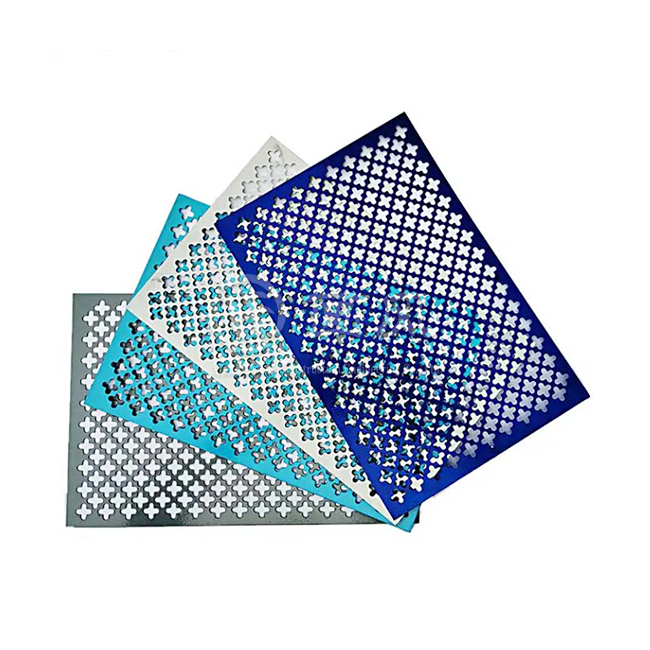
Reliable makers let you make a lot of changes to aluminum metal siding panels, like matching the colour to the building's specs, adding custom perforation patterns for sound or airflow, choosing from different panel shapes and sizes, and using special coating systems that are chosen for the environment. Different suppliers have different minimum order amounts for unique specs, but most of the time, they can still be met for large-scale business projects.
3. How do maintenance requirements compare to other cladding materials?
Aluminum metal siding panels need a lot less upkeep than alternatives made of wood, steel, or stone. Routine maintenance includes checks once a year and low-pressure washing to get rid of dirt and other pollution that have built up. Coastal sites should be rinsed more often to keep salt from building up, but it's still easy to fix small areas of covering damage. Unlike wood, which needs to be painted regularly, or steel, which needs to be recoated for rust protection, the low upkeep profile of aluminum metal siding panels makes them a very good choice for long-term cost performance.
Partner with HF for Your Aluminum Metal Siding Panels Requirements
At HF, our team's main job is to give building companies and business developers high-performance aluminum metal siding panels that are made to handle tough situations. We have ISO9001 and ISO14001 certifications and can produce 1,000 tons of goods every month. This means that the standard is always the same and shipping is always on time, within 15 to 20 days. You can choose from quality PE, HDP, and PVDF coatings on our alumnium metal siding panels, and they come with 30-year warranties. You can also have the colours and patterns changed to fit your building's needs. We are a reliable source for aluminum metal siding panels for projects that need at least 500 square meters of them. Our working facilities are located in key places, and we offer full technical support. Email our procurement experts at huafeng@hfmetalroof.com to talk about your unique needs and get full quotes for your next business building project.
References
1. American Architectural Manufacturers Association. "AAMA 2605: Voluntary Specification, Performance Requirements and Test Procedures for Superior Performing Organic Coatings on Aluminum Extrusions and Panels." 2017.
2. Kaufman, J.G. "Introduction to Aluminium Alloys and Tempers." ASM International, Materials Park, Ohio, 2000.
3. Liu, Z. and Zhang, W. "Life Cycle Assessment of Aluminum Composite Panel for Building Exterior Applications." Journal of Cleaner Production, Vol. 168, 2017, pp. 975-984.
4. National Association of Home Builders Research Center. "Performance of Exterior Building Wall Systems: Laboratory Study." Upper Marlboro, Maryland, 2001.
5. Szokolay, S.V. "Introduction to Architectural Science: The Basis of Sustainable Design." Architectural Press, Oxford, 2008.
6. Underwriters Laboratories. "UL 723: Standard for Test for Surface Burning Characteristics of Building Materials." Northbrook, Illinois, 2018.





YOU MAY LIKE