What Are The Advantages Of Standing Seam Metal Roofing Sheet
2026-06-08 17:11:56
Due to their hidden fasteners and interlocking vertical seams, standing seam metal roofing sheets provide unrivaled longevity, energy economy, and weather protection. These panels eliminate thousands of possible leak spots. They can stand up to harsh climates, from the humid coastal areas to the hot deserts, and most of the time come with guarantees that last longer than 40 years. Their reflective surfaces make cooling much cheaper, which helps them get LEED and BREEAM ratings and keeps long-term upkeep costs low. Standing seam metal roofing sheets can be made from a variety of materials, such as Galvalume steel or aluminum, and come in a number of different finishes. They work well in industrial buildings, business complexes, and architectural projects that need to be both structurally sound and look good.

Understanding Standing Seam Metal Roofing Sheets
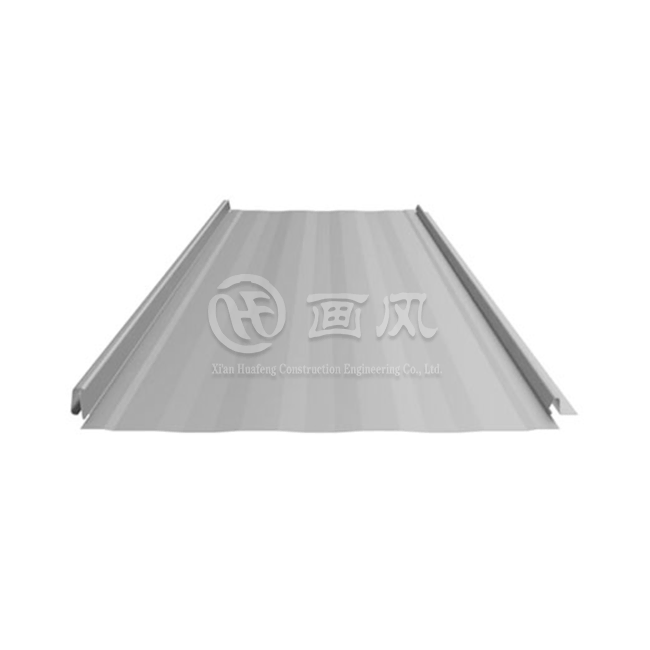
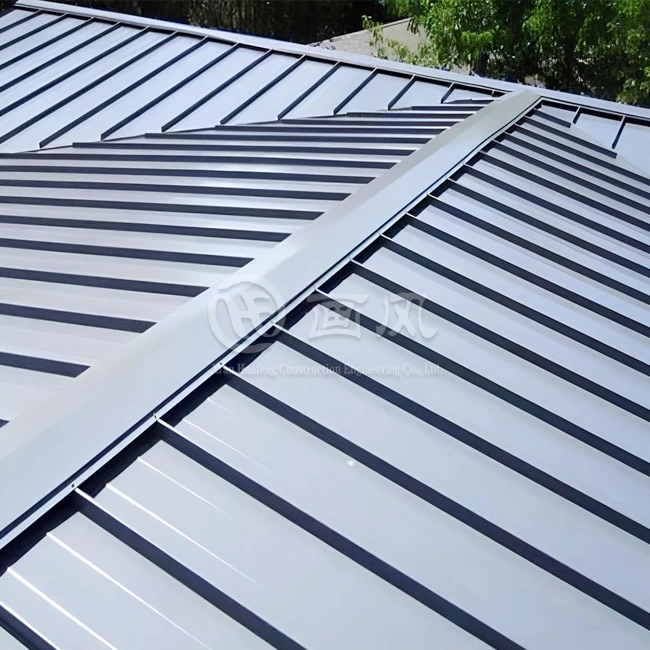
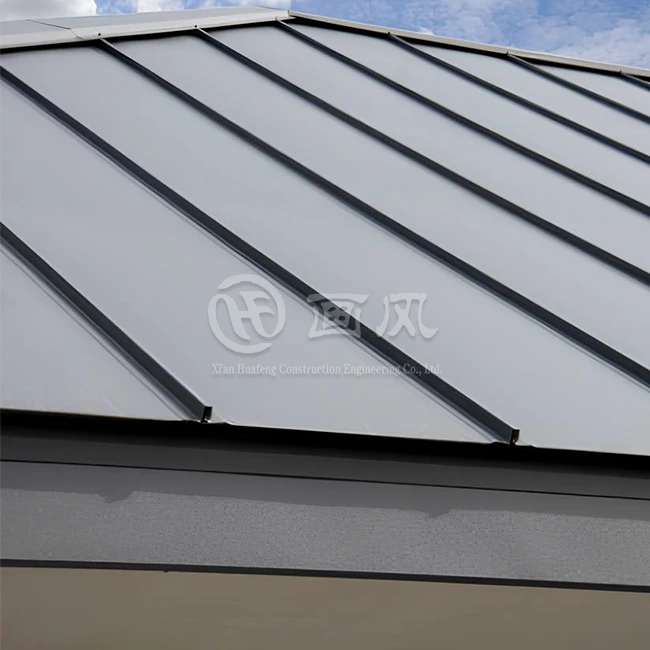
Standing seam metal roofing sheets are a type of hidden fastener panel system in which vertically raised seams fit together to form a weathertight enclosure. The main idea behind the engineering is that fasteners should be hidden. These fasteners should be attached to the roof decks using floating clips or directly under the vertical legs. This way, visible screws won't be damaged by UV light or changing temperatures.
Design and Structural Characteristics
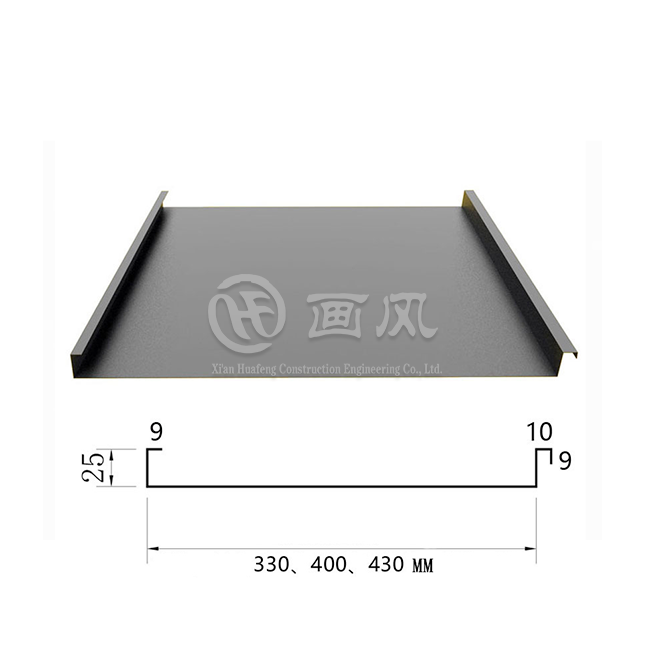
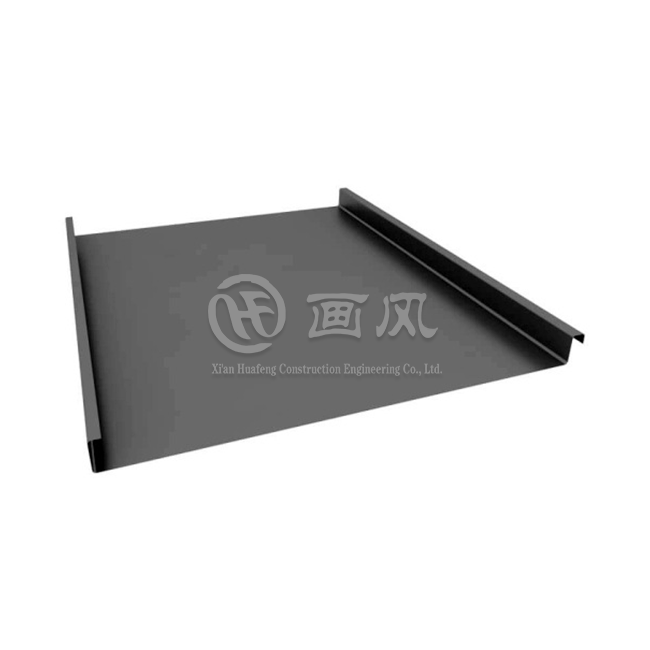
What makes it unusual are its vertical ribs, which are 32–50 mm high and provide support lines and channels. The flat pan is between these elevated seams. Job requirements determine its breadth, which might be 300 mm to 500 mm. The concealed clip method is preferable to through-fastened corrugated systems because panels may expand and compress without stressing screws.
Panel lengths from 1 to 13 meters provide continuous coverage on various roof geometries with minimum horizontal gaps. Long-run ability is essential for low-slope usage below 0.5:12 pitch, when horizontal water resistance is crucial.
Material Options and Coating Technologies
Popular base substrates include galvalume steel (AZ50/AZ55 aluminium-zinc alloy), galvanised steel (G90 paint), aluminium alloys, copper, and titanium-zinc. Panel thickness ranges from 0.5 to 1 mm. Steel is usually 22- or 24-gauge for industrial usage.
Surface coatings greatly affect durability. PVDF coatings, such as Kynar 500, resist fading and chalking better than PE systems. In most cases, the top coat is 25–40 micrometres thick and the underlying coat 10–15. T-Bend Test (ASTM D4145) for flexibility and Salt Spray Test (ASTM B117) are two difficult tests these multi-layer covering systems pass. Premium products don't corrode for 1,000 hours.
Snap-Lock Versus Mechanical Seam Variations
Snap-lock profiles have a pre-formed edge that clicks together during installation. This makes them good for slopes higher than 3:12 and speeds up the installation process since you don't need any special tools for seaming. For mechanical seam systems to work, robotic seamers must crimp the panel legs together. This makes the bond stronger, which is important for low-slope roofs and seaside areas with a lot of wind. When properly designed, the mechanical seam meets UL 90 wind uplift rates, which means it can't be damaged by hurricane-force winds.
Core Advantages of Standing Seam Metal Roofing Sheets
Standing seam metal roofing sheets have several key benefits. The great advantages of this roofing system solve important problems that building companies and site managers have when they work on big projects and roof failures disrupt operations and cost a lot to fix.
Exceptional Durability and Longevity
Standing seam metal roofing sheets withstand corrosion, snow, and harsh weather better than others. Cathodic protection comes from galvalume surfaces, and exceptional PVDF coatings preserve colour for decades. Most paint manufacturers give 35–40-year chalking and fading guarantees and 20-year weathertightness warranties.
The concealed fastener design prevents obvious screw gasket wear, the main cause of metal roof failure. Standing seam metal roofing sheets don't have this vulnerability; therefore, they may last over 50 years in well-maintained installations.
Energy Efficiency and Thermal Performance
Sun reflection indices are high for metal roof coatings, particularly light colours with reflectivity exceeding 0.70. This feature reduces cooling demands by 15–25% in corporate buildings with high roof-to-wall ratios by blocking solar heat gain. Due to temperature differences, the HVAC system functions more effectively and requires less equipment.
Standing seam metal roofing sheets gain LEED points in Energy and Atmosphere, Materials and Resources (recyclability), and Sustainable Sites (heat island reduction). Many products are manufactured using 25–95% recycled materials and may be returned entirely. This complements the circular economy ideals developers and institutional owners are emphasising.
Minimal Maintenance Requirements
Standing seam metal roofing sheets don't require as much care as asphalt shingles or tile roofs, which need frequent crack checks. A smooth metal surface naturally removes dirt and grime, preventing biological matter from breaking down other materials. Checking sealant at penetrations and pipe fittings every three months is typical maintenance.
This low-maintenance design significantly reduces lifetime expenditures. Even though metal roofing costs more initially, 30-year total cost of ownership calculations usually favour it. This is particularly true when re-roofing expenses and repair time are avoided.
Architectural Versatility and Customization
Contemporary standing seam metal roofing sheets come in a wide range of colors, including standard RAL options and styles that can be custom-matched. In addition to color, you can choose from different rib shapes, striations in the pan area to reduce oil canning (visual waviness), and unique finishes that look like patina copper or weathered zinc.
There are a lot of different panel shapes, from modern ones with clean lines to older ones with bigger pans and taller seams. Because of this, planners can choose metal roofing for a wide range of projects, from industrial warehouses to high-end business developments, without changing the design purpose.
Standing Seam Metal Roofing Compared to Other Roofing Options
Procurement workers can make better material choices within the limits of a project's budget and performance by knowing how different types of roofs perform in comparison to standing seam metal roofing sheets.
Comparison with Corrugated and Through-Fastened Metal Panels
Corrugated metal roofing is cheaper, but its visible fastening system creates hundreds of leak points where gaskets might wear out. Standing seam metal roofing sheets eliminate this issue with concealed clips, making the greater cost worth it for factories, cold storage, and inhabited commercial areas where changing the roof would interrupt operations.
Through-fastened panels reduce heat movement, which causes fasteners to loosen and holes to lengthen. The structural standing seam metal roofing sheets' moving clip mechanism enables seams to expand and contract freely, ensuring fastener integrity for decades.
Comparison with Asphalt Shingles and Tile Roofing
Asphalt shingles have 20–30-year warranties; however, UV radiation breaks down the granules and makes the roofs brittle, so they must be changed before then. Standing seam metal roofing sheets are durable and endure over 50 years. Weight differential matters. Metal panels weigh 1-3 pounds per square foot, whereas asphalt and concrete tiles weigh 9–12 and 6–10 pounds, respectively. Less structural load is required.
Metal is the most thermally efficient material. Dark asphalt shingles absorb heat and transfer it into the attic, whereas metal coatings reflect heat to keep the surface cooler. Inadequate insulation impacts a building's energy usage and comfort.
Material Selection: Steel Versus Aluminum
Steel plates are cheaper and stronger-to-weight, making them ideal for most industrial needs. Aluminium is ideal for coastal places where salt spray increases steel corrosion since it doesn't react with ferrous metals. Aluminium is 40% lighter than steel, making it ideal for retrofitting structures with less weight.
Because it's sturdy and rustproof, galvalume steel is ideal. It works well at several temperatures. You may pick materials that operate best and stay longest by considering humidity, industrial pollution, and high temperatures.
Installation and Procurement Considerations for B2B Clients
The quality of the products and the skill of the installers are both important for the success of a project involving standing seam metal roofing sheets. When making a purchase choice, the buyer should look at more than just the price per unit. They should also look at the supplier's professional help, delivery reliability, and service after the installation.
Professional Installation Requirements
Fitting standing seam metal roofing sheets takes expertise and tools. To acquire the appropriate crimp measures with mechanical seam systems, which need 180-degree folds for weathertight interlocks, experienced personnel must utilise robotic seamers. Leaks and reduced wind acceleration may result from improper seaming.
Correct panel arrangement impacts appearance and functionality. Unaligned panels create faults and stress heat-moving areas. Professionals utilise lasers to accurately lay panels and maintain clip spacing (300–450 mm on center) to uniformly distribute loads throughout the roof structure.
Supplier Selection Criteria
Certified manufacturers that follow ASTM, DIN, JIS, BS, and GB/T standards provide strict quality control. ISO 9001 and ISO 14001 certifications demonstrate systematic quality management and industrial environmental care, respectively. These criteria are becoming increasingly relevant as procurement teams consider supply chain sustainability.
Production competence is crucial for large projects or staged adjustments. Suppliers with numerous factories that can manufacture 1,000 tonnes of products per month may manage huge orders without increasing delivery delays. General builders may tighten construction designs and reduce carrying costs with 15–20-day delivery windows.
Bulk Ordering and Customization
The minimum order quantity (MOQ) is usually 500 square meters, which gives medium-sized projects discounts. You can change more than colour. The panels may be any width and any length to save waste, and finished for severe environments.
Understanding pricing influences helps you achieve the greatest specifications. Panel gauge (width) greatly affects pricing. 24-gauge steel costs 15–20% less than 22-gauge steel but is less puncture-resistant. Coating choice also influences cost. PVDF coatings cost more than PE systems but have longer warranties and superior weather performance.
Warranty and Help After the Sale
Developers and building owners may limit risk by acquiring material defect and coating performance assurances. Read the guarantee conditions to learn about limitations and maintenance requirements that influence coverage. Paint warranties in workplaces must be cleaned annually to remain valid.
Technical assistance during design and implementation is essential. Suppliers who evaluate shop designs, estimate clip spacing, and conduct thermal movement studies may save costly field adjustments. When replacement panels meet the original standards years after installation, building owners don't have to worry about cosmetic flaws during repairs.
Why Leading B2B Clients Trust Standing Seam Metal Roofing Sheets
The fact that standing seam metal roofing sheets are used in a wide range of industries shows that they work well and can be easily modified for tough situations where failure would have big effects on business and finances.
Temperature-sensitive companies employ standing seam metal roofing sheets because they don't leak and maintain temperatures. Distribution facilities and logistics hubs benefit from long-term capabilities and little maintenance. Commercial developers select standing seam metal roofing sheets for prominent design projects where the roof's appearance is crucial.
In green energy, photovoltaic arrays are increasingly placed atop standing seam metal roofing sheets. Vertical seams may accommodate S-5! solar clamps without roof penetration. Big PV systems may be installed without voiding roof warranties. Roofs become profitable investments and weatherproof with this two-in-one feature.
Certified manufacturers with numerous manufacturing locations, seven colour coating lines, and more than 40 specialised pieces of equipment have the scale and investment to maintain quality even with many orders. These qualities ensure that colours match across manufacturing runs, dimensions are proper for field fit-up, and the finish is regular, which impacts durability.
Innovative vendors manufacture coating combinations that shed dirt (less washing) or increase infrared reflection (less cooling). Always improving clip design, seam geometry, and substrate procedures extends their lifespan and permits them to be utilised in harder environments.
Environmental regulations evolve, making forward-thinking sellers partners. EPDs prove that items exceed REACH chemical content criteria, utilise low-VOC coatings, and comply with firms' sustainability pledges, which are becoming part of procurement strategies.
Conclusion
Standing seam metal roofing sheets are a great option for building companies, developers, and site managers who want a roof that will last a long time, save energy, and need little upkeep. The hidden fastener design gets rid of common failure causes and allows for heat movement, so the product will work without leaks for decades. Customization choices for materials, colors, and finishes give architects freedom without affecting the strength of the structure. Standing seam metal roofing sheets are a smart investment that supports sustainability goals and maximizes lifecycle value when bought from certified makers with strong production capabilities, quality control systems that meet international standards, and full expert support.
FAQ
1. How long do you think standing seam metal roofing sheets will last?
When placed and taken care of properly, premium standing seam metal roofing sheets with PVDF coatings and Galvalume surfaces can last for 50 to 70 years. Most paint warranties cover fade and chalking for 35 to 40 years, while structural warranties cover weathertightness for 20 to 30 years, based on the climate and how well the warranty is followed.
2. Can standing seam panels be put on top of roof materials that are already there?
Even though it is technically possible to use hat channels to make air spaces, it is best to completely tear off the floor to check the state of the deck and put down high-temperature synthetic underlayment. This method ensures the right temperature performance and keeps moisture from getting caught and speeding up the breakdown of materials below.
3. What factors have the most impact on the price of buying in bulk?
The main things that affect cost are the material gauge (thickness), coating type (PE vs. PVDF), base choice (steel vs. aluminum), panel width, and order number. If you choose 24-gauge steel with PE coating over 22-gauge steel with PVDF coating, you'll save money, but the steel will not last as long. Volume savings of 8–15% are usually available for orders bigger than 10,000 square meters.
Partner with HF for Premium Standing Seam Metal Roofing Solutions
Xi'an Huafeng Construction Engineering Co., Ltd. has three factories with a total of seven production lines and more than 40 specialized tools. Each factory can produce 1,000 tons of goods every month, which is enough to meet tight project deadlines. As an authorized provider of standing seam metal roofing sheets, we have panels in sizes 32–410/500 with PE and PVDF coatings that come in RAL and custom colors. Our goods meet the standards set by ASTM, DIN, JIS, BS, and GB/T, and they are certified by ISO 9001 and ISO 14001 to prove it. With a 500㎡ minimum order number, delivery times of 15 to 20 days, and full customization services for color, pattern, and design, we help procurement workers who are in charge of big commercial and industrial projects. Email our team at huafeng@hfmetalroof.com to get free samples and talk about custom specs that fit your needs.
References
1. Metal Construction Association. Architectural Metal Roofing Design Manual, 4th Edition. Glenview: Metal Construction Association, 2021.
2. Smith, Robert J. Performance Characteristics of Standing Seam Metal Roof Systems in Commercial Applications. Journal of Building Envelope Design, Vol. 18, No. 3, 2022, pp. 45-67.
3. National Roofing Contractors Association. The NRCA Metal Panel and SPF Roof Systems Manual. Rosemont: NRCA, 2020.
4. Patterson, Michael and Thompson, Linda. Lifecycle Cost Analysis of Commercial Roofing Systems: Comparative Study of Metal, Membrane, and Shingle Applications. Construction Economics Review, Vol. 29, No. 2, 2023, pp. 112-134.
5. American Society for Testing and Materials. ASTM E1592-17: Standard Test Method for Structural Performance of Sheet Metal Roof and Siding Systems by Uniform Static Air Pressure Difference. West Conshohocken: ASTM International, 2017.
6. Green Building Council. Metal Roofing and LEED v4.1: Contribution Analysis for Energy and Atmosphere Credits. Washington D.C.: U.S. Green Building Council, 2022.





YOU MAY LIKE