Standing Seam Metal Roofing Sheets: A Complete Guide
2026-06-08 17:12:02
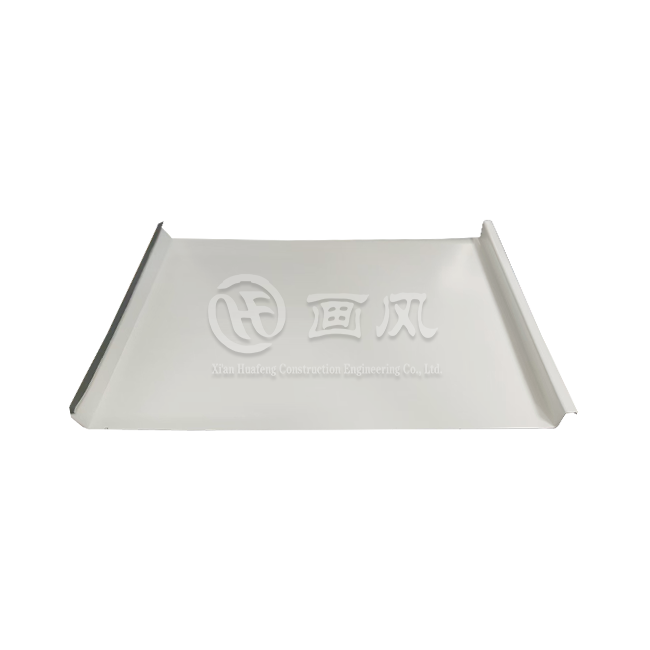
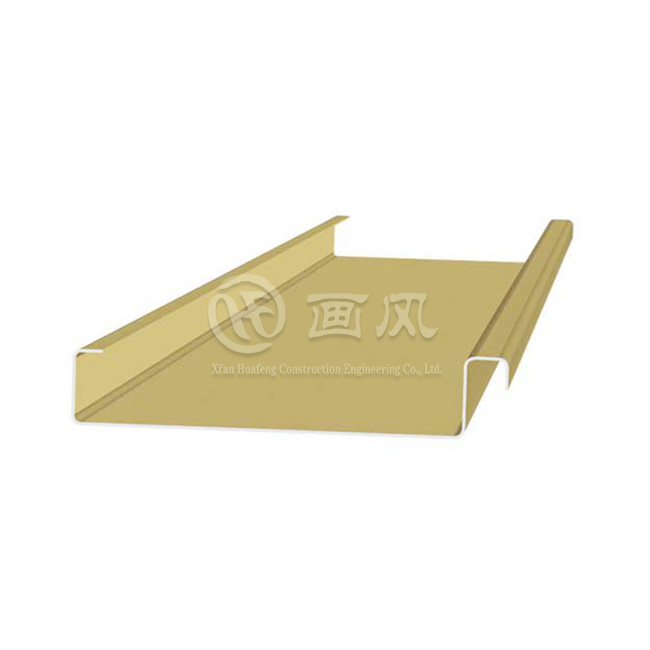
Standing seam metal roofing sheets are a high-tech hidden fastener panel system that was made to make traditional roofing completely leak-proof. Instead of visible screws, these panels are held to the roof deck with hidden clips. This keeps leaks from happening at the places where the fasteners have worn down. This design uses wide flat pans and high seams that run vertically. This lets the material expand in response to temperature changes without affecting its insulation. The system can be changed in terms of color, length, profile, and thickness, so it can be used in a wide range of business and industrial settings where longevity and precision in appearance are important.

Understanding Standing Seam Metal Roofing Sheets
What Defines This Roofing System
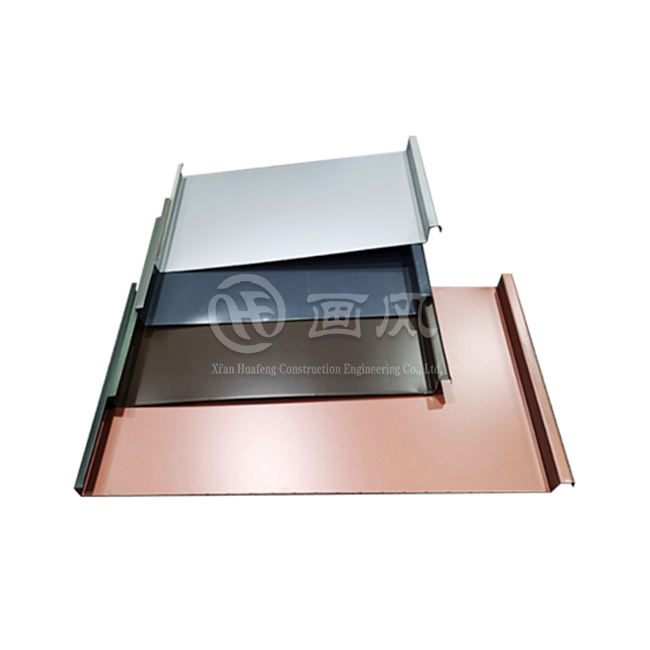
The structure of standing seam metal roofing sheets depends on seams that are raised and interlocked, placed above the drainage plane. Panels usually have heights between 1 and 3 inches and are joined together with mechanical seams or snap-lock systems. This height makes a strong shield against water getting in while still letting the panels move freely when the temperature changes. You can choose from galvalume steel (AZ50/AZ55 aluminum-zinc alloy), galvanized steel (G90), aluminum, copper, titanium zinc, and galvanized steel (G90). Each of these has different rust resistance traits that work best in different environments.
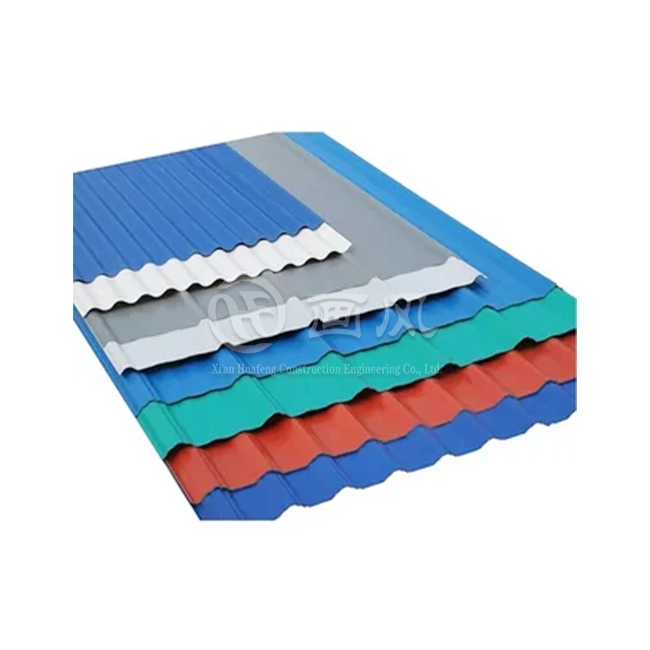
The way we make panels makes sure they meet strict requirements. Panel widths range from 300 mm to 500 mm, and panel thicknesses range from 0.5 mm to 1 mm. Rib heights are 32mm. You can change the length from 1 to 13 meters, which works for big jobs that need continuous runs. Two types of surface finishes are PVDF fluorocarbon coatings (25-40μm top layer) and PE polyester coatings. Both are checked for adhesion stability using ASTM D4145 and D3359 standards-based T-Bend and Cross-Hatch tests.
Core Engineering Advantages
Fastener breakdowns are the construction industry's largest issue. Standing seam metal roofing sheets address it. Traditional middle-attached panels include thousands of holes where UV radiation may destroy rubber washers, causing leaks within 10–15 years. Panels move freely throughout temperature cycles using floating clips. This prevents screws from backing out and maintains watertight spans beyond 200 feet. These systems have UL 90 wind uplift rates; thus, they may be utilised in hurricane-prone locations with winds above 140 mph.
Material selection affects performance and durability. Galvalume surfaces resist rust better than galvanised steel; therefore, they survive longer in sulphur dioxide-rich industries. Aluminium works well in coastal areas because salt spray breaks down ferrous metals faster. Upgraded PVDF coatings don't chalk or fade like SMP coatings and retain colour for decades, even in intense UV radiation. ASTM B117 salt spray testing confirms that excellent panels don't split after 1,000 hours, a crucial criterion for water-related applications.
Application Versatility Across Industries
Commercial roofers like this method for low-slope jobs (down to 1/4:12 pitch) where water would pool and make shingle or tile projects less stable. Site-roll-forming makes it possible to make walls that are exactly the right size for the building, so there are no end-lap weaknesses. The mechanical lock joint system of standing seam metal roofing sheets works effectively in buildings that need to cover a lot of space without interruption, like factories and transport centers with roofs that are often over 50,000 square feet.
The use of renewable energy is a growing area of application. The vertical ribs act as mounting tracks for solar clamps that don't go through the roof membrane. This lets photovoltaic arrays be installed without affecting the structure of the roof membrane. This compatibility keeps maker guarantees in place and helps meet LEED certification goals. These panels are used in agricultural buildings because they are good for livestock because they block out noise. Compared to curved profiles, they block out a lot of rain noise, which makes animals happier on dairy farms and in chicken coops.
Comparison and Decision-Making: Standing Seam vs Other Roofing Options
Performance Analysis Against Alternatives
At first, corrugated metal panels are 40–60% cheaper, but they need to be replaced every 20–25 years because the fasteners that are visible break down. The standing seam metal roofing sheets get rid of this need for upkeep, so the products last 50 to 70 years with little work. Thermal cycling causes asphalt shingles to lose their granules and become brittle, so they need to be replaced every 15 to 20 years. Although clay tiles last longer, they need stronger support because they weigh between 800 and 900 pounds per square foot. Metal systems, on the other hand, only add 40 to 150 pounds per square foot.
Green roofing systems are great for protection, but they need special sealing layers and regular upkeep for the plants. Metal panels have similar thermal performance because they have reflective surfaces and can be used with hard insulation boards. They don't need to be loaded or watered as much, though. TPO and EPDM membranes work well for flat uses, but they can get punctured during upkeep. Metal's impact resistance keeps it from getting damaged by people walking on it, snow, and falling objects. This is a huge benefit for buildings with rooftop HVAC equipment that needs to be serviced often.
Selection Criteria for Procurement Teams
Climate influences material choice. To avoid red rust, coastal projects need aluminium or copper substrates with marine-grade coatings. In snowbelt locations, the system's flat surface helps snow flow off and reduces structural strain. Panel placement impacts ice dam formation; vertical seams convey meltwater, whereas horizontal lap joints store moisture.
Budget constraints exceed material costs. Even though standing seam metal roofing sheets cost 30 to 50% more upfront, a lifecycle cost analysis suggests they save a lot over time. Eliminating re-fastening ($0.75 to $1.25 per square foot every 8–10 years) and fastener replacement materials decreases the 30-year total cost of ownership. In regions that need to cool down, where roof surface temperature influences HVAC loads, reflective coatings save energy and cut operating costs.
Business campus and public building design aids brand objectives; therefore, aesthetic flexibility is crucial. Customisation includes matching RAL colours and offering alternative rib profiles and panel sizes for intriguing visual beats. Flat lock panel transitions allow standing seam fields to blend with parapet walls and equipment screens on complex roof designs.
Installation and Maintenance Guide for Standing Seam Metal Roofing Sheets
Proper Installation Protocols
System performance of standing seam metal roofing sheets depends on site setup. Checking substrates ensures excellent fastening surfaces. Metal decking requires 22-gauge structural profiles, while wood decking must be 5/8-inch thick. The correct underlayment impacts wetness management. High-temperature synthetic coatings don't degrade on hot metal surfaces, although felt papers do. Clip spacing considers wind zone and panel size. The standard clip spacing for structural usage is 12–18 inches.
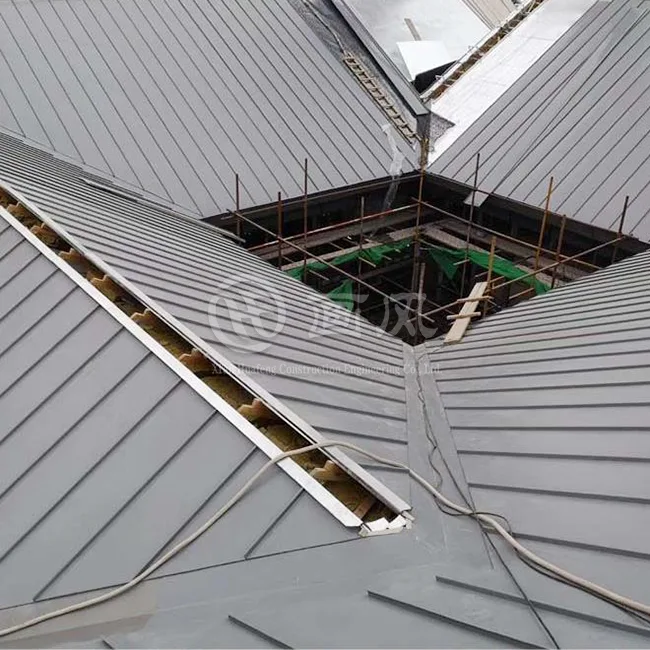
Measure from ridge to eave to generate unique lengths that save waste for panel design. Start at one side and install across the roof plane, inserting the male leg of each panel into the female leg of the preceding panel before engaging the clips. Mechanical seamers fold both legs 180 degrees to seal the seams and keep water out. Snap-lock systems are simpler to install but less wind-resistant. ASCE 7 calculates the building's height and exposure category to determine seam type.
Oil canning (visible panel waviness), uneven substrates, and tight clips are frequent fitting issues. Darker colours and wider panels highlight lines. Carefully placing clips and choosing stiffening rib forms may decrease panel deformation. Panel ends and beneath eaves must have expansion spaces for thermal movement. Without these spaces, summer heat cycles will buckle the roof.
Long-Term Maintenance Requirements
Twice-yearly inspections catch slight issues before they worsen. Fastener inspections keep clips in place, particularly after poor weather. Due to its shorter lifetime (10–15 years) than the panel, sealers at penetration flashings such as pipes, vents, and windows must be monitored. Valley and parapet debris collects water and accelerates corrosion. Clean every three months to prevent degeneration.
Keep the coating pure to prevent corrosion. Paint over exposed metal scratches and abrasions immediately to prevent corrosion. Aluminium panels touching steel fasteners cause galvanic corrosion. Separating metals using rubber or plastic washers stops this electrochemical reaction. A yearly washing with fresh water removes salt deposits that hide microscopic fractures in coastal locations.
The guarantee lasts 25–40 years for coatings and 40–50 years for base perforation, provided the competent worker maintains proper records and follows the maintenance plan. Most manufacturer warranties don't cover unqualified installations, so verify the installer's credentials before buying. Our ISO9001 and ISO14000:14001-certified quality control systems handle warranty claims and provide professional assistance throughout a building's lifespan.
Procurement Guide: Sourcing Standing Seam Metal Roofing Sheets
Supplier Qualification Standards
The first step in verifying a manufacturer is to look over their license. Compliance with ASTM, DIN, JIS, BS, and GB/T standards shows that you follow foreign quality standards. ISO9001 certification proves that quality management systems are documented, and ISO14000:14001 certification shows that industrial methods are environmentally responsible. Third-party testing by SGS verifies material specs and performance claims in a separate way. Suppliers who don't want to provide test results usually send low-quality goods that break early.
Production capacity affects how reliably big projects are delivered. When a supplier has more than one factory with different kinds of production lines, they can better handle pressing orders and changes to specifications. Our three factories have seven color coating lines and more than 40 specialty tools that can make 1,000 tons of product every month. This scale allows delivery windows of 15 to 20 days, even for custom color matching and pattern requirements. This is very important for fast-track building plans where late material deliveries lead to fines.
Pricing Dynamics and Budget Planning
Base material costs change with the price of steel and aluminum, but they are usually between $3.50 and $7.00 per square foot for materials only. PVDF coats cost $0.75 to $1.25 more per square foot than PE finishes, but they are worth it because they don't fade as quickly and don't need as much upkeep. The choice of gauge affects the price. For example, 24-gauge panels are about 15% cheaper than 22-gauge panels, but they don't work as well in high-exposure situations when it comes to wind lifting.
When a job is bigger than 50,000 square feet, volume savings become important. Our 500-square-meter minimum order number strikes a good mix between production efficiency and the ease of access for small to medium-sized projects. When compared to spot purchases, buying in bulk for multi-building projects or yearly supply deals lowers costs by 8 to 15 percent. Optimizing freight through consolidated packages and regional distribution partnerships cuts down on transportation costs. This is especially true for cross-country transfers, where logistics can make up 12 to 18% of the total cost of landing.
Logistics and Supply Chain Considerations
Managing lead times means arranging the production of custom colors with the plans for building projects. Standard RAL colors can be shipped in 10 to 12 days, but special matches take 18 to 25 days for formula development and quality assurance. Order timing is affected by storage issues on the job site; panels take up a lot of room and need to be protected from the weather to keep the coating from getting damaged. Staged transfers that happen at the same time as the installation process lower the risk of theft and damage to goods on-site.
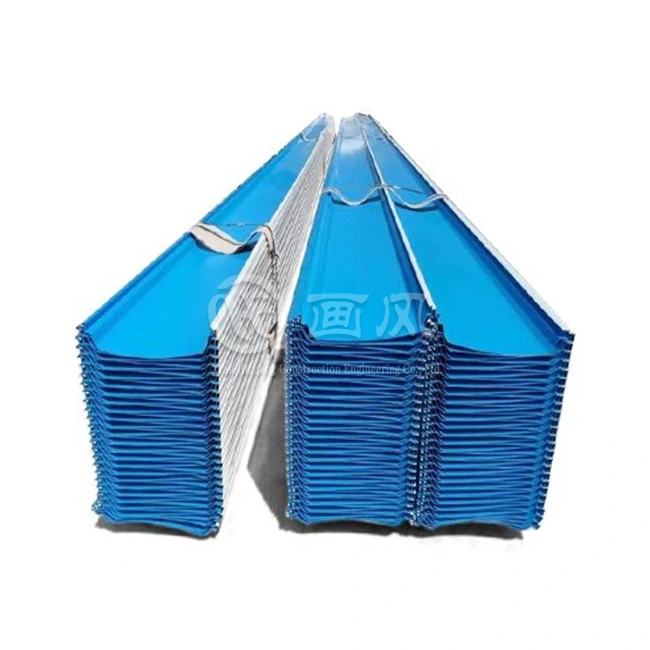
Managing equipment affects how well a system works. Panels longer than 40 feet need special lifting tools and coordinated crew movements to keep them from bending. Because delivery trucks may not be able to get to some places in cities, smaller vehicles or arranging deliveries outside of normal business hours may be needed to follow city rules. Our transport team handles all of these factors, giving you delivery options that work with the limitations of the job site without sacrificing the safety of the goods while they're being moved and unloaded.
Energy Efficiency and Environmental Impact of Standing Seam Metal Roofing Sheets
Thermal Performance Characteristics
When compared to dark concrete surfaces, reflective paint technologies cut the amount of heat that comes through roofs by 35 to 50 percent. PVDF finishes with ceramic colors have solar reflection values higher than 0.60 and thermal emittance values higher than 0.85. These values meet the requirements of ENERGY STAR and the Cool Roof Rating Council. This performance leads to noticeable drops in the amount of cooling that needs to be done. Studies show that business buildings can save 10 to 25 percent on their air conditioning energy costs. These savings are bigger in the south, where cooling uses most of the energy used each year.
Insulation compatibility improves heat insulation even more than the qualities of the coating itself. Rigid polyisocyanurate boards laminated to the undersides of standing seam metal roofing sheets form continuous insulation layers that are not broken by the structural frame. This gets rid of thermal bridging, which lowers the effectiveness of batt insulation. It is now possible to get R-values of 20 to 30 without increasing the depth of the roof. This keeps the building's appearance while meeting stricter energy rules. Ventilated cavity sections improve performance even more by letting convective air flow through them, which removes heat from the sun before it can reach living areas below.
Sustainability and Recycling Advantages
Standing seam metal roofing sheets have 25%–95% recycled material, depending on the foundation. Aluminium panels average 95% recycled content. Panels removed during building demolition retain scrap value that offsets disposal expenses, ensuring near-perfect recyclability. This is unlike asphalt shingles, which send 11 million tonnes to U.S. landfills annually. This closed-loop material cycle helps you get LEED credits, notably MR Credit 4 (Recycled Content) and MR Credit 5 (Regional Materials obtained within 500 miles).
Despite process improvements, metal goods require more energy than shingles. Standing seam metal roofing sheets are better for the environment throughout 60-year building lifespans, according to lifecycle energy analysis. Extended service life reduces replacements and emissions, and reflection reduces operating energy. Within 5–8 years, usage phase environmental advantages surpass production phase expenses.
Standing seam metal roofing sheet standards match company social responsibility aims. A corporation that uses sustainable construction techniques will gain the confidence of environmentally conscious customers and partners. LEED, BREEAM, and Green Globes provide third-party endorsement for marketing and tenant recruitment. Innovative companies invest in sustainable infrastructure to demonstrate their commitment to long-term thinking and operations.
Conclusion
For business and industrial uses, standing seam metal roofing sheets offer the best durability, weather protection, and long-term value. When you combine the technical skill behind secret clip connection with high-quality substrate materials and protective coatings, you get roofing solutions that last decades longer than alternatives and need very little upkeep. Green building goals are supported by systems that save energy and are environmentally friendly. These systems are smart investments for companies that care about both business quality and environmental responsibility. Picking the right provider, being clear about what you want, and installing it in an approved way will make sure that the performance you expect lasts for decades and protects your building's valuable assets.
FAQ
1. What is the expected lifespan of concealed fastener metal roofing?
Good setups usually last between 50 and 70 years, which is a lot longer than asphalt shingles (15 to 20 years) and visible fastener metal panels (25 to 30 years). Most warranties for substrate-piercing cover 40 to 50 years, while warranties for coatings cover 25 to 40 years, based on the type of finish. Proper maintenance and appropriate material selection for environmental conditions maximize longevity.
2. How do these systems perform in harsh climates?
Aluminum or copper substrates with marine-grade coatings that stop rust from salt contact work well in coastal areas. In snowbelt areas, smooth surfaces help the snow melt, which lowers the load on structures. The wind resistance rates meet UL 90 standards, which means they protect against hurricane-force winds when placed correctly with the right amount of clip spacing.
3. Does installation complexity increase total project costs?
Installation needs special skills and tools, which makes work costs 15–25% higher than for open screw systems. However, the fact that standing seam metal roofing sheets do not need to be re-fastened and last longer means that the total cost of ownership is lower over a 30-year period, usually by 20 to 30 percent compared to other roofing systems that need to be replaced more than once.
Partner with HF for Premium Metal Roofing Solutions
Xi'an Huafeng Construction Engineering Co., Ltd. (HF) is a reliable Standing seam metal roofing sheets manufacturer. It has three carefully placed plants with more than 40 specialized tools and seven production lines. Our 1,000-ton monthly capacity guarantees a steady supply for projects of any size, and our full customization services ensure that the colors, patterns, and specs meet your exact design needs. We offer PE and PVDF coatings that meet ASTM, DIN, JIS, BS, and GB/T standards. Our products are backed by ISO9001 and ISO14000:14001 certifications, which ensure stable quality and care for the environment. You can try out free samples of the material before you decide to buy it, and our shipping window of 15 to 20 days works with tight building schedules. Email our team at huafeng@hfmetalroof.com to talk about the needs of your project, get detailed specs, or set up delivery of samples. We have the knowledge and skills to make the business roofing jobs you need.
References
1. American Architectural Manufacturers Association. (2021). Metal Roofing Systems: Design and Installation Standards. AAMA Publication TIR-A9.
2. Baskaran, A., & Smith, T.L. (2019). Wind Performance Evaluation of Metal Roofing Systems: A Comprehensive Analysis. Journal of Building Engineering, 25, 100-115.
3. Cool Roof Rating Council. (2022). Rated Products Directory: Metal Roofing Materials. CRRC Publication Series.
4. National Roofing Contractors Association. (2020). The NRCA Roofing Manual: Metal Panel and SPF Roof Systems. Rosemont: NRCA.
5. Scheurer, M., & Heinrich, J. (2018). Lifecycle Assessment of Roofing Materials: Environmental Impact Comparison. Sustainable Building Materials Quarterly, 12(3), 45-62.
6. Metal Construction Association. (2023). Technical Bulletin: Standing Seam Roof System Installation Guidelines. MCA Document 101-23.





YOU MAY LIKE
(1)_1763110678300.webp "standing seam metal roof panels")
_1757558889992.webp "Metal Roofing Snowguards")