Where to Buy Striated Metal Roof Panels from a Reliable Supplier
2026-08-26 18:46:56
Finding the right source for striated metal roof panels can transform your e-commerce inventory strategy and customer satisfaction levels. As an online metal roofing retailer serving contractors and DIY homeowners across North America, I understand the pressure of balancing quality, flexibility, and speed. Reliable suppliers who specialize in textured metal roofing products offer the manufacturing precision and responsive service that enable you to scale your business confidently. After years of navigating supplier relationships and managing multi-SKU inventories, I've learned that the difference between frustrating delays and smooth operations comes down to choosing partners who genuinely understand e-commerce dynamics. This guide will help you identify where to purchase striated metal roof panels that align with your business model, budget constraints, and customer expectations.

Understanding Striated Metal Roof Panels
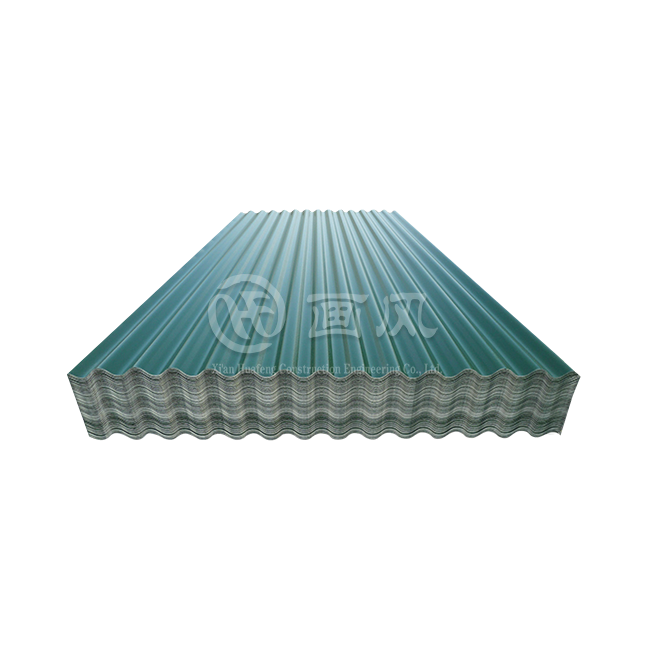
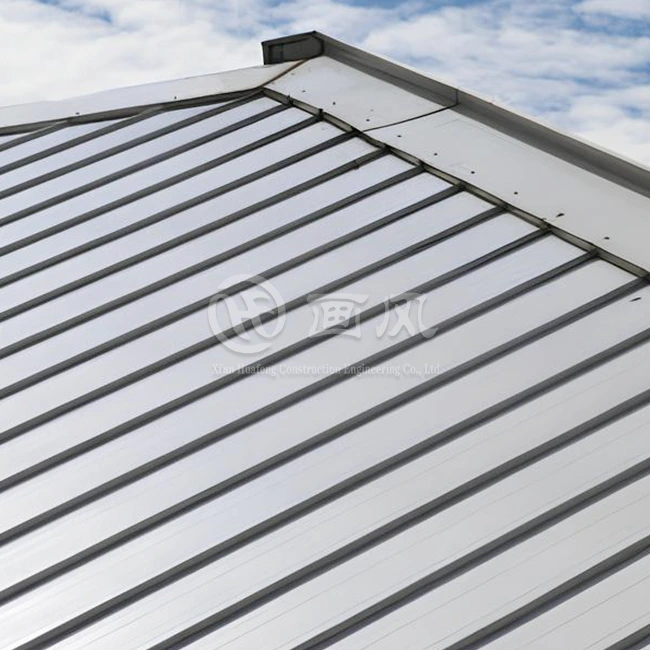
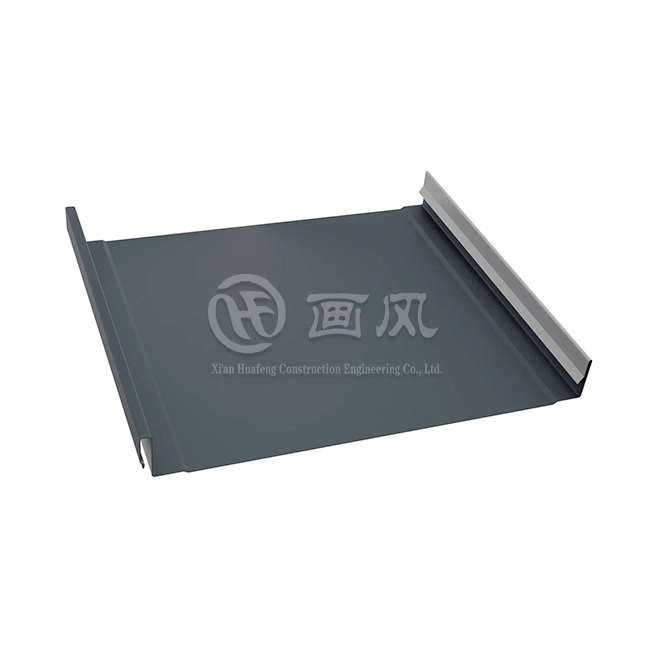
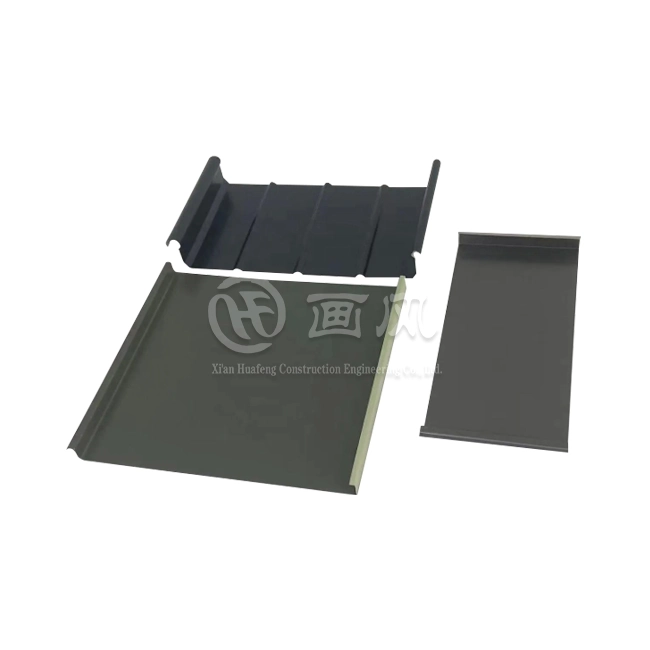
Striated metal roof panels are a special type of ornamental metal roofing. They can be told apart from other types by the parallel grooves that run lengthwise across the panel surface. Unlike smooth or flat panels, these uneven surfaces do two things: they greatly reduce the look of oil canning, which is the wavy distortion that happens when heat expands, and they also make the structure more rigid by improving the shape.
Material Composition and Substrate Options
Choosing the right material is the first step in making good striated panels. According to ASTM A792 standards, galvalume steel is made up of 55% aluminum, 43.4% zinc, and 1.6% silicon. It is more resistant to rust than regular galvanized steel. Because of this, it works especially well in humid places like Florida and Texas, where a lot of online sellers are based. Aluminum alloys in grades 3003, 3004, and 5052 are lighter options that hold up well in bad weather. This is especially helpful for installs near the coast, where salt air speeds up corrosion. Galvanized steel with G60 or G90 zinc coatings (ASTM A653) is still a good, low-cost option for projects in inland areas that won't be exposed to harsh weather.
Panel Specifications and Profiles
The standard rib heights for fluted panels are between 25 and 65 mm. The taller the profile the greater the wind protection which is especially crucial for commercial setups. The panel is normally 0.6mm to 1.2mm thick. Residential projects need gauges from 0.6mm to 0.8mm, whereas commercial projects need thicker substrates to maintain the strength of the structure. The lengths of coverage may vary from 300 mm to 600 mm, depending on the arrangement of the ribs and the desired degree of overlap. “We can make panels up to 12 metres long but anything longer is usually supplied in sections to be joined on site because of the way they have to be shipped.
Surface Treatment Technologies
Coating systems determine both how long something looks good and how well it works. For projects that need to stay within a budget and don't need to last a long time, polyester (PE) coats are a cheap way to protect things from the weather. PVDF (polyvinylidene fluoride) coatings, which are sold under names like Kynar 500, are very resistant to UV light and keep their color for 20 to 30 years. These fluoropolymer systems usually have 20–25 εm front coatings and 5–10 εm backing layers. This gives full protection against fading, chalking, and chemical breakdown. For online stores that want to sell high-end items to people in their own homes, PVDF-coated panels in traditional color schemes like Rustic Red, Charcoal Gray, and Classic Brown are more in style and bring in more money.
How to Identify Reliable Suppliers for Striated Metal Roof Panels
Choosing the right manufacturing partner has a direct effect on how quickly you sell your goods, how happy your customers are, and how efficiently your business runs. Systematic evaluation across multiple aspects that go beyond initial price considerations is needed for the provider evaluation process.
Production Capacity and Infrastructure Assessment
The manufacturing scale of a supplier shows how well they can handle orders with different SKUs without slowing down lead times. Facilities with various production lines—ideally seven or more—show that they can handle orders with different specs at the same time. A supplier's collection of more than 40 specialty tools, such as automatic punching systems, longitudinal shearing lines, and precise roll-forming equipment, is very important. These suppliers can keep tolerances tighter and turn around orders faster. Benchmarks for production capacity of about 1,000 tons per month show that this is enough volume to support growing e-commerce operations while keeping quality high across all production runs.
Quality Certifications and Standards Compliance
Regulatory compliance ensures items are manufactured reliably and consistently. Suppliers that meet international standards such as ASTM, DIN, JIS, BS and GB/T demonstrate their commitment to quality management systems. SGS clearance documentation independently verifies the properties of the material, the performance of the coating and conformity with environmental legislation. PVDF coatings are AAMA 2605 approved meaning they have been tested to survive the elements via rigorous testing processes that measure colour consistency, adhesion strength, chemical resistance, and impact durability. This is particularly true for North American markets. EU RoHS compliance ensures that products are free from hazardous compounds, an increasingly crucial factor as environmental regulations tighten across all purchasing channels.
Flexibility in Order Configuration
Inventory flexibility is a key part of many e-commerce business models. Suppliers with variable minimum order amounts, like 500 square meters or one ton, let you place trial orders without having to commit too much capital. With mixed-SKU container loading, you can get the most out of your goods by stocking a range of colors, lengths, and profiles of striated metal roof panels in a single package to match real-time sales data. This operational flexibility directly addresses the paint point of finding a balance between investing in inventory and not knowing how much demand there will be in the market. Colors that are custom-matched to RAL and Pantone specifications can be perfectly aligned with regional esthetic preferences. This makes it easier to avoid color discrepancies that lead to expensive returns.
Delivery Performance and Logistics Support
Lead times are consistent and show you which suppliers are good and which ones are not. Standard delivery windows are 15 to 20 days following order confirmation, so it’s simple to organise your inventory to meet with when you need to resupply. By using protective film, corner guards and moisture barriers, suppliers may provide packaging that is scratch-resistant, keeping your return rates low by minimising shipment damage. High-res product photos, full spec sheets and installation instructions are all documentation support that directly address your e-commerce content demands and save you time and money on marketing materials.
Comparing Market Options: Why Choose Striated Metal Roof Panels over Alternatives
Material choice has a big impact on how well a project works, how much it costs over its life, and how happy the customers are. Knowing how striated metal panels stack up against other roofing options helps you make smart buying choices that fit the tastes of your target market.
Performance Advantages Over Competing Materials
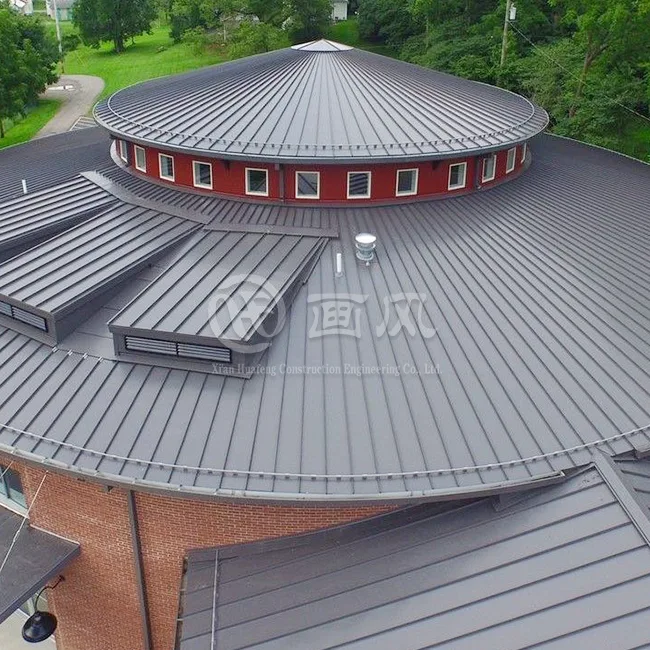
Even though concealed fastener systems are available on standing seam metal roofing, smooth panels are more likely to show visible oil canning than textured panels. The smooth surface is broken up by wavy lines that create patterns of light reflection that can be seen. The wave design on corrugated metal panels makes them strong, but they don't have the sleek look that more and more home buyers want. Even though asphalt shingles are cheaper at first, they need to be replaced every 15 to 20 years. Premium striated metal products, on the other hand, come with 30-year service life warranties, which means that value-conscious contractors should choose metal solutions.
Energy Efficiency and Environmental Impact
Metal roofs that reflect solar energy instead of soaking it lower cooling loads because they don't soak up heat like regular asphalt does. PVDF-coated striated panels keep their high solar reflectance values for a long time, which means they can get CRRC ratings that help with LEED certification and utility rebate programs. People who care about the environment, like builders and homes, like it when materials can be recycled at the end of their useful lives. Metal panels can be recycled over and over again without losing any of their quality. This sustainable image makes your value offer stronger when you market to green building segments, which are becoming more popular in both home and business construction.
Installation and Maintenance Economics
Striated panels that work with standard North American panel shearing and hemming tools make installation easier for contractors, which has a direct effect on how happy your customers are. Because rough profiles keep their shape, fasteners don't have to work as hard when the panels expand. This means that there are fewer guarantee calls for panels that come loose, which is a common problem with smooth profiles. Maintenance needs are kept to a minimum during the guarantee time; regular cleaning and checks are all that's needed to keep the look and function of the product. This feature of low upkeep is very appealing to do-it-yourself homes and small contractors who value long-term dependability over initial purchase price.
Procurement Process: Where and How to Buy Striated Metal Roof Panels
Strategic sourcing channels affect not only unit prices but also service quality, the ability to customize, and the security of partnerships, all of which are important for a business to keep growing.
Direct Manufacturer Engagement
Getting to know manufacturing sites gives you the most control over details like specs, pricing, and when things are made. The direct provider model is shown by Xi'an Huafeng Construction Engineering Co., Ltd., which has three plants with seven production lines and a full system of equipment. They can make different kinds of striated panels, like 25-330/400/430, 32-410, 45-400, and 65-400/430 shapes, so they can meet the needs of a wide range of customers through a single seller relationship. Direct engagement gets rid of distributor markups, which increases your profit margins and lets you work together to solve problems related to specific needs like color matching and mixed-container setups. The company has many filed patents for roofing systems and is certified by ISO9001 and ISO14001, which show that it can handle quality and come up with new ideas that support long-term partnerships.
Online B2B Wholesale Platforms
Searchable databases like Alibaba International, Global Sources, and Made-in-China connect buyers with verified suppliers. Through detailed company profiles, product catalogs, and metrics on transaction history, these platforms make it easier to find suppliers for the first time. Platform-integrated contact tools make it easier to handle questions, and trade assurance programs protect payments during trial orders. For online sellers who value speed and ease of use, these platforms bring together a number of sources so that sellers can compare prices and options. However, direct connections with manufacturers usually offer better technical help and responsiveness to customizations than deals that go through a platform.
Pricing Structure and Cost Optimization
Prices for striated panels per square meter depend on the type of substrate, the coating system, the thickness, and the number of square meters ordered. The standard specifications for PE coatings are usually lower than those for PVDF coatings. However, a lifecycle cost analysis will often show that the higher cost of the coating is worth it because it lasts longer and needs less maintenance. When the minimum order quantity (MOQ) is exceeded, volume discounting becomes important; sellers may offer 5–15% discounts on orders above the average MOQ amounts. Customization fees are charged for non-standard colors, custom widths, and mixed-SKU cases, but the benefits of reducing inventory make these fees almost irrelevant. Clear pricing information during initial inquiries, including detailed breakdowns of material costs, coating upgrades, and packaging fees, shows that the supplier is professional and lowers the chance of unexpected charges during order execution.
Sample Validation and Quality Confirmation
Getting samples is an important part of doing your research before committing to production orders. Reliable providers will send you sample panels within two to three weeks, which lets you check the quality of the finish, the accuracy of the color against certain standards, the accuracy of the dimensions, and the consistency of the striations. When judging a sample, it should be put through T-bend tests to make sure the coating sticks, cross-sectional measurements to make sure the thickness is within acceptable ranges, and color comparisons against RAL or Pantone standards in a range of lighting conditions. This step of confirmation stops mistakes that cost a lot of money, make customers return your products, and hurt your brand's image in e-commerce markets where competition is high.
Maintenance Tips and Longevity: Ensuring Long-Term Performance
To get the most out of the service life and appearance retention of striated metal roof panels, you can tell contractors and do-it-yourself homeowners who buy from you about proactive maintenance protocols.
Routine Cleaning and Inspection Protocols
Cleaning it once a year with low-pressure water and light detergents gets rid of the dirt, pollen, and other organic matter that builds up and can keep water in and speed up the start of rusting. When cleaning, don't use rough tools or harsh chemicals that can damage protective coatings. This is especially important for PVDF surfaces where the integrity of the coating determines how long the color will last. On inspection schedules, fasteners should be checked for proper torque and seal integrity, panel overlap should be checked to make sure water is properly diverted, and gutter systems should be checked to make sure water doesn't back up and damage panel edges. When these care practices are written down and shared with customers, they make the product seem more valuable and lower the number of warranty claims that are due to neglect instead of manufacturing flaws.
Corrosion Prevention in High-Exposure Environments
Coastal installations are more likely to rust because the air is salty, so they need to be cleaned more often, maybe every three months instead of once a year. Aluminum alloy substrates (3003, 3004, or 5052 grades) with PVDF coatings work best in these conditions. This is a specification suggestion you should make clear to customers on the Gulf Coast and Pacific Coast. When galvalume steel is coated with zinc that is stronger (G90 instead of G60), it protects better in industrial settings where chemicals or pollution speed up wear and tear. Choosing the right fasteners is very important. Stainless steel fasteners stop galvanic rusting, which happens when different metals touch each other in wet conditions. This is an example of a technical detail that sets knowledgeable sellers apart from generic ones.
Warranty Compliance and Technical Support
Suppliers who back their striated panels with 30-year contracts show that they are confident in the quality of their work and the sturdiness of the materials they use. Warranty terms usually say that you have to follow certain upkeep and installation instructions, which you should give your customers at the point of sale. Beyond the transaction itself, ongoing technical support from your supplier is very valuable. This includes access to engineering resources for unusual uses and troubleshooting help for installation issues. This portion of the relationship becomes more important as your e-commerce business grows and expands into new areas with different weather conditions and building code needs.
Conclusion
Finding striated metal roof panels from reputable sellers has a big impact on how well your e-commerce business does, how well your product works, and how happy your customers are. The best manufacturing partner has the production capacity to handle orders with a mix of SKUs, quality certifications that show they follow international standards, flexible minimum order quantities (MOQs) that let you make the best use of your inventory, and consistent delivery that lets you plan your restocking cycles. Directly working with makers like HF, which has a complete production system, proven certifications, and the ability to make changes quickly, gives online metal roofing stores the type of partnerships they need to grow in the long term. By giving more weight to suppliers who understand your specific operational challenges, such as having multiple color inventories, needing samples quickly, and needing detailed product documentation, you can position your business to take advantage of market opportunities while reducing the problems that competitors face with procurement.
FAQ
1.What thickness specifications work best for residential versus commercial applications?
Straitened panels with a thickness of 0.6 to 0.8 mm are usually used for residential installations because they offer good structural performance at prices that are easy on homeowners' budgets. 0.7–1.2mm substrates are good for commercial and industrial projects because they make the roofs more resistant to wind and lower the stress on the fasteners over longer roof lengths. When choosing a thickness, you should think about how much wind there is in the area, how far apart the panels are, and how many people will be walking on them during maintenance.
2.How do PVDF and PE coatings differ in real-world performance?
Because they are more resistant to UV light and chemicals, PVDF fluoropolymer coatings keep their color and gloss for 20 to 30 years. This is why they cost more for high-visibility residential and business jobs. PE polyester coatings provide good protection at a lower cost, but they usually fade and chalk within 10 to 15 years. This means they are best for utility buildings and other cost-effective uses where long-term durability is not as important as esthetics.
3.Can suppliers match specific North American color standards?
Reliable manufacturers can match colors to RAL and Pantone standards, which is important for making sure that inventory matches regional tastes, like the Charcoal Gray and Rustic Red that are popular in the Texas and Florida markets. Validating color samples during initial orders stops the expensive mistakes that lead to more returns and hurtful customer relationships. This is a must-have capability for suppliers who want to be qualified.
Partner with HF for Premium Striated Metal Roof Panels
HF gives online stores that sell metal roofs the manufacturing know-how and operational flexibility they need to compete in the tough North American markets. Our three-factory network runs seven dedicated production lines with more than 40 specialized machines. Each month, they can make 1,000 tons of striated panels with different shapes, such as 25-330/400/430, 32-410, 45-400, and 65-400/430. We can handle orders as small as 500 square meters and load mixed-SKU containers, which lets you get the most out of your inventory without spending too much money. PVDF and PE coatings come in a wide range of RAL and Pantone colors, and deliveries are scheduled every 15 to 20 days, so you can plan your refill rounds. Our products are certified by ISO9001 and ISO14001 and come with a 30-year warranty. They also meet international standards like ASTM, DIN, JIS, BS, and GB/T. As a seller of striated metal roof panels, we offer high-resolution product images, thorough specification documents, and quick technical support that meet all of your e-commerce content needs. You can email our team at huafeng@hfmetalroof.com or visit hfmetalroof.com to ask for examples and talk about how our production skills can help your business grow.
References
1. American Architectural Manufacturers Association. AAMA 2605-22: Voluntary Specification, Performance Requirements and Test Procedures for Superior Performing Organic Coatings on Aluminum Extrusions and Panels. AAMA, 2022.
2. ASTM International. ASTM A792/A792M-22: Standard Specification for Steel Sheet, 55% Aluminum-Zinc Alloy-Coated by the Hot-Dip Process. ASTM International, 2022.
3. Cool Roof Rating Council. CRRC-1 Standard: Product Rating Program Manual. Cool Roof Rating Council, 2021.
4. Metal Construction Association. Technical Bulletin: Understanding Oil Canning in Metal Wall and Roof Panels. Metal Construction Association, 2020.
5. National Roofing Contractors Association. The NRCA Roofing Manual: Metal Panel and SPF Roof Systems. NRCA, 2019.
6. SGS Group. Building Material Performance Testing: Certification Standards for Architectural Metal Products. SGS Technical Services, 2024.





YOU MAY LIKE
_1769761215912.webp "Ventilation noise reduction net")