Striated Standing Seam Roof Panel vs Snap Lock Panels Which Should You Choose
2026-08-26 18:46:54
When planning commercial roofing projects, the decision between striated standing seam roof panels and snap lock panels directly impacts aesthetic outcomes, structural performance, and long-term cost efficiency. Striated standing seam roof panels incorporate longitudinal grooves that mask oil canning while delivering superior wind uplift resistance and weather-tightness, making them the preferred choice for large-span commercial facilities demanding certification compliance and visual consistency. Snap lock systems offer faster field assembly but may compromise on thermal movement accommodation and uplift ratings critical for high-exposure environments. This comparison equips procurement managers, estimators, and envelope contractors with performance data to align panel selection with project specifications and budget constraints.

Introduction
The business building industry has been changed by standing seam metal roofing, which combines long life with clean design lines. Choosing the right panel shape affects not only the initial cost of the materials, but also the amount of work needed for installation, the amount of time needed for upkeep, and the panel's ability to meet certification standards like UL 580 and FM 4471. This article compares striated standing seam roof panels and snap lock panels in a way that is both technical and easy to understand. It does this by focusing on the needs of commercial building envelope contractors in the Midwest and Southeast who work on shopping malls, school campuses, and office buildings. By knowing the differences between these systems, procurement teams can get better prices, make sure they have reliable supply chains, and meet architect requirements without sacrificing the building's structural integrity or appearance.
Understanding Striated Standing Seam Roof Panels and Snap Lock Panels
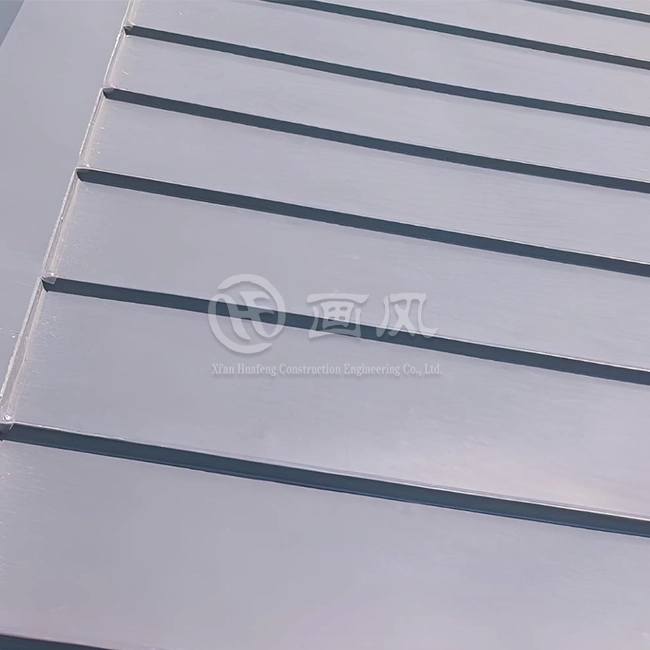
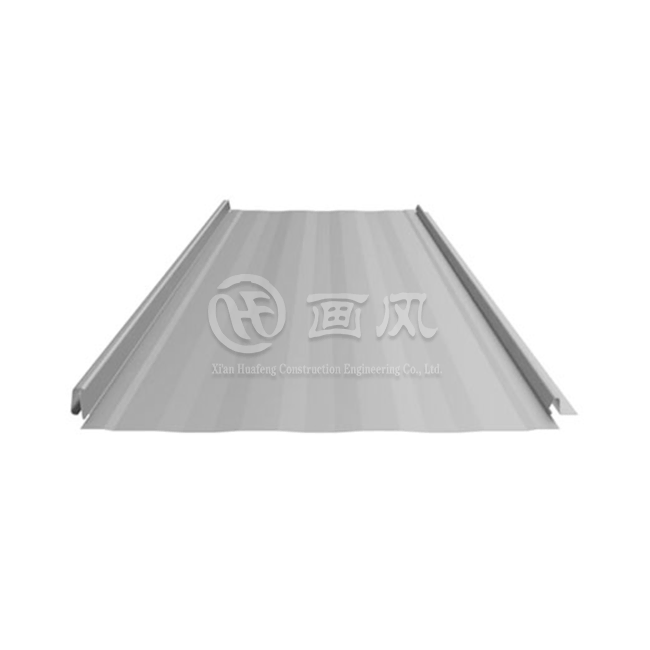
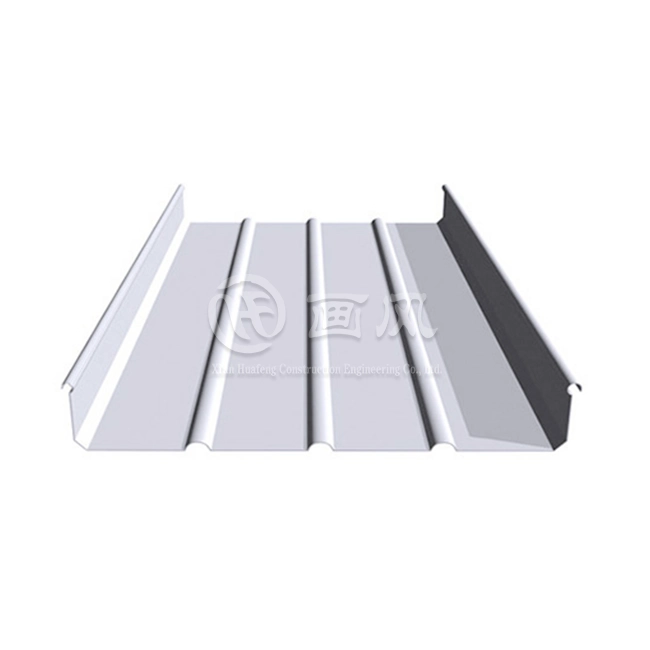
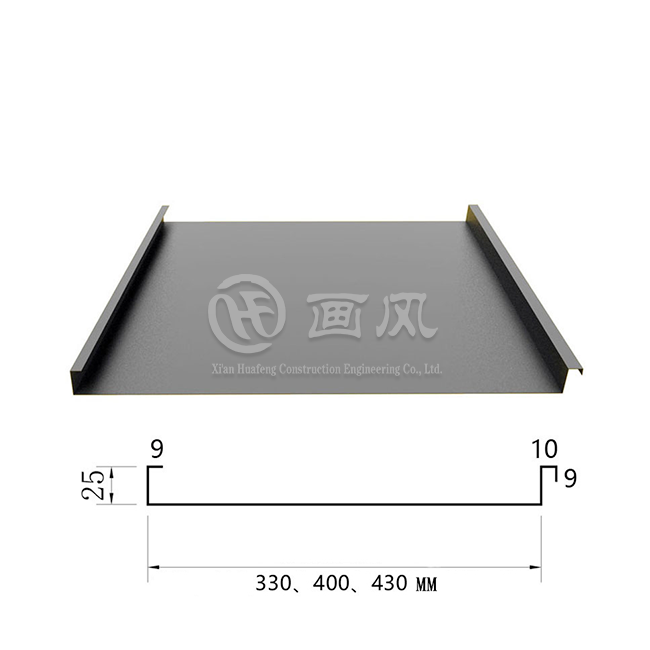
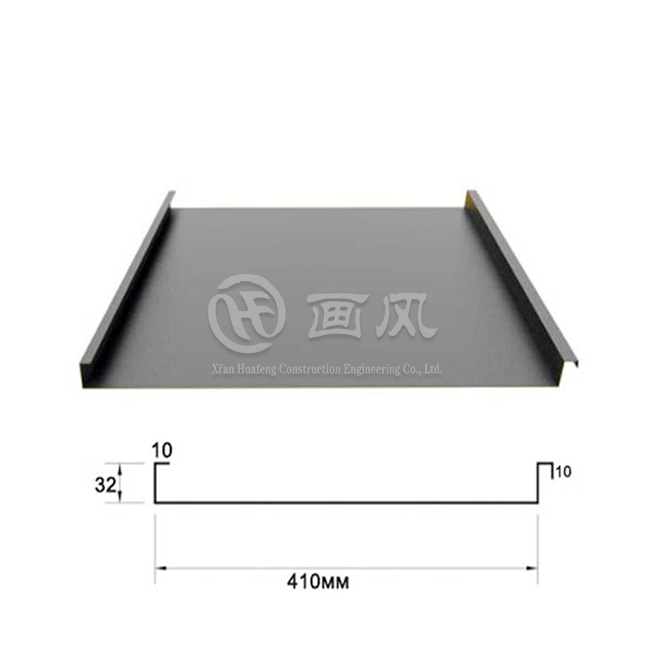
There are big differences between metal roofing designs in how they are engineered and how well they work in the field. Striated standing seam roof panels have vertical seams that rise 25 mm to 65 mm above the flat pan area. They also have parallel horizontal lines rolled into the panel surface to stop light from reflecting and reduce oil canning, which is a distortion of the view. Usually, these panels use hidden clip systems that let the panels expand and contract with changes in temperature without putting stress on the bolts. This keeps the panels watertight even when temperatures drop below or above 100°F. Galvalume steel (with an AZ50 or AZ55 coating) in 22-gauge or 24-gauge widths, aluminum alloys like 3003-H24, and zinc materials are all common bases. Each has its own corrosion protection and weight profile that works well in different climate zones.
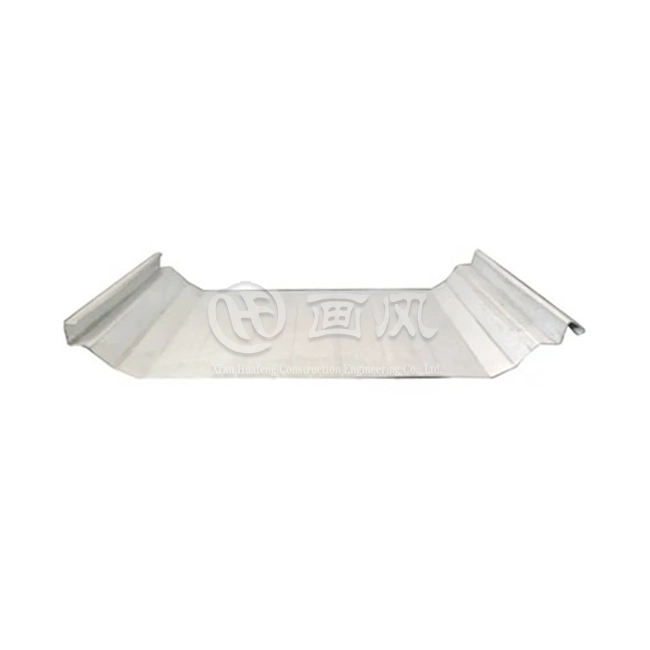
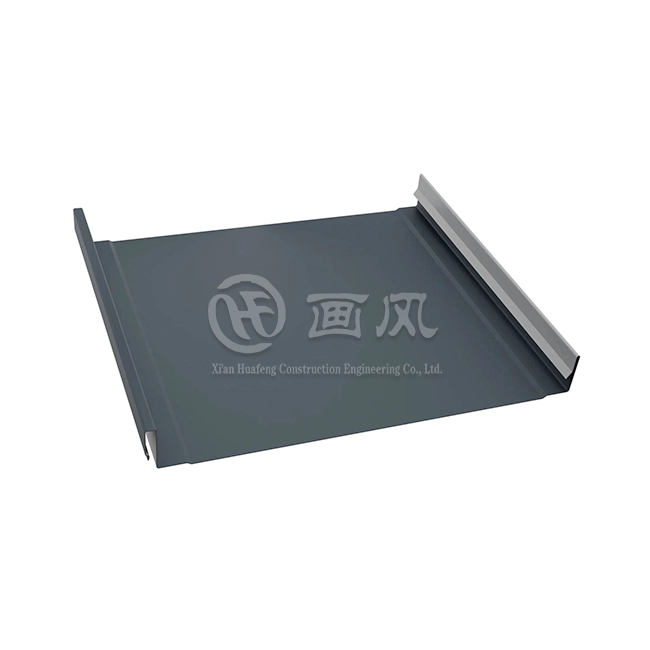
Snap lock panels have a mechanical connecting seam where the female leg of one panel snaps over the male leg of the next panel, making a 180-degree turn that can be compressed without the need for field seaming equipment. This design speeds up installation on simple roof shapes, but the weatherproofing is done by pre-applied sealant inside the female leg, which can wear off after long-term UV exposure or thermal cycling. When paired with factory-applied butyl tape and continuous clips, manually seamed striated panels can be ordered with slopes as low as 1/4:12. Snap lock systems, on the other hand, can handle slopes as low as 3:12. The types of materials that can be used for snap lock profiles are the same as those that can be used for standing seam profiles. However, because the seams are shorter than those on manually seamed profiles, wind uplift values are often lower.
In order to make striated standing seam panels, precise roll-forming equipment is used to press the striation pattern into the flat pan while also making the vertical seam legs. This extra step needs special roller dies, but compared to flat-pan profiles, it doesn't add a lot of time or money to the production process. When unique widths or colors are asked for, snap lock panels can be made faster because they don't need as many tools. Both types of panels can be finished with high-performance coatings like PVDF (Kynar 500) or polyester systems. PVDF coatings offer 20 years of color retention and chalk protection, which is important for keeping the look consistent across large roof areas that will be inspected by an engineer.
Performance and Functional Comparison
Durability measures are very important for business builders who have to deal with multi-year warranty responsibilities and the possibility of liquidated losses from project delays. Striated standing seam roof panels are better at resisting wind lifting forces because their seams are higher and they are attached with continuous clips. When put according to the manufacturer's instructions, they regularly get UL 580 Class 90 ratings and FM I-90 approvals. The striation pattern adds structural rigidity that keeps panels from bending in the wind, even in coastal or high-wind areas. This keeps fasteners from wearing out and seams from coming apart. Independent tests using ASTM E1592 show that mechanically seamed panels with 38mm rib height can survive static pressure differences of more than 150 psf without breaking. This is a very important level for business buildings in Miami-Dade and high-velocity storm zones.
Most snap lock panels get UL 580 Class 60 or Class 75 ratings, which are good enough for many commercial uses in the inland areas but might not be enough in places where building codes require higher uplift ratings. The snap joint is vulnerable to temperature cycling because it relies on friction and sealant. Over time, the repeated expansion and contraction can weaken the mechanical interlock. Field data from retrofit projects show that when snap lock seams are placed in high-temperature areas (roof surface temperatures above 160°F), the sealant breaks down more quickly. This lets water in at the seam ends and panel overlaps. This problem isn't a problem with striated standing seam systems because they have moving clips that keep thermal movement separate from the fastening system. This way, the seam stays compressed even when the temperature changes.
The differences in energy performance between the two systems are mostly due to the choice of coatings, not the shape of the panels. You can choose cool roof coatings that meet ENERGY STAR and CRRC standards for both striated standing seam and snap lock profiles. These coatings can reflect up to 70% of solar radiation, which lowers the amount of cooling that commercial buildings need. The air area between the metal panel and the insulation layer below it helps with heat resistance, but neither system has a natural R-value on its own; they both need extra insulation. Because their seams are higher, striated panels can hold thicker insulation assemblies. This lets continuous insulation techniques work, which gets rid of thermal bridging at structural frame members. Snap lock systems might need squeezed insulation at seams to keep panels from warping, which could lead to cold spots that make assembly less efficient overall.
Cost Analysis and Procurement Considerations
For striated standing seam roof panels, the starting price for materials is between $4.50 and $7.00 per square foot for 24-gauge Galvalume with a polyester coating. Prices go up to $8.50 to $12.00 per square foot for PVDF-coated aluminum alloys or specialty zinc materials. Prices for snap lock panels are a little lower, usually $3.80 to $6.20 per square foot for the same gage and coating. This is because they are easier to make and don't need as much seam-forming. These numbers don't include the cost of installation workers, flooring systems, and extras like ridge caps, valley flashings, and gutter trim, which add 30% to 50% to the total cost of installation. When buying in bulk for more than 50,000 square feet, you can often get project-level savings of 10% to 18%. This is especially true when multiple steps can be combined into container-load shipments that save money on freight costs.
Lifecycle cost analysis shows that striated standing seam systems are more valuable over 30-year service intervals because they need less upkeep and are less likely to break down early. Independent studies that looked at business roof performance over 20 years found that mechanically seamed panels need to be resealed or fasteners replaced about 60% less often than snap lock assemblies. This means that maintenance costs are saved an average of $0.35 per square foot per year. When exposed bolts are taken out of striated systems, typical failure modes like washer wear down, screw backup, and penetration leaks are stopped. These are the reasons why 40% of snap lock panel warranty claims are made in the first ten years. When figuring out the total cost of ownership, purchasing managers should weigh these long-term savings against higher initial material costs. This is especially important when choosing roofing for institutional clients like school districts or municipal buildings where budgets are predictable over many years.
Lead times depend a lot on the type of finish, the length of the panel, and the number of panels ordered. Standard striated standing seam panels in popular colors like white, gray, and tan are usually made in stock lengths of less than 40 feet and ship within 15 to 20 days of order approval, assuming the material is between 0.6mm and 1.2mm thick. Custom PVDF colors that are matched to RAL or Pantone specifications need an extra coating line to be set up, which adds 4 to 6 weeks to the delivery time. Snap lock panels are easier to make, and they usually ship 10 to 14 days after an order is placed. However, this benefit is lessened when you ask for lengths longer than 30 feet, which need special handling and transportation arrangements. Suppliers with more than one production facility that can make more than 1,000 tons of goods every month offer better supply continuity, which is very important for business projects that are completed in stages, since roof installation needs to happen at the same time as structure completion goals to avoid weather exposure fees.
Application Suitability: Matching Panel Types to Project Needs
Highly effective striated standing seam roof panels work best in large industrial warehouses, distribution centers, and factories with roofs that are more than 200 feet long on each side and have slopes ranging from 1/4:12 to 3:12. Because the panels can handle changes in temperature along long lengths without oil canning or seam distortion, they are perfect for low-slope uses in places where temperatures change a lot, like the upper Midwest, where daily changes in spring and fall temperatures are over 40°F. Architects who specify metal roofing for schools, churches, and government buildings like striated profiles because they can keep the roof's appearance consistent across complex geometries with hips, valleys, and multiple roof planes. This is because snap lock panels often show seam misalignment or fastener pattern visibility, which goes against the esthetic intent.
Snap-lock panels work great for retrofits where the current roof structure limits the amount of dead weight that can be used or where installation times are tight and speed is more important than life. Snap lock systems require less work from installers because they can connect panels without special seaming tools or access to electricity. This makes them useful for agricultural buildings, extra storage facilities, and covered recreational structures. Because snap lock profiles have a lower seam height, they can also be used in situations where architectural details, like standing seam wall panels or soffit conditions, need seams to be the same size on both vertical and horizontal surfaces. When purchasing for campuses with multiple buildings, procurement teams can save money by choosing striated standing seam panels for main buildings that need to be seen from a distance and have long warranties. On the other hand, they can use snap lock systems on smaller buildings where cost concerns are greater than performance benefits.
No matter what kind of panel you use, you need to be careful when choosing materials for coastal areas because salt spray speeds up corrosion on bases that aren't properly defined. Aluminum alloy striated panels with marine-grade PVDF coatings work well in business projects near the beach because they don't pit or lose their coating like zinc-coated steel products do when they are exposed to chlorides in the air all the time. When made from Galvalume or zinc-aluminum coated steel, snap lock panels need a thicker coating (at least 25μm on exposed surfaces) to have the same service life. This means that the materials cost more, which takes away from the system's cost advantage. According to ASTM B117 salt spray protocols, aluminum panels with the right surface preparation can withstand 6,000 hours of exposure and still have their structural integrity and coating adhere. This is equal to 20 years or more in harsh coastal areas where steel products usually fail within 12 to 15 years.
Making the Right Choice for Your Business
When commercial building envelope builders look at panel systems, they should make sure that the project's needs are met first, then the performance features of the panels are written down and tested by a third party. Buildings in high-wind areas or projects that have to meet FM Global loss prevention standards need striated standing seam roof panels with approved uplift rates and material test certificates that show they meet ASTM A653, ASTM B209, or other foreign standards that are similar. There are detailed shop drawings for professional-grade striated systems that show where the expansion joints, penetration flashings, and seam terminations are. This is another thing that sets them apart from common snap lock products that depend on field adaptation without engineering support. When negotiating supply agreements, purchasing managers should make sure that the manufacturers are still ISO 9001 certified and can provide full material traceability documentation, such as mill test certificates for substrate materials and independent lab reports for coating performance.
Value engineering tasks that figure out the pros and cons of beginning cost savings and operational risks are helpful for projects that are limited by money. If you replace certain striated systems with snap lock panels, you might save 15% to 22% on materials. However, this savings could be lost if the installation is more difficult on roofs with many holes, complex valleys, or tight specs around windows and mechanical curbs. In difficult geometrical situations, experienced installation teams can often finish mechanically seamed striated panels faster than snap lock systems. This is because the continuous clip method can handle small substrate irregularities without having to remove and replace the panel. Estimators should ask installers who are familiar with both systems for detailed labor productivity data. This should include crew size, equipment needs, and typical daily coverage rates that are adjusted for project-specific site conditions like roof height, access issues, and seasonal weather restrictions.
For business buildings that are owned by the same people, striated standing seam roof panels are better for long-term asset management because they last longer and cost less to repair. This is especially true for buildings that will be used for decades to come. Buildings that are meant to last 50 years need roofing systems that can last through multiple ownership changes without needing major repairs. This is a standard that snap lock assemblies rarely meet because the seams start to break down after 20 years. Using net present value calculations in financial models shows that the higher initial cost of striated panels equals their economic neutrality compared to snap lock options after about 17 years, taking into account differences in maintenance costs and expected replacement dates. Institutional clients like healthcare systems, educational facilities, and government agencies are asking for striated systems more and more as common features to lower the costs of ownership over time and lessen the damage to the environment caused by removing roofs too soon.
Conclusion
Striated standing seam roof panels offer better wind resistance, thermal insulation, and visual uniformity, all of which are important for business buildings that need to meet certification requirements and last for decades. Snap lock panels are faster to place on simple shapes, but they can't be used in high-exposure areas because they have lower uplift rates and seam longevity limits. When purchasing things, people who have to balance cost, performance, and time constraints should choose striated systems over snap lock applications for secondary structures where cost concerns are greater than expected longevity. This is because striated systems require documented testing compliance, complex roof configurations, or longer warranty coverage.
FAQ
1.Can striated standing seam roof panels meet LEED certification requirements?
Solar panels made from recycled steel or metal, coated with low-VOC materials, and able to reflect more than 0.65 percent of sunlight can help with both Heat Island Reduction and LEED v4 Materials and Resources points. It is easier to get certified in more than one credit category if you choose PVDF-coated panels with documented Environmental Product Declarations.
2.What minimum order quantities apply for commercial striated panel projects?
Most manufacturers have minimum orders of 500 square meters, which is about 5,380 square feet and equal to one metric ton. Container-load packages are the most cost-effective way to ship goods. They usually hold 18 to 22 tons of material, which is enough for roofing jobs that cover 90,000 to 120,000 square feet, based on the panel gage and width requirements.
3.How do delivery schedules accommodate phased construction timelines?
Reliable suppliers plan production runs around the installation dates of contractors and spread supplies out over several shipments to line up with goals for finishing the roof deck. Lead times are usually between 15 and 20 days for stock configurations and 4 to 6 weeks for custom colors or specialty alloys that need separate coating runs and quality checks.
Partner with HF for Certified Striated Standing Seam Roof Panel Supply
For industrial metal roofing buying to go smoothly, you need a production partner that can provide certified performance, reliable schedules, and full technical support. HF has three specialized production facilities with more than 40 precise roll-forming machines and seven advanced finishing lines. Each month, these facilities consistently make more than 1,000 tons of striated standing seam roof panels. Our panels meet international standards like ASTM, DIN, JIS, BS, and GB/T. They have also been tested and certified by SGS to meet environmental standards, fire safety standards (AS/NZS 1530.3), and durability standards (AAMA 2605). The profile sizes that are available are 25-330, 32-410, 45-400, and 65-400, and the widths range from 0.6mm to 1.2mm. They can be finished with PVDF or polyester finishes in a wide range of RAL and Pantone colors. Each system comes with a 30-year performance guarantee, detailed material test certificates, and shop drawing help for intricate details. As a qualified manufacturer of striated standing seam roof panels, we serve commercial contractors all over North America. We deliver container-load shipments within 15 to 20 days of receiving your order, helping you stay on schedule with your project. For more information on why top envelope builders choose HF for mission-critical industrial roofing applications, please email huafeng@hfmetalroof.com or visit hfmetalroof.com and ask for technical datasheets, project-specific prices, and sample panels.
References
1. Metal Construction Association, "Technical Guidelines for Standing Seam Metal Roof Systems," MCA Technical Bulletin Series, 2022.
2. American Architectural Manufacturers Association, "AAMA 2605-22: Voluntary Specification, Performance Requirements and Test Procedures for Superior Performing Organic Coatings on Aluminum Extrusions and Panels," 2022.
3. FM Approvals, "Approval Standard for Class 1 Insulated Steel Deck Roofs (FM 4471)," Factory Mutual Insurance Company, 2021.
4. ASTM International, "ASTM E1592-17: Standard Test Method for Structural Performance of Sheet Metal Roof and Siding Systems by Uniform Static Air Pressure Difference," West Conshohocken, PA, 2017.
5. National Roofing Contractors Association, "Metal Panel Roof Systems Design Manual," NRCA Publications Department, 2023.
6. Underwriters Laboratories, "UL 580: Standard for Tests for Uplift Resistance of Roof Assemblies," Northbrook, Illinois, 2020 Edition with 2022 Revisions.





YOU MAY LIKE
_1768552571575.jpg "Aluminium Fascias")