Striated Standing Seam Roof Panel SGS Testing: What Does It Prove?
2026-08-25 19:03:08
When we specify metal roofing systems for large-scale commercial projects, one question consistently surfaces during procurement reviews: what does SGS testing actually prove about striated standing seam roof panel performance? The answer directly impacts project risk, warranty validity, and long-term building integrity. SGS testing validates that these textured metal panels meet stringent international standards for fire resistance, environmental safety, and coating durability—three non-negotiables when architects, general contractors, and building owners evaluate envelope systems for schools, retail centers, and office complexes across North America.

Introduction
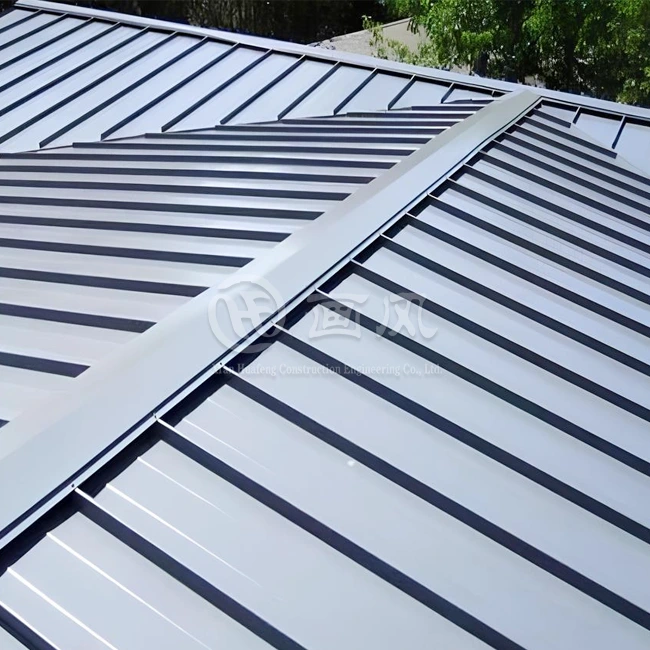
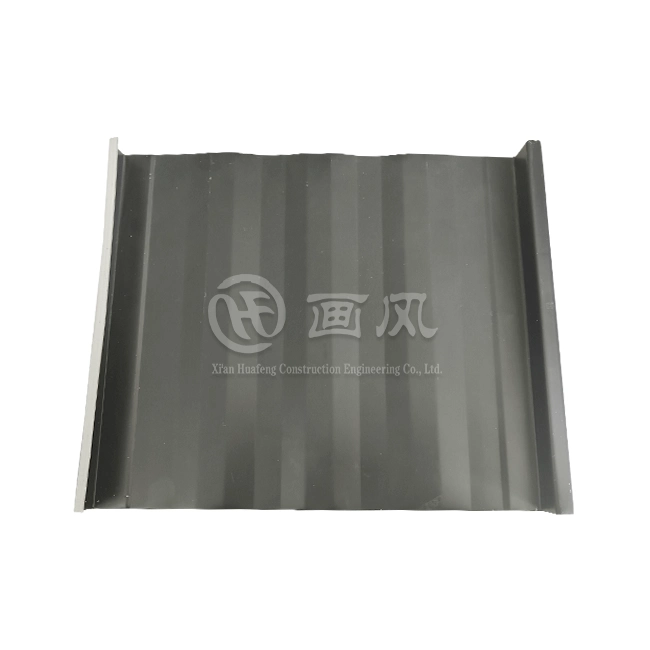
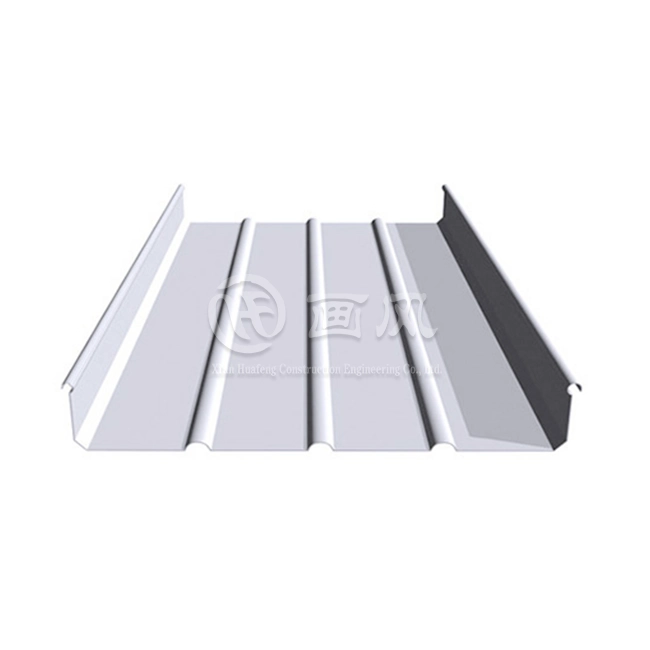
Striated standing seam roof panels have the proven weathertightness of concealed-fastener metal roofing and a unique lengthwise groove design that solves the problem of oil cans not being visible in the industry. These textured profiles are popular in business building covering projects because they hide the thermal expansion stresses that flat-pan metal roofs have while still giving the building clean lines. These performance claims are largely backed up by SGS testing, which certifies the integrity of the materials and structures in a way that is independent and recognized around the world.
It is getting harder and harder for procurement managers and estimators working on medium to large commercial projects to show that they are following building codes, insurance company rules, and architect specifications. SGS certification is a reliable standard that speeds up the approval process, meets government requirements, and lowers the risk of buying something. When a standing seam panel has verified SGS test results that cover things like how it burns, the amount of hazardous substances that can be present, and how long the coating lasts, choosing a seller stops being a guess based on price and becomes a data-driven choice that protects project schedules and budgets.
Understanding SGS Testing for Striated Standing Seam Roof Panels
SGS is one of the most important testing and certification bodies in the world. They do thorough tests on metal roofing panels to make sure they work properly and follow the rules. B2B clients use the organization's laboratory network to do evaluations that help them choose providers and negotiate contract terms. As part of the testing procedures, the strength of the structure is checked under simulated wind loads, its resistance to weathering is tested through accelerated aging cycles, and its material quality is checked for use in ornamental metal applications.
As part of the certification process, representative panel samples are sent to SGS facilities, where experts test the material using standard methods that are accepted on all foreign markets. Burning tests find out how likely something is to catch fire, how quickly it spreads, how much heat it gives off, and how much smoke it makes. These are all very important pieces of information for building officials who are looking over construction documents. As part of environmental compliance testing, heavy metals, phthalates, and other substances that set off regulatory alarms in business building are looked for. Coating performance tests check how well the coating sticks, how resistant it is to chemicals, how stable the color is, and how flexible it is under stress. These are all things that decide how long a roofing system will last or if it will fail early.
The SGS approval lets people who buy things know that the panels meet or go beyond the standards set by groups like ASTM International, the American Architectural Manufacturers Association, and European standards bodies. This validation by a third party makes it easier to get approval from building departments, insurance companies, and design teams that need proof beyond what the maker says.
What SGS Testing Proves About Striated Standing Seam Roof Panel Performance
Fire Safety and Building Code Compliance
According to AS/NZS 1530.3:1999 guidelines, our most recent SGS combustion tests on 3003H24 aluminum panels coated with PVDF showed that they were very good at keeping fires out. Six samples were put through a test with controlled ignition sources to measure four critical combustion indices. On a range from 0 to 1, the results showed that there was no ignition index, no flame spread, no heat release, and very little smoke growth. During the test session, none of the samples caught fire. Instead, they only showed surface discoloration, with no flame spread or heat release. These tested measurements meet the standards of the building code for non-combustible roof assemblies used in business construction in areas prone to fire and in buildings with a lot of people, like schools and shopping malls.
Environmental Safety and Green Building Standards
The SGS environmental compliance testing confirmed that our 5052H26 aluminum striated standing seam roof panel meet the standards of the EU RoHS Directive 2011/65/EU. The testing looked for ten banned hazardous substances. Laboratory tests using ICP-OES, UV-Vis, and GC-MS confirmed that the amount of lead in the sample was only 10 mg/kg, which is much lower than the 1,000 mg/kg limit. Mercury, cadmium, hexavalent chromium, brominated flame retardants, and four phthalate compounds were not found. This certification is important if you want to get LEED points, meet sustainability requirements set by your owner, or sell to countries with strict environmental laws. This paperwork is helpful for purchasing managers because it avoids delays caused by regulations and shows that the company is responsible in choosing materials.
Coating Durability and Long-Term Performance
The AAMA 2605-22 coating performance test set looked at thirteen important factors on 3003H24 aluminum that had a PVDF fluorocarbon finish. The results showed that the colors were very evenly distributed, with a delta E value of 0.3, a dry film hardness rating of F, and maximum adhesion scores of 5B in both dry and boiling water. When tested for chemical protection, hydrochloric acid, mortar, and cleansers did not cause any blistering. The impact strength test showed no breaking or delamination, and the flexibility test at a 0T bend radius showed that the coating did not fail. Our 30-year guarantee is backed by these confirmed measures, which show that the coating can resist weathering, mechanical stress, and chemical exposure over many years of use.
These test results are useful for more than just checking boxes for regulations. Coatings that don't scratch easily in the field are helpful for installation teams, since scratches are a common reason why warranties on big business projects are canceled. The people who work on buildings like surfaces that look good without needing to be cleaned all the time. Owners can be sure that the roof surface will last as long as it's supposed to without prematurely fading, chalking, or corroding, which would require expensive repair projects.
Comparing SGS-Tested Striated Standing Seam Panels with Other Roofing Solutions
We found that our SGS-tested panels are better than other types of roofing materials in terms of performance metrics that affect the total cost of ownership. When builders look at traditional smooth-pan standing seam systems without striations, they often don't like the obvious oil-canning, which means expensive panel replacements or project delays. Corrugated metal roofing doesn't keep out the weather as well as concealed-fastener systems do, and the fasteners can come loose over time. Alternatives to asphalt shingles need to be replaced every 15 to 20 years, which creates waste and ongoing capital costs that lower the lifecycle value.
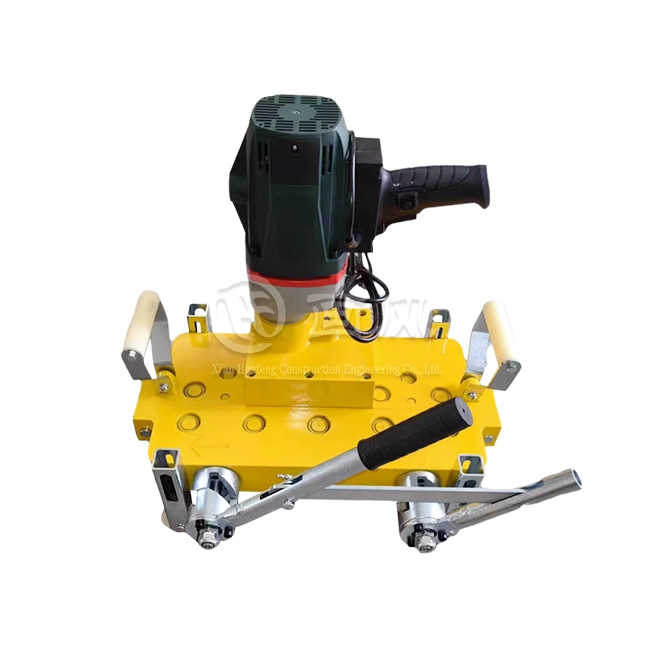
The SGS data shows that there have been material innovations that make goods last longer than competing items. We can prove that our panels meet many international standards, such as ASTM, DIN, JIS, BS, and GB/T, because the striated pattern makes the structure stronger and less likely to bend when they're hit by wind. With three plants, seven lines, and more than 40 machines, we can consistently control quality across thickness ranges from 0.6 mm to 1.2 mm. This is important for seaming machines that need to contact panels during field installation without having to wait for adjustments.
What Procurement Managers and Engineers Should Look for in SGS-Tested Striated Standing Seam Roof Panels
Material Specifications and Testing Documentation
To do a good job of procurement, you must first understand the technical details that are written down in SGS reports. Material grade names, such as 3003H24 or 5052H26 for aluminum alloys, show certain mechanical properties that affect how easy they are to shape and how well they resist corrosion. The coating specs that tell the difference between PVDF fluorocarbon and PE polyester finishes show whether a panel's color will last 25 years or fade in 10 years. Tolerances in thickness between 0.6 mm and 1.2 mm affect how well the structure works and whether it can be used with seaming machines.
Instead of summary certificates, ask for copies of the actual SGS test reports. Reports with lots of information include how the tests were done, how the samples were prepared, what the setting was like during the review, and numbers for each parameter. This paperwork backs up talks about value engineering, helps estimators figure out how much a project will really cost, and gives you something to use when you're discussing prices with other sellers.
Supply Chain Capabilities and Project Scheduling
SGS approval is useless if the company that made the striated standing seam roof panel can't supply them on time and in good quality every time. Our monthly production capacity of 1,000 tons and delivery time of 15 to 20 days are in line with business project schedules that have penalty terms for material delays. Minimum order quantities of 500 square meters cover most project sizes for schools, shopping malls, and office buildings without forcing buyers to buy too much inventory.
Check to see if a supplier keeps enough raw materials on hand, runs multiple production lines to accommodate changes in schedule, and has set up logistics networks for shipping containers. Manufacturers who plan production runs around shipping dates save money on demurrage charges and storage costs at job sites, which is helpful for projects that need full trucks or containers.
Future Trends and Innovations in SGS Testing for Standing Seam Roofing Panels
As new performance standards come up in commercial construction, SGS keeps improving its testing methods. Modern simulation technologies can now model decades of weathering exposure in a short amount of time, giving us information about how coatings break down in advance. Sustainability-focused metrics built into certification standards check for things like embedded carbon, recycling rates, and the effects of the manufacturing process. Architects who want to get net-zero building certifications are increasingly asking for these data points.
Responding to the need for climate protection, new products in striated metal roofs are being made. Better coating formulas reflect more sunlight, which lowers the need for cooling in hot places. New alloy technologies make areas that get more violent weather events more resistant to hail. Changing the shape of the panels makes them better at shedding water on low-slope situations where the pitch is less than the standard 3:12.
Strategies for buying things should include partnerships between suppliers and manufacturers that keep their SGS certification programs active. Testing all the time makes sure that the quality of the production stays the same across different lots of materials, batches of coating, and plant sites. Suppliers who pay for regular recertification show that they are committed to quality systems that keep buyers safe from claims of defective materials, project delays, and warranty disputes.
Conclusion
With SGS testing, buying metal roofs stops being a guessing game and starts being based on facts. It's easier to choose providers for business building envelope projects when you have access to verified combustion indices, environmental compliance data, and coating performance measures. Procurement managers get documents that can be used as proof, which pleases building officials, insurance companies, and design teams. Installers benefit from consistent material quality, which cuts down on problems in the field. The roofs that buildings owners get come with 30-year performance promises backed by test data. Buying striated standing seam roof panel is a good idea because they lower project risk, make approvals easier, and have been shown to have long-term value.
FAQ
1.What SGS certifications should I expect from reliable suppliers?
Reliable makers give results on combustion tests that meet AS/NZS or ASTM standards, environmental compliance paperwork that covers RoHS or REACH directives, and coating performance data that is approved under AAMA 2605 protocols. Instead of summary awards, ask for full test records that include material grades, sample specs, testing dates, and numerical results.
2.How does SGS testing influence warranty coverage?
Third-party verification backs up warranty claims by showing how well the material normally works. When SGS data shows that coating adhesion, chemical resistance, and color stability meet industry standards, manufacturers can confidently offer longer warranties. When both sides use objective test results instead of subjective assessments, warranty disputes go down.
3.Can SGS certification reduce project costs and risks?
SGS paperwork speeds up the approval process for permits, lowers the number of times submissions are turned down, and stops expensive material changes from being found during installation. Projects avoid schedule delays caused by materials that don't meet standards. If a roof system has verified fire ratings and environmental compliance certifications, insurance companies may offer better terms.
Partner with HF for SGS-Certified Striated Standing Seam Roof Panel Solutions
HF offers standing seam metal roofing that has been tested by SGS and comes with full performance paperwork and a dependable supply chain. We offer a range of striated panels with different profiles, such as 25-330/400/430, 32-410, 45-400, and 65-400/430. These panels are made in thicknesses ranging from 0.6mm to 1.2mm and can be coated with either PVDF or PE. With three plants that can produce 1,000 tons of steel every month, deliveries are always made within 15 to 20 days of an order being confirmed, which helps meet tight business building schedules.
We provide full technical support, which includes Material Test Certificates, warranty paperwork for coatings, and installation instructions that make project coordination easier. Our team helps you choose panels, match colors from the RAL and Pantone systems, and make detailed suggestions for roofs with complicated shapes. We offer reasonable pricing on striated standing seam roof panels for jobs bigger than 500 square meters. This makes us a good choice for builders working on retail, school, and office buildings.
You can email our technical experts at huafeng@hfmetalroof.com or visit hfmetalroof.com to get quotes for your specific project, look through our full library of SGS test reports, and talk about how our 30-year warranty program covers your industrial roofing investments. Within 24 hours, our procurement team replies with thorough proposals that are made to fit the needs of your project and delivery schedule.
References
1. American Architectural Manufacturers Association (AAMA). AAMA 2605-22: Voluntary Specification, Performance Requirements and Test Procedures for Superior Performing Organic Coatings on Aluminum Extrusions and Panels. 2022.
2. ASTM International. ASTM E1592-17: Standard Test Method for Structural Performance of Sheet Metal Roof and Siding Systems by Uniform Static Air Pressure Difference. West Conshohocken, PA: ASTM International, 2017.
3. Standards Australia/Standards New Zealand. AS/NZS 1530.3:1999: Methods for Fire Tests on Building Materials, Components and Structures - Simultaneous Determination of Ignitability, Flame Propagation, Heat Release and Smoke Release. 1999.
4. European Parliament and Council. Directive 2011/65/EU on the Restriction of the Use of Certain Hazardous Substances in Electrical and Electronic Equipment (RoHS), as amended by Directive (EU) 2015/863. Official Journal of the European Union, 2015.
5. Metal Construction Association. Technical Bulletin: Metal Roof Panel Design Guide for Standing Seam Systems. Glenview, IL: Metal Construction Association, 2021.
6. SGS SA. Industrial Testing Services: Building Materials and Construction Products Certification Protocols. Geneva: SGS Group, 2024.





YOU MAY LIKE