White Standing Seam Roof OEM Supplier Guide for Large-Scale Construction
2026-08-25 19:03:07
Procurement managers are increasingly turning to white standing seam roof systems when finding roofing solutions for large-scale commercial or industrial projects. The systems use high reflectivity white coatings and hidden fastening technologies for improved energy performance and durability. Selecting the appropriate OEM supplier significantly affects project lead times, certification compliance and operating cost savings. This guide will take you through important decision variables, supplier assessment criteria and technical requirements to help you choose dependable, certified metal roofing that fulfils stringent cool roof standards and project budgets.

Understanding White Standing Seam Roofs: Key Features and Benefits
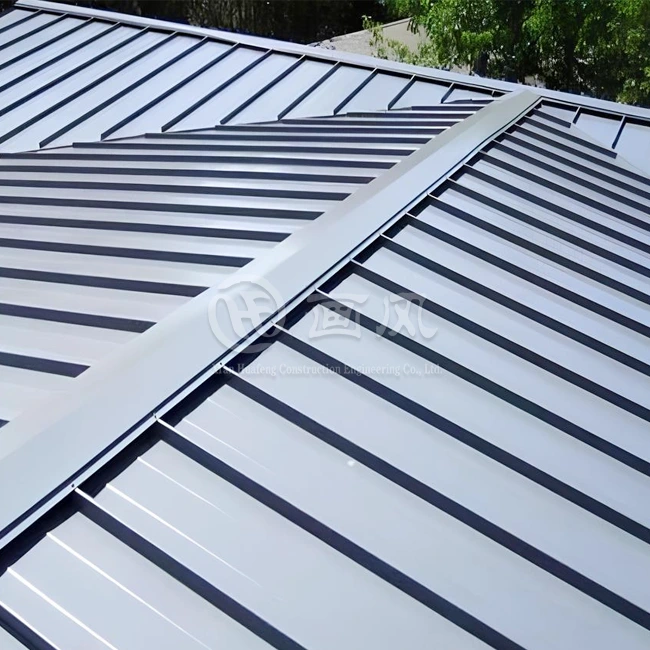
Modern building roofing systems need to be able to combine performance, appearance and durability. Standing seam metal roofing achieves this by employing panels that fit together and are fastened by vertical elevated seams. This keeps any fasteners that may be damaged by the weather out of sight. For practical and legal reasons, the white colour code is utilised. PVDF or PE coatings with matte or gloss finishes reach SRI values normally above 70, satisfying the standards of ENERGY STAR, LEED and Cool Roof Rating Council (CRRC), which are vital for obtaining energy-efficient building certifications.
Superior Energy Efficiency and Thermal Performance
White painted surfaces absorb up to 70 to 80 percent less solar heat. That means businesses such as offices, retail malls and factories don’t have to chill down quite as much. And in high temperature locations, such as the southern United States, the Middle East and Australia, this thermal advantage is even more important, since the top of a dark roof may reach above 160°F. The mirror surface prevents overheating of the underlying insulation and structural elements. That extends the life of the whole roof assembly and reduces HVAC operating costs by 10 to 25 percent each year in warm months.
Durability and Structural Integrity
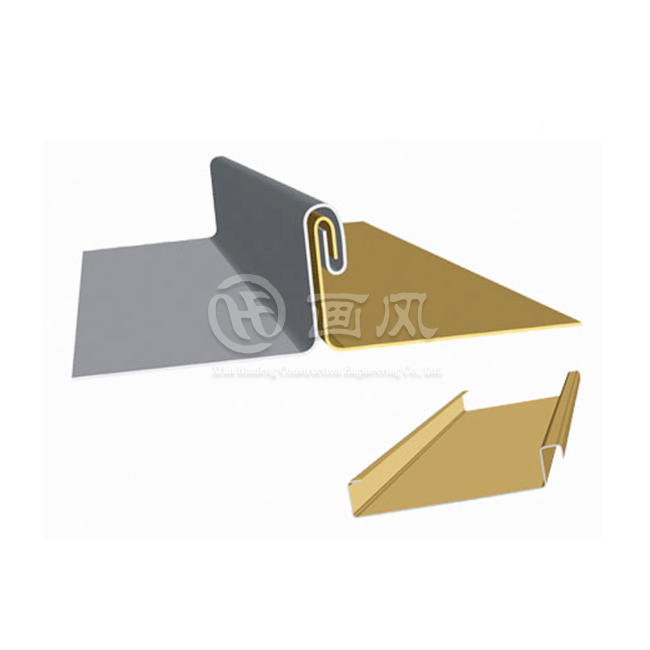
Metal panels with a PVDF surface treatment won't chalk, fade, or yellow over time, unlike asphalt shingles or membrane systems that break down when exposed to UV light. The hidden clip system lets the roof expand and contract with the weather without putting stress on the fastener points. This gets rid of the main way that screw-down metal roofs leak. Panels made to ASTM, DIN, JIS, BS, or GB/T standards can withstand wind uplift pressures up to UL 90 classification. This means they can be used in coastal areas and hurricane-prone areas where structural performance must not be compromised.
Environmental and Certification Advantages
One of the best things about metal roofing is that it can be recycled 25–95% of the time, and it can be fully recovered at the end of its life, which helps you get LEED Material and Resources credits. The white finish helps with strategies for reducing urban heat islands that are being needed by city building rules more and more. Building owners can add photovoltaic panels without voiding their roof guarantees as long as they are compatible with non-penetrative solar mounting systems. This creates dual-use building envelopes that produce energy while lowering consumption. Because of these things, metal standing seam roofs are seen as investments in the future rather than just protective covers.
How to Choose the Right White Standing Seam Roof OEM Supplier
When choosing an OEM manufacturing partner, you need to look at a lot of technical, operational, and financial factors. If you don't pick the right providers, you could end up with problems like late supplies or gaps in certification that stop project approvals.
Certification and Quality Standards Verification
Ask for proof that the product meets internationally accepted standards. Suppliers should show test records from a third party that confirm the SRI values, coating thickness (usually between 0.7 and 0.80 mil PVDF topcoat), and color stability between runs of production. CRRC certification is still required for projects that need to follow cool roof rules; check that the supplier's specific product code is listed in the CRRC Rated Products Directory instead of believing general claims. Certifications like ISO 9001 and ISO 14001 show that a company is serious about quality management and caring for the environment. This makes it less likely that white finishes will vary from batch to batch or become contaminated while being stored or handled.
Production Capacity and Supply Chain Reliability
Large-scale projects need sources with the right manufacturing ability and methods for keeping track of their stock. Single-point-of-failure risks are lower when a supplier has multiple production lines spread out across several facilities. Most business building plans work with lead times of 15 to 20 days and the ability to produce 1000 tons per month, but make sure the supplier can keep up this level of output during busy times. Being open about where raw materials come from, especially where Galvalume or metal substrates come from, helps figure out how vulnerable a supply chain is to problems. Suppliers who keep clean room standards for storing white panels show that they are aware of the risks of contamination that cause complaints in the field about soiling that was already there.
Warranty Structure and After-Sales Support
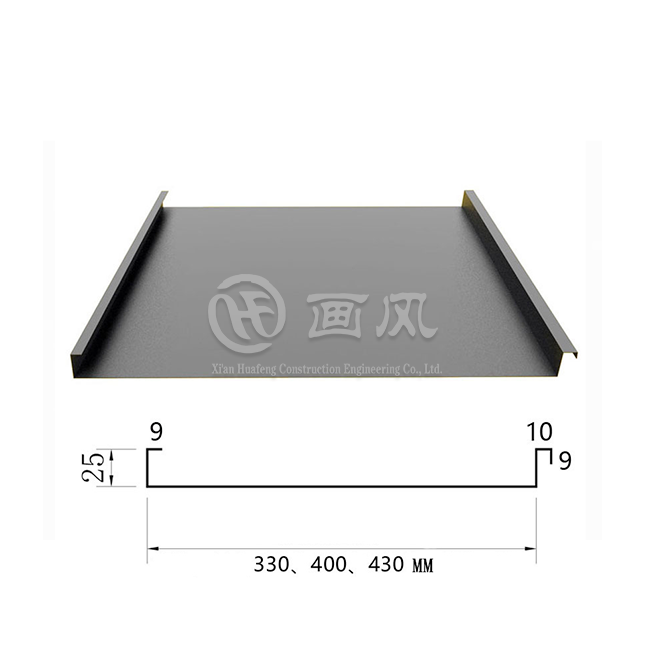
A 30-year warranty shows that the maker is confident, but you need to read the exclusion terms carefully. Tell the difference between structural warranties that cover base rust and paint warranties that cover color fade and film integrity. Check to see if the warranty can still be transferred to new building owners, which would increase the value of the property when it comes time to sell. Responding to technical questions during the specification phase helps avoid expensive design mistakes. Suppliers who offer engineering help for thermal movement calculations, seam height selection (with choices ranging from 25mm to 65mm), and clip spacing suggestions add real value beyond just providing the white standing seam roof product. For warranty claims after the sale, there should be clear procedures, acceptable reaction times, and a desire to do field inspections when there are problems.
Installation, Maintenance, and Performance Optimization for White Standing Seam Roofs
Whether or not a roofing system lasts as long as it was meant to depends directly on how well it was installed. When fitting methods leave holes in the materials, even high-end materials fail.
Installation Best Practices and OEM Collaboration
Installing concealed fastener systems requires trained professionals who know how to place clips, work with seam tolerances, and handle panels in a way that doesn't damage the finish. OEM suppliers should include installation guides that explain the right substrate conditions, underlayment needs, and seaming tool settings for mechanical or snap-lock profiles. The handling flexibility and oil canning susceptibility of a panel depend on its thickness, which ranges from 0.6mm to 0.8mm. Thickner gages reduce visible waviness but require more durable seaming equipment. A technical representative from the supplier and a roofing contractor should meet before the installation to make sure that everyone is on the same page about what is expected, that the staging areas for the materials are clean, and that the installers know how to deal with thermal expansion, which is especially important for panels that go along long roof runs.
Routine Maintenance and Inspection Protocols
Metal roofing doesn't need as much upkeep as membrane systems, but ignoring it will make it fail faster. Every year, inspections should check the integrity of the seams, the safety of the clips, and the condition of the flashing at the edges and penetrations. Soft washing white finishes every two years with mild detergents is a good way to get rid of biological growth, industrial fallout, or salt layers that make them less reflective over time. Keeping the design SRI values the same protects the energy savings that make the extra cost of the original investment worth it. Keep track of all the repair work and inspection results to back up guarantee claims and show building energy auditors that you did your homework during the LEED recertification process.
Performance Optimization Through Advanced Specifications
When you put white metal roofing on top of high-performance insulation, the two work together to make the house warmer. When the roof is cool, there is less of a temperature difference between the layers of insulation. This means that thinner insulation profiles can have the same R-values as dark roofing sections. Adding ventilated cavities between metal panels and roof decks improves thermal performance even more by encouraging airflow that gets rid of leftover heat. Some OEM suppliers offer factory-laminated insulation or acoustic damping layers that are bonded to the undersides of panels. This makes installation easier and reduces noise in buildings that are sensitive to rain noise.
Cost Analysis and Procurement Insights for Large Projects
When managing a budget for a big roofing job, you need to know more than just the price per square foot of the materials.
Comprehensive Cost Breakdown
The price of materials for white standing seam systems ranges from $3.50 to $6.50 per square foot, based on the type of substrate (Galvalume vs. aluminum), the coating (PVDF costs more than polyester), and the complexity of the panel shape. Installation costs an extra $2.50 to $5.00 per square foot, depending on the shape of the roof, its height, and the wage rates in your area. For most business projects, a minimum order quantity of 500 square meters (about 5,380 square feet) is sufficient to get volume discounts. For bigger commitments topping 10,000 square meters, custom color formulations or exclusive specification support may be necessary. Transportation and operations for foreign sourcing can add 8–15% to landed costs, based on how close the port is and how well customs works. Take into account extra parts like trim, caps, clips, and seals, which together make up 10–12% of the panel costs but are necessary to keep water out of the system.
Procurement Strategy and Contract Negotiation
When you work directly with OEM manufacturers, you avoid the 20–35% markups that distributors add, which makes this method appealing for projects bigger than 50,000 square feet. Carefully look at the payment terms: inspection holds and staged payments linked to output goals protect against goods that don't meet standards while keeping the supplier's cash flow going. Ask for material test certificates, color batch confirmations, and chances to inspect items before they are shipped so that problems can be found before they go across the ocean. Negotiate clear delivery terms using Incoterms (FOB, CIF, DDP) that spell out who is responsible for what during shipping. Also, set aside extra time beyond the stated 15–20-day production times to account for delays at the port or in customs. Including a 5% overage in contracts as a contingency stock option stops small mistakes or damage during installation from throwing off project plans for white standing seam roof.
Future Trends and Innovations in White Standing Seam Roofing for Commercial Construction
As material science improves and new building technologies are added, the metal roofing business continues to change.
Advanced Coating Technologies
Nano-ceramic particles added to next-generation fluoropolymer formulations make them more resistant to dirt and keep their higher reflectivity between cleaning cycles. Self-healing coating chemicals that are now available on the market fix small scratches by rearranging molecules caused by thermal cycling. This keeps the finish's integrity even when it's being installed or handled roughly. Suppliers studying bio-based coating resins want to lower volatile organic compound emissions during production while keeping performance levels the same as traditional PVDF systems. This makes them appealing to projects that want to get Living Building Challenge certification or meet strict indoor air quality standards.
Integration with Smart Building Systems
Metal roofs are being used more and more as bases for photovoltaics that are built into buildings. Clamp systems made by manufacturers can hold solar panels in place without drilling into the roof. Embedded sensor networks keep an eye on how much wetness gets in at seams, how the structure moves, and how well it keeps heat in real time. They send this information to building management systems so that they can plan ahead for repair. Some suppliers make phase-change material laminates that are put on the bottom of panels. These laminates store extra heat during the day and slowly release it at nite, which keeps indoor temperatures from swinging too much and lowers the number of times the HVAC system has to cycle.
Regulatory Compliance and Sustainability Imperatives
As energy rules like California Title 24 and the International Energy Conservation Code (IECC) get stricter, they raise the minimum levels of reflectivity that roofs must meet. This makes the market for cool roof goods bigger. In order to meet demands for carbon footprint openness, suppliers have to put out Environmental Product Declarations (EPDs) that list the amount of carbon that is contained in their products during the extraction, production, and shipping processes. When manufacturers put money into closed-loop water recycling systems and renewable energy for their factories, they set themselves apart as partners for net-zero building projects that look at both operating performance and supply chain emissions.
Conclusion
Choosing a skilled white standing seam roof OEM provider is one of the most important parts of building energy-efficient businesses. Give more weight to suppliers who can show that they have the right certifications, a lot of production capacity across multiple facilities, and a full warranty with helpful technical support. Knowing everything about the costs, from the materials needed to the labor needed for installation to the upkeep needed over time, helps you make accurate budget predictions and compare values. As rules get stricter and people become more concerned about sustainability, metal roofing systems that have been shown to perform well in cold weather, last a long time, and work with renewable energy sources are smart investments. Due diligence on suppliers protects project timelines, makes sure cool roof rules are followed, and provides measurable operational savings throughout the lifetime of the building.
FAQ
1.What SRI value should I specify for LEED compliance?
For low-sloped roofs (pitch ≤ 2:12) and steep-sloped roofs (pitch > 2:12) to get Cool Roof points under LEED v4.1, the SRI must be at least 82. Usually, white PVDF-coated metal roofing gets SRI values between 80 and 95, which is well below these limits. Instead of making assumptions about the material class based on general rules, you should always ask for CRRC-certified test data that is specific to the product.
2.How does panel thickness affect performance and cost?
When compared to 0.6mm panels, 0.8mm panels are better at resisting oil canning, which is a noticeable wave that shows up most on big, flat surfaces, and they are also better at resisting wind lifting. The cost increase is about 12 to 18%, but it may be necessary for uses that care about how they look or places that are exposed to a lot of wind. Thinner gages are enough for projects that care more about saving money than making things look better.
3.Can I install solar panels without voiding the roof warranty?
Most manufacturers approve of non-penetrative clamp systems that can be attached to standing seams without drilling. This keeps the waterproofing intact and keeps the warranty valid. Before you install the solar mounting system, make sure you have written proof from the seller that it meets the terms of their guarantee. This compatibility is a big plus over membrane roofing, which needs a lot of ballasting or penetrating attachments.
Partner with HF for Certified White Standing Seam Roof Solutions
HF (Xi'an Huafeng Construction Engineering Co., Ltd.) makes white standing seam roofing systems that are perfect for construction projects that need to be very energy-efficient. Seven coating lines and more than 40 specialized machines are used in our three production facilities to make panels with PVDF or PE finishes that meet ASTM, DIN, JIS, BS, and GB/T standards. The panels come in a range of seam profiles, such as 25-330/400/430, 32-410, 45-400, and 65-400/430. We keep up a production capacity of more than 1000 tons per month, with lead times of 15 to 20 days and a 30-year guarantee. We are a white standing seam roof maker with first-level building curtain wall qualifications and ISO9001 and ISO14001 certifications. Our goods are CRRC-compliant and meet the requirements of LEED and ENERGY STAR projects. You can email our team at huafeng@hfmetalroof.com to talk about the details of your project, get SRI certification paperwork, or set up technical consultations. Visit hfmetalroof.com to see all of our products and learn how our technical help can speed up the buying process while making sure you meet all requirements and get good performance.
References
1. Cool Roof Rating Council. (2023). Product Rating Program Manual. Cool Roof Rating Council Publications.
2. U.S. Green Building Council. (2022). LEED v4.1 Building Design and Construction Guide. USGBC Press.
3. Metal Construction Association. (2021). Technical Bulletin on Standing Seam Metal Roof Systems. MCA Technical Publications.
4. American Society for Testing and Materials. (2020). ASTM E1980 Standard Practice for Calculating Solar Reflectance Index of Horizontal and Low-Sloped Opaque Surfaces. ASTM International Standards.
5. Department of Energy. (2023). Commercial Building Energy Efficiency Standards and Cool Roof Technologies. DOE Energy Efficiency Publications.
6. International Code Council. (2021). International Energy Conservation Code: Commercial Building Roof Requirements. ICC Building Codes Division.





YOU MAY LIKE
_1769761215912.webp "Ventilation noise reduction net")