Striated Metal Roof Panels: How to Evaluate Coating Performance
2026-08-25 19:03:05
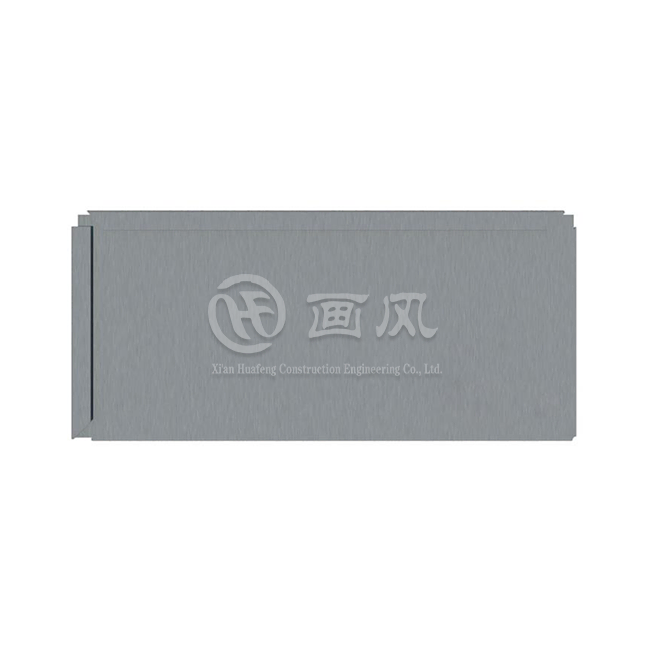
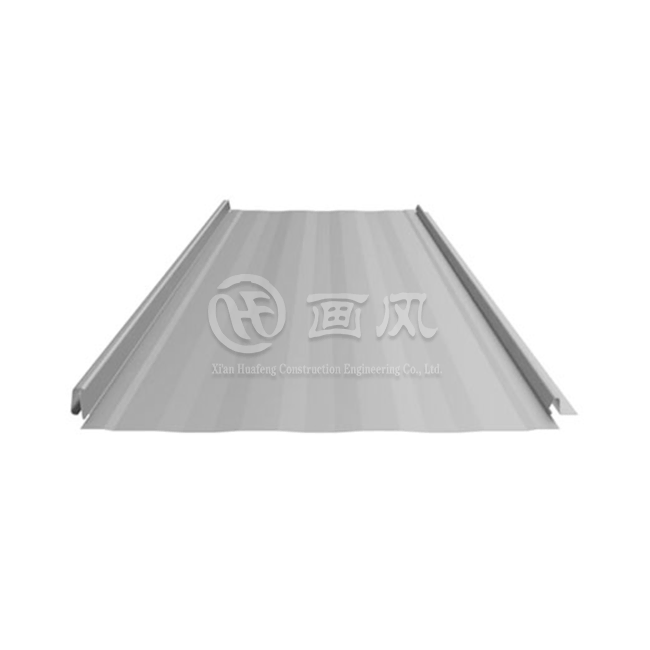
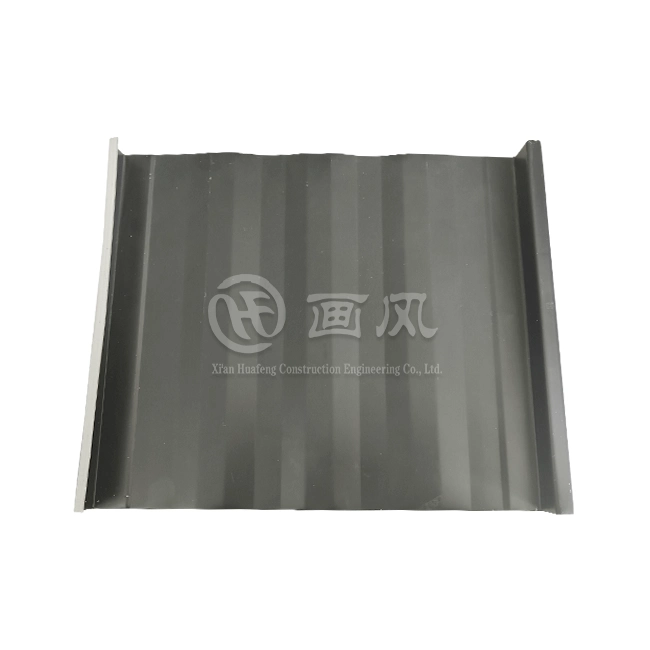
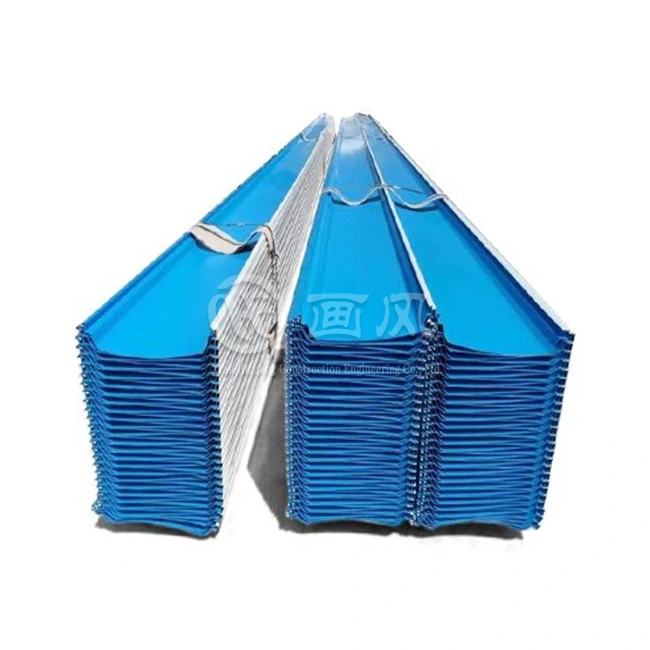
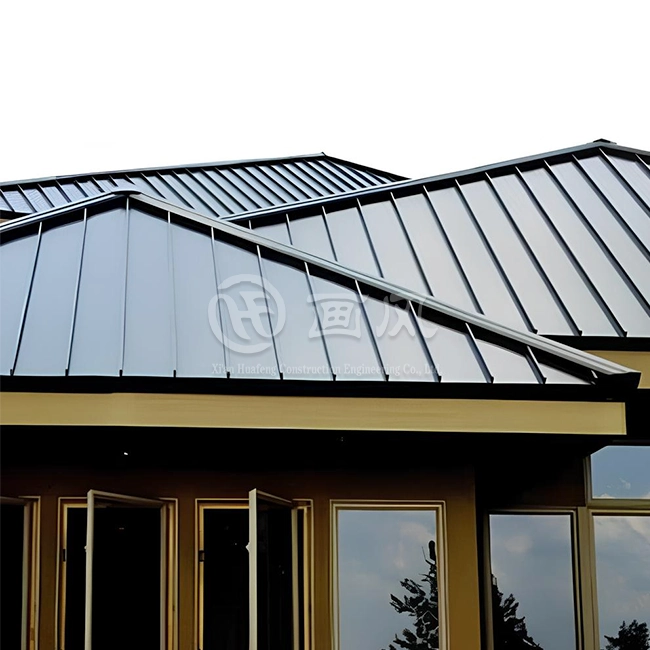
When sourcing roofing materials for my e-commerce business, I quickly learned that striated metal roof panels represent far more than a textured aesthetic choice. These panels feature engineered linear grooves that enhance structural rigidity while masking the thermal expansion waviness common in flat metal roofing. The coating system applied to these panels determines whether they'll deliver a 30-year service life or require costly premature replacement. Understanding coating performance separates a smart procurement decision from a future liability, especially when serving contractors and DIY customers who demand both visual appeal and long-term durability in residential and commercial applications across Texas, Florida, and beyond.

Understanding Striated Metal Roof Panels and the Role of Coating Performance
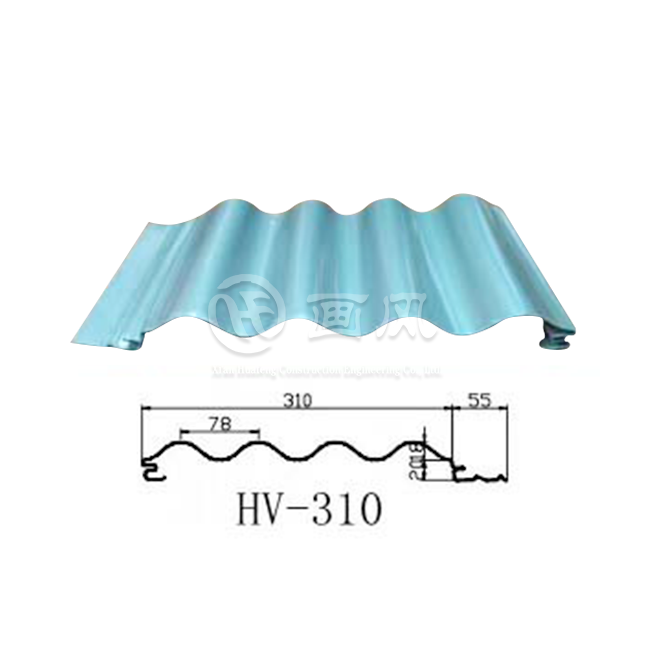
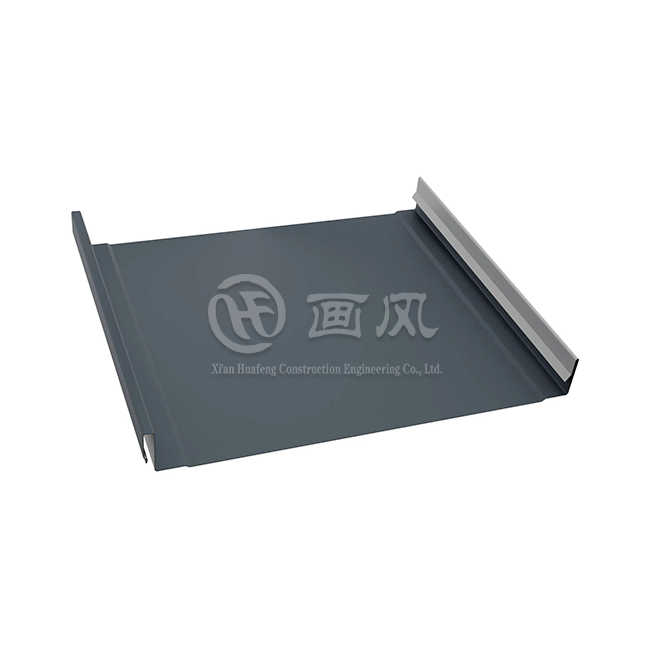
The simple galvanized sheets of metal roofing from many years ago have changed a lot. Striated panels have a purposeful surface texture that gives them many useful benefits. This is done by pressing parallel lines into the metal base during roll-forming. This change to the panel's geometry raises its moment of inertia, which makes it less likely to bend in the wind and lessens the oil-can effect that appears on smooth metal surfaces.
The coating that is put on these rough areas is the main defense against damage from the surroundings. The base metal itself is what gives the structure its strength; the covering system, on the other hand, decides how resistant it is to UV light, water, chemicals, and changing temperatures. In coastal areas, where salt spray speeds up corrosion, or in industrial areas, where airborne pollutants attack metal surfaces, the quality of the coating has a direct effect on how long panels protect and look good.
Why Coating Matters More Than Substrate Alone
A lot of procurement professionals make the mistake of putting most of their attention on substrate gage and material composition and not giving coatings much thought. This method doesn't take into account a very important fact: even high-quality galvalume or metal frames will break down quickly if they are covered in poor coatings. How well the system keeps water from getting to the metal surface, where electrochemical rust starts, depends on the thickness of the layer, the chemistry of the resin, and the way it is applied. A properly stated coating can make a base last three to five times longer than ones that aren't coated.
Impact on Total Cost of Ownership
The function of the coating has a direct effect on the lifecycle costs. Within five to seven years, panels with poor coats may lose their color, start to chalk, or come apart, which would require an expensive recoating or replacement. On the other hand, high-performance coatings protect and keep their look for 20 to 30 years with little upkeep. This makes up for their small initial cost by saving money in the long run. When I figure out the return on investment for roofing goods, I look at how long the guarantee lasts, how often upkeep is expected, and how much it will hurt my image if a customer complains. All of these things are mostly affected by the quality of the coating, not the choice of substrate.
Key Factors to Evaluate When Assessing Coating Performance
When choosing coats for textured metal roofs, you need to look at a lot of different performance factors that all affect each other. Each factor affects different parts of how long a panel lasts and how well it looks over time.
Coating Chemistry and Resin Systems
That's because the polymer resin is what makes the coating work. Polyvinylidene fluoride (PVDF) coatings, which are sold under brand names like Kynar 500, are the best for ornamental metal roofs. These fluoropolymer systems are very good at blocking UV rays and keeping colors bright and shiny for 20 to 30 years, even in direct sunlight. To get the right combination of hardness and flexibility, PVDF coats usually have 70% fluoropolymer resin mixed with acrylic polymers.
In moderate climates, polyester (PE) coatings are a cheap alternative that works well enough. Standard polyester systems are about half as resistant to weathering as PVDF systems. This means they can be used for projects where cost is more important than durability. Modified polyester formulations, which are sometimes called silicone-modified polyester (SMP), close the performance gap by being more flexible and keeping their shine longer than basic polyester. However, they are still not as good as PVDF standards.
Knowing these differences helps me match the finishing choice to the wants of the customer. In Florida's harsh UV environment, contractors who work with homes need PVDF systems to keep callbacks to a minimum. In temperate climates, commercial warehouse roofs may do fine with SMP coatings, which are less expensive.
Coating Thickness and Application Method
The protective ability is greatly affected by the thickness of the film. PVDF architectural coatings have a top layer that is 20 to 25 microns thick and a backing layer that is 5 to 10 microns thick. Thicker films offer better barrier protection, but they need to be carefully applied over the striated texture so that they stay flexible without crossing the gaps or making stress points that could crack.
When paint is applied to flat metal coils before they are rolled, the results are more regular and stick better than when paint is applied after the coils have been made. The controlled environment in the plant makes sure that the film thickness stays the same, that the curing temperatures are right, and that chemicals are used before painting to make the bonding stronger. When I'm reviewing suppliers, I make sure they use coil coating methods instead of field-applied ones, which are less reliable and bring variation.
Color Stability and Fade Resistance
In my online store, color retention has a direct effect on how happy customers are and how many times they return items. According to ASTM D2244 testing guidelines, PVDF coatings keep their color within Delta E values of 5 or less after ten years of being exposed to Florida. This level of color stability makes sure that striated metal roof panels from different production runs will still look good years after they were first put in.
The color itself changes how well something works. Darker colors get 20 to 30 degrees Fahrenheit hotter on the surface because they soak up more solar radiation. This thermal loading speeds up the breakdown of coatings and makes thermal expansion cycling happen more often. When my builder clients ask for classic brown or rustic red finishes that are popular in the home market, I suggest PVDF formulations that are designed for dark color stability and contain special pigments and UV stabilizers to protect against damage caused by heat.
Environmental Resistance Testing
Accelerated aging in the lab gives objective evidence on performance. In ASTM B117 salt spray testing, coated panels are exposed to continuous salt fog to simulate coastal exposure. After 3,000 hours, premium coatings show no red rust or coating failure. In QUV weathering chambers, samples are exposed to UV light and then condensed moisture. This simulates years of outdoor weathering in just a few weeks, showing coatings that are likely to chalk, lose their gloss, or come apart.
When manufacturers give thorough test reports, it shows that they are sure of their coating systems and lets people make smart comparisons. I give more weight to sellers who share third-party test data instead of just marketing claims, because this proof is very useful when dealing with customer complaints or insurance claims.
Practical Guide to Testing and Verifying Coating Quality
As part of the due diligence process for buying something, coating specs must be checked against standard testing methods and approval reviews.
Essential Performance Tests
Coating bond strength is measured by the cross-hatch method according to ASTM D3359. A tech cuts a grid pattern into the substrate through the coating, puts on and takes off pressure-sensitive tape, and then checks to see how much the coating comes off. Adhesion quality is rated from 5B (no delamination) to 0B (complete removal). For architectural roofing coatings, 5B is the only result that is acceptable.
Impact resistance according to ASTM D2794 checks how flexible and adherent a coating is when it is suddenly put under mechanical stress. If the covering system is tough enough, a weighted indenter dropped from certain heights will cause deformation without cracking or delaminating. This test mimics real-life situations where weak coating systems fail too soon, like when hail hits or tools are dropped during installation.
For coastal uses, salt spray testing is the best way to figure out how well something is working. Panels that were put in a 5% salt solution fog according to ASTM B117 for 1,000 to 3,000 hours and didn't rust or lose their coating show that they can be used in marine environments. I need all panels going to Florida and the Gulf Coast to be certified against salt spray because the salty air there speeds up corrosion.
Manufacturer Certifications and Standards Compliance
Third-party testing verifies coating performance. AAMA 2605 certification confirms rigorous color, chalk, chemical, impact, and adhesion resistance, supported by SGS testing. ISO 9001:2015 ensures consistent manufacturing, while ASTM A792 and international standards such as DIN, JIS, BS, and GB/T support material and compliance requirements.
Warranty Terms as Performance Indicators
The length and scope of the warranty show that the manufacturer is confident in the coating's durability. Premium PVDF systems usually come with 30-year guarantees that cover resistance to color fade and chalk. The warranties spell out specific performance standards. When you read the small print, you'll find important differences. For example, some warranties only cover replacement parts, while others cover labor costs as well. Also, many of them have maintenance requirements or geographic restrictions.
We stand behind our panels with a full 30-year guarantee and the fact that we have three factories, seven production lines, and over 40 specialized tools that make 1,000 tons of panels every month. With this much production, we can keep quality standards high and meet our warranty obligations for the whole coverage period. The guarantee paperwork lists the highest color change that can happen (Delta E ≤ 5) and the highest level of resistance to chalk (rating ≥ 8), giving specific performance guaranties instead of general promises.
Comparative Analysis: Striated Metal Roof Panel Coatings vs. Other Roofing Options
To understand how well a finish works, you need to look at striated metal panels in the context of other roofing materials.
Advantages Over Standing Seam and Corrugated Alternatives
A lot of attention is paid to standing seam metal roofing because the fasteners are hidden. However, striated R-panel and other profiles with exposed fasteners offer similar coating durability at lower installation costs. The striated texture gives the same oil canning protection as standing seam profiles, which is achieved through panel geometry, but installation doesn't require as much special knowledge. Corrugated panels are cheap, but they can be hard to coat because the wave designs on them have tight curves where differences in film thickness can cause weak spots. The striated profiles' gentle curves keep the coating covering even, without the stress points that come up with designs with sharply corrugated edges.
Performance Gap Compared to Asphalt and Composite Materials
Asphalt shingles are cheaper but lose UV protection as granules deteriorate after 10–15 years, while composite materials have vulnerable interfaces. Specialized metal coatings provide durable, single-layer protection. Striated metal roof panels with PVDF-coated metal blocks 60–70% of solar energy versus 5–15% for asphalt, potentially reducing cooling needs by 20–30% in warm climates.
Material Selection Based on Application Requirements
For locations near the coast, you need aluminum alloy surfaces (3003, 3004, or 5052 types) with PVDF coatings to protect them from salt water. In AS/NZS 1530.3:1999 combustion testing, our aluminum products did not catch fire, and they also passed EU RoHS hazardous substance screening, which means they are safe for projects that need to meet fire safety and environmental compliance standards. Galvalume steel substrates (ASTM A792 standard with 55% aluminum, 43.4% zinc, and 1.6% silicon coating) come in thicknesses ranging from 0.7mm to 1.2mm and are good for industrial roofing. They are stronger and last longer, and PVDF coatings protect them from chemical exposure that is common in manufacturing environments.
Best Practices for Maintaining Coating Performance Over Time
When you take care of your coating properly, it lasts longer and your warranty still applies.
Inspection Protocols and Early Detection
Visual checks done once a year find covering wear before it gets worse and leads to base corrosion. I tell workers to check panels for chalking (powdery surface residue), color fading, and problems with coating bonding, especially at cut edges and fastener penetrations where there is a higher chance of moisture getting in. Inspections every six months are good for places that are prone to corrosion, like seaside areas or industrial areas where floating pollutants are common. Early detection lets you do a localized touch-up instead of replacing the whole panel, which saves money and time.
Cleaning Procedures That Preserve Coatings
By keeping water against the coating's surface and blocking its reflective qualities, dirt builds up and speeds up decline. Using light soap solutions (pH 5 to 8) and soft brushes to clean gently gets rid of dirt and grime without damaging the coating film. When pressure washing is needed, it should be done at less than 1,500 PSI and with a wide spray pattern so that concentrated water jets don't go through coating gaps. Polymer binders can't be damaged by harsh chemicals, especially alkaline cleaners above pH 8 or petroleum-based solvents.
Strategic Recoating Considerations
Panels that have advanced chalking or gloss loss but still have a solid base can be recoated instead of being replaced. Professional installers can fix the look and protect the surface by adding compatible topcoats after the surface has been prepared. The costs of recoating are in favor when the substrate is still in good shape but the property's look is getting worse. Our technical team gives advice on compatibility to make sure that new coatings stick properly to old surfaces. This adds 10 to 15 years to the useful life of panels at a fraction of the cost of replacing them.
Conclusion
Whether striated metal roof panels live up to their 30-year warranty or let customers down by breaking down too soon depends on how well the coating works. PVDF coating systems are better than polyester options at UV resistance, color retention, and environmental protection. Their small price premium is justified by lower lifetime costs. Coating quality is confirmed by strict testing methods such as adhesion, impact, and salt spray evaluation, and independent proof is given by third-party standards like AAMA 2605. When purchasing professionals put coating specifications ahead of substrate selection, they make smart choices that maximize both initial investment and long-term value. This is especially true when serving demanding residential and commercial markets where appearance and durability have a direct effect on customer satisfaction and the company's reputation.
FAQ
1.What coating lifespan should I expect from striated metal panels?
If you take good care of PVDF-coated striated panels, they should keep their color and protection for 20 to 30 years. In fact, warranty terms often guaranty certain performance levels. In mild regions, polyester coats last for 10 to 15 years without breaking down. Although the rough surface shape doesn't automatically shorten the coating's life, it does need to be thick enough to cover all of the striations.
2.How does coating selection affect building energy efficiency?
Lighter-colored high-reflectance PVDF coats block 60% to 70% of solar energy, which cools the roof surface by 50 to 60 degrees Fahrenheit more than dark asphalt shingles. This thermal efficiency lowers the need for air cooling by 15% to 25% in warm climates. This saves money on utilities that helps partly cover the extra cost of the coating over the life of the building. The striated, textured surface makes the reflecting qualities better by messing up the patterns of specular reflection.
3.What criteria identify reputable coating suppliers?
Reliable sellers show that their products meet AAMA 2605 or similar standards by showing proof of tests done by third parties at approved labs like SGS. Instead of using general marketing terms, they spell out the film thickness, coating chemistry (PVDF vs. polyester), and warranty terms in writing. Manufacturing certifications, such as ISO 9001 for quality management, and proven production capacity (we have seven dedicated production lines spread across three facilities) show that the process is always being controlled. Minimum order amounts that are flexible (we can take orders as small as 500 square meters) and quick trial turnaround (15 to 20 days) show that we focus on the customer rather than rigidly making goods.
Partner with HF for Premium Coated Striated Metal Roof Panels
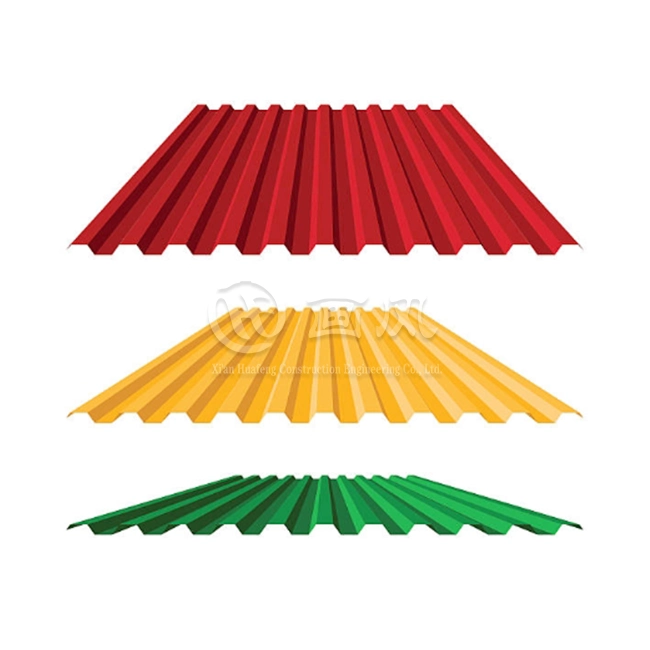
To make an online metal roofing business work, you need to work with dependable suppliers who can provide consistent quality across a wide range of product lines. Vertically integrated striated metal roof panels are what HF does. They have three factories, seven color coating production lines, and a lot of testing tools to make sure every shipment meets the requirements. Our panels come in a range of rib profiles (25-330/400/430, 32-410, 45-400, 65-400/430) and thicknesses from 0.6mm to 1.2mm. They can be coated with either PVDF or PE and come in a wide range of colors from RAL and Pantone, including the classic shades that contractors usually ask for.
We know how hard it is for e-commerce businesses to keep track of goods for a lot of different color and length combos. Our flexible minimum order number of 500 square meters or 1 ton lets you ship in different types of containers without being charged more, and our 1,000-ton monthly production capacity lets you grow as your sales do. Our PVDF goods come with a 30-year warranty that gives your contractor customers the long-term performance confidence they need. This lowers the number of returns and protects your business's image. You can email our team at huafeng@hfmetalroof.com to get sample panels, technical specs, or high-resolution photos of our products to use in your online store. Visit hfmetalroof.com to see our full catalog of products and learn how our certified coating systems can give your building materials the durability and good looks that set them apart from the competition.
References
1. American Architectural Manufacturers Association. "AAMA 2605-22: Voluntary Specification, Performance Requirements and Test Procedures for Superior Performing Organic Coatings on Aluminum Extrusions and Panels." Schaumburg: AAMA, 2022.
2. ASTM International. "ASTM A792/A792M-22: Standard Specification for Steel Sheet, 55% Aluminum-Zinc Alloy-Coated by the Hot-Dip Process." West Conshohocken: ASTM, 2022.
3. Cool Roof Rating Council. "CRRC-1 Standard: Standard Test Methods for Determining Radiative Properties of Materials." Portland: CRRC, 2021.
4. Metal Construction Association. "Technical Bulletin: Selecting and Specifying Metal Roof and Wall Panel Coatings." Glenview: MCA, 2023.
5. Simpson, David R. and Thompson, James L. "Fluoropolymer Coatings for Metal Building Applications: Performance and Durability." Journal of Protective Coatings and Linings, Vol. 35, No. 8, 2018, pp. 42-58.
6. Zhang, Wei and Martinez, Carlos. "Accelerated Weathering Testing Correlation with Field Performance for Architectural Coil Coatings." Progress in Organic Coatings, Vol. 156, 2021, pp. 1-12.





YOU MAY LIKE