Striated Standing Seam Roof Panel Benefits in High Rainfall Regions 2026
2026-08-24 17:18:39
When commercial construction projects face relentless rainfall in the Midwest or Southeast, choosing the right metal roofing system becomes a critical decision that affects both project timelines and long-term building performance. Striated standing seam roof panels offer a proven solution for commercial contractors managing retail centers, schools, and office buildings in high-precipitation zones. These engineered panels combine the watertight integrity of concealed fastening systems with textured surfaces that mask thermal stress, delivering both aesthetic appeal and structural resilience. With 2026 bringing stricter weather performance certifications, understanding how these panels perform under sustained moisture exposure helps procurement managers make informed sourcing decisions that protect project margins and client satisfaction.

Understanding Striated Standing Seam Roof Panels and Their Benefits in Rainfall-Heavy Areas
Commercial building envelope contractors all over the U.S. have to deal with the same problem over and over: they have to choose roofing materials that look good and don't let water in during long storms. Architects and building owners don't like the way that traditional flat-pan metal roofing looks when it's installed because it often has oil-canning that can be seen. Engineered surface design in metal roofing systems with striated patterns takes care of this problem.
What Makes Striated Panels Different
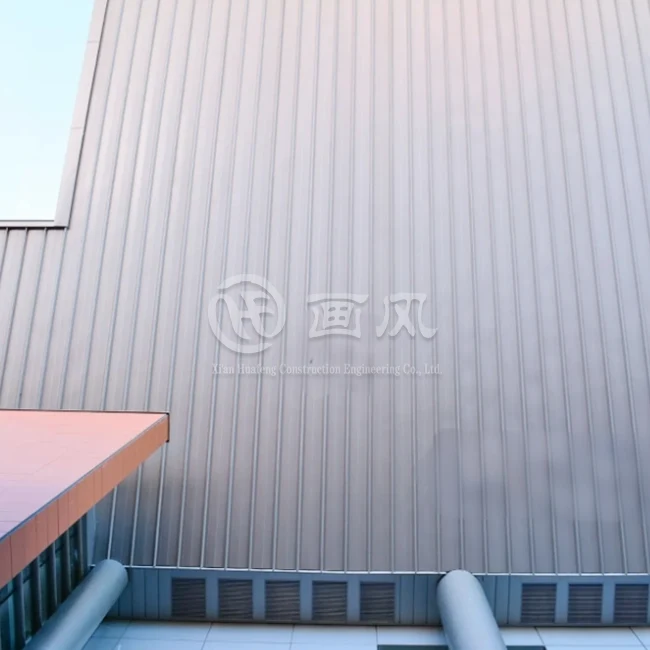
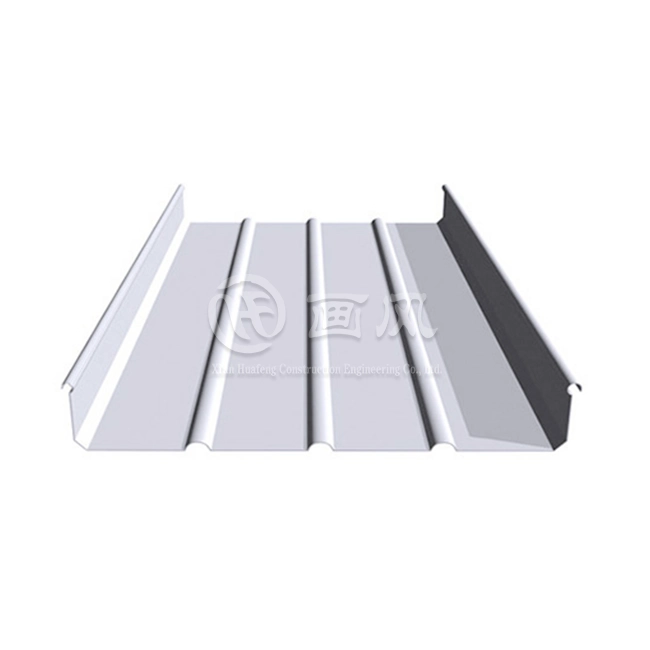
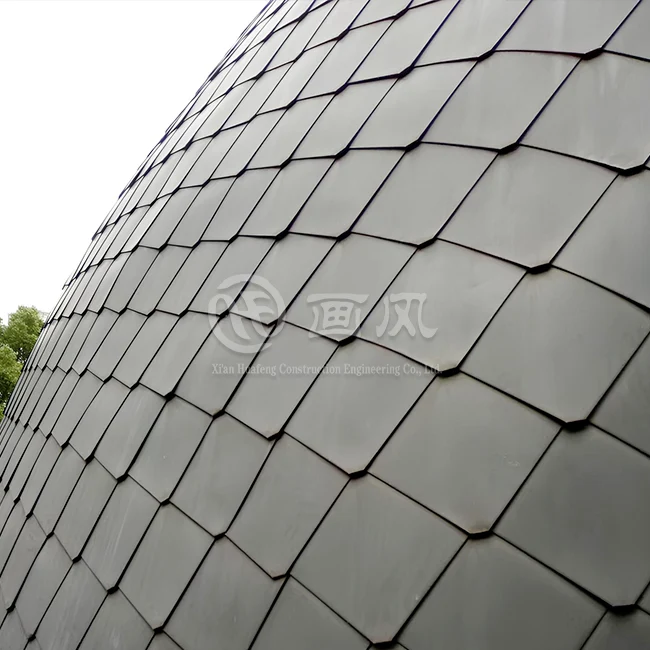
Longitudinal lines rolled into the flat pan area between vertical seams are what make it unique. These determined changes to the surface break up patterns of light reflection and add small stiffening plates that make the waviness caused by heat expansion less noticeable. Unlike smooth panels, which reflect uneven substrates, the patterned surface keeps the look consistent across big roof areas that are longer than 40 feet.
Precision roll-forming equipment is used in the factories that make these panels to make sure that the striation patterns are always the same. HF has three factories with seven dedicated lines and more than 40 specialized machines. These machines make sure that the dimensions are correct for profiles 25-330, 32-410, 45-400, and 65-400. Panels come in a range of thicknesses, from 0.6mm to 1.2mm, so they can be used with different structural loads and wind uplift ratings.
Performance Advantages in High-Moisture Environments
Commercial roofing systems face unique problems in places where it rains more than 40 inches a year. Standing water on roof surfaces speeds up corrosion at weak connection points, and repeated wet-dry cycles test how well the coating sticks to the substrate and how strong it is. Panels made for these situations have a number of important features that make them last longer.
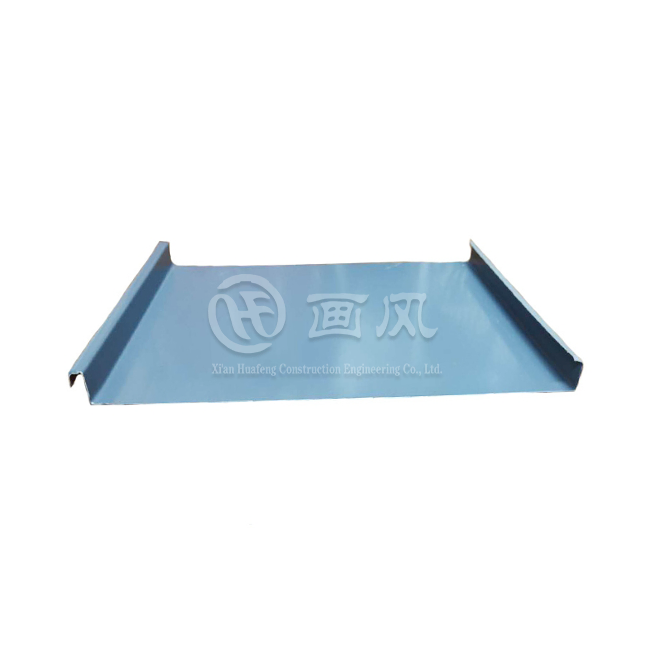
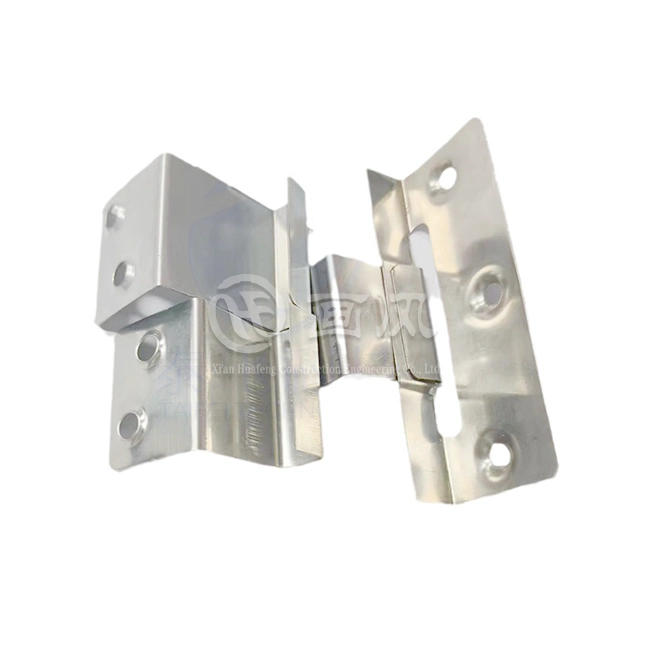
The vertical seam design with hidden clips lets the fabric move with the temperature without putting too much stress on the fastening penetrations. This floating connection method stops water from getting into the fastener threads, which is a typical way for exposed fastener systems to fail. When manually seamed panels are put together with factory-applied sealant in female seam legs, they keep water out on slopes as low as 1/4:12.
Corrosion protection is directly affected by the surface treatment you choose. PVDF fluoropolymer coatings keep their color and resistance to chalking for more than 20 years, even when they are constantly exposed to water. HF offers coatings made of both PVDF and PE. The PVDF formulas meet AAMA 2605 performance standards, which were confirmed by SGS tests. The coating system passed 13 different tests of its performance, such as tests that put it through hot water adhesion and chemical resistance routines that mimic years of exposure to the elements.
The choice of material substrate is just as important. Standard galvanized steel doesn't fight corrosion as well as galvalume steel surfaces with AZ50 or AZ55 zinc-aluminum alloy coatings. Some types of aluminum alloy, like 3003H24 and 5052H26 grades, don't rust at all when exposed to ferrous metals. This makes them perfect for use in coastal areas or places that are wet all year.
Installation and Maintenance: Ensuring Longevity in Harsh Weather Conditions
Whether metal roofing systems last the 30 years they are supposed to or need to be replaced before then depends on how well they were installed in the field. When commercial contractors are rushing to finish projects on time, they may lower the quality of the job in order to meet the timeline. This can lead to warranty claims that hurt supplier relationships and the project's ability to make money.
Critical Installation Considerations for Wet Climates
The first step in preparing a site is to make sure that the substrate is flat and can hold weight for striated standing seam roof panel. Panel stress spots can be seen through striated surfaces even though they are resistant to oil canning if the purlins or other structural parts are not level. Roof decks need to have a drainage slope that meets or goes beyond the manufacturer's requirements for the seam type chosen.
When handling panels, you need to be very careful not to damage the finish. If you scratch or abrade the PVDF layer, the metal underneath is exposed to water, which starts corrosion that spreads under the whole coating over time. When installing panels, installation crews should wear protective gloves and not drag them across each other. When HF sends panels, they cover them with a protective film that stays on until the final review. This lowers the risk of damage in the field.
Setting up the sewing tools has a direct effect on how weathertight it is. For mechanical seaming machines to work properly, they need to be set up to the exact profile and thickness of each panel. This makes sure that the seams are the same height and that the locking mechanism works across the whole roof. Over-seamed joints can damage the locking mechanism and leave gaps that let water in during wind-driven rainstorms. Under-seamed joints leave gaps that let water in. Before starting production work, installation teams with a lot of experience test seams to make sure the equipment is set up correctly.
Maintenance Protocols That Extend Service Life
Even high-end roofing systems need to be inspected and maintained regularly to last as long as possible. Scheduled maintenance programs help commercial buildings in areas that get a lot of rain find small problems before they become big ones that need expensive repairs.
Every three months, the valleys, roof penetrations, and perimeter trim features that get a lot of water during storms should be the main focus of checks. When debris builds up around HVAC equipment or behind parapet walls, it traps moisture against panel surfaces, which speeds up rusting. These problems can be avoided by simply cleaning up after routine inspections.
Checking the panel seams for soundness makes sure that the thermal movement clips can still slide freely as planned. When installing equipment on the roof of a building, maintenance workers sometimes use screws that accidentally lock thermal movement clips in place, making it impossible for panels to expand and contract easily. This restriction causes stress to build up, which shows up as coating cracks or substrate fatigue after many thermal cycles.
Checking the state of the coating shows early signs of weathering before the base is exposed. PVDF coats gradually chalk over decades of UV exposure, but chalking that happens too soon is a sign of problems with the application or contamination during production. Under material performance guaranties, panels that show unusual coating degradation within the 30-year warranty period can be looked at and possibly replaced.
Comparing Striated Standing Seam Panels with Other Roofing Solutions
When choosing a roof for a business, procurement managers have to think about a lot of things, like how much it will cost to install, how long it will last, how much maintenance it will need, and how it looks. Metal roofing systems have to compete with other metal types and roofing materials that aren't made of metal. Each has its own pros and cons.
Metal Roofing Profile Comparison
When it comes to large projects, snap-lock standing seam panels save money on labor costs because they can be put together faster than mechanically seamed systems. However, the snap-together link rests on friction and panel engagement instead of mechanical seaming. This means that they can only be used on roofs with a steeper pitch, usually above 3:12. Because of this restriction, snap-lock options are not available for many commercial building designs with low-slope or nearly flat roofs.
Corrugated metal panels are a cheap way to cover farm buildings and industrial sheds where weather protection is more important than how they look. The exposed fastener design makes installation easier, but it also makes hundreds of holes in the roof where water can get in if the washer seals break down over time. The cost of maintenance goes up because fastener seals need to be checked and replaced every 10 to 15 years.
The weatherproofing of traditional smooth standing seam panels without striation patterns is the same, and they cost about the same to install. The difference in how it looks becomes the decision factor. Projects with high standards for appearance prefer striated profiles that keep the roof's overall look consistent across big areas. Even though they don't cost much more, building owners who are in charge of retail spots or corporate sites where curb appeal affects property values usually choose textured panels.
Long-Term Value Analysis
The initial price of materials is only one part of the total cost of ownership. Roofing systems that need to be maintained often or replaced early eat away at project budgets with unexpected repair costs and downtime for business while work is being done again. When it comes to commercial uses, metal roofing systems always have better life-cycle economics than built-up roofing or single-ply membranes.
A properly installed metal roofing system made from good materials from well-known companies will last for 30 years with little upkeep. HF meets this promise with a guarantee that meets industry standards and is backed by SGS certification that it meets ASTM, DIN, JIS, BS, and GB/T standards. This certification paperwork meets the strict needs that business projects need for UL, FM, and regional approvals, such as Miami-Dade procedures.
Energy economy affects how much it costs to run a building over its entire time. Commercial buildings need less cooling when they have reflective metal roofs, especially when they are coated with cool-colored PVDF that reflects solar radiation while keeping the desired look. This thermal efficiency helps earn LEED points and makes it possible to get energy rebates in many places.
Procurement Insights: Selecting and Sourcing the Best Striated Standing Seam Roof Panels
Commercial contractors who are working on multiple projects at the same time need suppliers they can rely on to deliver certified materials quickly. Material delays throw off construction schedules, which can lead to fines and hurt relationships with clients. To choose the best provider, you need to look at more than just unit price.
Supplier Qualification Criteria
Suppliers can meet tight delivery schedules if they have the manufacturing ability to handle big orders of striated standing seam roof panel. HF has three factories that can make more than 1,000 tons of goods every month, which is enough for business projects that need a lot of it. This space allows for container-load shipping that save money on freight costs and meet the usual delivery dates of 4 to 6 weeks after an order is placed.
Documentation for certification is another important rating factor. For commercial building projects, you need to have material test certificates, coating warranties, and performance data that match certain UL or FM ratings. Suppliers who offer full paperwork packages lower the risk of a project and speed up the approval process with architects and building officials. HF offers full material test reports and varnish performance data that have been confirmed by testing done by an independent SGS lab.
Customization options change project-specific needs like matching colors, panel lengths that aren't standard, and trim profiles that aren't standard. When architectural metal roofing is chosen for a project, the colors must often be matched to RAL or Pantone to match the building's design. Capable sellers are different from vendors of basic materials because they can make things that meet these requirements without adding too much to the wait time.
Optimizing Order Quantities and Logistics
Buying materials for commercial roofing projects involves balancing the costs of keeping stock with price breaks for large orders. Most of the time, the minimum order size is 500 square meters, and prices go down as the size of the pledge goes up. When contractors are in charge of more than one project, they can combine orders to get better prices and make sure that delivery times work with the order of the projects.
Delivery times of 15 to 20 days on average from order confirmation need to be planned ahead of time to account for approval steps and site readiness. When projects run into unexpected delays, they should let their suppliers know right away about any changes to their schedules. This way, suppliers can adjust their production schedules and avoid demurrage charges that come from shipping goods too early.
Managing a project's cash flow is affected by the terms and conditions of payments and credit. Setting payment rules when suppliers are being qualified keeps things clear when the order is being filled. International providers, like HF, accept a number of different payment methods, such as letters of credit, which protect both parties during the start of a business partnership.
Environmental and Long-Term Performance Advantages
Environmental laws and building rules are becoming tougher on sustainability, which affects the choice of materials and how well buildings work. There are natural environmental benefits to metal roofing systems that make them a good choice for new rules that will be put in place in 2026 to deal with embodied carbon and circular economy ideas.
Sustainability Profile of Metal Roofing
Metal roofing offers strong sustainability benefits through recycled content, lower embodied carbon, and high recyclability at end of life. Unlike asphalt roofing, metal panels support established scrap-recovery systems and circular material flows. Reflective metal roofs can also reduce cooling energy use, while proper insulation supports long-term energy efficiency and code compliance.
Regulatory Compliance and Future Standards
Environmental product statements and proof of material transparency are becoming more and more important in the choice to buy building materials. Third-party certificates, such as SGS testing, provide confirmed performance data that backs up environmental claims and proof of regulatory compliance. HF keeps up-to-date certifications that cover things like coating performance meeting AAMA 2605 standards, hazardous chemical limits under EU RoHS guidelines, and how well the coatings burn.
When building rules are changed in 2026, they will probably put more emphasis on whole-building life-cycle review and embodied carbon tracking. Metal roofing systems that last longer and have a lot of recycled material are better for these frameworks than roofing materials that need to be replaced often or can't be recycled. Adopting certified sustainable materials early on shows leadership in protecting the environment and makes sure that new rules are followed.
Conclusion
Commercial contractors working on building envelope projects in places with a lot of rain need roofing options that balance how well they work in bad weather, how nice they look, and how much they cost. Striated standing seam roof panels have been shown to last for a long time because they use concealed fastening systems that get rid of leaky roof penetrations while keeping the look of the roof uniform over large areas. How long these systems last for 30 years depends on how well they were made, which coatings were used, and how they were installed correctly. Procurement managers gain from working with well-known suppliers who can provide full certification paperwork, reliable shipping, and expert help throughout the project. As building codes put more emphasis on sustainability and life-cycle performance, metal roofing systems made of reusable materials and with longer service lives meet changing regulatory requirements while keeping long-term ownership costs low.
FAQ
1.Can striated standing seam panels be installed on existing commercial roofs?
Installing retrofits on top of existing roofs is possible if the structure can handle the extra weight and there is a good drainage slope. During installation, the old roof is usually taken off all the way to the structural deck, the state of the foundation is checked, and the right underlayment is put down before the panels are put on. Compared to replacing the whole structure, this method causes less disruption to operations while improving weather protection and the building's appearance.
2.What wind uplift ratings do these panels achieve?
How well a panel stands up to wind relies on its gage, seam height, clip spacing, and how well it is attached to the structural base. When systems are properly designed, they often get UL 580 Class 90 grades or higher, which is what business buildings in hurricane-prone areas need. Engineering estimates for each project take into account the height of the building, the shape of the roof, and the amount of wind that blows in the area to choose the right panel profiles and fastening methods.
3.How do striated panels perform in freeze-thaw cycling?
When it freezes and thaws, metal roofing systems work great because they don't soak up water that can damage the roof when it freezes. The thermal break that hidden clips provide stops the flow of heat that causes ice dams along the sides of the roof. When exposed to extreme cold, some types of coatings become brittle, but PVDF coatings stay flexible and stick to surfaces even after being heated and cooled many times.
Partner with HF for Reliable Striated Standing Seam Roof Panel Supply
Working on commercial projects in the Midwest and Southeast, building envelope contractors need reliable suppliers who can meet tight delivery schedules and certification needs. HF can make more than 1,000 tons of products every month and has a lot of quality approvals, such as SGS verification that they meet ASTM, AAMA 2605, and other foreign standards. We offer striated standing seam roof panels with shapes ranging from 25-330 to 65-430 and thicknesses from 0.6mm to 1.2mm. They can be coated with PVDF or PE in a range of RAL and Pantone colors. Three production sites and seven specialized production lines give you consistent delivery windows of 15 to 20 days, which helps you meet your project deadlines. Email our technical team at huafeng@hfmetalroof.com to talk about your next commercial roofing project and get custom specifications that meet your exact performance needs. You can look at our full line of products at hfmetalroof.com and get quotes for your project from a reliable striated standing seam roof panel manufacturer.
References
1. Metal Construction Association (2025). Performance Standards for Standing Seam Metal Roof Systems in High-Precipitation Climates. Technical Bulletin MCA-2025-08.
2. American Architectural Manufacturers Association (2022). AAMA 2605-22: Voluntary Specification, Performance Requirements and Test Procedures for Superior Performing Organic Coatings on Aluminum Extrusions and Panels. Des Plaines, IL.
3. Underwriters Laboratories (2024). UL 580: Tests for Uplift Resistance of Roof Assemblies. Standard for Safety, Northbrook, IL.
4. FM Approvals (2025). FM 4471: Approval Standard for Class 1 Metal Roof Deck and Panels. Johnston, RI: FM Global Research.
5. National Roofing Contractors Association (2024). The NRCA Metal Panel and SPF Roof Systems Manual. Rosemont, IL: NRCA Publications.
6. Sheet Metal and Air Conditioning Contractors' National Association (2023). Architectural Sheet Metal Manual, 8th Edition. Chantilly, VA: SMACNA Technical Services.





YOU MAY LIKE
_1769761215912.webp "Ventilation noise reduction net")