Snap Lock Roofing Fire Performance: How Is It Tested?
2026-08-24 17:18:37
When evaluating snaplok roofing systems for your projects, fire safety stands at the forefront of critical considerations. Metal roofing panels undergo rigorous testing protocols to verify their fire resistance capabilities, ensuring they meet Class A non-combustible standards established by ASTM E108 and UL 790. These tests examine three primary factors: flame spread across the panel surface, resistance to external fire penetration, and the material's behavior under prolonged flame exposure. HF's snap lock metal roofing demonstrates superior fire performance through SGS-certified testing, achieving zero ignition index and zero flame spread index across multiple samples.
The demand for fire-resistant roofing solutions has intensified across DIY markets and small-scale roofing projects, particularly for structures like pergolas, porches, and carports. Understanding how these systems are tested empowers procurement professionals and e-commerce sellers to make informed decisions that protect end users while maintaining competitive pricing advantages.

Understanding Snap Lock Roofing Fire Performance
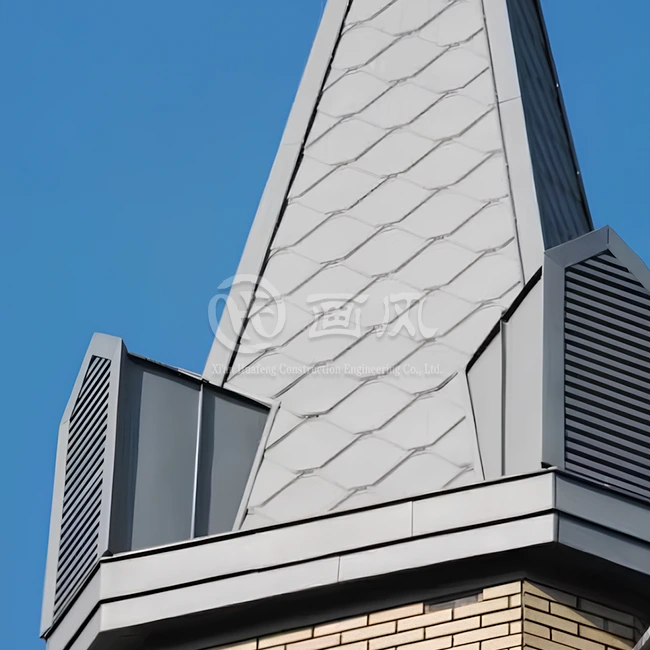
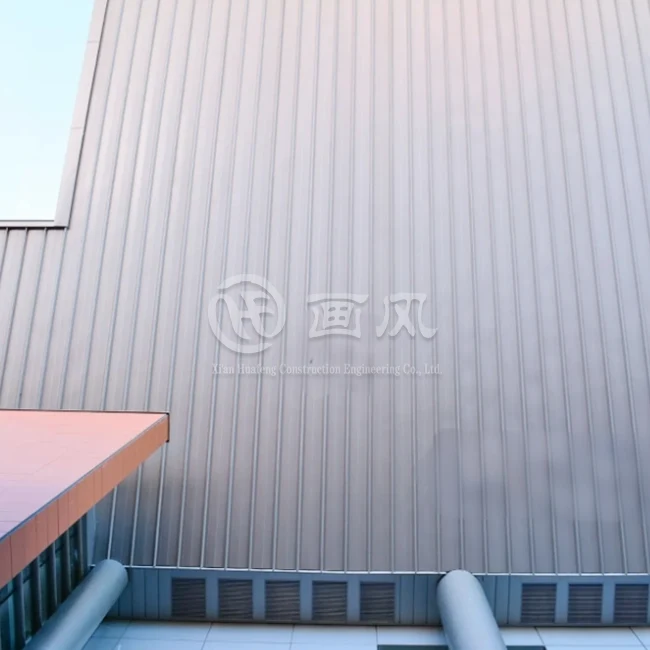
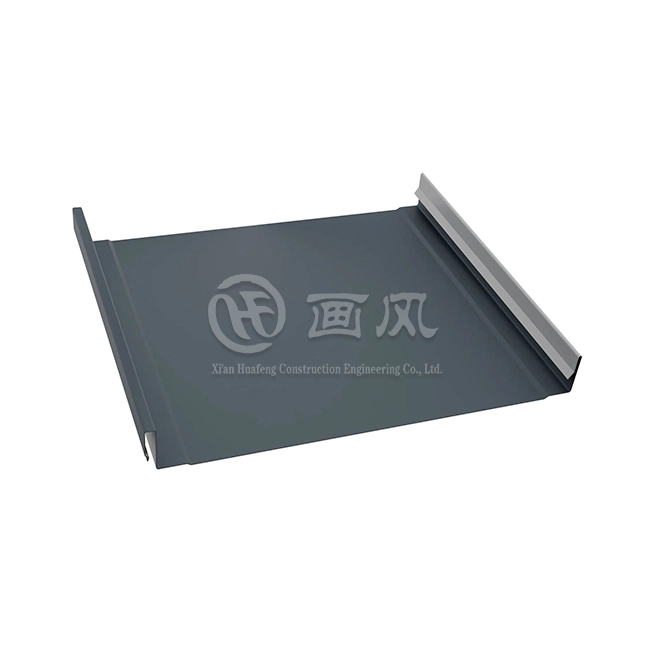
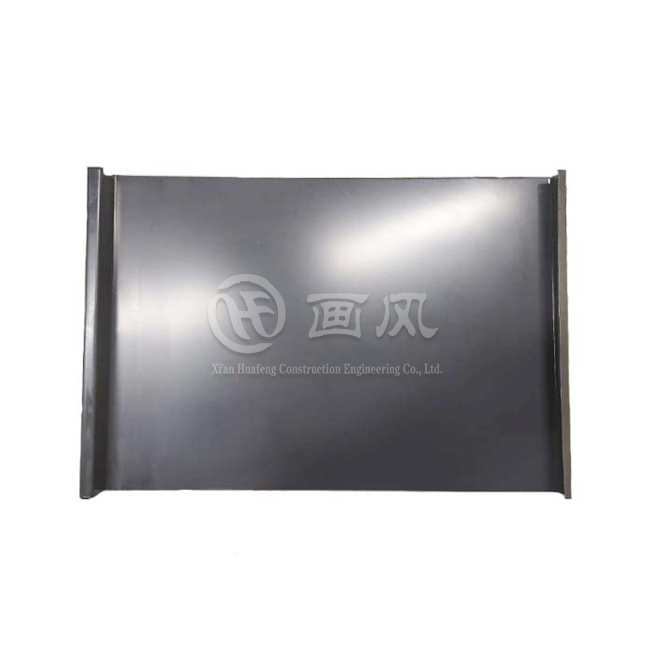
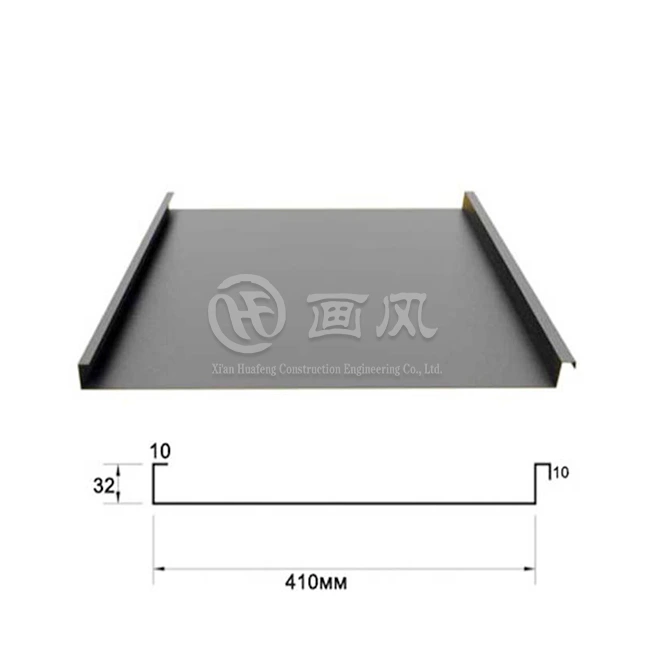
Using metal snap lock roofing systems is a big step forward in protecting buildings. These plates fit together easily and are made of aluminum alloy, steel, stainless steel, copper, titanium zinc, or copper. These are all naturally fire-resistant materials. The panels have hidden fasteners that stop through-penetrations, which makes it harder for fires to spread.
Material Composition and Fire Resistance
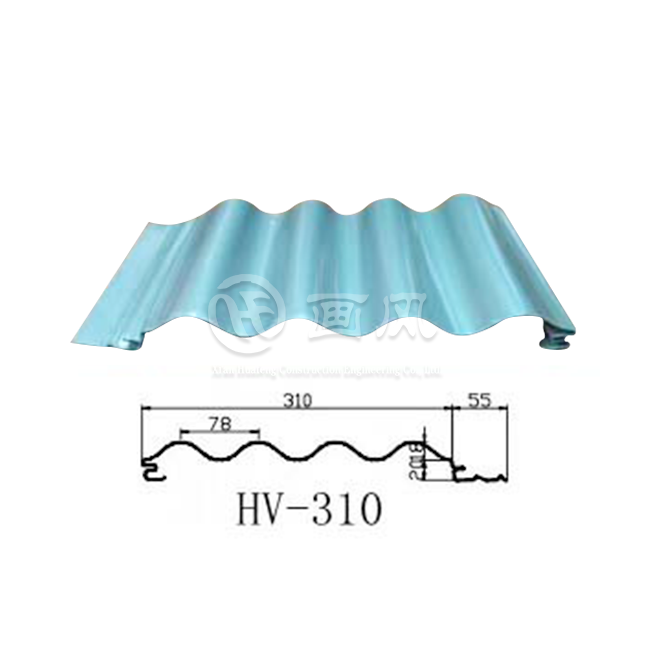
The fire performance of snap lock panels is directly related to the type of material used and the covering technology used. International building rules say that both types 3003H24 and 5052H26 of aluminum alloy used by HF to make panels are non-flammable. The thickness of a panel can be anywhere from 0.4mm to 1.2mm, but most manufacturers recommend 0.5mm to 0.7mm for the best strength-to-weight ratios. PVDF fluorocarbon coatings are used for surface treatments. They are sprayed at 8µm for the primer and 18µm for the finish. These coatings stay strong even when exposed to very high temperatures. It is possible to get different finishes with PE polyester coatings while still keeping their fire resistance properties. SGS lab tests show that these materials meet Class A fire ratings, which is the highest rating that can be given to roofing assemblies.
Regulatory Standards Driving Fire Testing
Different places have different fire safety rules, but testing procedures are all based on the same models. ASTM E84 checks how well something burns on the surface, and UL 790 checks how well it resists fire from the outside. The European EN 13501-5 standards check how well outdoor roof products resist fire. The rules came about because of terrible fires in the past that showed how bad it is to not have enough fire protection on roofs. When purchasing snap lock panels, people in charge of procurement must make sure that they meet local building codes. These codes usually require Class A ratings for commercial buildings and more and more for residential uses in areas that are prone to wildfires.
Why Fire Performance Matters for Small Projects
Homeowners and small builders who do their own work often don't realize how important fire safety is for accessory buildings. When there is an external exposure event, carports, sheds, and patio covers that are built close to people's main homes can start fires. Passive fire protection is provided by metal snap lock systems, which don't need any special fitting methods or extra fireproofing treatments. This built-in safety feature lowers the risk of liability for online sellers who cater to the do-it-yourself market and meets a real safety need that regular asphalt shingles can't.
Core Methods of Testing Snap Lock Roofing Fire Performance
Laboratories that test for fire use standard methods to check how roofing materials react to flames, heat, and embers building up. These controlled conditions act out real-life fire situations and provide data that can be used again and again for regulatory approval.
ASTM E84 Surface Burning Test
The Steiner Tunnel Test, which is officially known as ASTM E84, checks how flames spread and how smoke forms. Technicians put a sample that is 24 feet long inside a horizontal tunnel furnace and hold one end of it up to controlled gas flames. Over the course of 10 minutes, observers write down how fast the flames move across the surface of the object. The results make a Flame Spread Index (FSI), and numbers less than 25 are considered to be in Class A. HF's aluminum panels that were tested under AS/NZS 1530.3:1999 (which is similar to ASTM E84) had a flame spread index of zero across all six samples, meaning that there was no ignition during the exposure times. The Smoke Development Index (SDI) readings stayed between 0 and 1, which means that there wasn't much smoke making it hard to get out during fires with snaplok roofing.
UL 790 External Fire Exposure Testing
This technique uses three different tests to see how resistant a roofing system is to fire from outside sources. In the sporadic flame test, gas flames are flashed on and off 15 times over panels to see if the flames can reach the deck. In the spread of flame test, brands of burning wood are put on sloped assemblies to see if the fire spreads across the surface. In the flying brand test, pieces of burning wood are placed on flat surfaces to see how resistant they are to embers. Metal snap lock systems automatically pass these tests because they can't catch fire. This is in contrast to organic materials that burn, melt, or keep burning.
EN 13501-5 European Classification System
For European markets, roofing products must be tested according to EN 13501-5, which uses BROOF classifications to group them into different groups. This four-level system (BROOF t1 through t4) shows levels of success, with t1 being the best fire defense. During testing, roof parts are put under burning brands and the entry time, flame spread distance, and fire spread to nearby buildings are all measured. International standards, such as DIN (German), JIS (Japanese), and BS (British), are met by HF panels. This makes global marketing easier through e-commerce sites.
Performance Metrics That Matter
To understand test results, you need to know about key measures. Ignition index values, which range from 0 to 20, show how easily materials catch fire. Lower numbers mean that the material is more resistant. From 0 to 10, the heat release index measures how much energy is released during burning, which is a key factor in the flashover potential. The SGS tests records for HF's 3003H24 aluminum panels showed that the spark, flame spread, and heat release indices were all zero. During testing, only surface discoloration was seen; no flame spreading or heat production was seen. These data support Class A ratings for non-combustibility that meet the strictest building rules.
Comparing Snap Lock Roofing Fire Performance with Other Roofing Systems
Choosing the right materials has a huge effect on how safe a fire is. Metal roofing systems have clear benefits over traditional materials, though different kinds of metal roofing work differently.
Metal vs. Traditional Organic Materials
Asphalt shingles are the most popular type of roofing material for homes, even though they don't resist fire as well as metal options. Standard three-tab asphalt shingles are only rated Class A when they are put on top of a fire-resistant underlayment. If they are not on top of this layer, they are only rated Class C. Wood shakes and shingles are even more likely to catch fire, and untreated wood is only Class C, even though it looks nice. Clay and concrete tiles are very resistant to fire, but they put a lot of stress on structures—they're 10 times heavier than metal panels—which makes them hard to use in repair situations. Snap-lock metal roofing offers the same level of fire protection or better at a tenth of the weight, so it can be installed on buildings that weren't designed to hold heavy roof loads.
Standing Seam vs. Snap Lock Fire Characteristics
The metal substrates used in both standing seam and snap lock systems are fire-resistant in the same way. The differences are in how they are installed and how the seams are set up. To crimp the panel edges and make raised vertical seams with standing seam profiles, you need mechanical seaming tools. Snap lock designs have male and female leg shapes that fit together with just vertical pressure, so they don't need to be crimped. When made from the same materials and coatings, both systems work the same way when it comes to fire safety. The snap lock advantage shows up in how quickly and easily it can be installed by anyone, not in how well it resists fire. Snap lock systems are easier to install, which is good for e-commerce sellers because it lowers the number of returns caused by mistakes during installation.
Case Study Evidence
Fire testing labs have kept records of many comparison studies. A 2023 SGS study compared HF's PVDF-coated aluminum panels to polyester-coated steel panels. When put near controlled flame sources, neither material caught fire, but the PVDF covering was more resistant to discoloration and coating breakdown. This difference is important for long-term fire performance because a failed coating can let base metal rust faster, which weakens the panel's integrity. Stone-coated steel shingles, which are a popular choice for residential metal roofing, were compared to snap lock panels in another study. Both systems got Class A ratings, but the stone layer on the steel shingles gave off some small particles when they were exposed to flame, but the bare metal snap lock panels didn't.
Practical Implications for Procurement and Installation
When choosing a fire-resistant roof, there are more things to think about than just test ratings. Buying choices are affected by things like cost, expected service life, and fitting needs.
Balancing Fire Safety with Project Economics
When selling online to people who want to do things themselves, there is a lot of price competition, especially between new and well-known local names. HF's snap lock panels are 30% cheaper than similar products made in the US, but they still do the same job when it comes to fire safety. This price difference is caused by the fact that three factories with over 40 specialized machines each run seven production lines and make 1000 tons of goods every month. Costs per unit go down when more are made, but quality standards are kept up, as shown by SGS testing. The low prices and minimum order number of 500 square meters or one ton make it easy for small contractors to meet their needs. Standard panel widths range from 300 mm to 600 mm, and lengths can be changed up to 12 meters to fit North American building modules. This means that changes have to be made in the field, which costs more in work.
Installation Practices That Preserve Fire Integrity
The fire-resistant properties that were proven in the lab can be kept up with the right installation methods. Panels must be held in place with hidden clip systems that let them expand and contract with temperature changes but stop fasteners from backing out. When clips or screws are too tight or too far apart, they create stress points where panels may break when exposed to heat. When applying sealant at the ends of panels, you need products that are compatible and stay stuck even at high temperatures. HF offers installation instructions in the form of documents and video tutorials. This lowers the number of incorrect installations, which are the main reason why products are returned in e-commerce channels. For important uses, it is still best to have trained professionals install it, but the snap lock design makes it possible for skilled do-it-yourself installation of accessory structures.
Maintenance Requirements for Sustained Protection
Metal roofing systems don't need as much upkeep as organic ones, but snaplok roofing should still be inspected every so often to make sure they keep their fire protection features. Visual inspections should be done once a year to look for damage to the covering, panel movement, or loose fasteners. Because of the salt air, coastal areas need to be checked more often. However, aluminum and stainless steel substrates are better at resisting rust than galvanized steel choices. Having junk build up in the valleys between panels makes them easier for fires to start, even though metal roofing is naturally fireproof. Organic matter that has built up can be removed with just water and no special cleaning tools are needed. The 30-year warranty from HF covers material performance, which includes fire resistance properties. This gives buyers long-term peace of mind when making decisions about what to buy.
Ensuring Quality and Compliance in Snap Lock Roofing Procurement
Decisions about where to get materials have a big effect on how well fires work. Verification methods separate recognized goods from the many low-quality options that are flooding online stores.
Identifying Reliable Manufacturing Partners
HF, founded in 2018, specializes in metal roofing systems and maintains ISO 9001 and ISO 14001 certifications. SGS testing supports its fire-performance claims, while RoHS compliance addresses hazardous substances. AAMA 2605-22 certification confirms coating durability against UV, chemicals, and mechanical stress, supporting long-term performance.
Documentation Requirements for Regulatory Approval
For building officials to accept roofing projects, they need certain paperwork. Class A fire rating certificates need to include test standards that are relevant and panel specs that match what was installed. There are documents from HF that show the grades of material (3003H24, 5052H26), the ranges of thickness, and the types of coatings. RAL standard palettes or custom formulations should not affect fire performance when choosing colors. However, darker colors absorb more sunlight, which could change surface temperatures. Procurement orders should list the licenses that are needed and ask for copies of the test results ahead of time so that the permit can be turned in. Delivery times of 15 to 20 days work with project plans and give time to make sure all paperwork is complete before shipping.
Pricing Structures and Value Assessment
Prices for fire-rated metal roofing are based on the cost of materials, coating technology, and certification fees. Vertically integrated manufacturing, like HF's, handles the whole process, from getting the raw materials to making the finished panels. This cuts down on the extra costs that come with having a spread supply chain. PVDF coatings are more expensive than PE polyester alternatives because they are more resistant to chemicals and UV light, but both get Class A fire ratings. Choosing a thickness has a linear effect on price, with 0.7mm panels costing about 40% more than 0.4mm options. E-commerce sellers should figure out the total landing costs of their items, which should include freight, customs taxes, and any damage that might happen during shipping. HF's packing standards meet the needs of courier shipping, which lowers the number of damaged packages during transport, which cuts into profit margins. Building relationships with dependable manufacturers like HF makes it possible to offer consistent product quality and quick restocking, both of which are important for keeping good seller ratings on Amazon and eBay.
Conclusion
Fire performance testing proves that snaplok roofing is the best choice for projects that need to be safe. Thorough testing methods, such as ASTM E84, UL 790, and their foreign versions, measure flame spread, heat release, and smoke development to prove Class A non-combustible ratings. HF's SGS-certified aluminum panels have zero burning and zero flame spread, which makes them better than traditional roofing materials and cheaper, which is important for e-commerce businesses that need to stay competitive. It is possible to make smart purchasing decisions that balance fire safety with cost-effectiveness by learning about testing methods, comparing material options, and checking the certifications of suppliers. Metal substrates are naturally resistant to fire, and when paired with new coating technologies, they offer long-lasting safety for business, industry, and homes.
FAQ
1.What makes snap lock panels more fire-resistant than asphalt shingles?
Metal snap lock panels are made of aluminum or steel substrates that are not flammable and can't hold a flame. Asphalt shingles are made of organic substances derived from gasoline that burn when heated enough. Testing shows that metal panels have flame spread values of zero, while asphalt materials let fires move across surfaces.
2.Which certifications verify fire performance claims?
Class A fire rates need to be tested according to ASTM E108, UL 790, or other foreign standards that are the same or similar. Valid certifications have test report numbers, information about the lab's accreditation, and details about the panel configurations that were tested. HF gives SGS test reports that show aluminum panels with PVDF and PE coatings have zero ignition and flame spread.
3.Does coating type affect fire resistance?
On metal bases, both PVDF fluorocarbon and PE polyester coatings keep their Class A fire ratings. PVDF coatings are better than polyester coatings at resisting coloring and degradation when exposed to heat, but both of them do a good job of stopping flame spread. Long-term longevity is more affected by coating thickness and application quality than fire performance.
4.How long does fire resistance last?
As long as the substrate stays intact, metal roofing panels will not catch fire during their service life. Corrosion, mechanical damage, or covering loss do not change the fact that aluminum or steel is naturally non-flammable. If you follow the right maintenance steps, HF's 30-year warranty covers material integrity, which includes fire-resistant properties.
Partner with HF for Certified Fire-Safe Snaplok Roofing Solutions
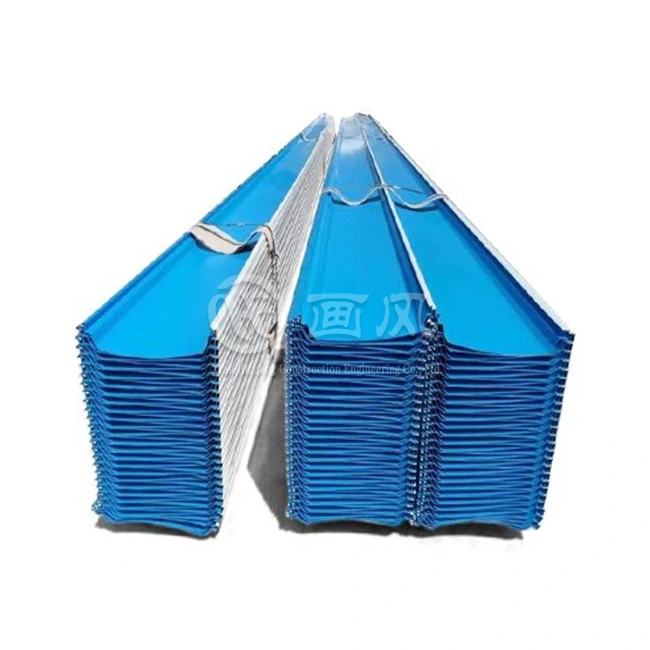
HF sells snap lock metal roofing panels that are approved by SGS and meet the highest fire safety standards at prices that are competitive and necessary for e-commerce success. Our steel and aluminum alloy panels get Class A grades because they have test results that show they don't catch fire or spread fire. As a long-standing snaplok roofing provider with three plants and seven production lines, we keep our monthly capacity at 1,000 tons, which allows us to restock quickly, within 15 to 20 days. Our 500-square-meter minimum order quantity works for small contractors and DIY market sellers, and it saves you 30% compared to options made in your own country. PVDF and PE coatings in RAL standard colors are available to meet the needs of a wide range of projects. They come with 30-year warranties and all the necessary fire certification paperwork for permit approval. Email our team at huafeng@hfmetalroof.com to get SGS test results, price quotes, and items for installation instructions.
References
1. American Society for Testing and Materials. Standard Test Method for Surface Burning Characteristics of Building Materials (ASTM E84-22). ASTM International, 2022.
2. Underwriters Laboratories. Standard Test Methods for Fire Tests of Roof Coverings (UL 790). Underwriters Laboratories Inc., 2020.
3. European Committee for Standardization. Fire Classification of Construction Products and Building Elements - Part 5: Classification Using Data from External Fire Exposure to Roofs Tests (EN 13501-5:2016). CEN, 2016.
4. SGS Testing Services. Building Material Combustion Performance Test Report for Aluminum Roofing Panels (Report No. AJFS2409010415FF_CN). SGS Anji Laboratory, 2024.
5. American Architectural Manufacturers Association. Voluntary Specification, Performance Requirements and Test Procedures for Superior Performing Organic Coatings on Aluminum Extrusions and Panels (AAMA 2605-22). AAMA, 2022.
6. Standards Australia/Standards New Zealand. Methods for Fire Tests on Building Materials, Components and Structures - Part 3: Simultaneous Determination of Ignitability, Flame Propagation, Heat Release and Smoke Release (AS/NZS 1530.3:1999). SAI Global, 1999.





YOU MAY LIKE