SnapLok Roofing vs Standing Seam: Which Is Best?
2026-08-24 17:18:35
When choosing between these two metal roofing systems, the answer depends on your project's specific requirements. Snaplok roofing delivers exceptional installation speed and cost-efficiency through its tool-free clip engagement system, making it ideal for small-scale projects like pergolas, porches, and carports where DIY installation is preferred. Standing seam roofing, requiring specialized mechanical seamers, offers superior performance in extreme weather conditions and low-slope applications. For e-commerce sellers targeting the DIY market and small contractors, snaplok roofing typically provides the optimal balance of affordability, ease of installation, and reliable performance.

Understanding SnapLok and Standing Seam Roofing Systems
The main difference between these two types of systems is how the panels attach to and stay on top of the roof deck. Both are concealed fasteners, which means that there are no exposed screws that go through the visible surface. This is an important design feature that stops leaks and makes the system last longer.
SnapLok Panel Design and Mechanics
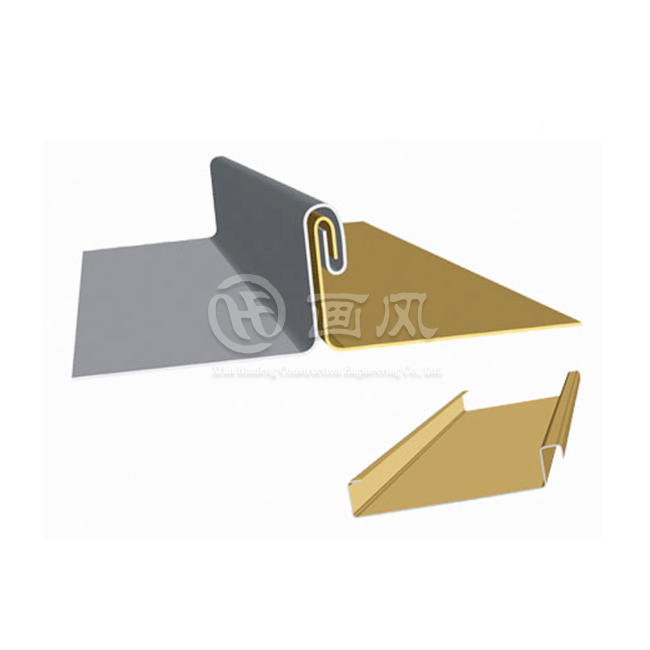
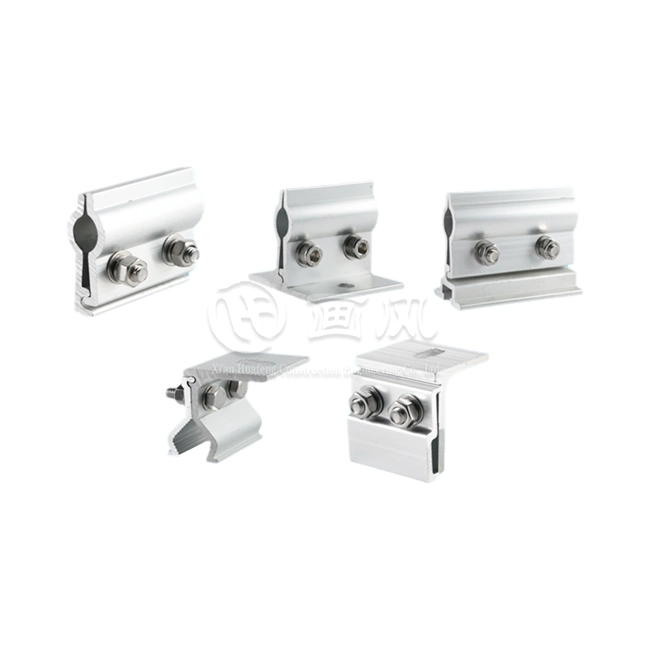
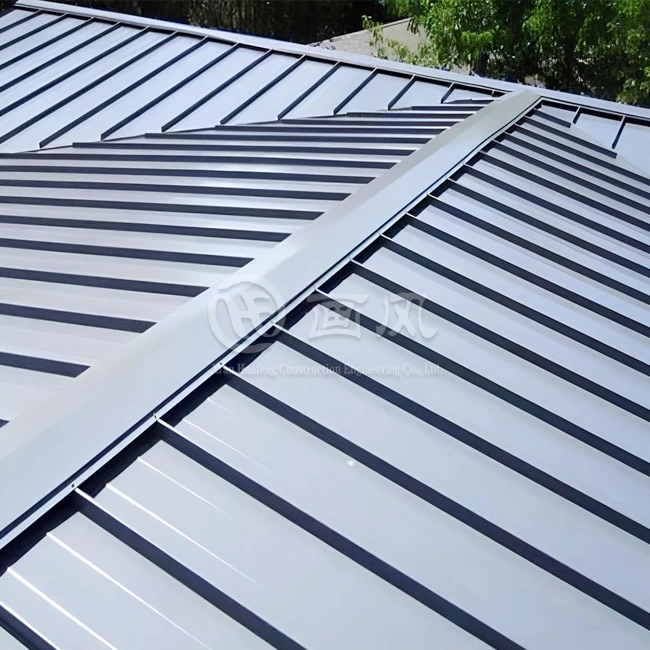
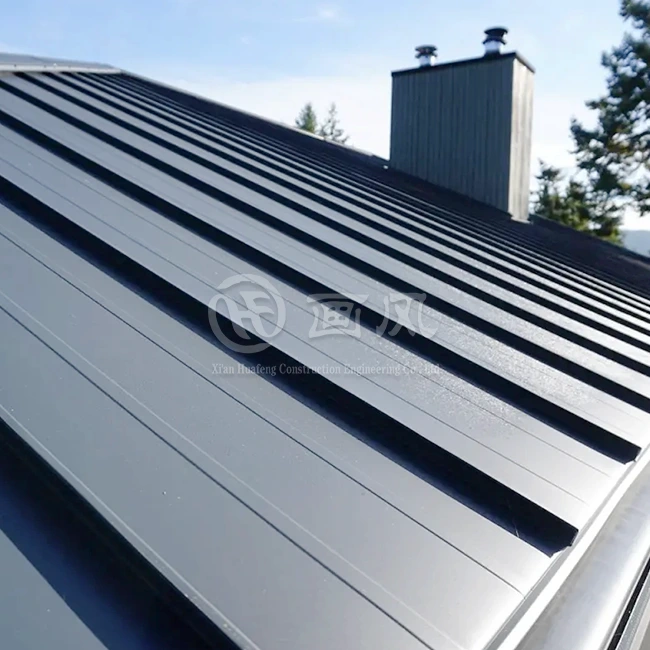
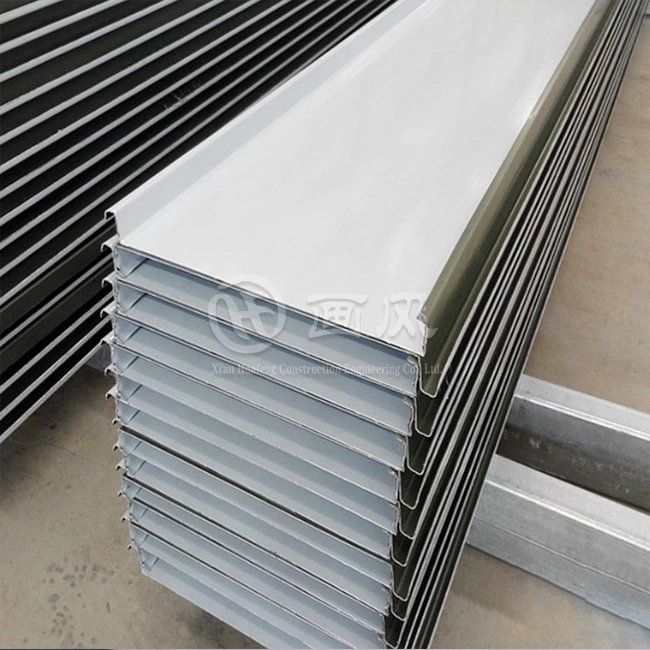
A male-female leg shape that connects through vertical pressure is used by Snaplok roofing. The female leg has a sealant bead that was put on by the factory, and the male leg snaps into place without the need for crimping tools. This simple way to connect HF's snap lock metal roofing panels is available in aluminum alloy, galvanized steel, and stainless steel, among other materials. The width of a panel is usually between 300 mm and 600 mm, and its length can be changed up to 12 meters, though for practical reasons, this is usually limited to smaller sizes that are easier to move. The method uses floating clips that are connected to the roof deck. This design lets the material expand and contract with the temperature without putting stress on the fasteners. This keeps the fasteners from oil canning and backing out over time.
Standing Seam Configuration and Installation
Standing seam roofing has raised vertical legs that are joined together with mechanical seaming, making a seam that runs the length of the panel and fits together perfectly. For this job, you'll need a portable seaming machine that can crimp the two panel legs that are next to each other together, creating either a single-lock or double-lock seam. The mechanical link makes a hydraulic seal that can handle roof slopes as low as 0.5:12, which is much lower than the 3:12 minimum that snap-together systems usually need. Panel profiles usually have seam heights of one to two inches. The raised shape helps keep water out and makes the structure more rigid. Installation needs specialized tools and trained workers, which have a direct effect on project costs and schedules.
Material Specifications and Coating Systems
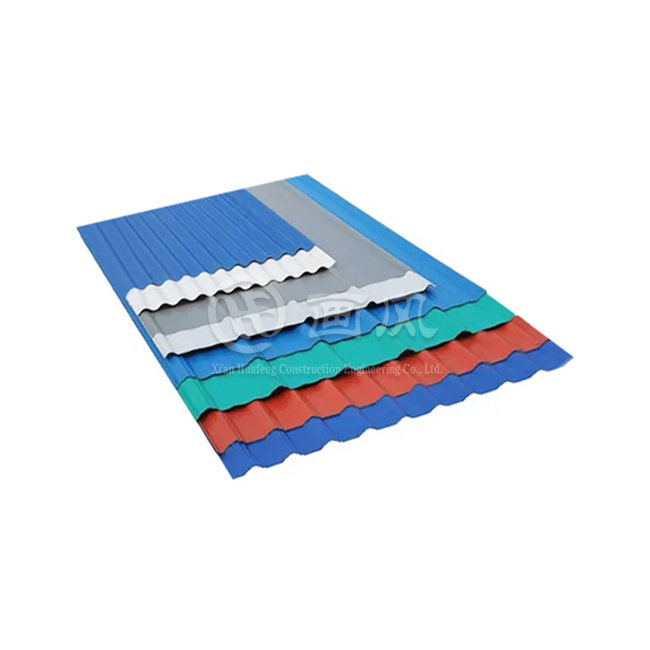
Both types of roofing use similar base materials, but the choice of coating has a big effect on how long they last and how well they work. When it comes to thickness, HF makes panels that are anywhere from 0.4mm to 1.2mm. For home and light business use, 0.5mm to 0.7mm is usually enough. In coastal areas, aluminum alloy substrates are better at resisting corrosion, while galvanized steel is a more cost-effective choice for installations in the middle of nowhere. PVDF fluorocarbon coatings that meet AAMA 2605 standards and come with 30-year warranties against chalking and fading are used to treat the surface. The coating systems made by HF have been certified by SGS. Tests showed that they performed exceptionally well in 13 areas, such as color accuracy, adhesion strength, and chemical protection. With seven specialized coating lines and more than 40 processing tools spread across three factories, the company can make sure that the standard is always the same.
Performance Comparison – Durability, Energy Efficiency, and Maintenance
To rate these systems, you have to look at how well they work on key business measures that have a direct effect on their long-term value and total cost of ownership. Real-world performance data gives procurement professionals the proof they need to back up their decisions about which materials to use.
Durability Under Environmental Stress
Standing seam systems usually work best in places with extreme weather, like places with a lot of snow, strong winds, or big changes in temperature. The raised curves and continuous mechanical seam make the structure more stiff, which makes them better at blocking wind-driven rain and ice dams. Even though Snaplok roofing is very long-lasting, it works best on roofs with a slope of 3:12 or more, where water drains naturally instead of being sealed by water pressure. The SGS combustion performance testing for HF's snap lock panels shows that they have zero flame spread and heat release indices, which backs up the 30-year service life warranty. In coastal areas with a lot of salt spray, aluminum substrate options last a very long time and are much more resistant to corrosion than painted steel options.
Energy Efficiency and Thermal Performance
When it comes to naturally reflecting sunlight, metal roofing systems are better than asphalt shingles or concrete tiles. By reflecting up to 70% of solar rays, high-reflectivity PVDF coatings can lower cooling loads. This is a big deal for managing energy in business buildings. Both snap lock and standing seam systems can be used with different types of insulation and ventilation plans, but they are installed in different ways. The floating clip system in snaplok roofing makes an air gap between the panels and the deck covering. This gap lets air flow through and keeps heat from moving. When strict thermal performance standards are met, standing seam installations can use continuous insulation boards or spray foam applications that offer better R-values. For business installations, energy saves usually pay for themselves in 7 to 12 years, so material economy is a very important thing to think about when buying things.
Maintenance Requirements and Lifecycle Costs
One big benefit of hidden fastener systems is that they require less upkeep than visible fastener roofs, which needs screws to be replaced and sealant to be reapplied every so often. With Snaplok roofing, only the flashing and gutter systems need to be checked every so often. The panel surfaces clean themselves when it rains. This is also true for standing seam systems, though more complicated seam configurations may need to be inspected by a professional after bad weather. HF panels meet Class A fire ratings and don't let mold grow, so you don't have to worry about the usual maintenance issues that come with organic roofing materials. Metal roofing is very light—about a tenth the weight of clay tiles—which lowers stress on the structure and makes the building last longer. Maintenance costs for snap lock systems are usually 40% lower than those for traditional roofing materials over a 30-year period of service. This is a big part of figuring out the total cost.
Installation Process and Cost Analysis
Labor is the most variable cost in roofing projects, so how quickly and easily the system is installed is one of the most important things to think about. Knowing how the workflow is different for snap lock and standing seam systems helps you make accurate budget and time estimates for projects.
SnapLok Installation Workflow and Speed Advantages
Floating clips are placed at engineered spacing intervals, usually 12 to 16 inches on center, based on the wind load needs. This is the first step in installing a snaplok roof. Slide the panels into the clips, and then use your hands or a rubber mallet to snap the panels together. You don't need any special tools or electrical equipment for this. Because they are so simple, they can be installed about 50% faster than systems that are sewn together manually. A two-person crew can usually install between 800 and 1,200 square feet per day, but this depends on how complicated the roof is and how deep the penetrations are. The standard panel sizes from HF are the same as the building modulus in North America. This means that there is less field cutting and waste. The quick installation directly helps small contractors and people who sell things online who are working on tight project schedules by letting them turn over inventory faster and reducing the amount of time workers are affected by weather delays.
Standing Seam Installation Complexity and Requirements
For standing seam construction, you need to be more organized. After the clips are put in place, the panels are put together and sewn together using either a manual or an electric machine that gradually crimps the legs that are next to each other along the length of the panel. To make sure this process works in bad weather, it needs people who are trained and know how to sew things together correctly. Installation rates are usually between 400 and 600 square feet per crew per day, and complicated roof shapes make things even slower. Seam machines are expensive—they cost between $1,500 and $8,000—which makes them harder for small contractors and do-it-yourself installers to use. Standing seam systems aren't as good for the small-batch, quick-turnaround model that's typical of online building material sales because of these reasons.
Comprehensive Cost Breakdown and Budget Planning
Panels, clips, and trim for snap-lok roofs usually cost between $3.50 and $6.00 per square foot, but this depends on the type of base and coating chosen. Because they are harder to make, standing seam materials usually cost between $4.50 and $8.00 per square foot. The difference in labor costs is even bigger: installing snap locks costs between $2.00 and $3.50 per square foot, while installing standing seam costs between $4.00 and $7.00 per square foot. When figuring out how much it costs to put everything, snaplok roofing usually saves between 25% and 35% compared to mechanically seamed options. The 500-square-meter minimum order number from HF works well for small contractor projects, and the 15–20-day shipping timeframe makes it easy to restock quickly, which is important for e-commerce businesses. Bulk pricing strategies and steady supply from HF's 1,000-ton monthly production capacity keep costs stable and protect profit margins from changes in prices.
Procurement and Supplier Guidance for B2B Clients
For roofing procurement to go well, you need more than just reasonable prices. The success of the project and customer happiness are directly affected by the reliability of the supply chain, the consistency of quality, and the availability of expert help. Strategic relationships with suppliers give DIY and small contractor businesses an edge in the market.
Supplier Selection Criteria and Verification
Certification standards give you a way to compare the quality of different snap lock metal roofing suppliers. HF is certified for both quality management (ISO9001) and environmental management (ISO14001), which shows that they have systematic process controls in place across all of their manufacturing operations. The company's SGS test approvals for RoHS compliance, AAMA 2605 coating standards, and combustion efficiency make sure that the product specs are correct. It's also important to check the production ability. Suppliers with various facilities and a wide range of equipment can keep deliveries steady when demand goes up. With three factories and seven coating lines, HF has the production flexibility to handle both standard and custom color orders without having to wait longer for supplies. Often ignored, how quickly and clearly suppliers communicate and write up technical information can have a big impact on how efficiently purchases are made and how well customers are helped after the sale.
Packaging, Shipping, and Inventory Management
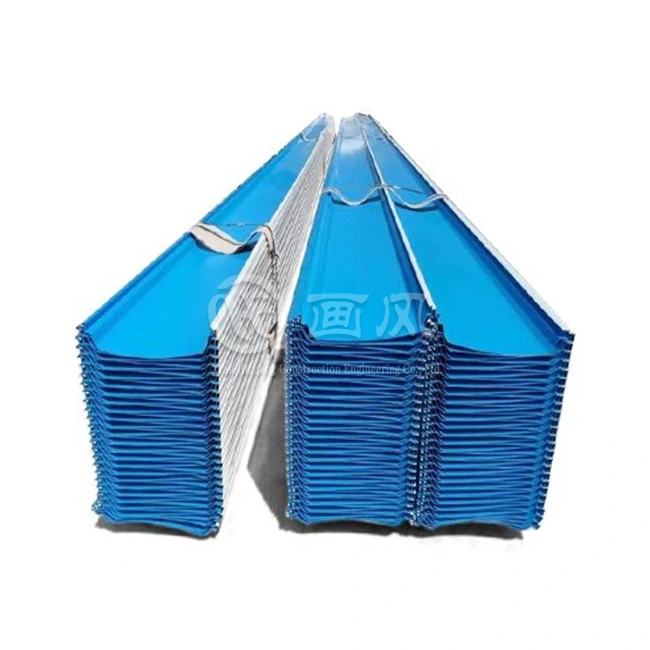
HF uses protective packaging with interleaving, edge protection, and moisture barriers to prevent damage during LTL, parcel, and international shipping. Its 15–20-day shipment window supports inventory planning, while flexible minimum orders help e-commerce sellers test colors and materials without excessive inventory risk or capital commitment.
Technical Support and Installation Resources
HF supports online building-material sellers with detailed installation guides, videos, and technical specifications, reducing installation mistakes, complaints, and returns. Expert advice also helps with non-standard roofing conditions, while these resources support homeowners and improve post-sale satisfaction, reviews, and repeat purchases.
SnapLok Roofing Advantages and Disadvantages vs Standing Seam
When you're honest about the pros and cons of each method, you can make choices that are best for your project and your business. Knowing these trade-offs can help you avoid making expensive mistakes with the specifications and making customers unhappy.
Key Advantages of SnapLok Systems
The main thing that makes snaplok roofing valuable is how easy and quick it is to install. The tool-free building process gets rid of the need to buy expensive tools, which makes the market more accessible to small builders and do-it-yourself installers, who are usually e-commerce sellers' main customers. Labor cost savings of 30% to 50% compared to standing seam directly increase the project's profits or make it possible to set prices that are competitive. Because it works with standard roof slopes (3:12 and higher), the system can be used for most household and light business projects. This includes the popular do-it-yourself projects like pergolas, carports, and porch coverings. HF offers a wide range of materials, including aluminum alloy for coastal uses, galvanized steel for cost-effective projects, and stainless steel for high-end installations. This lets customers meet a wide range of needs. The light panel design lowers the load on the structure, which makes snap lock systems perfect for replacement situations where the roof frame may not be able to handle much weight.
Limitations and Application Constraints
There are some limitations with Snaplok roofing that mean it can't be used in all situations. The 3:12 minimum slope rule doesn't apply to low-pitch business roofs, which are great for standing seam systems. Even though the snap-together link is very weatherproof, it doesn't have the same hydrostatic closing power as manually crimped seams, so it's not as good for places where it rains a lot. Esthetic preferences in design also come into play. For example, some building codes prefer the taller, more noticeable seam profile of standing seam systems. Access to and familiarity with standing seam varies by region, with some areas having a more well-known market for it. These things are important for online sellers to think about when choosing product focus and target marketing tactics.
Standing Seam Strengths and Tradeoffs
Standing seam roofing offers excellent durability, weather resistance, and structural integrity, especially in harsh climates and low-slope commercial or industrial applications. However, its specialized installation, tools, labor, and slower installation increase costs and project times, while limiting DIY appeal and suitability for small, fast-turnaround projects.
Conclusion
Ultimately, the choice between snap-lock roofing and standing seam relies on the needs of the job, the ease of installation, and the cost. snaplok roofing systems are the best value for small projects, do-it-yourself installations, and tasks that need to be done quickly and cheaply. When maximum weather protection, low-slope capability, and long-term durability are important, the higher construction costs are worth it. Snap lock metal roofing is usually the best choice for e-commerce sellers and small contractors who work with homeowners and light commercial customers because it performs well, is easy to install, and protects their profit margins. Knowing these differences helps you choose materials in a way that meets the wants of your customers and your business goals.
FAQ
1.Can I install snaplok roofing myself without professional help?
Yes, snap-lock metal roofing is made to be easy to install so that even skilled do-it-yourselfers can do it. Standing seam systems need special tools to be set up, but the tool-free panel engagement gets rid of that need. But the right clip spacing, lighting details, and safety rules are still very important. HF offers detailed installation guides and video resources that show you how to do the whole thing. To keep the weathertight structure, roof penetrations, valley features, and ridge cap installations need to be done with great care. Most people who do it themselves are able to finish small projects like carports and sheds. However, for bigger or more complicated roofs, it may be best to get help from a professional.
2.How does snaplok roofing perform in high wind areas?
When placed correctly, snap lock systems offer great wind resistance thanks to clip spacing that meets the needs of the local building code. The concealed fastener design gets rid of the main point where exposed fastener roofing fails: screws that come loose when the wind blows back and forth. HF's moving clip method lets panels move with temperature changes while still staying securely attached. Wind uplift ratings rely on the distance between clips, the gage of the panels, and the material of the base. Most systems meet ratings of 130 mph or more. HF's technical team can give you the right specs for your project based on where it is and what the building codes say. Coastal and hurricane-prone areas may need tighter clip spacing or heavier gage materials.
3.What is the expected lifespan of HF snap lock panels?
There is a 30-year warranty on HF snap lock metal roofing that covers the integrity of the panels and the performance of the coating. In non-coastal areas, aluminum substrates can last 50 years or more, which is longer than the warranty period. PVDF finishes that meet AAMA 2605 standards don't fade, chalk, or break down chemically for decades. The performance of the SGS-certified coating shows excellent adhesion and chemical resistance across 13 test parameters. Lifespan depends on the weather, how well it is maintained, and the type of material used, but metal roofing always lasts longer than asphalt shingles by two to three times and needs much less care.
Partner with HF for Premium Snap Lock Metal Roofing Supply
HF is a reliable company that makes snaplok roofing for small builders, e-commerce sellers, and wholesalers all over North America. Our network of three factories makes sure that the quality is always the same. They use high-tech finishing lines and precise making tools to make sure that every panel meets international standards like ASTM, DIN, and GB/T. We know the unique problems that cross-border online sellers face, like having to deal with competitive pricing, having to quickly restock, and needing technical support that makes customer service easier. Our 500-square-meter minimum order number allows for test marketing and yearly changes in demand, while our 1,000-ton monthly capacity guaranties a steady supply even during busy building seasons. You can pick from a huge selection of RAL colors, substrates made of aluminum alloy and galvanized steel, and coatings ranging from PE to PVDF fluorocarbon. Our shipping window of 15 to 20 days supports fast inventory management, which is important for keeping products available. Email our team at huafeng@hfmetalroof.com to talk about your unique needs and get technical specifications that are made to fit your market situation.
References
1. American Architectural Manufacturers Association. (2022). AAMA 2605-22: Voluntary Specification, Performance Requirements and Test Procedures for Superior Performing Organic Coatings on Aluminum Extrusions and Panels.
2. National Roofing Contractors Association. (2023). The NRCA Roofing Manual: Metal Panel and SPF Roof Systems—2023.
3. Metal Construction Association. (2021). Technical Bulletin: Metal Roof Design Guidelines for Hydrostatic versus Hydro-Kinetic Performance.
4. ASTM International. (2020). ASTM E1680-20: Standard Test Method for Rate of Air Leakage Through Exterior Metal Roof Panel Systems.
5. Building Research Establishment. (2019). Standing Seam Metal Roofing: Installation Standards and Performance Criteria for Commercial Applications.
6. Cool Roof Rating Council. (2022). Rated Products Directory: Solar Reflectance and Thermal Emittance Values for Metal Roofing Products.





YOU MAY LIKE