Where can I buy flat lock seam metal wall panels?
2026-08-21 18:32:46
Finding the right supplier for flat lock seam metal wall panels doesn't need to be complicated. You can purchase these specialized panels directly from manufacturers like Xi'an Huafeng Construction Engineering, wholesale distributors, specialized building material suppliers, and verified online platforms. Direct manufacturer sourcing typically offers the best combination of customization flexibility, competitive pricing, and quality assurance—particularly important for large commercial or industrial projects. Understanding your project requirements and evaluating supplier credentials forms the foundation of successful procurement.

Understanding Flat Lock Seam Metal Wall Panels
What Makes Flat Lock Panels Unique
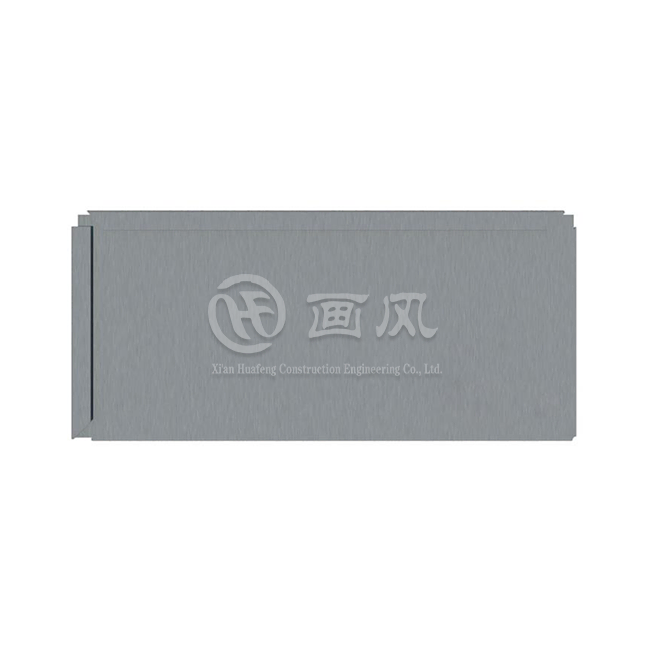
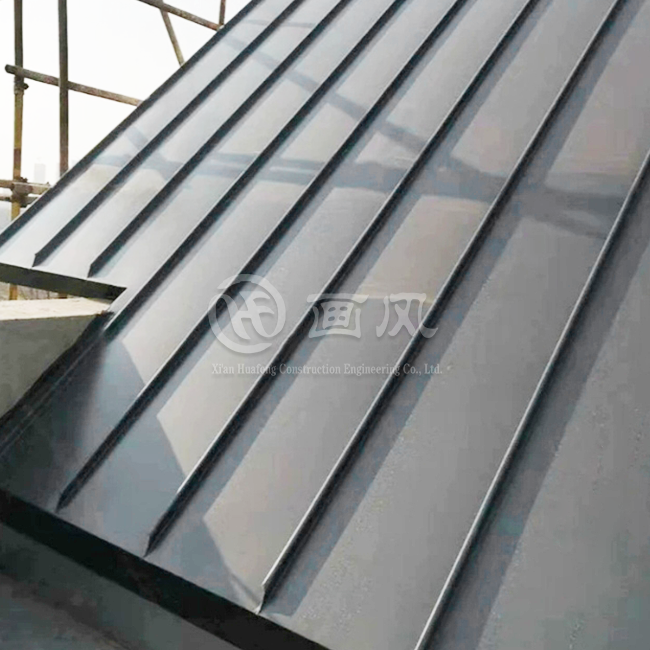
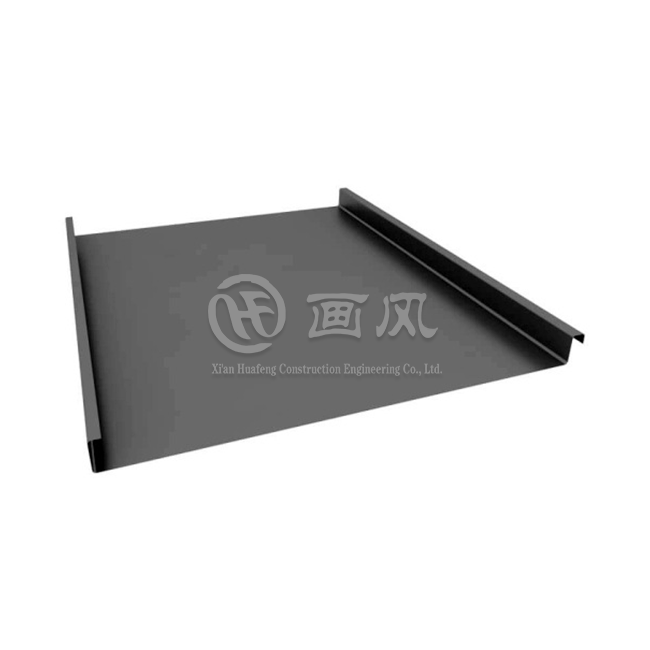
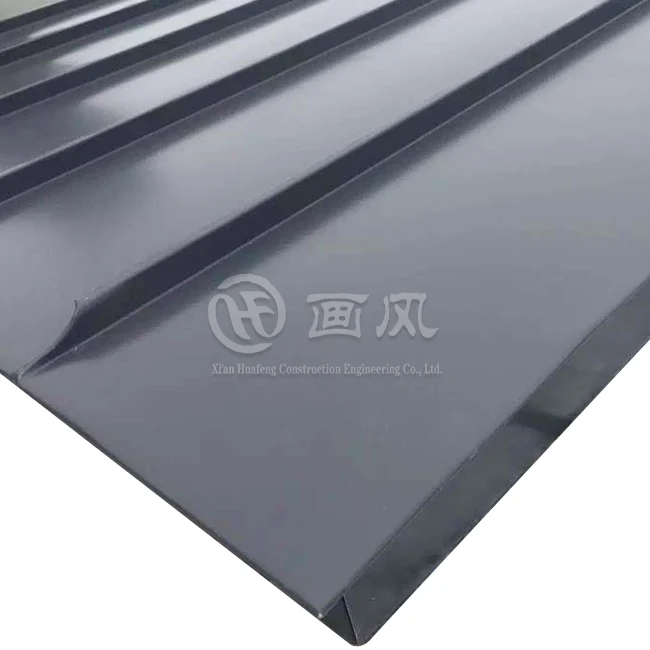
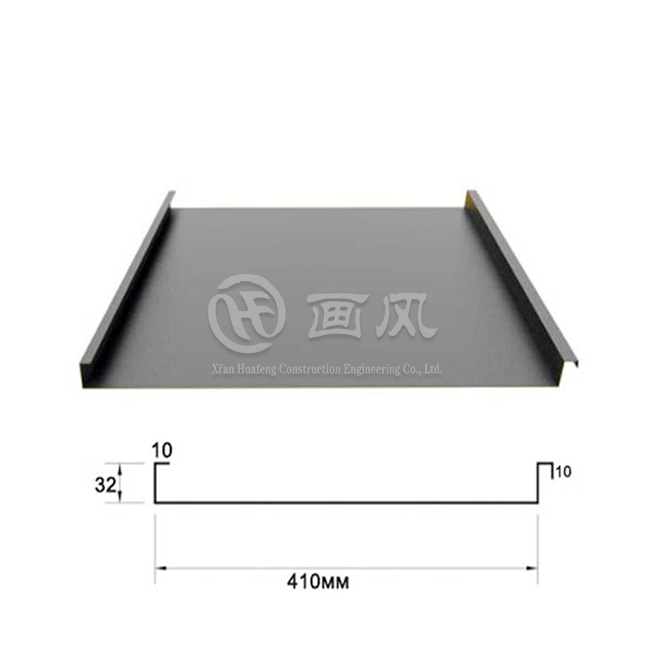
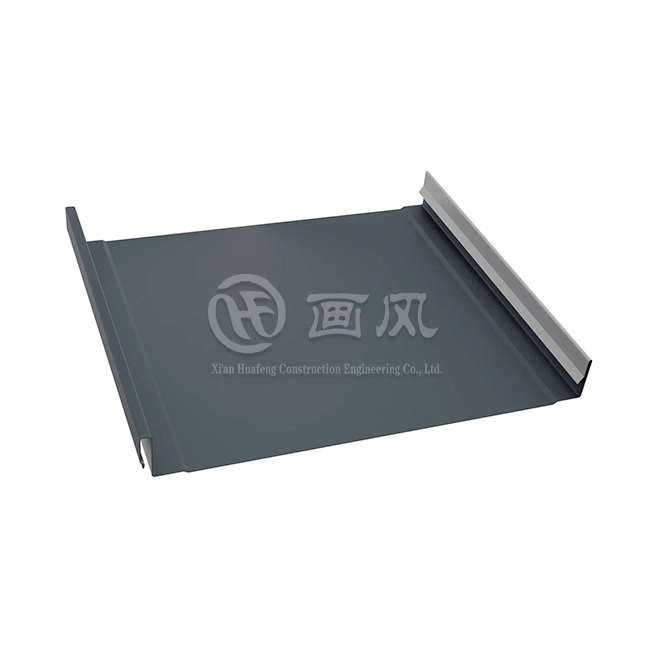
Flat lock seam metal wall panels are a smart way to cover the outside of buildings because they look good and keep the building strong. These panels have a unique interlocking seam design, which means that the edges of each panel fold over and mechanically connect to the edges of the panels next to it. This makes the surface look like a single piece with no obvious fixings from the outside. This provides better weather protection and a smoother look. Unlike some permanently sealed options, this method lets you change individual panels if needed.
The way it is installed is very different from how open bolt systems are installed. Hidden clips connect to the building's base and hold up the panels while keeping the outside clean. This method gets rid of thermal bridging caused by fastener penetrations and lowers the number of places where water could get in. Contractors familiar with precision metalwork admire how the system handles building movement without losing weather-tightness.
Key Performance Benefits That Matter
Modern construction demands materials that deliver beyond basic coverage. The inherent features of these flat lock seam metal wall panels handle multiple performance factors concurrently. Weather protection is very important. The interlocking seam design makes overlapping shields against wind-driven rain, which is especially helpful near the coast or in places where storms are common. Testing has shown that these systems can withstand hurricane-force winds if they are installed correctly and according to the engineer's instructions.
Another important thing to think about is fire safety. Metal panels made from aluminum, stainless steel, or titanium zinc offer non-combustible properties that add to better building fire ratings. According to ASTM guidelines, independent testing shows that these materials meet Class A fire ratings, which is the best level possible. This is especially important for business high-rise buildings that have to meet strict fire code standards for the materials used on the outside.
People who aren't familiar with metal cladding systems are often surprised by how well they keep heat in. When added to ventilated rainscreen assemblies, these panels make it easier for air to flow behind the cladding layer. This movement helps get rid of heat buildup in the summer and lowers the risk of condensation in the winter. This protects the insulation and makes the building more energy efficient overall. Several projects that are trying to get LEED certification have used these thermal advantages to get credits for energy efficiency.
Material Options and Sustainability
Material selection affects project cost and long-term performance. Even without coatings, aluminium is the most preferred option because to its strength-to-weight ratio and corrosion resistance. Panel shaping works well with grades 3003 and 5052. Even though it costs more, stainless steel is the most durable material for acidic environments. Builders prefer copper's shifting colour because it gives structures a distinctive appearance.
Environmentally conscious initiatives are using titanium zinc more. Natural weathering may repair tiny scratches on this material. All of these metals may be recycled, reducing landfill waste. Its production uses less embodied energy than many other covering materials, reducing its environmental effect during its lifetime. HF's flat lock seam metal wall panels fulfill EU RoHS regulations, therefore they don't contain dangerous ingredients during manufacture or usage.
Where to Buy Flat Lock Seam Metal Wall Panels: Supplier Landscape
Direct Manufacturer Benefits
Buying directly from manufactures provides advantages over intermediaries. Customization is the largest benefit—you collaborate with production teams to determine the right sizes, forms, and materials for your structure. To reduce field cutting and installation, certain manufacturers, like HF, can create bespoke panel widths between 300 and 600 mm. For flat lock seam metal wall panels, thicknesses from 0.4mm to 1.0mm may meet structural and aesthetic demands.
Prices are clearer when dealing directly with producers. When manufacturers quote, they utilize the genuine pricing of goods and labor, not the markups that wholesalers impose on. Volume costs may be negotiated for larger projects, particularly if the order size exceeds 500 square meters, the custom specifications minimum. Delivery predictions are directly based on production schedules rather than distributor store availability, improving lead time visibility.
Quality control is another benefit of direct manufacturer relationships. You may request pre-production samples, coating requirements, and plant inspections before placing complete orders. Manufacturers with good quality systems maintain ISO 9001 and ISO 14001 certificates, demonstrating their organization and environmental responsibility. SGS fire performance, coating durability, and environmental compliance testing verify product claims.
Regional Manufacturing Hubs
North American buyers gain from the fact that flat lock seam metal wall panels can be made in their own countries, which cuts down on shipping costs and wait times. There are a number of well-known manufacturers in the United States, but during busy building seasons, lead times can be longer than usual due to limited capacity. Chinese companies have put a lot of money into production technology and now have factories with many production lines that can make a lot of goods every month. HF runs three plants with more than 40 specialized tools and seven dedicated production lines, which can produce more than 1,000 tons of goods every month.
Most of Europe's producers are in Germany and Italy, which have long histories of using metal in architecture. These companies are great at giving high-end finishes, and they often use their own coating methods that come with longer guarantees. The closeness of where you get your materials is important. For example, most titanium zinc is made in Europe, while aluminum is smelted all over the world. Knowing about these supply lines helps you guess how changes in material availability or trade concerns caused by geopolitics might affect delivery.
Logistics and Import Considerations
International procurement is more complicated than local purchase. Shipping costs depend a lot on how much you order, with full container loads having the best per-unit costs. A standard 40-foot container can hold a lot of square meters of flat lock seam metal wall panels, which makes combined shipping a cheap option for big jobs. Ocean freight times from Asian factories to the U.S. usually take three to five weeks. West Coast ports, with more transportation on the way to final destinations in the interior.
Customs processes need correct paperwork and classification of goods. Certain HS codes determine the taxes and tariffs that apply to metal building panels. Working with experienced freight forwarders who know how to handle construction materials speeds up the clearance process and keeps you from having to wait for expensive delays. Some manufacturers keep stock goods in warehouses in the U.S., which speeds up shipping for standard orders but means that custom orders still have to wait for production to start abroad.
Comparing Flat Lock Seam Panels: Making the Right Purchase Decision
Panel System Comparisons
Knowing how flat lock seam metal wall panels stack up against other options can help you figure out when this answer works best. Standing seam systems have vertical plates with hidden fixings that make strong, straight lines. They work great for sloping surfaces and simple, rectangular fronts. When it comes to design, flat lock panels are more flexible than standing seam systems because they can easily fit into complex shapes like curves, angles, and mixed geometric patterns.
While conventional lap siding is cheaper, it doesn't have the same high-end look or weather resistance as interlocking systems. Fasteners that are left out in the open can cause leaks and block the view. Architectural composite panels can look different, but they usually come with their own installation systems that make them hard for contractors to learn and could cause problems with maintenance. Flat lock panels are a good compromise between having a unique look, working well, and being easy for qualified metal roofing contractors to install.
Material Cost Analysis
Metal panel systems start with aluminum panels that have normal polyester finishes. Premium PVDF fluorocarbon finishes are more expensive, but they protect colors better and don't chalk, which is especially important for dark colors that are exposed to a lot of UV light. When tested to AAMA 2605-22 standards, HF's flat lock seam metal wall panels got perfect scores in all 13 performance categories, such as chemical resistance, weathering, and coating adhesion. This proves that the extra investment is worth it in the long run.
Prices for stainless steel are about two to three times higher than prices for similar aluminum specifications. This is only done in situations where the extreme corrosion resistance is worth it. Copper costs a lot at first, but it doesn't need any covering upkeep and develops a natural patina that many builders like. Titanium zinc is cheaper than both aluminum and stainless steel, and it can heal itself and change its look in unique ways. You should choose materials based on their expected service life, how often they need to be maintained, and how often they need to be coated.
Customization Capabilities
For projects to be successful, the flat lock seam metal wall panels must meet the design purpose. In addition to standard rectangles, you can choose from rhombus, trapezoid, and hexagon shapes, which allow for unique patterns and visual interest. Color selection through RAL standard systems ensures exact matching to overall building palettes. Manufacturers like HF can also accommodate custom colors that aren't available in standard shades when project amounts warrant dedicated production runs.
The choice of coating affects both how it looks and how well it works. PVDF fluorocarbon finishes offer the best UV protection and color stability, and they are guaranteed not to chalk or fade for 30 years. Anodized finishes on metal add color through electrochemical processes instead of coats that are applied. They look different and need different ways to be maintained. Different surface textures, such as smooth to lightly embossed, add to the variety of the final look. For signature projects, some manufacturers even offer custom texture development.
Procurement Process: How to Buy Flat Lock Seam Metal Wall Panels
Pricing Structure and Cost Factors
Prices for flat lock seam metal wall panels are based on estimates done per square foot or per square meter, with big differences affecting end costs. As we've already talked about, the main thing that affects costs is the choice of materials. The more complicated the panel, the more it costs to make. Simple rectangles are cheaper to make than unique forms that need special tools. Finish type affects price; premium coatings have higher material costs that are balanced by longer service life and less maintenance.
Once the number of items needed for a project reaches a certain level, volume discounts are applied. Orders that are at least 500 square meters usually get better prices because makers can make the best use of materials and schedule production. Some suppliers have pricing that is based on volume, with bigger discounts for bigger orders. Costs are also affected by how long a project takes. For example, rush orders that need to be made or delivered quickly by air freight cost more than normal wait times with cheaper ocean shipping.
Lead Times and Delivery Planning
The manufacturer's workload and order complexity determine production timelines. HF's renowned manufacturing techniques allow standard flat lock seam metal wall panels with popular colours and stock materials to ship within 15 to 21 days after order confirmation. Custom colours with particular coating formulations need more time for batch manufacture and drying. Making tools for complicated forms that need specialist tooling may delay panel production.
Shipping items internationally takes longer than normal. Ocean freight from Asian manufacturers to U.S. destinations takes 4–6 weeks, plus time for customs and land travel. Domestic suppliers don't have to meet these lengthier dates, but their rates may be higher to include North American labour and expenses. Consider these deadlines while planning a project. Orders should be made well before installation dates, with sufficient time for delays.
Installation and Support Services
Professional installation ensures proper system operation. Professional metal roofers can install flat lock seam metal wall panels, but some manufacturers provide installation services or networks of licensed installers. This is particularly useful for complex projects that need precise execution for system performance. Installation training programs teach contractor teams about each system's demands, clip spacing, and seam engagement, preventing future issues.
Good vendors stand out with after-sales support. Technical support during installation prevents delays and faulty installations by solving field issues swiftly. Warranty programs protect against material and manufacturing faults. Leading manufacturers give 30-year guarantees on material purity and coating performance. Responding immediately to client concerns advances initiatives and fosters long-term connections.
Ensuring Value and Reducing Risk in Your Purchase
Common Procurement Pitfalls
Buyers without much expertise typically encounter the same issues when buying flat lock seam metal wall panels. Unknown specs are the major issue. Unclear designs or missing details lead panels to not fit. Procurement teams should include panel sizes, covering type and colour, and particular production demands. Before manufacturing begins, thorough shop plans are reviewed to minimize costly installation errors.
Another major danger is unreliable vendors. Low-cost enterprises may use inferior materials, thin coatings, or tiny manufacturing tolerances. Flat lock seam metal wall panels with incorrect dimensions or paint problems delay projects and increase replacement costs. Checking suppliers' references, visiting their facilities, and reviewing their quality certificates may considerably lessen these risks.
Verification Methods
Requesting samples lets you test the product before buying. Physical examples illustrate how the coating appears, how nicely the flat lock seam metal wall panels are completed, and how exactly they were constructed. Performance promises must be supported by real-world testing, particularly under harsh conditions. An independent lab verifies samples' compliance with a neutral third party for certain projects.
Certifications and test results demonstrate industry compliance. Ask for copies of ASTM E84 fire safety, AAMA coating performance, and environmental compliance certificates. HF provides SGS-certified test results showing its aluminium panels have a 0% flame spread index, fulfill EU RoHS hazardous chemical limitations, and meet all 13 AAMA 2605-22 premium coating test standards. Quality paperwork like this demonstrates dedication.
Factory Inspections
The most reliable way to be sure is to have a factory inspection, but many flat lock seam metal wall panels projects can't be done because of logistics. When the size of the project warrants it, visits to the building show how production works, how quality control is handled, and how professionally the operations are run. Seeing the real working conditions, quality of the tools, and skill levels of the workers gives you information that written words alone can't fully convey. Videoconferencing-based virtual walks of factories are a good alternative to visits when they are not possible.
Conclusion
To buy flat lock seam metal wall panels successfully, you need to know about both the product and the supplier's skills. When bought from a reliable maker, these high-tech cladding systems offer great durability, design freedom, and long-term value. Direct relationships with manufacturers offer the best customization, clear pricing, and quality assurance through testing and certifications that can be proven. Choosing materials that meet the needs of the project, writing detailed specifications, and carefully checking out suppliers all lower the risks of buying. Planning for the right lead times and logistics makes sure that panels arrive on time so that installation goes smoothly. When you buy quality panels from reputable sources, they last for decades without needing any repairs and look great for a long time.
FAQ
1. Can I Order Custom-Sized Flat Lock Panels for My Project?
Of course. Reliable producers can create custom sizes. Flat lock seam metal wall panels are 300-600mm wide, with bespoke widths available to reduce waste and field cutting. Maximum length depends on manufacturing and transportation tools, but it's normally 3 meters. Custom shapes like rhombus, trapezoid, and hexagonal allow for distinctive design patterns. Custom orders start at 500 square meters or 3 tons. It is better for big commercial projects than tiny homes.
2. How Do These Panels Compare to Vinyl Siding for Energy Efficiency?
Insulation is better with flat lock seam metal wall panels in ventilated rainscreen systems than vinyl flooring. The air gap beneath metal panels lets heat escape by convection in summer and keeps moisture out year-round, protecting insulation. Vinyl siding on sheathing doesn't improve ventilation. Vinyl warps or breaks down with time, reducing energy efficiency, whereas metal remains thermally efficient. Metal plates also tighten building external elements around apertures. This prevents air leaks, a substantial energy waste in many structures.
3. What Lead Times Should I Expect for Bulk Orders?
Companies like HF have manufacturing processes that supply standard specs utilizing stock materials within 15 to 21 days of order confirmation. Custom colours requiring specialized coating takes 2–3 weeks. Ocean freight takes 4–6 weeks longer than land freight to reach U.S. destinations. Domestic vendors deliver quicker but cost more. Rush orders may be prioritized for additional expenses. Project planning should submit orders 8-12 weeks before installation to allow for manufacturing, shipping, and delays.
Partner with HF for Premium Flat Lock Seam Metal Wall Panels
Trust HF to give you the best flat lock seam metal wall panels. Securing a dependable flat lock seam metal wall panels provider changes complex business projects from risk-laden ventures into streamlined wins. HF (Xi'an Huafeng Construction Engineering) combines three manufacturing facilities, seven production lines, and more than 40 specialized machines to deliver 1,000 tons monthly—ensuring your project timeline stays on track. Our panels carry SGS certification for fire safety, environmental compliance, and AAMA 2605-22 coating standards, backed by comprehensive 30-year warranties. Different architectural ideas can be realized with materials like aluminum, stainless steel, copper, and titanium zinc. Custom shapes, widths, and RAL color matching make sure that the design is carried out perfectly. Delivery within 15-21 days and 500㎡ minimum orders make HF accessible for substantial commercial applications. Contact huafeng@hfmetalroof.com today for full specs, project samples, and cheap quotes showing why smart builders choose HF as their flat lock seam metal wall panels maker.
References
1. American Architectural Manufacturers Association. "AAMA 2605-22: Voluntary Specification, Performance Requirements and Test Procedures for Superior Performing Organic Coatings on Aluminum Extrusions and Panels." 2022 Edition.
2. Lstiburek, Joseph. "Understanding Rainscreen Wall Systems." Building Science Corporation Technical Report, 2018.
3. National Fire Protection Association. "NFPA 285: Standard Fire Test Method for Evaluation of Fire Propagation Characteristics of Exterior Wall Assemblies Containing Combustible Components." 2019 Edition.
4. Patterson, Michael R. "Metal Architecture: Design and Construction Manual for Metal Wall and Roof Systems." Whole Building Design Guide, National Institute of Building Sciences, 2021.
5. U.S. Green Building Council. "LEED v4.1 Building Design and Construction: Materials and Resources Credit Categories." USGBC Publications, 2020.
6. Vigener, Nik and Mary Ann Brown. "Building Envelope Design Guide – Metal Wall Panels." National Institute of Building Sciences, Whole Building Design Guide, 2019.





YOU MAY LIKE
_1783936484206.webp "Inside locking metal aluminum cladding panel")