What Is a Double Lok Standing Seam Roof Panel?
2026-08-21 18:32:45
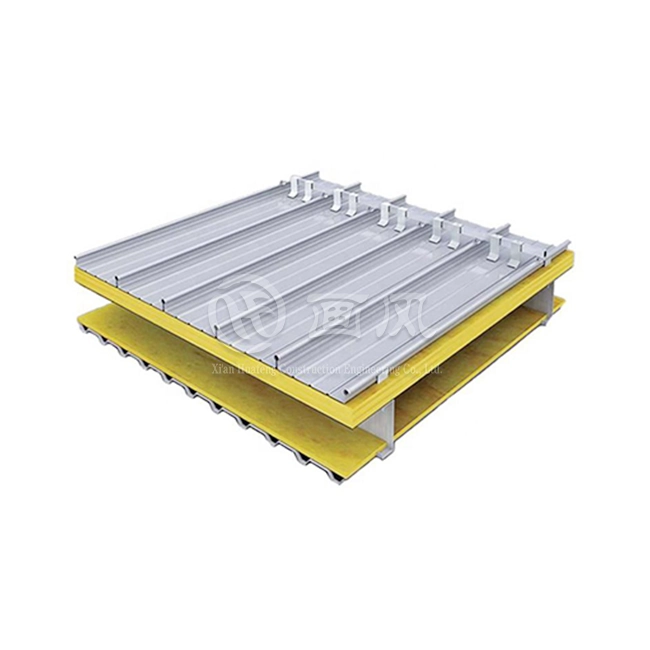
When I walk onto a construction site and look up at a metal roof with clean, raised seams running vertically from ridge to eave, I'm often seeing a standing seam system in action. Among these systems, the double lok standing seam roof panel stands out as a premium choice for distributors and contractors serving markets where weather resistance isn't negotiable—it's survival. This roofing solution employs a 360-degree mechanical interlock, creating a watertight barrier that outperforms snap-lock and single-lock alternatives. The panels bridge directly over structural purlins, eliminating the need for solid decking in many applications, which translates to cost savings without compromising structural integrity. With rising demand for roofing that withstands hurricane-force winds and meets stringent building codes like Florida's HVHZ requirements, understanding this panel type has become essential for procurement professionals.

Understanding the Double Lok Standing Seam Roof Panel System
What Makes the Double Lok Design Unique
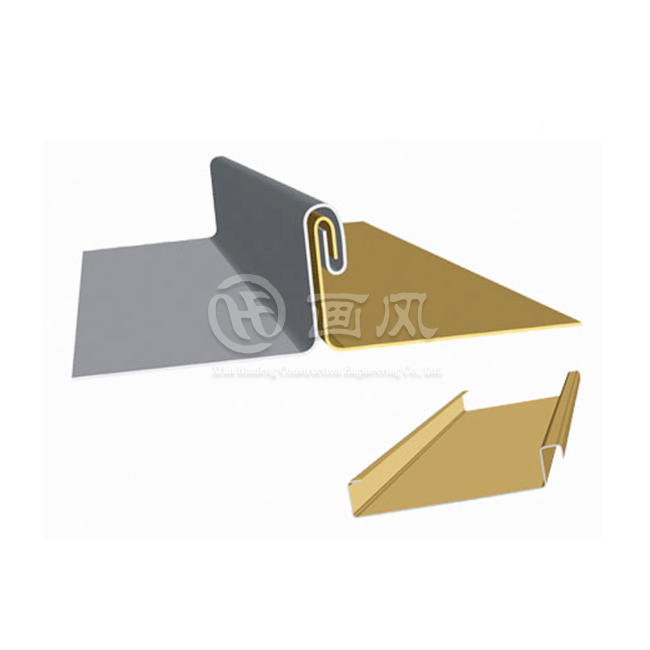
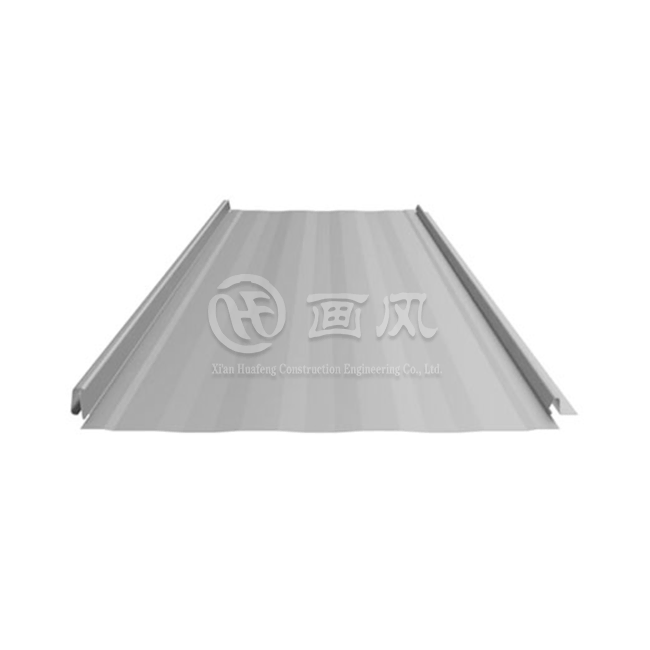
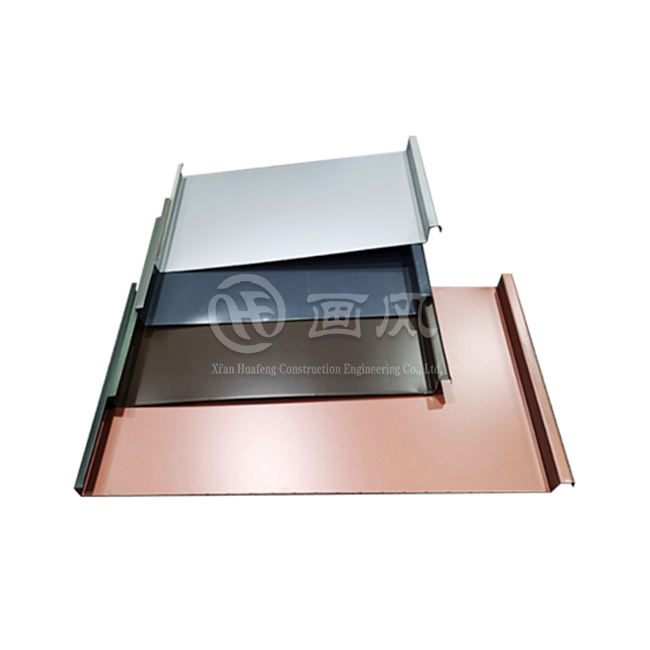
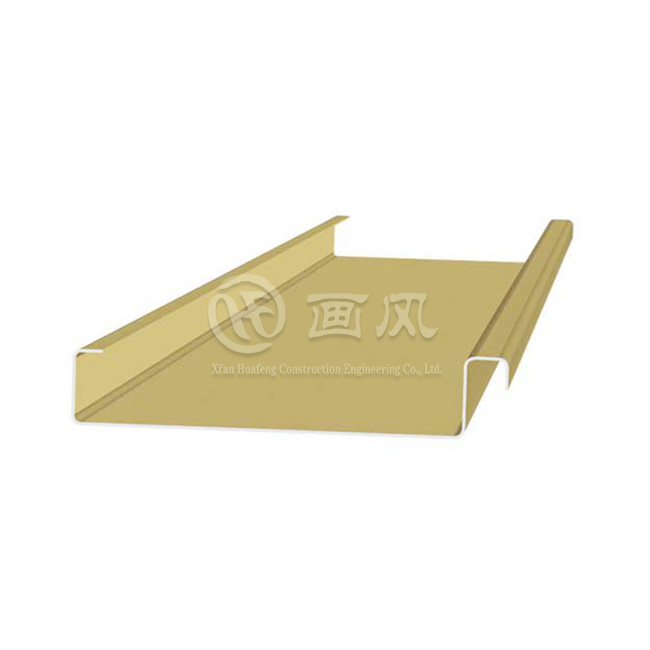
A double lok standing seam roof panel has a triangular leg shape that is folded in half around 360 degrees by an electric seaming machine during installation. This Pittsburgh-style seam makes a solid surface where panels fit together so tightly that the system can withstand atmospheric pressure. This means that it stays waterproof even when water is standing on it. Based on the needs of the project, the raised seam height is usually between 25 mm and 65 mm, or 1 inch to 2.55 inches, and the total width is between 12 and 24 inches. Mechanical crimping makes sure that each seam stays under constant pressure along its entire length, unlike friction-based snap-lock systems. This is especially important in low-slope situations where water moves slowly and can take advantage of any weak spots in the seam connection.
Core Materials and Their Performance Characteristics
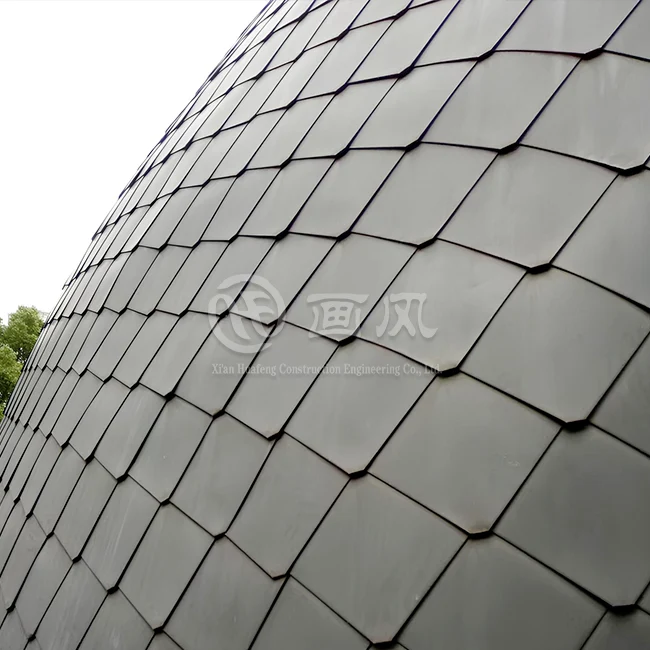
The choice of material has a direct effect on how well these panels work over many years of use. HF makes panels from copper, titanium-zinc, aluminum alloy, coated steel, stainless steel, and stainless steel. The panels can be 0.5mm to 1.2mm thick. Aluminum doesn't rust and is easy to work with because it's light. This is very important for retrofit projects where the old structures can't hold heavy loads. The aluminum-zinc coating on galvalume steel makes it better at resisting rust in coastal areas where salt spray speeds up the rusting process. The type of coating doesn't matter; PVDF (polyvinylidene fluoride) finishes last longer and don't chalk or fade as easily as polyester coats. They can keep their color for 30 years or more. Polyester (PE) coats work well in mild areas and when money is tight. The panels made by HF are compatible with North American standards, which are checked by buying managers during the approval process. The panels meet ASTM, DIN, JIS, BS, and GB/T standards.
The Floating Clip System Explained
Metal roofs has a hard time with thermal growth. When temperatures change from cold in the winter to hot in the summer, a 100-foot panel can grow by more than an inch. This problem is solved by the floating clip system, which has two-piece standoff clips that connect to purlins and let panels move along their length. The panel sits on a clip tab that can move back and forth within a set range. This keeps the fasteners from wearing out and the metal surface from getting oil-canning, which can be seen as waves. This movement allowance keeps the coating weathertight throughout the changing seasons and keeps it safe from stress cracks. For proper support without limiting thermal movement, installation needs exact placement of clips at manufacturer-specified intervals, which are usually 12 to 24 inches on center.
Key Benefits and Performance Features
Superior Wind Uplift Resistance
In parts of the Southeast and Gulf Coast that are prone to hurricanes, wind uplift ratings show whether a roof will stay on during a storm. The mechanical fold spreads uplift forces along the whole length of the seam instead of concentrating stress at individual fastener points. This makes the 360-degree seam interlock very resistant. UL 580 and FM Global 4471 tests show that double-lok systems that are placed correctly can withstand Class 90 winds, which means they can be used in storm zones with high winds. In Panama City, buildings with automatically seamed roofs took a lot less damage from Hurricane Michael in 2018 than buildings with open fastener systems. The vertical orientation of the seam keeps wind and debris away from weak connection points.
Waterproofing That Exceeds Building Code Minimums
The automatic seam and hot-melt sealant that was applied at the factory in the female leg work together to make a barrier that works on slopes as low as 1/4:12, which is much lower than the 3:12 minimum needed for many common roofing materials. This feature lets you make designs for low-slope commercial buildings that need to look clean because of architectural standards. Water tests show that these panels stay strong even when submerged in water, which means they can be used in buildings in places that are likely to flood. The hidden fastener design gets rid of thousands of possible leaky spots that happen with screw-down metal roofs because the rubber washers wear out over time from UV light and changing temperatures.
Lifespan and Maintenance Economics
HF backs their panels with a 30-year guarantee, which shows that the system is built to last when it is put correctly. Fire, rot, and insect damage can't happen to the metal substrate, but they can happen to asphalt shingles and wood shakes. The only maintenance that needs to be done is checking in on a regular basis to make sure that debris hasn't built up in the valleys and replacing panels every so often if they get damaged. Unlike organic roofing materials that keep breaking down, metal panels keep their defensive qualities until the coating fails, which will happen at a predictable rate depending on the finish system chosen. Because re-roofing costs aren't taken into account, the total cost of ownership over 30 years often favors metal, even though it costs more at first.
Comparison with Other Metal Roofing Solutions
Double Lok Versus Snap Lock Panels
Snap lock panels have a tab-and-groove link that lets them snap together during installation, so you don't need any special tools for sewing. Installing goes faster, which cuts down on work costs, which is good for jobs that need to be done quickly. But the snap connection relies on tension instead of mechanical folding, which means it is less secure when there is a lot of uplift. For most snap lock profiles, the slope limits get tighter and must be at least 3:12. Often, the choice between methods comes down to how exposed the building is and what the local building codes say. Distributors who work with contractors in the Midwest and Southeast hurricane belt say that double lok standing seam roof panel systems have higher profit margins because contractors need them to meet the requirements of the Miami-Dade and Texas Departments of Insurance.
Standing Seam Versus Traditional Roofing Materials
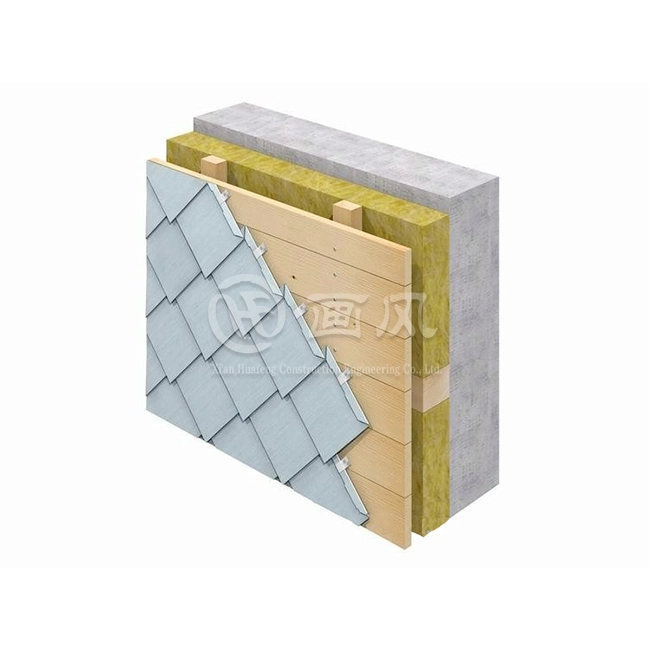
Asphalt shingles are the most common type of roofing material for homes because they are cheap and easy for installers to work with. Because they only last 15 to 25 years and can be damaged by wind, they need to be replaced every so often. Metal shingles try to fill the gap by combining the durability of metal with a traditional look. However, they are still hard to install and have exposed fasteners that shorten their lifespan. The structural strength of the double lok system lets it span 5 feet between purlins in many situations. This gets rid of the need for solid decks, which makes shingle installs more expensive and difficult. Energy performance also varies greatly. For example, metal roofs with reflective coats lower cooling loads by 10% to 25%, which can lead to utility refunds and LEED points that make the project more cost-effective.
Installation Complexity and Cost Considerations
For double-lok installation, you need an electric seaming machine, a panel cart, and special training for the installers. This makes it hard for new contractors to join, which saves experienced contractors from competition but also limits the number of installers who can work in some areas. The cost of materials is between $3 and $7 per square foot, depending on the metal type, coating, and gage. This is about twice as much as premium architectural shingles. The cost of installation goes up by another $2 to $5 per square foot. It could cost between $100,000 and $240,000 to put a roof over 20,000 square feet of business space. When figuring out the return on investment, you need to take into account things like longer life, less upkeep, lower energy costs, and higher property values. According to procurement managers, life-cycle cost analysis always shows that metal is the best choice for commercial buildings that will be owned for 20 years or more.
Procurement and Installation Essentials
Sourcing Strategies for Distributors
Distributors who work with the North American market have to find a way to balance the costs of keeping goods with the needs of customers who want things to be done quickly. The 500-square-meter minimum order amount from HF works well with the economics of shipping containers. A 20-foot container can hold about 10 tons of material, which is enough for a medium-sized commercial job. The 15–20-day production cycle from order to shipment makes it possible to plan around project schedules without having to store too much. As part of the customization choices, HF can match RAL colors to meet branding needs, and with a monthly production capacity of 1,000 tons, they can handle both one-time orders and long-term supply deals. Panel compatibility is very important; making sure that leg sizes and clip systems work with current seaming tools keeps changes that need to be made in the field from being too expensive. Because HF follows ASTM guidelines, it can be used with McElroy, Berridge, and other big North American seaming machines.
Installation Best Practices
Checking the conditions of the substrate is the first step in a proper installation. To keep a double lok standing seam roof panel from warping, the purlins must line up within a range, which is usually 1/8 inch over 20 feet. The distance between clips is calculated by engineers using wind zone and panel span as inputs. The distance between clips is closer near eaves and rakes, where uplift forces are strongest. When handling panels, you need to be careful not to damage the coating. Scratches leave bare metal that rusts over time. For the seaming process to work properly, the electric seamer needs to be able to maintain a steady speed and pressure. When seams aren't finished, they leave weak spots where panels can separate when they're stressed. Before they finish the roof, installers test the quality of the seams by trying to pry panels apart in test areas. During the final check, it should be made sure that all penetrations (vents, HVAC curbs, and skylights) use suitable flashing to keep the roof's weather shield in place.
Certification and Compliance Requirements
In places with a lot of wind, building departments need proof that a product is approved before they will issue permits. Through its Notice of Acceptance (NOA) program, Miami-Dade County has very strict standards. All roof assemblies must be tested in full under conditions that are similar to those of a hurricane. In FM Global's approval process, controlled tests are used to measure wind lifting resistance. Ratings are then given, which insurance companies use to decide what types of coverage to offer. Static pressure is used in UL 580 testing to measure wind resistance. Distributors who keep their certification paperwork up to date and can provide material test certificates (MTCs) that show the traceability of steel coils have an advantage when contractors put together bid packages. HF's adherence to international standards makes the paperwork process easier, but getting certified in North America is still a long and expensive process that works best with partners who have done it before.
Real-World Applications and Performance Data
Industrial and Commercial Installations
A big market for double-lok systems is the building of large warehouses. The panel's ability to span structures saves money on purlins and makes frame easier for pre-engineered metal buildings that are 50,000 to 500,000 square feet in size. Logistics companies that run distribution centers really like how low-maintenance they are—roof leaks stop operations and damage inventory. It's also important that the inside looks clean, since many warehouse plans leave the structure obvious. In 2015, 180,000 square feet of 24-gauge Galvalume panels with PVDF covering were put in place as part of a project in Tennessee. Even though the roof has been through several strong rains with straight-line winds of more than 70 mph, there are no signs of coating wear or seam failure seven years later.
Coastal and Hurricane-Zone Performance
Every year, buildings in Florida, Louisiana, and Texas are put to the test by harsh weather that damages roofs. As required by the Florida Building Code for high-velocity storm zones, a mixed-use building in Fort Myers, Florida, used double-lok panels. In 2022, Hurricane Ian hit the area with winds of 150 mph, but the building's roof stayed in one piece while other buildings with regular roofs were badly damaged. The job used 22-gauge steel with a 2-inch seam height. It was installed according to FM Global standards, and clip spacing was increased near the edges. The results confirmed the engineering study's prediction that it would have better wind resistance than other systems.
Retrofit and Re-Roofing Projects
Double-lok retrofits are often helpful for old buildings with built-up roofs or metal roofs that are starting to fail. With the high seam profile, you can add rigid insulation on top of the current roof, which makes the insulation much more effective without having to pull off the old system. This method cuts down on the cost of getting rid of trash and lets buildings stay open while construction is going on. A factory in Ohio got rid of its screw-down metal roof that was 30 years old and put in a double-lok system over new insulation. Based on an analysis of the building's energy bills, the prices of heating dropped 18% the next winter and dropped 22% the next summer. Through energy saves, the project paid for itself in less than 12 years.
Conclusion
The double lok standing seam roof panel has been shown to work well in areas where durability, longevity, and structural efficiency are most important. Its 360-degree mechanical seam makes it more weathertight than other options, so it can be used on low slopes and in high-wind areas where other systems fail. With materials like aluminum and stainless steel, as well as coatings like PE and PVDF, specifications can be made to fit the budget and the climate. Even though they cost more up front than regular roofs, they are more cost-effective in the long run because they last longer, need less upkeep, and use less energy. Metal roofing's value is becoming more and more clear to customers in the business and industrial markets, especially as building rules get stricter and extreme weather events become more common. Proper sourcing, paying attention to certification requirements, and good installation methods make sure that these systems work for more than 30 years as promised.
FAQ
How does the double lok system handle thermal expansion in long roof runs?
The moving clip system lets panels move along their length when temperatures change. This keeps fasteners from getting stressed out and damages the coating. Clips are rigidly attached to purlins, and panels rest on tabs that slide inside the clip assembly. With this controlled movement, runs longer than 100 feet can expand and shrink without the need for expansion joints. For proper installation, you must follow the manufacturer's instructions for the type of clip and the distance between them.
Can solar panels be mounted on double lok roofing without penetrating the roof membrane?
Using clamps that don't go through the roof to hold on to the raised seam, standing seam roofs are perfect for installing solar panels. These S-5! Style clamps keep the roof's promise in good shape and keep solar panels securely in place. With this installation, thousands of extra holes won't be made in the roof like they would be with standard racking systems on flat or shingle roofs. It makes financial sense for commercial buildings to have roofs that last a long time and solar panels that produce energy.
What distinguishes double lok from single-lok panel systems?
Single-lok panels have a seam fold of 90 degrees, while double-lok systems have a mechanical interlock that goes all the way around. The extra folding makes it more resistant to wind uplift and lets it be used on lower slopes. Most of the time, Miami-Dade and FM Global have to approve double-lok systems in high-wind areas where single-lok systems don't. The better efficiency comes with a slightly more difficult and expensive construction process.
Partner with HF for Certified Double Lok Standing Seam Roof Panel Solutions
Xi'an Huafeng Construction Engineering Co., Ltd. has three factories with more than 40 specialized machines and seven production lines. Each month, they send 1,000 tons to contractors and distributors in North America and other places. Our double lok standing seam roof panel provider can provide panels ranging in thickness from 0.5mm to 1.2mm made of aluminum, steel, stainless steel, copper, and titanium-zinc. The seam heights can be anywhere from 25mm to 65mm and must meet ASTM and international standards. We offer PVDF and PE coatings in RAL and unique colors to meet the needs of your brand, and our 30-year guarantee shows that they will last. We can meet the needs of both project-specific needs and inventory programs. The minimum order size is 500 square meters, and delivery takes 15 to 20 days. For your next business or industrial roofing job, email our team at huafeng@hfmetalroof.com to talk about requirements, certifications, and reasonable prices.
References
- Metal Construction Association. (2021). Design Guidelines for Standing Seam Metal Roof Systems. Chicago: Metal Construction Association Press.
- Johnson, R.T. & Williams, M.K. (2020). Performance Analysis of Mechanically Seamed Metal Roofing in High-Wind Environments. Journal of Building Engineering, Vol. 34, pp. 156-171.
- FM Approvals. (2019). Approval Standard for Class 1 Roof Covers: FM 4471. Johnston: FM Global Research.
- National Roofing Contractors Association. (2022). Metal Roofing Installation Best Practices Guide, Third Edition. Rosemont: NRCA Publications.
- Patterson, D.L. (2018). Life-Cycle Cost Analysis of Commercial Roofing Systems: A 30-Year Comparative Study. Construction Economics Review, Vol. 45(3), pp. 89-112.
- Underwriters Laboratories. (2020). UL 580: Tests for Uplift Resistance of Roof Assemblies, Standard Edition. Northbrook: UL Standards Division.





YOU MAY LIKE