Top White Standing Seam Roof Benefits for Commercial Buildings
2026-08-26 18:46:57
When people talk about cutting edge commercial building solutions, the white standing seam roof always comes up because it is so durable, saves energy, and doesn't cost a lot of money. This metal roofing system has raised seams that connect and bolts that are hidden. It is finished with highly reflective white coatings that improve performance in a measured way. Working with procurement managers and energy experts in high-temperature markets for years, I've seen how these roofs can completely change the results of a project by meeting CRRC certification requirements and managing heat well. This guide looks at the main benefits that are important to B2B buyers, especially those who are in charge of cool roof projects in harsh climates. It will help you make choices that are in line with long-term performance goals, budgets, and sustainability requirements.

Understanding White Standing Seam Roofs and Their Core Advantages
The white metal standing seam system is a well-thought-out way to roof a business building that solves three main problems: heat gain, cost of care, and how quickly the roof can be put on.
What Makes This System Different
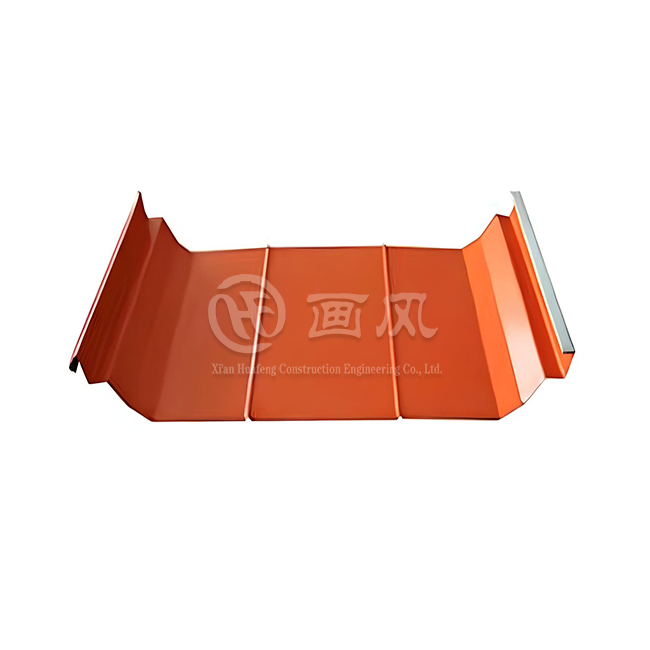
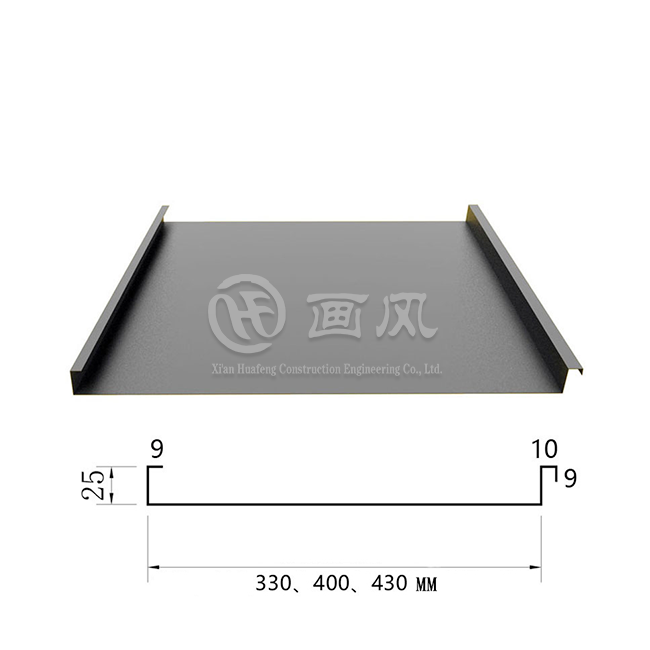
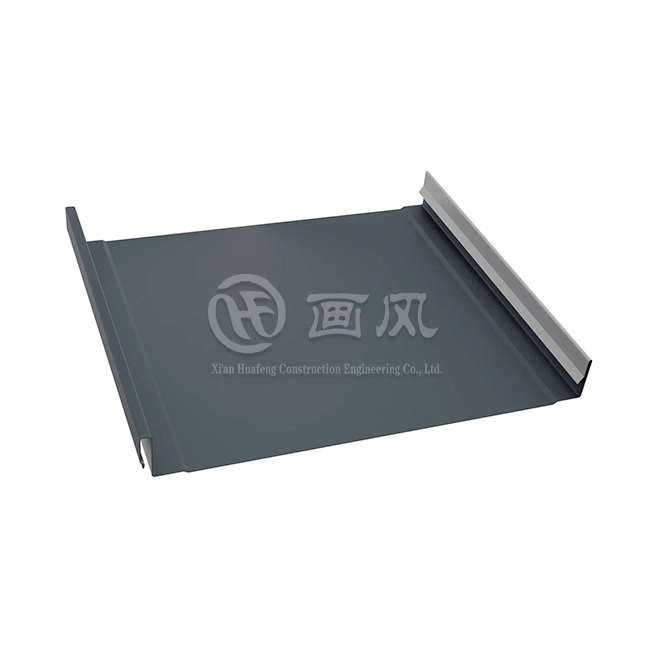
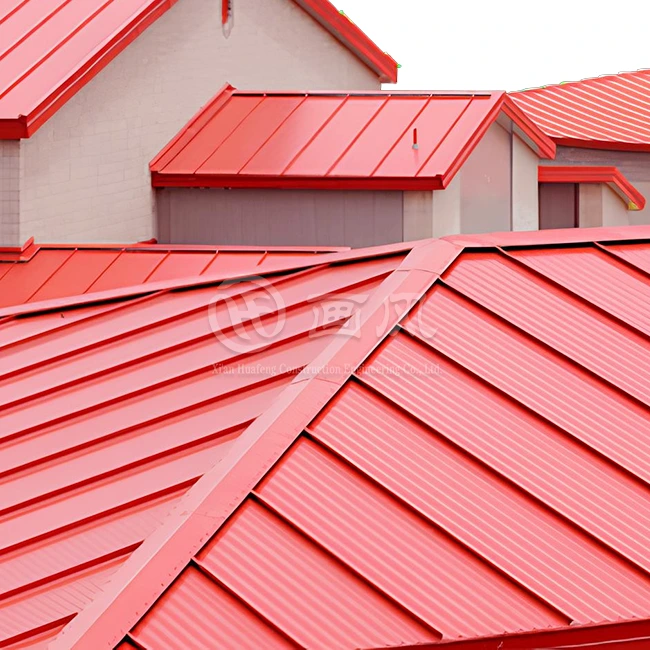
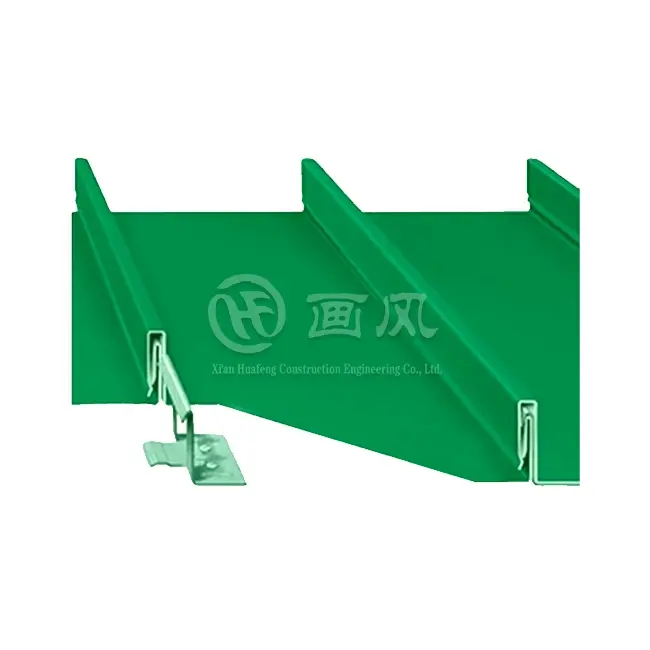
The defining feature is the vertical panel layout with raised seams that physically lock together without any visible fixings. The seams are usually between 25 mm and 65 mm high. The panels, which are made from galvanized steel or aluminum, get special coatings applied to them. PVDF coatings with Solar Reflectance Index (SRI) values above 70 are used on high-quality systems. These coatings meet Energy Star and CRRC requirements that procurement professionals look for in order to get LEED certification.
The concealed fastening method doesn't require roof penetrations, which is where screw-down alternatives usually fail. Specialized moving clips can handle cycles of thermal expansion and contraction. This keeps panels from twisting in high-temperature markets like those in Texas, Arizona, and the Middle East.
Performance Characteristics That Drive Procurement Decisions
The white finish that is reflected turns the sun's rays away before they can turn into heat inside the building. When compared to darker roof parts, these systems regularly lower peak cooling loads by 15 to 20 percent. This means measurable operational savings in places like warehouses, distribution centers, and commercial buildings where HVAC is a big cost of doing business.
Durability isn't just resistance to weather. Quality systems made to ASTM, DIN, and ISO standards don't break down when exposed to UV light, so the colors stay the same and the reflection stays high for decades. The coating technology, especially PVDF formulations, doesn't chalk or yellow, which solves a major problem for contractors who have to deal with unhappy clients who complain about the coating's appearance. With the right specifications, the service should last more than 30 years with little maintenance other than cleaning every so often.
Top 7 Benefits of White Standing Seam Roofs for Commercial Buildings
Commercial and industrial building managers put different things at the top of their lists than home buyers. These seven benefits directly address the criteria for B2B purchases.
Superior Energy Performance and Operating Cost Reduction
Because white-coated metal walls have a high albedo, they reflect 70–80% of the sun's rays, making it much harder for heat to move into conditioned areas. In areas that need a lot of cooling, which is exactly where many cool roof laws apply, this feature lowers the need for air conditioning during peak hours, when energy rates are at their highest. CRRC testing on projects shows that dark membranes lower the temperature of the roof surface by 50 to 60°F compared to clear membranes. This saves a lot of energy and makes the building run more efficiently.
Verified Certification Data Supporting Green Building Requirements
When working on LEED projects, procurement managers need to see written SRI values and certificates from a third party testing service. Manufacturers of good products offer CRRC-rated items with publicly available old SRI data, which takes the guessing out of meeting certification requirements. These verified performance measures speed up the approval process for projects and meet the due diligence needs of energy experts and sustainability officers who have a say in specification choices.
Extended Service Life With Minimal Maintenance Demands
When placed correctly and with good coatings, metal roofing systems keep their structural stability for 30 to 50 years. Standing seams are good at shedding water, which stops ponding problems that happen with flat membrane systems. Maintenance is mostly done once a year and sometimes cleaning, which is a lot less work than the re-coating, patching, and membrane replacement cycles that other systems need. Lifecycle costs go down because of this reliability, which is a key thing to think about when looking at the total cost of ownership instead of just the installed price.
Rapid Installation Reducing Project Duration
Installing modular white standing seam roof panels is faster for skilled workers than installing built-up or single-ply membrane systems. Panels come already finished in standard shapes, such as 25-330, 45-400, and 65-430 configurations, and are ready to be used right away. Less time spent on labor shortens project plans, protecting workers from the weather during building and letting facilities start running sooner. The speed advantage is especially useful for retrofit projects where the building is still being used during construction.
Solar Integration Capability Without Roof Penetration
As a way to be more environmentally friendly, many businesses use solar panels. Specialized clamps can be attached directly to the raised seams on the standing seam shape without going through the roof covering. This mounting method doesn't go through the panel, so the warranty still applies, and it gives solar racking systems safe places to attach. The white substrate under the solar panels improves the performance of the bifacial module by reflecting more light onto the back of the two-sided photovoltaic cells.
Structural Efficiency and Weight Advantage
When compared to concrete tile, built-up tar systems, or heavyweight membrane assemblies, metal panels don't put as much stress on the structure. The thickness of a typical panel is between 0.6mm and 0.8mm, and the whole system weighs a lot less than other materials. This feature is helpful for retrofitting when the current structure might not be able to handle heavier new choices. This keeps the cost of reinforcement work to a minimum.
Professional Aesthetic Supporting Corporate Identity
The smooth edges made by hidden fasteners and even panel runs give the furniture a modern, well-kept look that fits with the company's branding goals. Matte and glossy white finishes give designers more options while still meeting the heat performance standards that drive specifications. The smooth surface, without any visible fasteners that rust and stain over time, keeps the building's public charm for a long time.
These benefits make roofing investments very appealing to buying workers who are looking at value. The important thing is to make sure that the system specs match the needs of the project and that the supplier can deliver certified materials on time.
White Standing Seam Roof vs. Other Roofing Options: A Comparative Analysis
Knowing how different systems compare in terms of performance helps you figure out when this system is most valuable.
Comparison With Dark Metal Roofing Systems
Dark-colored standing seam roofs are better for structure, but they soak up solar radiation instead of reflecting it. In full sunlight, the surface of dark metal can get hotter than 180°F, which can move a lot of heat into buildings. The white finish lowers the surface temperature by 50 to 60°F, which changes the way the building reacts to heat in a basic way. In places where cool roof standards require minimum SRI values, dark finishes can't meet the rules. This means that choosing a color is more of a matter of following the rules than of personal taste.
Performance Against Single-Ply Membrane Systems
TPO and PVC coverings both have white, shiny surfaces that don't cost too much to install. However, they need to be heat-welded at seams that could fail, and the quality of the installation has a big impact on how long the membrane lasts. Puncture resistance is still lower than that of metal panels, which makes them vulnerable during maintenance. The standing seam method gets rid of these worries by mechanically interlocking panels and having better impact resistance. This cuts down on callbacks and guarantee claims, which hurt contractors' profits.
Advantages Over Traditional Built-Up Roofing
Built-up systems with many layers of tar and gravel have been shown to be waterproof, but they are heavy and need skilled workers to install. Installing things makes smells and safety concerns that make working in buildings that are already occupied harder. Metal standing seam systems don't need any hot processes to be installed, they're much lighter than built-up parts, and they provide the same level of waterproofing or better because the seams are mechanically engaged instead of using glue bonds.
Cost-Value Considerations for B2B Buyers
The initial costs of installing white standing seam roof systems are usually higher than those of economy membrane choices, but they are still comparable to the costs of luxury single-ply and built-up assemblies. Lifecycle analysis shows the difference: less maintenance, longer service life, and energy savings add up over decades, giving investors a good return on their money. When reviewing bids, procurement managers shouldn't just look at upfront costs; they should also look at the total cost of ownership. This is especially important when the project will last 20 to 30 years.
Procurement and Installation: What B2B Buyers Should Know
Commercial roofing projects that go well depend on choosing the right supplier, making sure the specs are followed, and keeping an eye on the installation.
Evaluating Supplier Capabilities and Certifications
Manufacturers of good products have various production facilities with a lot of space, which lets them meet tight deadlines for big orders. Look for suppliers whose factories have up-to-date coating lines, a lot of roll-forming tools, and quality management systems that are approved to meet ISO 9001 and ISO 14001 standards. Production ability is important: suppliers who can deliver 1000 tons per month can help with big business projects without causing delays. Certifications for manufacturing that meet ASTM, DIN, JIS, BS, and GB/T standards show that the company meets well-known quality standards.
Ask for written proof of the coating's specs, especially the PVDF formula and the dry film thickness. Customers worry about yellowing and chalking, but good finishes stop those problems from happening. Check that the SRI data comes from CRRC tests and not just what the manufacturer says. This will make sure that the numbers can be defended during certification reviews.
Understanding Minimum Order Quantities and Lead Times
Commercial projects usually need a lot of space, but knowing what the minimums are for each supplier can help you avoid surprises when you're buying things. Standard minimums of 500 square meters or one ton can handle medium-sized projects and keep suppliers' production running smoothly. Standard specs usually have lead times of 15 to 20 days, but custom colors or odd shapes may make lead times longer. Align the buying schedule with the building schedule to avoid problems with storing materials. For example, white panels need to be stored in a clean, dry place so that the surface doesn't get dirty before they are installed.
Installation Best Practices and Contractor Selection
How well the standing seam system works depends a lot on how it is installed. Panels need to be able to handle temperature expansion by using moving clip systems that let them move without putting stress in one place. To get waterproof consistency, seam engagement—whether it's a snap-together seam or a manually seamed seam—needs the right tools and skilled workers.
Choose contractors who have installed metal roofs before and ideally who have maker training certifications. Ask for examples from business projects that are similar to yours and make sure that your insurance covers the size of the project. Good workers know how important it is to prepare the substrate, set the clip spacing correctly, and match the seams. These are all things that affect whether the roof works as planned or needs to be fixed.
Warranty Structures and Post-Installation Support
Most of the time, a full guarantee covers both the material and the finish. When you buy good items, the material warranties cover the integrity of the panels for at least 30 years. The finish warranties cover things like color retention and chalking protection for 20 to 30 years, based on the coating you choose. Learn about the terms and conditions of the guarantee. For example, many require regular upkeep and limit the ability to sell the property, which is important for properties that may change hands during the coverage time.
Reliable suppliers offer technical support after the sale, answering questions about installation and quickly fixing problems in the field. Being responsive protects project timelines and keeps relationships with contractors strong, which are important things to think about when you are in charge of many projects in different markets.
Conclusion
When it comes to business buildings, the white standing seam roof has clear benefits when it comes to energy efficiency, longevity, and certification compliance. When you combine high solar reflectance with hidden fastening methods and proven stability, you get a great value offer that appeals to a wide range of markets. It is helpful for procurement managers to know not only how something performs, but also what the provider can do, how it needs to be installed, and how much it will cost over its lifetime. Focusing on approved products from makers with strong production capacities and well-documented quality systems sets projects up for success that meets both short-term building goals and long-term facility performance needs. The important thing is to make sure that the technical requirements match the needs of the project and that the supplier can help with the buying and installing stages.
FAQ
1.What service life should I expect from a quality white metal roof?
Quality systems with PVDF coatings on galvanized substrates should work for 30 to 50 years if they are installed correctly and don't need much maintenance. UV damage is blocked by the coating, and the metal base doesn't let the structure break down. By fixing small problems before they become big problems, regular checks and cleaning can extend the life of a system.
2.How do maintenance requirements compare to membrane systems?
Single-ply coverings need more upkeep than metal standing seam roofs. Once a year checks to make sure the seams are intact, the fasteners are tight, and the draining works should be enough. Cleaning it every so often keeps it reflective, which is especially important in industrial settings where airborne particles are present. On the other hand, membrane systems need to be checked for holes, seam separation, and surface wear and tear more often, so they need more frequent repairs.
3.Can the system accommodate rooftop equipment and solar installations?
Attachment methods that don't go through the seam can be used for HVAC equipment, solar panels, and safety gear. Special clamps hold the seam in place without going through the roof, so the waterproofing stays in place and the warranty is still valid. Because of this, the system is perfect for buildings that want to install solar panels in stages or upgrade their equipment while the roof is still in good shape.
Contact HF for Premium White Standing Seam Roof Solutions
We know how hard it is for buying managers to choose the right cool roof systems for business projects. HF has three factories with more than 40 specialized machines and seven coating production lines. This gives your projects the production capacity and quality consistency they need. Our white standing seam roof panels come in a range of shapes, such as 25-330, 45-400, and 65-430. They are coated with PVDF and PE materials that meet ASTM, DIN, JIS, BS, and GB/T standards. We offer products with thicknesses between 0.6 and 0.8 mm and matte or glossy finishes that meet the SRI requirements for CRRC and Energy Star certification.
Our 30-year warranty, monthly production capacity of 1,000 tons, and delivery times of 15 to 20 days help you stay on track with your projects while upholding the high standards your reputation demands. Our team offers the scientific information, certification data, and quick support that makes the buying process easier, whether you're looking for a white standing seam roof supplier or need materials right away for a project. Get in touch with HF right away at huafeng@hfmetalroof.com or visit hfmetalroof.com to talk about your project needs and get full specs that are made just for you.
References
1. Cool Roof Rating Council. "Rated Product Directory and Solar Reflectance Index Standards for Commercial Roofing Materials." CRRC Technical Bulletin Series, 2023.
2. American Society for Testing and Materials. "ASTM E1980-11: Standard Practice for Calculating Solar Reflectance Index of Horizontal and Low-Sloped Opaque Surfaces." ASTM International Standards, 2019.
3. U.S. Green Building Council. "LEED v4.1 Building Design and Construction: Cool Roof Credits and Thermal Performance Requirements." USGBC Technical Manual, 2022.
4. Metal Construction Association. "Technical Guidelines for Standing Seam Metal Roof Systems: Installation, Performance, and Durability Standards." MCA Publication Series, 2021.
5. Oak Ridge National Laboratory. "Cooling Energy Savings Potential of Reflective Roofing for Commercial Buildings." Building Technologies Research and Integration Center, 2020.
6. National Roofing Contractors Association. "Metal Roofing Systems: Design, Specification, and Lifecycle Cost Analysis for Commercial Applications." NRCA Roofing Manual, 2023.





YOU MAY LIKE
_1769761215912.webp "Ventilation noise reduction net")