Import Guide: Double Lok Standing Seam Roof Panel Suppliers
2026-08-27 17:46:31
When you're sourcing roofing materials for demanding commercial or residential projects, understanding your supplier landscape is critical. Double lok standing seam roof panel systems represent one of the most reliable roofing solutions available today, particularly for distributors serving the hurricane-prone Southeast or the demanding Midwest climates. These mechanically seamed panels deliver exceptional wind uplift resistance and waterproofing performance that single-lock alternatives simply cannot match. As a procurement professional, navigating the international supply chain requires evaluating production capabilities, certification compliance, and logistical coordination to ensure your inventory meets both local building codes and contractor expectations.

Understanding Double Lok Standing Seam Roof Panels
What Makes This System Different
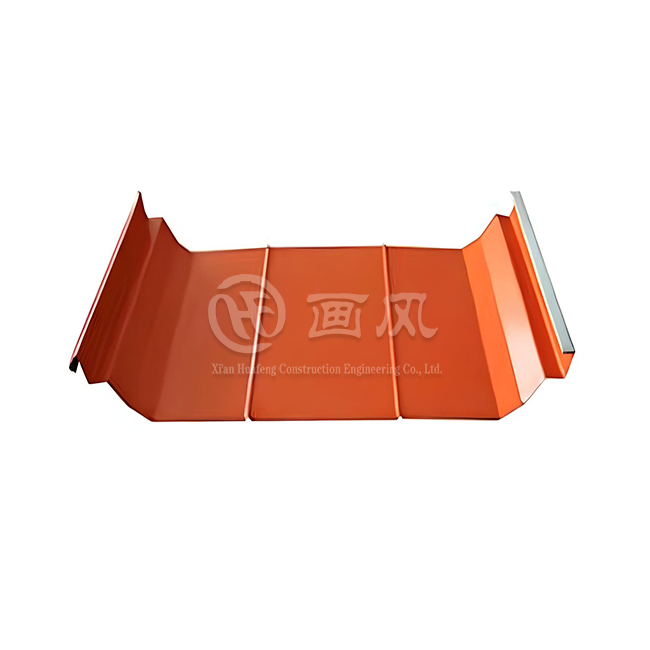
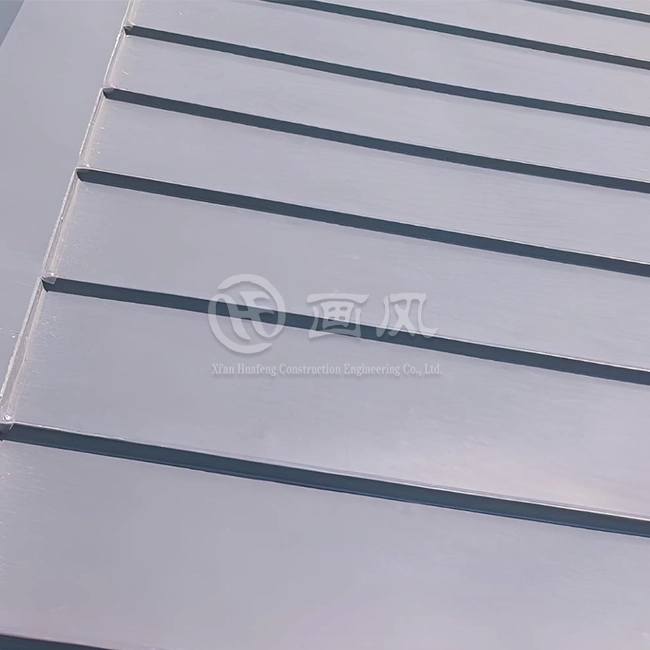
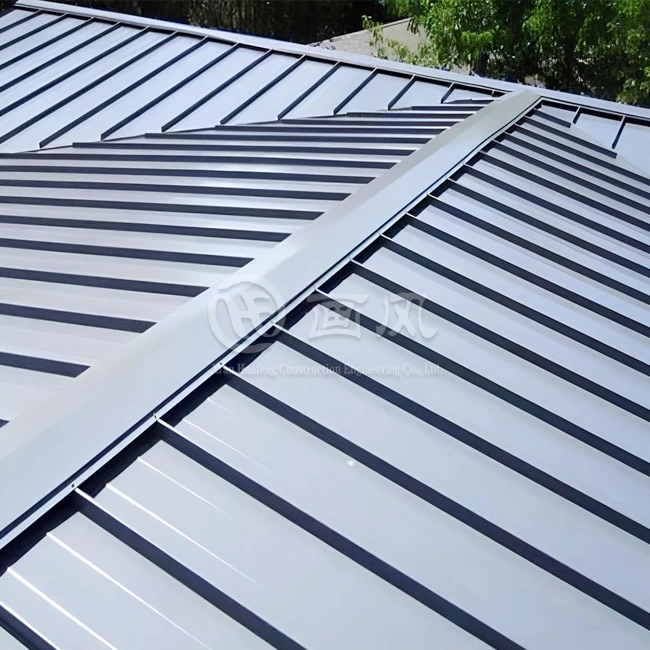
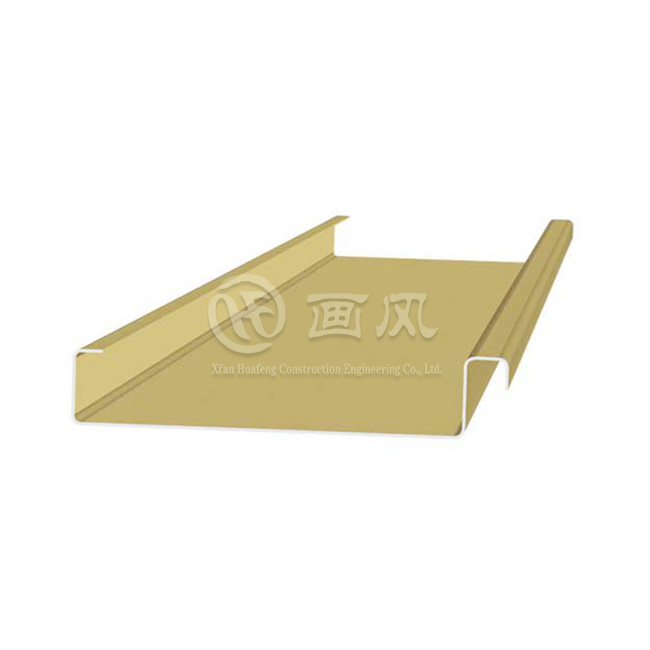
Standing seam metal roofing has changed a lot in the last twenty years, and the double-lock design is a big step forward in engineering. These systems use a 360-degree mechanical fold that makes a Pittsburgh-style split instead of friction links like snap-lock panels do. This design turns the legs of adjacent panels into a single barrier that keeps water out, even when hydrostatic pressure is high enough to break down other systems.
With hidden fastening, clips are attached to the structure purlins, and panels float on top. This lets the panels expand and contract with the temperature without putting stress on the fastener points. This floating system is especially useful for building spans over 100 feet, where changes in size caused by temperature would otherwise lead to oil-canning or fastener fatigue. The result is a roof that stays weathertight even after decades of changing seasons.
Material Specifications and Options
These panels can be made from a variety of substrate materials these days, each of which is better at dealing with certain environmental problems. Steel is still the most popular choice, and Galvalume finishes add a layer of zinc-aluminum alloy that doesn't rust in harsh industrial environments. Aluminum panels are lighter and naturally don't rust, which makes them perfect for installations near the coast, where salt spray speeds up damage. Copper or titanium-zinc are sometimes chosen for high-end projects because they develop a unique patina and are expected to last for hundreds of years.
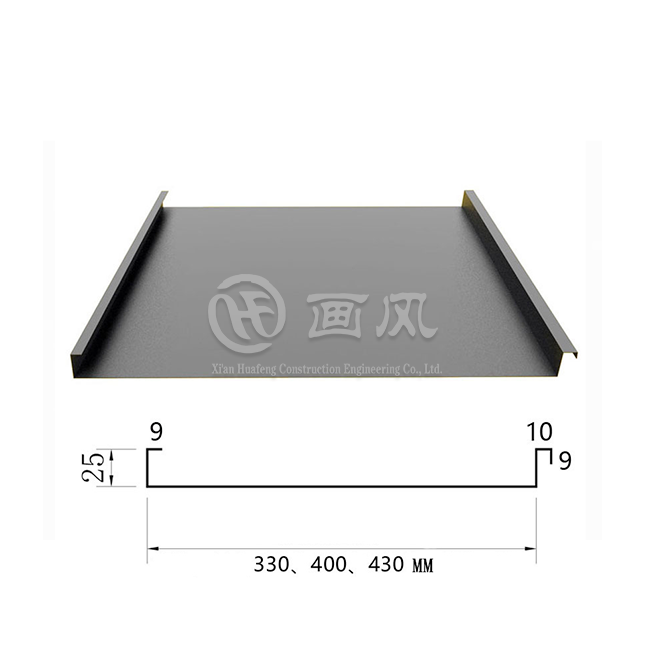
HF makes panels from aluminum alloy, steel, stainless steel, copper, and titanium-zinc substrates. The thickness of the panels ranges from 0.5 mm to 1.2 mm to meet different structural load needs. Panel height shapes range from 25 mm to 65 mm, which is about 1 to 2.55 inches. This gives architects and builders a choice of looks and performance requirements. These differences in size let contractors match existing profiles or ask for systems that work best in certain types of wind zones.
Coating Systems and Weather Protection
The finish that is put on metal surfaces affects how long the look will last and how well it will fight corrosion. Polyvinylidene fluoride (PVDF) coats, which are usually put on in 70% resin mixtures, offer better resistance to UV rays and color stability. They are often guarantyd to last for 30 years without major fading or chalking. This means that PVDF is the usual guideline for projects where the building's appearance is important from the start to the end.
Polyester (PE) coats are a cheap option for industrial uses where corrosion protection is more important than how things look. These finishes work fine in moderate climates, but they may wear down faster in places with a lot of UV light or chemicals that are harsh on metals. HF offers both PVDF and PE finishes, so wholesalers can find a good mix between project costs and performance needs. Custom color matching to RAL standards makes sure that complicated projects stay on track with their architecture, or business buildings need to meet brand-specific requirements.
How to Choose the Right Double Lok Standing Seam Roof Panel Supplier
Certification and Compliance Verification
More and more, North American building codes include specific testing protocols for double lok standing seam roof panel roof assemblies, especially in places with a lot of wind. Knowing what licenses your provider has has a direct effect on your ability to work with contractors who work in places with strict rules. Standardized pressure chamber tests are used for UL 580 testing to check wind lifting resistance. Class 90 grades mean the panel assembly can handle 90 pounds per square foot of negative pressure without breaking.
For FM Global 4471 approval, basic uplift tests aren't enough. The whole roof system has to be tested under realistic storm conditions to see how well it works, including how much water gets in during wind events. The Notice of Acceptance (NOA) process in Miami-Dade County is one of the strictest in North America. Full-scale testing of panel systems with specific fastener patterns and fitting details is required. Suppliers who keep these certifications show that they are dedicated to the engineering documentation and quality control systems that are needed in markets that are based on rules.
HF uses the ISO 9001 and ISO 14001 management systems, which make sure that all of their manufacturing processes have the same quality rules. Multiple patents are held by the company for new roofing systems, and they follow ASTM, DIN, JIS, BS, and GB/T standards. This gives building inspectors and insurance companies the proof they need. This ability to comply with multiple standards is especially helpful for international projects or contractors who work in more than one country.
Production Capacity and Supply Consistency
Distributors that work with busy construction markets can't afford to have supply problems that keep contractor crews from working on jobs. By looking at a supplier's factory infrastructure, you can get an idea of how well they can keep inventory moving during busy building times. Single-facility manufacturers are more likely to have problems with their equipment, have to shut down for maintenance, or have problems in their region that stop all production.
HF has three dedicated factories with a total area of 200,000 square meters. These factories have seven color coating lines and more than 40 specialized machines, such as presses, longitudinal shears, and automated forming equipment. This spread-out capacity protects supply continuity even during repair periods for equipment or problems unique to the location. With a monthly production capacity of 1,000 tons, the company can work on several big projects at once without affecting the delivery schedules of smaller customers.
The factory layout includes both making raw materials and processing finished goods. This makes the company less reliant on outside suppliers of substrates and gives them better control over the quality of the materials they use. This vertical integration is very helpful when choosing steel sources that can be tracked, like Baosteel or Tsingke, and when projects need material test certificates (MTC) for higher quality standards.
Minimum Order Quantities and Flexibility
Traditional metal roofing sellers often require minimum orders of containers, which makes it hard for regional distributors to keep enough product on hand. Carrying costs for custom colors that don't move quickly can cut into profit margins, and not being able to give smaller amounts limits market possibilities with home contractors or unique architectural projects. In competitive markets, suppliers who can handle mixed container loads or lower minimums have a strategic edge.
HF has a minimum order quantity of 500 square meters, which is about one ton. This is much smaller than the rule in the business, which usually requires full container commitments. This level lets distributors try out new color options, work with smaller contractors, or enter new markets without taking on too much inventory risk. The production lead time of 15 to 20 days gives you enough time to plan, without the long wait times that come with some offshore suppliers.
Technical Support and Documentation
One of the most frustrating things about distributing metal roofs is making sure that panel profiles work with each other. Contractors spend a lot of money on seaming machines that are made to work with certain panel shapes. Even small changes in dimensions can make it impossible for seams to form properly or cancel the warranties on the machines. To make sure their products work with McElroy, Berridge, or other seaming machines that contractors already have, suppliers must give contractors detailed profile drawings with exact tolerances.
Detailed installation instructions and technical bulletins, along with dimensional specs, help workers avoid making common mistakes that cause products to fail and warrantee claims. Details like the right way to apply sealer, how far apart the clips should be in different wind zones, and how to accommodate heat movement have a direct effect on how well the field works. When suppliers spend money on detailed technical paperwork, it shows that they know how hard it is to put things in the real world and are dedicated to the long-term performance of systems, not just sending goods.
Import Process and Logistics Considerations
Navigating the Procurement Timeline
International roofing procurement involves technical inquiries, sample reviews, quotations, production, and shipping. Suppliers should provide specifications, certifications, and samples within 48–72 hours, while sample approval may take two weeks. Production typically takes 4–6 weeks, though HF offers 15–20 days. Ocean freight from Asia to North America usually requires 3–4 weeks.
Customs Clearance and Compliance
Metal roofing double lok standing seam roof panel goods come into North America through certain Harmonized Tariff Schedule classifications, which set the tax rates and paperwork needs. Working with customs agents who know about building products can help you with classification questions and make sure you give correct valuations. When supplies are needed on job sites, they can't be sent until after expensive shipping delays and audits because of wrong classifications.
The basic paperwork needed to clear customs includes proof of country of origin, commercial invoices, packing lists, and material test certificates. For projects that need specific steel or alloy certifications, the steel mill needs to send extra material tracking papers. When suppliers know about these rules and deliberately send full documentation packages, they can avoid clearance delays that can add weeks to shipping times.
Managing Inventory and Cash Flow
Managing lead times helps distributors align inventory with project schedules and reduce working-capital pressure. Staggered shipments can smooth cash flow while maintaining stock. HF’s relatively low minimum order quantities allow smaller, more frequent purchases, supporting market expansion and demand testing while reducing inventory risk and encouraging long-term distributor partnerships.
Ensuring Long-Term Performance: Maintenance and Durability
Understanding Warranty Structures
Metal roofing warranties vary by fading, chalking, corrosion, and substrate perforation, with coverage depending on performance and time. Some 30-year warranties provide full replacement initially, then prorated benefits. Premium Galvalume systems may offer 40–50-year perforation coverage with annual inspections. HF’s 30-year PVDF warranty supports long-term commercial projects.
Maintenance Requirements and Intervals
Metal roofing still requires regular inspection and cleaning. Annual visual checks can identify loose fasteners, damaged flashing, and debris before major water damage occurs. Coastal and industrial roofs need more frequent cleaning; low-pressure washing with mild soap every 2–3 years removes contaminants, slows corrosion, extends coating life, and reduces warranty claims.
Performance in Demanding Environments
Double-lock roofing provides strong mechanical interlock and shear resistance for hurricane-zone negative pressures, with proper clips and fasteners essential for performance. Coastal systems also require suitable coating thickness and resin content to resist salt spray. HF offers stainless steel and aluminum substrates for harsh environments where standard steel may fail.
Comparison and Cost Analysis for Informed Procurement
Double Lok Versus Snap Lock Systems
Snap-lock systems are easier and cheaper to install but suit milder conditions and steeper slopes. Double-lock seams provide 50–100% greater wind resistance, allow slopes as low as 1:12, and better resist water and ice dams. Although materials cost 15–25% more, their durability and lower maintenance justify the investment.
Evaluating Total Cost of Ownership
Metal roofing offers lower lifecycle costs through improved reflectivity, potentially reducing cooling energy use by 10–25% in warm climates. Its 40–50-year lifespan also reduces maintenance, replacement, material, and weatherproofing expenses. Although initial costs are higher, energy savings and durability can offset them within 10–15 years.
Material Selection for Specific Applications
Material selection should reflect environmental and aesthetic demands. In chemically harsh or high-moisture areas, aluminum or stainless steel can provide better corrosion resistance than standard Galvalume. For residential projects with strict appearance requirements, durable PVDF coatings maintain color performance, while HF’s precise color matching supports consistent architectural finishes.
Conclusion
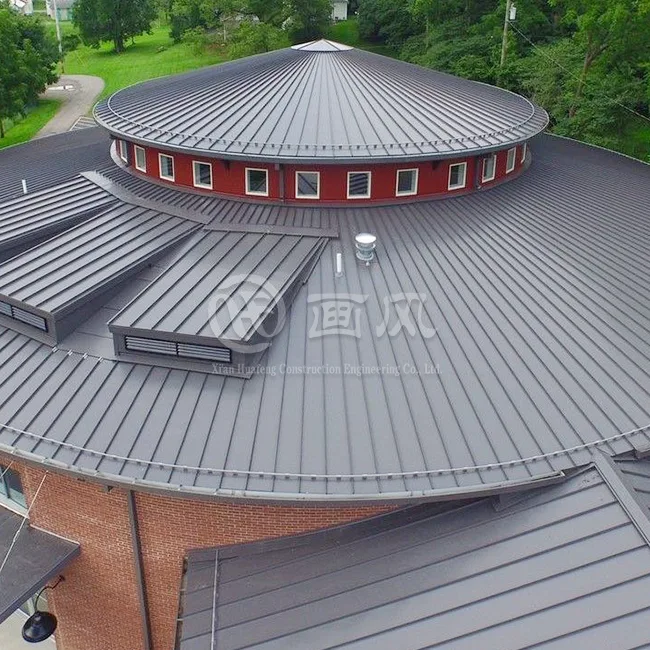
When you buy double lok standing seam roof panel systems from foreign sellers, you have to make sure that the technical requirements, certification needs, logistics planning, and supplier dependability are all met. In comparison to other systems, the mechanical interlock design is better at resisting wind and keeping water out, which is why it is used in high-end residential and commercial projects. Verifying seller certifications, figuring out minimum order flexibility, reviewing production capacity for supply consistency, and making sure there is full technical support are all important parts of successful procurement. By paying close attention to import operations, customs paperwork, and inventory planning, you can avoid delays that cost a lot of money, mess up contractors' plans, and hurt relationships with distributors. Distributors can be successful in the long term in competitive markets where image is based on performance and reliability by working with suppliers who have strong quality systems, fair minimums, and quick technical support.
FAQ
1.What lead time should distributors expect for international orders?
Production usually starts 15 to 20 days after the order is confirmed and the fee is received. However, unique colors or profiles that aren't standard may make this time longer. Depending on the port of destination, ocean freight adds three to four weeks. West Coast deliveries are usually faster than Gulf or East Coast deliveries. If you have the right paperwork, customs clearance usually happens within three to five business days. The whole process, from order confirmation to warehouse delivery, usually takes 8–10 weeks. This means that you need to plan ahead for project-specific material needs.
2.Can suppliers accommodate partial container orders or mixed colors?
Manufacturers have very different minimum order amounts. Some require full container pledges, which makes it hard for smaller wholesalers to keep track of their inventory. HF keeps a 500-square-meter (about 1-ton) minimum, which lets distributors test market demand with mixed-color containers without taking on too much inventory risk. This versatility comes in handy when adding new color choices or catering to customers with different tastes in architecture.
3.How do warranty claims work with overseas suppliers?
Enforcing the warranty starts with having the right installation paperwork, which includes photos, specs, and records of maintenance. Claims must be sent to the manufacturer with detailed proof of how and when the failure happened. Reliable suppliers have technical staff who can look over claims from afar and give permission for resolution. Response times vary, but first replies from well-known makers are usually given within 5 to 7 business days. Before committing to a supplier, distributors should make sure they understand how the warranty and claim processes work.
Partner with HF for Reliable Double Lok Standing Seam Roof Panel Supply
Distributors looking for a reliable standing seam roofing supplier will find that HF's manufacturing skills and technical support are perfect for the needs of the North American market. Our three-factory network with seven finishing lines and a monthly capacity of 1,000 tons makes sure that we always have enough supplies, even when building is busy. The 500-square-meter minimum order number works for regional distributors without putting too much stress on their inventory, and the 15–20-day production wait times allow for flexible project schedule. We make double lok standing seam roof panel panels that meet ASTM, DIN, JIS, BS, and GB/T standards, and we provide the certification paperwork needed to meet code requirements in multiple places. Our technical team helps you build specifications, make sure profiles are compatible, and help with installation so that your relationships with contractors go smoothly. Email our team at huafeng@hfmetalroof.com to talk about your unique needs, ask for samples, or get price quotes for your next job.
References
1. Metal Construction Association. Design Guidelines for Standing Seam Metal Roof Systems. Chicago: MCA Technical Publications, 2021.
2. Smith, J.R. and Williams, T.K. "Comparative Performance Analysis of Mechanically Seamed Metal Roofing Systems in High-Wind Environments." Journal of Architectural Engineering, vol. 28, no. 3, 2022, pp. 145-162.
3. National Roofing Contractors Association. Metal Roofing Systems Installation and Best Practices Manual. Rosemont: NRCA Publications, 2023.
4. Thompson, Michael D. Metal Building Systems: Design and Specifications. 4th ed., New York: Construction Publishing Group, 2021.
5. American Society for Testing and Materials. ASTM E1592-21 Standard Test Method for Structural Performance of Sheet Metal Roof and Siding Systems. West Conshohocken: ASTM International, 2021.
6. Johnson, Rebecca L. "Life Cycle Cost Analysis of Commercial Roofing Systems: A 50-Year Comparison." Building Economics and Management Review, vol. 15, no. 2, 2023, pp. 78-94.





YOU MAY LIKE