Where to Buy Flat Lock Panels for Your Roofing Project
2026-06-22 19:19:41
When business contractors and developers want to buy Flat Lock Panels for roofing projects, they need to find makers with the right mix of technical know-how, certifications, and past performance. If you want high-quality interlocking metal panels, you should only buy them from providers that are certified as Grade 1 curtain walls, high-tech enterprises, and have integrated capabilities from design to installation. This will make sure that your transportation hub or convention center gets long-lasting drainage and architectural excellence.

Understanding Flat Lock Panels and Their Key Advantages
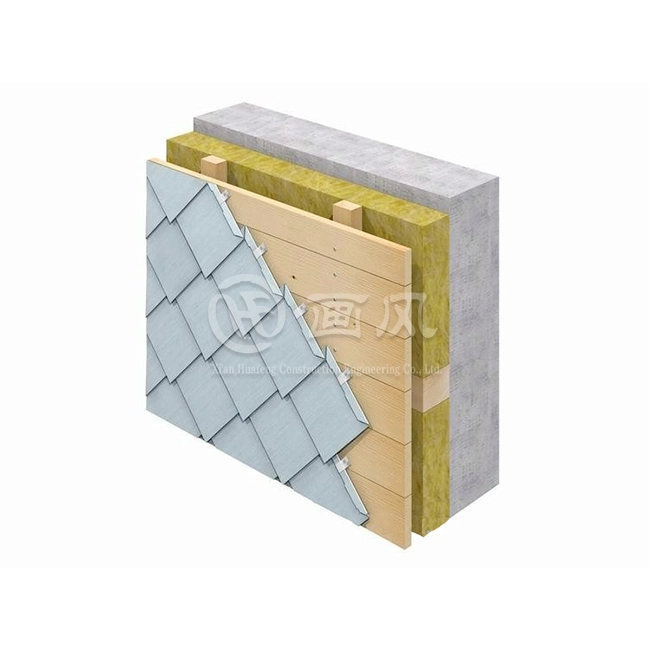
Metal roofing systems have changed a lot over the years. For medium- to large-sized public buildings and business sites, interlocking panel designs are now necessary. These architectural cladding options use small, linked metal tiles to make smooth, visually pleasing surfaces on steep-slope roofs and walls.
What Makes Interlocking Metal Panels Unique
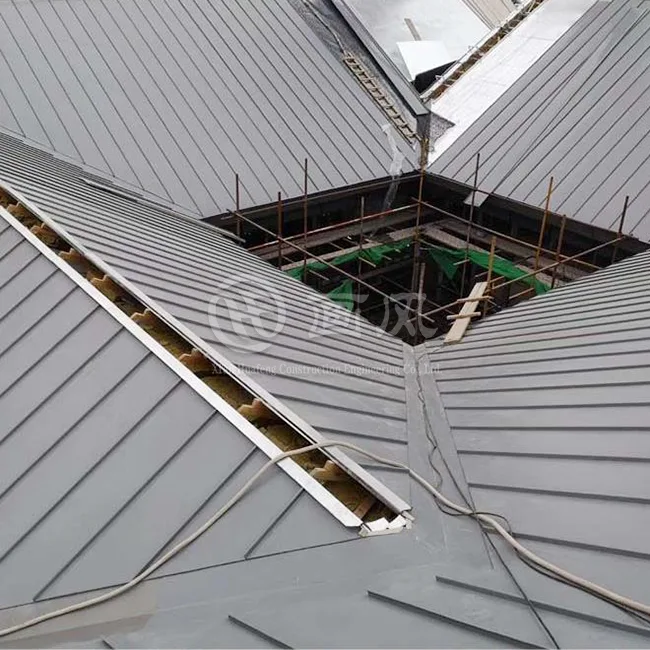
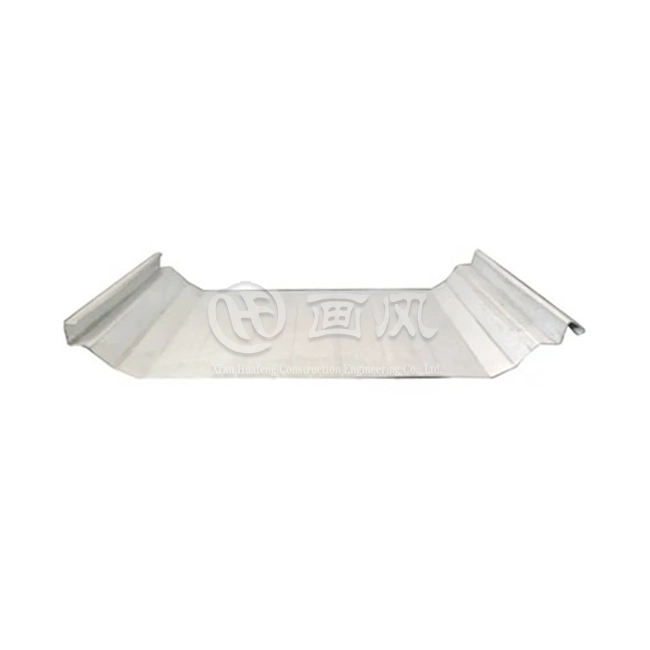
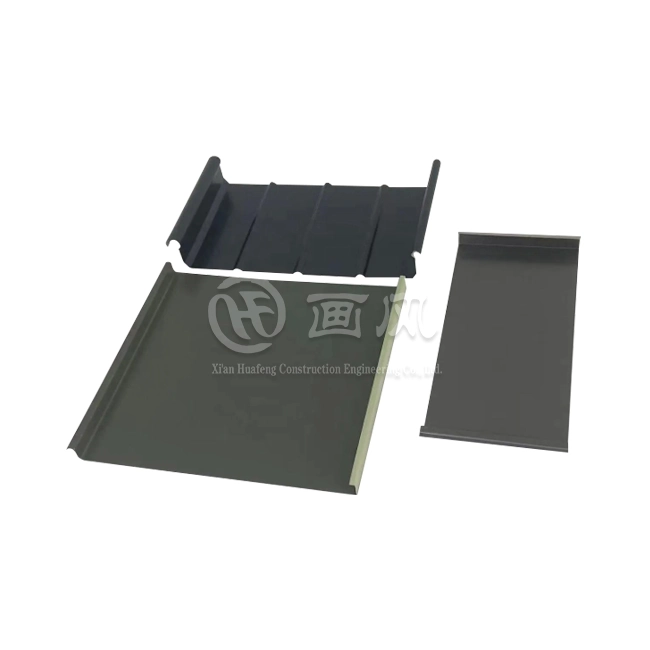
The unique thing about them is that they have four hems—two folded forward and two folded backward—that hide the fixing points. This design gets rid of the need for visible screws while still allowing for thermal expansion and contraction, which is very important for materials like titanium, zinc, and copper that naturally expand and contract as the temperature changes. Instead of depending only on sealants, these panels form weathertight walls by mechanically interlocking. This is different from exposed-fastener systems, where moisture can get in at the connection points.
Core Performance Benefits for Commercial Projects
For government-funded projects and infrastructure areas that have to meet high quality standards, durability is the most important thing. The service life of panels made of an aluminum-magnesium-manganese combination or stainless steel is over 30 years with little upkeep. The secret clip system keeps the fasteners from rusting and lets the panels move freely, which stops the stress fractures that happen in systems that are tightly connected.When business real estate companies are trying to keep costs down, energy efficiency becomes even more important. In warmer places, metal screens coated with PVDF or PE scatter solar energy, which lowers the need for cooling. High fire resistance ratings meet strict building codes needed for transportation hubs and public meeting buildings. The lightweight construction (about 5.8 kg per square meter) lowers structural dead loads compared to regular roofing materials.
Versatility in Complex Architectural Applications
General builders working on high-design-standard projects like how these panels can be used on roofs, curved surfaces, and hyperboloid shapes. Shapes like rectangles, rhombuses, trapezoids, and hexagons can be arranged horizontally or vertically, and they can create wall effects that are either flush-bonding or attached. This geometric freedom is very helpful for curtain wall workers who have to meet strict design requirements that call for smooth transitions between the wall and roof lines.
Comparing Flat Lock Panels with Other Metal Roofing Solutions
When procurement teams look at different roofing options, they have to balance a lot of different performance factors against project deadlines and price limits. Standing seam systems, curved profiles, snap lock assemblies, and membrane roofs are all used for different things. However, Flat Lock Panels systems are better for some types of buildings than others.
Standing Seam vs. Interlocking Panel Systems
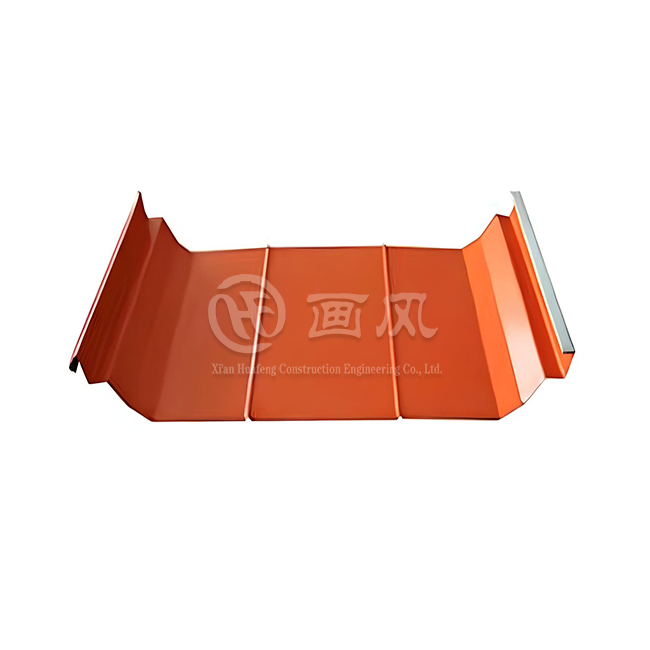
Standing seam roofing has raised vertical ribs that run the length of the roof, and clips are hidden under the seam folds. On simple rectangular roof planes, installation usually goes more quickly and cheaply, making it a good choice for factories and other simple business buildings. Interlocking tile systems, on the other hand, work really well with complicated shapes and double-curved surfaces that standing seam panels have trouble with. The heat moving accommodations are very different. Standing seam depends on clips moving along the base, while interlocking panels move by using loose-lock joints between tiles that are next to each other. The second option conforms better to irregular substrates and is better for high-speed rail stops and meeting halls with organic architectural shapes.
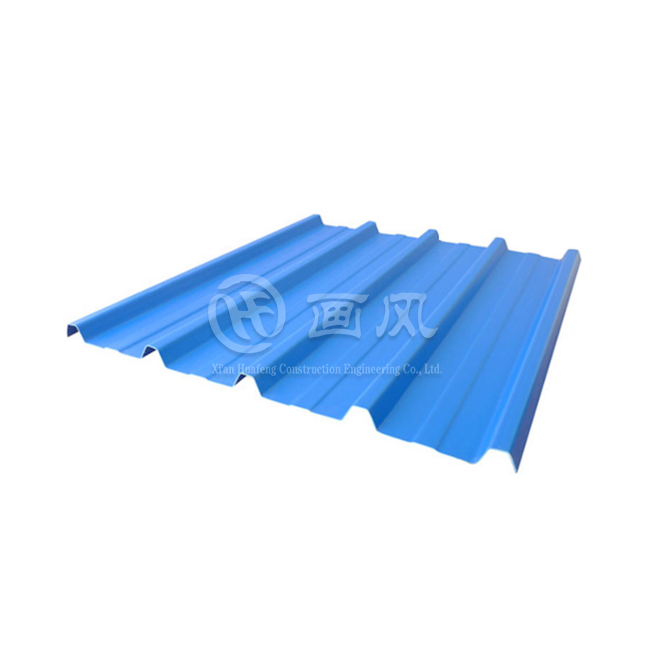
Corrugated and Snap Lock Panel Comparisons
While corrugated metal panels are cheap and useful for industrial uses, they don't look great on projects that need clean building lines. Because their bolt holes are visible, the seals need to be checked regularly, which is a maintenance issue for building owners who want their businesses to run efficiently for a long time. Snap-lock panels can be put up pretty quickly, but they aren't strong enough against impacts to be used for high-traffic school wall covering. The flush shape of interlocking systems is good for museums and transit hubs because it gets rid of seams that stick out and could be damaged by people or equipment.
Material Composition and Cost Implications
It can be anywhere from 0.4 mm to 0.8 mm thick depending on the metal base. Titanium zinc that meets EN 988 standards develops a natural sheen, which builders who want changing aesthetic character will like. Tecu copper has unique warm tones and antimicrobial qualities that make it perfect for use in healthcare settings. Aluminum-magnesium-manganese alloys are good because they are resistant to rust and light, which is helpful when adding to structures that are already there but can't take more weight.
Choosing materials has a direct effect on budgets for purchases. Copper costs a lot but doesn't need much upkeep over its lifetime. On the other hand, aluminum metals are more affordable at first but last just as long if they are coated properly. When dealing with multiple properties, real estate developers often choose stainless steel for coastal areas where salt air speeds up the rusting of weaker metals.
Where to Buy Flat Lock Panels: Suppliers, Brands, and Procurement Options
To find Flat Lock Panels manufacturers that can help with big infrastructure projects, you need to look at more than just product supply. You need to look at production capacity, certifications, and expert support skills.
Evaluating Manufacturer Qualifications and Capacity
Professional builders working on medium- to large-scale public buildings need sources with qualifications that can be checked. If a maker has Grade 1 building curtain wall certifications and Grade 3 steel structure certifications, it means they know how to install complicated facades. High-tech business recognition, especially for companies with 20 or more filed patents, means that the company is coming up with new waterproofing systems and ways to improve thermal performance.The size of the production directly affects how reliable the purchase is. Multiple processing plants spread out over 200,000 square meters of space make sure that supply lines are always reliable. Xi'an Huafeng Construction Engineering Co., Ltd. has processing plants in Hangzhou and Xi'an as well as material production sites in Anhui. They have seven color finishing lines and ten horizontal shearing production lines. This infrastructure can handle the large amounts of material that are usually needed for transportation hub projects, and it can also be used to make special panels that meet specific design needs.
Customization Capabilities for Specialized Projects
Many times, convention halls and business complexes need non-standard sizes or styles. Manufacturers that offer wide ranges that can be changed from 100mm to 400mm give you options for matching current wall modules or making your own unique visual rhythms. Custom length options beyond the normal three-meter shapes cut down on field seaming on wide roof planes, making them more weatherproof.Color matching is another important part of customization. All RAL colors and custom finishes can be used to match the needs of a business's name or the rules of a historic neighborhood. PVDF coats are better at resisting chalking and fading, which is important for keeping up look standards over 30 years of use. PE coats are inexpensive options for indoor uses or projects that need to stay within a budget and can handle some damage.
Procurement Logistics and International Standards Compliance
Delivery dates have a big effect on project plans. Tight building deadlines are common in government-funded projects, and suppliers who promise 15 to 20 days from order confirmation to shipment can help meet those targets. The free sample policy lets purchasing departments and technical teams test the materials physically before placing large orders. This way, they can check the thickness of the materials, the quality of the finish, and the accuracy of the interlocks.International standards must be followed by coders working on projects in other countries. Panels are guaranteed to meet a wide range of government standards thanks to ISO9001 quality management approval, ISO14001 environmental standards, and SGS product proof. Manufacturers who send their products to more than 100 countries have shown they can work with different installation settings and building codes. This lowers the risk of noncompliance for workers who work in more than one nation.
Procurement Process: Cost Factors and Installation Considerations
Instead of focused only on beginning price points, good buying takes into account material costs, installation difficulty, and long-term performance value.
Price Structure and Volume Discount Opportunities
Panel price takes into account many factors. The makeup of the material determines the base price. Copper costs more than metal or steel. Prices depend on the thickness—0.8mm gauge costs more than 0.4mm but is better for usable roof areas because it can handle more pressure. Adding protective coats costs more, but PVDF's longer life often makes up for the extra cost by reducing the number of times it needs to be maintained.When you buy in bulk for big business real estate projects, you can get volume savings. By committing to the total project numbers up front, procurement teams that are in charge of more than one step can get better terms. Manufacturers who keep a lot of inventory on hand don't have to wait for production to stop between stages, so color lots and finish traits stay the same across all building sections.
Installation Service Selection and Certification Requirements
Professional placement determines system performance, not panel quality. Metal roofing contractors should demonstrate their ability to put concealed clips, prepare the foundation, and allow thermal movement. Technical competency is certified by metal roofing organisations. This is crucial when project requirements necessitate precise installation standards.Installation costs vary on difficulty. Flat roof lines are easier to create than curved facades or conical buildings. Accessibility affects prices, and high-rise curtain wall uses require special tools and safety measures. General contractors should request labour figures that separate material and installation costs. This lets them correctly compare bid budgets.
Balancing Cost Efficiency with Quality Assurance
Low bids often cause building or warranty issues. Poor metal panels may match the initial dimension standards, but they corrode or lose sheen rapidly. Procurement teams working with senior management should prioritise lifecycle cost analysis above early purchase savings.Quality control processes distinguish trustworthy manufacturers and merchants. Verifying the hem shape ensures that the radius forms appropriately, preventing paint crazing and patina breaking during heat cycles. Dimensional tolerance testing within ±1mm prevents alignment errors on large surfaces over time. In various lighting conditions, oil canning wobbling in light-gauge metal can be noticed. Surface flatness tests eliminate this.
Maintenance, Longevity, and Ensuring Long-Term Value
To get the most out of your investment in a roofing system, you need to plan for regular repair and choose Flat Lock Panels that will help you reach your operating goals after the initial installation.
Preventive Maintenance Protocols
Maintenance is required for many metal panel alternatives, but regular checks prevent small issues from worsening and costing more to fix. Annual visual inspections reveal coating damage, fastener stability, and drainage system operation. Due to rapid weathering, coastal or industrial regions with airborne contaminants may necessitate six-month assessments.Verifying the drainage channel prevents water from standing, which is the major cause of metal roof failure. Debris in valleys or behind parapet walls keeps water in, speeding corrosion. Gutter and drain cleaning should be part of maintenance contracts. This is particularly essential at transit hubs where many people stroll and bring in organic debris.
Certification Verification and Regulatory Compliance
Energy efficiency requirements may reduce project costs and qualify it for green building advantages. People seeking LEED certification and lower HVAC costs benefit from cool roof grades with sun reflectance values. Fire protection documentation is crucial for public gathering space building permits and insurance.After approval, construction code compliance continues. More places require regular recertification of public buildings. Maintaining material test findings and installation records speeds up certification and protects building owners from code infractions lawsuits.
Design Customization Supporting Brand Identity
The outside of a commercial building determines its value and rental demand. Developers may custom match RAL colours to meet a company's personality or setting. In varied lighting, matte to high-gloss finishes seem different. Important community buildings like meeting halls should consider this.Custom wall designs are possible with different forms. Diamond designs offer visual appeal to large walls, while hexagonal parts indicate high-tech sophistication for research or innovation centres. Due to customisation options, building envelopes may become design statements that differentiate homes in competitive marketplaces.
Conclusion
When buying interlocking metal panels, including Flat Lock Panels, for business and school projects, it's important to carefully consider the manufacturer's skills, the material requirements, and the fitting knowledge. Successful builders know that choosing a provider is more than just looking at what products are available. They also look at technical certifications, production capacity, and full project support. Xi'an Huafeng Construction Engineering Co., Ltd. is a good example of a company that meets high standards because it has Grade 1 curtain wall skills, a large portfolio of patents, and a history of delivering on different types of buildings. By doing a lifecycle cost analysis, understanding performance traits, and working with qualified suppliers, you can make sure that your transportation hub, meeting center, or business complex will last for decades and look great.
FAQ
1. What minimum roof slope is required for interlocking metal panel installation?
For proper water draining, best practices in the industry say that slopes should be at least 3:12, or 14 degrees. These kinds of hydrostatic systems don't use fully sealed construction, but instead use gravity to help water drain. For lower slopes, extra protection materials need to be put under the panels to keep water out when it rains or snow melts that much.
2. Can individual panels be replaced if damaged during building operation?
It's hard to do mid-field fixes because replacing a panel means taking apart the links around the hem. Professional fitters use special tools and methods to make "false lock" fixes that look good and cause as little damage as possible to the panels next to them. Because of this, preventative maintenance and safety steps are necessary for sites that get a lot of use and are vulnerable to damage from impacts.
3. How do these systems accommodate thermal expansion in large roof areas?
The interlocking design has play in the hemmed joints, which lets the panels move independently as the temperature changes. Sliding clip connectors let metal stretch and shrink without wearing out the fasteners. This designed flexibility is very important for materials like zinc and copper that change size a lot as the temperature changes from season to season.
Partner with HF for Premium Metal Roofing Solutions
Xi'an Huafeng Construction Engineering Co., Ltd. stands ready to support your next high-profile project with industry-leading Flat Lock Panels systems. As a certified Flat Lock Panels manufacturer holding Grade 1 building curtain wall and Grade 3 steel structure qualifications, we deliver integrated solutions from design through installation backed by ISO9001, ISO14001, and SGS certifications. Our production facilities spanning 200,000 square meters ensure reliable capacity for bulk orders, while our 15-20 day delivery commitment keeps your schedule on track. Request your free sample today and experience the quality that has made our systems the choice for convention centers and transportation hubs across 100+ countries. Contact our technical team at huafeng@hfmetalroof.com or visit hfmetalroof.com to discuss your project requirements.
References
1. American Architectural Manufacturers Association, "Metal Roof Systems Design and Installation Standards," 2022 Edition.
2. National Roofing Contractors Association, "The NRCA Metal Panel and SPF Roof Systems Manual," 2021.
3. Copper Development Association, "Architectural Copper Cladding Systems: Design and Installation Guidelines," 2020.
4. International Code Council, "International Building Code Chapter 15: Roof Assemblies and Rooftop Structures," 2021 Edition.
5. Sheet Metal and Air Conditioning Contractors' National Association, "Architectural Sheet Metal Manual," Seventh Edition, 2019.
6. Building Enclosure Council, "Thermal Movement in Metal Building Envelopes: Best Practices for Design Professionals," 2023.





YOU MAY LIKE