Angle Lock Standing Seam Roof Panels for High-Performance Roofs
2026-06-22 19:19:43
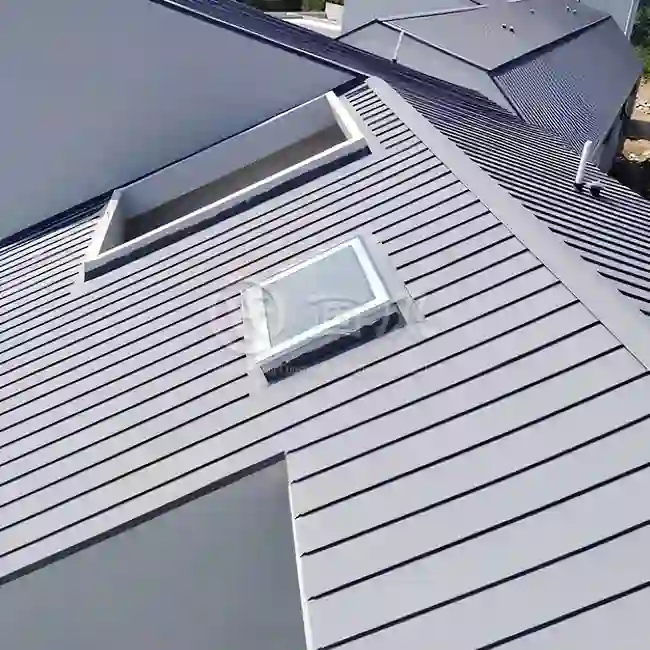
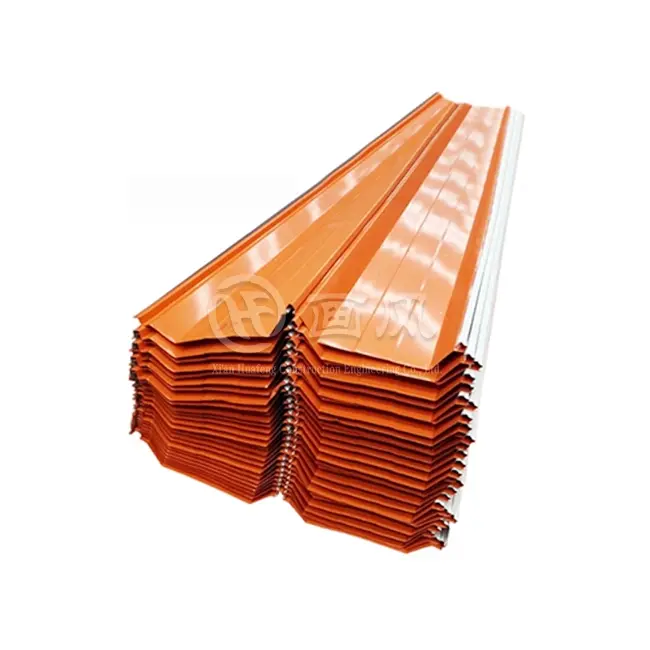
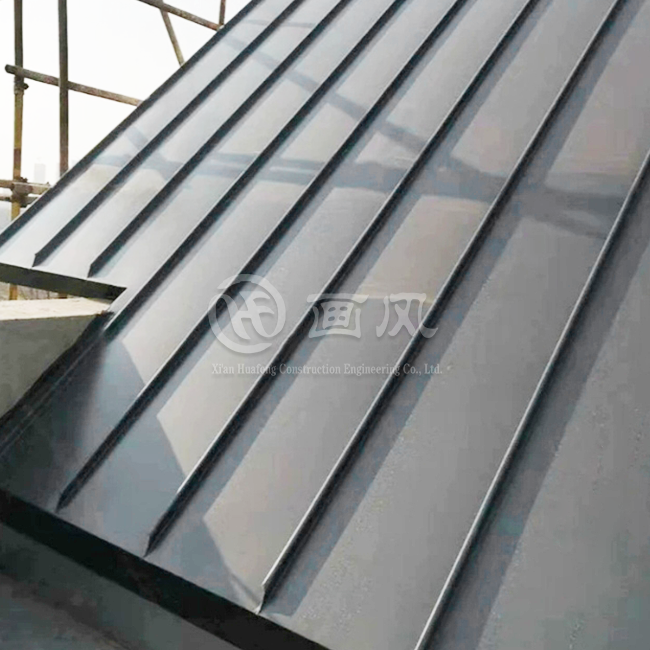
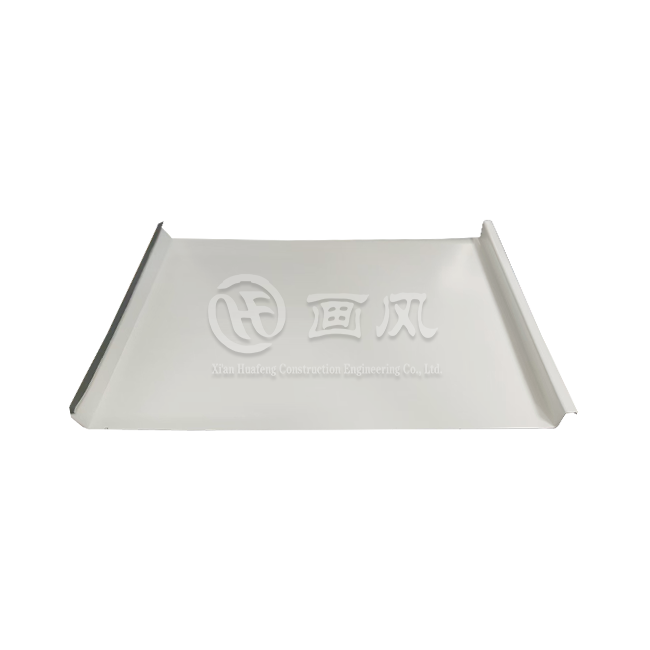
Angle Lock Standing Seam Roof Panels are the best choice for big public buildings, transportation hubs, and business complexes that need roofing systems that are both structurally sound and resistant to weather over time. These special metal roofing systems use a mechanically seamed locking mechanism with a unique angular fold (usually a 90-degree engagement) that tightly holds panels together without letting weather get to the bolts. Angle Lock Standing Seam Roof Panels are different from regular snap-lock systems because they use hidden clips that are connected to the substructure. This lets the panels expand and contract easily as the temperature changes while still keeping a watertight seal. This design solves three major problems that companies working on government-funded projects and infrastructure face: thermal movement fatigue, wind uplift vulnerability, and hydrostatic leaks. These problems make standard roofing materials less durable over time.

Understanding Angle Lock Standing Seam Roof Panels
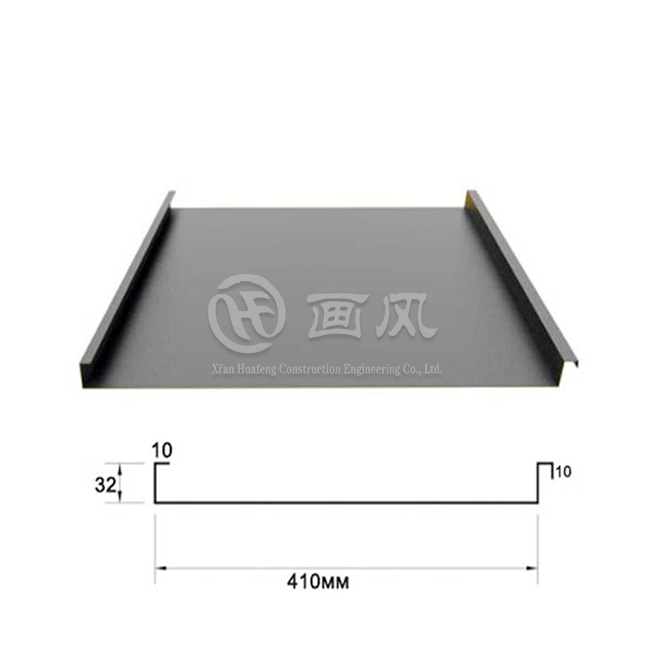
Angle Lock Standing Seam Roof Panels are based on mechanical engagement rather than adhesive dependence as the main technical concept. With the help of special tools for seaming, each panel's vertical leg shape fits together to make seams that are 50 mm to 115 mm higher. This vertical relief does two things: it keeps the structure stiff over long purlin lengths and keeps water away from the panel joints.
Design Fundamentals and Material Composition
At Xi'an Huafeng Construction Engineering Co., Ltd., we make these panels from three main types of substrates that are chosen based on the needs of the surroundings. Different types of aluminum metal (3004 and 5052 series) are very resistant to corrosion in seaside or industrial settings where chemicals and salt spray make materials break down faster. Our alu-zinc steel plates with AZ150 treatment are long-lasting and cost-effective for common industrial uses. They combine the protective qualities of zinc with the resistance to oxidation of aluminum. In the harshest places, like chemical plants, sea sites, and cities with a lot of pollution, stainless steel substrates last the longest. The panel thicknesses are between 0.7mm and 1.2mm, and are chosen based on the estimated load needs, which take into account things like snow buildup, wind pressure factors, and the distances between the structural spans.
Superior Waterproofing Through Elevated Seam Technology
The raised seam design makes a physical barrier that flat-seam systems can't match against water getting in. When placed correctly, these screens stop capillary action, which is when water goes against gravity to pass through very small holes. This is very important for low-slope situations where water sheds slowly and stays in contact with the roof for a long time. In our making process, factory-applied seals are put into the female leg of each panel. This makes sure that the panels stay together, which is something that field-applied caulking can't do. According to tests done according to ASTM E1646 standards, these systems keep their ability to keep water out even when storm conditions are mimicked with wind-driven rain.
Thermal Performance and Expansion Management
Thermal growth is a problem that metal roofs always has to deal with. When the weather changes from cold in the winter to warm in the summer, a 100-foot steel panel can grow by almost three inches. To get around this, traditional through-fastened roofs make the screw holes longer, which finally breaks the weathertight seal. The moving clip mechanism in Angle Lock Standing Seam Roof Panels makes this possible. The panels are held in place on the sides by clips that are attached to the roof deck. The panels can move longitudinally, though. When paired with high-performance coatings, this "floating" system stops the fastener wear that causes roofs to fail before they should. It can last more than 50 years.
Comparing Angle Lock Standing Seam Roof Panels with Other Roofing Systems
When looking at roofing choices, people in charge of procurement need to know the mechanical and functional differences between the different systems so they can match project needs with the right specs.
Angle Lock Versus Snap Lock Configurations
Snap lock panels are faster to install because they can be clicked together without the need for special tools for sewing. But this ease of use comes with some costs. The friction-based connection has less wind uplift resistance, which is very important for low-slope business buildings in storm zones. Snap lock systems usually get UL 580 Class 60 ratings, while Angle Lock Standing Seam Roof Panels meet Class 90 standards and can handle wind loads of more than 200 pounds per square foot when they are put correctly. The mechanical pinch of Angle Lock Standing Seam Roof Panels spreads stress along the whole length of the seam instead of gathering forces at a few connection points. This makes it less likely that the seam will come undone during severe weather.
Advantages Over Traditional Built-Up and Membrane Roofing
Because they are cheaper to install, built-up roofing and TPO coverings are most common in low-slope industrial buildings. However, lifetime study shows a different picture of the economy. Membrane systems need to be replaced every 15 to 20 years, and guarantees rarely last longer than 20 years, even with the best care. The strength of a seam rests on either heat welding or adhesive joining, which are both methods that can go wrong if the materials used aren't compatible. Angle Lock Standing Seam Roof Panels don't have these problems because they have mechanical links that don't break for decades. Our panels come with a 30-year promise and are protected by high-performance PVDF coatings that don't break down when exposed to UV light. This means that the color stays stable and the film stays intact for a much longer time than organic roofing materials.
Lifecycle Cost Analysis
Even though metal roofing systems cost about 40 to 60 percent more up front than TPO installs, the total cost of ownership figure turns this around. Over the course of 50 years, a building's membrane roof needs to be replaced two or three times, and it also needs to be maintained so that holes can be fixed and seams don't come apart. Maintenance for metal roofs mostly includes regular checks and cleaning up any waste that builds up. Since the roofs are made of metal, there aren't many material costs for replacements. Using less energy also helps you save money. Cool-roof coats on reflective metal surfaces cut cooling loads by 15–25% compared to dark membrane systems. This lowers the building's operating costs over its lifetime.
Procurement Considerations for Angle Lock Standing Seam Roof Panels
Good buying strategies balance the quality of the materials, the dependability of the suppliers, and the project's time limits. Knowing about these things helps buying managers get the best value while lowering the risks in the supply chain.
Supplier Qualifications and Manufacturing Capacity
Supplier qualification verification is essential when selecting roofing manufacturers. Xi'an Huafeng Construction Engineering Co., Ltd. holds Grade 1 curtain wall and Grade 3 steel structure qualifications recognized throughout China. The company became a Shaanxi high-tech enterprise in 2020 and owns more than 20 roofing patents. Certifications including ISO9001, ISO14001, and SGS testing confirm international manufacturing compliance. These qualifications support project approvals, insurance requirements, and quality assurance for commercial projects involving Angle Lock Standing Seam Roof Panels and related construction systems worldwide.
Finish Options and Performance Characteristics
Coating selection greatly influences the durability and maintenance needs of roofing systems. Polyester coatings provide economical protection for rural areas with limited ultraviolet exposure and low chemical pollution. HDP coatings improve weather resistance in industrial and coastal environments exposed to salt spray and airborne contaminants. PVDF coatings deliver premium performance with 70% resin content and stable color retention for twenty years. Automated color matching technology also ensures consistent appearance across multiple production runs of Angle Lock Standing Seam Roof Panels in commercial applications.
Lead Times and Delivery Logistics
Project schedules depend heavily on reliable production and transportation planning. Standard lead times for Angle Lock Standing Seam Roof Panels are typically fifteen to twenty days after order confirmation. This process includes color customization, panel rolling to required lengths, quality inspections, and protective packaging before shipment. Experienced freight forwarders use moisture barriers and bracing systems to prevent transportation damage during sea and land delivery. Accelerated production options are available for urgent projects, although early planning is necessary to secure manufacturing capacity and delivery schedules.
Installation and Maintenance Best Practices
To get the best performance out of Angle Lock Standing Seam Roof Panels, you need to follow fitting guidelines that have been developed over many years of field experience. When shortcuts are taken during installation, warranties are voided and the system fails before it should, which takes away from its economic benefits.
Site Preparation and Substrate Requirements
Successful installation begins with careful substrate preparation before roofing panels arrive on site. Structural purlins must remain aligned within strict tolerances to prevent panel distortion and visible oil canning effects. Underlayment selection depends on roof slope and local building regulations. Low-slope roofs require fully adhered synthetic underlayments for additional moisture protection, while steeper roofs may use mechanically attached systems. Proper preparation improves waterproof performance, installation quality, and long-term durability for Angle Lock Standing Seam Roof Panels in commercial roofing applications and construction projects.
Seaming Equipment and Technique
Mechanical seaming is a key installation process that distinguishes Angle Lock Standing Seam Roof Panels from other metal roofing systems. Seaming machines must accurately match the panel profile because incompatible equipment can distort seam geometry and weaken structural load transfer. Professional installation teams provide guidance regarding machine settings, operating speed, and quality inspection procedures. Correctly formed seams maintain consistent dimensions throughout the roof system while securely engaging both panel legs without excessive compression that could reduce roofing durability and weather resistance.
Inspection and Maintenance Protocols
Routine inspections help identify minor roofing problems before they become costly repairs. Semiannual inspections should focus on fastener tightness, sealant conditions around penetrations, and debris accumulation in drainage valleys. Cleaning with mild detergents and soft-bristle brushes removes contaminants such as bird droppings, industrial residue, and organic growth without damaging protective coatings. Abrasive cleaning methods should be avoided because they accelerate fading and reduce coating durability. Proper maintenance preserves the appearance and long-term performance of Angle Lock Standing Seam Roof Panels in demanding environments.
Decision Support: Choosing the Right System for Your Project
When choosing a roofing system, you have to fit the technical details with the needs of the project, which are based on how the building will be used, the weather, and your budget. A structured review method makes it clear which choices are the best value.
Application-Specific Requirements
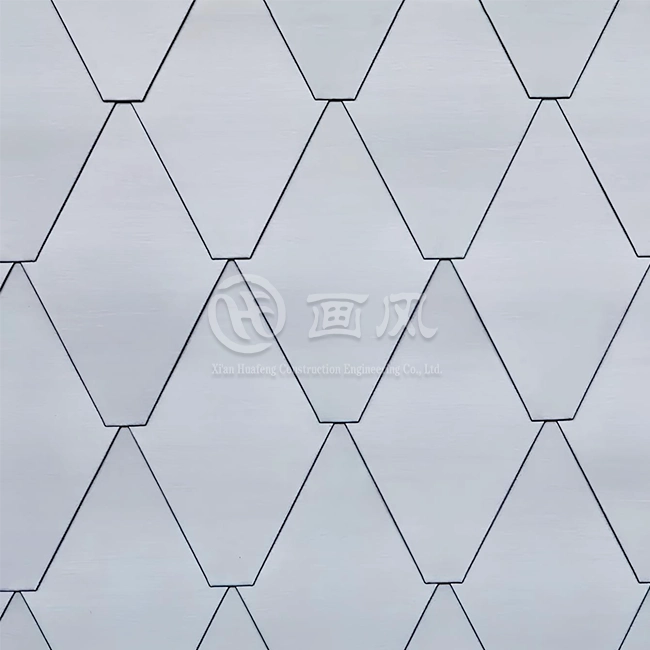
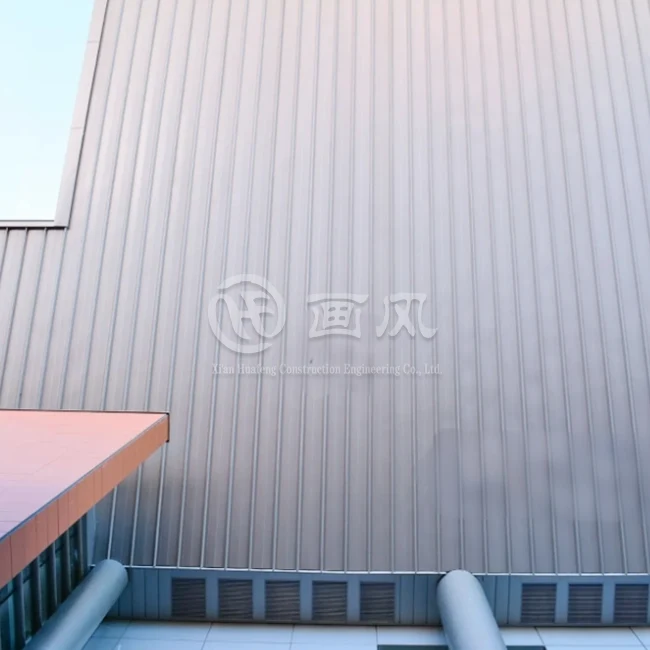
When it comes to priorities, industrial sites are different from business office buildings or transportation hubs. Reflective metal roofing is good for manufacturing plants that get a lot of heat inside because it lowers cooling costs and can handle loads of equipment on the roof and future growth. Transportation hubs like airports, train stations, and bus platforms need roofs that can cover long spans without any support beams. Metal roofing is a good choice for this because it is structurally efficient. The raised seam shape stiffens the structure along its length, which lets the purlins be farther apart, which lowers the cost of structural steel. Aesthetics are important to commercial buildings, and the clean lines and variety of colors in metal roofs help with brand recognition and street presence.
Environmental and Regulatory Factors
Different places have very different building rules that affect what materials can be used and how they must be installed. Coastal areas that are prone to hurricanes need stronger wind lifting resistance. To meet code minimums, these areas often need manually seamed systems like Angle Lock Standing Seam Roof Panels. In northern regions, estimates of snow loads determine the panel thickness and purlin spacing to keep the structure from becoming too heavy during extreme weather events. In seismic zones, horizontal loads need to be taken into account, which means that special clip designs are needed to allow buildings to move without tearing panels or loosening bolts. During the quotation process, our engineering team looks over the unique needs of the project. They find code compliance problems early on and come up with answers that keep the schedule on track.
Return on Investment Calculation
The original cost of a roofing system doesn't determine its value. Total operational expenses must be considered. Metal roofing systems make money in several ways when correctly built. In cold climates, reflective garments save more energy each year and pay for themselves in less than 10 years. No repairs are needed throughout a 50-year service life, saving money compared to membrane systems that require many re-roofings. Metal roofs need less maintenance than membrane repairs and coatings, freeing up building management costs. Despite the higher expense, metal roofs are appropriate for owner-occupied buildings for these reasons.
Conclusion
Angle Lock Standing Seam Roof Panels give medium- to large-scale building projects the structural performance, weather protection, and cost-effectiveness over their lifetime that they need. Mechanical seaming technology solves basic problems that other roofing systems can't, like heat movement, water seepage, and wind lifting. If you choose the right materials, have them installed correctly, and keep up with the upkeep, these systems will protect your building investments for generations to come while also lowering your running costs by using less energy. Xi'an Huafeng Construction Engineering Co., Ltd. offers factory knowledge, quality certifications, and technical support that turn buying a roof from a simple transaction into a strategic relationship that helps the project succeed.
FAQ
1. Can angle lock systems be retrofitted onto existing structures?
Yes, metal-over-metal retrofit applications are a business that is rising. Specialized high-profile clips hold new panels above old, deteriorating roofs. This makes an air gap that can hold more insulation without having to pay a lot of money to tear off the old roof. This method keeps the building running while the roof is being replaced, so there is none of the inconvenience that comes with replacing the whole roof.
2. How do different metal substrates compare for corrosion resistance?
Aluminum metals naturally don't rust, so they can be used in marine settings without extra coatings to protect them. Steel with a galvalume coating lasts longer than aluminum and is cheaper for most business uses. Stainless steel is used in specific places where chemicals are present in large amounts or where temperatures are high. Which coating you choose—PE, HDP, or PVDF—affects how long all base types last, with PVDF offering the most security.
3. What is the minimum roof slope for angle lock panels?
Different manufacturers have different suggestions, but when put correctly, automatically seamed systems with sealants applied at the factory can work on slopes as low as 1:12. Lower slopes need better underlayment systems and more regular maintenance checks to make sure the sealant is still in good shape and the draining is working properly.
Partner with HF for Superior Angle Lock Standing Seam Roof Panel Solutions
Angle Lock Standing Seam Roof Panels made by Xi'an Huafeng Construction Engineering Co., Ltd. are ready to help you with your next high-performance roofing job. These panels are made to last and fit perfectly. As a qualified manufacturer with Grade 1 curtain wall skills and full ISO certifications, we offer complete solutions, from helping with the design to helping with the installation. Our monthly production capacity of 1,000 tons, delivery times of 15 to 20 days, and ability to customize make us a reliable source for builders and developers who have to keep track of tight deadlines and exact requirements. We offer coatings in PE, HDP, and PVDF, as well as RAL and custom color matching. Each panel is backed by a 30-year guarantee, giving you the quality security your projects need. You can email our technical team at huafeng@hfmetalroof.com or visit hfmetalroof.com to talk about your needs, ask for technical information, and get cheap quotes that are specific to your buying needs.
References
1. Smith, J.R. (2021). Metal Roofing Systems: Design and Installation Standards for Commercial Construction. Architectural Press.
2. National Roofing Contractors Association. (2022). The NRCA Roofing Manual: Membrane Roof Systems—2022. NRCA Publishing.
3. Patterson, M.L. & Chen, W. (2020). "Comparative Life-Cycle Cost Analysis of Commercial Roofing Systems." Journal of Architectural Engineering, 26(3), 04020015.
4. American Society for Testing and Materials. (2019). ASTM E1646-19: Standard Test Method for Water Penetration of Exterior Metal Roof Panel Systems by Uniform Static Air Pressure Difference. ASTM International.
5. Johnson, K.T. (2023). Sustainable Building Envelope Design: Principles and Practices for High-Performance Commercial Architecture. Wiley & Sons.
6. Metal Construction Association. (2022). Technical Bulletin: Wind Design Practices for Metal Roof Panel Systems. MCA Technical Services Department.





YOU MAY LIKE