Best Applications for Aluminum Standing Seam Metal Roof Panels
2026-06-18 18:39:19
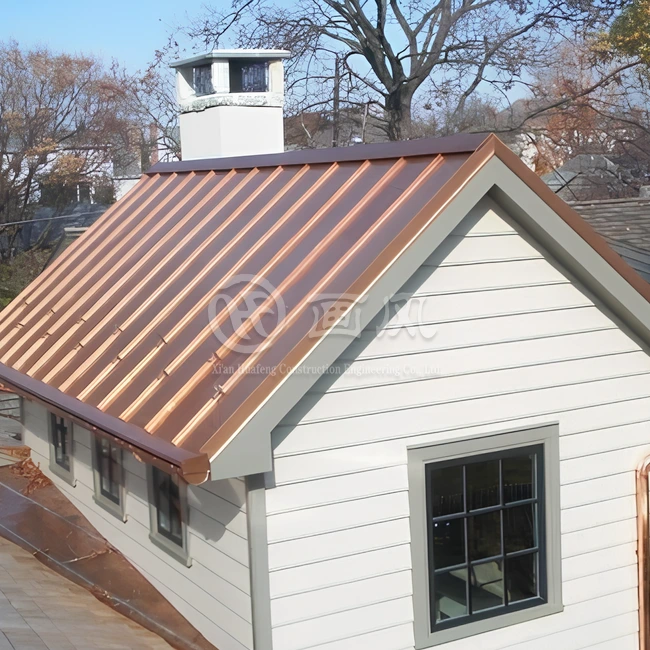
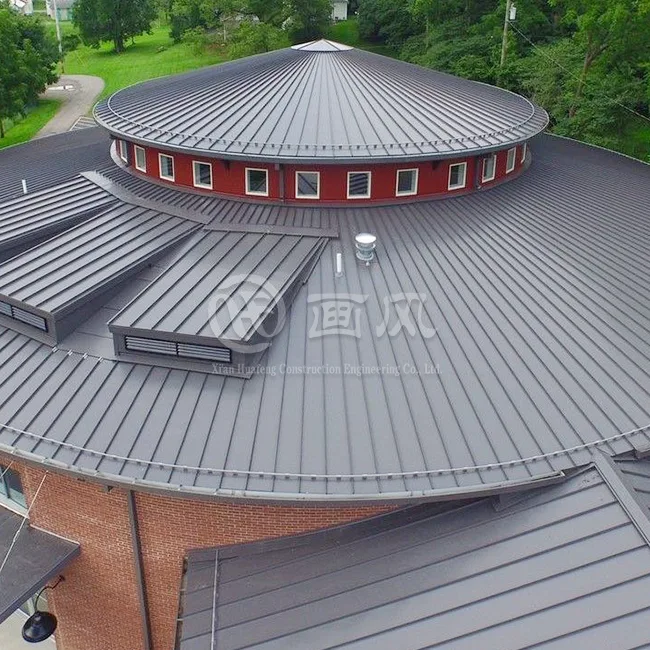
Aluminum standing seam metal roof panels work better than any other material in a wide range of building settings where long-lasting value, resistance to corrosion, and longevity are most important. These engineered roofing systems have hidden fasteners and vertical lines that are automatically linked. This makes them more weatherproof and allows for thermal expansion. With service lives of more than 50 years and low maintenance needs, these panels solve important problems in many areas, from coastal infrastructure to energy-efficient commercial developments. This makes them an important choice for procurement professionals who are looking at lifecycle costs and environmental performance.

Understanding Aluminum Standing Seam Metal Roof Panels
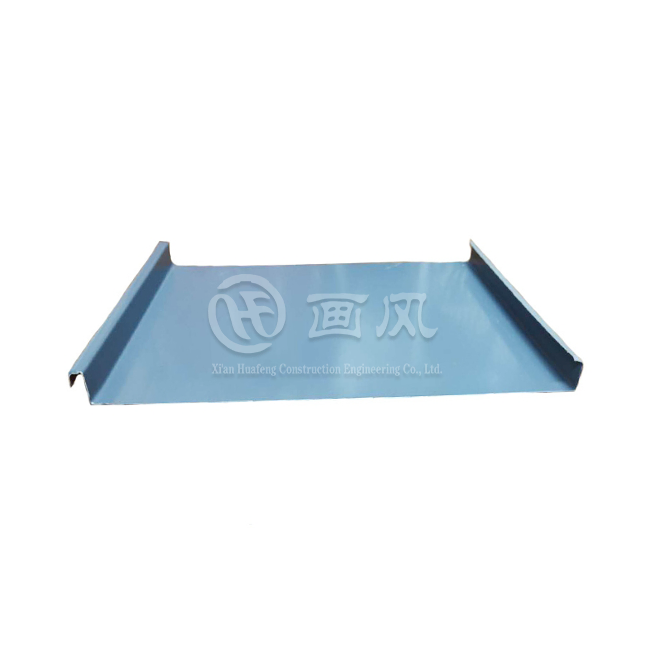
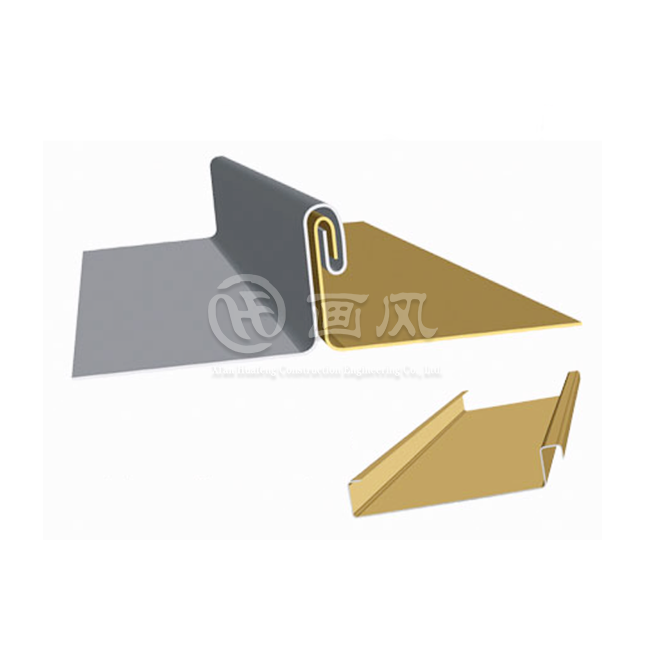
Aluminum standing seam metal roof panels are a high-end building material with raised interlocking seams that join panels without letting weather get to the bolts. In regular screw-down systems, washers wear out over time and let water in. This hidden fastener design protects weak connection points while letting the whole roof system expand and contract freely through sliding clip mechanisms.
Core Material Advantages
The base is usually made of AA3003, AA3004, or AA5052 aluminum alloys, which are all designed to be strong and easy to work with. These metals naturally create an oxide layer that protects them from small scratches and stops the rusting that happens with steel alternatives. At HF, our panels are available in thicknesses from 0.7mm to 1.2mm and rib heights from 25mm to 65mm. This means that they can meet a wide range of structural needs in domestic, business, and industrial settings. PVDF fluorocarbon finishes are very resistant to UV light and keep their color for more than 20 years, meeting both functional and aesthetic performance standards.
Aluminum is basically different from steel because it is lightweight—it weighs about one-third as much—which lowers the structure loading requirements. This feature comes in handy during renovations where the current framing can't hold heavier roofing materials, and in large-span uses where lower dead loads mean big savings on support structures. Because the material is flexible, it can be used for complicated curved or tapered placements that would damage the structure of a steel wall.
Weather-Tightness and Thermal Management
The automatically seamed double-lock link makes a seal that is watertight from all sides, even on slopes as low as 1/4:12. This feature solves important problems in business buildings with low slopes, where regular roofing systems often fail. The standing seam design efficiently moves water away from the roof and keeps snow and ice from building up, which can damage regular roofs. Since no bolts go through the weathering surface, the thermal cycle, which makes regular fastener holes get longer and leak, doesn't matter.
Comparing Aluminum Standing Seam to Alternative Roofing Materials
Understanding differences in material performance helps buying teams find the best options. Most of the talk about metal roofing is about steel standing seam systems, but aluminum standing seam metal roof panels have clear benefits in some situations that make up for their higher starting cost through total cost of ownership calculations.
Aluminum vs. Steel Performance Metrics
Galvalume, a zinc-aluminum layer on steel panels, is the only thing that keeps them from rusting. The steel base starts to rust as soon as this protective layer is worn away by exposure or scratches. Aluminum standing seam metal roof panels naturally protect themselves by making oxide. If the PVDF covering gets damaged, the uncovered aluminum oxidizes and seals itself instead of rusting over time. In coastal areas less than 1 km from the sea, this difference makes the difference between steel systems' service life of 15-20 years and aluminum standing seam metal roof panels' service life of over 50 years.
When you're remodeling, weight issues become especially important. A typical Aluminum standing seam metal roof panel section weighs 0.5 pounds per square foot, while a typical steel panel weighs about 1.5 pounds per square foot. Because of these three differences, metal roofs can be put on buildings that were not meant to have it without having to pay for expensive support work. Consequently, transportation costs go down, which is especially helpful for big projects where logistics play a big role in the budget.
Lifecycle Cost Analysis
Initial material costs for Aluminum standing seam metal roof panels are usually 20–30% higher than those for steel. However, lower upkeep costs and longer service life make lifetime economics more favorable. To keep working well, steel systems need to have paint touch-ups, fasteners replaced, and eventually a new layer put on them. When aluminum works are done right, these ongoing costs are eliminated. When you look at the total cost of ownership over 40-year project spans, aluminum is often more cost-effective than other materials, even though it costs more up front.
Asphalt tiles and other traditional roofing materials have much shorter lifespans—about 20 years—and need to be replaced every so often, but Aluminum standing seam metal roof panels keep working without any problems. Multiple re-roofing rounds cost a lot in labor and business interruption. This is especially true for commercial buildings that are already filled, where the costs of coordinating with tenants and stopping business are real.
Best Applications and Industry-Specific Recommendations
The best materials to use depend on the specifics of the project. Aluminum standing seam metal roof panels work well in situations where other materials can't economically solve problems due to their special characteristics.
Coastal and High-Corrosion Environments
Marine infrastructure is the most interesting use for Aluminum standing seam metal roof panels. Even with the best coatings, steel systems quickly break down when exposed to salt spray, constant humidity, and changes in temperature. Materials that can stand up to constant corrosion are needed for desalination plants, waterfront stores, port facilities, and high-end beachfront projects. When you combine AA5052 alloy surfaces with stainless steel clips and screws, you get systems that can last for more than 50 years in these tough conditions. Chemical processing plants have the same problems, where industrial pollution speeds up the breakdown of most metals. Aluminum's resistance to most chemicals keeps roofs from falling apart early when other materials would have failed.
Large-Span Commercial and Public Infrastructure
Aluminum standing seam metal roof panels are light, which makes them useful for building airport terminals, meeting centers, distribution warehouses, and big-box retail projects. When the space between the purlins is wider, less structural steel is needed. This lowers the overall cost of building, even though more expensive roofing materials are used. Being able to roll-form continuous panel lengths longer than 100 meters gets rid of the need for end-laps, which are a frequent place for low-slope roofs to fail. These seamless systems can handle the large heat movement that comes with big roofs without putting too much stress on any one spot, which could cause fasteners to come loose or seams to separate. Energy economy is another reason to choose aluminum. In warm areas, reflective finishes cut down on cooling loads by a large amount, which helps with LEED certification and lowers running costs.
Architectural Projects Requiring Complex Geometries
Modern architecture often uses bent, dome-shaped, or multi-radius roof shapes that are different from traditional roofing systems. Because Aluminum standing seam metal roof panels are so flexible, they can be mechanically curved and tapered without affecting the quality of the finish or the integrity of the seams. When architects want to create organic, flowing shapes for museums, performing arts centers, hotels, and famous company offices, they choose aluminum standing seam metal roof panels. Because the material is flexible, it can be used to make tapered pieces that create dramatic visual effects that would not be possible with steel that is harder. Custom color matching based on RAL standards makes sure that the design purpose is carried out from the idea stage to the finished building.
Sustainable Building Initiatives
Material choices are being affected more and more by green building approval programs. The circular economy is in line with the fact that Aluminum standing seam metal roof panels can be recovered over and over again without losing any of its quality. Making recycled aluminum also uses only 5% of the energy that is needed to make new aluminum. Choosing Aluminum standing seam metal roof panels gives buildings that are trying to get LEED, BREEAM, or similar standards extra points. The material's long life lowers the environmental effect of the whole lifecycle by getting rid of the need for multiple replacement rounds that come with systems that don't last as long. Cool roofs, which are made possible by reflective PVDF finishes, lower the effects of urban heat islands and lower the amount of energy that buildings use, meeting both environmental and practical performance goals.
Procurement Considerations for Aluminum Standing Seam Roof Panels
To do strategic buying, you have to look at sources in more ways than just comparing unit prices. The success of a project depends on its quality assurance, technical help, and on-time completion.
Supplier Qualification Criteria
Industry licenses prove that a company can make things and have good quality control methods. Suppliers who keep their ISO9001 quality certification and ISO14001 environmental management certification show that they can control the process in a planned way. Product-specific standards, such as ASTM, DIN, JIS, BS, and GB/T approval, make sure that Aluminum standing seam metal roof panels meet well-known performance standards. The terms of the warranty show how confident the maker is in the product. For example, HF's 30-year guarantee on our aluminum panels, which is backed by three factories and seven production lines, gives buying teams written proof of performance security. It is important to make sure that the guarantee covers both material flaws and finish wear and tear, as full coverage lowers long-term risk.
Customization Capabilities and Lead Times
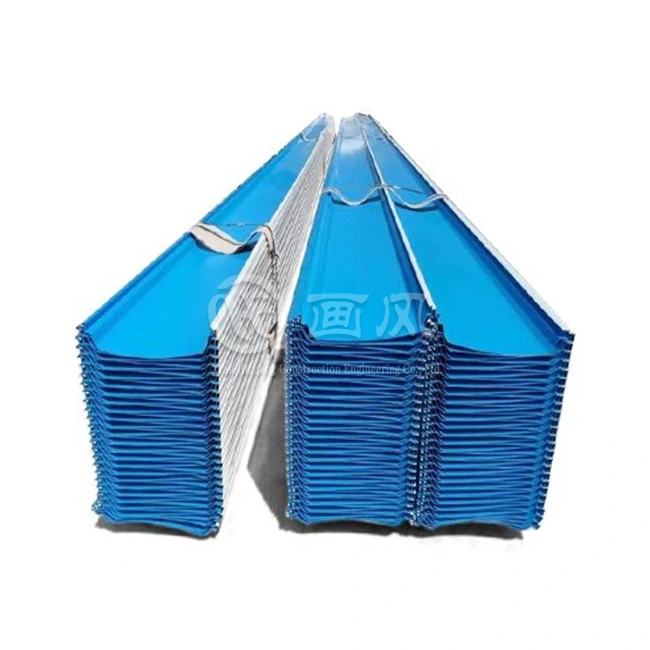
Customized Aluminum standing seam metal roof panel layouts, colors, or finishes are often needed for particular projects. Suppliers with large color libraries that support RAL standards and can match unique colors make it possible for architects to realize their visions without any problems. Panel length freedom is very important—factories that can make continuous panels that fit the size of the roof get rid of gaps that aren't needed and could become leaky spots. Our HF minimum order number of 500 square meters, or 1 metric ton, can handle medium- to large-sized jobs while still being cost-effective. Standard delivery times of 15 to 20 days work with most building plans, but procurement teams should let project teams know early on if there are special requirements that need longer production times.
Total Cost of Ownership Assessment
The price of the purchase is only one part of Aluminum standing seam metal roof panels lifetime economics. Labor costs are affected by how hard the installation is. Systems that need specialized seaming tools and trained installers cost more at first but work better in the long run. Over the course of decades, maintenance needs add up to a lot. Materials that need to be re-coated, fastened, or fixed for leaks incur ongoing costs that cancel out any initial savings from cheaper options. Getting rid of things when they're no longer useful is also important. The scrap value of Aluminum standing seam metal roof panels helps cover some of the cost of replacing, but steel's lower recyclability adds to the costs. Energy efficiency affects operational costs over the life of a building, which means that reflective high-performance finishes are economically justifiable even though they cost more.
Installation, Maintenance, and Lifespan Optimization
The efficiency and longevity of Aluminum standing seam metal roof panels are best achieved through proper construction methods and regular upkeep procedures.
Professional Installation Requirements
For installations to go well, they need to be done by professionals who know how Aluminum standing seam metal roof panels work. Handling panels is different for aluminum than for steel. Because aluminum is soft, it is less likely to have sharp edges, but it is more likely to dent during installation. Workers shouldn't walk straight on panels; instead, they should use walk boards to spread their weight. Preparing the substructure is very important—the supporting deck needs to be very flat because Aluminum standing seam metal roof panels show up substrate flaws more clearly than stronger materials. To allow for heat movement without creating stress clusters, engineers have to be careful when choosing clip spacing and types.
When you calibrate your sewing machines to work with Aluminum standing seam metal roof panels, you can avoid over-crimping, which makes the material harder to work with and makes seams more likely to break. Double-lock 360-degree seams need to be done twice with seamers that are properly set. Not enough crimping makes the seams less waterproof, and too much force harms the material. When different metals touch, they can cause galvanic corrosion, which is why only 300-series stainless steel is used for fasteners. Using carbon steel clips or screws causes quick failure around each fastener point.
Routine Maintenance and Inspection Protocols
Even though Aluminum standing seam metal roof panels are known for being low-maintenance, they still need to be inspected. Visual checks done once a year can find problems before they get worse. By checking the state of fasteners, penetration flashing, seam integrity, and sealants, problems can be stopped before they get worse. Getting rid of debris stops water from pooling and organic growth, which speeds up the breakdown of the finish. In seaside areas, salt layers can be easily removed by rinsing with water. This keeps the finish lasting longer. Unlike steel systems that need to be treated for rust and have paint touched up, aluminum systems only need to be kept clean and make sure that drainage paths stay clear.
Fixing small problems quickly stops mistakes from spreading. Small holes in the caulk around penetrations need to be fixed right away because water getting in hurts the insulation and deck materials of the Aluminum standing seam metal roof panels. Loose clips need to be re-attached before the panel can move and permanently change its shape. Walking damage to panel surfaces needs to be looked at; the structure is usually still fine, but finish damage might need to be fixed in certain places to keep the look consistent and stop areas that are weakened from fading faster.
Conclusion
Aluminum standing seam metal roof panels have clear benefits in many situations where better corrosion protection, light structural loads, and low lifecycle upkeep are needed. Aluminum's special qualities work best for coastal facilities, business buildings with a lot of spans, architecturally complicated projects, and developments that focus on sustainability. Even though they cost more up front than steel options, the higher price is often worth it in the long run because they last longer, don't need as much upkeep, and don't need as much structural support. Strategic buying that focuses on qualified providers with strong certifications, full warranties, and a history of on-time delivery sets projects up for long-term success.
FAQ
1. How does aluminum standing seam lifespan compare to steel?
Due to self-protecting oxide formation, Aluminum standing seam metal roof panels usually last 50 years or more, which is about twice as long as steel in regular conditions, which is 25 to 30 years. In marine or industrial areas with corrosive exposure, the difference is even more noticeable: steel systems usually fail within 15 years, but properly installed Aluminum standing seam metal roof panels can last for more than 50 years without structural or finish degradation.
2. Can aluminum panels handle low-slope commercial roof applications?
When fitted with continuous panel lengths and factory-applied sealant inside seam legs, mechanically seamed double-lock Aluminum standing seam metal roof panels work well on slopes as low as 1/4:12. Because of this, they can be used in big-box stores, factories, and office buildings where the roofs need to have a low pitch. For these tough jobs, choosing the right clips and preparing the foundation are still needed to get the recommended weathertightness.
3. What measures prevent galvanic corrosion in aluminum roofing systems?
Copper, raw steel, lead, and Aluminum standing seam metal roof panels should never come into touch with each other without being separated. All structure supports, clips, and bolts must be made of 300-series stainless steel, or an insulated separation must be used. Even small mistakes, like using steel screws or letting copper flashing touch aluminum, can cause electrolytic cells to form that quickly eat away at the metal. Reliable sellers offer full accessory sets that are designed to work with aluminum standing seam metal roof panels, so you don't have to worry about mixing materials while installing them.
Partner with HF for Premium Aluminum Standing Seam Metal Roof Panels
Xi'an Huafeng Construction Engineering Co., Ltd. manufactures high-performance Aluminum standing seam metal roof panels engineered for demanding commercial, industrial, and architectural applications. Our three factories operate seven production lines with over 40 specialized machines, delivering panels with 0.7- 1.2 mm thickness, 25- 65 mm rib heights, and premium PVDF finishes in RAL-standard or custom colors. Compliance with ASTM, DIN, JIS, BS, and GB/T standards ensures product reliability, while our 30-year warranty demonstrates long-term performance confidence. As an established Aluminum standing seam metal roof panel manufacturer, we maintain 500 square meter minimum orders with 15-20 day delivery timelines supporting efficient project schedules. Contact our technical team at huafeng@hfmetalroof.com to discuss your specific requirements and receive customized solutions backed by comprehensive engineering support.
References
1. Metal Construction Association. "Aluminum Roofing Systems: Design and Installation Guidelines." Technical Publication Series, 2022.
2. National Roofing Contractors Association. "The NRCA Metal Panel and SPF Roof Systems Manual." NRCA Publications Department, 2021.
3. American Architectural Manufacturers Association. "Metal Roof System Design Manual for Architectural Standing Seam Applications." AAMA Publication TIR-A9, 2020.
4. Green Building Council. "Metal Roofing and Sustainable Construction: Lifecycle Assessment and Environmental Impact Analysis." USGBC Research Report, 2021.
5. Building Enclosure Science & Technology Conference. "Corrosion Performance of Metal Roofing Systems in Coastal and Industrial Environments." BEST4 Conference Proceedings, 2022.
6. Construction Specifications Institute. "Specifying Standing Seam Metal Roofing: Material Selection and Performance Criteria." CSI Master Specification Section 07 41 13, 2023.





YOU MAY LIKE
_1781690542318.jpg "Self-adhesive waterproof membrane")
_1757558889992.webp "Metal Roofing Snowguards")