Why Invest in an Aluminum Standing Seam Metal Roof Panel?
2026-06-18 18:39:18
Aluminum standing seam metal roof panels regularly come out on top when we look at roofing investments for business and industrial projects. These high-tech roofing systems have vertical seams that interlock and fixings that are hidden. This means that there are no visible screws, which usually weaken weather protection. The metal substrate naturally fights corrosion through a self-healing oxide layer. This makes these panels very useful for placements near the coast, chemical plants, and projects that need little upkeep over many years. Unlike other roofing materials that need to be replaced often, Aluminum standing seam metal roof panels offer measured lifecycle value through lower upkeep costs and long-lasting performance.

Understanding Aluminum Standing Seam Metal Roof Panels
The Fundamental Design Architecture
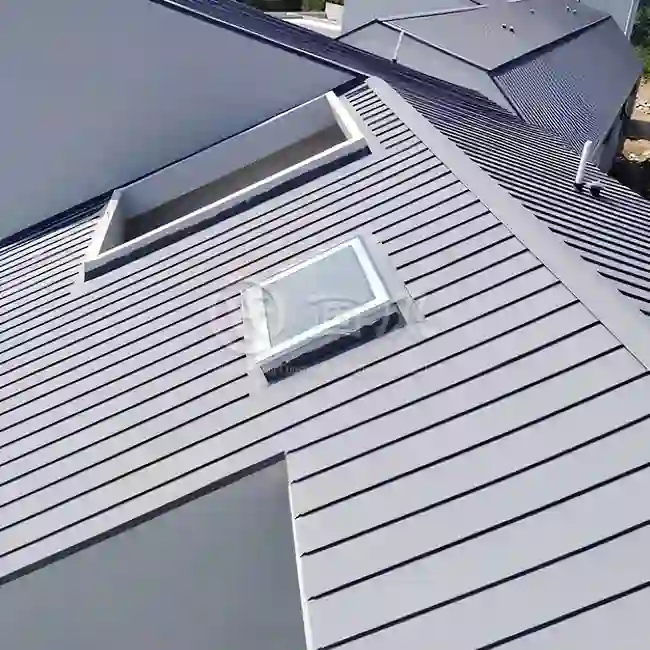
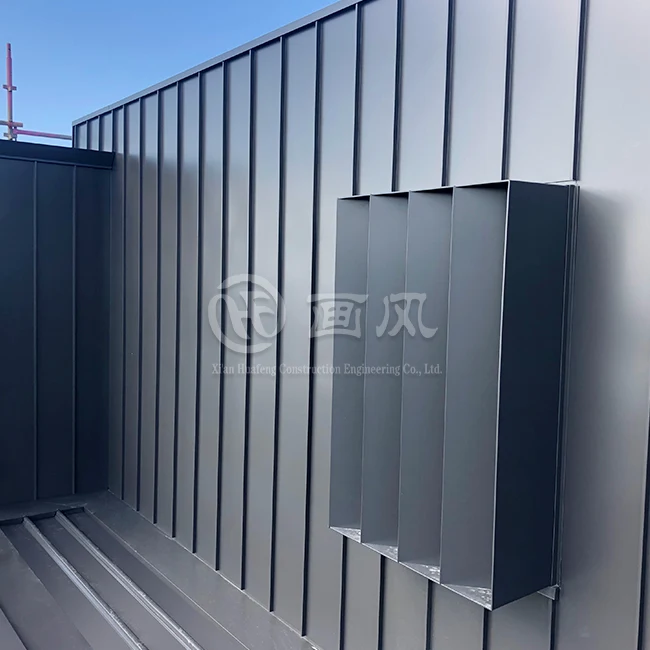
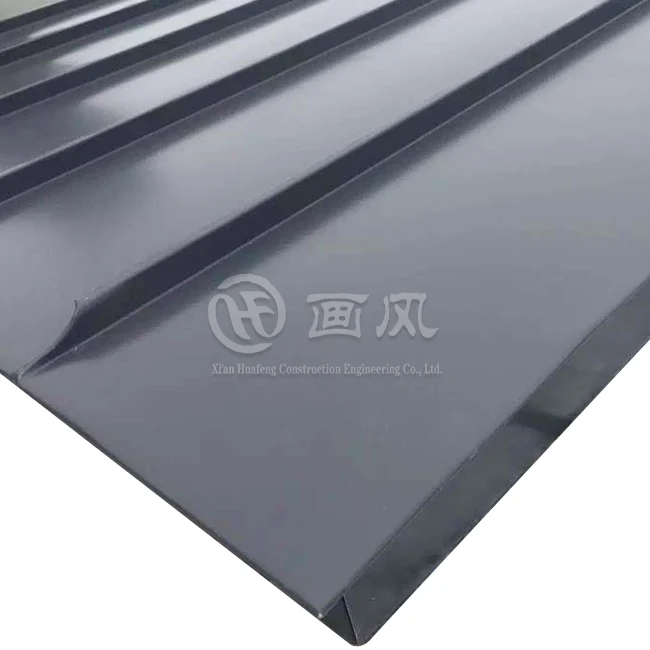
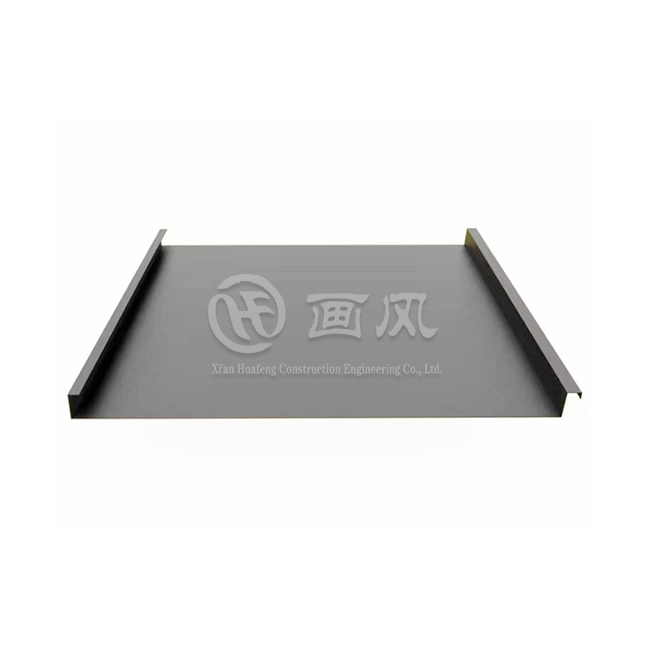
Compared to standard exposed-fastener methods, the standing seam design is a big step forward. Each panel is joined together by raised vertical ribs that are usually between 25 mm and 65 mm high. These ribs create mechanical interlocks that let the panels expand with temperature changes while keeping the weather-tight structure. The hidden clip system under each seam lets the roof's surface "float," adapting to changes in temperature without putting stress on the fasteners or creating leak paths.
Modern aluminum alloys, mostly AA3003, AA3004, and AA5052, are used in these situations because they have a middling tensile strength and are very easy to shape. Panel thickness standards range from 0.7 mm to 1.2 mm to meet different wind load and structural needs. The PVDF fluorocarbon finishes on the HF Aluminum standing seam metal roof panels give them better UV protection and color retention for more than twenty years. They meet foreign standards like ASTM, DIN, JIS, BS, and GB/T.
Installation Methodology and Weather Performance
Professional installation teams use special tools to make seams that either double-lock or snap-lock together, based on the slope of the roof and the amount of water pressure in the area. Double-lock seams with 360-degree mechanical crimps keep water out on slopes as low as 1/4:12, so they can be used on industrial roofs that are almost flat. When roll-formed on-site, the continuous panel lengths can go over 100 meters. This gets rid of the horizontal lines that can be weak spots in regular roofing systems.
When you use mechanical seaming and strategically apply sealer to the female seam legs, you get hydraulic resistance against rain that comes from the wind. This engineering method deals with common ways that screw-down metal roofs fail, like how thermal cycling weakens washer compression and makes ways for water to get in.
Key Benefits of Aluminum Standing Seam Roof Panels
Exceptional Durability and Corrosion Resistance
Aluminum standing seam metal roof panels stand out in tough settings because of the way it is made. The low density of the material (about one-third that of steel) lowers the load on the structure, and the naturally occurring aluminum oxide film protects against rust all the time. When the coating gets damaged, aluminum oxidizes and closes itself instead of rust spreading like ferrous surfaces do. Because of this basic material benefit, it is expected to last more than fifty years in naval and industrial settings, while galvanized steel usually needs to be replaced every twenty to thirty years.
The ability to prevent rust is especially useful in coastal areas less than one kilometer from the shore, near chemical processing plants, and in places where acid rain is common. In these tough settings, projects that use Aluminum standing seam metal roof panels say they don't need much upkeep other than regular debris removal. This is in stark contrast to steel roofing, which needs to be inspected and coated renewed on a regular basis to keep its structural integrity.
Energy Efficiency and Sustainability Credentials
High sun reflectivity makes Aluminum standing seam metal roof panels useful for business buildings because they keep buildings cooler. This "cool roof" effect helps buildings get LEED and BREEAM certifications, meets business green goals, and lowers operating costs at the same time. Studies using energy modeling show that buildings with bright metal roofing have fifteen to twenty-five percent lower cooling costs than buildings with dark asphalt roofs.
The sustainability profile includes more than just business success. Aluminum production and recycling use a lot less energy than steel production and recycling, and the material keeps all of its structural features even after being recycled over and over again. A building that is almost at the end of its useful life can get a lot of money back for its materials. For example, metal scrap sells for a lot of money, which covers the costs of tearing it down. This compatibility with the circular economy works with buying strategies that put an emphasis on goals for business social responsibility and environmental responsibility.
Minimal Maintenance Requirements
When put correctly, Aluminum standing seam metal roof panels don't need much care over their useful life. Checking the drainage system's usefulness, the state of the sealant at penetrations, and the tightness of the fasteners at the ridge and eave details are all part of routine maintenance. Since there is no rust, there is no need for inspections or coating upkeep, which are the major costs of steel roofs over their lifetime.
When Aluminum standing seam metal roof panels are used, facility managers like that they can plan their upkeep budgets with confidence. Aluminum standing seam metal roof panels work the same way for a long time with little maintenance, unlike asphalt roofs that need to be replaced every fifteen to twenty years or steel panels that need to have their coatings renewed. The PVDF finishes keep their colors for decades, so buildings look good without having to go through expensive cleaning efforts.
Aluminum vs. Other Metal Roof Panels: A Comparative Analysis
Aluminum Versus Steel Performance
Rust resistance, weight, and cost are the key differences between aluminium standing seam metal roof panels and steel. Steel standing seam panels employ temporary zinc or aluminum-zinc coatings for rust prevention. Walking on the coating, trees falling, or installation errors expose bare steel that rusts fast. However, aluminium surfaces may conceal imperfections without sacrificing structural integrity.
Weight matters in repairs and long-span applications. Aluminium standing seam metal roof panels have larger purlin spacing and lighter foundations, lowering construction cost and allowing installation on lighter structures. The flexible material may be utilised to construct complex forms in the field, such as curved eaves, tapering panels and radius applications, without spring-back issues like steel.
Be cautious when considering thermal expansion considerations. Aluminum standing seam metal roof panels expand twice as rapidly as steel per degree of temperature change. We require expansion clips and precise panel length planning. Experienced contractors reduce oil-canning dangers by selecting the proper gauge, profiling panels with reinforcing striations, and flattening the base.
Comparison with Traditional Roofing Materials
Aluminum standing seam metal roof panels have a better life value than asphalt shingles and built-up roofing membranes, despite having a higher starting cost. Asphalt products have lower initial costs, but they need to be replaced every twelve to twenty years, which means ongoing costs and problems with removal. When project spans are longer than thirty years, Aluminum standing seam metal roof panels are more likely to be cost-effective in the long run.
Another thing that sets us apart is the freedom of our architecture. Shingles limit design options and slope limits. Aluminum standing seam metal roof panels, on the other hand, can fit complicated roof geometries, blend in with modern building styles, and allow ventilated assembly setups that improve thermal performance. The electrical conductivity of the material protects against lightning by safely sending electrical charges to ground systems instead of causing the burning risks that come with roofing materials that can catch fire.
How to Procure Aluminum Standing Seam Metal Roof Panels
Evaluating Supplier Capabilities and Credentials
The first step in a successful buying process is to evaluate suppliers based on their manufacturing capability, quality systems, and project experience. Manufacturers with a good reputation keep their ISO9001 quality certifications and ISO14001 environmental management credentials up to date. This shows that they are responsible for both controlling the manufacturing process and the environment. For big projects, production size is important. Suppliers with multiple factories and specialized production lines make sure that deliveries are consistent and that they can adjust their capacity as needed.
HF has three factories with a total of seven color finishing production lines and more than forty specialized tools. This gives them the ability to back up their production and turn orders around quickly. The company's high-tech business title and building curtain wall qualifications show that they are technically skilled and follow all the rules. Managers in charge of buying things should check that companies have brand registrations, patent portfolios, and software certifications that show they are constantly coming up with new ideas and protecting intellectual property.
Understanding Pricing Structures and Order Parameters
The price of Aluminum standing seam metal roof panels depends on the cost of the raw materials, the finish, the difficulty of the shape, and the number of orders. The HF minimum order number of 500 square meters, or one ton, is big enough for medium-sized jobs and low enough on price to be competitive. When you buy in bulk for multi-building sites or phased projects, you can get even bigger discounts.
Clear talks about prices should include the cost of Aluminum standing seam metal roof panels per square meter, the cost of fixing clips, the cost of trim parts, and freight issues. Delivery times are usually fifteen to twenty days after an order is confirmed, but wait times may be longer if you need special color formulations or profiles that aren't standard. The thirty-year warranty protects your money and guarantees good performance, but buying teams should make sure they understand how the warranty can be transferred, how the terms are calculated, and how to file a claim.
Technical Specification and Customization Options
When it comes to simple uses, standard Aluminum standing seam metal roof panels work well, and customization options can be used to meet specific design needs. Choosing a panel thickness between 0.7 mm and 1.2 mm depends on how much wind the building will be exposed to and how you like the shadow lines to look. Rib heights ranging from 25 mm to 65 mm strike a good mix between water-shedding and visual effect.
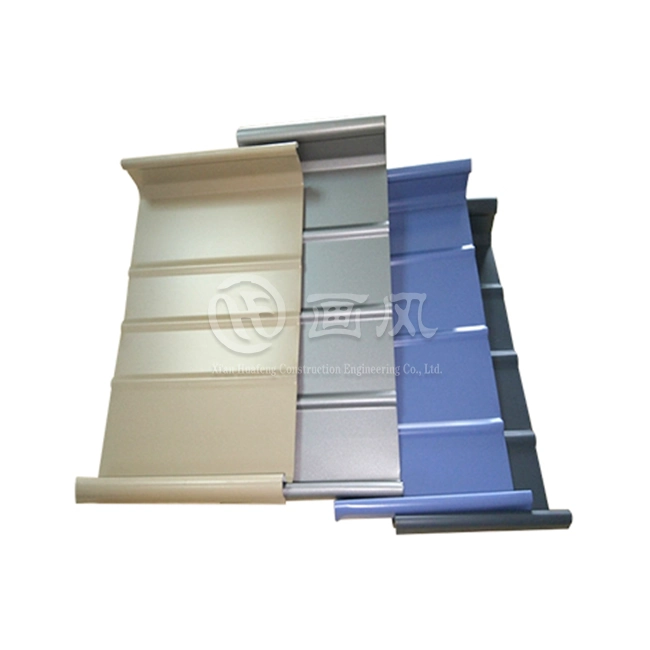
Customizing colors beyond the standard RAL options lets you match colors to your brand and your building's style. The PVDF finish technology makes sure that the color stays stable and doesn't chalk, so the look stays the same during the guarantee period. Specifications for purchases should include references to the right standards, such as ASTM for projects in North America, DIN for projects in Europe, or GB/T for markets in Asia. This is to make sure that the materials used are in line with local building rules.
Why Choose Aluminum Standing Seam Roof Panels—Case Studies and Future Outlook
Proven Performance in Demanding Applications
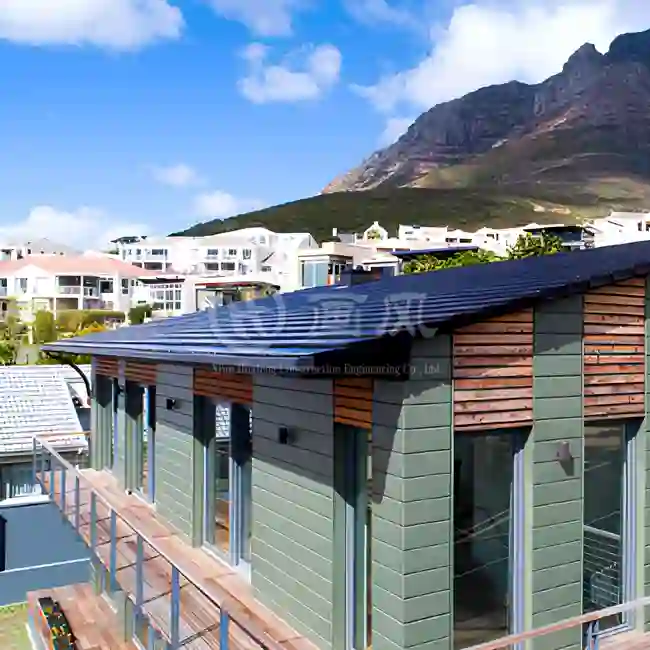
In rust-prone areas, aluminum standing seam metal roof panels are beneficial in coastal construction projects. Luxury coastal resorts with aluminium standing seam metal roof panels claim their roofs are still in good condition after 15 years of salt spray. Within 10 years, nearby steel-roofed structures exhibit significant deterioration. Material selection reduces maintenance and extends replacements.
Airport hubs, conference centers, and sports stadiums employ aluminium standing seam metal roof panels' low weight to enhance drama and control structural stresses. Continuous aluminium standing seam metal roof panels eliminate horizontal gaps that leak. Thermal movement from floating clip designs prevents fasteners from wearing out and panels from warping in large roof regions with considerable temperature variations.
Chemical processing companies and food manufacturing facilities employ aluminium standing seam metal roof panels because they withstand chemicals and don't get filthy. Nor will it rust or scatter particles into critical manufacturing zones. These smooth PVDF surfaces prevent microbial growth and make cleaning easy. These advantages and corrosion resistance extend tool life in chemically active situations.
Emerging Innovations and Industry Trends
As coating technology improves, aluminium standing seam metal roof panels perform better. Next-generation PVDF compositions with heat-reflective dyes make cool roofing better than light-colored finishes. This lets darker colours be utilised without affecting thermal performance. Photocatalytic film technologies that clean themselves reduce maintenance in polluted cities.
Specification trends favour harsh weather-tested materials. Aluminium standing seam metal roof panels can withstand hurricane-force winds of over 200 kilometres per hour when properly installed. Fire safety margins are becoming increasingly critical as wildfire dangers grow into suburbia and industrial regions.
More stringent building energy standards make envelope thermal efficiency more significant. Aluminium standing seam metal roof panels with continuous insulation and ventilated voids exceed modern energy efficiency requirements and are robust and low-maintenance enough to pay for themselves over time. Procurement professionals who want to build long-lasting enterprises know that aluminium standing seam metal roof panels are a clever material that adapts to changing regulations.
Conclusion
Aluminum standing seam metal roof panels are a mature and tried-and-true technology that has been shown to be useful in a wide range of business and industrial settings. Because these systems don't rust, are lightweight, are environmentally friendly, and don't need much upkeep, they are the best choice for projects that need to last for decades. These roofing systems work as well as they can because the suppliers were carefully chosen, the specifications were carefully thought out, and they were professionally installed. This helps the company meet its sustainability goals and be good with its money.
FAQ
1. How does aluminum roofing perform in extreme coastal environments?
Because aluminum doesn't naturally rust, Aluminum standing seam metal roof panels work very well in marine environments. The self-healing oxide layer stops the saltwater damage that weakens steel surfaces very quickly. Aluminum standing seam metal roof panels are the best material for business developments and marine structures that are within one kilometer of the coast because they have a service life of more than fifty years with little upkeep.
2. Can aluminum panels accommodate complex architectural designs?
Because the material is so flexible, Aluminum standing seam metal roof panels can be used to make curves, tapers, and radius shapes in the field without affecting the quality of the seams or the finish. Architects choose Aluminum standing seam metal roof panels for organic building shapes like domes, conical roofs, and designs with multiple radii that are hard for steel to form. No matter what shape the panels are, the automatic seaming process keeps them weathertight.
3. What measures prevent galvanic corrosion in aluminum roofing systems?
Galvanic reaction risks can be eliminated by choosing the right materials. Electrochemical corrosion can't happen at joining places where stainless steel fasteners and clips are used. Copper, lead, or bare steel should never come into contact with Aluminum standing seam metal roof panels. When different metals have to touch, reputable workers use isolation methods like separating bands and non-conductive washers to make sure the system lasts as long as possible and doesn't break down too soon.
Partner with HF for Superior Aluminum Standing Seam Metal Roof Panels
People who work in procurement who need a reliable provider of Aluminum standing seam metal roof panels will find that HF has the manufacturing capacity, technical know-how, and customer service that large business projects need. With three production sites and seven specialized coating lines, we can guarantee consistent quality and on-time delivery for orders as small as 500 square meters. The product comes in a wide range of thicknesses (0.7 mm to 1.2 mm), rib heights (25 mm to 65 mm), and RAL colors and PVDF finishes that can be customized to meet the needs of any project. The prices are also very reasonable. Email our team at huafeng@hfmetalroof.com to talk about your roofing needs, ask for technical information, and find out how our thirty-year warranty and fifteen-to-twenty-day shipping plans can help you meet your project deadlines and performance goals.
References
1. Smith, J.R. (2021). Metal Roofing Systems: Design and Performance Standards for Commercial Applications. Construction Materials Press.
2. Anderson, M.K. & Chen, L. (2020). "Comparative Lifecycle Analysis of Metal Roofing Substrates in Corrosive Environments," Journal of Building Envelope Technology, 15(3), 127-145.
3. National Roofing Contractors Association (2022). Metal Roofing Installation Guidelines and Best Practices, 8th Edition.
4. Thompson, R.D. (2019). "Thermal Performance of Reflective Metal Roofing in Commercial Buildings," Energy Efficiency in Construction Quarterly, 22(4), 89-103.
5. International Code Council (2021). International Building Code Provisions for Metal Roof Systems, Chapter 15 Roof Assemblies and Rooftop Structures.
6. Williams, S.T. & Rodriguez, P.A. (2020). Sustainable Building Materials: Environmental Impact Assessment of Roofing Products. Green Construction Publishing.