How to Install a Standing Seam Metal Roofing Sheet
2026-06-18 18:39:15
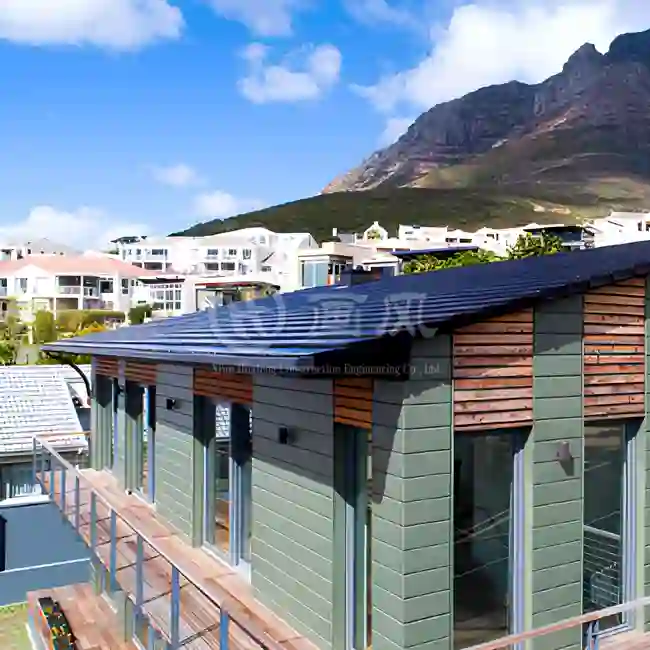
To get the best weatherproofing and structural performance from standing seam metal roofing sheets, they need to be installed with great care and technical knowledge. This secret fastener system secures panels with hidden clips instead of screws, so there are no visible screws. This lets the panels expand with temperature changes while keeping the watertight integrity over spans longer than 50 meters. If you place it correctly, it will last for decades without needing any repairs. This makes it the best choice for business projects that need to look good and be reliable.

Introduction
Standing-seam metal roofing sheets are the best way to cover your home or business. They are made to last, look sleek and modern, and fight the weather better than other roofing materials. In contrast to older systems with visible fasteners that can fail due to gasket wear and thermal cycling, this advanced panel system solves major problems in the industry by using hidden clip mechanisms and raised seams that fit together.
It helps procurement managers, building engineers, roofing contractors, and business property developers find and install these high-performance roofing systems by explaining everything they need to know. You'll learn useful information about how to put things together, choose materials, set quality standards, and do regular maintenance that is necessary for getting the best long-term results from a job. Whether you're in charge of big warehouse developments, coastal architecture projects, or integrating green energy, knowing the right way to put things has a direct effect on how long your investments last and how well they work.
Understanding Standing Seam Metal Roofing Sheets
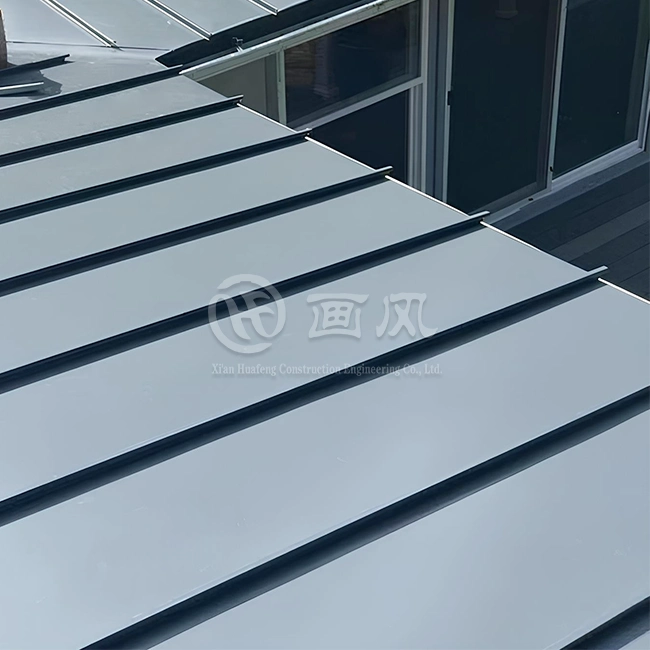
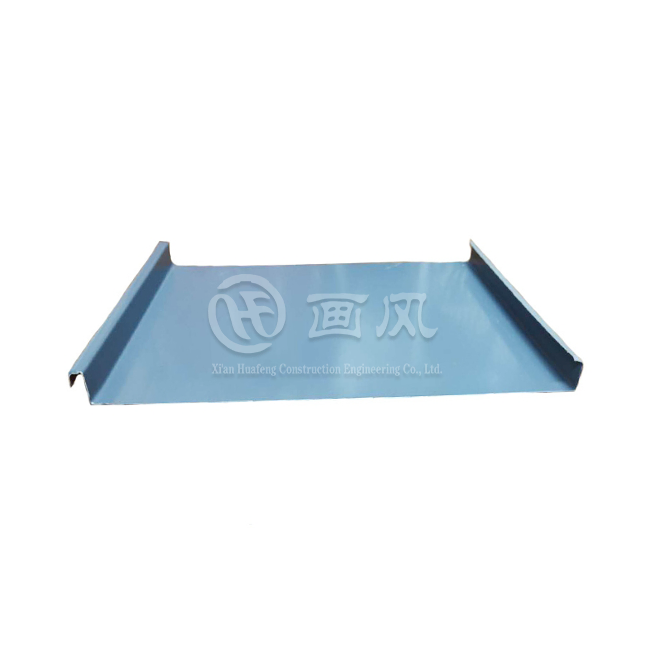
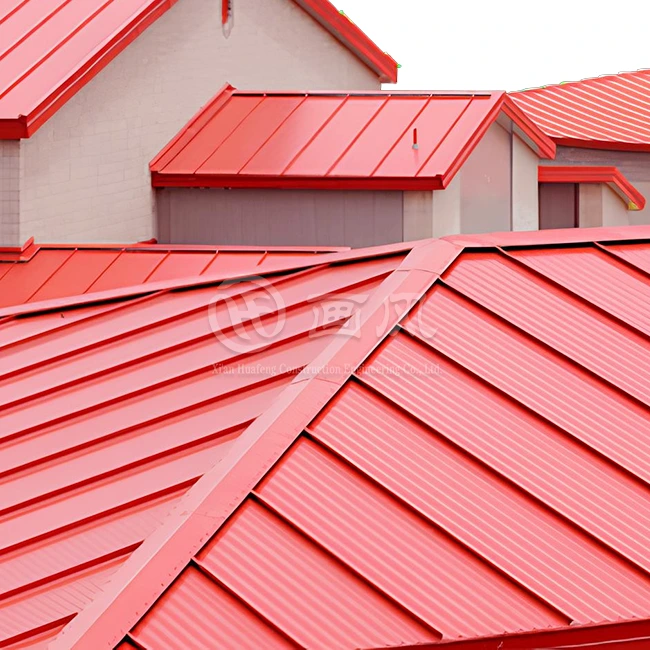
Standing-seam metal roofing sheets include panels with elevated vertical seams of 1–3 inches and mechanical seamers or snap-lock devices to attach them. This style conceals all bolts beneath the panel junction, unlike corrugated or through-fastened profiles. This eliminates hundreds of leak spots from screw gasket failure under UV radiation and changing weather.
The major issue with typical roofing systems is worn fasteners. The concealed fastener system solves this. Fixed or movable clips pushed into the seam connect panels to the base. The roof may extend and compress without screws or slot holes. This prevents water from entering at low slopes up to a 1:48 pitch.
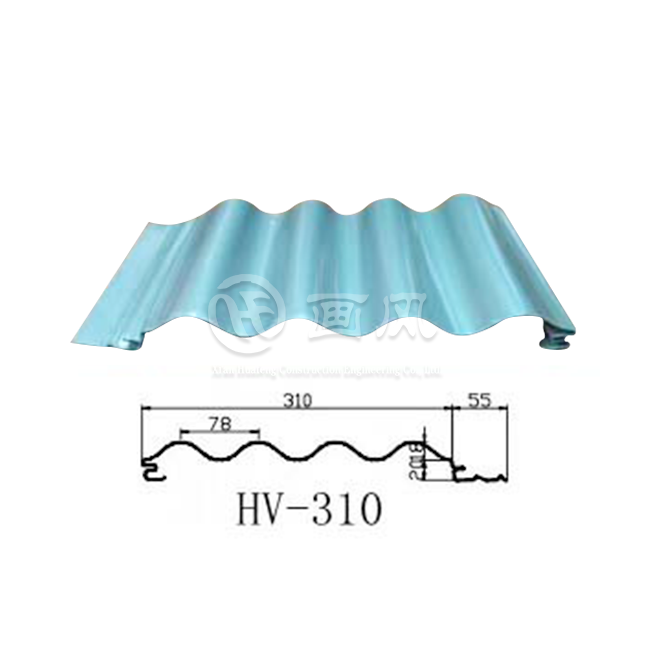
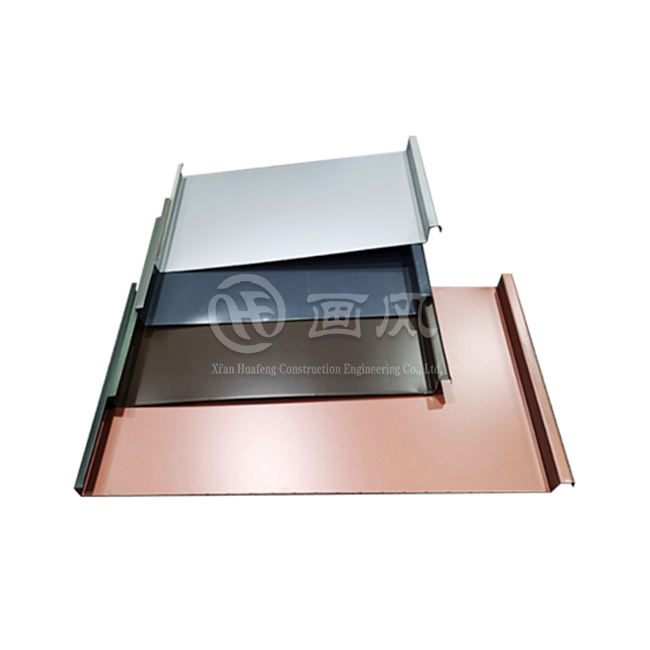
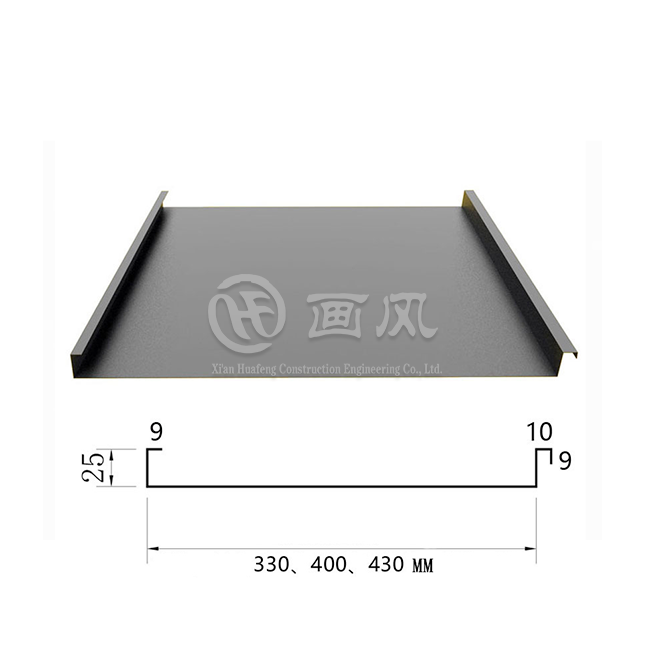
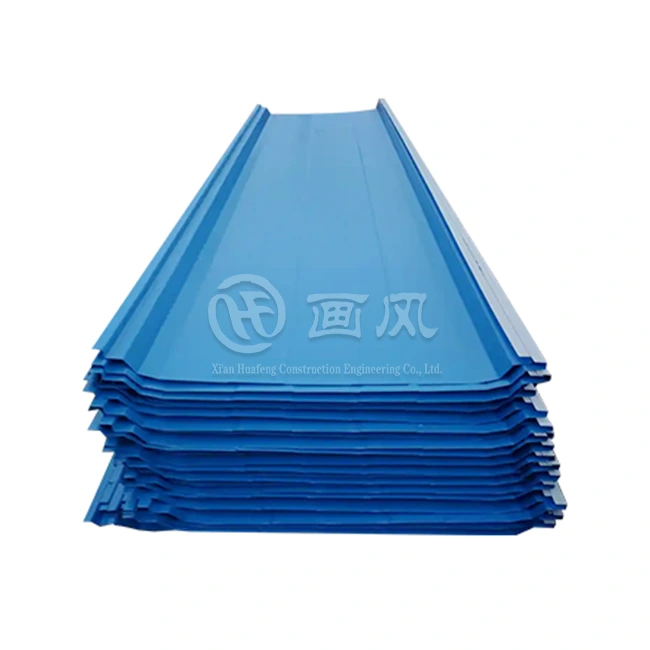
Galvalume steel (AZ50/AZ55 aluminium-zinc alloy), galvanised steel (G90), aluminium plates from 0.032 to 0.040 inches, stainless steel, copper, and titanium-zinc are other options. Typical panel widths are 300–500 mm, rib heights are 32 mm, and lengths range from 1 to 13 meters. Premium PVDF (Kynar 500) coatings resist fading and chalking better than polyester. Top coatings are 25–40 microns thick.
Businesses benefit from these requirements because they require less maintenance, use less energy due to reflective coatings, meet strict ASTM standards (E1592 for structural performance, E1680 for air leakage, and E1646 for water penetration), and have UL 90 wind uplift ratings that protect them from hurricanes when installed properly. Standing seam metal roofing sheets may be used for anything from airport terminals that require continuous 200-foot sheets to coastal locations that need corrosion-resistant marine-grade metal.
Preparing for Installation – Essential Steps and Considerations
Conducting Accurate Site Assessments and Measurements
A good assembly starts long before the panels get there. When you take precise measures of your roof, you have to think about slopes, penetrations, dips, and the need for expansion joints. Write down the current state of the structure and make sure that the deck's strength can handle the expected loads, such as the roof system, snow, and repair workers. For the best water flow, roof slopes should be at least 5 degrees, but lower pitches can be used in certain situations with the right underlayment and joint sealing.
Coordinating Material Procurement and Delivery Logistics
On-time delivery requires good source communication. You should know the substrate material (galvalume vs. aluminium affects weight and corrosion resistance), gauge thickness (22 or 24 gauge for steel applications), coating type (PVDF for long-term durability vs. PE for cost savings), and colour (RAL or custom) when shopping for standing-seam metal roofing sheets. Leading manufacturers deliver over 1,000 tonnes per month across numerous manufacturing locations. Thus, large-scale initiatives always have everything they need.
Good suppliers also have ASTM, DIN, JIS, BS, and GB/T certifications along with ISO9001 and ISO14000:14001. Before ordering, request free samples to test the covering's adhesion to T-Bend (ASTM D4145) and oil canning potential. Minimum orders start at 500 square meters, and shipment takes 15–20 days, depending on customisation.
Assembling Essential Tools and Accessories
Choosing the right tools has a direct effect on how well the installation goes and how well the system works in the end. For snap-lock profiles, you'll need mechanical seamers or hand-crimping tools, flight snips for trimming panels, fastening devices that work with your material, and a lot of safety gear, like fall protection systems and shoes that don't slip. As an example of necessary accessories, weatherproof sealants, vapour barriers, thermal insulation that is matched to temperature zones, close strips, and flashing parts that work with each other are all examples.
Anticipating Installation Challenges
The weather has a big effect on how well a job goes. If the temperature drops below 0°C or rises above 40°C, you shouldn't build anything because the base will shrink and the clips will not connect properly. There are problems with structural compatibility when the current deck needs to be strengthened or when the moisture shields need to be improved. Coordinating schedules for multiple trades requires thorough project timelines that take into account material wait times and crew availability. This is especially important when installing solar panel mounting systems or snow retention devices.
Step-by-Step Installation Guide for Standing Seam Metal Roofing Sheets
Inspecting and Preparing the Roof Substrate
Before installation, inspect the roof deck for structural issues, water damage, and uneven surfaces. Before continuing, all decking repairs must be made since metal panels may take up substrate flaws, reducing visual appeal and potentially producing stress points. To prevent condensation and moisture-induced corrosion, install vapour barriers per the manufacturer's recommendations and make sure they meet and shut.
Flooring materials should match your temperature and slope. Unlike felt underlayments, synthetic ones don't shred and remain firm in the sun, which is vital for extended installations. Protect the flooring with a few screws to avoid making unnecessary holes in the deck and provide wind resistance during construction.
Installing Concealed Fastening Clips and Initial Panels
Set up clear reference lines to keep panels square to the roof borders during installation. Starting strips that link panels and enable heat transfer should be placed at the eaves. Engineers recommend concealed clips every 12–24 inches; however, wind exposure and panel form might affect this.
Floating clip systems allow panels longer than 30 feet to expand and contract several inches as temperature changes. Oil canning and fastener warping are prevented by moving clips around fixed clips that hold panels in important areas. Before putting the first panel, engage the clip and make sure the vertical leg fits in the clip mechanism.
Securing Panels Through Mechanical Seaming or Snap-Lock Connection
Installing standing seam metal roofing sheets is done in a straight line from the starter edge to the top. Each panel covers the one before it, and the male leg of one panel fits into the female leg of the next panel. For mechanical lock systems to work, special seamers must fold both panel edges together several times, making a 90-degree or 180-degree fold that keeps out water and air without the need for seals.
Snap-lock profiles are quicker to install since the panels snap together, but they don't manage wind as well as manually seamed systems. Maintain seam alignment throughout the roof plane. To prevent alignment drift, measure from reference lines periodically. Even if panels expand, seams will remain intact provided there is adequate room between them—usually 1/8 inch at horizontal joints.
Installation of Ridge Caps, Trim, and Flashing
Flashing features are significant transitions that need proper weatherproofing. Install eave flashing before panels. This will provide adequate protection for water to drain off and keep wind-driven moisture out. Counterflashing and reglets connect sidewall flashings to panels. Hidden fasteners are maintained as the roof and vertical surfaces move differentially.
Ridge cap installation completes roof covering. Shapes with or without vents depend on attic ventilation. Ridge caps are secured by maker-made concealed screws or clips. This maintains reveal proportions and weatherproofs roof seams. Trim sections must enable panel heat circulation and keep water out of weak places like rakes, dips, and penetrations.
Conducting Comprehensive Quality Verification
Before finishing, final quality tests ensure accuracy. Make sure each seam link is engaged. Completely shut mechanical locks and configure snap-lock profiles. Be careful not to over-torque the fasteners, which may bend the clips and impede heat flow. Check flashing for holes and apply sealant properly. Sealant may disguise installation issues, so use it sparingly.
Walk the roof looking for flat pan oil canning. Too much waviness suggests the foundation isn't level, the clips aren't spaced, or the panels were broken during handling. Record panel lengths and expansion joint locations for future repair. Following the authorised installation instructions will verify that the final system fulfils wind lifting and water resistance requirements.
Post-Installation Care and Maintenance for Longevity
Establishing Routine Inspection Schedules
All the way through the roof's useful life, regular care keeps both its usefulness and its good looks. Set up inspections every six months to check the state of the sealant at penetrations, the integrity of the flashing, and the tightness of the fasteners in areas that are visible. Clear out the valleys and draining parts of any built-up garbage to stop water from pooling and speed up corrosion. Coastal systems need to be cleaned more often to get rid of salt layers that shorten the life of coatings, even marine-grade finishes.
Addressing Repairs and Component Replacement
Fixing damage early prevents simple issues from becoming structural or water damage. To maintain the guarantee and building appearance, replace the panels with the same colour, base material, and coating. Change a panel without impacting adjacent sections using hidden fastening systems. This makes repairs cheaper and simpler than through-fastened systems.
The complexity of the repairs and the ability of the teams determine whether to hire in-house maintenance workers or specialised contractors. In-house personnel may replace sealant and clean up debris. Panel replacement and seam repairs are best done by experienced metal roofing workers who know how to engage clips and tolerate thermal movement.
Optimising Energy Performance Through Upgrades
Standing seam metal roofing sheets naturally help save energy because their reflected coats lower the need for cooling. Adding more insulation under the roof deck improves heat performance, which lets projects get green building certifications like LEED points. The vertical rib shape allows non-penetrating solar panel mounting clamps to be used, which means that renewable energy can be added without voiding waterproofing warranties. This is a big benefit that supports green building efforts and lowers operating costs across commercial building portfolios.
Procurement Insights: Choosing the Right Standing Seam Metal Roofing Sheets Supplier
Evaluating Manufacturer Credentials and Production Capacity
Due to material quality, delivery reliability, and technical assistance, a reliable supplier may boost project success. Favour firms with many large manufacturing facilities. Three facilities with over 40 specialised pieces of machinery and seven coating production lines allow Xi'an Huafeng Construction Engineering to produce over 1,000 tonnes of commodities every month. This size ensures quality control across manufacturing batches and access for large corporate initiatives.
Check certificates for environmental responsibility and strong manufacturing standards. The ISO9001 quality management certification and ISO14000:14001 environmental certification demonstrate process consistency and environmental friendliness. Technical development and intellectual property protection are shown by SGS rules and roofing system patents. First-tier curtain wall and steel structure builders have technical talents beyond panel fabrication.
Understanding Pricing Variables and Negotiation Strategies
Materials vary by substrate (aluminium costs more than galvanised steel), covering (PVDF costs 30–50% more than polyester), panel form complexity, and order quantity. Material cost and construction performance depend on gauge thickness. 24 gauge is strong enough for most usage, although 22 gauge is ideal for windy places or large purlin spans.
Bulk purchase tactics reduce unit costs and ensure project consistency by taking advantage of volume reductions. Discuss customisation possibilities including matching colours to building requirements, modifying patterns, and adapting designs to specific projects. Mid-sized projects may be fulfilled by suppliers with 500-square-meter minimum orders and reasonable pricing.
Assessing Delivery Reliability and After-Sales Support
Timelines for deliveries have a direct effect on building plans and costs. Established makers offer delivery windows of 15 to 20 days for standard specs. Customised orders need more time for colour development and shape changes. Check to see if the site of your project has the right logistics, especially if it's somewhere far away or overseas that needs special shipping plans.
Comprehensive help after the sale is what sets premium sellers apart from basic providers of standing-seam metal roofing sheets. Material flaws and coating performance should both be covered by guarantees. For PVDF systems, paint warranties should last 25 to 40 years. Technical help during installation fixes problems in the field and protects the guarantee. When suppliers offer free samples, customers can test the coating's stickiness before installation, make sure the colour is accurate, and prove that the coating adheres through cross-hatch testing (ASTM D3359).
Conclusion
To get long-lasting results, installing standing seam metal roofing sheets requires technical skill, good materials, and a methodical process. This hidden fastener system has a lot of benefits, like getting rid of leaky visible fasteners, allowing for thermal movement, and giving structures strength that can handle harsh weather. The right way to install something starts with properly preparing the base, then carefully aligning the panels and securing the clips, and finally checking the whole job to make sure it looks good and is weathertight. Maintenance after placement keeps these benefits going for decades, helping with goals for energy savings and sustainability. To be successful in procurement, you need to work with experienced manufacturers who can offer proven output capacity, strict quality certifications, and full technical help throughout the entire project lifecycle.
FAQ
1. How long does it typically take to install standing seam metal roofing sheets on a commercial property?
The length of time it takes to install standing-seam metal roofing sheets depends a lot on the size of the job, how complicated the roof is, how experienced the crew is, and the weather. A simple business roof covering 10,000 square feet with few penetrations usually takes five to seven working days with an experienced crew. Large warehouse projects that are bigger than 50,000 square feet can take several weeks, especially if they have a lot of complicated flashing features, more than one roof plane, or green energy built in. Delays caused by bad weather and delays in getting materials can make schedules longer, so it's important for key path building schedules to plan for what could go wrong.
2. What factors influence the cost of standing seam metal roofing sheets installation?
Costs vary mostly depending on the material used. For example, aluminium frames are more expensive than galvanised or galvalume steel, and PVDF coatings are a lot more expensive than polyester options. Unit prices are affected by factors like panel width (22-gauge vs 24-gauge), shape complexity, and the need for customisation. Installation costs depend on things like regional labour rates, how easy it is to get to the roof, the size of the job so that the crew can work efficiently, and any extras like better insulation, snow retention systems, or solar mounting provisions. Strategies for buying things that focus on large orders and standard specs lower the overall cost of a project.
3. Can standing seam metal roofing be installed over an existing asphalt shingle roof?
It is technically possible to put retrofit kits on top of existing shingle roofs as long as the structure below can handle the extra weight and the old roof is in good shape, with no damage from water or structural problems. This method gets rid of the need to pull off the roof and pay to have it thrown away. It also improves insulation by leaving an air gap between the layers of the roof. The right way to place the underlayment and plan the airflow is very important to keep wetness from building up, which speeds up the corrosion of the base. Different places have different building rules, so overlay projects need to be checked for permits before they can happen.
Partner with HF for Premium Standing Seam Metal Roofing Sheets Solutions
To take your business roofing projects to the next level, you need to work with a well-known maker of standing seam metal roofing sheets who can provide you with quality products, enough production capacity, and technical know-how. Xi'an Huafeng Construction Engineering runs three specialised sites with more than 40 precision tools and seven coating lines. Each month, they can offer more than 1,000 tons of materials to meet your project deadlines. Our panels are certified to meet strict ASTM, DIN, JIS, and GB/T standards and come with ISO9001 and ISO14000:14001 labels. They can be made to fit your needs and come with PE and PVDF finishes and RAL colour matching. With shipping times of 15 to 20 days, a 500-square-meter minimum order size, and free samples that prove how well the coating works, we give you the stability and support you need to make smart purchasing choices. Get in touch with HF at huafeng@hfmetalroof.com right away for personalised quotes, technical advice, and business possibilities. HF offers long-lasting, energy-efficient roofing solutions that are backed by registered patents and decades of engineering excellence.
References
1. Metal Construction Association (2021). Guidelines for Concealed Attachment Standing Seam Metal Roof Panel Systems. Technical Bulletin Series, Volume 12.
2. American Society for Testing and Materials (2020). ASTM E1592: Standard Test Method for Structural Performance of Sheet Metal Roof and Siding Systems by Uniform Static Air Pressure Difference. ASTM International Standards.
3. National Roofing Contractors Association (2019). The NRCA Roofing Manual: Membrane Roof Systems. Fifth Edition, Chapter 7: Metal Panel Systems.
4. Sheet Metal and Air Conditioning Contractors' National Association (2018). Architectural Sheet Metal Manual. Seventh Edition, Section on Standing Seam Roof Systems.
5. Cool Metal Roofing Coalition (2022). Energy Performance and Sustainability Benefits of Reflective Metal Roofing Systems. Industry White Paper on Commercial Applications.
6. Construction Specifications Institute (2020). MasterFormat Division 07 42 13: Metal Wall Panels and 07 61 13: Standing Seam Metal Roof Panels. Specification Guidelines for Commercial Construction.





YOU MAY LIKE