What Is Striated Standing Seam Metal Roofing Design Advantages Explained
2026-08-17 18:27:05
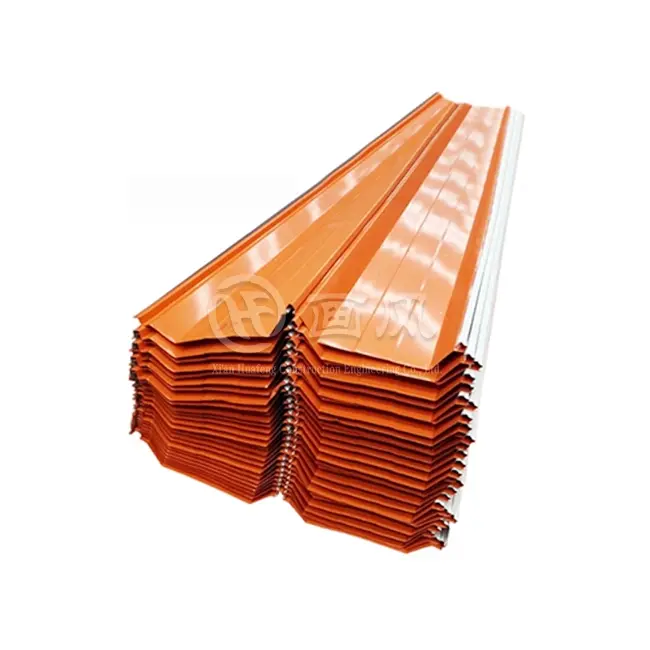
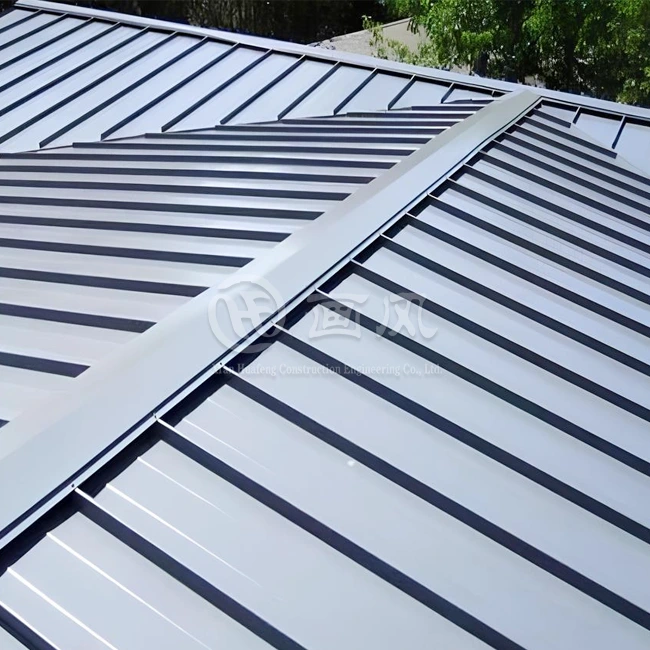
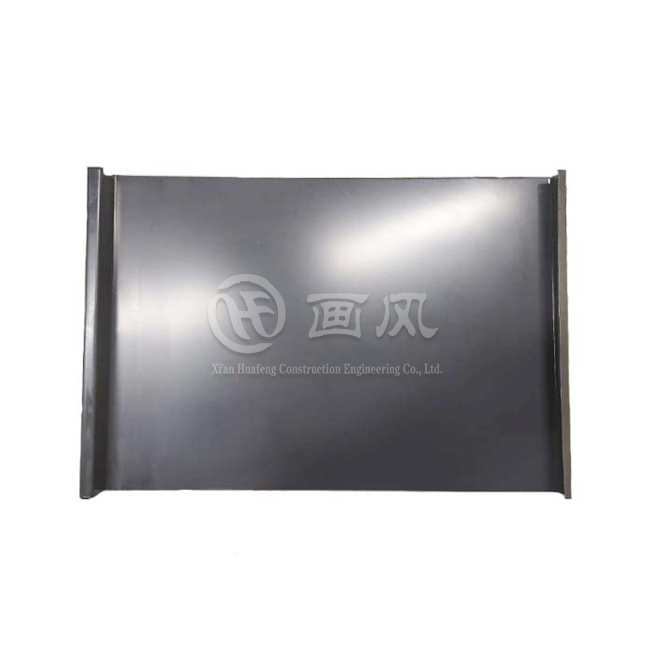
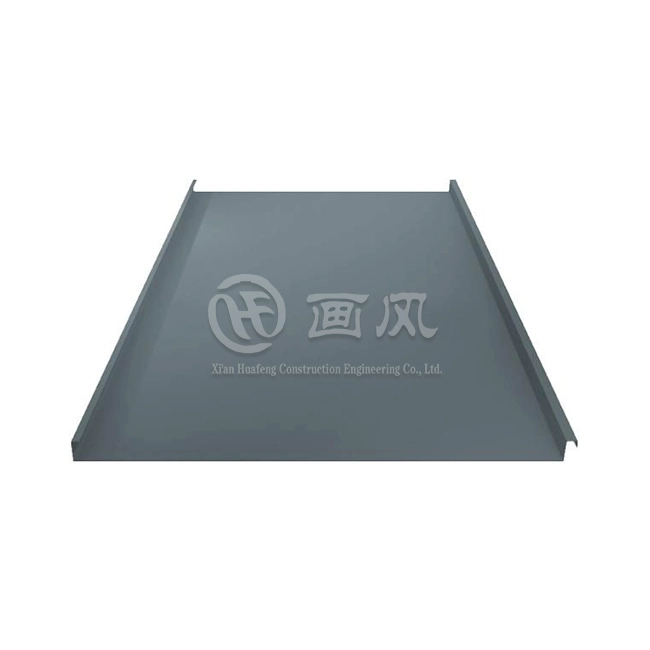
Striated standing seam metal roofing represents an evolution in metal roofing technology, combining the proven reliability of traditional standing seam systems with a textured surface that enhances both visual appeal and functional performance. This roofing solution features raised vertical seams that interlock for superior weatherproofing, alongside linear striations—vertical grooves or ridges—that add dimensional depth while improving panel rigidity and water drainage. The striated texture effectively minimizes the appearance of oil canning, a common aesthetic challenge with flat metal panels, while maintaining the structural integrity demanded by commercial and industrial applications.

Understanding Striated Standing Seam Metal Roofing
What Defines This Roofing System
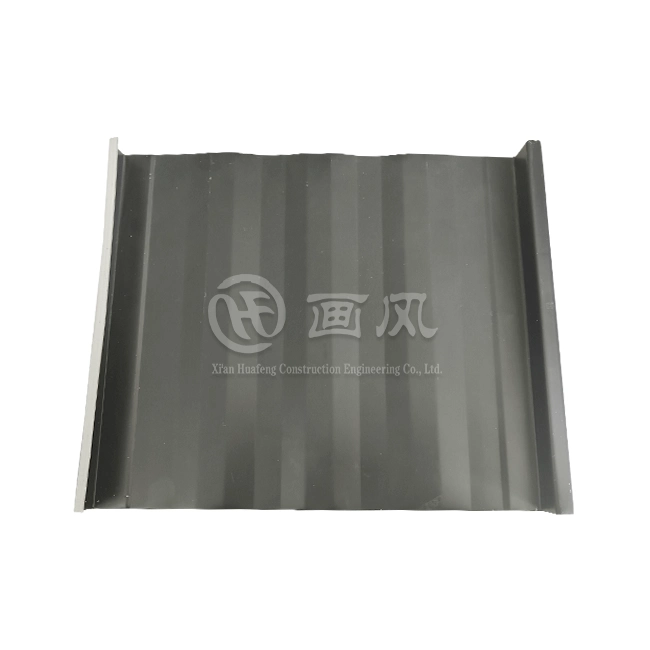
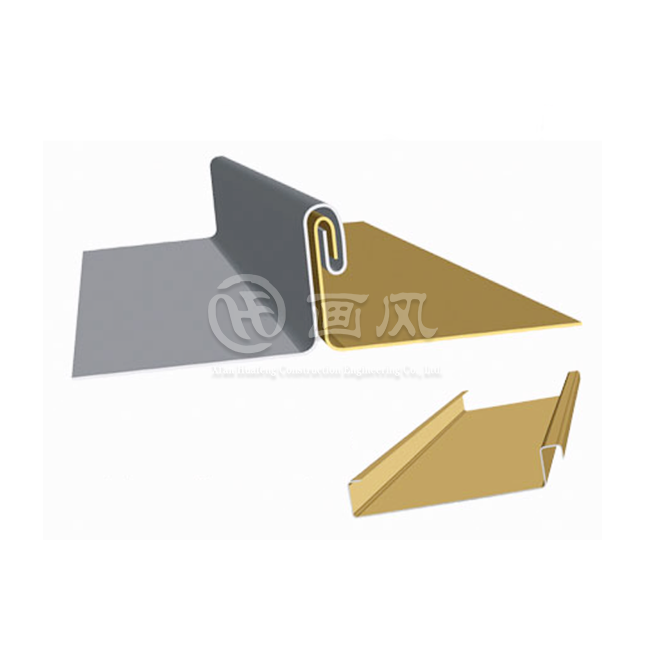
That which makes striated standing seam metal roofing unique is its two-layer design philosophy. In the standing seam design, panels are attached to the roof deck through clips that hide the bolts. This lets the panels expand and contract with the temperature without affecting the roof envelope. This mechanical design gets rid of the need for open fasteners, which are a typical place for standard roofing systems to fail. The height of the vertical seams is usually between 25 mm and 65 mm, but it depends on the project requirements and the amount of wind uplift that needs to be handled.
The striated shape adds a line of loops that run parallel to each panel's length. These striations are used for more than just looks in engineering. They make the panel stiffer across its width, which makes it less likely to bend while it's being moved or put together. The holes also break up patterns of light reflection, which gets rid of the waviness that comes with light-gauge metal without changing its strength.
Material Composition and Specifications
Striated panels built with durable substrates are high-quality. Galvalume steel meets ASTM A792 requirements with 55% aluminium, 43.4% zinc, and silicon. It is corrosion-resistant and suitable for industrial and coastal applications. Galvanized steel with G60 or G90 zinc coatings is robust at mild temperatures. Saline-alkaline environments benefit from lightweight, weather-resistant aluminium alloys like 3004 and 5052.
Panel thickness ranges from 0.6mm to 1.2mm, and 0.7mm to 0.8mm gauges are suitable for corporate application because to their cost-performance ratio. Rib configurations include 25-330/400/430, 32-410, 45-400, and 65-400/430. This enables you customize the product for structural loads and aesthetics. Low-cost projects include polyester (PE) coatings. Polyvinylidene fluoride (PVDF) coatings fulfill AAMA 2605 architectural finish requirements and last 20–30 years.
Installation Methodology
For thermal efficiency and weatherproofing, roofing contractors and material sellers need to work together during installation. Panels are roll-formed to specific lengths, which cuts down on seaming and possible leak points that need to be done on-site. Floating clip mechanisms in the system keep the panels in place while allowing them to move longitudinally as temperatures change. This method stops stress from building up, which could cause fasteners to come loose or panels to warp.
Most of the time, a minimum roof pitch of 2:12 is recommended to make sure that water drains away and doesn't pool in the striation lines. The type of underlayment used, the distance between clips, and the way seams are sealed must all be in line with local building rules and company guidelines in order to follow the warranty and get the best performance in wind-driven rain.
Design Advantages of Striated Standing Seam Metal Roofing
Superior Durability and Weather Resistance
When it comes to durability and life, striated standing seam metal roofing systems are better than asphalt shingles and tile in tough environments. The striated profile builds on these natural benefits by making the structure better. The vertical lines add a little crosswise stiffness, which keeps the panel from bowing during installation and during its service life. This stiffness helps the panels keep their shape even when snow and wind are pushing on them.
Combining design components makes something weatherproof. The raised seams and striated lines remove water from the roof, making drainage fast even in heavy rain. High-quality PVDF coatings withstand UV exposure, preventing degradation and colour loss after decades in the sun. Fire, hail, and wind uplift-resistant metal foundation earns Class Fires decrease commercial property insurance. Service life is extended by corrosion resistance, particularly in coastal and industrial locations with floating contaminants. With the correct foundation, covering thickness, and materials, you may secure a 30-year guarantee. If maintained, they will last much longer.
Enhanced Energy Efficiency and Sustainability
Thermal performance is a big operational benefit for building owners who are in charge of large roof areas. Reflective coats, which come in a range of RAL and Pantone colors, lower the amount of heat that comes in from the sun, which makes cooling easier in the summer. This ability to reflect helps meet the standards for LEED certification and backs up business efforts to be more environmentally friendly.
Metal roofing requires less structural support than tile, concrete, or slate due to its low weight. This allows retrofitting existing structures without costly structural reinforcement. This material frequently contains recycled elements and may be fully reprocessed as necessary. Contemporary construction approaches emphasize circular economy theories. By blocking heat, insulation makes roof portions more energy-efficient. Concealed fasteners provide continuous insulation without gaps in standing seam systems. The total roof assembly's R-value is optimal.
Architectural Versatility and Aesthetic Impact
The striated finish on panels gives projects a sense of depth that sets them apart from regular metal roofing installs. This three-dimensional quality is liked by builders who want to create a modern industrial look or by clients who want to improve the look of warehouses, factories, and other business buildings. The striation pattern looks like natural materials like wood grain, but it still has the practical benefits of metal construction.
Customization options cover a lot of different areas. Panel widths, rib heights, and striation depths can be changed to fit the needs of the project. The large range of colors comes in dull, glossy, and metallic styles that go with business logos or building themes. This gives procurement managers the freedom to choose solutions that meet both functional and aesthetic needs, which raises the value of the property and boosts the brand's visibility. The modern look and clean lines go with a wide range of building styles, from simple modern designs to rough industrial ones. Because it is flexible, the system can be used in homes, businesses, and institutions where both efficiency and appearance are important.
Comparing Striated Standing Seam With Other Roofing Solutions
Performance Against Traditional Materials
When compared to asphalt shingles, striated standing seam metal roofing lasts longer and costs less over its entire life. Most asphalt shingles need to be replaced every 15 to 20 years. Good metal systems, on the other hand, last 30 to 50 years. The care needs are very different. Asphalt roofs need to be checked for damaged or missing shingles on a regular basis, while metal roofs only need to be cleaned every so often to keep debris out and drains going.
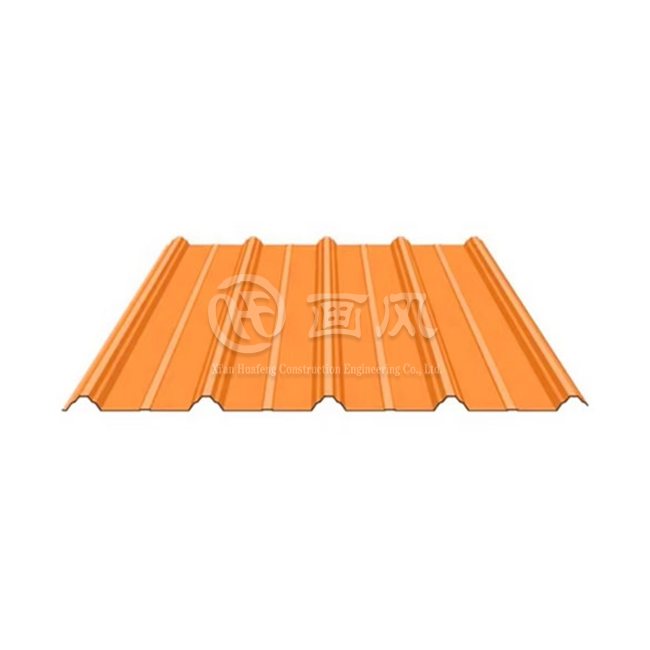
This coating is attractive but weighty and requires substantial structural support. Metal systems reduce dead load by 75% or more compared to concrete tiles, allowing them to be put on structures not designed to support heavy roofing materials. Installation is complex and time-consuming, thus metal systems are quicker and cheaper. Standing seam roof solutions endure longer and look better than corrugated metal panels, which are cheaper. Corrugated screws leak and require frequent maintenance because the nuts wear out. Because they shed water and look nicer, striated standing seam systems are worth the additional expense for applications that value longevity and appearance.
Installation and Maintenance Considerations
How well an installation is done has a big effect on project plans and costs. Standing seam systems need special tools and workers who know how to use mechanical seaming tools and put clips on correctly. This requirement for skill may reduce the number of contractors available in some areas, but it guarantees a good installation if the rules are followed.
During the working life, there aren't many maintenance needs. Metal roofs don't get damaged easily like asphalt shingles or tiles, which need to have broken tiles replaced or fixed individually. The striated surface may collect a little more dirt in the grooves than flat panels. For this reason, freshwater rinsing should be done on a regular basis in low-slope situations to stop biological growth or coating degradation. In crowded areas, acoustic performance should be taken into account. When it rains, metal roofing can let through more noise than asphalt or tile. In noise-sensitive areas, this feature might need extra insulation or sound-dampening underlayment. But in industrial and warehouse settings, it's usually not a problem.
Procurement Insights for B2B Clients
Sourcing Strategy and Vendor Selection
To find qualified striated standing seam metal roofing manufacturers, you need to look at their production skills, quality control methods, and how reliable their supply chains are. Companies that have more than one location with separate production lines show that they can handle big projects. Seven production lines and more than 40 machines that process 1,000 tons of material every month show that the company has the infrastructure it needs to always meet commercial deadlines for delivery.
Quality marks are direct proof of how well a product is made. ISO 9001 certification shows that a quality management system is being used, and ISO 14001 certification shows that a company is committed to environmental management. Following international rules like ASTM, DIN, JIS, BS, and GB/T makes sure that materials can be used in all global markets and legal settings. Warranty terms show how confident the manufacturer is in the product's durability. A 30-year guarantee that covers flaws in the material and the performance of the coating gives buying workers peace of mind about long-term value. When evaluating, it's important to look at things like whether the guarantee can be transferred, what the coverage is, and how financially stable the insurer is to pay claims decades from now.
Lead Time Management and Logistics
To plan a project well, you need to know when things need to be made and delivered. When orders are made correctly, standard shipping windows of 15 to 20 days work for most projects. Custom colors or specs that aren't standard may make wait times longer, so it's important to work with providers early on in the planning process. For special manufacturing runs, order numbers as low as 500 square meters or one ton make them possible. These minimums allow prices to be affordable while keeping production as efficient as possible. Bulk pricing structures lower the cost per unit, which is good for bigger projects and makes the project more profitable overall.
Panels can be up to 12 meters long, so transportation issues need to be thought through carefully. Working together with the installation teams makes sure that the arrival time matches the readiness of the installation, which avoids problems with storage and the risk of damage to the materials. When working on projects outside of the United States, it's easier to get supplies when the suppliers know how to handle export paperwork and foreign shipping.
Total Cost of Ownership Analysis
Lifecycle cost analysis is more useful than just comparing prices at the start when making decisions about what to buy. Even though striated standing seam systems may cost more up front than concrete or corrugated metal options, they usually give a better return on investment after 30 to 50 years because they last longer and need less upkeep. Reflective coatings save energy and lower running costs, especially in warm places where cooling rates are high. Insurance rates go down for roofs that are resistant to fire, which saves money over time. Long-term project economics are greatly improved by getting rid of the need for regular repair costs, which are a big problem with roofing materials that don't last as long. A warranty that lasts for thirty years protects against the costs of material failure that could otherwise put a strain on facility budgets. This way of lowering the risk is especially helpful for businesses that are in charge of multiple properties and know that roof leaks can cause problems with operations and unplanned capital expenditures.
Case Studies and Practical Applications
Commercial and Industrial Success Stories
The thermal performance of striated standing seam metal roofing systems has been proven by large warehouses in places where temperatures can change quickly. Reflective covering technology has been used in projects in the southwestern United States to lower the cost of cooling. Being able to choose light colors with high solar reflectance indexes has a direct effect on the budgets for running climate-controlled storage facilities.
Metal roofs that are properly installed can prevent corrosion in manufacturing plants that are exposed to airborne pollution. Establishments that are close to the coast or that process chemicals need materials that can stand up to harsh weather. Projects that used Galvalume substrates with PVDF coats have shown that the coatings have not failed or the substrates have not corroded over decades of use, which supports the guidelines for choosing materials. Metal roofing is being used more and more in green building projects as a part of LEED approval methods. Multiple LEED credit categories can be supported by the recyclable content, longer service life, and energy efficiency. Metal roofing systems meet the needs of projects that want to be certified as sustainable. They also meet goals for environmental performance.
Performance in Extreme Weather Zones
Areas that are prone to hurricanes need roofing systems that are made to fight wind lifting. Standard testing methods, such as UL 580 and FM 4471, check how well something works in low-pressure situations that mimic bad weather. When clips are spaced out correctly and attached to structure supports, systems can survive high winds without losing panels or letting water in.
Heavy-snow areas benefit from the smooth surface, which makes it easier for snow to melt and lowers the load on structures during the winter. Metal roofing is more structurally efficient than heavy options that get weighty with snow because of its high strength-to-weight ratio. With insulation methods that keep ice dams from forming at eaves, the heating qualities of metal can be used to your advantage. Climate resilience also includes fire resistance, which is important in places where wildfires are common. Class A fire ratings offer the best defense against fires that start from the outside, shielding buildings from ember showers and radiant heat. This performance trait lowers the risk of property loss and is in line with building rules that are getting stricter in areas where there is a fire risk.
Conclusion
Striated standing seam metal roofing is a great choice for challenging business and industrial uses because it is long-lasting, looks good, and has a good lifecycle value. The textured profile improves the structural performance by making the panels more rigid and better managing water. It also improves the way they look. Material specifications that meet foreign standards and longer warranties give procurement pros faith in the products' long-term performance. Because the system can be used in a variety of architectural settings and is also energy-efficient and environmentally friendly, it is the best choice for businesses that want to minimize their total cost of ownership and ensure their roofs will last for a long time.
FAQ
1. Does Striated Standing Seam Metal Roofing Completely Eliminate Oil Canning?
Any striated standing seam metal roofing system can't directly get rid of oil canning, which is the waviness that you see in light-gauge metal. The best way for the industry to hide this feature is with the striation shape, which breaks up flat light reflection patterns. The waviness may still be there in a subtle way, but the rough surface makes it much harder to see. This solves the problem of how it looks without affecting the structure's function or making the material much more expensive.
2. How Does Installation Compare to Traditional Standing Seam Systems?
The way they are installed is mostly the same as with flat-pan standing seam systems; they use the same clip connection and mechanical seaming tools. The main difference is in how the panels are visually inspected. Installers should make sure that the striations stay the same and are not broken during handling. Crews that have been properly trained and are used to installing standing seam panels can switch to installing striated panels without having to go through a lot of learning or having their productivity drop, which could delay the project.
3. What Maintenance Does This Roofing System Require?
Maintenance requirements stay low throughout the service life, usually just regular cleaning with fresh water to keep biological growth from building up in the striation lines. Sealants should be checked once a year to make sure they stay in place and drainage paths stay clear. Unlike traditional roofing materials that need to be fixed or replaced when parts get damaged, metal systems don't fail in the most common ways, so they require much less maintenance over their lifetime than asphalt or tile alternatives.
Partner With HF for Your Next Roofing Project
At Xi'an Huafeng Construction Engineering Co., Ltd., we offer striated standing seam metal roofing options that work better than expected by combining advanced manufacturing skills with deep industry knowledge. Our three strategically placed factories run seven color coating production lines and more than 40 specialized machines, making 1,000 tons of products every month to help with big business projects. We have a wide range of standard choices, such as thicknesses from 0.6mm to 1.2mm, different rib configurations (25-330/400/430, 32-410, 45-400, 65-400/430), and a huge range of colors from the RAL and Pantone palettes, with PVDF or PE surface treatments.
When you work with HF as your striated standing seam metal roofing manufacturer, you can get materials that meet ASTM, DIN, JIS, BS, and GB/T standards. These materials are also backed by 30-year warranties that protect your investment. Our flexible minimum order quantities of 500 square meters and delivery times of 15 to 20 days make it easy to work with your project's plan, and our cheap bulk price makes the project more cost-effective. Email our team at huafeng@hfmetalroof.com to talk about custom configurations, get detailed specifications, and get quotes that are made to fit the needs of your project. Let our ISO-certified quality processes and track record help you with your next roofing project.
References
1. Metal Construction Association. "Guidelines for Evaluating Oil Canning in Metal Wall and Roof Panels." Technical Bulletin, 2019.
2. American Architectural Manufacturers Association. "AAMA 2605-13: Voluntary Specification, Performance Requirements and Test Procedures for Superior Performing Organic Coatings on Aluminum Extrusions and Panels." 2013.
3. National Roofing Contractors Association. "The NRCA Metal Panel and SPF Roof Systems Manual." NRCA Publications, 2020.
4. ASTM International. "ASTM A792/A792M-18: Standard Specification for Steel Sheet, 55% Aluminum-Zinc Alloy-Coated by the Hot-Dip Process." ASTM Standards, 2018.
5. Cool Roof Rating Council. "Product Rating Program Manual: Rated Product Directory and Technical Standards." CRRC-1 Standard, 2021.
6. U.S. Green Building Council. "LEED v4.1 Building Design and Construction: Material and Resource Credits for Sustainable Roofing Systems." USGBC Technical Resources, 2020.





YOU MAY LIKE