Where to buy hidden fastener roofing panels
2026-08-14 15:45:54
When searching for where to buy hidden fastener roofing panels, construction companies and roofing contractors across the United States increasingly turn to specialized metal roofing manufacturers who combine technical expertise with robust supply chains. Leading manufacturers like Xi'an Huafeng Construction Engineering Co., Ltd. offer direct-to-buyer channels, providing standing seam metal roofing systems that meet rigorous industry standards while maintaining competitive pricing. Online B2B marketplaces, regional distributors, and manufacturer websites have become the three primary sourcing pathways, each offering distinct advantages in lead times, customization options, and after-sales support that align with project-specific requirements.

What Are Hidden Fastener Roofing Panels and Why They Matter
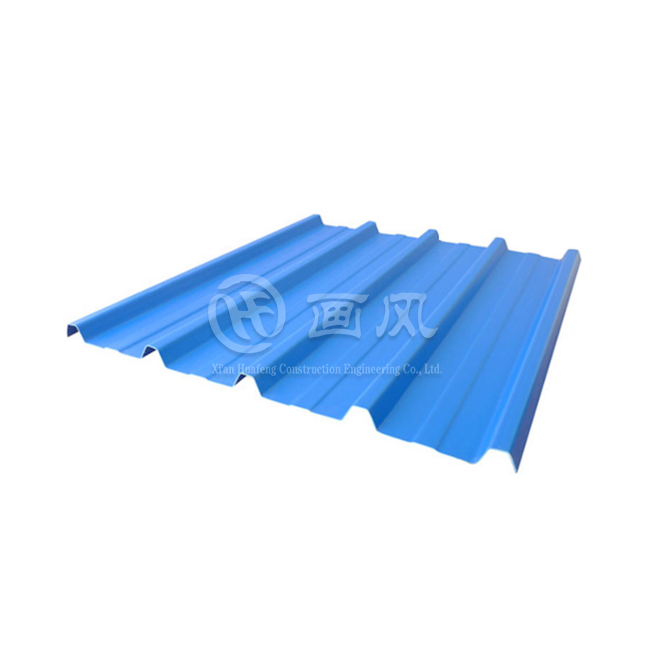
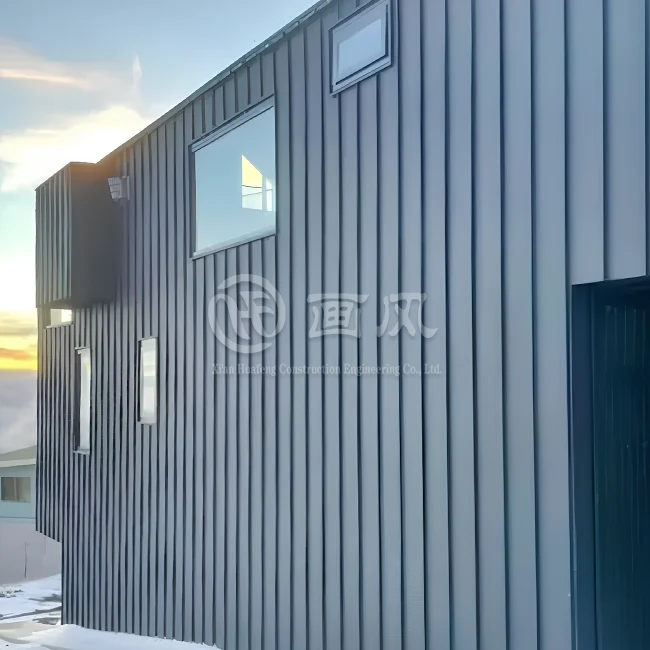
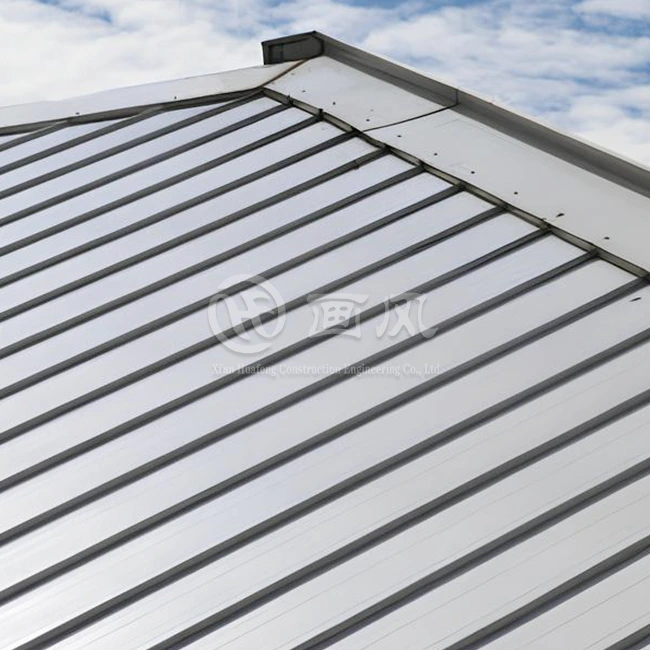
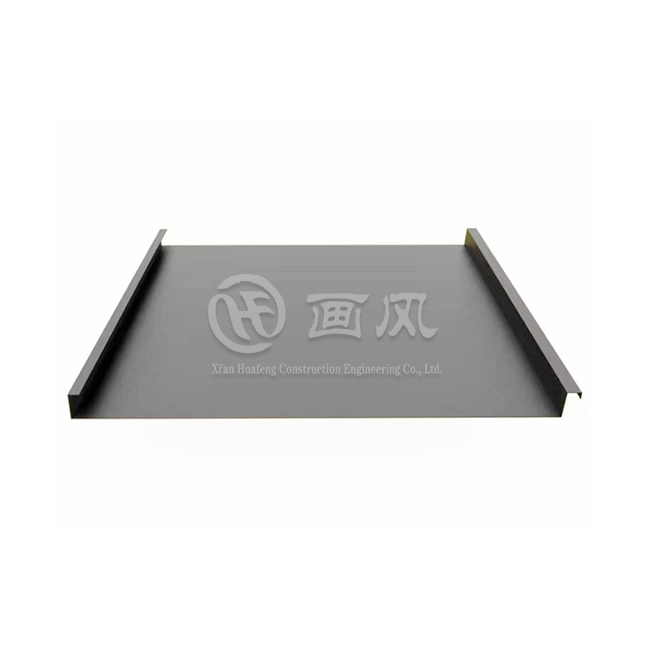
Standing seam metal roofing systems, which are also called "concealed fastener panels," are a big improvement over older systems with exposed screws. With this technology, panels are held in place by clips or interlocking seams that are placed below the roof's surface. This keeps the fixing gear completely out of the weather.
Engineering Advantages That Impact Your Bottom Line
The design of hidden fastener roofing gets rid of thousands of places where screw-down systems could leak. Traditional uncovered fastener roofs use EPDM rubber screws that break down in UV light and changing temperatures, so the fasteners usually need to be replaced every 10 to 15 years. With concealed clip methods, you don't have to do any of this upkeep. The floating clip assembly allows metal panels to expand and contract with changes in temperature. This is very important because a 100-foot steel panel can expand up to 1.5 inches when temperatures change. This gives the system more flexibility, which stops problems like panels sagging and fasteners pulling out.
Applications Across Commercial and Residential Projects
On low-slope roofs of commercial buildings, automatically seamed standing seam systems work well against water even on slopes as small as 1/4:12. Coastal home projects call for aluminum substrates with PVDF coatings, which protect against salt spray corrosion that destroys steel fasteners that are left out in the open. Solar photovoltaic systems that use non-penetrating seam clamps are being used more and more in public structures. These systems produce green energy without voiding waterproofing warranties. Because they can be used in so many different ways, builders, engineers, and building managers choose concealed fastener systems for projects that need to last more than 50 years.
Key Considerations When Buying Hidden Fastener Roofing Panels
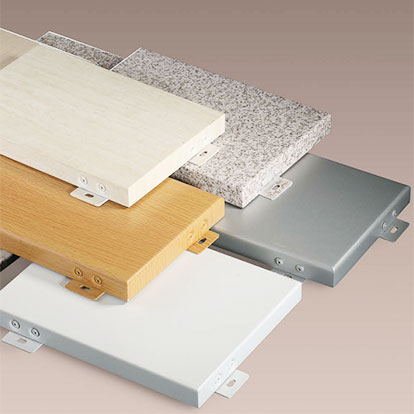
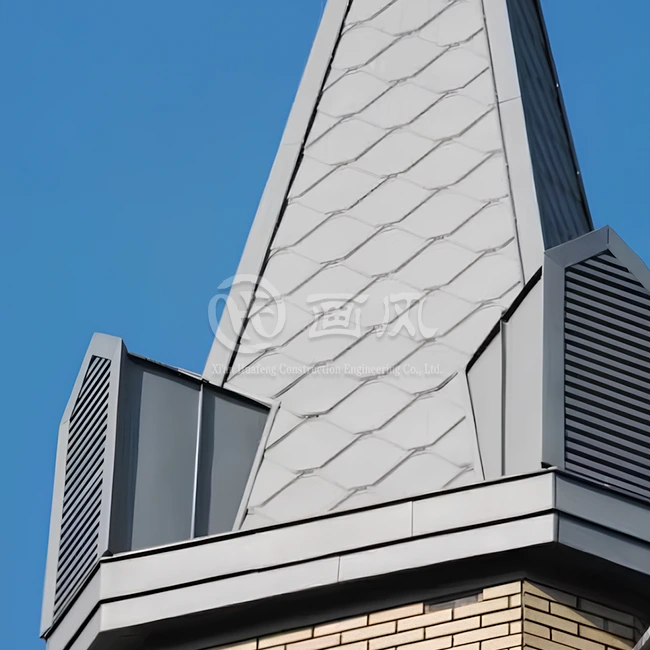
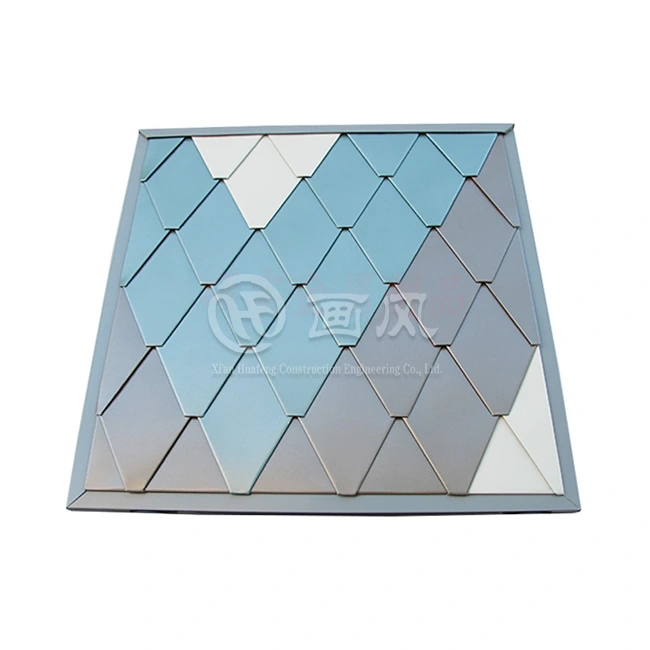
The choice of material has a direct effect on how well it works and how much it costs over its whole life. Galvalume-coated steel (AZ50/AZ55) is very resistant to corrosion in interior areas, while aluminum surfaces work better in sea areas where salt air speeds up the breakdown of steel. The natural patina development on zinc and copper choices gives them a high-end look that makes them suitable for high-end building projects.
Evaluating Roofing System Types
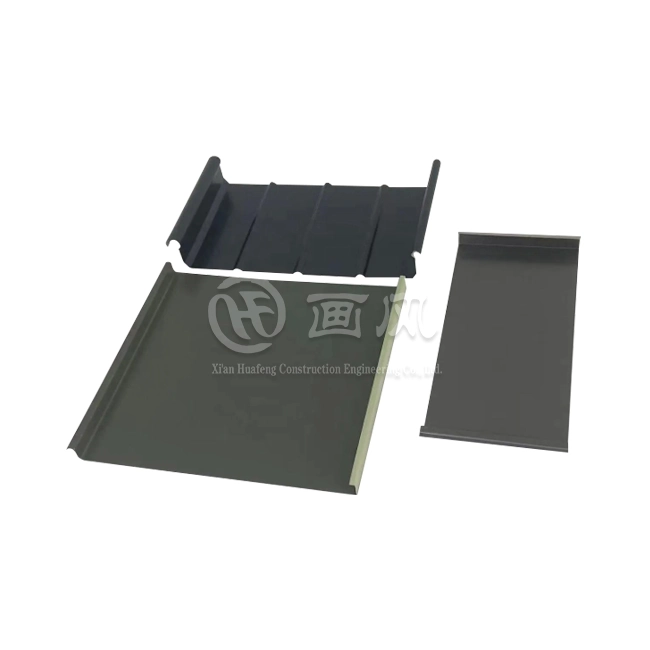
Snap-lock profiles let panels fit together without special tools for seaming, making them a popular choice for hidden fastener roofing. This cuts down on the cost of installation work while keeping the panels weathertight enough for home use. Mechanically seamed systems, which can be set up in either a single-lock or double-lock configuration, need portable seaming machines but offer better wind uplift ratings and often meet UL 580 Class 90 standards, which are necessary for commercial buildings in hurricane-prone areas. Panel thicknesses between 0.4mm and 1.2mm affect both structural strength and oil can sight. Heavier gauges make flat panel parts look smoother by reducing the amount of waviness they have.
Compliance and Energy Efficiency Standards
When making purchases, people need to think about the building code and environmental standards. PVDF (Kynar 500®) coatings that meet AAMA 2605 standards ensure that the coats won't fade or chalk over many years, keeping the solar reflectivity that is needed for LEED Cool Roof points. Panels made to ASTM, DIN, JIS, BS, and GB/T standards show that the quality is the same for all international projects. High sun reflectance and thermal emittance values in energy-efficient metal roofs help lower HVAC loads. This is something that is becoming more and more important as electricity costs rise and environmental rules get stricter.
Where to Find Reliable Hidden Fastener Roofing Suppliers
To find the right provider, you need to look at a number of different platforms, each of which has its own operational benefits. Direct relationships with manufacturers offer low prices and the ability to make changes. This is especially helpful for big projects that need to fit specific panel profiles or colors.
Manufacturer Direct Sourcing
With three factories, seven finishing lines, and more than 40 processing tools, Xi'an Huafeng Construction Engineering Co., Ltd. can give more than 1,000 tons of goods every month. This production scale lets you quickly fill large orders while still being able to adapt to specific needs. Manufacturers with ISO9001 and ISO14001 certifications show that they manage quality and the environment in a systematic way, which lowers the risk of buying from them. Registered patents and first-level building curtain wall skills show that a company is technically competent and follows the rules.
Different architectural needs can be met by panel specifications like 25-330/400/430, 32-410, and 45-400 profiles for hidden fastener roofing. PVDF and PE surface treatments offer different levels of performance, combining cost concerns with long-term durability standards. RAL color matching makes sure that the look of multiple phases of a project stays the same, and agreement with ASTM and international standards makes it easier for engineering companies to approve the specifications.
Distributor Networks and Regional Partners
Regional distributors keep stock on hand so they can deliver smaller orders faster. This usually cuts lead times down to 7–10 days, compared to 15–20 days for direct manufacturing orders. This benefit helps contractors who are working with tight schedules or who need materials right away for renovation projects. Distributors often offer professional support and training on how to put metal roofs, which is helpful for businesses that want to offer more metal roofing options. Checking the connections between distributors and main makers helps make sure that materials are real and that warranties are valid, which keeps problems from happening with fake or low-quality goods.
Online B2B Platforms
Digital marketplaces make it easier to compare suppliers, so procurement teams can look at more than one at the same time. A lot of the time, these platforms have verified seller reviews, transaction histories, and third-party quality reports that make it easier to do your research. But before making big purchases, buyers should carefully check the credentials of the maker, ask for material certifications, and make sure they understand the guarantee terms. Platforms are best for finding new suppliers at the start of a project, but they shouldn't be used instead of direct relationships with manufacturers for ongoing needs.
Installation Services and After-Sales Support: What Buyers Need to Know
Using the right installation methods is what determines whether standing seam systems last the 50 years they are supposed to or break down before they should. To make weathertight setups, contractors need to know how to prepare the base, how much space between clips is needed, and how to use a seaming machine.
Contractor Qualifications and Installation Standards
Because seaming methods are different for snap-lock and mechanically seamed systems, installers should show that they know how to use the specific panel designs that are being used for hidden fastener roofing. When seams aren't engaged properly in mechanical systems, water can get in, and when clips aren't spaced correctly, wind uplift resistance is reduced. Certification programs from metal roofing groups offer uniform training that helps buyers find installation teams that are qualified. Costs usually fall between $8 and $15 per square foot fixed, but this depends on how complicated the job is, how steep the roof is, and how much work costs in the area.
Maintenance Requirements for Long-Term Performance
Once a year checks that look at the condition of the coating, the integrity of the seams, and the attachment of clips help find small problems before they get worse and need expensive repairs. Clear away any debris that has gathered in valleys and around penetrations to stop water from staying there and speeding up rust. In industrial settings, buildings may need to be cleaned on a regular basis to get rid of airborne contaminants that wear down coatings too quickly. Even though these upkeep steps aren't very long compared to other roofing systems, they protect the large investment and make sure the guarantee is followed.
Cost and Procurement Strategy: Making Smart Buying Decisions
The total cost of ownership includes more than just the price of the materials. It also includes the cost of installation, the cost of upkeep, and the amount of energy saved over the roof's lifetime. Strategic buying weighs these things against the limits of the project and the needs of the company.
Analyzing Comprehensive Cost Factors
The price of materials for standing seam panels ranges from $3 to $8 per square foot, based on the type of foundation, the quality of the coating, and the thickness requirements. PVDF-coated Galvalume is the middle-of-the-road choice; it's very durable and doesn't cost too much. Although aluminum substrates are more expensive, they don't rust in coastal environments, which could lower long-term maintenance costs. Logistics of transportation have a big effect on completed costs, especially for projects that are in rural areas or need to be shipped quickly.
Minimum order quantities, which are usually 500 square meters or one ton, favor bigger projects where economies of scale can lower the cost per unit. Procurement teams should work out shipping times that work with building plans so that materials don't have to be stored or stolen too early, which can cost a lot of money and cause problems. Managing cash flow is harder when you buy things from other countries because of the different payment terms and currencies involved. However, dealing with domestic suppliers like Huafeng in the US makes these transactions easier.
Warranty Coverage and Quality Assurance
Full guarantees that cover 30 years on the quality of the substrate and the performance of the coating protect you financially against breakdowns that happen too soon for hidden fastener roofing. Knowing what the guarantee doesn't cover—usually issues with bad installation, poor care, or being exposed to chemicals that break down things—helps you set realistic goals. As important as stated terms are, a supplier's standing for honoring warranty claims is even more important. This is why checking with previous clients for references is a good idea. Quality approvals that show compliance with ASTM E1592 wind uplift tests and AAMA 2605 finishing standards are an objective way to prove that a product works, beyond what the company says on the label.
Reliability in lead times affects project schedules and how well trades work together. Suppliers who offer consistent delivery windows of 15 to 20 days make it possible to accurately plan building projects, while suppliers whose completion is hard to predict cause costly delays. Matching supply capacity to project size is important for making sure material consistency and avoiding supply gaps in the middle of a project, especially for developments with multiple buildings or construction that is done in stages.
Conclusion
When buying standing seam metal roofing systems, you have to find a balance between technical requirements, the supplier's abilities, and the cost over the life of the system. Direct connections with manufacturers offer flexibility, reasonable pricing, and technical support that are good for construction companies and roofing workers. The choice of materials must take into account the building's exposure to the environment, its design needs, and its sustainability goals, as well as any building codes and standards that apply. Installing luxury roofing systems by qualified professionals and following a set of care plans will protect the large investment you've made in them. When companies do strategic procurement, they look at the total cost of ownership instead of just the original price. This helps them get the best value while also making sure the building envelope works well in the long run. By prioritizing hidden fastener roofing systems, project teams gain additional assurance against weather penetration, reduce long-term maintenance demands, and enhance overall structural longevity—all without compromising the design flexibility and thermal performance that modern commercial roofs demand.
FAQ
1. How does concealed fastener roofing handle thermal expansion compared to exposed fastener systems?
Standing seam systems use clip assemblies to hold panels to the roof decking while still letting them move side to side as the temperature changes. This floating connection lets metal expand and contract without putting stress on fasteners. It gets rid of the screw backing and slot elongation that happen with visible fastener roofs that are tightly connected. The design makes the fasteners last longer and keeps the weathertightness even after decades of changing temperatures.
2. Can standing seam panels be installed on purely flat roofs?
Structural mechanically seamed systems need slopes of at least 0.5:12 to 1:12 for water to drain properly, even though they work hydrostatically. When zero-slope techniques are used, there is a chance that water will pool and finally find its way in through seams or holes. Commercial projects with low slopes should talk to makers about the right profiles and sealing needs for their unique slope conditions.
3. Is oil canning considered a defect in metal roofing panels?
The obvious wave-like pattern in flat panel parts, called "oil canning," is not a structural flaw but a design choice. This happens because of the pressures during production and the flexibility of thin-gauge metal. Some ways to reduce waviness are to select heavier gauge materials, smaller panel widths, or profiles with striations that hide the waviness visually. Oil canning is a normal part of building with light-gauge metal, according to industry standards.
Get Your Hidden Fastener Roofing Quote from HF Today
You can trust Xi'an Huafeng Construction Engineering Co., Ltd. as your hidden fastener roofing source because they combine advanced manufacturing with helpful customer service. Our three factories make more than 1,000 tons of hidden fastener roofing every month, which helps with projects ranging from 500 square meters to big commercial buildings. Panels that meet ASTM, DIN, JIS, BS, and GB/T standards are shipped within 15 to 20 days and come with full 30-year warranties. Email our procurement specialists at huafeng@hfmetalroof.com to talk about the details of your project, get technical information, and get competitive prices that fit your budget and timeline.
References
1. Metal Construction Association. "Design Guide for Standing Seam Metal Roof Systems." Metal Construction Association Technical Bulletin, 2022.
2. American Architectural Manufacturers Association. "AAMA 2605: Voluntary Specification, Performance Requirements and Test Procedures for Superior Performing Organic Coatings on Aluminum Extrusions and Panels." AAMA Standards, 2021.
3. National Roofing Contractors Association. "Metal Panel Roof Systems Manual." NRCA Technical Operations Division, 2023.
4. Cool Roof Rating Council. "Product Rating Program Manual: Rated Metal Roofing Products." CRRC Technical Guidelines, 2022.
5. ASTM International. "ASTM E1592: Standard Test Method for Structural Performance of Sheet Metal Roof and Siding Systems by Uniform Static Air Pressure Difference." ASTM Building Standards, 2020.
6. U.S. Green Building Council. "LEED v4.1 Building Design and Construction: Energy and Atmosphere Credit Requirements for Cool Roofs." USGBC LEED Reference Guide, 2023.





YOU MAY LIKE